

Free Paktika Travel Guide & Mobile App
Explore Paktika with free travel guides. Discover regional history, expert tips, proposed trips, and audio guides on web or mobile app.


Paktika reveals Afghanistan’s rugged south-eastern frontier, with highland valleys, Pashtun heritage and landscapes shaped by history and conflict.
Read more about Paktika
When is the best time to visit Paktika?
Best: May, September–October · 20–27°C| Month | High (°C) | Rainfall (mm) |
|---|---|---|
| January | 5 | 25 |
| February | 8 | 30 |
| March | 14 | 35 |
| April | 20 | 40 |
| May (best) | 26 | 25 |
| June | 31 | 15 |
| July | 35 | 10 |
| August | 34 | 10 |
| September (best) | 27 | 15 |
| October (best) | 20 | 20 |
| November | 12 | 25 |
| December | 6 | 30 |
Getting to and around Paktika
How to get there
Transportation
Best landmarks in Paktika
Paktika’s most recognisable landmarks are its mountain terrain, frontier routes and provincial settlements rather than a single monumental building. Sharana functions as the administrative centre and principal reference point for the province, while the roads and valleys leading towards the Gomal region illustrate the strategic geography that has shaped local history. The Sulaiman-related uplands create a powerful physical backdrop, with dry ridges and narrow valleys surrounding areas of cultivation and settlement. Gayan and Barmal are significant contemporary landmarks in a historical sense because the 2022 earthquake caused extensive destruction there and reshaped the communities’ built environment. Any remaining damaged structures, former military positions or old earthworks must be treated as sensitive, potentially dangerous locations rather than photographic attractions. Paktika’s borders, passes and valleys are meaningful because they connect communities and have influenced conflict, administration and trade across generations; however, border observation and off-road exploration require explicit permission and professional security planning.
-
Historical place
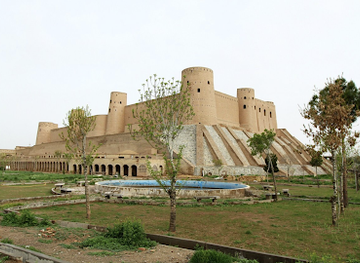
Herat Citadel
Explore the ancient Herat Citadel, a majestic fortress with a history stretching back to Alexander the Great, offering stunning city views.
-
Park
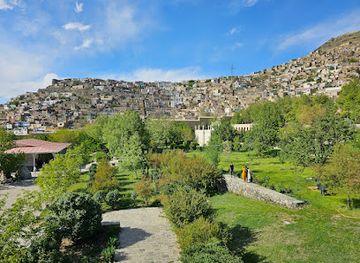
Babur Garden
Explore Kabul's historic Bagh-e Babur: a serene Mughal garden, the final resting place of Emperor Babur, and a testament to Afghan art and civilization.
-
National park
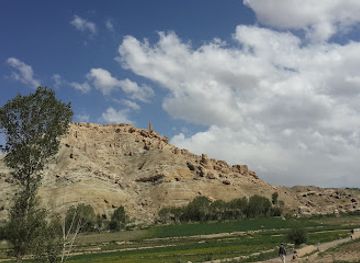
Band-e-Amir National Park
Discover Afghanistan's first national park, a breathtaking landscape of turquoise lakes and dramatic canyons, offering a unique blend of natural beauty.
-
Castle
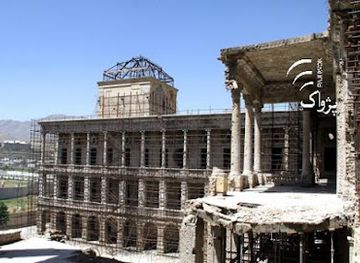
DarulAman Palace
Explore Darul Aman Palace in Kabul: A neoclassical masterpiece reborn, symbolizing Afghanistan's enduring spirit and rich history.
Explore Paktika on the map
Plan your trip on one map. See where the top cities, national parks and sights are, and book hotels and experiences in a few clicks.
Best hotels in Paktika
Best restaurants in Paktika
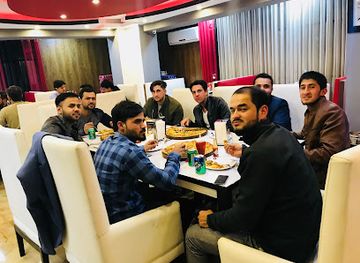
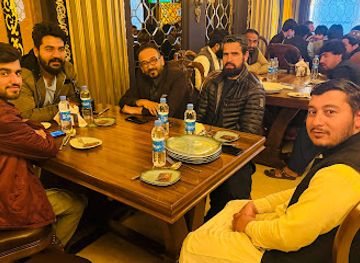
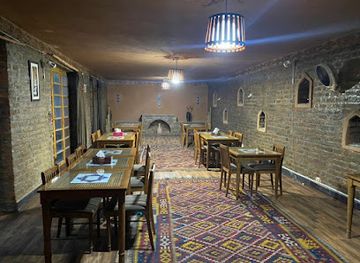
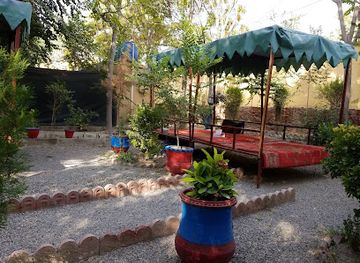
Paktika has no established international restaurant scene, and dining is generally centred on homes, local guesthouses, small eateries and tea houses in larger settlements. Food reflects south-eastern Afghan and Pashtun traditions, with rice dishes, flatbreads, grilled meat, stews, beans, yoghurt, seasonal vegetables and green or black tea forming the everyday repertoire. Meals are often prepared simply, using ingredients available through local markets and household networks. Visitors with an authorised reason to travel should not assume consistent refrigeration, filtered water, specialist diets or reliable opening hours, and should carry appropriate provisions after taking medical advice. In rural areas, accepting food or tea can be an important courtesy when offered by a host, although dietary and religious considerations should be respected. There is no dependable basis for recommending particular restaurants, and food arrangements should be made through a trusted local organisation or secure accommodation rather than improvised on the road.
-
Mr.cook fast food
Experience authentic Afghan fast food at Mr. Cook in Kabul - where flavor meets hospitality in every bite!
-
Ziyafat Restaurant
Experience authentic Afghan cuisine at Ziyafat Restaurant in Kabul - where tradition meets taste.
-
Sufi Mahal Restaurant ( رستورانت صوفی محل )
Discover authentic Afghan flavors at Sufi Mahal Restaurant in Kabul – where every dish is crafted with passion and tradition.
-
Herat Restaurant
Experience authentic Afghan cuisine at Herat Restaurant in Kabul – where tradition meets flavor in every dish.
Best bars in Paktika
Paktika has no conventional bar or nightclub culture for international visitors. Alcohol is prohibited under Afghanistan’s current legal and religious framework, and public nightlife is highly conservative. Evening social life generally centres on family homes, mosques, tea houses and limited local eateries, particularly in larger settlements. Tea houses are social spaces rather than entertainment venues and should be approached with local guidance, modest dress and sensitivity to privacy. In rural districts, services may close early or be unavailable, while movement after dark can carry additional security risks. Visitors on essential assignments should spend evenings within secure accommodation and follow the advice of their host or security provider rather than seeking public entertainment.
-
Afghani
پکتیکا ولایت
Experience the rich flavors and warm hospitality of پکتیکا ولایت, a culinary haven in Afghanistan showcasing authentic Afghan dishes.
-
Afghani
ملایان
Experience authentic Afghani cuisine at ملایان in Mullayano Kala, where every dish tells a story of tradition and flavor.
-
Afghani
هتل رستوران مقر
Discover the authentic flavors of Afghanistan at هتل رستوران مقر in Moqor, offering a delicious blend of traditional and modern Afghan cuisine.
-
Afghani
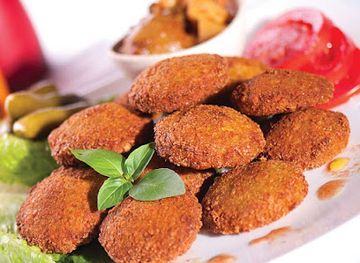
فلافل بصیر
Experience the authentic taste of Middle Eastern cuisine at فلافل بصیر in Ghazni, Afghanistan, and indulge in delicious falafel and more.
Best nightclubs in Paktika
Paktika has no conventional bar or nightclub culture for international visitors. Alcohol is prohibited under Afghanistan’s current legal and religious framework, and public nightlife is highly conservative. Evening social life generally centres on family homes, mosques, tea houses and limited local eateries, particularly in larger settlements. Tea houses are social spaces rather than entertainment venues and should be approached with local guidance, modest dress and sensitivity to privacy. In rural districts, services may close early or be unavailable, while movement after dark can carry additional security risks. Visitors on essential assignments should spend evenings within secure accommodation and follow the advice of their host or security provider rather than seeking public entertainment.
-
Ziarat
Discover the lively nightlife of Ziarat in Pitav, Afghanistan, where music, dance, and culture come together for an unforgettable experience.
-
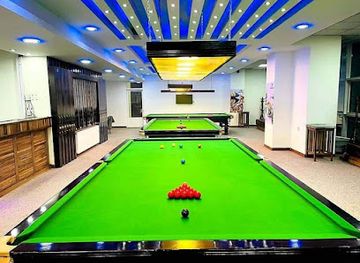
iCue Snooker & Cafe
Discover the vibrant atmosphere of iCue Snooker & Cafe in Kabul, where snooker meets casual dining in a lively sports club setting.
-
Night club
کمیته مردمی کمیسیون برگزاری جشن استقلال
Discover the vibrant nightlife of Kabul at کمیته مردمی کمیسیون برگزاری جشن استقلال, where local culture meets energetic entertainment.
-
 Night club
میرویس پلازا
Discover the exhilarating nightlife at میرویس پلازا, Kabul's premier night club, where music, dance, and culture come alive.
Best shops in Paktika
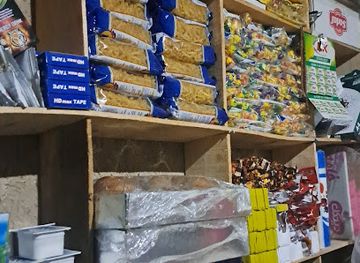
Shopping in Paktika is practical and local rather than oriented towards tourism. Bazaars and small shops in Sharana and district centres supply food, clothing, household necessities, fuel and basic telecommunications products, while rural markets serve surrounding communities on a limited and changeable basis. Visitors may encounter locally made clothing, woven textiles, dried foods, nuts, spices and simple craft goods, but availability varies and there is no dependable network of specialist souvenir shops or major shopping centres. Bargaining may occur in informal markets, although respectful conduct and a host’s guidance are important. Do not photograph stalls or people without permission, and avoid purchasing archaeological objects, old weapons or items whose origin cannot be established. Travellers on authorised visits should bring essential personal supplies from a secure starting point, since product choice, cash access and replenishment cannot be assumed within the province.
-
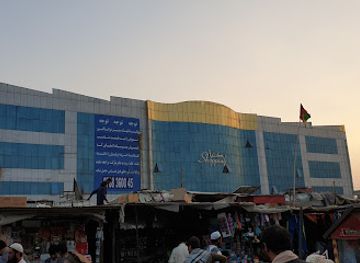
Paktika shopping center
Explore Kabul's vibrant Paktika Shopping Center for unique shopping, local cuisine, and an authentic Afghan cultural experience.
-
Ziaulhaq store
Experience authentic Afghan culture at Ziaulhaq Store in Bahrami Shahid, where unique local products and warm hospitality await you.
-
Paktia Mini Shop
Explore the cultural essence of Gardez at Paktia Mini Shop, a vibrant shopping destination for unique local products.
-
malizai ملیزای کلی
Explore Malizai in Zarghun Shar for exquisite Afghan furniture that blends traditional craftsmanship with modern elegance.
Get your free copy of our complete guide to Paktika, delivered straight to you.
Everything on this page, from attractions and restaurants to essentials and local phrases, in one PDF you can read offline, print or share.
Already have an account? Sign in
Your Paktika guide is ready.
We'll send it to · Not you? Sign out

Getting your guide ready…
We are putting together a fresh copy of the Paktika guide. This can take up to a minute.
This can take a few moments. If your browser asks, choose Allow so the download can start. You'll find the guide in your Downloads folder.
Nothing happened? Download it again
Sorry, the guide is taking longer than usual. Please try again in a minute, or get it by email instead.
Paktika essentials
Currency and Payment
Safety
Emergency Situations
Do's and Don'ts
Local Tips
From Eve
Local phrases worth knowing
You don't need to get them perfect. A few words go a long way, and locals appreciate the effort.
Basics
| English | Local | Say it |
|---|---|---|
| Hello | سلام | [Salam] |
| Goodbye | خداحافظ | [Khudā hāfez] |
| Yes | بله | [Bale] |
| No | نه | [Na] |
| Please/You're welcome | لطفا / خوش آمدید | [Lutfan / Khush āmadid] |
| Thank you | تشکر | [Tashakur] |
| Excuse me/Sorry | ببخشید | [Bebakhshid] |
| How are you? | چطور هستید؟ | [Chetor hastid?] |
| Fine. And you? | خوبم. شما چطورید؟ | [Khobam. Shoma chetorid?] |
| Do you speak English? | شما انگلیسی صحبت می کنید؟ | [Shoma Engilisi sohbat mi konid?] |
| I don't understand | من نمی فهمم | [Man nami fahmam] |
Eating & Drinking
| English | Local | Say it |
|---|---|---|
| I'd like to see the menu, please | لطفا منوی را ببینم | [Lutfan menu ra bebinam] |
| I don't eat meat | من گوشت نمی خورم | [Man gusht nami khoram] |
| Cheers! | به سلامتی! | [Ba salāmati!] |
| I would like to pay, please | لطفا می خواهم پرداخت کنم | [Lutfan mi khaham pardakht konam] |
Emergencies
| English | Local | Say it |
|---|---|---|
| Help! | کمک! | [Komak!] |
| Go away! | برو برو! | [Boro boro!] |
| Call the Police! | پلیس را صدا کنید! | [Polis ra sedā konid!] |
| Call a doctor! | دکتر را صدا کنید! | [Doktor ra sedā konid!] |
| I'm lost | من گم شده ام | [Man gom shode am] |
| I'm ill | من بیمار هستم | [Man bimār hastam] |
Shopping
| English | Local | Say it |
|---|---|---|
| I'd like to buy... | می خواهم بخرم... | [Mi khaham bekharam...] |
| I'm just looking | فقط دارم نگاه می کنم | [Faghat dāram negāh mi konam] |
| How much is it? | این چقدر است؟ | [In chandar ast?] |
| That's too expensive | این خیلی گران است | [In kheyli gerān ast] |
| Can you lower the price? | می توانید قیمت را پایین بیاورید؟ | [Mi tavanid gheymat ra pāin biāvarid?] |
Time & Numbers
| English | Local | Say it |
|---|---|---|
| What time is it? | الان ساعت چند است؟ | [Alān sā'at chand ast?] |
| It's one o'clock | ساعت یک است | [Sā'at yek ast] |
| Half past (10) | نیم ساعت (۱۰) | [Nim sā'at (10)] |
| Morning | صبح | [Sobḥ] |
| Afternoon | بعد از ظهر | [Ba'd az zuhr] |
| Evening | عصر | [Asr] |
| Yesterday | دیروز | [Dīruz] |
| Today | امروز | [Emruz] |
| Tomorrow | فردا | [Fardā] |
| 1 | یک | [Yek] |
| 2 | دو | [Do] |
| 3 | سه | [Se] |
| 4 | چهار | [Chahār] |
| 5 | پنج | [Panj] |
| 6 | شش | [Shesh] |
| 7 | هفت | [Haft] |
| 8 | هشت | [Hasht] |
| 9 | نه | [No] |
| 10 | ده | [Dah] |
Transport & Directions
| English | Local | Say it |
|---|---|---|
| Where's a/the...? | کجا... است؟ | [Kujā... ast?] |
| What's the address? | آدرس چیست؟ | [Ādres chist?] |
| Can you show me (on the map)? | می توانید به من نشان دهید (روی نقشه)? | [Mi tavanid be man neshān dahid (ruye naqsha)?] |
| When's the next (bus)? | کی اتوبوس بعدی می آید؟ | [Ki otobus bādi mi āyad?] |
| A ticket (to ....) | یک بلیط (به ....) | [Yek belit (be ....)] |
History of Paktika
Early routes through the Gomal region
Paktika occupies part of a long-standing passage between the Afghan interior and the frontier lands around the Gomal River. Seasonal routes through valleys and passes enabled movement of pastoral communities, traders and armies, although the sparse archaeological record and limited field access make it unwise to assign every mound or ruin to a particular civilisation. The region’s importance has consistently derived from geography: control of routes and water sources mattered more than the creation of a large urban centre.
Pashtun settlement and frontier society
Over many centuries, Pashtun communities established settlements and social networks across what are now south-eastern Afghanistan and north-western Pakistan. Tribal affiliations, religious institutions, customary mediation and extended family ties shaped political life alongside formal rulers. The modern provincial boundary does not correspond neatly to these older relationships. This history helps explain why local identity in Paktika is often connected to wider frontier communities rather than confined to the institutions of the Afghan state.
Durrani and Afghan state formation
The rise of the Durrani Empire in the eighteenth century created a durable Afghan political framework over much of the region, though authority in remote frontier districts remained negotiated and uneven. Later rulers sought to strengthen administration, taxation and military reach in the south-east. Paktika’s mountainous terrain and dispersed population made direct control difficult, while local leaders, religious figures and tribal structures remained important intermediaries between communities and Kabul.
The Anglo-Afghan frontier era
During the nineteenth and early twentieth centuries, British India and the Afghan emirate contested influence across the frontier. Military expeditions and diplomatic arrangements affected routes and communities in the wider Paktika area, particularly around passes leading towards present-day Pakistan. The Durand Line, established in 1893, divided many Pashtun communities and remains politically sensitive. Its legacy is visible in border restrictions, divided family networks and continuing disputes over sovereignty.
War and upheaval after 1978
The communist coup of 1978, the Soviet intervention and the subsequent civil war transformed Paktika. The province’s terrain supported armed resistance, while roads, settlements and public institutions suffered extensive damage. Population displacement and the movement of refugees across the frontier altered local economies and family networks. The period also left behind unexploded ordnance and abandoned infrastructure, hazards that continue to affect rural movement and reconstruction.
Taliban rule, international intervention and renewed conflict
Paktika was governed by the Taliban before the 2001 international intervention and became an active theatre during the following conflict. Afghan government forces, international troops, Taliban units and other armed actors competed for control, particularly along routes and near the Pakistan frontier. Military operations, including air strikes and counter-insurgency campaigns, brought major disruption to civilians. After the withdrawal of most international forces in 2021, the Taliban returned to national power and provincial governance changed again.
The Gayan and Barmal earthquake, 2022
A powerful earthquake struck south-eastern Afghanistan in June 2022, causing extensive loss of life and destroying homes in Paktika districts including Gayan and Barmal. The disaster exposed the vulnerability of rural communities with limited roads, medical facilities and building resilience. Its effects remain part of the province’s recent history, alongside continuing reconstruction and humanitarian needs. Visitors should not treat damaged or abandoned areas as ordinary sightseeing sites.
Paktika in Photos
Browse through our photo collection highlighting the charm and character of the destination.
Neighbouring regions of Paktika
The closest regions to Paktika, if you have time for more than one.
-

-

-

-

-


Swipe for more regions
Explore more

Explore more of Afghanistan
Discover Afghanistan's rich history, stunning landscapes, and diverse cultures. From ancient cities to breathtaking nature, this Central Asian gem offers a unique travel experience.
Explore Afghanistan