

Free Kandahar Travel Guide & Mobile App
Explore Kandahar with free travel guides. Discover regional history, expert tips, proposed trips, and audio guides on web or mobile app.


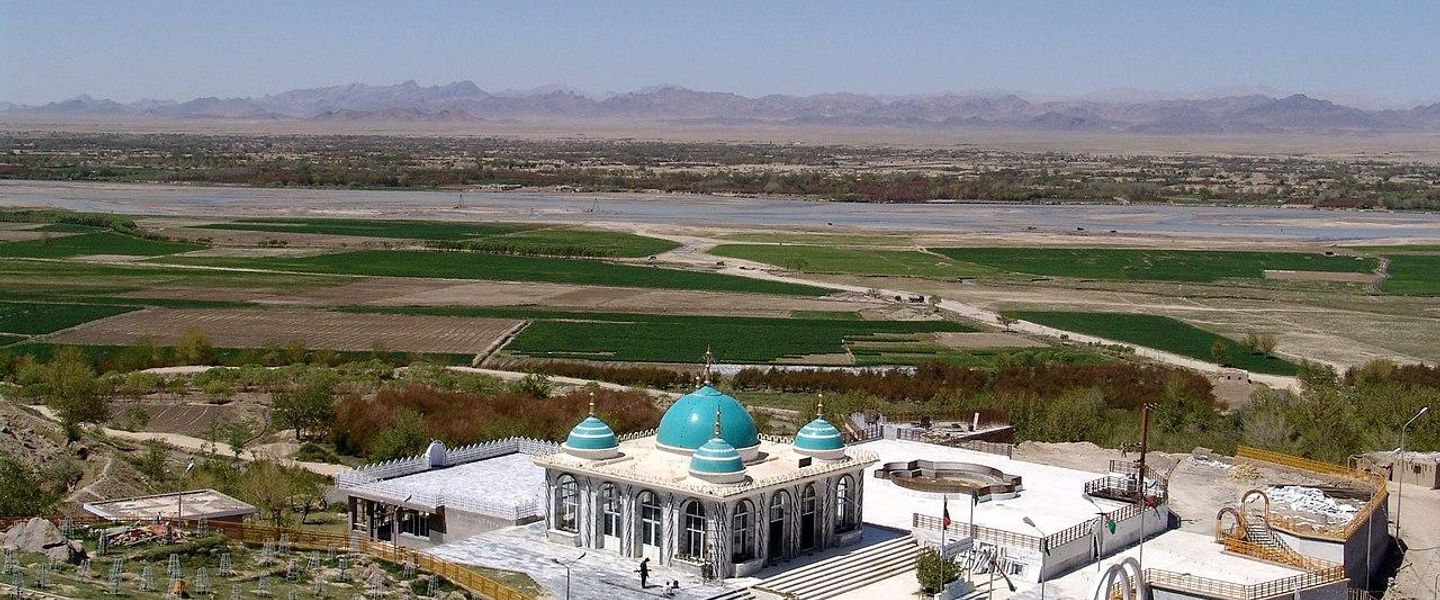


Explore Kandahar’s ancient shrines, Durrani heritage and Arghandab landscapes only with rigorous security planning and official local guidance.
Read more about Kandahar
When is the best time to visit Kandahar?
Best: March–April, October · 22–29°C| Month | High (°C) | Rainfall (mm) |
|---|---|---|
| January | 12 | 28 |
| February | 16 | 24 |
| March (best) | 22 | 19 |
| April (best) | 27 | 14 |
| May | 33 | 6 |
| June | 39 | 1 |
| July | 42 | 1 |
| August | 40 | 1 |
| September | 36 | 1 |
| October (best) | 29 | 5 |
| November | 21 | 10 |
| December | 14 | 18 |
Getting to and around Kandahar
How to get there
Transportation
Best landmarks in Kandahar
The Shrine of the Cloak is Kandahar’s most prominent religious landmark and is associated with a revered cloak traditionally linked to the Prophet Muhammad; its significance is devotional rather than simply architectural, and access may be tightly controlled. The mausoleum of Ahmad Shah Durrani commemorates the founder of the Durrani Empire and anchors Kandahar’s identity as the birthplace of the modern Afghan state. On the Chilzina hill, rock-cut steps and inscriptions overlook the city, preserving a visible reminder of Mughal-era rule and Kandahar’s strategic position. The dry hills around the urban plain, the irrigated Arghandab valley and the city’s historic religious precincts form an equally important geographical landscape. These landmarks should not be treated as freely accessible tourist sites: permissions, dress requirements, photography rules, security checks and temporary closures may apply.
Explore Kandahar on the map
Plan your trip on one map. See where the top cities, national parks and sights are, and book hotels and experiences in a few clicks.
Best hotels in Kandahar
Best restaurants in Kandahar
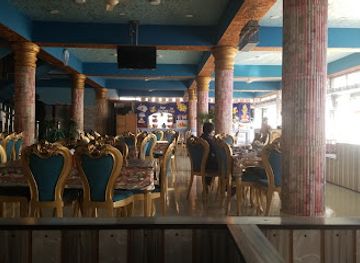
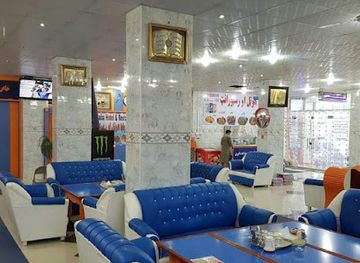
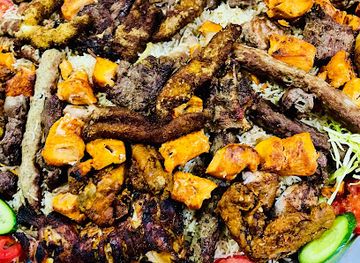
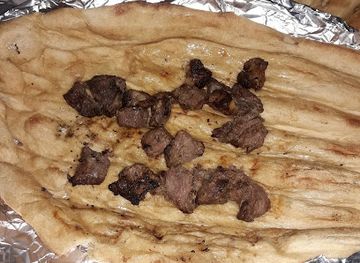
Kandahar’s food culture reflects southern Afghan cooking, Pashtun traditions and the agricultural produce of the Arghandab valley. Common regional fare includes aromatic rice dishes, grilled lamb or chicken, flatbreads, yoghurt, soups, dumplings and stews, while pomegranates, grapes, melons and dried fruits are important local products. Kandahari pomegranates are particularly associated with the province, although availability varies with harvests, transport and market conditions. Meals may be served in modest restaurants, tea houses, guesthouses or private compounds rather than in a broad, visitor-oriented dining scene. Tea is central to social hospitality, and visitors should follow local expectations about seating, gender separation and mealtimes. Restaurants may have limited opening arrangements, intermittent supplies and reduced hygiene standards, so those travelling for essential reasons should carry suitable medicines and take careful food and water precautions. Alcohol is prohibited under Afghanistan’s current legal and religious environment.
-
Restaurant
Anar Restaurant Kandahar
Discover authentic Afghan cuisine at Anar Restaurant in Kandahar, where every dish tells a story of rich flavors and tradition.
-
Restaurant
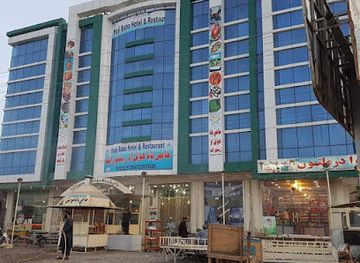
HAJI BABA RESTAURANT AND HOTEL
Experience authentic Afghan cuisine at Haji Baba Restaurant and Hotel, where tradition meets hospitality in every dish.
-
Restaurant
Pizza point resturant, wasi
Experience the authentic taste of Kandahar at Pizza Point Restaurant – where traditional flavors meet modern dining.
-
Restaurant
Al Bilal Restaurant
Experience the essence of Afghan cuisine at Al Bilal Restaurant in Kandahar – where tradition meets flavor in every dish.
Best bars in Kandahar
Kandahar has no conventional bar or nightclub scene. Alcohol is prohibited, and evening social life is shaped by religious practice, family hospitality, tea houses, private gatherings and the restricted movement that accompanies the security environment. Some restaurants or guesthouses may provide evening meals and tea, but availability, opening arrangements and access for foreigners can change without notice. Live entertainment, public performances and photography may require permission or be subject to local restrictions. Visitors should not treat nightlife as a normal part of a Kandahar itinerary and should avoid moving after dark unless this has been specifically assessed and arranged by trusted local security support.
-
Market
China Market
Experience the vibrant culture of Kandahar at China Market, your gateway to local goods, delicious cuisine, and community spirit.
-
Restaurant
Anar Restaurant Kandahar
Discover the authentic flavors of Afghanistan at Anar Restaurant in Kandahar, where tradition meets exceptional dining.
-
Restaurant
HAJI BABA RESTAURANT AND HOTEL
Discover the authentic tastes of Afghanistan at Haji Baba Restaurant and Hotel, where local flavors meet warm hospitality in a vibrant setting.
-
Restaurant
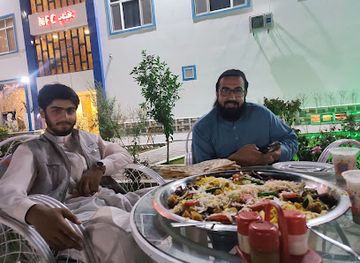
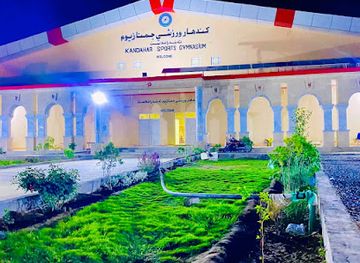
NFC COMPLEXE
Explore the multifaceted NFC Complex in Kandahar, where dining, sports, and leisure blend into an unforgettable experience.
Best nightclubs in Kandahar
Kandahar has no conventional bar or nightclub scene. Alcohol is prohibited, and evening social life is shaped by religious practice, family hospitality, tea houses, private gatherings and the restricted movement that accompanies the security environment. Some restaurants or guesthouses may provide evening meals and tea, but availability, opening arrangements and access for foreigners can change without notice. Live entertainment, public performances and photography may require permission or be subject to local restrictions. Visitors should not treat nightlife as a normal part of a Kandahar itinerary and should avoid moving after dark unless this has been specifically assessed and arranged by trusted local security support.

Best shops in Kandahar
Shopping in Kandahar is centred on traditional bazaars, small neighbourhood businesses and produce markets rather than modern visitor-oriented retail. Visitors may encounter Kandahari pomegranates and other seasonal fruit, dried fruit, nuts, saffron, spices, rice, embroidered garments, prayer items, carpets and practical household goods. The province’s agricultural identity is especially visible in markets handling fruit and dried produce from the Arghandab valley. Bargaining may be part of ordinary bazaar commerce, but visitors should remain discreet, avoid displaying valuables and use trusted local assistance when purchasing higher-value goods. Availability and prices can vary sharply because of harvest conditions, road security, currency fluctuations and border trade. Exports of antiquities, archaeological objects, weapons and some locally made cultural items may be illegal or require documentation; visitors should not buy anything whose provenance or legal export status is uncertain.
-
Market
Mirwais Market
Explore the vibrant Mirwais Market in Kandahar, a cultural gem filled with local goods, delicious cuisine, and warm hospitality, perfect for any traveler.
-
Grocery store
Kandahar Supermarket
Explore Kandahar Supermarket for an authentic taste of Afghan culture with fresh produce and local delicacies in a vibrant grocery shopping experience.
-
General store
Kandahar Aino Mena
Discover the essence of Kandahar at Aino Mena, a vibrant general store showcasing unique local products and cultural treasures.
-
Supermarket
Lubna Super Market
Explore Kandahar's local flavors and products at Lubna Super Market, a vibrant hub for shopping and cultural experience.



Get your free copy of our complete guide to Kandahar, delivered straight to you.
Everything on this page, from attractions and restaurants to essentials and local phrases, in one PDF you can read offline, print or share.
Already have an account? Sign in
Your Kandahar guide is ready.
We'll send it to · Not you? Sign out

Getting your guide ready…
We are putting together a fresh copy of the Kandahar guide. This can take up to a minute.
This can take a few moments. If your browser asks, choose Allow so the download can start. You'll find the guide in your Downloads folder.
Nothing happened? Download it again
Sorry, the guide is taking longer than usual. Please try again in a minute, or get it by email instead.
Kandahar essentials
Currency and Payment
Safety
Emergency Situations
Do's and Don'ts
Local Tips
From Eve
Local phrases worth knowing
You don't need to get them perfect. A few words go a long way, and locals appreciate the effort.
Basics
| English | Local | Say it |
|---|---|---|
| Hello | سلام | [Salam] |
| Goodbye | خداحافظ | [Khodahafez] |
| Yes | بله | [Bale] |
| No | نه | [Na] |
| Please/You're welcome | لطفاً/خواهش میکنم | [Lotfan/Khaahesh mikonam] |
| Thank you | تشکر | [Tashakor] |
| Excuse me/Sorry | ببخشید | [Bebakhshid] |
| How are you? | چطور هستید؟ | [Chetor hastid?] |
| Fine. And you? | خوب هستم. و شما؟ | [Khob hastam. Va shoma?] |
| Do you speak English? | آیا انگلیسی صحبت میکنید؟ | [Aaya Engilisi sohbat mikonid?] |
| I don't understand | من نمیفهمم | [Man nemifahmam] |
Eating & Drinking
| English | Local | Say it |
|---|---|---|
| I'd like to see the menu, please | لطفاً منو را ببینم | [Lotfan menu ra bebinam] |
| I don't eat meat | من گوشت نمیخورم | [Man gusht nemikhoram] |
| Cheers! | به سلامتی! | [Be salamati!] |
| I would like to pay, please | لطفاً میخواهم پرداخت کنم | [Lotfan mikhahm pardakht konam] |
Emergencies
| English | Local | Say it |
|---|---|---|
| Help! | کمک! | [Komak!] |
| Go away! | برو کنار! | [Boro kenar!] |
| Call the Police! | پلیس را صدا بزنید! | [Police ra seda bezanid!] |
| Call a doctor! | دکتر را صدا بزنید! | [Doctor ra seda bezanid!] |
| I'm lost | من گم شدهام | [Man gom shode-am] |
| I'm ill | من بیمار هستم | [Man bimar hastam] |
Shopping
| English | Local | Say it |
|---|---|---|
| I'd like to buy... | میخواهم بخرم... | [Mikhaham bekharam...] |
| I'm just looking | فقط دارم نگاه میکنم | [Faghat daram negah mikonam] |
| How much is it? | قیمتش چقدر است؟ | [Gheymatash chaqadr ast?] |
| That's too expensive | این خیلی گران است | [In kheili geran ast] |
| Can you lower the price? | آیا میتوانید قیمت را پایین بیاورید؟ | [Aaya mitavanid gheymat ra paeen biavarid?] |
Time & Numbers
| English | Local | Say it |
|---|---|---|
| What time is it? | ساعت چند است؟ | [Saat chand ast?] |
| It's one o'clock | ساعت یک است | [Saat yek ast] |
| Half past (10) | نیم ساعت (۱۰) | [Nim saat (10)] |
| Morning | صبح | [Sobh] |
| Afternoon | بعد از ظهر | [Bad az zuhr] |
| Evening | شب | [Shab] |
| Yesterday | دیروز | [Dirooz] |
| Today | امروز | [Emrooz] |
| Tomorrow | فردا | [Farda] |
| 1 | ۱ | [1] |
| 2 | ۲ | [2] |
| 3 | ۳ | [3] |
| 4 | ۴ | [4] |
| 5 | ۵ | [5] |
| 6 | ۶ | [6] |
| 7 | ۷ | [7] |
| 8 | ۸ | [8] |
| 9 | ۹ | [9] |
| 10 | ۱۰ | [10] |
Transport & Directions
| English | Local | Say it |
|---|---|---|
| Where's a/the...? | کجا هست ...؟ | [Koja hast ...?] |
| What's the address? | آدرس چیست؟ | [Address chist?] |
| Can you show me (on the map)? | میتوانید به من نشان بدهید (روی نقشه)؟ | [Mitavanid be man neshan bedahid (ruye naqsha)?] |
| When's the next (bus)? | کی اتوبوس بعدی است؟ | [Ki otobus ba'di ast?] |
| A ticket (to ....) | یک بلیط (به ...) | [Yek belit (be ...)] |
History of Kandahar
Ancient Arachosia and the Early Crossroads
Kandahar lies within the broad historical area once known as Arachosia, a crossroads shaped by Iranian, Central Asian and South Asian influences. The wider region was occupied by ancient communities and later incorporated into the Achaemenid Persian Empire. Its position between major routes made settlement, agriculture and exchange possible despite the arid environment. Archaeological evidence across southern Afghanistan reflects successive periods of local development and imperial rule, although access to many sites is restricted and research has been disrupted by conflict.
Hellenistic and Buddhist Influences
After Alexander the Great’s campaigns in the late fourth century BC, Kandahar became part of a Hellenistic political and cultural world. Greek-speaking rulers and local traditions interacted in the region for centuries. Later, Buddhism also influenced southern Afghanistan, as demonstrated by archaeological remains elsewhere in the province and across neighbouring regions. The legacy is visible mainly through excavated objects, inscriptions and historical scholarship rather than through easily accessible monuments, since many archaeological locations are vulnerable, remote or inadequately protected.
Islamic Conquests and Medieval Trade
From the seventh century onwards, Islam gradually became established across southern Afghanistan, while Kandahar continued to function as a strategic settlement on routes linking Persia, India and Central Asia. Control of the area shifted among regional dynasties and wider empires, including powers based in Ghazni, Herat, Delhi and Central Asia. Religious institutions, fortified settlements and caravan movement helped shape the region’s urban life. Kandahar’s importance came as much from its position and connections as from any single ruling dynasty.
Mughal and Safavid Rivalry
Kandahar was repeatedly contested by the Mughal Empire and Safavid Persia during the sixteenth and seventeenth centuries. Its strategic location made it a frontier stronghold and a coveted military prize, and control changed hands several times. The Chilzina, a rock-cut site associated with the region’s Mughal history, preserves inscriptions and a commanding view over Kandahar city. This period left a legacy of fortification, imperial competition and shifting cultural influences that continued to affect the city’s political importance.
Ahmad Shah Durrani and the Afghan Empire
In 1747, Ahmad Shah Durrani rose to power after the death of Nader Shah Afshar and established an empire centred on the Afghan polity. Kandahar became his principal capital and remains closely identified with the foundation of modern Afghanistan. The city’s Durrani mausoleum and associated religious sites are central to its historical identity. Ahmad Shah’s state extended across parts of present-day Afghanistan, Pakistan, Iran and northern India, making Kandahar an important political centre in eighteenth-century regional history.
The Anglo-Afghan Wars and Modern Conflict
Kandahar was central to the Anglo-Afghan wars and to later contests over Afghanistan’s political direction. British forces occupied the city during phases of the nineteenth-century conflicts, while the surrounding region remained strategically significant because of its routes towards India. In the late twentieth and early twenty-first centuries, Kandahar became a major centre of Taliban power and a focus of international military operations. War, displacement, damaged infrastructure and insecurity have profoundly shaped daily life, travel and the preservation of heritage.
Kandahar in Photos
Browse through our photo collection highlighting the charm and character of the destination.
Neighbouring regions of Kandahar
The closest regions to Kandahar, if you have time for more than one.
-

-

-

-

-


Swipe for more regions

