

Free Helmand Travel Guide & Mobile App
Explore Helmand with free travel guides. Discover regional history, expert tips, proposed trips, and audio guides on web or mobile app.


Helmand reveals Afghanistan’s irrigated river valley, desert landscapes and ancient Bost, but serious security risks make independent tourism unsuitable.
Read more about Helmand
When is the best time to visit Helmand?
Best: March–April, October · 22–29°C| Month | High (°C) | Rainfall (mm) |
|---|---|---|
| January | 13 | 20 |
| February | 16 | 18 |
| March (best) | 22 | 15 |
| April (best) | 29 | 10 |
| May | 36 | 5 |
| June | 40 | 1 |
| July | 43 | 1 |
| August | 42 | 1 |
| September | 37 | 1 |
| October (best) | 29 | 5 |
| November | 19 | 10 |
| December | 14 | 15 |
Getting to and around Helmand
How to get there
Transportation
Best landmarks in Helmand
The Qala-i-Bost arch is Helmand’s most recognisable historic landmark. Built in fired brick and associated with the medieval city of Bost, it stands as a surviving fragment of a once-important urban centre whose prosperity depended on the Helmand River, irrigated agriculture and regional trade. The surrounding ruins include traces of ancient and medieval settlement, although their archaeological condition and accessibility are affected by conflict and neglect. The Helmand River itself is a defining geographical landmark, forming the fertile spine of the province and contrasting sharply with the surrounding dry plains. Kajaki Dam is a major modern engineering landmark connected with twentieth-century irrigation and power development, as well as with the province’s later wartime history; it is not a normal tourist site and should not be approached without explicit authorisation and current security advice. Lashkar Gah’s planned areas and irrigation infrastructure also reflect the modern transformation of the valley, but they are working urban and administrative spaces rather than open-air visitor monuments.
-
Historical place
Herat Citadel
Explore the Herat Citadel, a historic fortress with roots stretching back to Alexander the Great, offering a glimpse into Afghanistan's rich past.
-
Park
Babur Garden
Explore Kabul's historic Bagh-e Babur, the final resting place of Emperor Babur and a stunning example of Mughal garden design.
-
National park
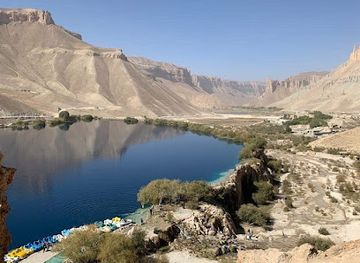
Band-e-Amir National Park
Discover Afghanistan's hidden gem: Band-e-Amir National Park, a stunning landscape of turquoise lakes and dramatic canyons in the heart of the Hindu Kush.
-
Historical place
Kharqa Sharif
Discover the Kherqa Sharif in Kandahar, Afghanistan: a sacred shrine housing the Prophet Muhammad's cloak, steeped in history and cultural significance.



Explore Helmand on the map
Plan your trip on one map. See where the top cities, national parks and sights are, and book hotels and experiences in a few clicks.
Best hotels in Helmand
Best restaurants in Helmand
Helmand does not have a developed international tourism dining scene, and restaurant availability, standards and opening arrangements can change with security conditions. In Lashkar Gah, food is likely to centre on Afghan staples such as naan, rice dishes, kebabs, stews, yoghurt, tea and seasonal fruit, with menus shaped by local markets and household cooking rather than visitor demand. Agriculture in the irrigated valley supports wheat, vegetables and fruit, while meat and dairy are important in the wider regional diet. Meals may be taken in modest cafés, markets, guesthouses or private compounds, subject to local arrangements. Visitors should use food and water suppliers recommended by trusted local contacts, take account of medical access and avoid assuming that familiar hygiene or refrigeration standards will be available. Alcohol is prohibited under Afghanistan’s prevailing Islamic legal and social framework, and public eating customs should be followed discreetly and respectfully. Culinary interest should not obscure the province’s severe security constraints or the limited capacity for medical treatment.
-
Restaurant
هلمند صالون Helmand saloon
Discover authentic Afghan cuisine at Helmand Saloon in Lashkar Gah - where tradition meets taste.
-
Western
صمیمی خوړنځای samimee rusturant
Discover the rich flavors of Western cuisine at Samimee Restaurant in Lashkar Gah – where tradition meets taste.
-
Restaurant
ګريشک ماهيانو مرکز Greshk's Fish Center
Discover the flavors of Afghanistan at Greshk's Fish Center - where fresh seafood meets local tradition.
-
Restaurant
Gogerabest
Discover authentic Afghan flavors at Gogerabest in Gereshk - where every dish tells a story.


Best bars in Helmand
Helmand has no conventional bar or nightclub culture for international visitors. Alcohol is prohibited under Afghanistan’s prevailing Islamic legal and social framework, and evening life generally centres on family homes, tea drinking, modest restaurants, markets and private social gatherings rather than licensed nightlife. Lashkar Gah may have cafés and eateries operating according to local conditions, but opening arrangements, security and access can change without notice. Public gatherings, photography and movement after dark may attract unwanted attention or be restricted, particularly near government, military or infrastructure sites. Visitors should not seek entertainment venues independently or assume that an apparently busy area is secure. Any evening movement should be authorised, discreet and covered by a professional security plan, with accommodation, communications and return arrangements settled in advance.
-
Bar
حمام حاجي مير احمد
Discover the essence of Afghan culture and relaxation at Hamam Hajji Mir Ahmad, a traditional bathhouse in Kabul.
-
Helmand Valley Gun Club Hotel and Resort
Discover the serene beauty and unique charm of Helmand Valley Gun Club Hotel and Resort, a perfect blend of adventure and relaxation.
-
Bar
باغ نعیمی
Discover the tranquil beauty of باغ نعیمی in Farah, a serene beer garden perfect for relaxation and socializing in Afghanistan.
-

In The 'Dab Valley Hooka Bar & Grill
Discover tranquility and local flavors at In The 'Dab Valley Hooka Bar & Grill, a top destination for hookah and delightful cuisine in Afghanistan.


Best nightclubs in Helmand
Helmand has no conventional bar or nightclub culture for international visitors. Alcohol is prohibited under Afghanistan’s prevailing Islamic legal and social framework, and evening life generally centres on family homes, tea drinking, modest restaurants, markets and private social gatherings rather than licensed nightlife. Lashkar Gah may have cafés and eateries operating according to local conditions, but opening arrangements, security and access can change without notice. Public gatherings, photography and movement after dark may attract unwanted attention or be restricted, particularly near government, military or infrastructure sites. Visitors should not seek entertainment venues independently or assume that an apparently busy area is secure. Any evening movement should be authorised, discreet and covered by a professional security plan, with accommodation, communications and return arrangements settled in advance.
-
Bar
حمام حاجي مير احمد
Discover the serene ambiance of حمام حاجي مير احمد, a unique bar in Kabul offering refreshing drinks and a taste of local culture.
-
iCue Snooker & Cafe
Experience the vibrant atmosphere of iCue Snooker & Cafe in Kabul, where sports and delicious snacks come together for endless fun.
-
Bar
کمیته مردمی کمیسیون برگزاری جشن استقلال
Discover Kabul's vibrant nightlife at the People's Committee Independence Festival, a lively night club celebrating culture and community.
-
Bar
سخی مندیی
Experience the vibrant culture and hospitality at Sakhi Mandi, a must-visit bar in Kandahar perfect for unwinding and socializing with locals.


Best shops in Helmand
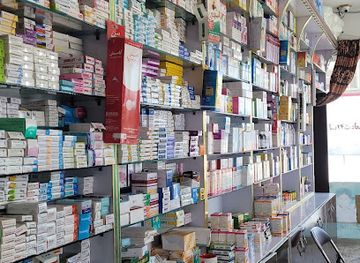
Shopping in Helmand is primarily practical and local, centred on markets and small commercial streets in Lashkar Gah and other district settlements rather than organised tourist retail. Visitors may encounter Afghan clothing, household goods, dried foods, tea, fresh produce, carpets and modest handicrafts, although availability varies with supply routes and security conditions. Agricultural products from the irrigated valley, including grain, fruit and vegetables, are more representative of the province’s economy than packaged souvenirs. There is no dependable, established visitor market for luxury goods or certified archaeological objects. Do not purchase antiquities, unprovenanced artefacts or items that may have been removed from archaeological sites, and avoid displaying cash in public. Bargaining may occur in informal markets, but it should be conducted politely and without attracting attention. Any shopping excursion requires trusted local guidance, secure transport and careful consideration of current restrictions.
-
Helmand Super Market
Explore the vibrant Helmand Super Market in Lashkar Gah for a taste of authentic Afghan cuisine and local culture.
-
Taroon Computer Store تړون کمپیوټر شرکت
Explore Taroon Computer Store in Lashkar Gah for an exciting range of electronics, friendly service, and competitive prices for all your tech needs.
-
Al Rahman Tailoring and Clothing Center
Explore exquisite craftsmanship at Al Rahman Tailoring and Clothing Center in Lashkar Gah, where Afghan tradition meets modern fashion.
-
General store
Miratay Shop
Explore the charm of Lashkar Gah at Miratay Shop, your go-to destination for authentic Afghan goods and cultural treasures.


Get your free copy of our complete guide to Helmand, delivered straight to you.
Everything on this page, from attractions and restaurants to essentials and local phrases, in one PDF you can read offline, print or share.
Already have an account? Sign in
Your Helmand guide is ready.
We'll send it to · Not you? Sign out

Getting your guide ready…
We are putting together a fresh copy of the Helmand guide. This can take up to a minute.
This can take a few moments. If your browser asks, choose Allow so the download can start. You'll find the guide in your Downloads folder.
Nothing happened? Download it again
Sorry, the guide is taking longer than usual. Please try again in a minute, or get it by email instead.
Helmand essentials
Currency and Payment
Safety
Emergency Situations
Do's and Don'ts
Local Tips
From Eve
Local phrases worth knowing
You don't need to get them perfect. A few words go a long way, and locals appreciate the effort.
Basics
| English | Local | Say it |
|---|---|---|
| Hello | سلام | [Salam] |
| Goodbye | خدا حافظ | [Khuda Hafiz] |
| Yes | بله | [Bale] |
| No | نه | [Na] |
| Please/You're welcome | لطفا / خوش آمدید | [Lotfan / Khush Amadi] |
| Thank you | تشکر | [Tashakur] |
| Excuse me/Sorry | ببخشید | [Bebakhshid] |
| How are you? | چطور هستید؟ | [Chetor Hastid?] |
| Fine. And you? | خوبم. و شما؟ | [Khubam. Wa Shoma?] |
| Do you speak English? | آیا شما انگلیسی صحبت میکنید؟ | [Aya Shoma Engilisi Sohbat Mikonid?] |
| I don't understand | من نمیفهمم | [Man Nemifahmam] |
Eating & Drinking
| English | Local | Say it |
|---|---|---|
| I'd like to see the menu, please | لطفا منوی غذا را ببینم | [Lotfan Menu Ghuza Ra Bebinam] |
| I don't eat meat | من گوشت نمیخورم | [Man Gusht Nemikhoram] |
| Cheers! | سلامتی! | [Salamati!] |
| I would like to pay, please | لطفا میخواهم پرداخت کنم | [Lotfan Mikhaaham Pardakht Konam] |
Emergencies
| English | Local | Say it |
|---|---|---|
| Help! | کمک! | [Komak!] |
| Go away! | برو برو! | [Boro Boro!] |
| Call the Police! | پلیس را صدا کنید! | [Police Ra Seda Konid!] |
| Call a doctor! | یک دکتر را صدا کنید! | [Yek Doktor Ra Seda Konid!] |
| I'm lost | من گم شدهام | [Man Gom Shode-am] |
| I'm ill | من بیمار هستم | [Man Bimar Hastam] |
Shopping
| English | Local | Say it |
|---|---|---|
| I'd like to buy... | من میخواهم بخرم... | [Man Mikhaaham Bekharam...] |
| I'm just looking | فقط دارم نگاه میکنم | [Faghat Daram Negah Mikonam] |
| How much is it? | قیمتش چقدر است؟ | [Gheymatash Cheqadr Ast?] |
| That's too expensive | این خیلی گران است | [In Khili Giran Ast] |
| Can you lower the price? | آیا میتوانید قیمت را پایین بیاورید؟ | [Aya Mitavanid Gheymat Ra Pain Biavarid?] |
Time & Numbers
| English | Local | Say it |
|---|---|---|
| What time is it? | ساعت چند است؟ | [Saat Chand Ast?] |
| It's one o'clock | ساعت یک است | [Saat Yak Ast] |
| Half past (10) | نیم ساعت (۱۰) | [Nim Saat (10)] |
| Morning | صبح | [Sob] |
| Afternoon | بعد از ظهر | [Bad Az Zohr] |
| Evening | عصر | [Asr] |
| Yesterday | دیروز | [Dirooz] |
| Today | امروز | [Emruz] |
| Tomorrow | فردا | [Farda] |
| 1 | یک | [Yak] |
| 2 | دو | [Do] |
| 3 | سه | [Se] |
| 4 | چهار | [Chahar] |
| 5 | پنج | [Panj] |
| 6 | شش | [Shesh] |
| 7 | هفت | [Haft] |
| 8 | هشت | [Hasht] |
| 9 | نه | [No] |
| 10 | ده | [Da] |
Transport & Directions
| English | Local | Say it |
|---|---|---|
| Where's a/the...? | کجا یک ... هست؟ | [Koja Yak ... Hast?] |
| What's the address? | آدرس چیست؟ | [Address Chist?] |
| Can you show me (on the map)? | آیا میتوانید به من نشان بدهید (روی نقشه)؟ | [Aya Mitavanid Be Man Nashan Bedahid (Roi Naqshe)?] |
| When's the next (bus)? | کی اتوبوس بعدی میآید؟ | [Ki Otobus Badhi Miayad?] |
| A ticket (to ....) | یک بلیط (به ...) | [Yak Belit (Be ...)] |
History of Helmand
Early Helmand Valley Settlement and Irrigation
The Helmand basin has supported settled communities since antiquity, made possible by the river and by systems for controlling and distributing scarce water. Archaeological evidence from the wider Helmand cultural zone shows long-distance links between southern Afghanistan, eastern Iran and the Indus-related world during the Bronze Age. Within the modern province, the importance of the river valley is especially visible in the concentration of agriculture and settlement around its irrigated lands. The contrast between cultivated corridors and surrounding desert remains one of the region’s most enduring historical characteristics.
Ancient Crossroads of Southern Afghanistan
Helmand lay within a broader zone traversed by imperial and commercial networks connecting the Iranian plateau with southern Afghanistan and routes towards the Indian subcontinent. The ancient names applied to this area varied between periods, and modern provincial boundaries should not be projected onto those earlier political landscapes. Achaemenid, Hellenistic, Indo-Iranian and later regional powers all influenced southern Afghanistan in different ways. The legacy is best understood through changing settlement patterns, irrigation, trade and cultural exchange rather than through a single continuous political identity.
Bost and the Medieval Islamic Period
Bost, located near present-day Lashkar Gah, became one of the major cities of southern Afghanistan during the medieval Islamic period. Its position beside the Helmand River supported agriculture, administration and trade, while its connections extended towards Ghazni, Sistan and the routes leading into India. The Qala-i-Bost arch is the most visible surviving element of this urban past. The city later declined through shifting political power, warfare and changes in regional trade, leaving substantial archaeological remains scattered across the landscape.
Ghurid, Timurid and Afghan Dynastic Influences
From the medieval period into the early modern era, Helmand was affected by the competition among dynasties based in eastern Iran, Central Afghanistan and northern India. Ghurid expansion, later Timurid influence and the rise of Afghan polities altered the administration and security of southern routes. The region’s river settlements remained valuable because they combined agricultural potential with access to movement across otherwise dry terrain. These successive political changes contributed to the layered historical character visible around Bost and the wider Helmand Valley.
Durrani Afghanistan and the British-Afghan Wars
The formation of the Durrani state in the eighteenth century helped establish the foundations of modern Afghanistan, including political connections across the south. Helmand’s location made it relevant to later rivalry between Afghanistan and British India, especially during the nineteenth-century Anglo-Afghan conflicts. Control of routes through southern Afghanistan, rather than permanent colonial incorporation of the province, was the central concern. Military movement, frontier diplomacy and the management of regional power shaped Helmand’s place within the emerging Afghan state.
Modern Irrigation and Agricultural Transformation
During the twentieth century, large irrigation and agricultural programmes reshaped the Helmand Valley. The Helmand Valley Project, developed with international assistance from the 1940s onwards, included dams, canals, planned settlements and attempts to expand commercial agriculture. It increased the productive potential of parts of the valley but also altered water distribution, landholding and settlement patterns. Kajaki Dam became a prominent part of this infrastructure. The project’s legacy remains central to understanding both Helmand’s economy and continuing disputes over water, land and development.
War, Insurgency and the Contemporary Province
Helmand experienced severe disruption during the Soviet war, the civil conflicts of the 1990s and the Taliban’s expansion. After 2001, it became one of the principal theatres of the international military intervention and the Afghan insurgency, with major fighting around towns, roads, agricultural districts and the Kajaki area. Conflict damaged infrastructure, displaced communities and hindered archaeological preservation. The province has also been closely associated with opium-poppy cultivation and the wider narcotics economy, alongside subsistence farming, legitimate agriculture, trade and government employment.
Helmand in Photos
Browse through our photo collection highlighting the charm and character of the destination.
Neighbouring regions of Helmand
The closest regions to Helmand, if you have time for more than one.
-

-
-
-

-


Swipe for more regions
Explore more

Explore more of Afghanistan
Discover Afghanistan's rich history, stunning landscapes, and diverse cultures. From ancient cities to breathtaking nature, this Central Asian gem offers a unique travel experience.
Explore Afghanistan