
Kabul International Airport: Afghanistan's Aerial Gateway
Afghanistan's primary international airport, connecting Kabul to the world with modern facilities and ongoing development.
Kabul International Airport (KBL) is the primary airport in Afghanistan, located a short distance from the city center. It has served as a vital link connecting Afghanistan to the world since its establishment in the 1960s, witnessing periods of modernization, conflict, and reconstruction.
A brief summary to Kabul International Airport
- Kabul, AF
- +93202300016
Local tips
- Be sure to check visa requirements well in advance of your trip, as they are strictly enforced.
- Consider booking flights with airlines that have a strong presence at KBL, such as Ariana Afghan Airlines or Kam Air, for potentially smoother travel.
- Given the limited public transportation options, arrange for a taxi or private car in advance to ensure reliable transport to and from the airport.

Getting There
-
Taxi
Taxis are available from Kabul city center to Kabul International Airport [2, 11]. The ride typically takes around 25 minutes, depending on traffic conditions [10, 14]. Negotiate the fare before starting your journey. A typical fare from the city center to the airport is between 200-350 AFN [14, 15]. Be aware that taxis may not have meters [14].
-
Public Transport
While public buses are a common mode of transport in Kabul, there is no direct public transport service from Kabul city center to Kabul International Airport [11, 14]. If you plan to take a bus, you may need to use a language guide, as the routes and numbers are written in the local language [11].
Discover more about Kabul International Airport
Iconic landmarks you can’t miss

Kabul International Airport
0.0 km
Afghanistan's primary international airport, connecting Kabul to the world with modern facilities and ongoing development.
Kabul
0.8 km
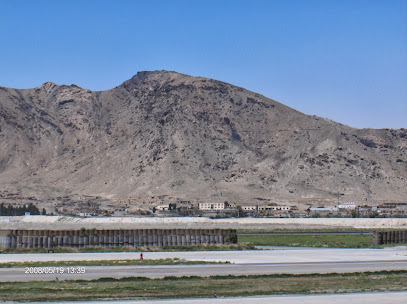
Explore Kabul: A historic capital nestled in the Hindu Kush, offering a blend of ancient culture and resilient spirit on the Silk Road.
آریانا کانتیننتال Ariana Continental
1.0 km
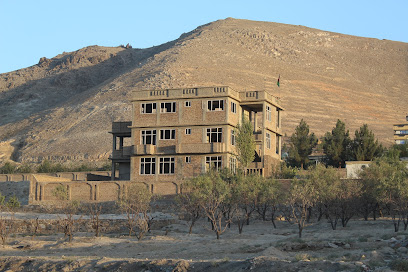
Experience Afghan hospitality at Ariana Continental in Kabul, a luxurious venue for weddings, events, and exploring the city's vibrant culture.
Zohak Village
1.1 km
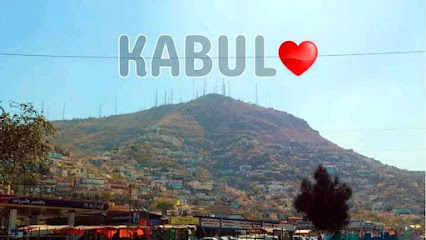
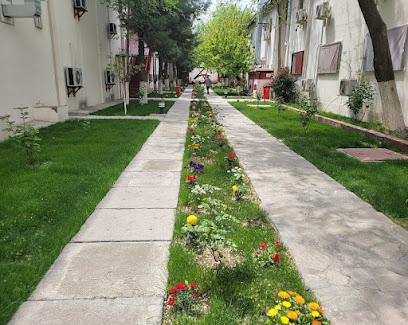
Experience tranquility and comfort at this Kabul hotel, blending modern hospitality with rich cultural exploration in a serene setting.
Baron Hotel
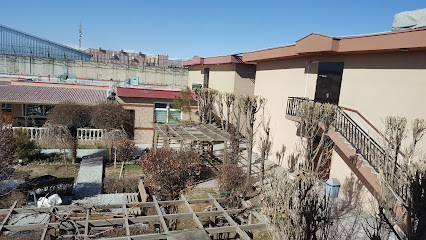
1.2 km
Experience comfort and security at the Baron Hotel, your gateway to exploring the heart of Kabul, Afghanistan.
Afghan Explorer
1.5 km
Capture your Afghan adventure with local experts: personalized photography sessions showcasing the beauty & culture of Afghanistan.

Emirates Township, Qasaba
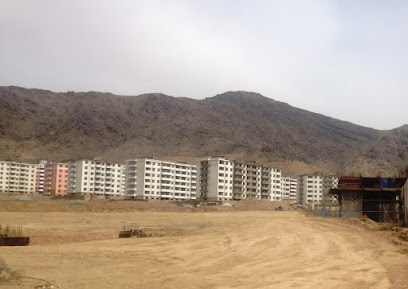
2.2 km
Explore modern urban life in Kabul's Emirates Township, Qasaba, a blend of contemporary architecture and Afghan culture.
Market Makroryan 3
2.8 km
Experience the vibrant heart of Kabul at Market Makroryan 3, a bustling hub of Afghan culture, commerce, and community life.
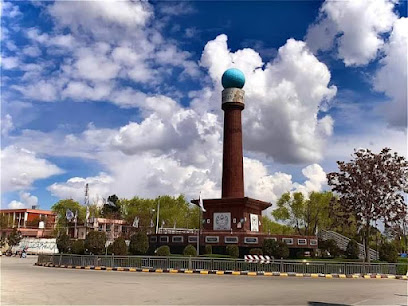
Sehaht-e-Aama Square
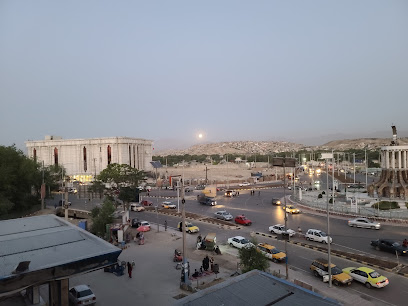
3.3 km
Experience Kabul's vibrant culture at Sehaht-e-Aama Square, a hub for road cycling and community life in the heart of the city.
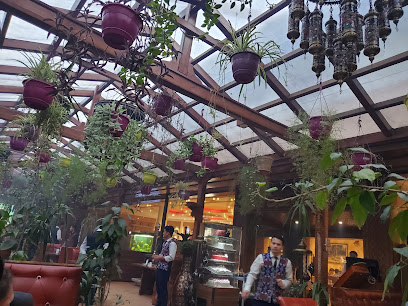
Istanbul Family Restaurant & Cafe
3.3 km
Experience authentic Turkish and Afghan cuisine in a warm, inviting atmosphere at Kabul's Istanbul Family Restaurant & Cafe. A culinary delight awaits!
Kabul-Afghanistan
3.5 km
Explore Kabul, Afghanistan: A historic capital city, scarred by conflict, yet rich in culture and resilience, at the heart of Central Asia.
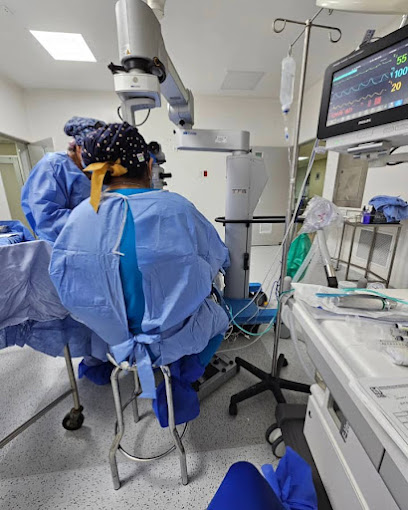
Indira Gandhi Children Hospital
3.5 km
Kabul's leading pediatric hospital, providing essential healthcare and specialized services for children since 1969 in the heart of Wazir Akbar Khan.
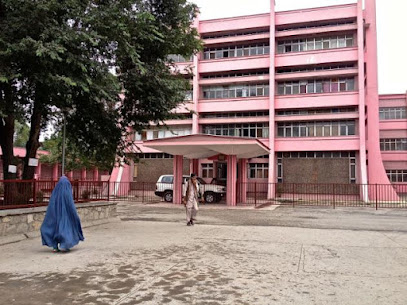
وزیر محمد اکبر خان پارک، پارک وزیر محمد اکبر خان، Park Wazir Mohammad Akber khan
3.8 km
Escape to Kabul's Wazir Akbar Khan Park: A green oasis in the city, blending history, culture, and relaxation for locals and tourists alike.
Wazir Akber khan Mosque
3.9 km
Discover Kabul's modern Islamic architecture at Wazir Akber Khan Mosque, a serene sanctuary reflecting faith and community in the city's upscale district.
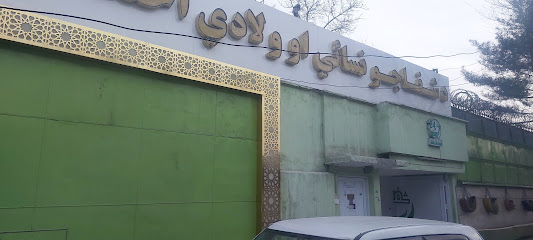
قلعه فتح الله سرک ۲
4.4 km
Explore the chilling tales and eerie atmosphere of Kabul's Haunted House in Qala-e-Fathullah, where local legends meet Afghan history. A must-visit for thrill-seekers.
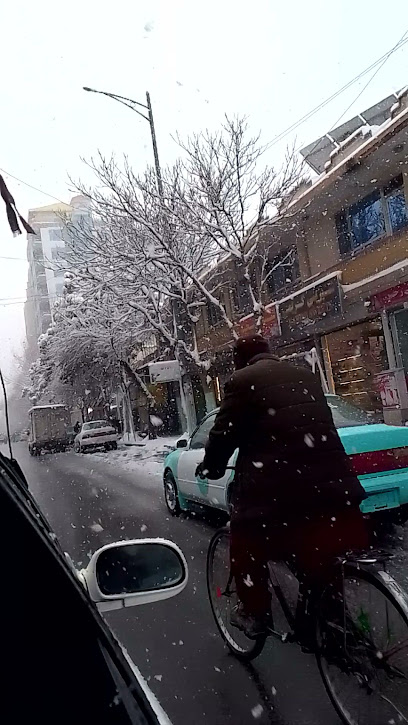
Unmissable attractions to see

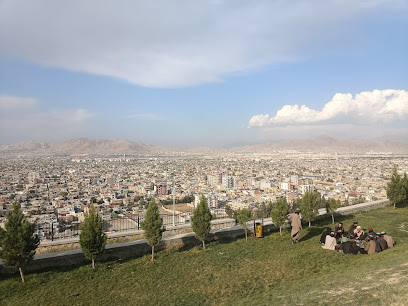
تپه وزیر اکبر خان
3.7 km
Escape to Kabul's Wazir Akbar Khan Hill for panoramic views, a breath of fresh air, and a connection to the city's enduring spirit.
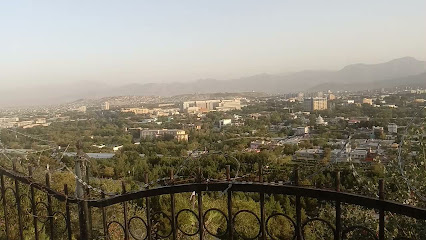
وزیر اکبر خان
3.7 km
Escape to Kabul's Wazir Akbar Khan Park: A green oasis in the city's heart, blending history, culture, and community spirit.
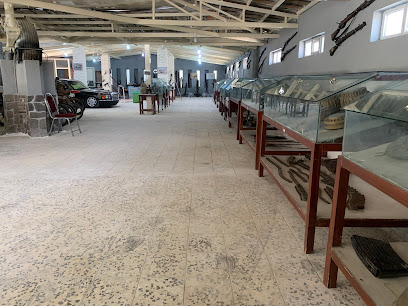
OMAR Mine ERW War Museum
5.0 km
Explore Afghanistan's struggle with landmines at the OMAR Mine ERW War Museum in Kabul, a center for education, awareness, and a testament to resilience.
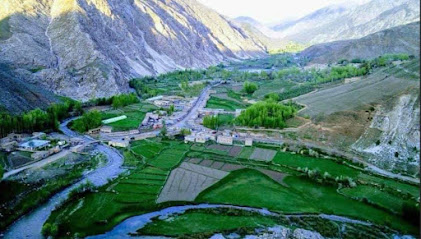
Shahr-e Naw Park
5.0 km
Discover a tranquil escape in Kabul's Shahr-e Naw Park, a vibrant green space offering relaxation, recreation, and cultural experiences for all.
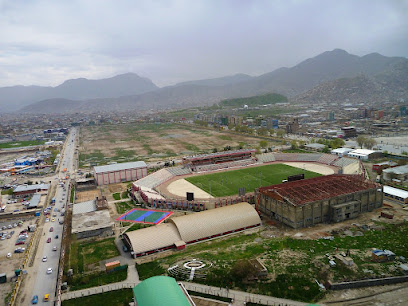
Ghazi Stadium
5.1 km
Experience Afghan sports and history at Ghazi Stadium in Kabul, a symbol of resilience and national pride, where echoes of the past meet the hopes for the future.
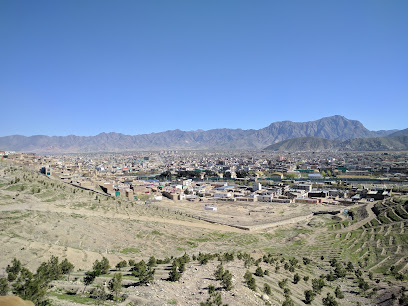
Maranjan Hill
5.4 km
Discover Kabul's ancient history and stunning panoramic views from Maranjan Hill, a site of Buddhist monasteries and royal tombs.
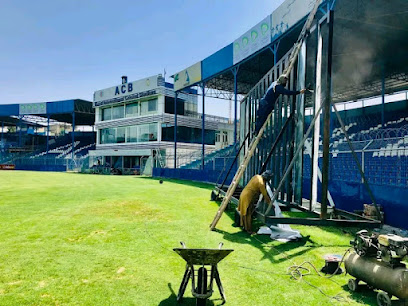
Kabul International Cricket Stadium
5.4 km
Experience the heart of Afghan cricket at this vibrant Kabul stadium, a symbol of national pride and sporting passion.
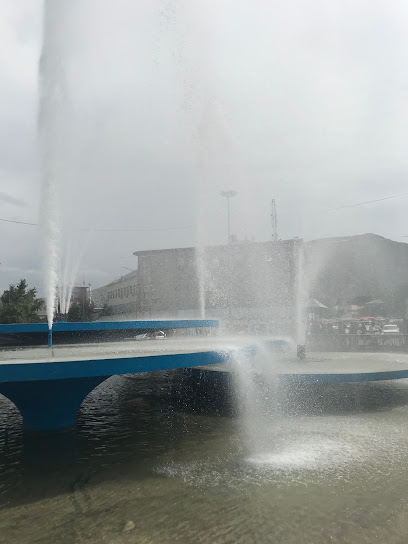
Pashtunistan Square
5.4 km
Experience the vibrant heart of Kabul at Pashtunistan Square, a historic landmark embodying Afghan culture, resilience, and daily life.
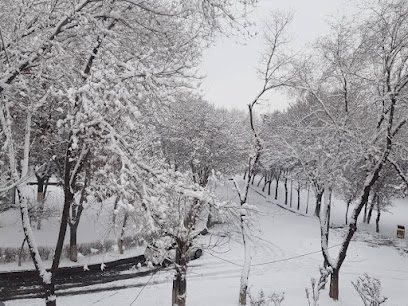
Zarnegar park
5.6 km
Discover Kabul's green heart: a historic park offering tranquility and a glimpse into Afghanistan's rich cultural heritage.
Pul-e Kheshti Mosque
5.9 km
Kabul's largest mosque, featuring a stunning blue dome and intricate Afghan artistry, is a symbol of faith and resilience.
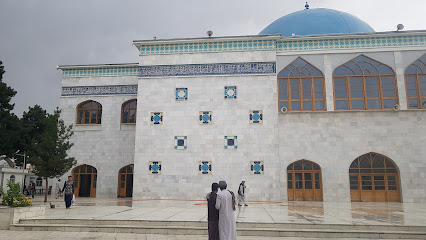
Shah e Du shamshira Mosque
6.3 km
Explore Kabul's iconic Shah e Du Shamshira Mosque, a unique fusion of Islamic and European architecture reflecting Afghanistan's rich cultural heritage.
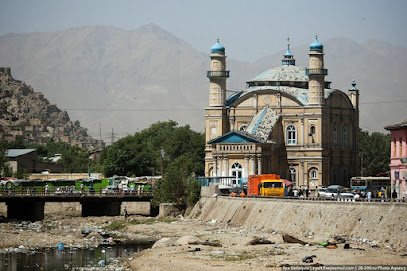
Qale'H-Ye-Balahissar
6.4 km
Explore Qale'H-Ye-Balahissar, Kabul's ancient fortress with panoramic views, rich history, and ongoing restoration, offering a glimpse into Afghanistan's past.
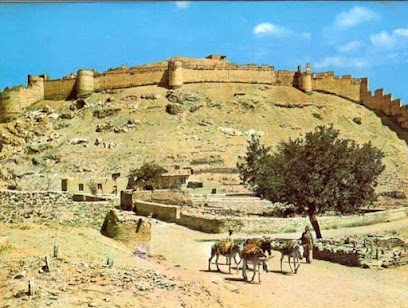
مسجد جامع سفید زاخیل ها
6.4 km
Discover the White Mosque of Zakhil in Kabul: A blend of Islamic architecture and community spirit in the heart of Afghanistan.
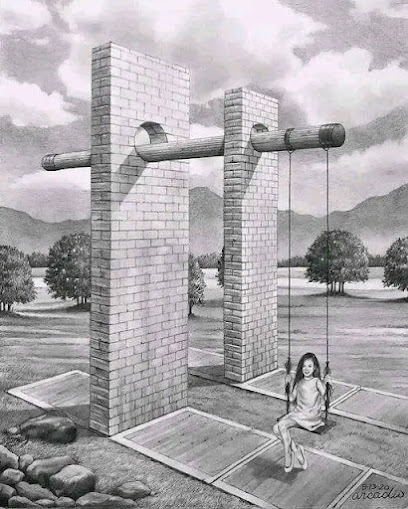
Kabul Fortress
6.5 km
Explore Kabul Fortress, a historic citadel with roots in the 5th century, offering a glimpse into Afghanistan's rich and complex past.
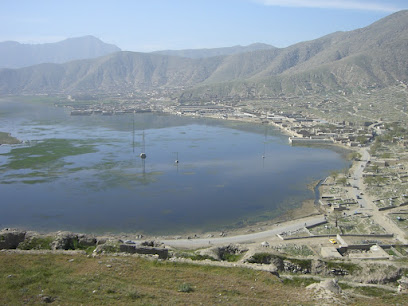
City park
7.2 km
Escape the city bustle at Kabul's City Park: a green haven with gardens, amusement rides, and cultural experiences for everyone.
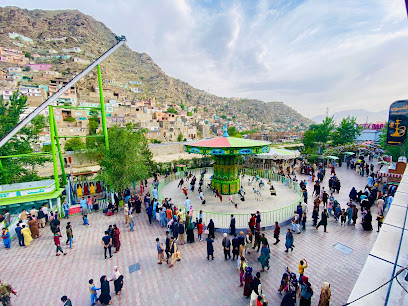
Essential places to dine

no daT
0.6 km
Explore authentic Afghan cuisine in Kabul's vibrant culinary scene with delicious dishes served in a warm and inviting atmosphere.
هوتل شام پاریس
0.8 km
Experience authentic Afghan cuisine at Hotel Sham Paris in Kabul - where tradition meets flavor in every dish.
هوتل عروسی کاخ سفید
1.7 km
Experience authentic Afghan cuisine at هوتل عروسی کاخ سفید in Kabul - where tradition meets taste in a charming setting.
رستورانت خورشید هرات Khurshid Herat Restaurant
2.0 km
Discover the rich flavors of traditional Afghani cuisine at Khurshid Herat Restaurant in Kabul.
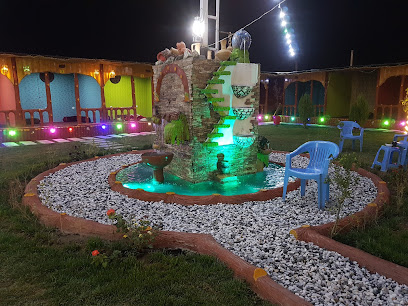
Afghan Hotel And Resturent
2.9 km
Experience authentic Afghan cuisine at Afghan Hotel and Restaurant in Kabul - where tradition meets taste.
بنایی کندز کباب
2.9 km
Experience authentic Afghan cuisine at بنایی کندز کباب - savor delicious kebabs and immerse yourself in local culture.
Saffron Restaurant رستورانت زعفران
2.9 km
Discover authentic Afghan flavors at Saffron Restaurant in Kabul - a delightful dining experience awaits every visitor.
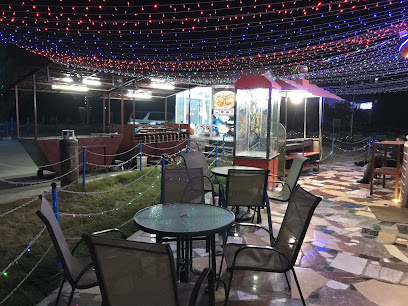
DIANA RESTAURANT
3.3 km
Discover authentic Afghan flavors at Diana Restaurant in Kabul - where every meal is a celebration of culture and taste.
Bocaccio Italian Restaurant
3.6 km
Discover authentic Italian flavors at Bocaccio in Kabul - where every meal is a taste of Italy.
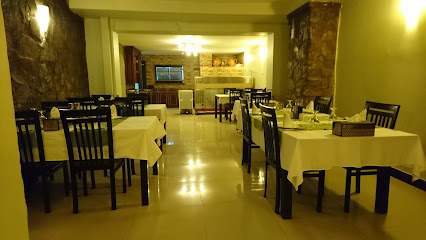
Vila Velebita
3.7 km
Discover the rich flavors of Afghanistan at Vila Velebita – where local tradition meets modern dining.
Shandiz
3.9 km
Discover authentic Afghan flavors at Shandiz, Kabul's premier restaurant offering a warm ambiance and delicious cuisine.
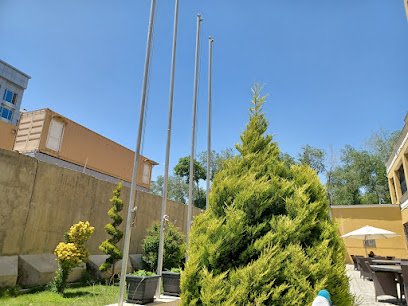
Asian Spice
4.1 km
Discover authentic Indian flavors at Asian Spice, a top-rated restaurant in Kabul offering delicious cuisine and a warm atmosphere.
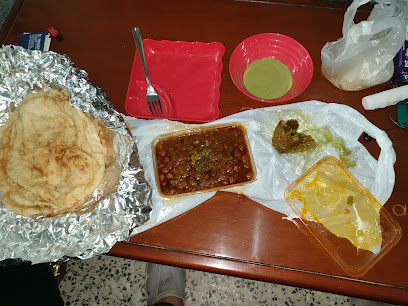
Royal Restaurant
4.2 km
Discover authentic Afghan cuisine at Royal Restaurant in Kabul – where every dish tells a story.
Burger House Kabul
4.3 km
Experience the best burgers in Kabul at Burger House – where taste meets comfort in every bite.
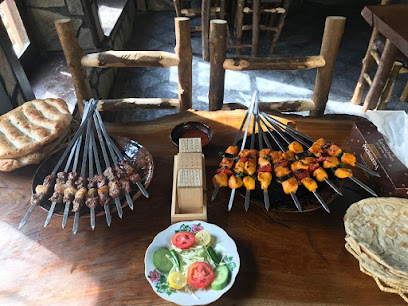
The Village Restaurant
4.4 km
Discover the flavors of Afghanistan at The Village Restaurant in Kabul – where tradition meets taste.
Markets, malls and hidden boutiques

شازمان نوری
0.8 km
Immerse yourself in Afghan culture at شازمان نوری, where unique handicrafts and textiles await in the heart of Kabul.
فروشګاه هديه
0.8 km
Experience wellness and beauty at فروشګاه هديه, Kabul's premier destination for health and beauty products.
nangarhar store ننګرهار سټور
0.9 km
Discover authentic Afghan culture and unique handcrafted treasures at Nangarhar Store in Kabul, a must-visit destination for tourists.
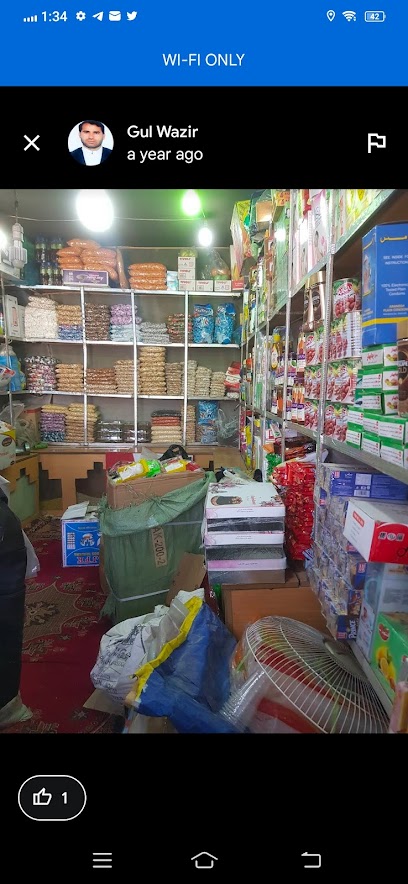
Naaz Boutique Afghani dresses store
1.4 km
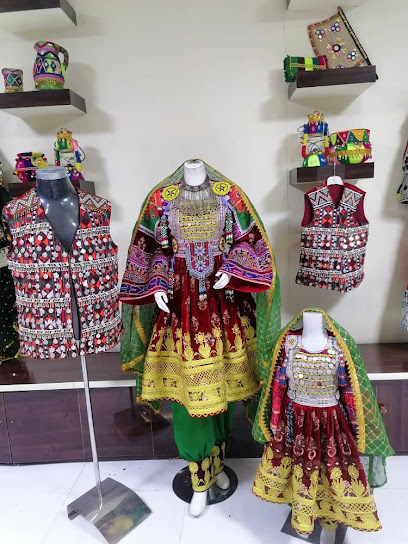
Explore the exquisite collection of traditional Afghani dresses at Naaz Boutique in Kabul, a true reflection of Afghan culture and craftsmanship.
Sawda.af Online Shopping Afghanistan
1.5 km
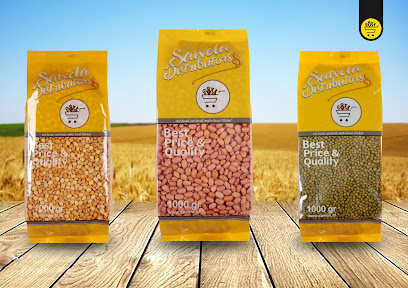
Experience seamless online shopping at Sawda.af, where Afghan tradition meets modern convenience for tourists and locals alike.
O Store
1.5 km
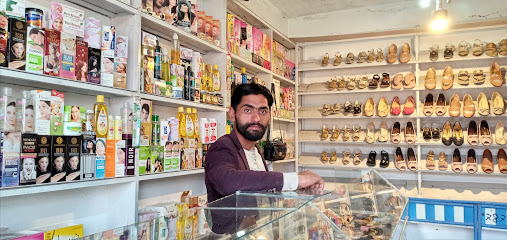
Explore O Store, where local craftsmanship meets a vibrant shopping experience, perfect for tourists seeking unique souvenirs and gifts.

میلاد مارکیت
1.9 km
Explore the best of Afghan fashion and cosmetics at میلاد مارکیت, a must-visit clothing store in Kabul.
AFC Handicrafts طراحان حرفه ی صنایع دست دوزی
2.5 km
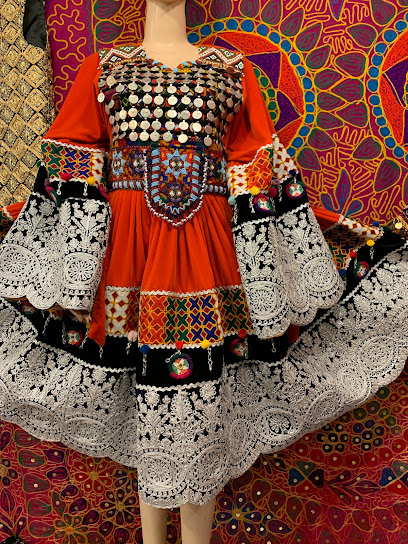
Discover the vibrant world of Afghan women's fashion at AFC Handicrafts, where tradition meets contemporary style in Kabul.
Asra boutique
2.6 km
Explore the charm of Afghan fashion at Asra Boutique, where unique women's clothing meets personalized shopping in the heart of Kabul.
Khalis Super Store فروشگاه بزرگ خالص
3.0 km
Experience the essence of Kabul at Khalis Super Store, a vibrant shopping destination filled with local treasures, delicacies, and a welcoming atmosphere.
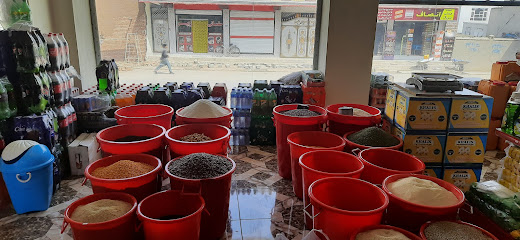
Store
3.3 km
Immerse yourself in the vibrant local culture of Kabul at this charming store, showcasing unique Afghan goods and friendly hospitality.
رنګفروشی هارون بهسودوال
3.5 km
Discover the best of Kabul at Haroon Shopping Mall: a blend of local culture, shopping delights, and exquisite dining experiences.
خوراکه فروشی
3.6 km
Discover the vibrant flavors of Afghan cuisine at خوراکه فروشی, a culinary treasure in the heart of Kabul.
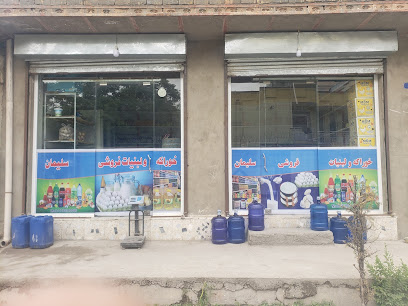
البدرخوشبومحل اوخولی سنتر
3.7 km
Explore the vibrant البدرخوشبومحل اوخولی سنتر in Kabul for a unique shopping experience filled with Afghan culture and craftsmanship.
افغان خوشبو محل
3.8 km
Discover the rich culture of Afghanistan at افغان خوشبو محل, offering traditional crafts and aromatic spices in the heart of Kabul.
Essential bars & hidden hideouts

Khalifa
0.8 km
Discover Khalifa in Kabul: A lively bar offering a unique blend of local and international drinks, perfect for unwinding and socializing.
Reeas
0.8 km
Discover a lively karaoke experience in Kabul at Reeas, where music, culture, and entertainment come together for an unforgettable night.
esmat berar
0.8 km
Experience the vibrant nightlife of Kabul at Esmat Berar, a bar offering local drinks and a welcoming atmosphere for an unforgettable evening.
آنلاین مارکیت
1.5 km
Discover unique souvenirs and promotional products at آنلاین مارکیت, where quality meets local culture.

د شېخ زاید ښارګوټي سپورټي میدان
2.0 km
Experience the excitement of sports and local culture at د شېخ زاید ښارګوټي سپورټي میدان, a lively sports bar in Kabul.
yasir super store
2.0 km
Discover the warm hospitality and unique Afghan beverages at Yasir Super Store, a charming bar in Kabul's Deh Sabz, perfect for tourists and locals alike.
Kabul Folad Co LTD
2.2 km
Discover the vibrant nightlife at Kabul Folad Co LTD, a bar offering a unique mix of local and international drinks in the heart of Kabul.
Hurriyat Radio
3.8 km
Discover the vibrant nightlife of Kabul at Hurriyat Radio, where local and international music collide in an electrifying atmosphere.
Jobs.af
4.3 km
Discover a world of employment opportunities at Jobs.af, the leading employment agency in Kabul, connecting talent with top recruiters in Afghanistan.
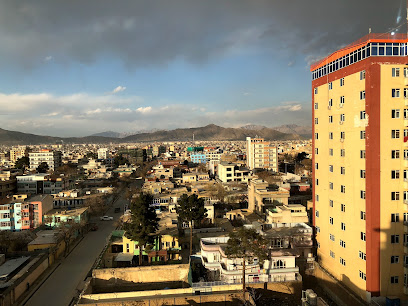
Arabian Night Restaurant
4.5 km
Experience authentic Afghan cuisine in a warm and welcoming atmosphere at Arabian Night Restaurant in Kabul.
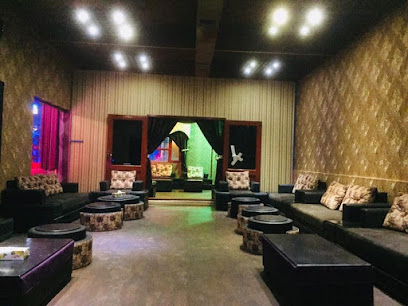
Andkhoy Bastan Turkmen Resturant
4.6 km
Discover authentic Turkmen flavors at Andkhoy Bastan Restaurant in Kabul, where traditional dishes and warm hospitality await.
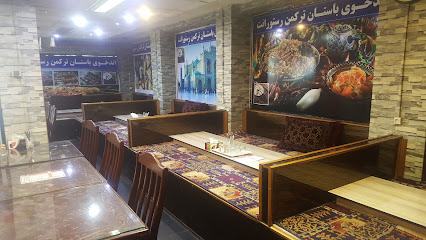
Kabul Star Hotel & Restaurant
4.6 km
Experience luxury and local culture at Kabul Star Hotel & Restaurant, your premier destination in the heart of Kabul, Afghanistan.
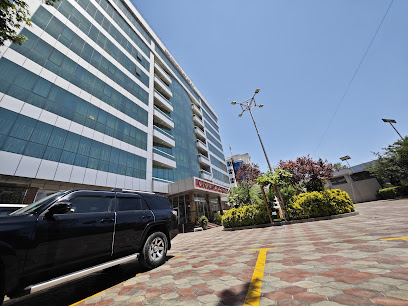
Barg Continental Restaurant
4.7 km
Experience the rich flavors of Afghanistan at Barg Continental Restaurant, a culinary delight in the heart of Kabul.
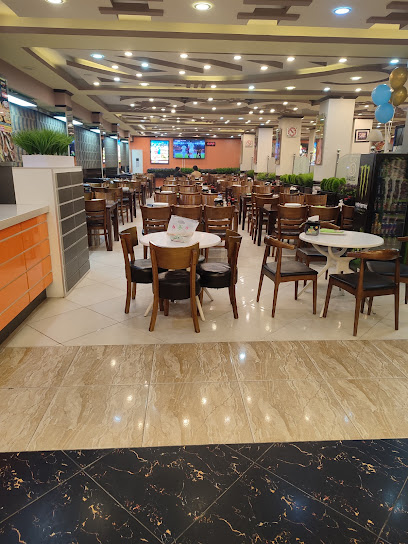
Ziyafat Restaurant
4.7 km
Discover the heart of Afghan cuisine at Ziyafat Restaurant in Kabul, where every dish tells a story of tradition and flavor.
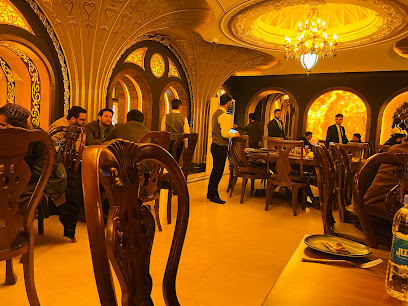
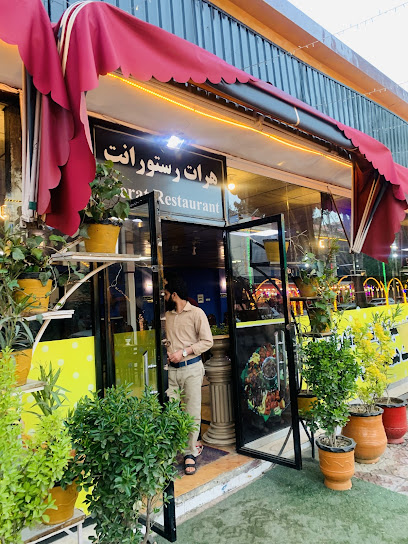
Herat Restaurant
4.7 km
Discover the authentic flavors of Afghanistan at Herat Restaurant, where traditional cuisine meets a welcoming atmosphere in the heart of Kabul.
Nightclubs & after hour spots

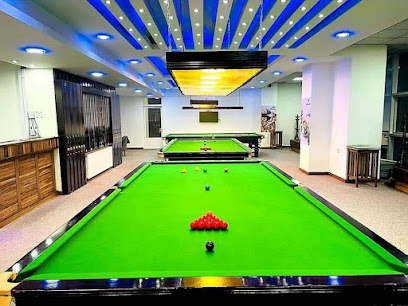
iCue Snooker & Cafe
3.4 km
Discover the excitement of snooker at iCue Snooker & Cafe, Kabul's vibrant sports club, perfect for friendly competition and socializing.
شرنوال هوتل
5.5 km
Discover the vibrant nightlife at شرنوال هوتل, Kabul's premier night club offering a lively atmosphere, music, and dance.
charsi
5.9 km
Discover Kabul's vibrant nightlife at Charsi, a unique night club where music and culture blend for an unforgettable experience.
گلبدین
6.1 km
Discover the vibrant nightlife of Kabul at گلبدین, a premier cabaret club featuring captivating performances and local culture.
city walk plaza
7.0 km
Experience the vibrant culture and shopping delight at City Walk Plaza, Kabul's premier shopping destination for locals and tourists.
میرویس پلازا
7.2 km
Discover Kabul’s nightlife at میرویس پلازا, a lively night club where music and culture collide for an unforgettable experience.


