منارههای هرات (MANAR Ha), Logar Travel Guide
Discover the majestic Minarets of Herat, remnants of a glorious Timurid past, showcasing intricate architecture and Afghan resilience.
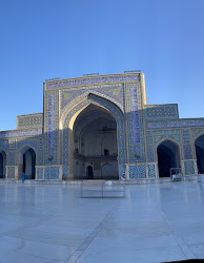
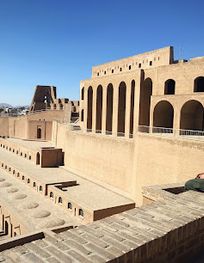
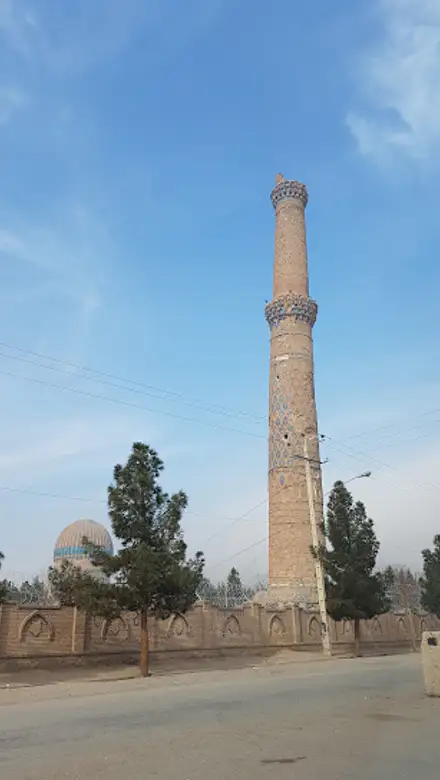
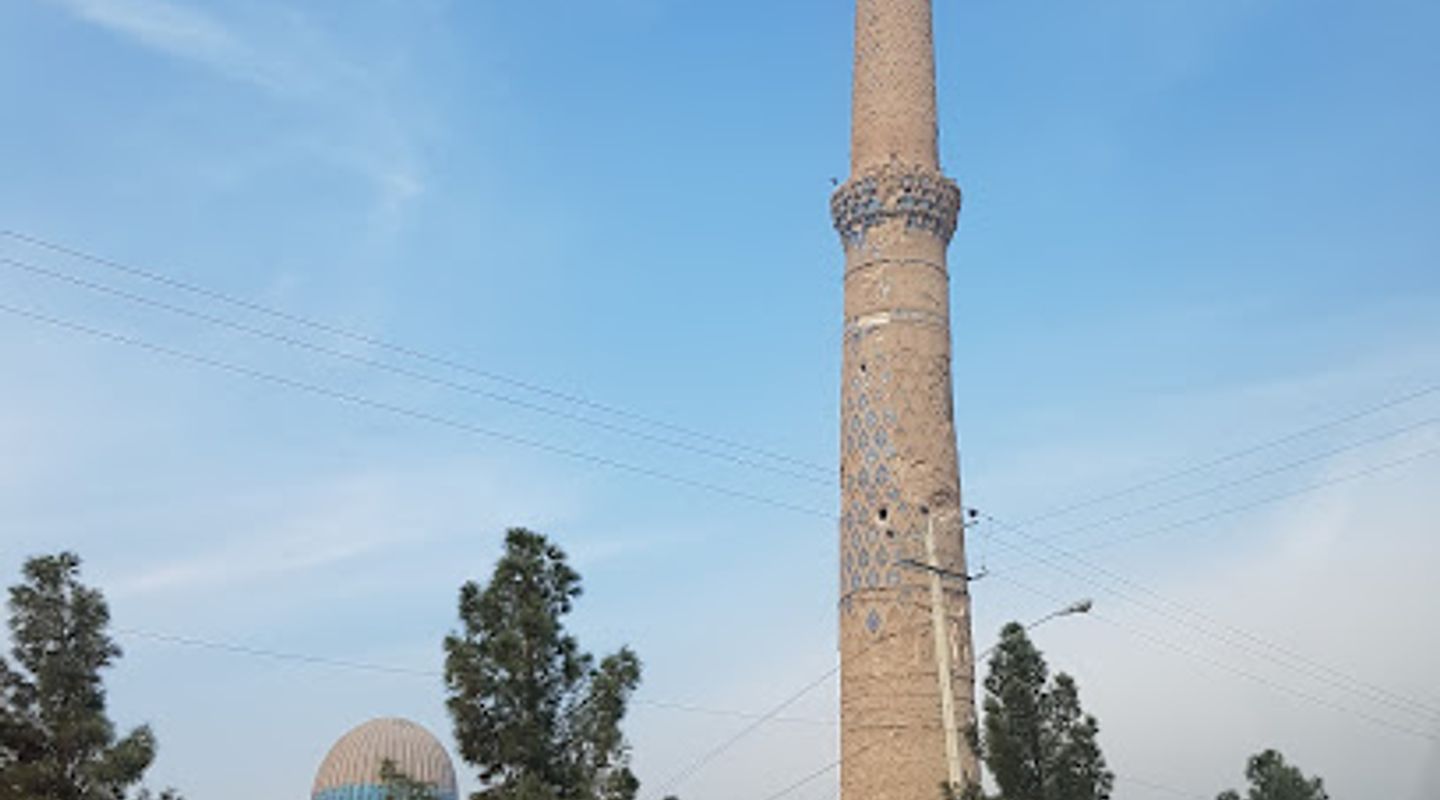
The Minarets of Herat, locally known as Manar Ha, are enduring symbols of the city's rich cultural and historical legacy [4]. Rising majestically against the Afghan sky, these minarets are remnants of the once-splendid Musalla complex, a testament to the Timurid dynasty's patronage of art and architecture during the 15th century [4].
A brief summary to منارههای هرات (MANAR Ha)
- 955P+PG7, AH1, Herat, AF

Know before you go
Hi, I'm Eve. Here are a few practical things to know before exploring منارههای هرات (MANAR Ha).
- Visit early in the morning or late afternoon for the best lighting for photography and to avoid the midday heat [4, 7].
- Hire a local guide to enhance your understanding of the history and significance of the minarets and the Musalla complex [4, 7].
- Dress modestly out of respect for local customs, especially when visiting religious sites [4].
- Combine your visit with a trip to the nearby Herat Citadel and the Great Mosque for a comprehensive historical experience [7].
- Be aware of your surroundings and take necessary safety precautions, as the region has a complex security situation [4].
Do you manage this location?
Take control to get all the benefits, like improved information, better appearance, and stronger visibility across AI-powered discovery. Learn more about listing your business on Evendo
Activate your presenceOther nearby places you may find interesting
The closest places of the same kind, if this one is not quite what you had in mind.
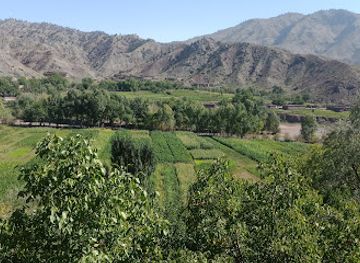
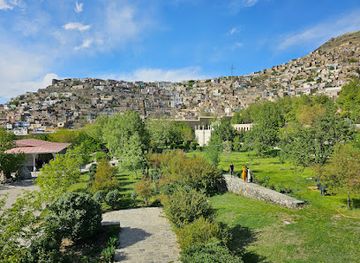
Explore منارههای هرات (MANAR Ha) on the Map
A handpicked selection of must-see spots near منارههای هرات (MANAR Ha), mapped for you.
Getting There
-
Walking
If you are already in the central area of Herat, such as near the Herat Citadel or the Great Mosque, the Minarets are approximately a 20-30 minute walk [7]. Head northwest, orienting yourself towards the main road (AH1) [7]. Follow local maps or ask for directions, referencing the 'منارههای هرات (MANAR Ha)' or the Musalla Complex [7]. The minarets are visible from a distance, serving as a visual guide [7]. No costs are associated with walking.
-
Taxi/Ride-Share
From anywhere in central Herat, a taxi or rickshaw is a convenient option [7]. Specify 'منارههای هرات (MANAR Ha)' or the Musalla Complex to the driver [7]. Negotiate the fare beforehand; a typical ride from the city center should cost between 100 to 200 Afghanis [7]. Ensure the driver knows the location, as some may be less familiar with specific landmarks [7].
Discover more about منارههای هرات (MANAR Ha)
More to explore near منارههای هرات (MANAR Ha)













Your all‑in‑one travel companion app
Explore expert travel guides, compare and book tours, experiences, hotels, and more—all from the palm of your hand. Download now for seamless trip planning wherever your wanderlust takes you.


Explore More of Logar

Looking beyond منارههای هرات (MANAR Ha)? Discover Logar for broader travel guides, local hot-spots, and regional highlights.
Explore Logar