

Free Khost Travel Guide & Mobile App
Explore Khost with free travel guides. Discover regional history, expert tips, proposed trips, and audio guides on web or mobile app.


Khost offers mountain valleys, Pashtun culture and frontier history, but severe security risks make independent tourism unsuitable.
Read more about Khost
When is the best time to visit Khost?
Best: April, September–October · 22–30°C| Month | High (°C) | Rainfall (mm) |
|---|---|---|
| January | 11 | 40 |
| February | 14 | 45 |
| March | 19 | 50 |
| April (best) | 24 | 55 |
| May | 29 | 45 |
| June | 33 | 30 |
| July | 36 | 25 |
| August | 35 | 20 |
| September (best) | 30 | 25 |
| October (best) | 22 | 30 |
| November | 16 | 35 |
| December | 11 | 40 |
Getting to and around Khost
How to get there
Transportation
Best attractions in Khost
Khost has very limited conventional tourist infrastructure, and its principal interest lies in landscape, local history and the experience of a southeastern Afghan provincial centre rather than in a developed circuit of visitor attractions. Khost city contains markets, mosques, public institutions and everyday commercial life, but access and photography can be restricted and should never be assumed. Outside the city, the Khost Valley presents broad agricultural land framed by dry mountains, while smaller valleys and rural settlements reflect the region’s long relationship with farming, livestock and frontier trade. The surrounding highlands may interest specialists studying geography, conflict history or Pashtun society, but roads, permissions and security conditions make independent exploration inappropriate. There is no dependable network of public museums, marked walking routes, managed nature reserves or established international visitor services on which to base an itinerary. Any educational or cultural visit should be arranged through a reputable organisation with local knowledge and a clear security plan, rather than presented as sightseeing. Travellers should also recognise that communities affected by conflict are not attractions and should not be approached, photographed or observed without explicit permission.
-
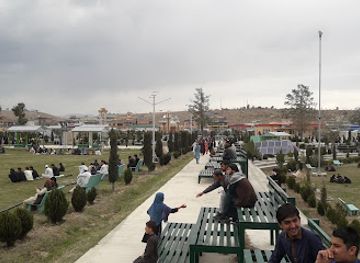
استاد حکيم تڼيوال پارک Ostad Hakim Taniwal Park
Experience thrilling rides and serene gardens at Khost's cultural hub, Ostad Hakim Taniwal Park, a symbol of community and resilience.
-
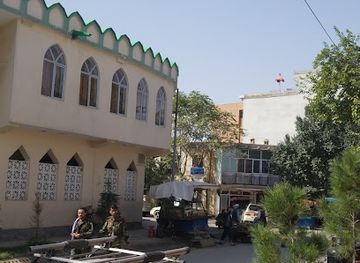
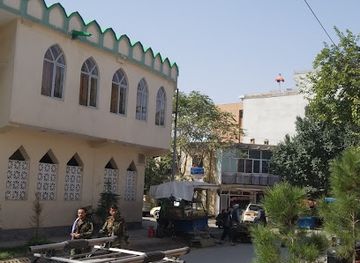
Yaqubi Masjid
Discover the spiritual heart of Khost at Yaqubi Masjid, an architectural marvel blending Islamic tradition and local artistry on Main Street.
-
National Park ملي پارک
Discover Khost's natural beauty: Hiking, wildlife, and serene landscapes await at National Park, a perfect escape in Afghanistan.
-
Faram Bagh فارم باغ
Escape to Faram Bagh in Khost: A lush garden retreat for relaxation, family fun, and a peaceful connection with nature.


Best landmarks in Khost
Khost’s most recognisable landmarks are connected to its provincial capital, its religious life and its strategic landscape rather than to a mature heritage-tourism industry. Mosques and civic buildings in Khost city provide visible reference points, but they remain active places of worship or administration and should be approached with permission and conservative conduct. The broad Khost Valley is itself the province’s defining geographical landmark, an inhabited agricultural basin enclosed by rugged uplands and routes leading towards the southeastern frontier. The surrounding mountain passes and ridges have strategic and historical importance because they shaped movement, military campaigns and cross-border connections, although many are not suitable or authorised for visitors. Airport, government and security-related structures should never be treated as photographic monuments. Khost’s significance is best understood through its relationship between valley settlement, mountain terrain and frontier history, not through a checklist of monuments. Conditions may also restrict access to sites that appear publicly mapped, and online descriptions should not be taken as evidence that a location is safe or open.
-
Historical place
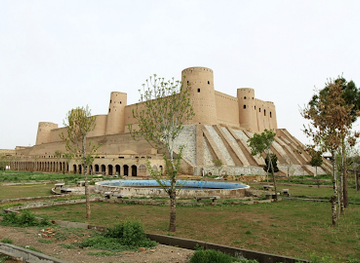
Herat Citadel
Explore the ancient Herat Citadel: a journey through Afghan history, offering panoramic city views and a glimpse into a storied past.
-
Park
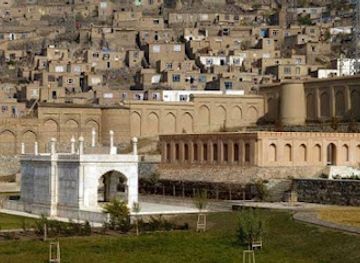
Babur Garden
Discover Kabul's Mughal heritage at Babur Garden, a serene terraced oasis and the final resting place of Emperor Babur.
-
Mosque
Herat Central Blue Mosque
Discover the mesmerizing Herat Central Blue Mosque, a masterpiece of Islamic architecture showcasing centuries of artistry and cultural heritage.
-
National park
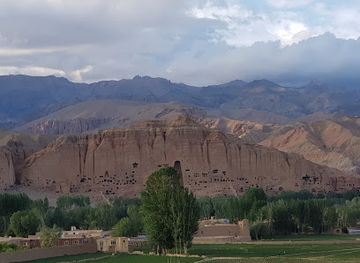
Band-e-Amir National Park
Discover Afghanistan's first national park: a stunning landscape of turquoise lakes, dramatic canyons, and unique geological formations in the Hindu Kush.

Explore Khost on the map
Plan your trip on one map. See where the top cities, national parks and sights are, and book hotels and experiences in a few clicks.
Best hotels in Khost
Best restaurants in Khost
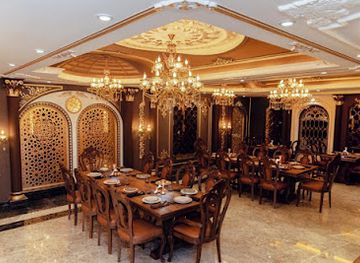
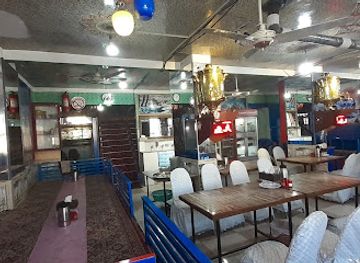
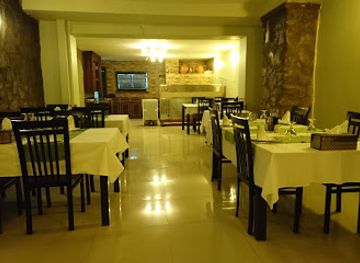
Khost’s food culture is rooted in southeastern Afghan and wider Pashtun cooking, with rice dishes, flatbreads, grilled meat, beans, yoghurt, tea and seasonal vegetables commonly forming the basis of meals. In Khost city, visitors may encounter simple restaurants, tea houses and market food serving practical local dishes, while rural hospitality is more often offered in private homes or compounds. Menus, cleanliness standards, refrigeration and opening arrangements can vary considerably, and supplies may be affected by transport disruption or economic conditions. Guests invited to eat should follow the host’s lead, accept food respectfully where possible and avoid assuming that familiar international dishes will be available. Afghanistan’s national food traditions overlap across provincial boundaries, so dishes should not automatically be described as exclusive to Khost. Foreign visitors should arrange dietary, medical and water-safety precautions in advance, carry essential provisions when appropriate and avoid eating or drinking without reliable local advice.
-
Restaurant
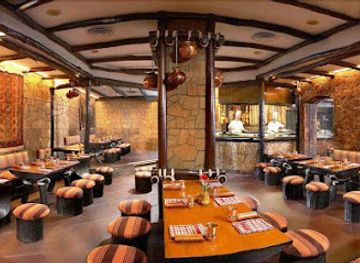
Bukhara Restaurant
Experience authentic Afghan cuisine at Bukhara Restaurant in Kabul – where every dish tells a story.
-
Afghani
Ziyafat Restaurant
Experience authentic Afghani flavors at Ziyafat Restaurant in Kabul - where tradition meets taste.
-
Restaurant
Naseeb Restaurant (رستورانت نصیب)
Experience authentic Afghan cuisine at Naseeb Restaurant in Kabul - where every dish tells a story.
-
Italian
Bocaccio Italian Restaurant
Indulge in authentic Italian cuisine at Bocaccio Restaurant in Kabul's vibrant Wazir Akbar Khan district - where every bite tells a story.
Best bars in Khost
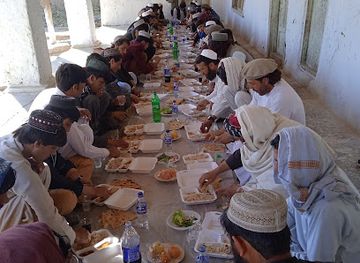
Khost has no conventional bar or nightclub scene: alcohol is prohibited, and evening social life centres instead on family homes, tea houses, restaurants, mosques and community gatherings conducted within local religious and social norms. Tea is an important part of hospitality, while public entertainment can be limited by security conditions, conservative expectations and restrictions imposed by the authorities. Visitors should not seek alcohol, late-night venues or informal parties, and should avoid remaining on the streets after dark unless movement has been specifically assessed as necessary and safe. Any social invitation should come through a trusted local contact, with careful attention to gender, privacy and photography. Even in Khost city, evening movement can be curtailed without warning, so a foreign visitor’s itinerary should prioritise secure accommodation and planned transport rather than nightlife.
-
Bar
خوست دولتي ګودام
Experience authentic Afghan cuisine at خوست دولتي ګودام, a must-visit restaurant in Khost offering traditional flavors and warm hospitality.
-
استاد حکيم تڼيوال پارک Ostad Hakim Taniwal Park
Experience family fun and natural beauty at Ostad Hakim Taniwal Park, a premier amusement park in Afghanistan.
-
Afghan Star Restaurant
Discover authentic Afghan flavors and warm hospitality at Afghan Star Restaurant in Khost, a must-visit for culinary enthusiasts.
-
Bar
حمام حاجي مير احمد
Experience the heart of Afghan culture at حمام حاجي مير احمد, a bar in Kabul offering a unique blend of traditional hospitality and local flavors.
Best nightclubs in Khost
Khost has no conventional bar or nightclub scene: alcohol is prohibited, and evening social life centres instead on family homes, tea houses, restaurants, mosques and community gatherings conducted within local religious and social norms. Tea is an important part of hospitality, while public entertainment can be limited by security conditions, conservative expectations and restrictions imposed by the authorities. Visitors should not seek alcohol, late-night venues or informal parties, and should avoid remaining on the streets after dark unless movement has been specifically assessed as necessary and safe. Any social invitation should come through a trusted local contact, with careful attention to gender, privacy and photography. Even in Khost city, evening movement can be curtailed without warning, so a foreign visitor’s itinerary should prioritise secure accommodation and planned transport rather than nightlife.
-
Amusement park
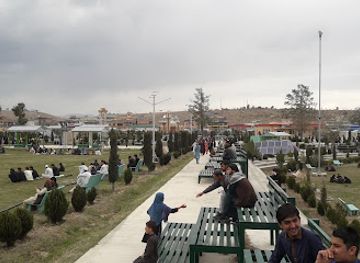
استاد حکيم تڼيوال پارک Ostad Hakim Taniwal Park
Experience a day of excitement and joy at Ostad Hakim Taniwal Park, Afghanistan's premier amusement park with thrilling rides and family fun.
-
Bar
حمام حاجي مير احمد
Experience traditional Afghan relaxation at Hajji Mir Ahmad Bathhouse, a gem of Kabul's cultural heritage and architectural beauty.
-
Internet cafe
Google Internet Cafe
Experience Khost's vibrant culture at the Google Internet Cafe – your essential stop for reliable internet and local charm.
-
National Park ملي پارک
Explore the breathtaking landscapes and diverse wildlife of ملي پارک National Park, a hidden gem in Khost, Afghanistan.
Best shops in Khost
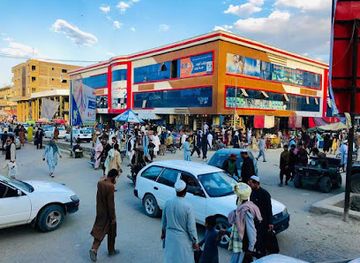
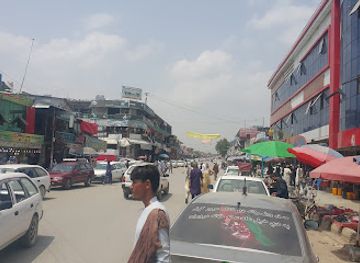
Shopping in Khost is concentrated in the markets and commercial streets of Khost city, where residents obtain food, clothing, household goods, mobile-phone services and everyday supplies. Visitors may encounter Afghan textiles, embroidered garments, prayer items, dried foods, nuts, tea and locally traded agricultural products, although the range and availability vary with security, imports and seasonal supply. Bargaining can form part of informal market transactions, but it should be conducted politely and without turning ordinary residents into photographic subjects. Rural markets serve practical community needs rather than tourism, and many products associated with Afghanistan are traded across several provinces, so claims of exclusive Khost provenance should be treated cautiously. Foreign travellers should buy only through trusted arrangements, avoid displaying cash or expensive equipment, and check restrictions on exporting antiquities, archaeological objects, weapons, wildlife products or culturally sensitive materials.
-
Foursquare church
سرګردان چوک Sargardan chowak
Experience the serene beauty and cultural charm of سرګردان چوک in Khost, Afghanistan, a peaceful haven for spiritual reflection.
-
Shopping mall
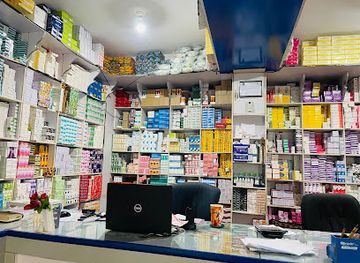
Sakhi Gul Totalhil Pharmacy
Explore Sakhi Gul Totalhil Pharmacy in Khost for a unique shopping experience that reflects local culture and offers essential goods.
-
Medical supply store
Afzal Khosti Medical Store
Explore Khost with confidence, knowing Afzal Khosti Medical Store provides all your essential health needs in one convenient location.
-
Shopping mall
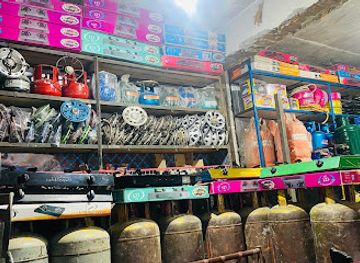
Naimi Gaz Station
Explore local culture at Naimi Gaz Station, a vibrant shopping hub in Khost, Afghanistan, offering traditional snacks and unique products.
Get your free copy of our complete guide to Khost, delivered straight to you.
Everything on this page, from attractions and restaurants to essentials and local phrases, in one PDF you can read offline, print or share.
Already have an account? Sign in
Your Khost guide is ready.
We'll send it to · Not you? Sign out

Getting your guide ready…
We are putting together a fresh copy of the Khost guide. This can take up to a minute.
This can take a few moments. If your browser asks, choose Allow so the download can start. You'll find the guide in your Downloads folder.
Nothing happened? Download it again
Sorry, the guide is taking longer than usual. Please try again in a minute, or get it by email instead.
Khost essentials
Currency and Payment
Safety
Emergency Situations
Do's and Don'ts
Local Tips
From Eve
Local phrases worth knowing
You don't need to get them perfect. A few words go a long way, and locals appreciate the effort.
Basics
| English | Local | Say it |
|---|---|---|
| Hello | سلام | [Salam] |
| Goodbye | خداحافظ | [Khuda Hafiz] |
| Yes | بله | [Bale] |
| No | نه | [Na] |
| Please/You're welcome | لطفا/خوش آمدید | [Lotfan/Khosh amadid] |
| Thank you | تشکر | [Tashakur] |
| Excuse me/Sorry | ببخشید | [Bebakhshid] |
| How are you? | چطور هستید؟ | [Chetor hastid?] |
| Fine. And you? | خوبم. شما چطورید؟ | [Khubam. Shoma chetorid?] |
| Do you speak English? | آیا انگلیسی صحبت میکنید؟ | [Aya Englisi sohbat mikonid?] |
| I don't understand | من نمیفهمم | [Man nemifahmam] |
Eating & Drinking
| English | Local | Say it |
|---|---|---|
| I'd like to see the menu, please | لطفا منو را نشان بدهید | [Lotfan menu ra neshan bedahid] |
| I don't eat meat | من گوشت نمیخورم | [Man gusht nemikhoram] |
| Cheers! | به سلامتی! | [Be salamati!] |
| I would like to pay, please | لطفا میخواهم پرداخت کنم | [Lotfan mikhaham pardakht konam] |
Emergencies
| English | Local | Say it |
|---|---|---|
| Help! | کمک! | [Komak!] |
| Go away! | برو برو! | [Boro boro!] |
| Call the Police! | پلیس را صدا بزنید! | [Polis ra seda bezanid!] |
| Call a doctor! | دکتر را صدا بزنید! | [Doktor ra seda bezanid!] |
| I'm lost | من گم شدهام | [Man gom shode-am] |
| I'm ill | من بیمار هستم | [Man bimaar hastam] |
Shopping
| English | Local | Say it |
|---|---|---|
| I'd like to buy... | میخواهم بخرم... | [Mikham bekharam...] |
| I'm just looking | فقط دارم نگاه میکنم | [Faghat daram negah mikonam] |
| How much is it? | این چقدر است؟ | [In chand ast?] |
| That's too expensive | این خیلی گران است | [In khayli geran ast] |
| Can you lower the price? | آیا میتوانید قیمت را پایین بیاورید؟ | [Aya mitavanid gheymat ra paeen biavarid?] |
Time & Numbers
| English | Local | Say it |
|---|---|---|
| What time is it? | ساعت چند است؟ | [Saat chand ast?] |
| It's one o'clock | ساعت یک است | [Saat yek ast] |
| Half past (10) | ده و نیم | [Dah o nim] |
| Morning | صبح | [Subh] |
| Afternoon | بعد از ظهر | [Bad az zuhr] |
| Evening | عصر | [Asr] |
| Yesterday | دیروز | [Dirooz] |
| Today | امروز | [Emrooz] |
| Tomorrow | فردا | [Farda] |
| 1 | یک | [Yek] |
| 2 | دو | [Do] |
| 3 | سه | [Se] |
| 4 | چهار | [Chahar] |
| 5 | پنج | [Panj] |
| 6 | شش | [Shesh] |
| 7 | هفت | [Haft] |
| 8 | هشت | [Hasht] |
| 9 | نه | [No] |
| 10 | ده | [Dah] |
Transport & Directions
| English | Local | Say it |
|---|---|---|
| Where's a/the...? | کجا ... است؟ | [Koja ... ast?] |
| What's the address? | آدرس چیست؟ | [Adres chist?] |
| Can you show me (on the map)? | میتوانید به من نشان بدهید (روی نقشه)? | [Mitavanid be man neshan bedahid (ruye naqsha)?] |
| When's the next (bus)? | بعدی (اتوبوس) کی میرسد؟ | [Ba'di (otobus) ki miresad?] |
| A ticket (to ....) | یک بلیط (به ....) | [Yek belit (be ....)] |
History of Khost
Ancient Frontier Communities
The Khost Valley has been inhabited for many centuries, although the archaeological record is less extensively documented for visitors than that of Afghanistan’s major central and northern sites. Its position between the Afghan plateau and the frontier highlands encouraged movement through valleys and passes, linking local communities with wider routes across the region. Historical populations were influenced by successive Iranian, Indo-Afghan and Central Asian political worlds, but authority was often local and decentralised. In the modern province, older settlement patterns remain visible in the relationship between valley agriculture, mountain communities and routes leading towards neighbouring Paktia, Paktika and the frontier.
Islamisation and Pashtun Political Traditions
Islam became the defining religious framework of the region over the medieval period, while Pashtun social and political traditions developed through local communities, tribal alliances and customary institutions. Khost’s population is predominantly Pashtun, with Pashto serving as the principal language of public and everyday life. Authority historically depended on negotiations among local elders, religious figures, landholders and rulers based elsewhere in Afghanistan. These traditions do not represent a single uniform system, but they remain important for understanding social relationships, conflict resolution and the reception of outsiders.
The Durrani and Afghan State Periods
Khost became part of the expanding Afghan political sphere established under the Durrani monarchy in the eighteenth century. During the nineteenth and early twentieth centuries, successive rulers in Kabul sought to strengthen control over the southeastern frontier through taxation, appointments and military expeditions, while local communities retained considerable influence. The province’s distance from the major administrative centres and its difficult terrain limited direct government reach. The resulting tension between centralisation and local autonomy became a recurring feature of Khost’s modern political history.
The Anglo-Afghan Frontier Wars
The southeastern Afghan borderlands were repeatedly drawn into conflicts between Afghanistan and British India during the nineteenth and early twentieth centuries. Khost and the surrounding highlands were strategically important because routes through the region connected Kabul’s sphere with the frontier districts beyond the Durand Line. Military campaigns encountered difficult terrain and strong local resistance, illustrating the limits of outside control in the valleys and mountains. The border created during this period remains politically sensitive, and communities on both sides continue to share linguistic, cultural and familial connections despite the international boundary.
War and Displacement after 1978
The communist coup of 1978 and the Soviet intervention that followed brought prolonged warfare to Khost and the wider southeast. The province became an important theatre during the conflict, with fighting between government forces, Soviet-backed troops and mujahideen groups. Roads, settlements and public infrastructure suffered extensive damage, while many residents were displaced within Afghanistan or across the border. The war also strengthened the role of armed networks and cross-border supply routes, leaving political and social consequences that continued through the civil wars and the rise of the Taliban.
The Taliban and International Military Era
After 2001, Khost became a significant base for Afghan government forces, Taliban insurgents and international military operations. The province saw security operations, attacks, reconstruction projects and the expansion of roads, schools and administrative facilities, but development was repeatedly disrupted by conflict. International forces eventually withdrew from Afghanistan in 2021, after which the Taliban re-established control nationally, including in Khost. The current political order has brought major restrictions on civil liberties and a highly uncertain environment for foreign visitors, while the province continues to face economic and humanitarian pressures.
Khost in Photos
Browse through our photo collection highlighting the charm and character of the destination.
Neighbouring regions of Khost
The closest regions to Khost, if you have time for more than one.
-

-

-

-

-


Swipe for more regions
Explore more

Explore more of Afghanistan
Discover Afghanistan's rich history, stunning landscapes, and diverse cultures. From ancient cities to breathtaking nature, this Central Asian gem offers a unique travel experience.
Explore Afghanistan