

Free Nimroz Travel Guide & Mobile App
Explore Nimroz with free travel guides. Discover regional history, expert tips, proposed trips, and audio guides on web or mobile app.


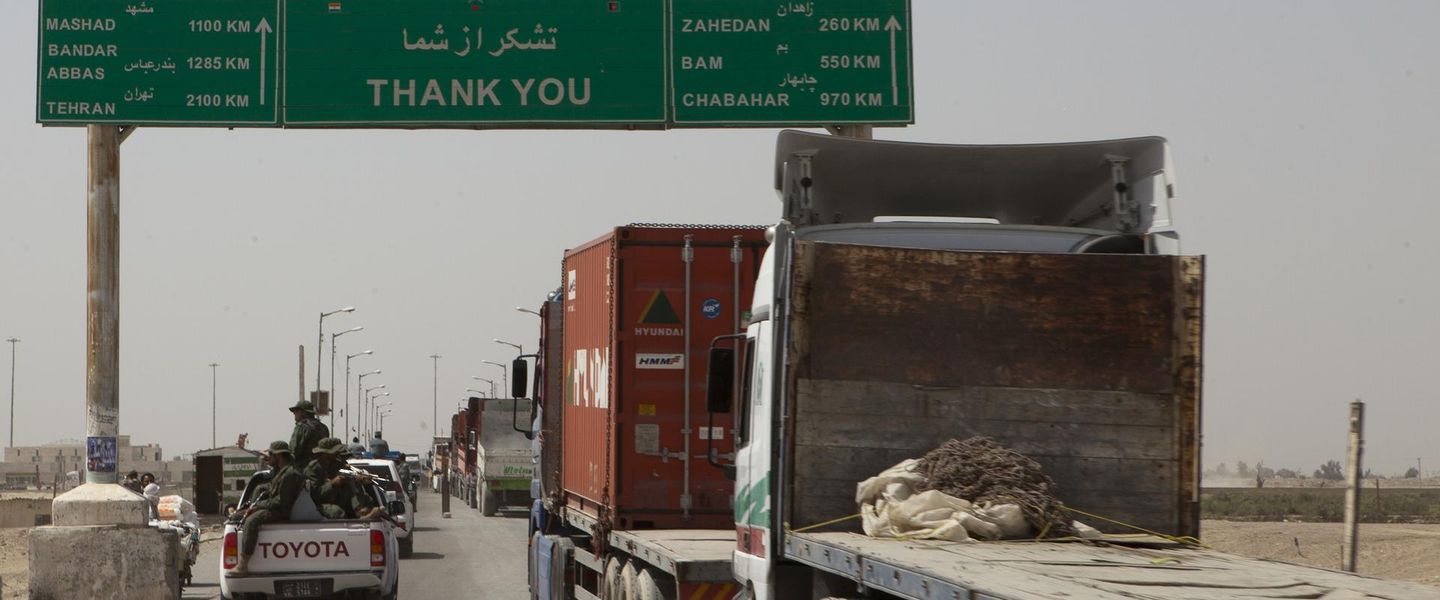


Nimroz offers insight into Afghanistan’s Sistan heritage, desert landscapes, Helmand waters and border history, but travel requires exceptional caution.
Read more about Nimroz
When is the best time to visit Nimroz?
Best: April, October–November · 21–29°C| Month | High (°C) | Rainfall (mm) |
|---|---|---|
| January | 13 | 7 |
| February | 17 | 8 |
| March | 21 | 12 |
| April (best) | 27 | 9 |
| May | 34 | 4 |
| June | 40 | 1 |
| July | 43 | 1 |
| August | 42 | 1 |
| September | 37 | 1 |
| October (best) | 29 | 2 |
| November (best) | 21 | 5 |
| December | 14 | 6 |
Getting to and around Nimroz
How to get there
Transportation
Best landmarks in Nimroz
Nimroz’s most significant landmarks are primarily geographical and historical rather than monumental. Zaranj is the defining urban landmark: its name evokes the ancient and medieval Sistan centre that became the seat of the Saffarid dynasty, although modern development and limited preservation mean that the historic legacy is not presented as a conventional monumental precinct. The lower Helmand basin is another major landmark in regional terms, representing the water system on which settlement, agriculture and cross-border environmental politics depend. Around the capital, the meeting of irrigated ground and open desert expresses the province’s central geographic contrast. The Dasht-e Margo forms a vast natural landmark to the east and south, but its remoteness and severe security and environmental conditions make it unsuitable for casual exploration. Border infrastructure near Zaranj is historically important as evidence of modern regional connection, but it is sensitive and must not be photographed or approached without permission.
-
 Historical landmark
Nimroz Historical Citadel
Discover the ancient Nimroz Historical Citadel in Afghanistan, a landmark with 8,000 years of history, showcasing the region's rich cultural heritage.
Explore Nimroz on the map
Plan your trip on one map. See where the top cities, national parks and sights are, and book hotels and experiences in a few clicks.
Best hotels in Nimroz
Best bars in Nimroz
Nimroz does not have a conventional bar or nightclub scene, and alcohol is prohibited under Afghanistan’s legal and religious framework. Evening activity in Zaranj is more likely to centre on tea houses, restaurants, family visits, local commerce and private gatherings than on entertainment venues aimed at international tourists. Some shops and food businesses may operate after sunset, especially in warmer months, but opening arrangements and public activity can change with security conditions, religious observance and local directives. Visitors should avoid treating public nightlife as a measure of the region’s culture and should dress and behave conservatively after dark. Remote travel at night is especially inadvisable because of security threats, poor road visibility, limited communications and the possibility of checkpoints or other hazards.
-
Beer Garden
مجموعه تفريحی زرنج
Discover the sweetest flavors at Zaranj's beloved ice cream shop, a delightful retreat for all ages, offering a refreshing escape in every scoop.
-
Beer Garden
حمام حاجي مير احمد
Discover the tranquil beauty of Hamam Haji Mir Ahmad, where Afghan tradition meets relaxation in the heart of Kabul.
-
saindak football ground
Discover the vibrant spirit of sports at Saindak Football Ground, a must-visit destination for tourists in Balochistan, Pakistan.
-
Beer Garden
باغ نعیمی
Discover the vibrant atmosphere of باغ نعیمی, a unique beer garden in Farah, Afghanistan, perfect for relaxation and cultural immersion.
Best shops in Nimroz
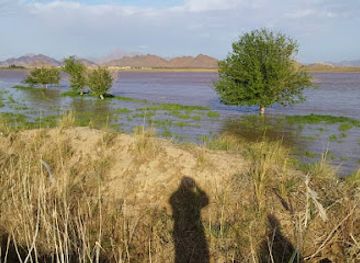
Shopping in Nimroz is concentrated in Zaranj, where ordinary bazaars and commercial streets serve local residents, travellers and cross-border trade rather than international tourists. Practical purchases may include clothing, household goods, food staples, tea and locally available produce. Iranian-made goods can appear in the market because of the province’s proximity to Iran, but supply, prices and legality vary with border controls and currency conditions. The region is not known for a large established craft-shopping sector or dedicated souvenir infrastructure. Visitors should use reputable vendors, check customs rules before purchasing anything for export and avoid antiquities, archaeological objects, weapons, wildlife products or goods whose provenance is unclear. Shopping should be conducted discreetly and respectfully, with permission sought before photographing stalls or people. Cash in Afghan afghanis is important, and card payments cannot be assumed.
-
Kabul City Center
Explore Kabul City Center, a vibrant shopping mall in Afghanistan featuring diverse shops, restaurants, and cultural experiences.
-
Zohak Village
Experience the serene beauty of Zohak Village Hotel, a perfect blend of comfort and cultural richness in the heart of Afghanistan.
-
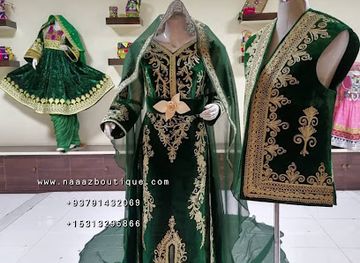
Naaz Boutique Afghani dresses store
Explore Naaz Boutique in Kabul for authentic Afghani dresses, blending tradition with modern style in a vibrant shopping experience.
-
IOM
Discover the heart of humanitarian efforts at IOM in Kabul, a beacon of hope and support for communities in need.
Get your free copy of our complete guide to Nimroz, delivered straight to you.
Everything on this page, from attractions and restaurants to essentials and local phrases, in one PDF you can read offline, print or share.
Already have an account? Sign in
Your Nimroz guide is ready.
We'll send it to · Not you? Sign out

Getting your guide ready…
We are putting together a fresh copy of the Nimroz guide. This can take up to a minute.
This can take a few moments. If your browser asks, choose Allow so the download can start. You'll find the guide in your Downloads folder.
Nothing happened? Download it again
Sorry, the guide is taking longer than usual. Please try again in a minute, or get it by email instead.
Nimroz essentials
Currency and Payment
Safety
Emergency Situations
Do's and Don'ts
Local Tips
From Eve
Local phrases worth knowing
You don't need to get them perfect. A few words go a long way, and locals appreciate the effort.
Basics
| English | Local | Say it |
|---|---|---|
| Hello | سلام | [Salam] |
| Goodbye | خداحافظ | [Khuda Hafiz] |
| Yes | بله | [Bala] |
| No | نه | [Na] |
| Please/You're welcome | لطفاً | [Lotfan] |
| Thank you | تشکر | [Tashakkor] |
| Excuse me/Sorry | ببخشید | [Bebakhshid] |
| How are you? | چطور هستید؟ | [Chetor hastid?] |
| Fine. And you? | خوبم. و شما؟ | [Khobam. Wa shoma?] |
| Do you speak English? | آیا انگلیسی صحبت میکنید؟ | [Aya Engilisi sohbat mikonid?] |
| I don't understand | من نمیفهمم | [Man nemifahmam] |
Eating & Drinking
| English | Local | Say it |
|---|---|---|
| I'd like to see the menu, please | لطفاً منوی غذا را ببینم | [Lotfan menuye ghaza ra bebinam] |
| I don't eat meat | من گوشت نمیخورم | [Man gusht nemikhoram] |
| Cheers! | سلامتی! | [Salamati!] |
| I would like to pay, please | لطفاً میخواهم پرداخت کنم | [Lotfan mikham pardakht konam] |
Emergencies
| English | Local | Say it |
|---|---|---|
| Help! | کمک! | [Komak!] |
| Go away! | برو برو! | [Boro boro!] |
| Call the Police! | پلیس را صدا کنید! | [Police ra seda konid!] |
| Call a doctor! | دکتر را صدا کنید! | [Doctor ra seda konid!] |
| I'm lost | من گم شدهام | [Man gom shodeam] |
| I'm ill | من بیمارم | [Man bimaram] |
Shopping
| English | Local | Say it |
|---|---|---|
| I'd like to buy... | میخواهم بخرم... | [Mikham bekharam...] |
| I'm just looking | فقط دارم نگاه میکنم | [Faghat daram negah mikonam] |
| How much is it? | قیمتش چقدر است؟ | [Gheymatash chande?] |
| That's too expensive | این خیلی گران است | [In khili geran ast] |
| Can you lower the price? | آیا میتوانید قیمت را کاهش دهید؟ | [Aya mitavanid gheymat ra kahesh dahid?] |
Time & Numbers
| English | Local | Say it |
|---|---|---|
| What time is it? | ساعت چنده؟ | [Saat chande?] |
| It's one o'clock | ساعت یک است | [Saat yek ast] |
| Half past (10) | نیم ساعت (۱۰) | [Nim saat (10)] |
| Morning | صبح | [Sob] |
| Afternoon | بعد از ظهر | [Bad az zohr] |
| Evening | شام | [Sham] |
| Yesterday | دیروز | [Dirooz] |
| Today | امروز | [Emruz] |
| Tomorrow | فردا | [Farda] |
| 1 | یک | [Yek] |
| 2 | دو | [Do] |
| 3 | سه | [Se] |
| 4 | چهار | [Chahar] |
| 5 | پنج | [Panj] |
| 6 | شش | [Shesh] |
| 7 | هفت | [Haft] |
| 8 | هشت | [Hasht] |
| 9 | نه | [Nah] |
| 10 | ده | [Dah] |
Transport & Directions
| English | Local | Say it |
|---|---|---|
| Where's a/the...? | کجا هست ...؟ | [Koja hast ...?] |
| What's the address? | آدرس چیست؟ | [Adres chist?] |
| Can you show me (on the map)? | میتوانید نشان دهید (روی نقشه)؟ | [Mitavanid neshan dahid (ruye naqsha)?] |
| When's the next (bus)? | نوبت بعدی (اتوبوس) کی است؟ | [Nobate badi (otobus) ki ast?] |
| A ticket (to ....) | یک بلیط (به ....) | [Yek belit (be ....)] |
History of Nimroz
Ancient Sistan and the Helmand Basin
Nimroz forms part of the wider Sistan region, an ancient cultural zone divided today between Afghanistan and Iran. Settlement developed around the lower Helmand and its associated wetlands, channels and cultivated areas, creating an important contrast with the surrounding deserts. Archaeological evidence from the broader Sistan basin records long periods of irrigation, urban life and exchange across the Iranian plateau. In Nimroz, the survival and alteration of water systems remain essential to understanding how communities occupied an otherwise harsh environment.
Zarang and Early Regional Kingdoms
The area around modern Zaranj was associated with Zarangiana, an ancient region mentioned in classical and Iranian traditions. Its position near routes linking eastern Iran, southern Afghanistan and the Helmand basin gave it strategic importance. Political control changed repeatedly among larger powers, while local irrigation and trading communities maintained the region’s significance. Much of the ancient landscape has been transformed by shifting rivers, desertification and modern settlement, making precise identification of individual remains difficult for ordinary visitors.
Islamic Sistan and the Rise of the Saffarids
After the arrival of Islam, Sistan became an important frontier region between eastern Iranian lands and Afghanistan. In the ninth century, Ya'qub ibn Layth al-Saffar rose from Sistan and founded the Saffarid dynasty, establishing Zaranj as a major centre of power. The Saffarids briefly controlled extensive territories and helped shape the political history of the eastern Islamic world. Zaranj’s historic reputation therefore extends well beyond present-day Nimroz, even though surviving monumental remains are limited and unevenly preserved.
Medieval Trade, Water and Imperial Rule
Across the medieval period, Sistan’s prosperity depended on the relationship between overland trade, agriculture and carefully managed water. Shifts in the Helmand and the drying or diversion of channels could alter the fortunes of settlements as decisively as invasions or dynastic change. The region passed through the spheres of several Persianate, Turkic and Mongol-era powers before later Afghan and Iranian political divisions developed. Nimroz’s modern boundaries do not fully correspond to the older cultural geography of Sistan.
Afghan State Formation and the Borderlands
During the consolidation of the modern Afghan state, the Sistan borderlands became increasingly defined by relations with British India, Persia and later Iran. Boundary-making separated communities and economic routes that had previously operated across a wider regional space. Zaranj retained importance as a provincial and commercial centre, while the area’s remoteness limited state services and large-scale development. Modern Nimroz reflects this borderland history through its trade links, cultural connections and dependence on regulated crossings.
The Helmand Water Dispute and Contemporary Change
In the modern period, water management has become one of Nimroz’s most consequential historical and political issues. Irrigation projects, drought, population pressure and competing claims between Afghanistan and Iran have affected the lower Helmand basin and its wetlands. The province has also experienced conflict, displacement, informal commerce and changing border controls. These forces have reshaped Zaranj and rural communities while reinforcing Nimroz’s importance as both an environmental frontier and a strategic gateway.
Nimroz in Photos
Browse through our photo collection highlighting the charm and character of the destination.
Neighbouring regions of Nimroz
The closest regions to Nimroz, if you have time for more than one.
-

-

-

-

-


Swipe for more regions
Explore more

Explore more of Afghanistan
Discover Afghanistan's rich history, stunning landscapes, and diverse cultures. From ancient cities to breathtaking nature, this Central Asian gem offers a unique travel experience.
Explore Afghanistan