

Free Sistan Travel Guide & Mobile App
Explore Sistan with free travel guides. Discover regional history, expert tips, proposed trips, and audio guides on web or mobile app.


Sistan in Afghanistan offers the Helmand basin, Zaranj and frontier history, but severe security risks make specialist planning essential.
Read more about Sistan
When is the best time to visit Sistan?
Best: March–April, October · 23–28°C| Month | High (°C) | Rainfall (mm) |
|---|---|---|
| January | 13 | 5 |
| February | 16 | 6 |
| March (best) | 23 | 7 |
| April (best) | 28 | 9 |
| May | 34 | 10 |
| June | 39 | 11 |
| July | 41 | 12 |
| August | 41 | 11 |
| September | 36 | 10 |
| October (best) | 26 | 9 |
| November | 18 | 7 |
| December | 13 | 6 |
Getting to and around Sistan
How to get there
Transportation
Explore Sistan on the map
Plan your trip on one map. See where the top cities, national parks and sights are, and book hotels and experiences in a few clicks.
Best hotels in Sistan
Best restaurants in Sistan
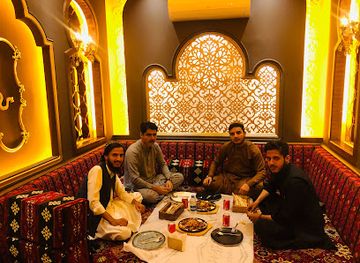
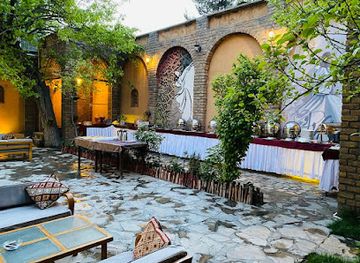
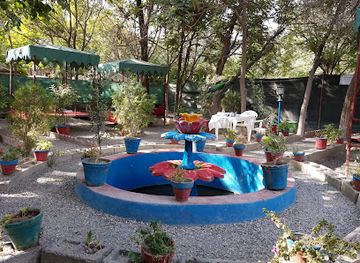
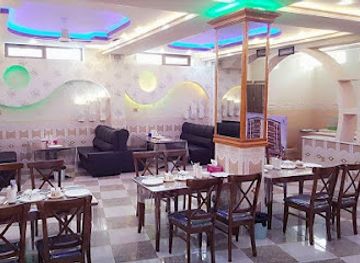
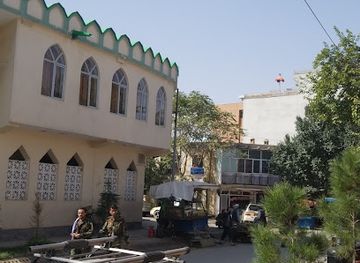
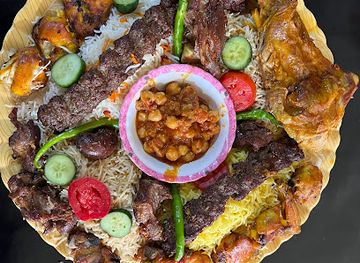
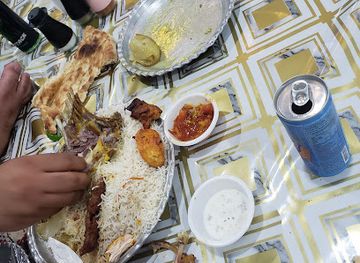
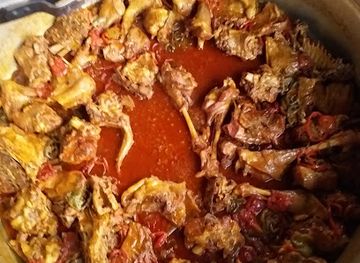
Dining in Afghan Sistan is generally functional and local rather than oriented towards international tourism. In Zaranj, food is likely to centre on Afghan staples such as rice dishes, bread, pulses, grilled meat, stews and tea, with availability varying according to supply, season and security conditions. The border setting may bring Iranian culinary influence, while the wider cultural landscape also includes Balochi food traditions, though visitors should avoid presenting these as a single uniform regional cuisine. Markets and small eateries are more relevant than a formal restaurant scene, and standards of refrigeration, sanitation and water treatment may be inconsistent. Travellers should use trusted local advice, carry safe drinking water and be cautious with raw produce and unrefrigerated food. Alcohol is prohibited under Afghan law. Any visitor travelling for essential work should arrange meals and food supplies in advance rather than relying on a dependable choice of restaurants.
-
Ziyafat Restaurant
Experience the authentic taste of Afghanistan at Ziyafat Restaurant in Kabul, where every dish tells a story.
-
Afghani
Sufi Mahal Restaurant ( رستورانت صوفی محل )
Experience authentic Afghan cuisine at Sufi Mahal Restaurant in Kabul - where tradition meets taste in every bite.
-
Afghani
Herat Restaurant
Discover authentic Afghani cuisine at Herat Restaurant in Kabul - a delightful culinary journey awaits every visitor.
-
رستورانت و مهمان سرای بلخ باستان Balkh e Bastan Restaurant
Experience authentic Afghan cuisine at Balkh e Bastan Restaurant in Mazar-i-Sharif – where tradition meets taste.
Best bars in Sistan
Sistan has no conventional bar or nightclub scene. Alcohol is prohibited under Afghan law, and evening social life in Zaranj is shaped by family gatherings, tea houses, local restaurants and community or religious settings rather than commercial nightlife. Public movement after dark may also be restricted or unsafe, while power cuts, security measures and limited transport affect evening activity. Tea houses can provide an important setting for conversation and refreshment, but visitors should enter only with appropriate local guidance and should respect privacy, gender expectations and photography restrictions. In rural and border areas there may be little public evening infrastructure at all. An authorised visitor’s night-time plans should therefore prioritise security, communications and accommodation arrangements rather than entertainment.
-
Hamburger
حمام حاجي مير احمد
Discover the tranquility and cultural heritage at حمام حاجي مير احمد, Kabul's charming traditional bathhouse.
-
Hamburger
مجموعه رستورانت و آبمیوه افغان زمین
Experience the authentic taste of Afghan cuisine in Zaranj, where every meal is a celebration of rich flavors and warm hospitality.
-
Hamburger
رستورانت کمال خان
Discover the authentic flavors of Afghanistan at رستورانت کمال خان, where traditional dishes meet warm hospitality in Zaranj.
-
Hamburger
آشپزخانه مهتاب
Experience the authentic taste of Afghanistan at آشپزخانه مهتاب, a must-visit restaurant in Zaranj for food lovers and travelers alike.
Best nightclubs in Sistan
Sistan has no conventional bar or nightclub scene. Alcohol is prohibited under Afghan law, and evening social life in Zaranj is shaped by family gatherings, tea houses, local restaurants and community or religious settings rather than commercial nightlife. Public movement after dark may also be restricted or unsafe, while power cuts, security measures and limited transport affect evening activity. Tea houses can provide an important setting for conversation and refreshment, but visitors should enter only with appropriate local guidance and should respect privacy, gender expectations and photography restrictions. In rural and border areas there may be little public evening infrastructure at all. An authorised visitor’s night-time plans should therefore prioritise security, communications and accommodation arrangements rather than entertainment.
-
کمیته مردمی کمیسیون برگزاری جشن استقلال
Dive into Kabul's vibrant nightlife at کمیته مردمی کمیسیون برگزاری جشن استقلال, where tradition meets modern entertainment in an unforgettable atmosphere.

Best shops in Sistan
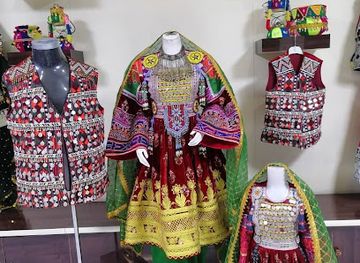
Shopping in Afghan Sistan is concentrated in Zaranj’s local markets and commercial streets, where everyday goods, clothing, household supplies, foodstuffs and imported products reflect the city’s frontier position. The range and availability of merchandise can change with border conditions, sanctions, transport disruption and currency fluctuation. Visitors should not expect established tourist craft districts, large shopping centres or a dependable selection of export-quality souvenirs. Afghan textiles, embroidered garments, carpets, metalwork, dried foods and tea may be encountered, but provenance and quality should be checked carefully and purchases should comply with customs and cultural rules. Bargaining may occur in informal markets, although it should be conducted politely and without turning ordinary transactions into public disputes. In smaller settlements, retail options are limited and basic supplies may be more important than souvenirs, so any authorised journey beyond Zaranj requires advance planning for water, food, fuel and essential medicines.
-
Naaz Boutique Afghani dresses store
Explore Naaz Boutique for exquisite Afghani dresses that blend tradition with contemporary fashion in the heart of Kabul.
-
مارکیت خوشبخت پارچه فروشی ashaqkarimi
Discover the rich tapestry of Afghan textiles at مارکیت خوشبخت پارچه فروشی ashaqkarimi - a vibrant clothing store in Zaranj.
-
هایپر4030
Experience the flavors of Sistan and Baluchestan at هایپر4030, your gateway to local culinary treasures in Milak.
-
DAMAS
Discover the vibrant local culture and unique shopping experience at Damas in Zaranj, Afghanistan, a hidden gem for tourists.


Get your free copy of our complete guide to Sistan, delivered straight to you.
Everything on this page, from attractions and restaurants to essentials and local phrases, in one PDF you can read offline, print or share.
Already have an account? Sign in
Your Sistan guide is ready.
We'll send it to · Not you? Sign out

Getting your guide ready…
We are putting together a fresh copy of the Sistan guide. This can take up to a minute.
This can take a few moments. If your browser asks, choose Allow so the download can start. You'll find the guide in your Downloads folder.
Nothing happened? Download it again
Sorry, the guide is taking longer than usual. Please try again in a minute, or get it by email instead.
Sistan essentials
Currency and Payment
Safety
Emergency Situations
Do's and Don'ts
Local Tips
From Eve
Local phrases worth knowing
You don't need to get them perfect. A few words go a long way, and locals appreciate the effort.
Basics
| English | Local | Say it |
|---|---|---|
| Hello | سلام | [Salam] |
| Goodbye | خداحافظ | [Khuda Hafiz] |
| Yes | بله | [Bale] |
| No | نه | [Na] |
| Please/You're welcome | لطفاً / خوش آمدید | [Lotfan / Khush Amadid] |
| Thank you | تشکر | [Tashakur] |
| Excuse me/Sorry | ببخشید | [Bebakhshid] |
| How are you? | چطور هستید؟ | [Chetor Hastid?] |
| Fine. And you? | خوبم. شما چطورید؟ | [Khobam. Shoma Chetorid?] |
| Do you speak English? | آیا انگلیسی صحبت میکنید؟ | [Aya Englisi Sohbat Mikonid?] |
| I don't understand | من نمیفهمم | [Man Nemi-Fahamam] |
Eating & Drinking
| English | Local | Say it |
|---|---|---|
| I'd like to see the menu, please | لطفاً منوی غذا را ببینم | [Lotfan Menuye Ghaza Ra Bebinam] |
| I don't eat meat | من گوشت نمیخورم | [Man Gusht Nemi-Khoram] |
| Cheers! | به سلامتی! | [Be Salamati!] |
| I would like to pay, please | لطفاً میخواهم پرداخت کنم | [Lotfan Mikhaaham Pardakht Konam] |
Emergencies
| English | Local | Say it |
|---|---|---|
| Help! | کمک! | [Komak!] |
| Go away! | برو برو! | [Boro Boro!] |
| Call the Police! | پلیس را صدا کنید! | [Polis Ra Seda Konid!] |
| Call a doctor! | دکتر را صدا کنید! | [Doktor Ra Seda Konid!] |
| I'm lost | من گم شدهام | [Man Gom Shode-am] |
| I'm ill | من بیمار هستم | [Man Bimar Hastam] |
Shopping
| English | Local | Say it |
|---|---|---|
| I'd like to buy... | میخواهم بخرم... | [Mikhaaham Bekharam...] |
| I'm just looking | فقط دارم نگاه میکنم | [Faghat Daram Negah Mikonam] |
| How much is it? | قیمتش چقدر است؟ | [Gheymatesh Cheqadr Ast?] |
| That's too expensive | این خیلی گران است | [In Kheyli Garan Ast] |
| Can you lower the price? | آیا میتوانید قیمت را پایین بیاورید؟ | [Aya Mitavanid Gheymat Ra Pain Biavarid?] |
Time & Numbers
| English | Local | Say it |
|---|---|---|
| What time is it? | ساعت چند است؟ | [Saa'at Chand Ast?] |
| It's one o'clock | ساعت یک است | [Saa'at Yek Ast] |
| Half past (10) | نیم ساعت (۱۰) | [Nim Saa'at (10)] |
| Morning | صبح | [Sob] |
| Afternoon | بعد از ظهر | [Bad Az Zohr] |
| Evening | عصر | [Asr] |
| Yesterday | دیروز | [Dirooz] |
| Today | امروز | [Emrooz] |
| Tomorrow | فردا | [Farda] |
| 1 | ۱ | [1] |
| 2 | ۲ | [2] |
| 3 | ۳ | [3] |
| 4 | ۴ | [4] |
| 5 | ۵ | [5] |
| 6 | ۶ | [6] |
| 7 | ۷ | [7] |
| 8 | ۸ | [8] |
| 9 | ۹ | [9] |
| 10 | ۱۰ | [10] |
Transport & Directions
| English | Local | Say it |
|---|---|---|
| Where's a/the...? | کجا است ...؟ | [Koja Ast ...?] |
| What's the address? | آدرس چیست؟ | [Address Chist?] |
| Can you show me (on the map)? | میتوانید به من نشان دهید (روی نقشه)؟ | [Mitavanid Be Man Neshan Dehid (Roi Naqshe)?] |
| When's the next (bus)? | کی بقیه (اتوبوس) است؟ | [Ki Baghiye (Otobus) Ast?] |
| A ticket (to ....) | یک بلیط (به ....) | [Yek Belit (Be ....)] |
History of Sistan
Ancient Sistan and the Helmand Basin
Sistan developed around the Helmand river system and its associated wetlands, whose water made settled life possible amid the deserts of south-western Afghanistan and eastern Iran. The ancient region was known in different periods as Drangiana and later Sakastan, reflecting successive cultural and political influences. Irrigation, farming and river management supported communities connected to wider routes across the Iranian plateau and towards South Asia. Many celebrated archaeological sites of ancient Sistan, including Shahr-e Sukhteh, are in modern Iran, but the historical region itself extended across today’s international boundary.
Sistan under Persian and Islamic Rule
The Helmand basin was incorporated at different times into large Persianate and Islamic empires, although control from distant capitals was often uneven. Arab-Muslim conquest brought the region into the Islamic political sphere during the seventh century, followed by periods of local autonomy and rivalry among dynasties. Sistan’s frontier position made it strategically valuable but also exposed it to changing armies, tribal movements and disputes over irrigation and trade. Its history cannot be separated from the wider water and settlement system shared by Afghanistan and Iran.
The Saffarids and Ya'qub ibn Layth
In the ninth century, Sistan became the base of the Saffarids, a significant regional dynasty founded by Ya'qub ibn Layth al-Saffar. A craftsman who rose through military service, Ya'qub established power in Zaranj and expanded across large parts of present-day Iran and Afghanistan before confronting the Abbasid caliphate. The Saffarid period gave Sistan an enduring place in Persian and Islamic political history. Zaranj’s later identity as a provincial and commercial centre is linked to this earlier role, even though much of the medieval urban fabric has not survived intact.
Medieval Frontier, Trade and Irrigation
After the Saffarids, Sistan passed through the sphere of several dynasties, including the Ghaznavids, Seljuks, Mongols, Timurids and later Persian and Afghan powers. Political authority changed repeatedly, but the region’s basic importance remained tied to the Helmand, irrigation canals and routes linking Herat, southern Afghanistan, eastern Iran and the Indian world. Floods, droughts and the neglect or repair of waterways could transform local prosperity. This long pattern helps explain why present-day settlement is concentrated around river-fed and irrigated areas rather than the surrounding desert.
Afghan-Iranian Border Formation
The modern division of Sistan emerged from nineteenth- and twentieth-century boundary-making between Afghanistan and Persia, later Iran. British and Persian involvement in regional diplomacy, followed by boundary commissions and changing state control, turned a culturally connected landscape into an international frontier. The division separated communities, markets and historic sites while leaving the Helmand basin’s water system shared in practice. The 1973 Helmand River Treaty between Afghanistan and Iran later addressed water allocation, though drought, infrastructure problems and political tensions have continued to affect the basin.
War, Displacement and Contemporary Change
Sistan and Nimruz were affected by the conflicts that transformed Afghanistan from the late twentieth century onwards. The Soviet war, civil conflict, Taliban rule, the post-2001 international military presence and subsequent political change contributed to displacement, damaged infrastructure and the militarisation of transport routes. Zaranj gained importance as a border and aid-related centre, but insecurity, organised crime, economic isolation and drought have constrained development. Contemporary Sistan is therefore shaped as much by humanitarian and security realities as by its ancient historical reputation.
Sistan in Photos
Browse through our photo collection highlighting the charm and character of the destination.
Neighbouring regions of Sistan
The closest regions to Sistan, if you have time for more than one.
-
-

-

-

-


Swipe for more regions
Explore more

Explore more of Afghanistan
Discover Afghanistan's rich history, stunning landscapes, and diverse cultures. From ancient cities to breathtaking nature, this Central Asian gem offers a unique travel experience.
Explore Afghanistan