Khwaja Abdullah Ansari Shrine: A Spiritual Oasis
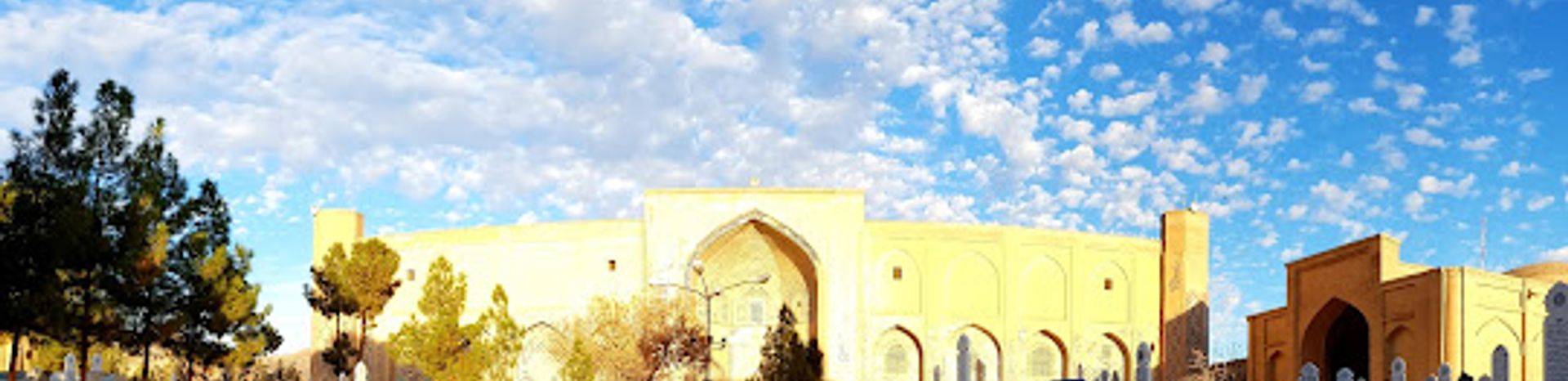
Discover the spiritual heart of Herat at the Khwaja Abdullah Ansari Shrine, a stunning testament to Timurid artistry and Islamic heritage.
The Khwaja Abdullah Ansari Shrine in Herat is a stunning Timurid-era complex dedicated to the revered Sufi saint, Khwaja Abdullah Ansari. Known as the Pir-e-Herat (Sage of Herat), Ansari was a mystic, poet, and Islamic scholar. The shrine is a significant pilgrimage site reflecting Afghanistan's rich cultural and religious heritage [4, 5].
A brief summary to Khwaja Abdullah Ansari Shrine
- 96FR+W8H, Khaja Abdullah Ansari Rd, Herat, District 8, AF
Local tips
- Dress respectfully when visiting the shrine, ensuring clothing covers shoulders and knees.
- Photography may be restricted in certain areas; always ask permission before taking pictures.
- Consider visiting during religious festivals for a vibrant cultural experience.
- Learn a few basic Dari phrases to enhance interactions with locals.
- Be mindful and respectful of those who are there for prayer and spiritual reflection.

Getting There
-
Taxi
From anywhere in Herat city, a taxi is a convenient way to reach the Khwaja Abdullah Ansari Shrine. Taxis are readily available, and the ride to Gazur Gah, where the shrine is located, is relatively short. A typical taxi ride from the city center to the shrine costs approximately 500 AFN, depending on traffic and negotiation [8, 9, 15]. Ensure to agree on the fare before starting the journey.
-
Public Transport
Local buses or shared taxis (also known as 'van taxis') offer a more economical option to reach the shrine. These can be found at major transport hubs in Herat. Inquire about routes heading towards Gazur Gah. The fare for a shared taxi is significantly lower, usually around 50 AFN [8, 9]. Be prepared for a potentially crowded ride and a short walk from the drop-off point to the shrine.
-
Walking
For those staying in accommodations closer to the northeast of Herat, walking to the shrine is a viable option. From the city center, it's approximately a few kilometers to Gazur Gah. Follow Khaja Abdullah Ansari Road northeast out of the city. The walk offers a chance to experience the local surroundings. Be aware of traffic and weather conditions. No costs are involved.
Discover more about Khwaja Abdullah Ansari Shrine
Iconic landmarks you can’t miss

Takht-e-Safar Park.
1.6 km
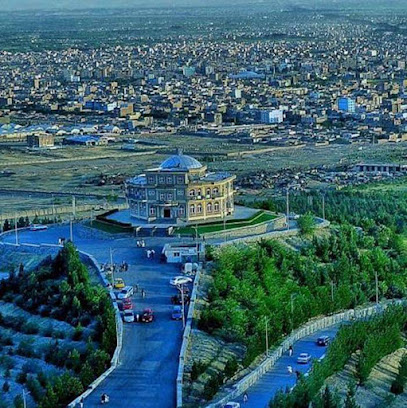
Escape to Takht-e-Safar Park in Herat for panoramic city views, lush greenery, and a tranquil retreat steeped in history.
Arg Hotel
2.8 km
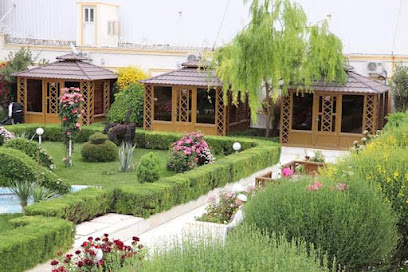
Experience modern comfort and Afghan hospitality at Arg Hotel, your gateway to exploring the ancient city of Herat.
Herat Afghanistan
4.2 km
Explore Herat, the 'Pearl of Khorasan': A Silk Road city with ancient citadels, stunning mosques, and a vibrant cultural legacy.
Unmissable attractions to see

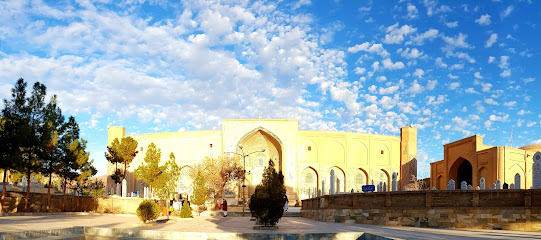
مجتمع تفریحی باغ ملت
3.2 km
Discover Baghe Mellat in Herat: A serene park offering lush greenery, cultural events, and a peaceful escape for families and tourists alike, open daily.
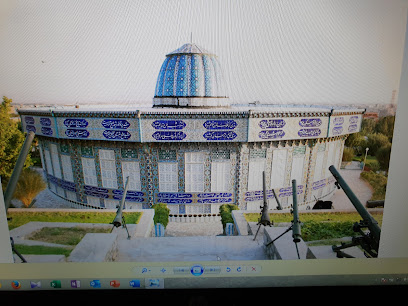
انجمن حفظ ارزش ها دوران جهاد و مقاومت مردم هرات
4.2 km
A museum in Herat dedicated to preserving the memory of the Afghan Mujahideen's resistance against the Soviet invasion.
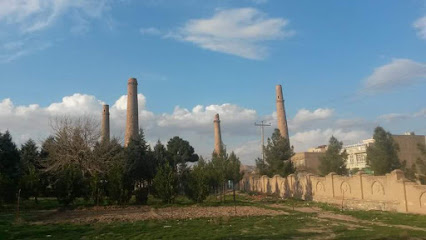
منارههای هرات (MANAR Ha)
5.3 km
Discover the majestic Minarets of Herat, remnants of a glorious Timurid past, showcasing intricate architecture and standing as symbols of Afghan resilience.
Herat Central Blue Mosque
5.4 km
Discover the mesmerizing Herat Central Blue Mosque, a timeless icon of Islamic art and Afghan heritage, showcasing stunning blue tilework and serene ambiance.
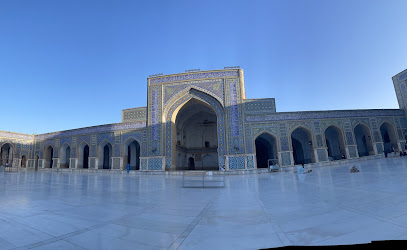
مقبره گوهرشاد بیگم
5.5 km
Explore the majestic Gowharshad Begum Mausoleum in Herat, a symbol of Timurid artistry, Queen Gowharshad's legacy, and Afghanistan's rich cultural heritage.
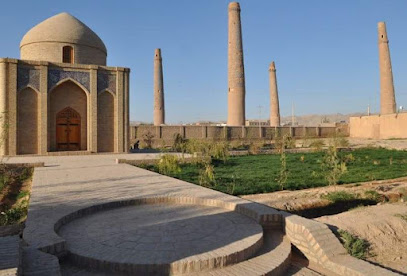
Herat Citadel
5.8 km
Explore the ancient Herat Citadel: a historic fortress with roots in Alexander the Great's era, offering stunning city views.
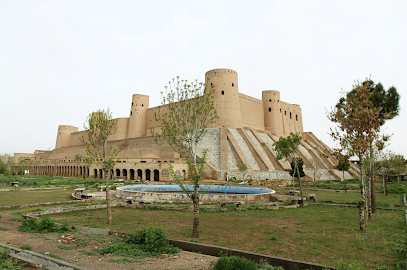
National Museum
5.8 km
Discover millennia of Afghan history and culture at the Herat National Museum, housed within the ancient Qala Ikhtyaruddin.
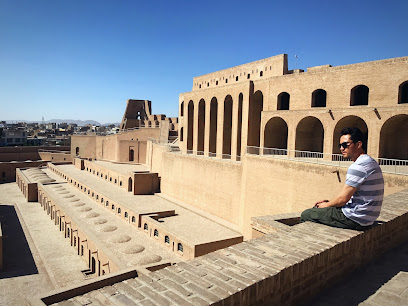
حوض چهارسو
6.0 km
Explore the historical حوض چهارسو in Herat, Afghanistan, a cultural landmark offering a glimpse into the region's rich heritage and history.
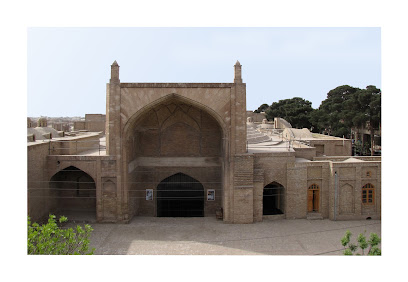
Malan Bridge
10.8 km
Discover the historic Malan Bridge in Herat, a testament to Afghan heritage and architectural ingenuity, connecting cultures across the Hari River for centuries.
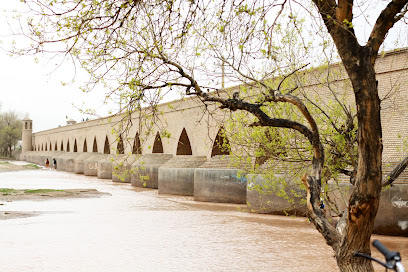
Shah Uzbeg caravanserai
98.5 km
Explore the historical Shah Uzbeg Caravanserai in Afghanistan, a Silk Road relic offering a glimpse into ancient trade and travel.

Essential places to dine

رستورانت خیبر
2.7 km
Discover authentic Afghan flavors at رستورانت خیبر in Herat - where tradition meets taste in every dish.
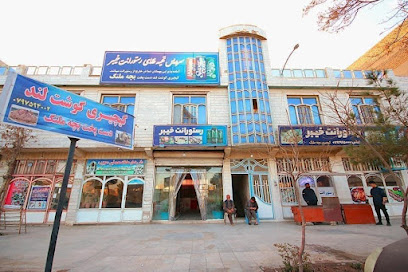
Anar restaurant رستورانت انار
3.2 km
Experience authentic Afghan flavors with breathtaking views at Anar Restaurant in Herat.
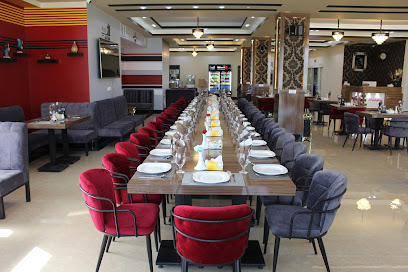
سرویس غذایی طاهر شاه محمدی
3.3 km
Experience authentic Afghan flavors at Tahr Shah Mohammadi Restaurant in Herat - where tradition meets culinary excellence.
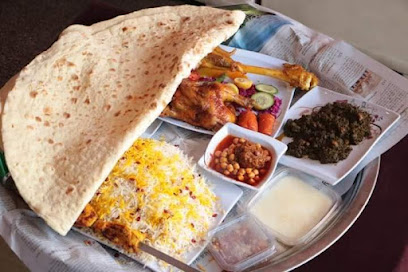
Hot & Cold Cafe کافه و رستورانت گرم و سرد
3.4 km
Discover the flavors of Afghanistan at Hot & Cold Cafe in Herat – where tradition meets taste in every dish.
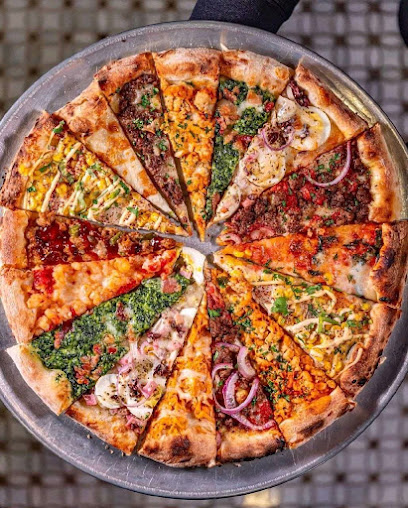
فست فود مرسی Merci Fast Food
3.5 km
Experience delightful fast food at Merci Fast Food in Herat, Afghanistan - where local flavors meet international favorites.
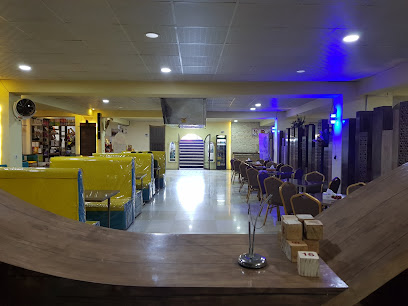
Fifty Fifty Restaurant
3.6 km
Experience authentic Afghan flavors alongside Western classics at Fifty Fifty Restaurant in Herat – a must-visit for every food lover.
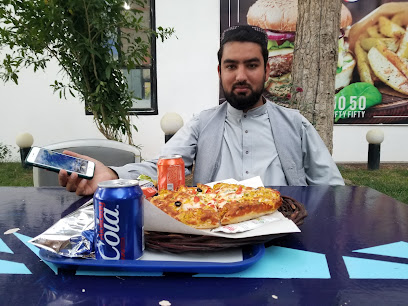
مجموعه تفریحی ناجو
3.8 km
Discover authentic Afghan cuisine at مجموعه تفریحی ناجو in Herat - where tradition meets flavor in every dish.
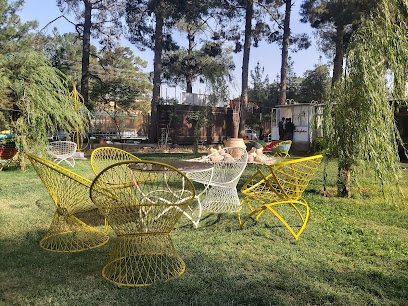
Nazho Resturant & Coffeshop
3.8 km
Experience authentic Afghan cuisine at Nazho Restaurant & Coffeshop in Herat - where tradition meets taste in every bite.
رستورانت سانی
3.8 km
Experience authentic Afghan cuisine at Sani Restaurant in Herat – a delightful blend of flavors and hospitality.
کبابی میلاد
4.0 km
Experience the authentic flavors of Afghan cuisine at Kebab Milad in Herat—home to succulent kebabs and warm hospitality.
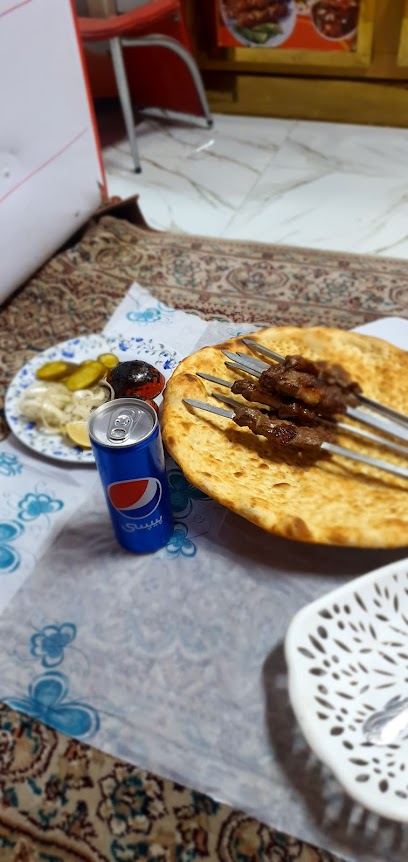
Herat serina resturan and Arman saloon
4.0 km
Discover authentic Afghan cuisine at Herat Serina Restaurant and Arman Saloon - a perfect family-friendly dining experience in Herat.
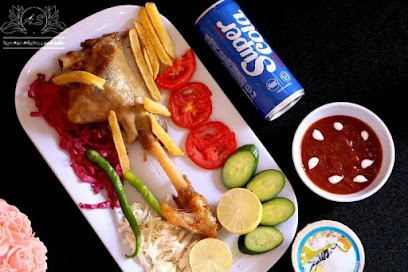
شهر غذا
4.1 km
Experience authentic Afghan cuisine at Shahr-e-Ghaza in Herat—where every dish is crafted with tradition and flavor.
Arman Cafe
4.1 km
Discover the flavors of Afghanistan at Arman Cafe in Herat - where tradition meets taste in every dish.
پیتزا سرای سلطانی
4.1 km
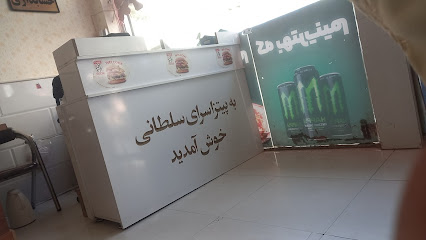
Discover the authentic taste of Afghanistan at Sultani Pizza in Herat - where tradition meets flavor in every slice.
Padideh restaurant
4.2 km
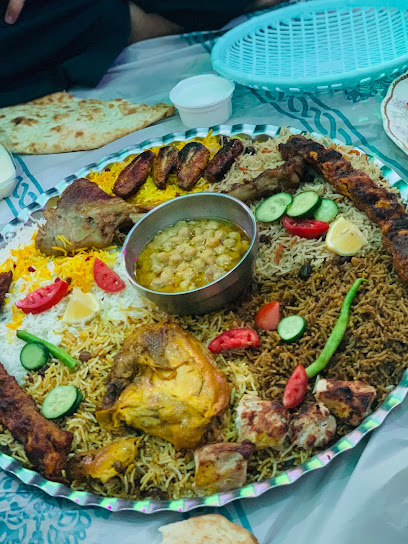
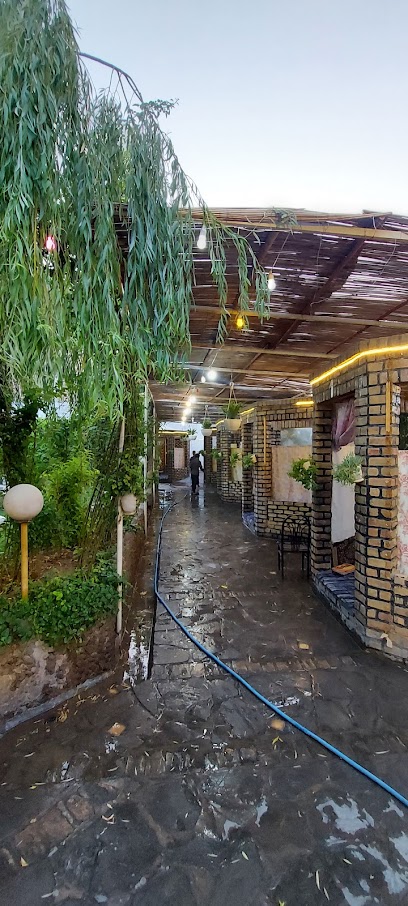
Savor authentic Afghan cuisine in a welcoming environment at Padideh Restaurant in Herat.
Markets, malls and hidden boutiques

Herat city
3.6 km
Explore the artistic and cultural heritage of Herat City, a vibrant destination with rich history and unique craftsmanship in Afghanistan.
فروشگاه رسولی
3.7 km
Explore the vibrant offerings of فروشگاه رسولی in Herat, where local culture meets quality shopping in an inviting atmosphere.
جاده مهتاب نفش گذرقلعه نوی
4.0 km
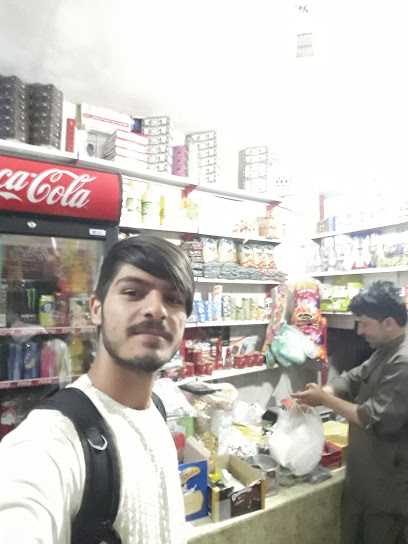
Discover authentic Afghan culture and flavors at Jaddeh Mahtab Nafsh Gozar Qal'e Nowi, a vibrant supermarket in Herat, brimming with local goods.
گالری امیری
4.1 km
Explore گالری امیری in Herat, Afghanistan for a unique blend of traditional handicrafts and modern shopping experiences.
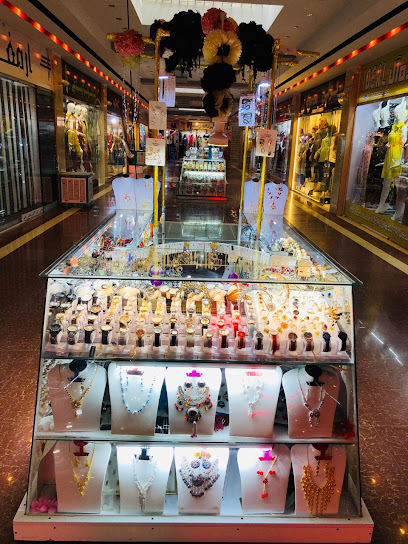
عطریات آوا
4.2 km
Explore the enchanting scents of عطریات آوا in Herat, where traditional Afghan perfumery meets exquisite craftsmanship.
سه شنبه بازار
4.2 km
Discover the lively Three Tuesday Market in Herat, where local culture, crafts, and cuisine come together in a vibrant shopping experience.
نمبریک
4.2 km
Explore نمبریک in Herat for a unique shopping experience filled with authentic Afghan crafts and local treasures reflecting the region's rich heritage.
جهان مبایل
4.2 km
Explore the cutting-edge mobile technology and exceptional service at جهان مبایل in Herat, a true gem for tech enthusiasts.
برگت
4.2 km
Experience the vibrant flavors of Afghanistan at Berget, a grocery store in Herat, where local culture meets fresh produce.
فروشگاه صدیق الله عزیزی
4.2 km
Discover authentic Afghan products at صدیق الله عزیزی, a grocery store in Herat offering fresh produce and traditional goods that reflect local culture.
مغازه جاوید
4.2 km
Discover the rich heritage of Herat at مغازه جاوید, where local craftsmanship meets cultural authenticity.
قلعه سرخه
4.2 km
Discover قلعه سرخه, an ancient fortress in Herat, Afghanistan, showcasing stunning architecture and rich historical significance.
بازار بانوان هرات
4.2 km
Explore the vibrant Herat Ladies' Market, a treasure trove of traditional clothing and handicrafts in Afghanistan's historic city.
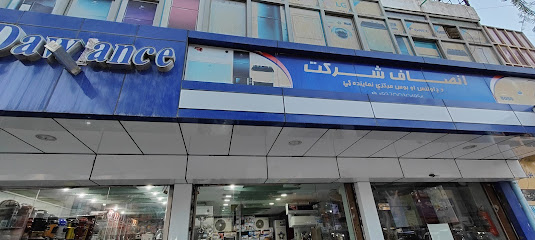
انصاف شرکت دډاولينس کمپني رسمي نمايندګي
4.2 km
Explore cutting-edge technology and diverse electronics at انصاف شرکت دډاولينس کمپني in Herat, Afghanistan.
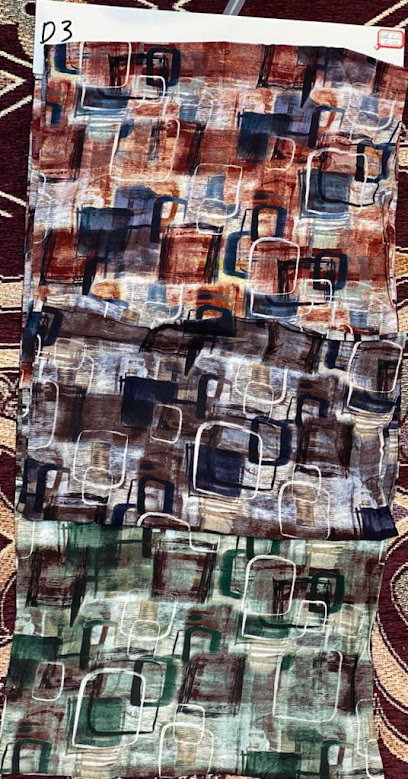
پارچه فروشی عصمتی
4.2 km
Explore the vibrant textiles at پارچه فروشی عصمتی in Herat, a charming smart shop celebrating Afghan craftsmanship.
Essential bars & hidden hideouts

Dark home
1.8 km
Experience the vibrant culture of Herat at Dark Home Pub, a cozy spot for locals and tourists to unwind with drinks and good company.
Cafe greeko
2.5 km
Experience the rich flavors of Herat at Café Greeko, an espresso bar offering a cozy ambiance and expertly crafted coffee drinks.
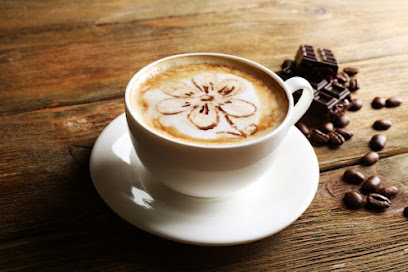
کوچه مندس
2.8 km
Experience the lively atmosphere of کوچه مندس in Herat, a bar that embodies local culture and vibrant nightlife.
ARABICA COFFEE
2.9 km
Discover the rich flavors of Afghanistan at Arabica Coffee, Herat’s premier espresso bar offering expertly crafted brews in a cozy setting.
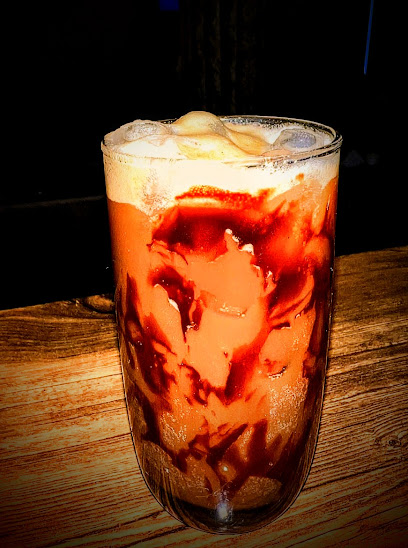
Network
3.2 km
Experience the lively bar culture in Herat, Afghanistan, where tradition meets modernity in a vibrant setting.
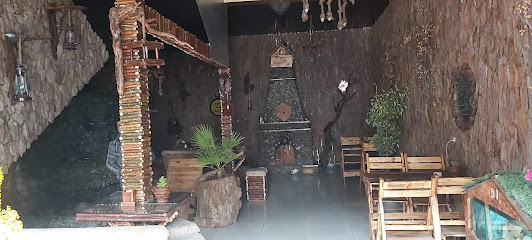
مجموعه هوسانه
3.4 km
Savor authentic Afghan cuisine at مجموعه هوسانه in Herat, where traditional flavors and warm hospitality create unforgettable dining experiences.
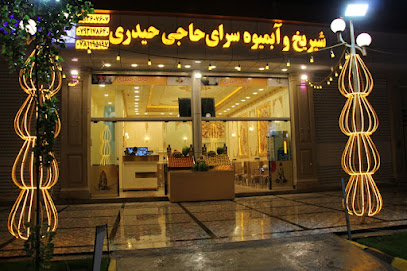
شیریخ و آبمیوه سرای حاجی حیدری
4.3 km
Discover the delightful flavors of حاجی حیدری Ice Cream Parlor in Herat - a sweet escape for every traveler!
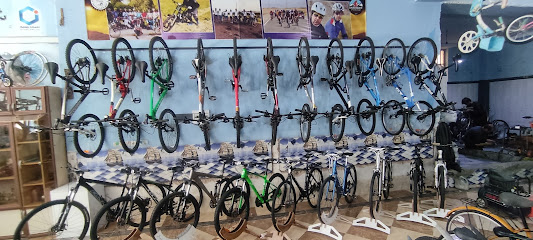
دنیای بایسکل
4.3 km
Experience the vibrant atmosphere of دنیای بایسکل, Herat's premier sports bar for fans and tourists alike, where every game is a celebration!
District 11 End
4.5 km
Discover the vibrant nightlife at District 11 End, a lively bar in Afghanistan offering a unique blend of local culture and social atmosphere.
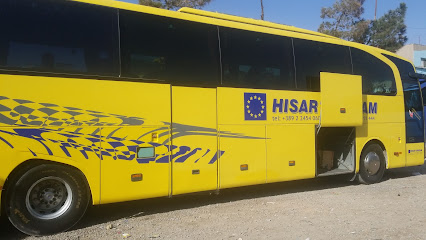
Azimi Bus Transport
4.5 km
Discover the lively atmosphere of Azimi Bus Transport, a cultural hub in Herat where travelers enjoy local beverages and vibrant interactions.
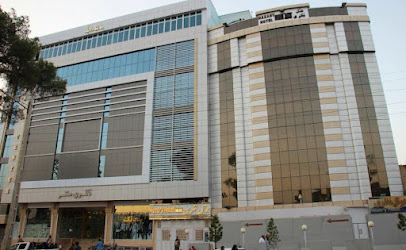
Nazary Four Star Hotel
4.7 km
Nazary Four Star Hotel: Where Comfort Meets Afghan Hospitality in the Heart of Herat.
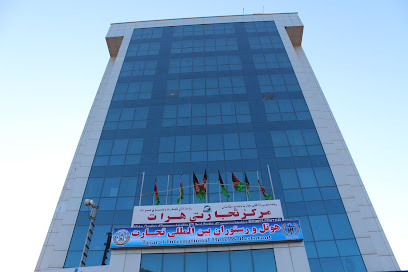
Tejarat International Hotel
5.0 km
Experience luxury and comfort at Tejarat International Hotel in Herat, Afghanistan, your gateway to exploring the rich cultural heritage of the region.
آبمیوه چهارفصل شعبه اول
5.1 km
Experience the refreshing flavors of Four Seasons Juice Bar in Herat, where delicious ice creams and fresh juices await every visitor.
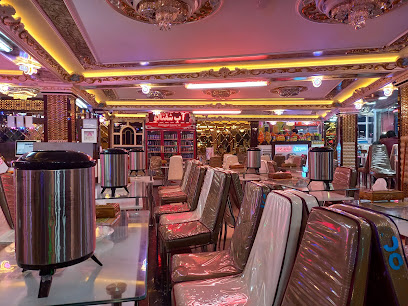
Tanin,Restaurant
5.3 km
Discover the authentic flavors of Afghanistan at Tanin Restaurant in Herat, where traditional dishes and warm hospitality await your visit.
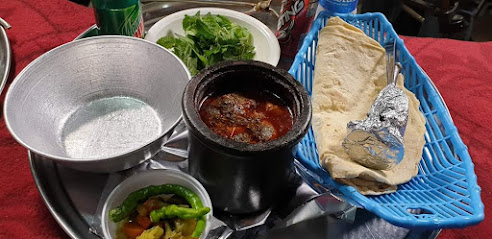
کمپنی بی نام
17.3 km
Experience the essence of Afghan cuisine at شرکت بی نام, where every grill tells a story and flavors come alive.
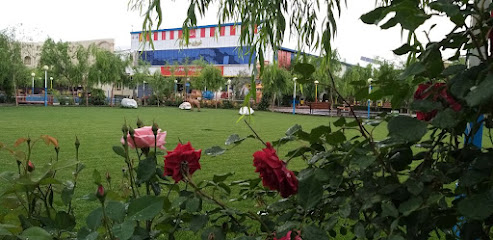
Nightclubs & after hour spots

میدان کرکت اتلان
3.5 km
Discover the electrifying nightlife of Herat at میدان کرکت اتلان, a premier night club that brings together music, dance, and culture.
شرکت مونتاژ تاسیسات برقی و برقرسانی میثاق
5.0 km
Explore the vibrant nightlife of Herat at Miethaq Night Club, where music, dance, and culture unite for an unforgettable experience.
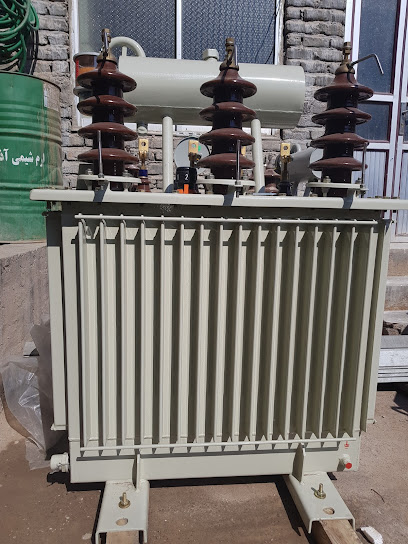
دوکان صوفی شایق
5.8 km
Explore the vibrant nightlife at دوکان صوفی شایق in Herat, Afghanistan, where music, dance, and cultural experiences await.
تکت فروشی مهردادی تاکسی مشهد
8.8 km
Discover the vibrant nightlife of Herat at Takt Froushi Mehrdad Taxi Mashhad, where music, dance, and local culture come together.
دفتر مجمع الذاکرین
9.5 km
Discover the vibrant nightlife of Jebrael at دفتر مجمع الذاکرین, where local culture and entertainment come alive.