Sloss Mines Hoist House: Echoes of Birmingham's Industrial Past
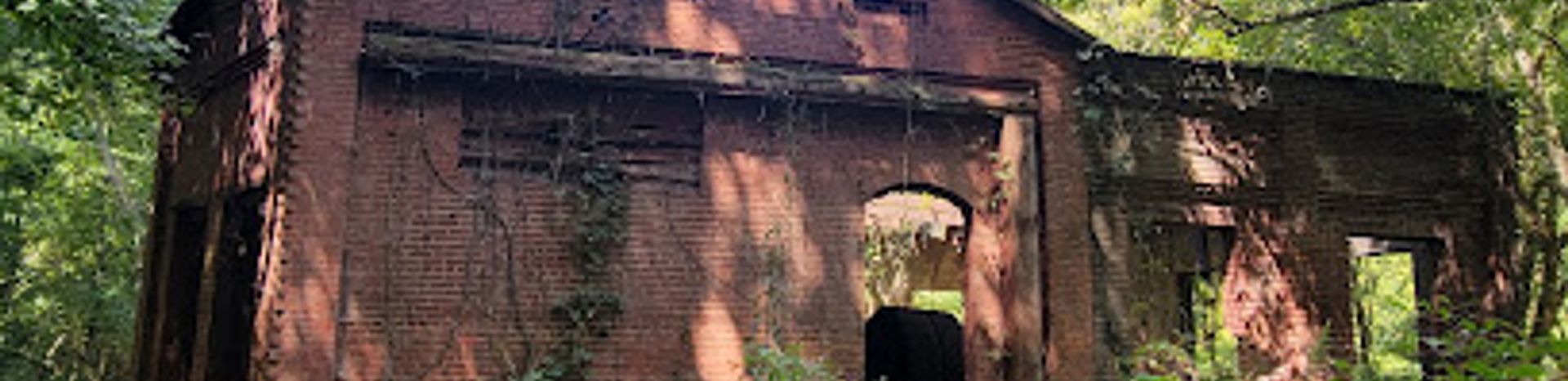
Explore Birmingham's industrial heritage at the Sloss Mines Hoist House, a window into the region's iron ore mining past on Red Mountain.
Explore the Sloss Mines Hoist House, a preserved landmark of Birmingham's industrial heritage. This structure offers a unique glimpse into the region's iron ore mining past and the lives of the miners who worked there, connecting visitors to Birmingham's formative years as an iron and steel powerhouse.
A brief summary to Sloss Mines Hoist House
- Birmingham, Sand Ridge, Alabama, 35211, US
Local tips
- Wear sturdy shoes, as the terrain around the Hoist House can be uneven and overgrown [2, 3].
- Combine your visit with a trip to Sloss Furnaces National Historic Landmark for a comprehensive understanding of Birmingham's iron and steel industry [2, 3].
- Check the Red Mountain Park website for updates on trail conditions and potential guided tours of the Sloss Mines area [3].

Getting There
-
Driving
From downtown Birmingham, head south on US-31/AL-3 [3]. Turn left onto Red Mountain Road [3]. Continue on Red Mountain Road until you reach the entrance to Red Mountain Park [3]. Follow signs within the park to access the Sloss Mines area and the Hoist House [3]. Parking is available at Red Mountain Park, free of charge [3].
-
Public Transport
From downtown Birmingham, you can take the Birmingham Xpress (BRT) bus to a stop near Red Mountain Park [3]. From there, it's approximately a 20-30 minute walk to the Sloss Mines area and the Hoist House [3]. Check the Birmingham-Jefferson County Transit Authority (BJCTA) website for the most up-to-date bus schedules and routes [3]. A single ride fare on the BJCTA is $1.25 [3].
Discover more about Sloss Mines Hoist House
Iconic landmarks you can’t miss

Sloss Mines Hoist House
0.0 km
Explore Birmingham's industrial heritage at the Sloss Mines Hoist House, a window into the region's iron ore mining past on Red Mountain.
Hoist House at Redding Shaft Mine
6.0 km
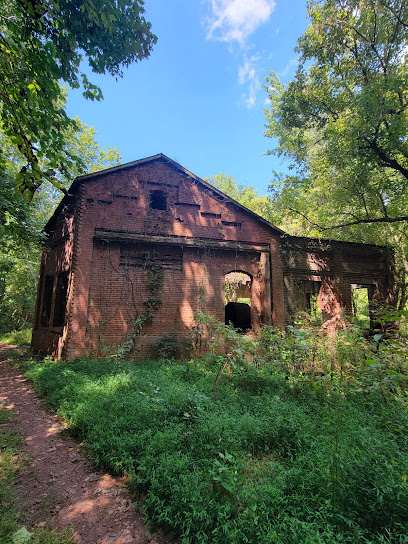
Explore Birmingham's mining history at the Hoist House, a preserved landmark in Red Mountain Park offering a glimpse into the past.
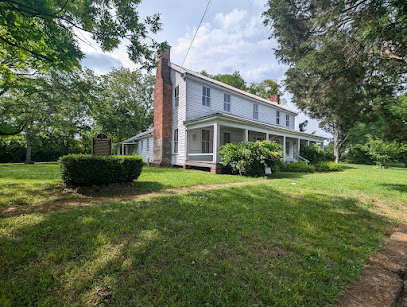
Owen Plantation House
8.2 km
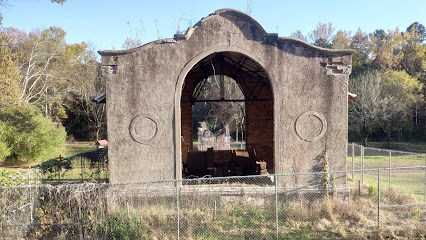
Discover 19th-century Alabama at the Owen Plantation House, a beautifully preserved historical landmark in Bessemer.
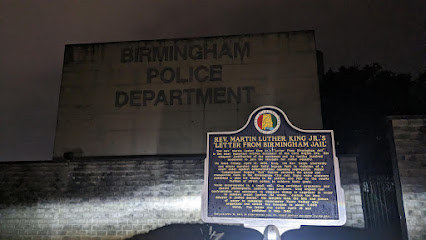
Rev. Martin Luther King Jr.’s ‘Letter From Birmingham Jail’ Marker
14.1 km
A marker commemorating Martin Luther King Jr.'s powerful 'Letter From Birmingham Jail,' a cornerstone of the Civil Rights Movement, located in front of the former Birmingham City Jail.
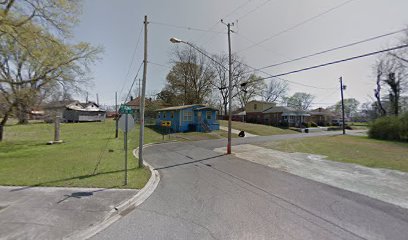
Pratt City Carline Historic District
14.6 km
Explore Birmingham's Pratt City Carline Historic District: A charming journey through time, showcasing well-preserved architecture and rich local heritage.
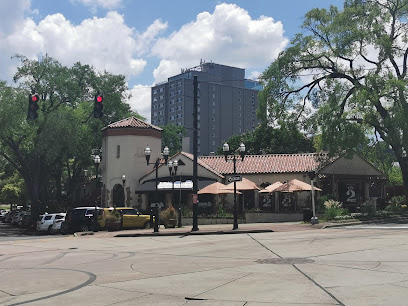
Five Points South Historical Marker
16.2 km
Discover the vibrant history of Birmingham's Five Points South, a charming neighborhood with stunning architecture, culinary delights, and a lively atmosphere.
Historic 4th Avenue Business District
16.3 km
Discover Birmingham's Historic 4th Avenue Business District: A vibrant center of Black culture, entrepreneurship, and civil rights history.
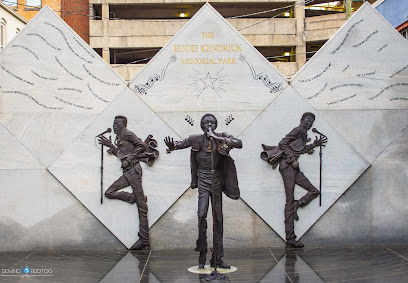
Birmingham Zoo
16.5 km
Discover wildlife from around the world at the Birmingham Zoo, Alabama's premier zoological destination. Open Wednesday - Sunday, 9am-4pm!
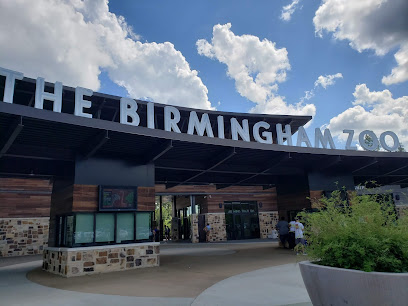
Civil Rights Freedom Riders Marker
16.6 km
Honoring the brave Freedom Riders who challenged segregation in 1961, marking a pivotal moment in the Civil Rights Movement.

The Woodward Building
16.6 km
Birmingham's first skyscraper, the Woodward Building, showcases Chicago-style architecture and stands as a landmark of the 'Heaviest Corner on Earth'.
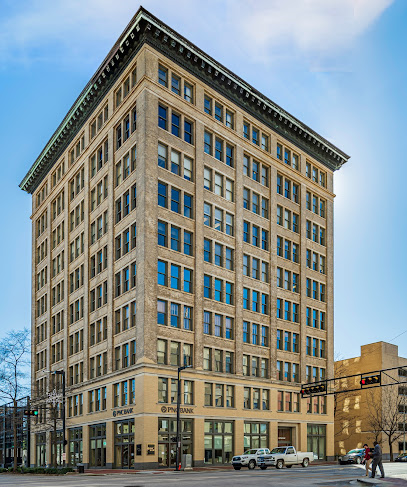
Heaviest Corner On Earth
16.6 km
Explore Birmingham’s Heaviest Corner on Earth, where history and architectural beauty converge in the heart of Alabama.
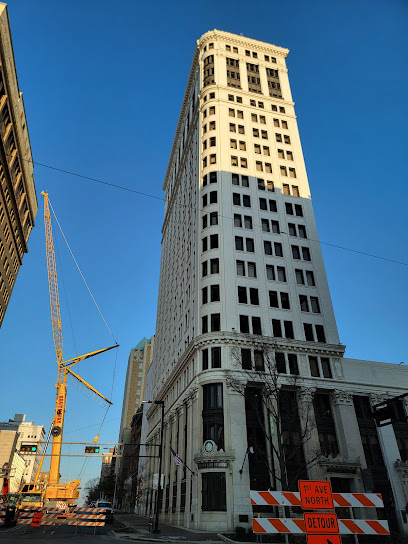
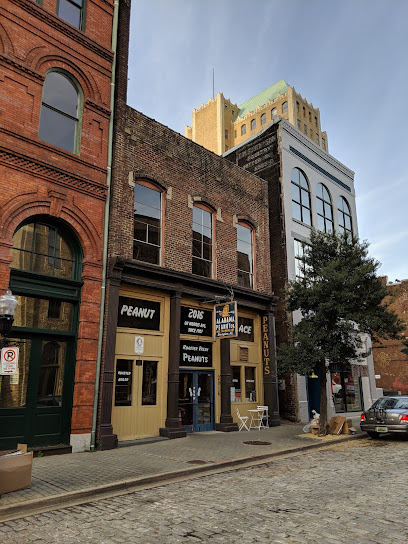
Alabama Peanut Co.
16.7 km
Birmingham's oldest peanut shop, roasting and boiling unique flavors since 1907 on historic Morris Avenue. A taste of tradition!
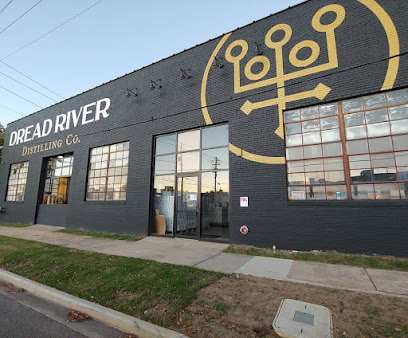
Dread River Distilling Company
16.9 km
Discover the vibrant flavors of Dread River Distilling Company in Birmingham, AL, where craft spirits meet culinary excellence in a lively atmosphere.
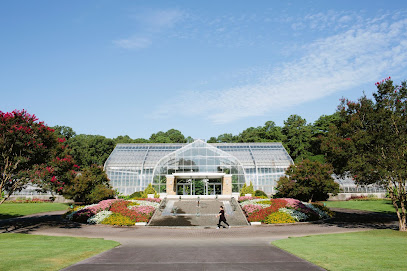
Birmingham Botanical Gardens
17.2 km
Discover a world of natural beauty at Birmingham Botanical Gardens, a 67.5-acre oasis with themed gardens, glasshouses, and educational programs.
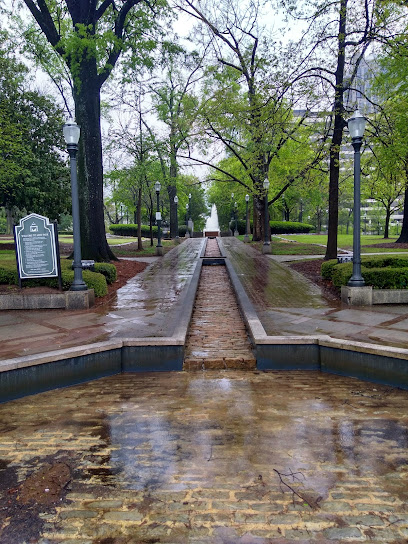
Alabama Sports Hall of Fame
17.3 km
Explore the rich history of sports at Alabama Sports Hall of Fame, where legends come alive through captivating exhibits and memorabilia.
Unmissable attractions to see

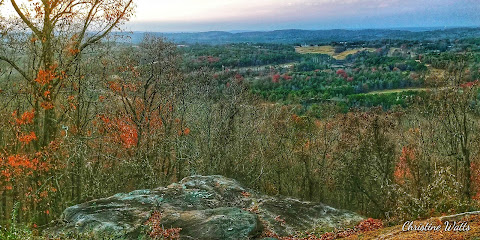
Lover's Leap
6.6 km
Discover Lover's Leap in Birmingham: A historic overlook with breathtaking views, rich legends, and a romantic atmosphere on Shades Mountain.
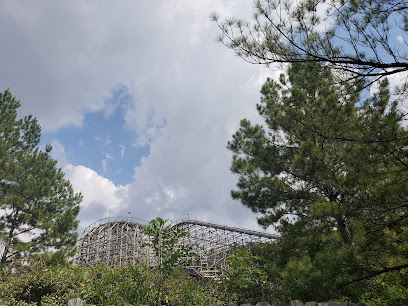
Alabama Adventure & Splash Adventure
7.2 km
Experience thrilling rides and refreshing water slides at Alabama's premier amusement and water park destination. Fun for the whole family!
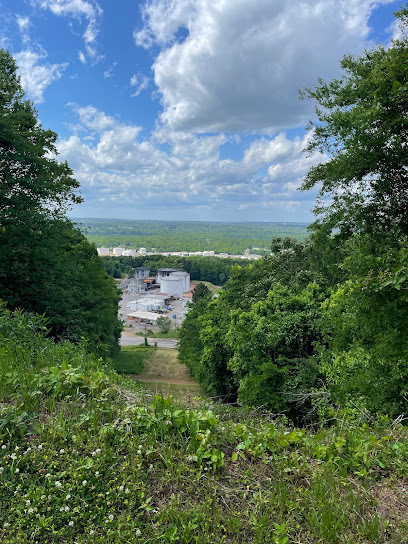
Red Mountain Park
7.6 km
Explore Birmingham's Red Mountain Park: Hike scenic trails, discover mining history, and enjoy stunning city views in this urban oasis.
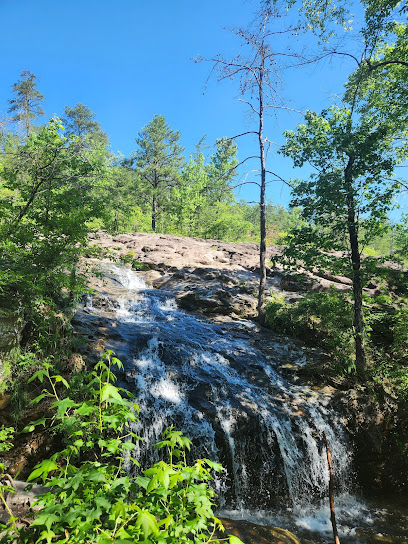
Moss Rock Preserve
8.6 km
Explore natural beauty in Hoover, Alabama, with hiking, bouldering, and rare ecosystems at Moss Rock Preserve. Open dawn to dusk daily.
Blue Ridge Nature Trail
9.8 km
Discover a serene escape at Blue Ridge Nature Trail in Hoover, AL, offering peaceful walks amidst lush greenery and diverse wildlife.
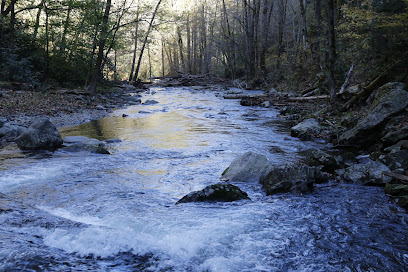
Grace's Gap at Red Mountain Park
10.1 km
Explore Birmingham's mining history at Grace's Gap in Red Mountain Park, offering scenic views and outdoor adventures on 1500 acres.
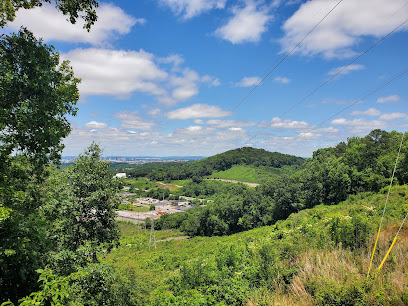
Hoover Met Stadium
10.4 km
A versatile stadium in Hoover, Alabama, hosting baseball, football, concerts, and the SEC Baseball Tournament.
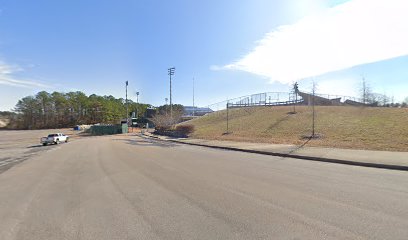
Cahaba Riverchase Greenway Trailhead
11.7 km
Discover a peaceful.5-mile paved trail along the Cahaba River in Hoover, perfect for a quick nature escape and enjoying local wetlands.
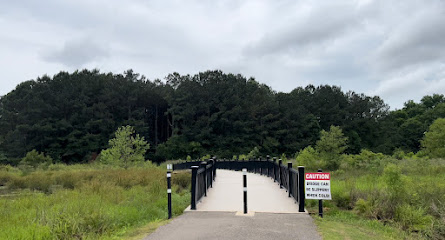
Georgetown Lake Park
12.2 km
Discover a peaceful retreat at Georgetown Lake Park in Hoover, AL, offering scenic trails, a tranquil lake, and family-friendly amenities for outdoor enjoyment.
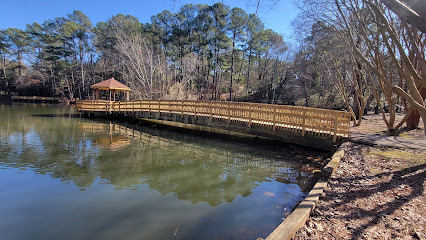
Chace Lake Park
12.3 km
Enjoy a peaceful walk or workout at this community park in Hoover, AL, featuring trails, fitness stations, and a relaxing atmosphere.
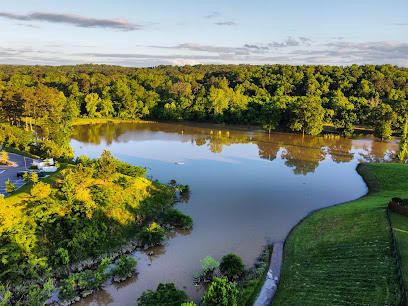
Rickwood Field
12.7 km
Step back in time at Rickwood Field, America's oldest ballpark, and experience the rich history of baseball in Birmingham.
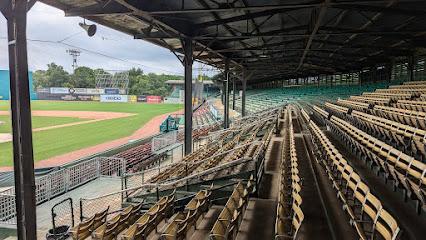
Aldridge Gardens
12.8 km
Discover natural beauty, art, and community at Aldridge Gardens in Hoover, Alabama, featuring the iconic Snowflake Hydrangea and serene walking trails.
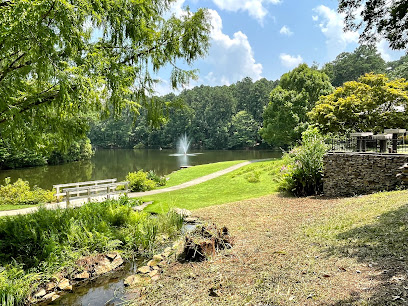
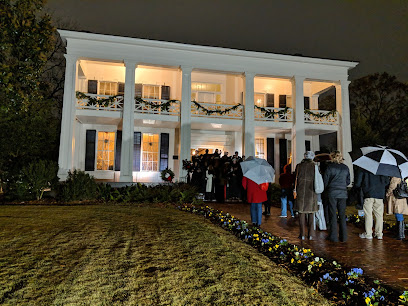
Arlington Antebellum Home & Gardens
13.4 km
Discover Birmingham's only antebellum mansion, featuring Greek Revival architecture, period furnishings, and beautiful gardens.
McCallum Park
13.8 km
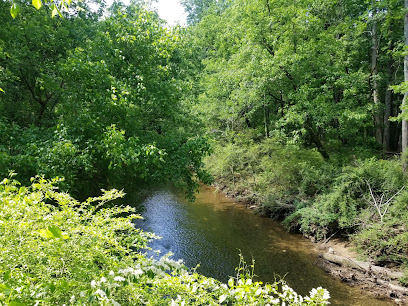
Escape to McCallum Park in Vestavia Hills: scenic trails, playground, and a tranquil creek for a refreshing outdoor experience and community connection.
Cahaba Lily Park
13.9 km
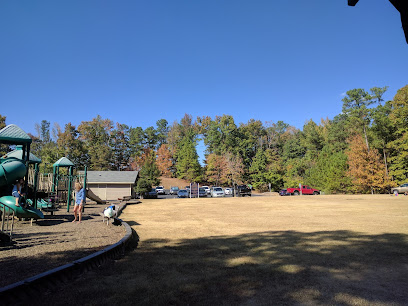
A charming Helena park with picnic areas, playgrounds, and walking trails, perfect for a family outing in a serene suburban setting.
Essential places to dine

Walk-On's Sports Bistreaux - Stadium Trace Restaurant
9.3 km
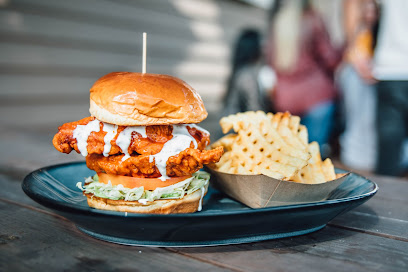
Dive into delicious Southern flavors at Walk-On's Sports Bistreaux in Hoover—a sports lover's paradise with an inviting atmosphere.
Tre Luna Bar and Kitchen
9.8 km
Experience the fusion of Southern comfort food and Italian cuisine at Tre Luna Bar and Kitchen in Hoover—where every meal is a celebration.
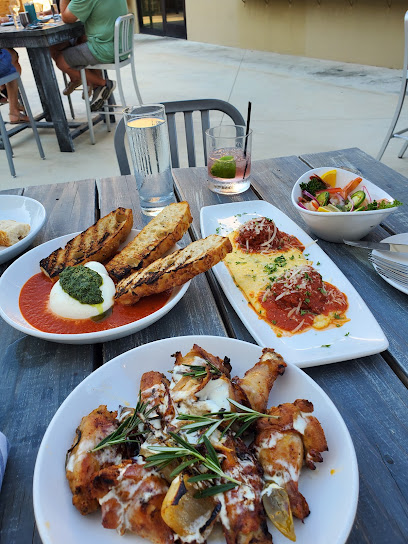
J. Alexander's Restaurant
11.7 km
Discover exquisite American cuisine at J. Alexander's Restaurant in Hoover - where tradition meets taste in every bite.
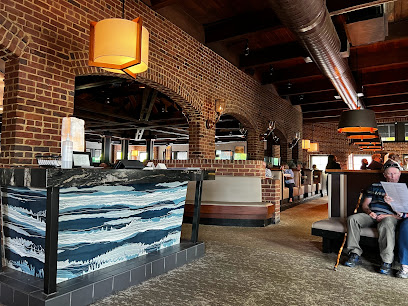
Jim 'N Nick's Bar-B-Q
12.1 km
Experience the best of Southern barbecue at Jim 'N Nick's Bar-B-Q in Hoover—where every bite tells a story of tradition and flavor.
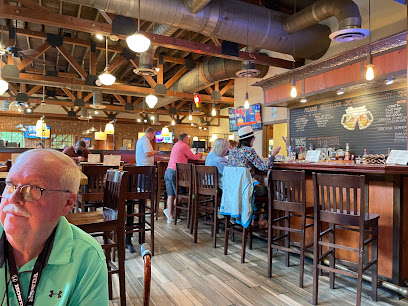
Gianmarco's Restaurant
12.4 km
Experience authentic Italian flavors at Gianmarco's Restaurant in Birmingham – where every meal feels like a celebration.
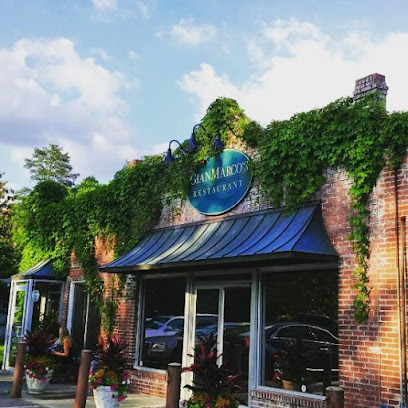
First Watch
12.6 km
Experience delightful breakfasts and healthy brunch options at First Watch in Hoover - perfect for families and food lovers alike.
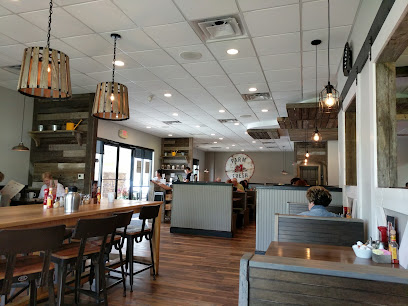
Margarita Grill
15.2 km
Discover flavorful Tex-Mex cuisine at Margarita Grill in Pelham – where vibrant dishes meet refreshing cocktails in a lively atmosphere.
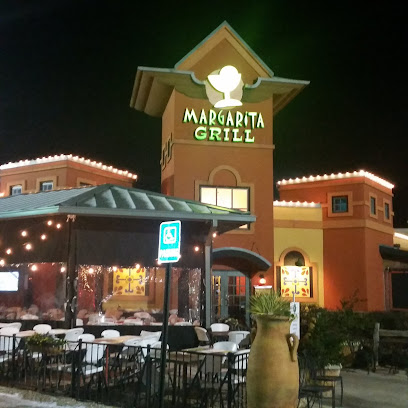
Texas Roadhouse
15.4 km
Discover the best of American cuisine at Texas Roadhouse in Pelham - where flavorful steaks meet warm hospitality.
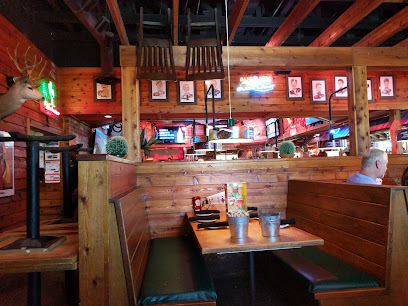
Chick-fil-A
15.4 km
Discover Chick-fil-A in Pelham: where delicious chicken meets family-friendly dining in a vibrant atmosphere.
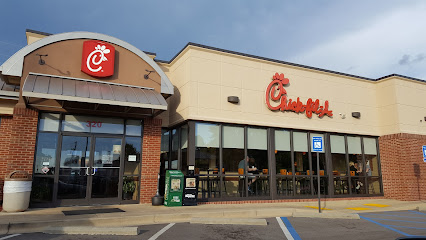
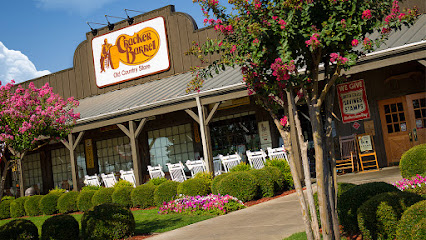
Cracker Barrel Old Country Store
15.5 km
Savor the taste of traditional American cuisine at Cracker Barrel Old Country Store in Pelham—where Southern charm meets delicious comfort food.
Creekside BBQ
15.8 km
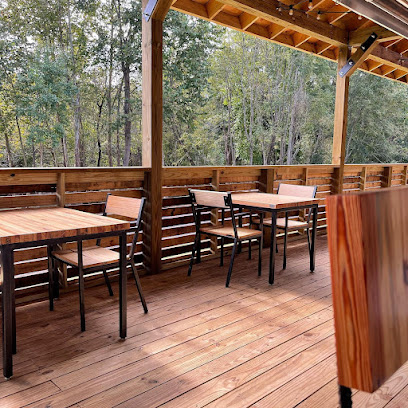
Experience authentic Southern barbecue at Creekside BBQ in Pelham - where every bite tells a story of tradition and flavor.
Bricktop's
16.4 km
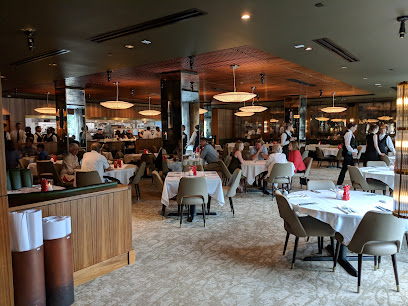
Discover Bricktop's: A premier restaurant in Birmingham serving exquisite American cuisine in an elegant atmosphere perfect for any occasion.
Galley & Garden
16.6 km
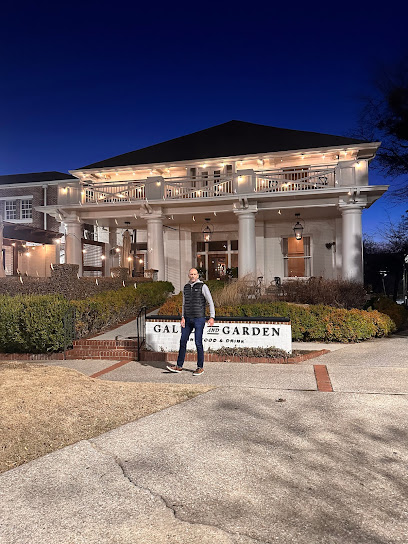
Experience exquisite fine dining at Galley & Garden in Birmingham - where Southern hospitality meets culinary excellence.
Chez Lulu
16.9 km
Experience authentic French cuisine at Chez Lulu in Birmingham—where culinary art meets Southern charm in an inviting setting.
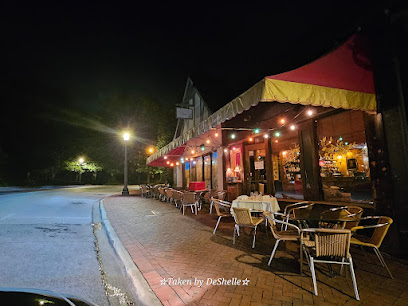
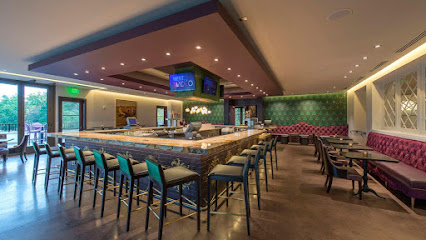
Habitat Feed & Social
17.0 km
Discover modern American cuisine at Habitat Feed & Social in Mountain Brook – where local flavors meet creative culinary artistry.
Markets, malls and hidden boutiques

On-A-Shoestring Trading Co
6.8 km
Explore the charm of On-A-Shoestring Trading Co, Birmingham's premier destination for unique antiques and vintage treasures.
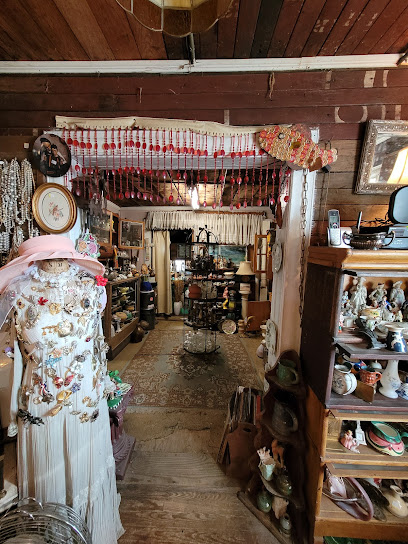
Shades Mountain Mercantile
7.8 km
Explore Shades Mountain Mercantile in Hoover, Alabama – a captivating antique store filled with unique vintage finds and timeless treasures.
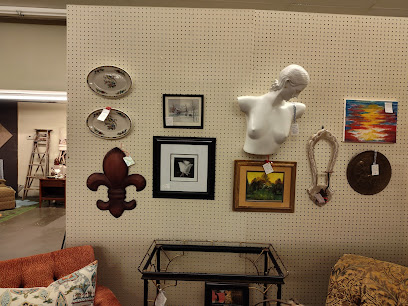
World Market
10.7 km
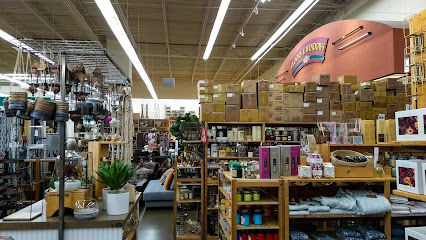
Explore World Market in Hoover, Alabama, for a unique selection of global home decor, furniture, and gourmet delights, perfect for every taste and budget.
Academy Sports + Outdoors
10.7 km
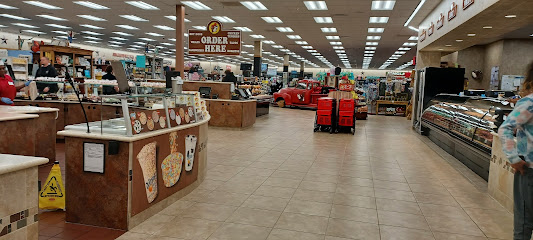
Explore the outdoors with Academy Sports + Outdoors—your ultimate destination for sporting goods in Hoover, Alabama.
J&V clothes
11.3 km
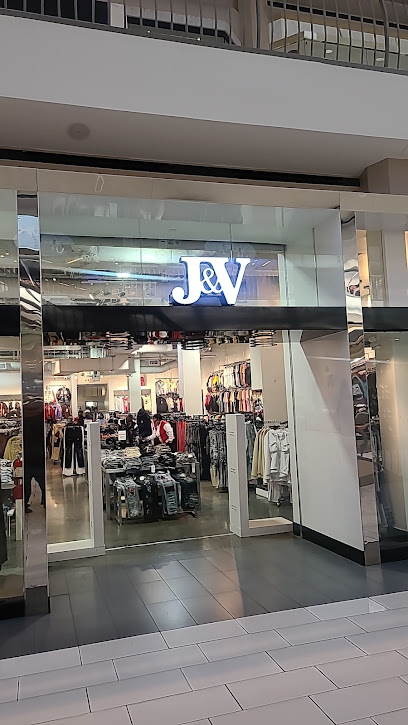
Discover the latest trends at J&V Clothes in Birmingham, Alabama – your ultimate fashion destination for stylish clothing and accessories.
Riverchase Galleria
11.3 km
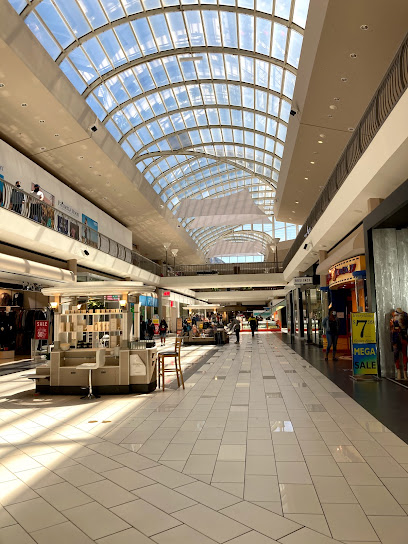
Discover the Riverchase Galleria: a premier shopping mall in Hoover, Alabama, with diverse stores, dining, and entertainment for every tourist.
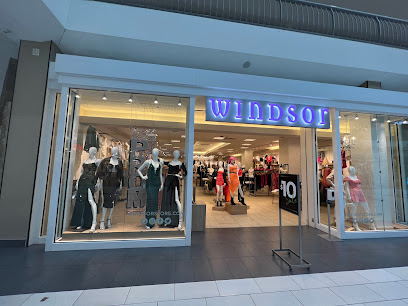
Windsor
11.4 km
Discover the ultimate fashion haven at Windsor in Hoover, offering an exquisite collection of dresses, accessories, and more for every occasion.
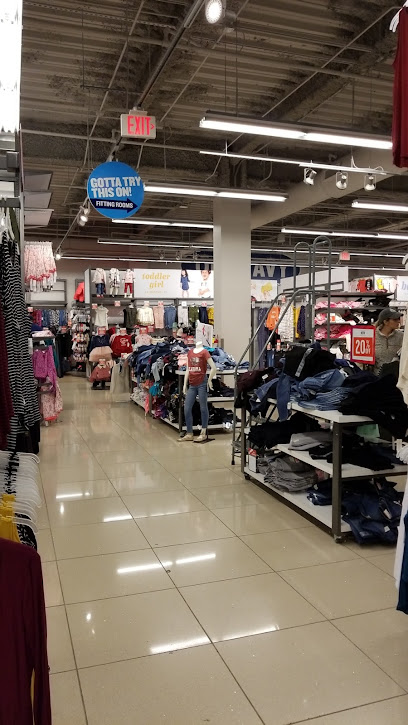
Old Navy
11.4 km
Explore Old Navy in Hoover, a vibrant clothing store offering stylish and affordable fashion for the whole family in a welcoming environment.
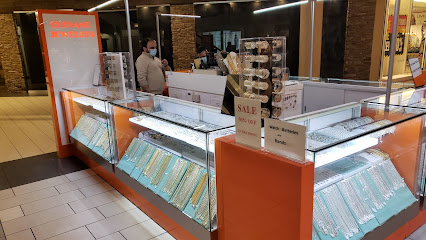
Elegant Jewelers
11.5 km
Discover the exquisite craftsmanship and personalized service at Elegant Jewelers in Riverchase Galleria, Birmingham's premier destination for fine jewelry.
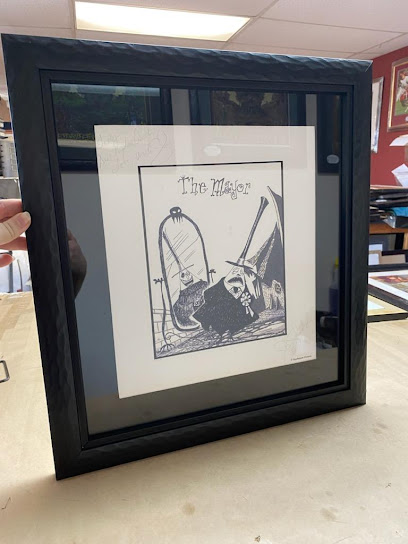
The Beveled Edge
13.4 km
Explore The Beveled Edge in Birmingham, AL – a unique picture frame shop filled with collectibles and artistic treasures for art lovers.
Fun Stuff
14.5 km
Explore Fun Stuff Gift Shop in Vestavia Hills, Alabama, for unique gifts and quirky treasures that capture the essence of local charm and creativity.
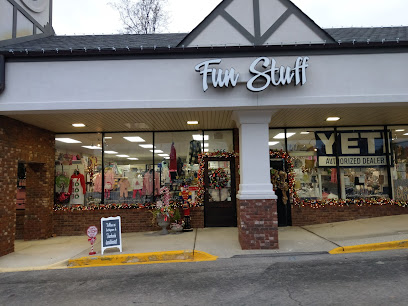
At Your Imagination
14.7 km
Explore At Your Imagination, a whimsical gift shop in Vestavia Hills offering unique treasures that capture the spirit of Alabama.
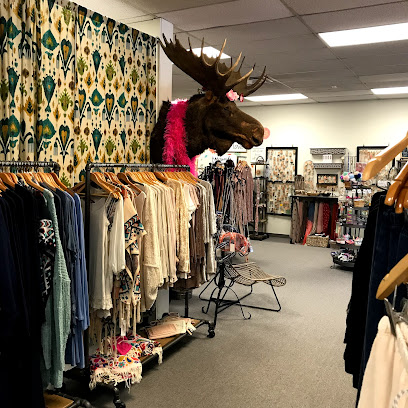
Alabama Goods
15.1 km
Explore the charm of Alabama through unique souvenirs, gift baskets, and handcrafted treasures at Alabama Goods in Homewood.
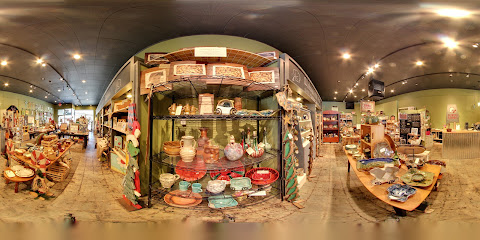
Soca Clothing
15.1 km
Explore Soca Clothing, a boutique in Homewood, AL, where style meets Southern charm with unique women's fashion and personalized service.
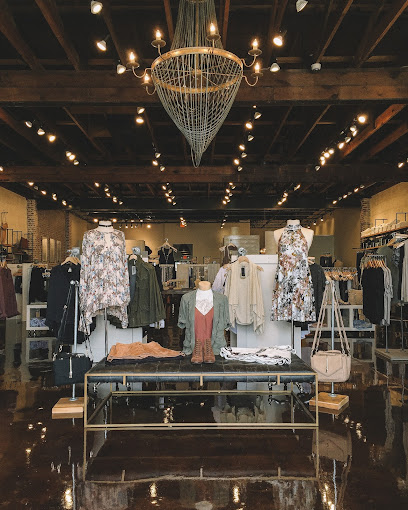
Shea Davis Boutique
15.1 km
Explore Shea Davis Boutique, a stylish women's clothing store in Homewood, Alabama, offering unique fashion and personalized shopping experiences.
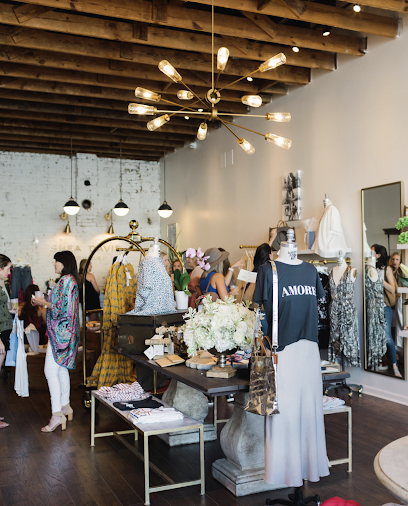
Essential bars & hidden hideouts

bar
8.7 km
Experience the lively bar culture in Hoover, Alabama, where great drinks and friendly faces come together for unforgettable nights.
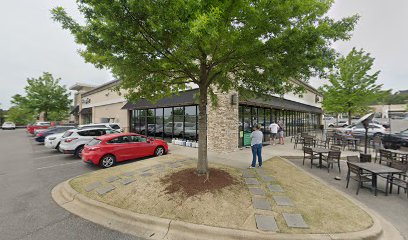
Twin Peaks
10.9 km
Experience the excitement of live sports and delicious American cuisine at Twin Peaks, Hoover's ultimate sports bar destination.
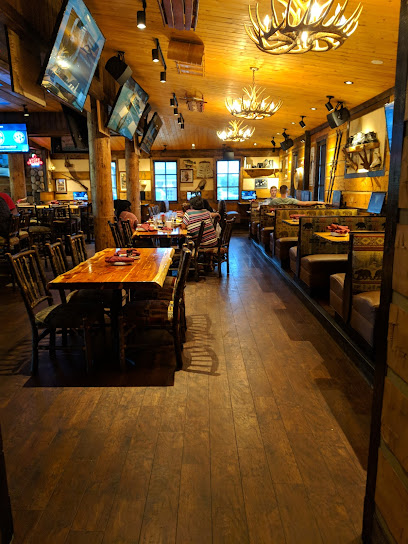
Barrister's Tavern
11.3 km
Experience the vibrant nightlife and karaoke fun at Barrister's Tavern, the ultimate bar in Vestavia Hills, Alabama.
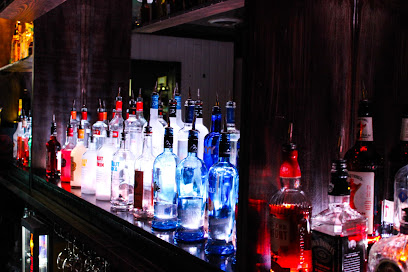
Dave & Buster's Birmingham
11.5 km
Experience the ultimate fusion of dining and entertainment at Dave & Buster's Birmingham with delicious food, thrilling games, and a lively atmosphere.
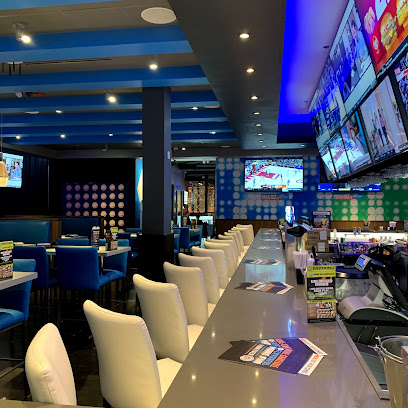
StirCrazy
11.8 km
Experience the vibrant nightlife at StirCrazy, a lively bar in Birmingham, Alabama, perfect for cocktails and good company.
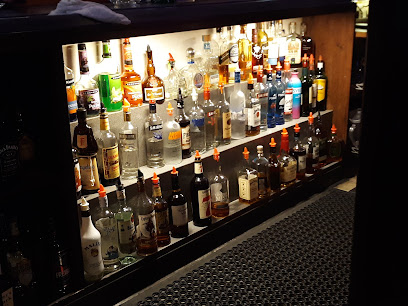
Gabriel's Cafe
12.2 km
Discover Gabriel's Cafe in Hoover, Alabama - your go-to bar for delicious drinks, fun events, and a welcoming atmosphere.
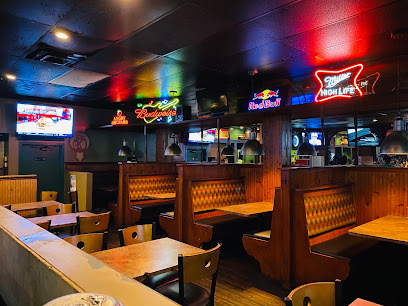
The Upper Deck
12.5 km
Experience the vibrant nightlife at The Upper Deck, Birmingham's go-to sports bar for food, drinks, and entertainment in a lively atmosphere.
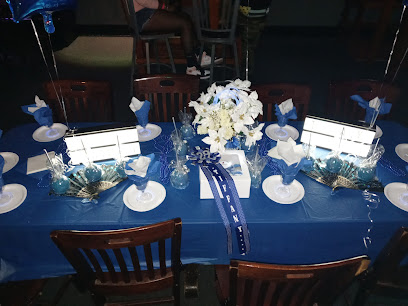
Perfect Note
12.8 km
Discover Perfect Note in Hoover, Alabama – a lively bar and restaurant offering delicious food, craft drinks, and enchanting live music.
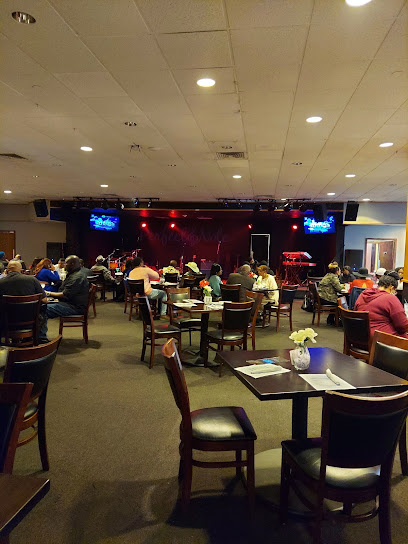
Pub 261
13.8 km
Discover the vibrant atmosphere of Pub 261 in Birmingham, where delicious food and refreshing drinks create the perfect local experience.
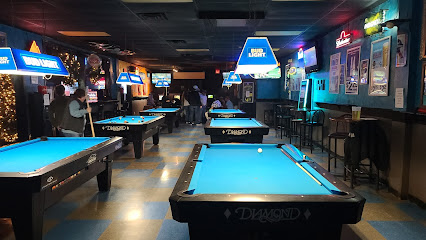
Blue's Bourbon & Brews
13.8 km
Discover the vibrant nightlife and Southern charm of Blue's Bourbon & Brews in Pelham, Alabama, where great bourbon and live music await you.
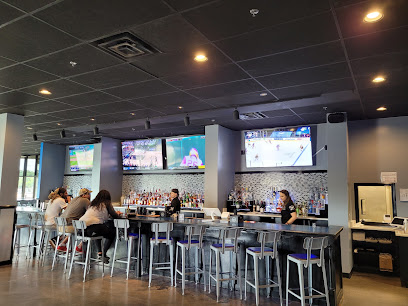
Goodfellas Social Club
14.4 km
Discover the vibrant atmosphere and great drinks at Goodfellas Social Club in Helena, Alabama – a perfect spot for nightlife and entertainment.
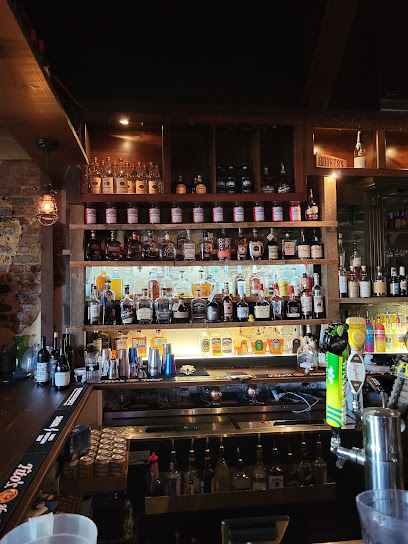
Ragtime Cafe
14.5 km
Experience the vibrant flavors of American cuisine at Ragtime Cafe, Birmingham's lively bar and restaurant perfect for casual dining and social gatherings.
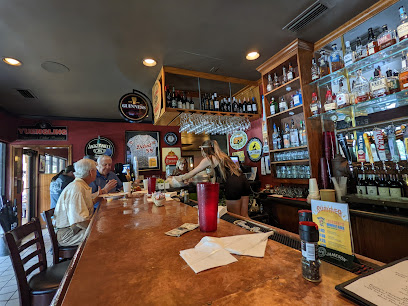
The Ridge Eat & Drink
14.5 km
Experience the best of American cuisine at The Ridge Eat & Drink in Vestavia Hills, Alabama, where delicious food meets a warm, inviting atmosphere.
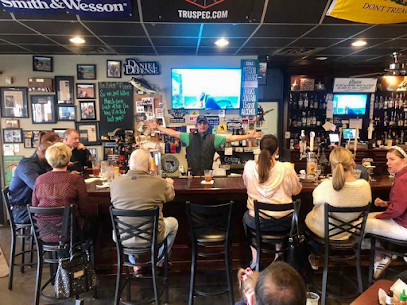
Oak Hill Bar & Grill
15.1 km
Experience the heart of Southern dining with live music and a warm atmosphere at Oak Hill Bar & Grill in Homewood, Alabama.
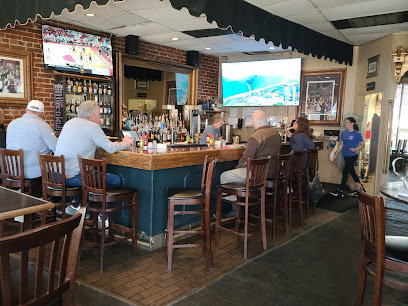
The Chandelier Lounge
15.2 km
Discover the elegance of The Chandelier Lounge in Pelham, Alabama, where exquisite cocktails and stunning ambiance create unforgettable evenings.
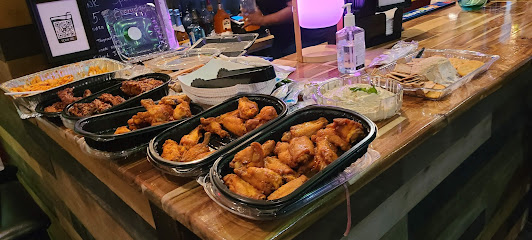
Nightclubs & after hour spots

Red Wolf
7.9 km
Discover the energetic nightlife of Birmingham at Red Wolf, a premier night club offering unforgettable experiences and vibrant entertainment.
Sammy’s Birmingham
12.3 km
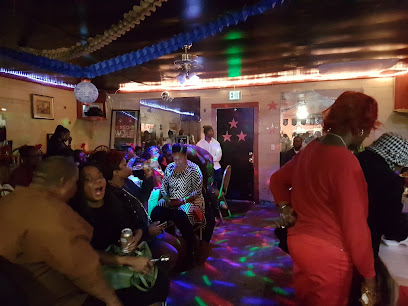
Discover the vibrant nightlife of Birmingham at Sammy's, where dance, music, and hospitality come together for an unforgettable experience.
El Sol nightclub
12.6 km
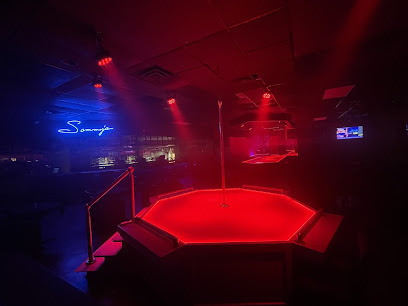
Dive into the electrifying nightlife at El Sol Nightclub in Birmingham, Alabama, where unforgettable moments and vibrant energy come alive.

El Centenario Night Club De Birmingham Al LLC
13.0 km
Discover Birmingham's thriving nightlife at El Centenario Night Club, where music, dance, and vibrant energy create unforgettable nights.
The Onyx of Birmingham
14.0 km
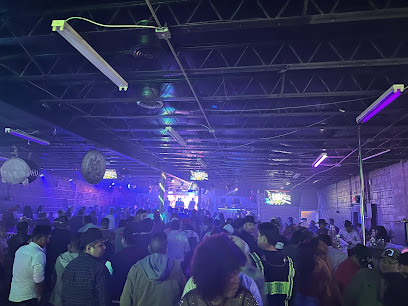
Discover the vibrant nightlife at The Onyx of Birmingham, where expertly crafted cocktails meet a lively atmosphere for an unforgettable evening.
Platinum of Birmingham
15.1 km
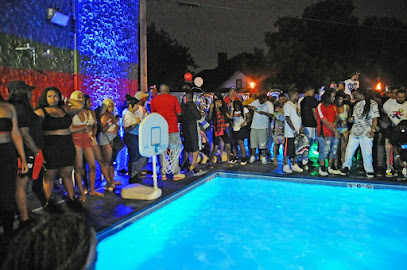
Discover Birmingham's nightlife at Platinum, a trendy night club offering a perfect blend of music, dance, and vibrant energy.
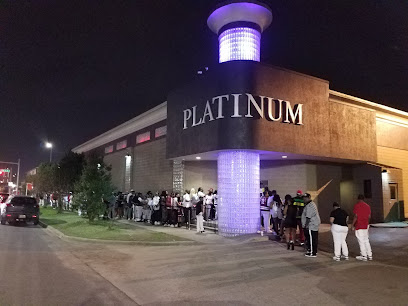
V lounge The Vault Bar and Lounge
16.6 km
Discover the vibrant nightlife of Birmingham at V Lounge The Vault Bar and Lounge, where chic decor meets a lively atmosphere and exceptional drinks.
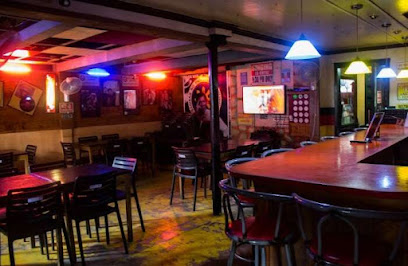
The Quest Club
16.9 km
Experience Birmingham's nightlife at The Quest Club, a lively gay night club offering vibrant events and an inclusive atmosphere for all.
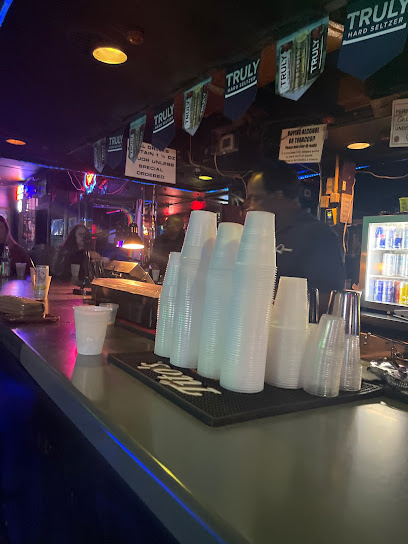
Al's on 7th
17.3 km
Discover the heartbeat of Birmingham's nightlife at Al's on 7th, a vibrant night club and gay bar offering unforgettable entertainment.
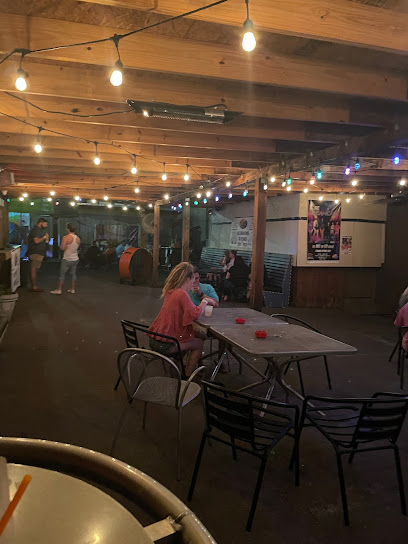
Magic City Baddest SOCIAL CLUB Night club
17.6 km
Discover the energy and excitement of Magic City Baddest SOCIAL CLUB, Birmingham's vibrant nightlife destination, where music and dance come alive.
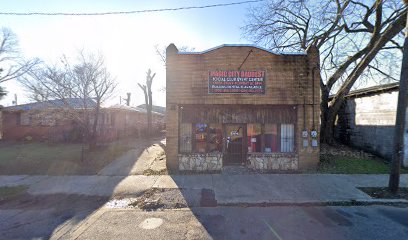
Midnight Special Incorporated
57.1 km
Discover the heartbeat of Jasper's nightlife at Midnight Special Incorporated, a lively night club offering music, dancing, and a welcoming atmosphere.

Rounders
62.1 km
Discover the lively nightlife at Rounders in Tuscaloosa, a vibrant bar offering drinks, live music, and a fun atmosphere for all visitors.
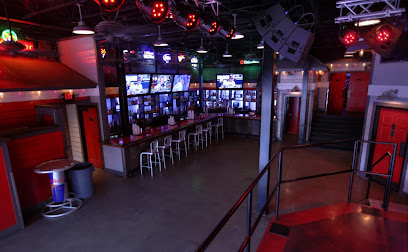
Twelve25 Sports Bar
62.1 km
Discover the lively energy of Twelve25 Sports Bar in Tuscaloosa, where sports, dining, and nightlife converge for an unforgettable experience.
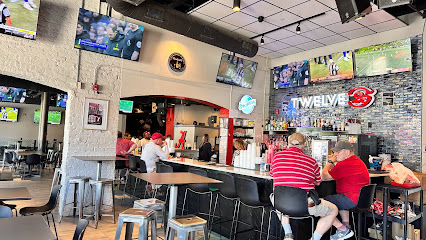
The Red Shed
62.1 km
Experience the vibrant nightlife of Tuscaloosa at The Red Shed, a classic bar known for its affordable drinks and lively atmosphere.
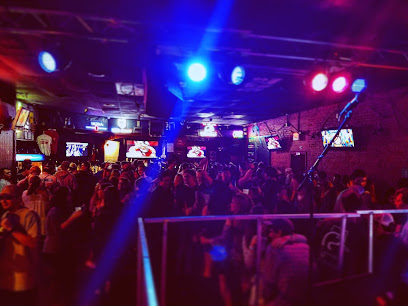
Copper Top
63.2 km
Discover Copper Top in Tuscaloosa, AL - a lively live music bar perfect for enjoying local bands and vibrant nightlife without straining your budget.