

Coosa Valley, Alabama Travel Guide
Discover Coosa Valley: Alabama's serene escape with scenic river views, historic sites, and abundant outdoor activities.
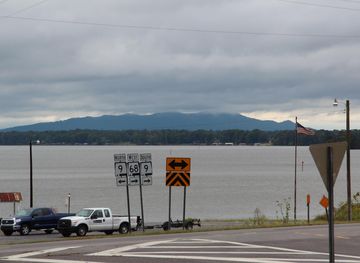
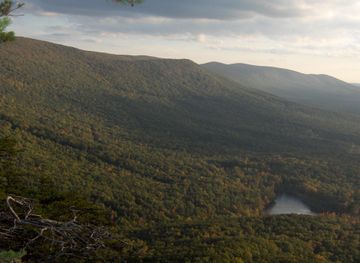
Nestled in the heart of Alabama, Coosa Valley is a region of unparalleled natural beauty and rich history. This scenic valley, with its rolling hills and lush landscapes, offers a peaceful escape from the hustle and bustle of city life. Visitors to Coosa Valley will be enchanted by its picturesque river views, charming small towns, and abundant outdoor activities. Whether you're an avid hiker, a history buff, or simply looking for a serene getaway, Coosa Valley has something to offer everyone. The Coosa River is the lifeblood of the valley, providing opportunities for fishing, boating, and kayaking. The river is surrounded by verdant forests and scenic trails, making it a haven for nature lovers. The region is also home to several state parks, including the beautiful DeSoto State Park and Cheaha State Park, which boast breathtaking vistas and diverse wildlife. In addition to its natural attractions, Coosa Valley is steeped in history. The area is dotted with historic sites and landmarks, such as the impressive Fort Toulouse-Fort Jackson Park and the charming town of Childersburg, one of the oldest continuously occupied towns in the United States. Visitors can explore these sites to gain a deeper understanding of the region's past and its significance in American history. Coosa Valley is also known for its warm hospitality and vibrant local culture. The towns in the valley are home to cozy bed and breakfasts, family-owned restaurants, and unique shops that offer a taste of Southern charm. Festivals and events throughout the year celebrate the region's heritage and bring the community together, providing visitors with an authentic and memorable experience.

Know before you go
Hi, I'm Eve. Here are a few practical things to know before exploring Coosa Valley.
- Visit the Coosa River for excellent fishing and kayaking opportunities.
- Explore DeSoto State Park and Cheaha State Park for hiking and wildlife viewing.
- Take a historical tour of Fort Toulouse-Fort Jackson Park.
- Stay in a cozy bed and breakfast to experience local Southern hospitality.
- Check local calendars for festivals and events to enjoy cultural celebrations.
Top City Travel Guides in Coosa Valley
The cities of Coosa Valley, and the easiest places to base yourself.

Destinations in Coosa Valley
Resorts, valleys and scenic spots worth a trip of their own.


Explore Coosa Valley: Things to Do, Places to Eat, Hotels & More
Handpicked recommendations for top attractions, local dining, accommodations, and more

Top Attractions & Sightseeing in Coosa Valley
Top-rated picks
Best Attractions

Cheaha State Park
Discover Alabama's highest point at Cheaha State Park: panoramic views, historic CCC architecture, and outdoor adventures in the Talladega National Forest.

Montgomery Zoo & Mann Wildlife Learning Museum
Explore a world of wildlife at the Montgomery Zoo & Mann Wildlife Learning Museum, featuring animals from five continents in natural habitats.

Talladega National Forest
Discover Alabama's natural beauty in Talladega National Forest: hiking, camping, scenic drives, and abundant wildlife await!

Cathedral Caverns State Park
Discover Alabama's hidden gem: Cathedral Caverns State Park, home to a massive cave, stunning formations, and outdoor adventures.

Best landmarks in Coosa Valley
Top-rated picks
Best Landmarks

Fort Morgan State Historic Site
Explore a historic landmark on Alabama's Gulf Coast, where military history meets natural beauty at the entrance to Mobile Bay.

The Legacy Museum
Explore the powerful history of racial injustice in America, from slavery to mass incarceration, at Montgomery's Legacy Museum.

Alabama Safari Park
Experience a unique drive-through safari adventure in Alabama, hand-feeding exotic animals and creating unforgettable memories.

Rosa Parks Museum
Explore the life, legacy, and courageous stand of Rosa Parks at the site of her historic arrest in downtown Montgomery, Alabama.

Best restaurants in Coosa Valley
Top-rated picks
Best Restaurants

Wind Creek Wetumpka
Discover unparalleled entertainment at Wind Creek Wetumpka – your ultimate destination for gaming, dining, and relaxation in Alabama.

Cracker Barrel Old Country Store
Discover authentic Southern dining at Cracker Barrel Old Country Store with delicious comfort food and charming country decor.

Top O' the River
Discover fresh seafood delights at Top O' the River in Anniston, Alabama—where every meal is paired with stunning riverside views.

Rattlesnake Saloon
Discover Rattlesnake Saloon in Tuscumbia - where delicious hamburgers meet live music in a charming Southern setting.

Best bars in Coosa Valley
Top-rated picks
Best Bars

Wind Creek Wetumpka
Experience the excitement of gaming, fine dining, and relaxation at Wind Creek Wetumpka—a premier resort destination in Alabama.

Wind Creek Montgomery
Discover the ultimate entertainment experience at Wind Creek Montgomery, a vibrant casino resort offering gaming, dining, and live music.

Logan's Roadhouse
Experience the heart of American cuisine at Logan's Roadhouse, where every meal is a celebration of flavors in a family-friendly atmosphere.

Applebee's Grill + Bar
Experience the heart of American dining at Applebee's Grill + Bar in Oxford, Alabama, offering a diverse menu and a vibrant atmosphere for all.

Best nightclubs in Coosa Valley
Top-rated picks
Best Nightclubs

The Exchange Bar
Experience Montgomery's nightlife at The Exchange Bar, where cocktails meet a vibrant atmosphere in a chic lounge setting.

AlleyBAR
Discover Montgomery's nightlife at AlleyBAR, where live music and a lively atmosphere create unforgettable evenings.

The Quest Club
Experience the vibrant nightlife at The Quest Club, Birmingham's premier gay nightclub, offering entertainment, inclusivity, and unforgettable moments.

El Sol nightclub
Unleash your inner party spirit at El Sol Nightclub, Birmingham's vibrant nightlife gem with electrifying music and a welcoming crowd!

Best shops in Coosa Valley
Top-rated picks
Best Shops

Wind Creek Wetumpka
Experience the perfect blend of gaming excitement, fine dining, and luxurious relaxation at Wind Creek Wetumpka in Alabama.

Tiger Town Outdoor Shopping Center
Explore the vibrant Tiger Town Outdoor Shopping Center in Opelika, Alabama, a premier destination for shopping, dining, and community events.

Oxford Exchange
Discover the vibrant shopping experience at Oxford Exchange in Alabama, featuring diverse stores, dining options, and family-friendly fun.

Walmart Supercenter
Discover unbeatable value and variety at Walmart Supercenter in Oxford, Alabama, your essential shopping stop for all your travel needs.

Explore Coosa Valley on the Map
A handpicked selection of must-see spots in Coosa Valley, mapped for you.
Coosa Valley Essentials
-
Coosa Valley in Alabama is conveniently accessible by car from major cities such as Birmingham and Atlanta. The nearest major airports are Birmingham-Shuttlesworth International Airport and Hartsfield-Jackson Atlanta International Airport. From these airports, you can rent a car or take a shuttle service to reach Coosa Valley. The valley is also accessible by Amtrak with a stop in Anniston, Alabama, which is a short drive from the valley.
-
While in Coosa Valley, having a car is highly recommended as public transportation options are limited. Car rentals are available at nearby airports. Local taxi services and ride-sharing apps like Uber and Lyft operate in the area but may have limited availability in more rural parts of the valley. Biking is also a popular option for exploring scenic routes and trails.
-
The official currency is the United States Dollar (USD). Credit and debit cards are widely accepted in most establishments, including restaurants, hotels, and shops. However, it's advisable to carry some cash for small purchases, especially in rural areas or at local markets. ATMs are available in most towns for cash withdrawals.
-
Coosa Valley is generally a safe destination for tourists. Nevertheless, it is always wise to take standard safety precautions. Avoid leaving valuables in your car and be aware of your surroundings, especially in less populated areas. Certain neighborhoods in nearby cities such as Anniston and Gadsden have higher crime rates; it is advisable to research and avoid these areas if possible.
-
In case of an emergency, dial 911 for immediate assistance. There are medical facilities and hospitals in cities like Gadsden and Anniston. It is highly recommended to have travel insurance that covers medical emergencies. For minor health issues, pharmacies are available in most towns for over-the-counter medications.
-
Fashion: Do wear comfortable and casual clothing suitable for outdoor activities. Avoid overly formal or revealing attire. Religion: Do respect local religious customs and traditions, particularly in smaller communities. Public Transport: Do be patient, as public transportation options are limited. Using a car is more practical. Greetings: Do greet people with a friendly 'Hello' or 'Hi'. A handshake is common in formal settings. Eating & Drinking: Do try local Southern cuisine and accept hospitality graciously. Don’t be rude or dismissive about local dishes.
-
To experience Coosa Valley like a local, visit the local farmers' markets where you can buy fresh produce and artisanal goods. Engage with locals at community events and festivals, which often feature live music, food, and crafts. Don’t miss exploring the natural beauty of the area by hiking through the Talladega National Forest or kayaking on the Coosa River. Historical sites such as the Janney Furnace Park and the Berman Museum offer fascinating insights into the region's past.
When is the best time to visit Coosa Valley?
Useful Local Phrases for Coosa Valley
You don't need to speak the language perfectly. Even learning a few simple words can make conversations warmer—and locals usually appreciate the effort.
— Eve

Here are the phrases I use most often in Coosa Valley. Try a few—you'll be surprised how far they go! 😊
❤️
-
- HelloHey
[Hay] - GoodbyeSee ya later
[See yah lay-ter] - YesYep
[Yep] - NoNope
[Nope] - Please/You're welcomePlease / No problem
[Pleez / No prob-lum] - Thank youThanks
[Thangs] - Excuse me/SorryExcuse me / Sorry about that
[Excuse me / Sor-ree about that] - How are you?How ya doin'?
[How ya doin'?] - Fine. And you?I'm good. And you?
[I'm good. An' you?] - Do you speak English?Do ya speak English?
[Doo ya speak English?] - I don't understandI ain't gettin' it
[I ain't gettin' it]
- HelloHey
-
- I'd like to see the menu, pleaseCan I see the menu, please?
[Can I see the menu, pleez?] - I don't eat meatI don't do meat
[I don't do meat] - Cheers!Cheers!
[Cheers!] - I would like to pay, pleaseCan I pay, please?
[Can I pay, pleez?]
- I'd like to see the menu, pleaseCan I see the menu, please?
-
- Help!Help!
[Help!] - Go away!Leave me alone!
[Leave me alone!] - Call the Police!Call the cops!
[Call the cops!] - Call a doctor!Get a doctor!
[Get a doctor!] - I'm lostI'm lost
[I'm lost] - I'm illI'm feelin' bad
[I'm feelin' bad]
- Help!Help!
-
- I'd like to buy...I wanna buy...
[I wanna buy...] - I'm just lookingJust lookin'
[Just lookin'] - How much is it?How much is this?
[How much is this?] - That's too expensiveThat's too high
[That's too high] - Can you lower the price?Can ya bring it down?
[Can ya bring it down?]
- I'd like to buy...I wanna buy...
-
- What time is it?What time's it?
[What time's it?] - It's one o'clockIt's one o'clock
[It's one o'clock] - Half past (10)Half past ten
[Half past ten] - MorningMornin'
[Mornin'] - AfternoonAfternoon
[Afternoon] - EveningEvenin'
[Evenin'] - YesterdayYesterday
[Yesterday] - TodayToday
[Today] - TomorrowTomorrow
[Tomorrow] - 1One
[One] - 2Two
[Two] - 3Three
[Three] - 4Four
[Four] - 5Five
[Five] - 6Six
[Six] - 7Seven
[Seven] - 8Eight
[Eight] - 9Nine
[Nine] - 10Ten
[Ten]
- What time is it?What time's it?
-
- Where's a/the...?Where's the...?
[Where's the...?] - What's the address?What's the address?
[What's the address?] - Can you show me (on the map)?Can you show me on the map?
[Can you show me on the map?] - When's the next (bus)?When's the next bus?
[When's the next bus?] - A ticket (to ....)A ticket to...
[A ticket to...]
- Where's a/the...?Where's the...?
History of Coosa Valley
-
The Coosa Valley region has a rich prehistoric heritage. Archaeological evidence indicates that Native American cultures thrived in the area as early as 10,000 years ago. Artifacts such as pottery, arrowheads, and tools have been discovered, pointing to the early inhabitants' sophisticated craftsmanship and trade networks.
-
From 1000 AD to 1600 AD, the Coosa Valley was home to the Mississippian culture, known for constructing large earthen mounds used for ceremonial and political purposes. One of the most prominent sites is the Coosa Mound, which served as a central hub for the Coosa chiefdom. These mounds are a testament to the complex social and political structures that existed long before European contact.
-
In 1540, Spanish explorer Hernando de Soto passed through the Coosa Valley during his expedition across the southeastern United States. His encounter with the Coosa chiefdom is one of the earliest documented interactions between Native Americans and Europeans in the region. De Soto's expedition brought significant disruption to the indigenous societies, introducing new diseases and leading to dramatic cultural shifts.
-
By the 18th century, the Coosa Valley was predominantly inhabited by the Cherokee and Creek nations. These tribes had well-established communities, engaging in agriculture, hunting, and trade. The Coosa River played a crucial role in their daily lives, serving as a transportation route and a resource for food and water.
-
The Coosa Valley witnessed one of the most tragic events in American history, the forced removal of Native American tribes known as the Trail of Tears. In the 1830s, the U.S. government enacted policies that led to the displacement of thousands of Cherokee and Creek people from their ancestral lands in the Coosa Valley to territories west of the Mississippi River. This journey resulted in immense suffering and loss of life.
-
During the American Civil War, the Coosa Valley was a strategically important region due to its ironworks and transportation routes. The Confederate States utilized local resources to produce war materials, making the area a target for Union forces. Skirmishes and raids occurred throughout the valley, leaving a lasting impact on the communities and landscapes.
-
Post-Civil War, the Coosa Valley experienced significant industrial growth. The establishment of textile mills, ironworks, and railroads transformed the region into an industrial hub. This period, known as the New South era, brought economic opportunities and challenges, as communities adapted to the changing economic landscape.
-
Today, the Coosa Valley is a vibrant region that celebrates its rich cultural heritage. Festivals, museums, and historical sites offer visitors a glimpse into the area's diverse past. The Coosa River continues to be a central feature, providing recreational opportunities and serving as a reminder of the valley's enduring connection to its natural surroundings.
Neighbouring Regions of Coosa Valley
The closest regions to Coosa Valley, if you have time for more than one.


Your all‑in‑one travel companion app
Explore expert travel guides, compare and book tours, experiences, hotels, and more—all from the palm of your hand. Download now for seamless trip planning wherever your wanderlust takes you.


Explore More of Alabama

Looking beyond Coosa Valley? Discover Alabama for broader travel guides, local hot-spots, and regional highlights.
Explore AlabamaCoosa Valley in Photos
Browse through our photo collection highlighting the charm and character of the destination.


The Enchanting Coosa Valley: A Hidden Gem in Alabama
Nestled in the heart of Alabama, Coosa Valley is a region of unparalleled natural beauty and rich history. This scenic valley, with its rolling hills and lush landscapes, offers a peaceful escape from the hustle and bustle of city life. Visitors to Coosa Valley will be enchanted by its picturesque river views, charming small towns, and abundant outdoor activities. Whether you're an avid hiker, a history buff, or simply looking for a serene getaway, Coosa Valley has something to offer everyone. The Coosa River is the lifeblood of the valley, providing opportunities for fishing, boating, and kayaking. The river is surrounded by verdant forests and scenic trails, making it a haven for nature lovers. The region is also home to several state parks, including the beautiful DeSoto State Park and Cheaha State Park, which boast breathtaking vistas and diverse wildlife. In addition to its natural attractions, Coosa Valley is steeped in history. The area is dotted with historic sites and landmarks, such as the impressive Fort Toulouse-Fort Jackson Park and the charming town of Childersburg, one of the oldest continuously occupied towns in the United States. Visitors can explore these sites to gain a deeper understanding of the region's past and its significance in American history. Coosa Valley is also known for its warm hospitality and vibrant local culture. The towns in the valley are home to cozy bed and breakfasts, family-owned restaurants, and unique shops that offer a taste of Southern charm. Festivals and events throughout the year celebrate the region's heritage and bring the community together, providing visitors with an authentic and memorable experience.