

Cherokee Rock Village Travel Guide - Free Web & App
Your ultimate guide to Cherokee Rock Village. Discover top landmarks, proposed trips, and local tips. Free on the web or via the Evendo companion app.


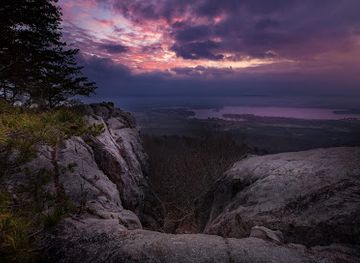
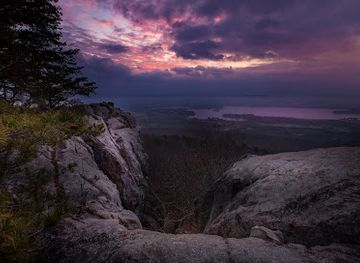
Cherokee Rock Village, Alabama, pairs sandstone cliffs above Weiss Lake with hiking, rock climbing, camping and wide Appalachian foothill views.
Cliffs and Appalachian Foothills
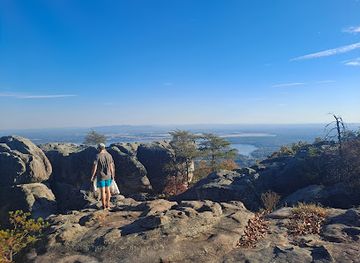
Cherokee Rock Village is a compact outdoor destination in north-east Alabama, near Leesburg in Cherokee County. Its defining landscape is a rugged collection of sandstone outcrops and cliffs rising above the broad waters of Weiss Lake, with wooded slopes and open rock ledges creating a character unlike the flatter agricultural country nearby. The park occupies roughly 200 acres and is best understood as a climbing, hiking and camping area rather than a conventional town or resort. Paths lead through a landscape of boulders, exposed stone and forest, while elevated viewpoints look across the lake and the southern Appalachian foothills.Read more about Cherokee Rock Village
A Place for Active Exploration
Gateway Communities and Local Character
When is the best time to visit Cherokee Rock Village?
Best: April, September–October · 23–29°C| Month | High (°C) | Rainfall (mm) |
|---|---|---|
| January | 14 | 132 |
| February | 16 | 120 |
| March | 19 | 141 |
| April (best) | 24 | 116 |
| May | 28 | 115 |
| June | 31 | 117 |
| July | 33 | 136 |
| August | 32 | 115 |
| September (best) | 29 | 101 |
| October (best) | 23 | 97 |
| November | 18 | 114 |
| December | 14 | 130 |
Getting to and around Cherokee Rock Village
How to get there
Transportation
Explore Cherokee Rock Village on the map
Plan your trip on one map. See where the top attractions, landmarks, restaurants and hotels are, and book hotels and experiences in a few clicks.
Best hotels in Cherokee Rock Village
Best bars in Cherokee Rock Village
Cherokee Rock Village has no established nightlife district and evenings are generally quiet, shaped by camping, stargazing and the sounds of the woodland rather than clubs or late-night entertainment. Traditional bars, casual restaurants and local social venues are more likely to be found in Leesburg, Centre or larger surrounding towns, where opening patterns and entertainment options vary. The area's evening character is informal and community-based, with outdoor visitors often returning to their accommodation after climbing or hiking. Campers should observe quiet hours and any park rules, use lighting considerately and avoid assuming that rural venues provide late transport back to the site. Organised music or seasonal community events may occur in the wider county, but should be checked locally rather than treated as a permanent feature.
-
Park
Cherokee Rock Village
Cherokee Rock Village: A Scenic Park in Alabama, Perfect for Hiking, Camping, and Family Adventures Amidst Stunning Rock Formations.
Best shops in Cherokee Rock Village
Shopping at Cherokee Rock Village itself is minimal, so visitors should buy food, fuel, camping necessities and personal supplies in Leesburg or Centre before entering the park area. The most useful purchases are practical ones, including outdoor equipment, climbing essentials and provisions, rather than souvenirs from a dedicated retail district. In the surrounding communities, visitors may find locally produced food, general stores, farm-related goods and small independent businesses reflecting north-east Alabama's rural economy. Gadsden and other larger nearby towns offer broader retail choice, but they are outside Cherokee Rock Village and require additional travel. Regional food products, locally made crafts and Alabama-themed goods may appear in community shops or seasonal events, although availability is not uniform. The park's most characteristic keepsake is often a photograph of the sandstone formations and Weiss Lake rather than a product bought on site.
-
Park
Cherokee Rock Village
Discover Cherokee Rock Village, Alabama's outdoor paradise featuring stunning rock formations, hiking trails, and family-friendly activities.
-
Rock climbing
Sandrock Climbing
Experience the thrill of rock climbing in Alabama's stunning natural landscape at Sandrock Climbing.
Get your free copy of our complete guide to Cherokee Rock Village, delivered straight to you.
Everything on this page, from attractions and restaurants to essentials and local phrases, in one PDF you can read offline, print or share.
Already have an account? Sign in
Your Cherokee Rock Village guide is ready.
We'll send it to · Not you? Sign out

Getting your guide ready…
We are putting together a fresh copy of the Cherokee Rock Village guide. This can take up to a minute.
This can take a few moments. If your browser asks, choose Allow so the download can start. You'll find the guide in your Downloads folder.
Nothing happened? Download it again
Sorry, the guide is taking longer than usual. Please try again in a minute, or get it by email instead.
Cherokee Rock Village essentials
Currency and Payment
Safety
Emergency Situations
Do's and Don'ts
Local Tips
From Eve
Local phrases worth knowing
You don't need to get them perfect. A few words go a long way, and locals appreciate the effort.
Basics
| English | Local | Say it |
|---|---|---|
| Hello | ᎣᏍᏓ ᎢᎦ | [osda iga] |
| Goodbye | ᏅᏙ ᎦᏝᏗ | [nvdo galidi] |
| Yes | ᎥᎥᎯ | [ihiya] |
| No | ᎯᎯ | [haya] |
| Please/You're welcome | ᎦᏙᎦ/ᎤᏍᏗ ᎦᏙᎦ | [gaduga/usdi gaduga] |
| Thank you | ᏩᎵᏏ | [wado] |
| Excuse me/Sorry | ᎦᎸᏉᎢ/ᎠᏍᎦᏯ | [galiqui/asgaya] |
| How are you? | ᎦᏃᎮᏍᎩ ᎠᏓᏅᏖᏍᏗ? | [ganohesgi adanetsi?] |
| Fine. And you? | ᎤᏩᏂᏓ. ᎠᏍᏆᏂᏏ? | [uwandoh. asgani?] |
| Do you speak English? | ᏳᎦᏯᏯᎢ ᏲᏁᎦ? | [yugayaya iyoega?] |
| I don't understand | ᎦᏝᎦᏘ ᎠᏍᏓᏅᏖᏗ | [galigati adanetidi] |
Eating & Drinking
| English | Local | Say it |
|---|---|---|
| I'd like to see the menu, please | ᏗᏓᏅᏖᏍᏗ ᏅᏙ ᎦᏙᎦ | [dinetsi nvdo gaduga] |
| I don't eat meat | ᎾᏍᎩ ᏍᎾᎥᏉ ᎠᏓᏅᏖᏗ | [nasgi snayv adanetidi] |
| Cheers! | ᎠᎵᏍᏓᏂᏗ! | [alisdanidi!] |
| I would like to pay, please | ᏗᏓᏅᏖᏍᏗ ᎦᏙᎦ | [dinetsi gaduga] |
Emergencies
| English | Local | Say it |
|---|---|---|
| Help! | ᎦᏥᏌ! | [gitsiyo!] |
| Go away! | ᏏᎥ ᎦᏥᏱ! | [sii gitsiyu!] |
| Call the Police! | ᏬᏗᎦᏗ ᏂᎦᏗ! | [vodigati nigati!] |
| Call a doctor! | ᎤᎶᏤᎦ ᏂᎦᏗ! | [ulotsvga nigati!] |
| I'm lost | ᏗᏓᏅᏖᏍᏗ ᎦᏍᎩᏈᎢ | [dinetsi gasgipvi] |
| I'm ill | ᏗᏓᏅᏖᏍᏗ ᎦᎦᎢ | [dinetsi gagai] |
Shopping
| English | Local | Say it |
|---|---|---|
| I'd like to buy... | ᏗᏓᏅᏖᏍᏗ ᏌᏊ ᎠᏍᏆᏂᏏ | [dinetsi sago asgani] |
| I'm just looking | ᏗᏓᏅᏖᏍᏗ ᎦᏞᏣᏗ | [dinetsi galasdi] |
| How much is it? | ᎦᏂᏓᏅᏖᏍᏗ ᎦᏝᏗ? | [ganidinetsi galidi?] |
| That's too expensive | ᎡᎯᏄᎭᎢ ᎠᏍᏆᏂᏏ | [elisahvi asgani] |
| Can you lower the price? | ᎠᏍᎦᏯᎨ ᎦᏝᏗ? | [asgayage galidi?] |
Time & Numbers
| English | Local | Say it |
|---|---|---|
| What time is it? | ᎦᏚᎸᎩ ᎠᏓᎾᏖᏍᏗ? | [gadoligoh adanetsi?] |
| It's one o'clock | ᏌᎦᎸᏗ ᎠᏓᏅᏖᏍᏗ | [sogoli adanetsi] |
| Half past (10) | ᏔᏆᏁᎦᎾᏖᏍᏗ (10) | [tawenegvnaetsi (10)] |
| Morning | ᏧᏂᏏ | [suni] |
| Afternoon | ᏅᏓᏍᏓᏯ | [nvdsdaya] |
| Evening | ᏅᏓᏐ | [nvdoji] |
| Yesterday | ᏅᏙᏗᏍᎩ | [nvditsgi] |
| Today | ᏅᏙᎢ | [nvdoi] |
| Tomorrow | ᏅᏙᎦ | [nvdoga] |
| 1 | ᏧᏍᏆᏂ | [suquani] |
| 2 | ᏔᏂᏍᏆᏂ | [tanasquani] |
| 3 | ᏦᏍᏆᏂ | [gisquani] |
| 4 | ᏅᏓᏍᏆᏂ | [nvdsquani] |
| 5 | ᏧᎦᏍᏆᏂ | [sugasquani] |
| 6 | ᏌᏆᏂ | [saguani] |
| 7 | ᏐᏆᏂ | [siquani] |
| 8 | ᏦᏆᏂ | [giuani] |
| 9 | ᏚᏆᏂ | [duuani] |
| 10 | ᏌᏆᏂ | [saguani] |
Transport & Directions
| English | Local | Say it |
|---|---|---|
| Where's a/the...? | ᏗᎦᏉᎯᎢ ᏐᏁᏍᏗ? | [dagowaya iyesdi?] |
| What's the address? | ᏅᏙᎦᏯ ᏐᏁᏍᏗ? | [nvdoya iyesdi?] |
| Can you show me (on the map)? | ᎠᏍᎦᏯᎨ ᏐᏁᏍᏗ (ᎦᏓᏅᏖᏍᏗᎦ)? | [asgayage iyesdi (gadoligohetsiga)?] |
| When's the next (bus)? | ᏂᏃᏪᎾᏓ ᎠᏓᏅᏖᏍᏗ? | [nisvnanado adanetsi?] |
| A ticket (to ....) | ᏌᎦᏂᏗ (....Ꭱ) | [soginidi (....i)] |
History of Cherokee Rock Village
Sandstone Landscape and Lake Country
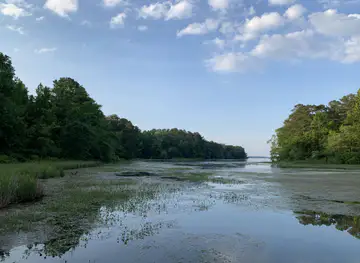
Cherokee Rock Village's physical setting belongs to the Appalachian foothills of north-east Alabama, where resistant sandstone has weathered into ledges, boulders and cliff faces. The modern view across Weiss Lake is comparatively recent: the lake was created in the twentieth century by the impoundment of the Coosa River at Weiss Dam, changing the valleys and waterways below the rock formations. The resulting combination of exposed stone, forest and inland water shaped the area's later recreational identity, even though the underlying geology long predates human settlement.
Cherokee Homeland
The wider region lies within the historic homeland of the Cherokee people, whose communities occupied and travelled through north-east Alabama before forced removal in the 1830s. Cherokee County preserves that historical association in its name, while the area's rivers, ridges and valleys formed part of a broader cultural landscape rather than an isolated wilderness. The removal of the Cherokee and the subsequent division of land transformed settlement patterns across the region. Visitors should understand the name Cherokee Rock Village as part of this wider historical context, not as evidence of a separate preserved Cherokee settlement at the park.
Farming, Timber and Regional Settlement
After the nineteenth-century upheavals of removal and state settlement, north-east Alabama developed through small-scale farming, timber activity, river commerce and expanding roads and rail connections in the surrounding area. Communities such as Leesburg and Centre grew as local service and administrative centres, while the Coosa River corridor became increasingly important for transport and industry. Much of the landscape around the rock formations remained wooded and rural, helping preserve the visual contrast between forested slopes, open sandstone and the later reservoir.
From Local Landmark to Outdoor Park
Cherokee Rock Village became known as a public recreational area as interest grew in the cliffs, lake views and outdoor activities of Cherokee County. The site is now managed as a county park with camping and facilities supporting hiking and climbing, while its rock faces have developed a reputation among climbers and boulderers. Its modern significance rests on active recreation and landscape appreciation rather than a large collection of historic buildings. Continued responsible use is important because climbing, foot traffic, fire and litter can affect fragile natural surfaces and woodland habitats.
Cherokee Rock Village in Photos
Browse through our photo collection highlighting the charm and character of the destination.
Neighbouring destination travel guides
The closest destinations to Cherokee Rock Village, if you have time for more than one.
-

-

-
-

-


Swipe for more destinations
Explore more
Explore more of DeSoto State Park
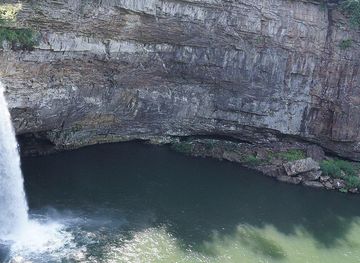
DeSoto State Park in Alabama combines Lookout Mountain forests, waterfalls, historic cabins and hiking trails near Fort Payne and Mentone.
Explore DeSoto State Park
Explore more of Alabama
Discover Alabama: A Southern state rich in history, culture, and natural beauty, offering unforgettable experiences from vibrant cities to serene beaches and majestic mountains.
Explore Alabama