

Free Tuscaloosa National Forest Travel Guide & Mobile App
Explore Tuscaloosa National Forest with free travel guides. Discover regional history, expert tips, proposed trips, and audio guides on web or mobile app.


Clarify the destination before travelling: Tuscaloosa is an Alabama city, while Bankhead and Tuskegee are separate national forests.
Read more about Tuscaloosa National Forest
Getting to and around Tuscaloosa National Forest
How to get there
Transportation
Destinations in Tuscaloosa National Forest
Resorts, valleys and scenic spots worth a trip of their own.
-

-


Swipe for more destinations
Best attractions in Tuscaloosa National Forest
There is no official attraction called Tuscaloosa National Forest. In the Tuscaloosa area, visitors can explore the University of Alabama campus and museums, riverfront surroundings, historic parts of the city and Lake Lurleen State Park, whose lake, wooded trails, camping areas and outdoor recreation provide the closest readily identifiable nature-focused experience near Tuscaloosa. Those seeking a true national-forest landscape should instead investigate Bankhead National Forest, outside Tuscaloosa County, where sandstone ravines, streams and the Sipsey Wilderness create a markedly wilder setting. Talladega, Conecuh and Tuskegee national forests are also separate Alabama destinations, each requiring its own route and itinerary. Confirm the intended place before booking, since a search for the incorrect name may combine city attractions with a distant forest and produce misleading travel times.
-
Tourist attraction
Majestic Caverns
Discover Alabama's largest cave with historic tours, stunning light shows, and family-friendly attractions above and below ground.
-
Park
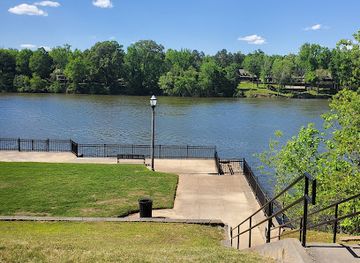
Tuscaloosa River Walk
Enjoy a scenic walk, bike ride, or community event along the beautiful Black Warrior River in Tuscaloosa, Alabama. A vibrant hub for all!
-
Heritage museum
Paul W. Bryant Museum
Relive the glory days of Alabama football at the Paul W. Bryant Museum, a tribute to the Crimson Tide's legendary history and iconic coach.
-
Park
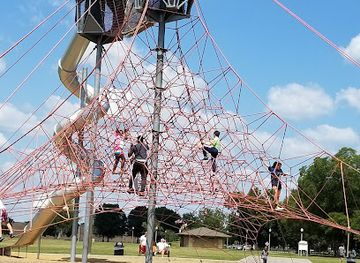
Snow Hinton Park
A revitalized Tuscaloosa park with walking trails, playgrounds, and community events, perfect for families and nature lovers.
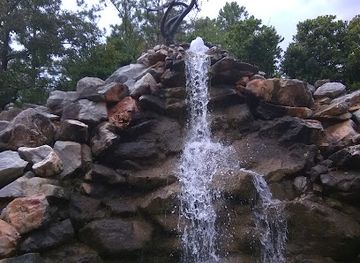

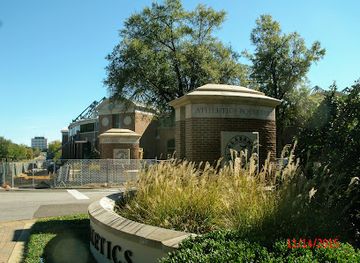
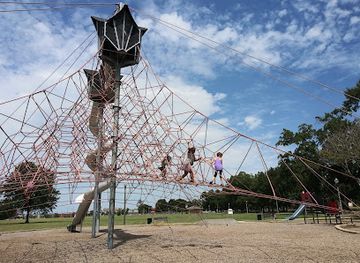
Best landmarks in Tuscaloosa National Forest
Tuscaloosa’s most recognisable landmarks include the University of Alabama campus, historic civic buildings and the Black Warrior River, which has long influenced the city’s transport, industry and identity. The Capitol School area and other historic parts of the city help explain Tuscaloosa’s former role as Alabama’s capital, while the university’s museums and buildings express its continuing educational importance. Lake Lurleen’s broad reservoir and wooded shoreline are prominent nearby natural features, but the state park is not a national forest. For forest landmarks, visitors should look instead to the distinct landscapes of Bankhead, Talladega, Conecuh or Tuskegee national forests and verify each site’s location before travelling. None should be relabelled as a Tuscaloosa landmark.
-
Park
Majestic Caverns
Explore Alabama's largest cave: history, beauty, and adventure await at Majestic Caverns in Childersburg. Guided tours and family fun!
-
Park
Tuscaloosa River Walk
Enjoy a scenic walk, bike ride, or picnic along the beautiful Black Warrior River in Tuscaloosa, Alabama. A perfect spot for recreation and relaxation.
-
Park
Snow Hinton Park
Escape to Snow Hinton Park in Tuscaloosa: a green space with trails, playgrounds, and community events for all ages to enjoy nature.
-
Park
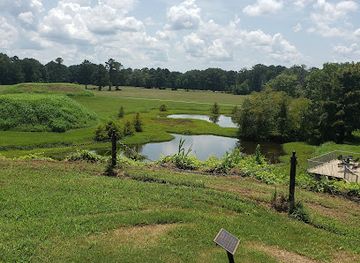
Moundville Archaeological Park
Step back in time at Moundville Archaeological Park, explore ancient mounds and discover the fascinating history of the Mississippian culture.
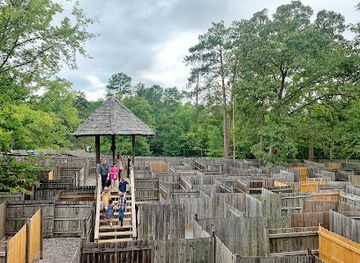
Explore Tuscaloosa National Forest on the map
Plan your trip on one map. See where the top cities, national parks and sights are, and book hotels and experiences in a few clicks.
Best hotels in Tuscaloosa National Forest
Best restaurants in Tuscaloosa National Forest
Tuscaloosa has a substantial dining scene shaped by university life, southern Alabama traditions and the city’s river-and-campus economy. Visitors will find barbecue, fried and grilled seafood, burgers, soul-food influences, biscuits, sandwiches and contemporary American cooking, alongside cafés and restaurants serving a broad range of international food. Local produce and familiar Southern ingredients appear in many menus, although no distinctive cuisine belongs specifically to a Tuscaloosa National Forest because that designation does not exist. Around Lake Lurleen State Park and other rural areas, dining choices are more limited, so carrying provisions and checking service locations is sensible. If the intended destination is Bankhead or another national forest, plan meals around nearby towns and bring food for longer excursions rather than expecting restaurants at trailheads.
-
American
City Cafe
Discover the heart of Southern cuisine at City Cafe in Northport - where comfort food meets warm hospitality.
-
American
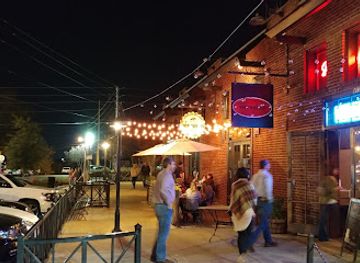
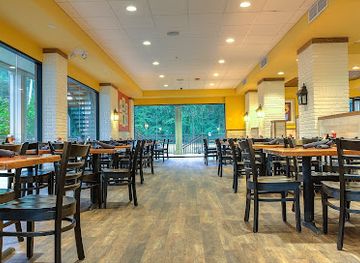
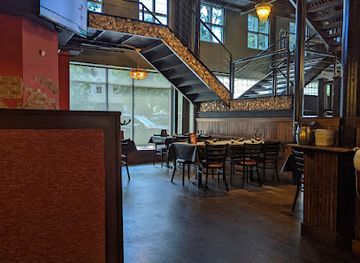
Avenue Pub - Downtown Tuscaloosa
Experience delicious American cuisine at Avenue Pub in Downtown Tuscaloosa—where great food meets vibrant nightlife.
-
Brunch
Another Broken Egg Cafe
Discover the delightful flavors of Southern cuisine at Another Broken Egg Cafe in Tuscaloosa—where every brunch is a celebration!
-
Seafood
Half Shell Oyster House
Discover the authentic flavors of coastal cuisine at Half Shell Oyster House in Tuscaloosa—where fresh seafood meets Southern hospitality.
Best bars in Tuscaloosa National Forest
Tuscaloosa’s evening life is concentrated around the university, central commercial areas and established restaurant and bar streets, with sports-oriented venues, pubs, live music and casual late-evening dining forming much of the scene. Activity is generally busier during university terms and major sporting weekends, while rural areas around Lake Lurleen State Park and Alabama’s actual national forests are quiet after dark. Campfires and stargazing may be part of a lawful, prepared outdoor stay where permitted, but they should not be treated as a substitute for a nightclub district. There is no nightlife scene belonging to Tuscaloosa National Forest because no such official forest exists.
-
American
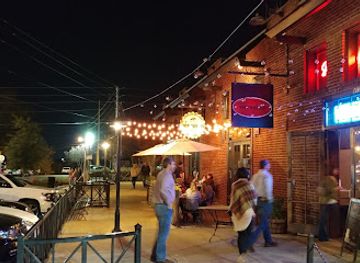
Avenue Pub - Downtown Tuscaloosa
Discover Avenue Pub in Downtown Tuscaloosa for an unforgettable American dining experience with a lively bar atmosphere and local flavors.
-
Southern
Southern Ale House
Experience authentic Southern cuisine at Southern Ale House in Tuscaloosa, where every meal is a celebration of flavor and hospitality.
-
Restaurant
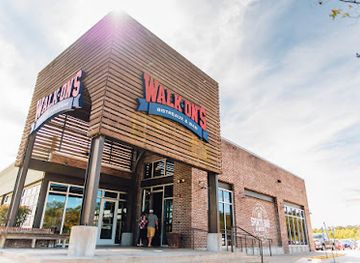
Walk-On's Sports Bistreaux - Tuscaloosa Restaurant
Discover the vibrant atmosphere and delicious Louisiana-inspired dishes at Walk-On's Sports Bistreaux in Tuscaloosa, where sports and flavor unite.
-
Bar
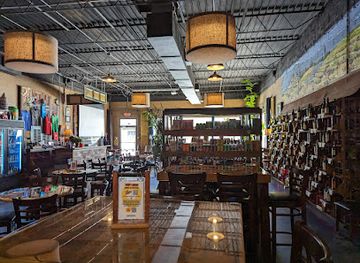
Loosa Brews
Discover the best of craft beers at Loosa Brews in Tuscaloosa, a vibrant bar and beer store offering a cozy atmosphere and extensive selection.

Best nightclubs in Tuscaloosa National Forest
Tuscaloosa’s evening life is concentrated around the university, central commercial areas and established restaurant and bar streets, with sports-oriented venues, pubs, live music and casual late-evening dining forming much of the scene. Activity is generally busier during university terms and major sporting weekends, while rural areas around Lake Lurleen State Park and Alabama’s actual national forests are quiet after dark. Campfires and stargazing may be part of a lawful, prepared outdoor stay where permitted, but they should not be treated as a substitute for a nightclub district. There is no nightlife scene belonging to Tuscaloosa National Forest because no such official forest exists.
-
Bar
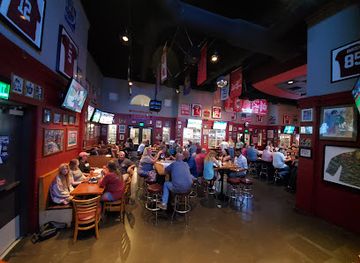
The Houndstooth
Experience the ultimate game day atmosphere at The Houndstooth, Tuscaloosa's go-to sports bar for food, drinks, and fun.
-
Live music bar
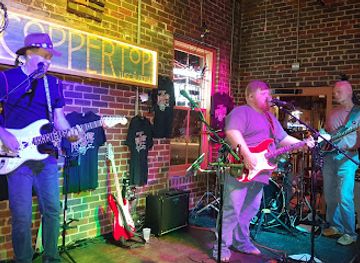
Copper Top
Experience the lively ambiance of Copper Top, Tuscaloosa's premier live music bar, where great drinks and unforgettable performances await.
-
Bar
DAVE'S CRIMSON BAR
Dive into the vibrant nightlife of Tuscaloosa at Dave's Crimson Bar, where live music and great drinks create unforgettable experiences.
-
Bar
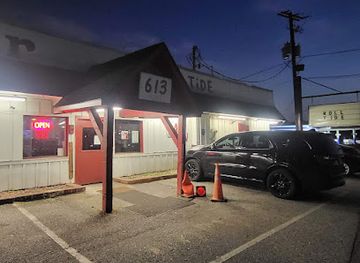
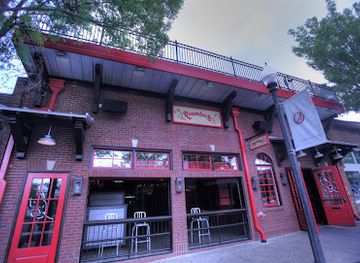
Rounders
Discover the vibrant nightlife at Rounders, a lively bar in Tuscaloosa where great drinks and live music create unforgettable experiences.
Best shops in Tuscaloosa National Forest
Tuscaloosa offers practical shopping in central commercial areas, around the university and in larger retail districts, with Alabama-themed clothing, collegiate merchandise, books, gifts, food products and ordinary travel supplies widely available. Independent shops, cafés and local makers provide a more place-specific alternative to national retailers, while farmers’ markets and seasonal produce outlets may offer regional goods when operating. Rural areas near Lake Lurleen State Park have fewer shops, so purchase fuel, food, water and outdoor supplies in Tuscaloosa or another confirmed service town. There is no retail district or craft tradition associated with Tuscaloosa National Forest; if the intended destination is Bankhead or another national forest, shopping should be organised before reaching remote trailheads.
-
Department store
Walmart Supercenter
Experience the ultimate shopping convenience at Walmart Supercenter in Tuscaloosa, offering groceries, clothing, electronics, and more under one roof.
-
Shopping mall
Tuscaloosa Midtown Village
Discover Tuscaloosa Midtown Village, where shopping meets dining in an upscale atmosphere, perfect for tourists and locals seeking a vibrant experience.
-
Shopping mall
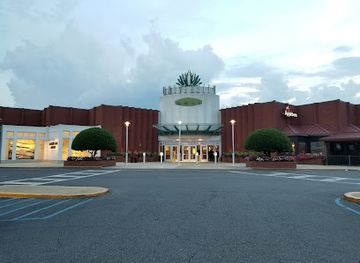
University Mall
Experience the best of shopping and dining at University Mall, a premier destination for tourists in Tuscaloosa, Alabama.
-
Shopping mall
McFarland Plaza
Explore McFarland Plaza in Tuscaloosa for an unforgettable shopping experience with diverse stores, delicious dining, and entertainment options.


Get your free copy of our complete guide to Tuscaloosa National Forest, delivered straight to you.
Everything on this page, from attractions and restaurants to essentials and local phrases, in one PDF you can read offline, print or share.
Already have an account? Sign in
Your Tuscaloosa National Forest guide is ready.
We'll send it to · Not you? Sign out

Getting your guide ready…
We are putting together a fresh copy of the Tuscaloosa National Forest guide. This can take up to a minute.
This can take a few moments. If your browser asks, choose Allow so the download can start. You'll find the guide in your Downloads folder.
Nothing happened? Download it again
Sorry, the guide is taking longer than usual. Please try again in a minute, or get it by email instead.
Tuscaloosa National Forest essentials
Currency and Payment
Safety
Emergency Situations
Do's and Don'ts
Local Tips
From Eve
Local phrases worth knowing
You don't need to get them perfect. A few words go a long way, and locals appreciate the effort.
Basics
| English | Local | Say it |
|---|---|---|
| Hello | Hey | [Hey] |
| Goodbye | See ya | [See ya] |
| Yes | Yep | [Yep] |
| No | Nah | [Nah] |
| Please/You're welcome | Please | [Pleez] |
| Thank you | Thanks | [Thanks] |
| Excuse me/Sorry | Excuse me | [Ex-kyoos me] |
| How are you? | How ya doin'? | [How ya doin'?] |
| Fine. And you? | Good. And you? | [Good. An' you?] |
| Do you speak English? | Y'all speak English? | [Y'all speak English?] |
| I don't understand | I ain't followin' | [I ain't followin'] |
Eating & Drinking
| English | Local | Say it |
|---|---|---|
| I'd like to see the menu, please | Can I see the menu, please? | [Can I see the menu, pleez?] |
| I don't eat meat | I don't eat meat | [I don't eat meat] |
| Cheers! | Cheers! | [Cheers!] |
| I would like to pay, please | Can I get the check, please? | [Can I get the check, pleez?] |
Emergencies
| English | Local | Say it |
|---|---|---|
| Help! | Help! | [Help!] |
| Go away! | Leave me alone! | [Leave me alone!] |
| Call the Police! | Call the cops! | [Call the cops!] |
| Call a doctor! | Get a doctor! | [Get a doctor!] |
| I'm lost | I'm lost | [I'm lost] |
| I'm ill | I'm feelin' bad | [I'm feelin' bad] |
Shopping
| English | Local | Say it |
|---|---|---|
| I'd like to buy... | I wanna buy... | [I wanna buy...] |
| I'm just looking | Just lookin' | [Just lookin'] |
| How much is it? | How much's this? | [How much's this?] |
| That's too expensive | That's way too high | [That's way too high] |
| Can you lower the price? | Can ya bring it down? | [Can ya bring it down?] |
Time & Numbers
| English | Local | Say it |
|---|---|---|
| What time is it? | What time's it? | [What time's it?] |
| It's one o'clock | It's one o'clock | [It's one o'clock] |
| Half past (10) | Half past ten | [Half past ten] |
| Morning | Mornin' | [Mornin'] |
| Afternoon | Afternoon | [Afternoon] |
| Evening | Evenin' | [Evenin'] |
| Yesterday | Yesterday | [Yesterday] |
| Today | Today | [Today] |
| Tomorrow | Tomorrow | [Tomorrow] |
| 1 | One | [One] |
| 2 | Two | [Two] |
| 3 | Three | [Three] |
| 4 | Four | [Four] |
| 5 | Five | [Five] |
| 6 | Six | [Six] |
| 7 | Seven | [Seven] |
| 8 | Eight | [Eight] |
| 9 | Nine | [Nine] |
| 10 | Ten | [Ten] |
Transport & Directions
| English | Local | Say it |
|---|---|---|
| Where's a/the...? | Where's the...? | [Where's the...?] |
| What's the address? | What's the address? | [What's the address?] |
| Can you show me (on the map)? | Can you point it out? | [Can you point it out?] |
| When's the next (bus)? | When's the next bus? | [When's the next bus?] |
| A ticket (to ....) | A ticket to... | [A ticket to...] |
History of Tuscaloosa National Forest
Indigenous landscapes and the Black Warrior River
The area around present-day Tuscaloosa has a long Indigenous history connected with the Black Warrior River and the wider central Alabama landscape. The river corridor supported movement, fishing, hunting and settlement before European colonisation. The name Tuscaloosa is commonly associated with Tuskaloosa, a sixteenth-century chief linked with the region, although interpretations of the historical record vary. This heritage belongs to the Tuscaloosa area rather than to a national forest of that name.
European settlement and the development of Tuscaloosa
Following the expansion of the United States into the South-east, Tuscaloosa developed as a river settlement and later became an important political and commercial centre. It served as Alabama’s state capital from 1826 to 1846, a period that left civic and architectural traces in the city. The Black Warrior River helped support transport and trade, while surrounding agricultural districts shaped the economy of west-central Alabama.
Tuscaloosa and the Civil War
Tuscaloosa was affected by the American Civil War because of its political importance, industrial facilities and position in the regional transport network. Union forces captured the city in 1865, and several sites connected with the conflict remain part of local historical interpretation. This episode belongs to Tuscaloosa’s urban and regional history; it should not be presented as the history of a Tuscaloosa National Forest.
The University of Alabama and modern Tuscaloosa
The University of Alabama, founded in Tuscaloosa in 1831, has played a major role in the city’s cultural, educational and economic development. Its campus, museums and sporting traditions contribute strongly to the city’s identity and attract visitors from across the United States. Tuscaloosa’s modern character therefore combines a university setting with river-based industry, historic neighbourhoods and the wider rural landscape of west-central Alabama.
Creation of Alabama’s national forests
Alabama’s national forests were established as separate federal conservation and land-management areas rather than as one forest surrounding Tuscaloosa. Bankhead National Forest protects landscapes in north-west Alabama, while Conecuh, Talladega and Tuskegee national forests occupy different parts of the state. Their histories reflect twentieth-century federal forest management, reforestation and the preservation of watersheds, wildlife habitat and recreational landscapes. None is officially named Tuscaloosa National Forest.
Conservation and recreation in the Tuscaloosa area
Modern outdoor recreation around Tuscaloosa is supported by state parks, reservoirs, river corridors and county-level green spaces rather than by a national forest within the city or county. Lake Lurleen State Park became an important nearby destination for camping, boating, fishing and walking. These facilities complement, but do not form part of, Alabama’s national forest system and should be mapped separately when planning a visit.
Tuscaloosa National Forest in Photos
Browse through our photo collection highlighting the charm and character of the destination.
Neighbouring regions of Tuscaloosa National Forest
The closest regions to Tuscaloosa National Forest, if you have time for more than one.
-

-

-

-

-


Swipe for more regions
Explore more

Explore more of Alabama
Discover Alabama: A Southern state rich in history, culture, and natural beauty, offering unforgettable experiences from vibrant cities to serene beaches and majestic mountains.
Explore Alabama