College Place Historic District: A Step Back in Time
Discover Florence, Alabama's College Place Historic District: A charming neighborhood showcasing early 20th-century architecture and rich history.
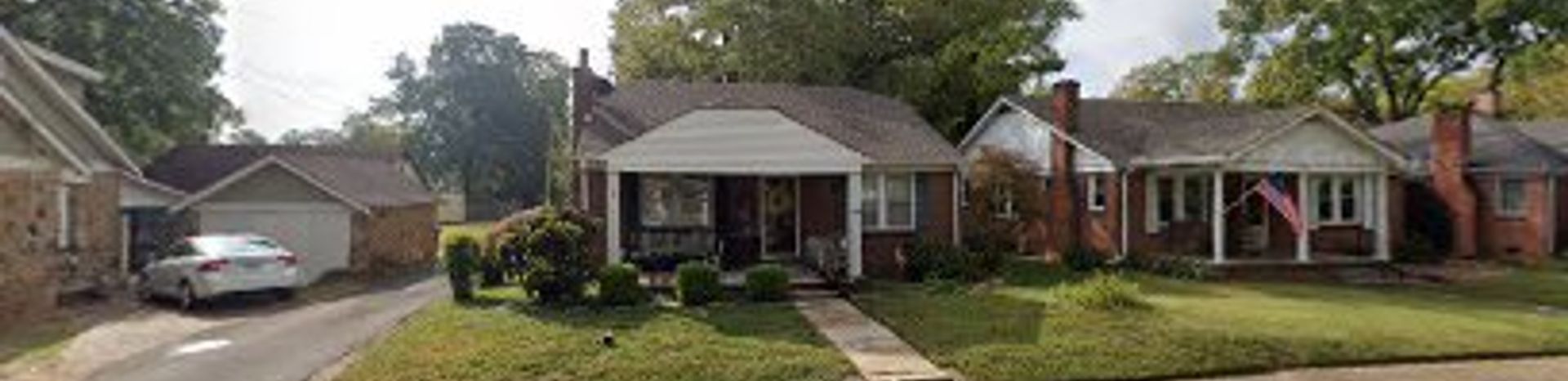
Explore the College Place Historic District in Florence, Alabama, a charming neighborhood developed in the early 20th century. Featuring a mix of architectural styles, including Craftsman bungalows, Mission Revival, and Georgian Revival, the district offers a glimpse into the city's rich history and social fabric.
A brief summary to College Place Historic District
- 119 W Lelia St, Florence, North Florence, Alabama, 35630, US
Local tips
- Take a self-guided walking tour to fully appreciate the architectural details and historical markers throughout the district.
- Visit during the spring or fall for pleasant weather and to enjoy the blooming flowers or colorful foliage.
- Combine your visit with a tour of the nearby University of North Alabama campus for a blend of historic charm and academic atmosphere.

Getting There
-
Walking
From the University of North Alabama campus, head north on Pine Street, then turn left onto West Lelia Street. The College Place Historic District will be on your right, starting around 119 W Lelia St. The walk is approximately 5-10 minutes.
-
Taxi/Ride-Share
A taxi or ride-share from downtown Florence to the College Place Historic District will take approximately 5-10 minutes. Direct the driver to 119 W Lelia St, Florence, AL 35630. Expect to pay around $8-$12.
Discover more about College Place Historic District
Iconic landmarks you can’t miss

College Place Historic District
0.0 km
Explore the serene and picturesque College Place Historic District in Florence, Alabama, a treasure trove of history and architectural beauty.
Sannoner Historic District
0.9 km
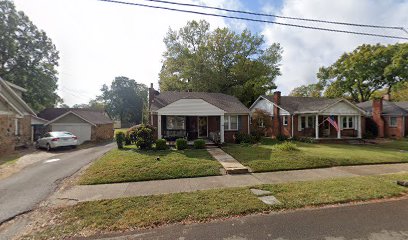
Explore the Sannoner Historic District in Florence, Alabama, where charming architecture meets rich Southern heritage for an unforgettable experience.
Walnut Street Historic District
1.0 km
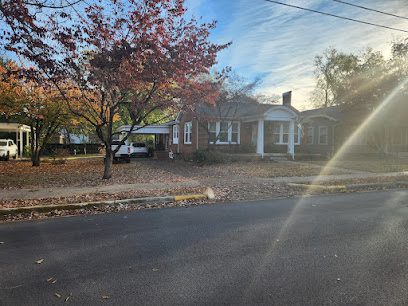
Discover the enchanting Walnut Street Historic District in Florence, Alabama, where history and architecture come alive in a picturesque setting.
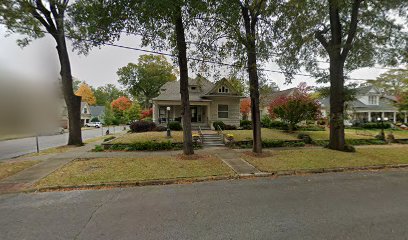
Pope's Tavern Museum
1.0 km
Explore the captivating history of Florence, Alabama at Pope's Tavern Museum, where past and present come alive through engaging exhibits.
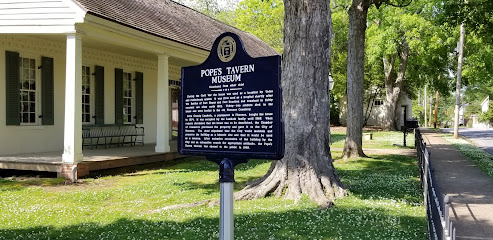
Wood Avenue Historic District
1.1 km
Explore the Wood Avenue Historic District, a stunning neighborhood in Florence, Alabama, rich in history and architectural beauty.
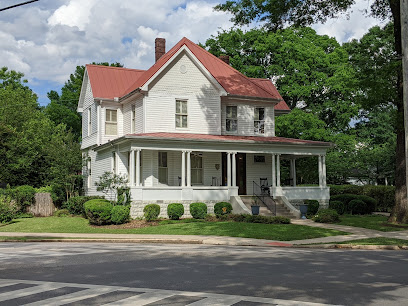
Locust Street Historic District
1.3 km
Discover the rich history and charming architecture of Locust Street Historic District in Florence, Alabama, a must-visit for history enthusiasts and casual travelers alike.
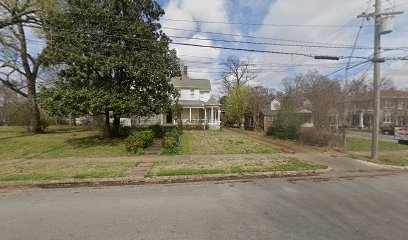
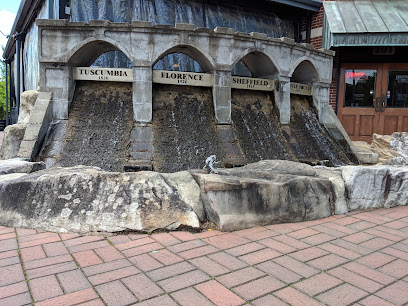
Shoals-Wilson Dam Fountain
1.4 km
Explore the Shoals-Wilson Dam Fountain in Florence, AL, a beautiful historical landmark showcasing the region's rich heritage and stunning architecture.
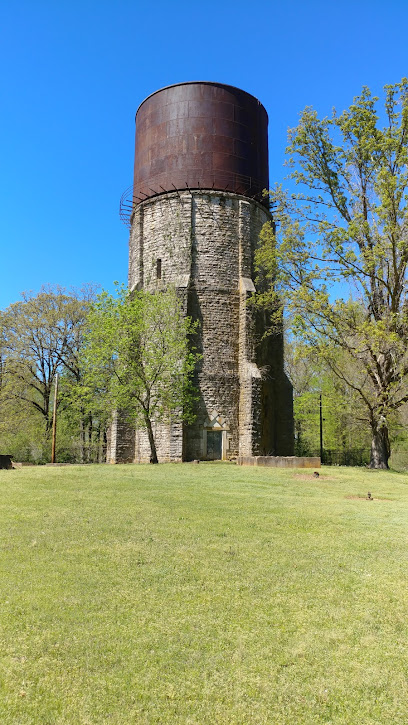
Old Water Tower
1.6 km
Explore the Old Water Tower in Florence, AL - a historic landmark surrounded by serene parkland perfect for relaxation and contemplation.
"Mountain" Tom Clark Historic Site
1.7 km
Discover the rich history and stunning vistas at Mountain Tom Clark Historic Site in Florence, Alabama, a hidden gem for history lovers and nature enthusiasts.
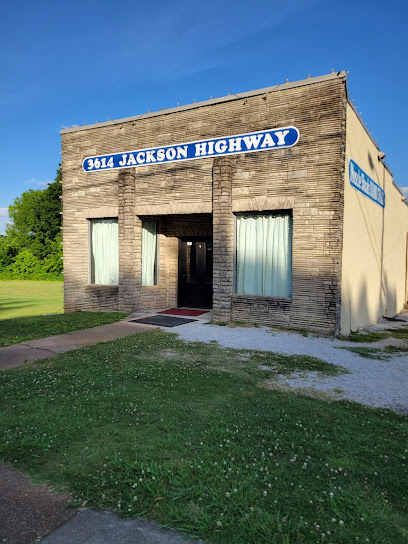
The Rolling Stones in the Shoals in 1969 Historic Marker
2.0 km
Explore the historic landmark commemorating The Rolling Stones' legendary performance in 1969, a must-visit for music and history enthusiasts in Florence, Alabama.
McFarland Lighthouse
3.3 km
Explore McFarland Lighthouse in Florence, Alabama - a scenic spot steeped in history, offering stunning views and a peaceful retreat for all visitors.
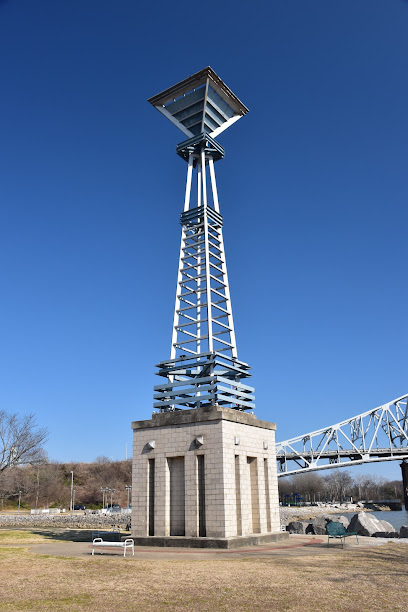
Former Florence Wagon Works site
3.6 km
Discover the rich industrial heritage of Florence at the Former Florence Wagon Works site, a historic landmark that tells the story of an era gone by.
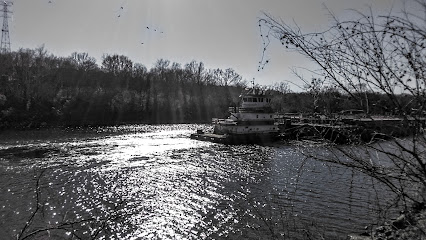
Sweetwater Mansion
3.6 km
Experience the elegance of the 19th century at Sweetwater Mansion, a historical landmark in Florence, Alabama, showcasing rich heritage and stunning architecture.
Old Railroad Bridge Historic Marker
3.9 km
Explore the Old Railroad Bridge Historic Marker in Sheffield, Alabama, where history meets nature in a captivating landscape.
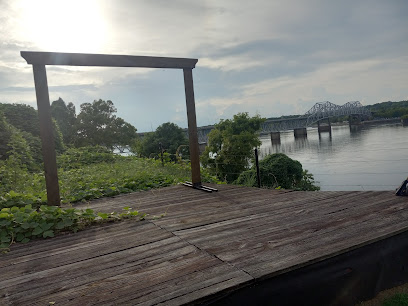
Marriott Shoals Hotel & Spa
4.6 km
Experience the perfect blend of luxury and Southern charm at Marriott Shoals Hotel & Spa, your gateway to the rich musical heritage of Florence, Alabama.

Unmissable attractions to see

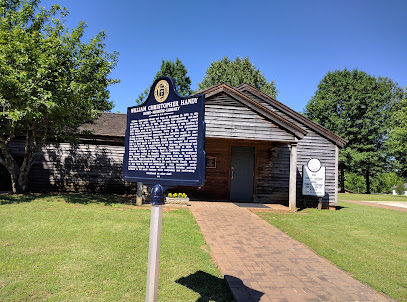
W C Handy Museum
2.0 km
Explore the life and music of the 'Father of the Blues' at his birthplace museum in Florence, Alabama.
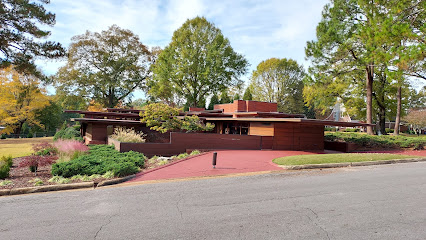
Frank Lloyd Wright - Rosenbaum House Museum
2.3 km
Discover Frank Lloyd Wright's Usonian masterpiece in Florence, Alabama: a unique architectural experience open for public tours.
Florence Indian Mound and Museum
2.7 km
Explore ancient Native American history and culture at the Florence Indian Mound, the Tennessee Valley's largest earthen mound and museum.
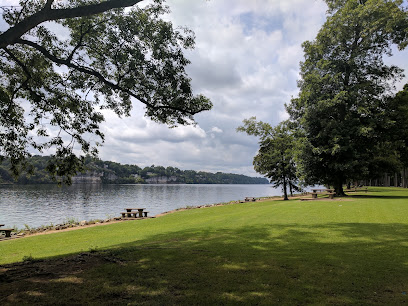
McFarland Park
3.2 km
Discover scenic beauty & recreation at McFarland Park in Florence, AL – a historic riverside destination with events, camping, & family fun!
Old Railroad Bridge
3.6 km
Walk across history on Alabama's oldest bridge site, offering scenic views and a peaceful escape on the Tennessee River.
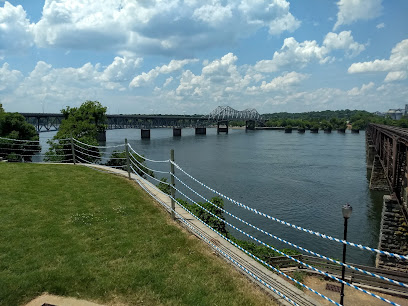
Children's Museum Shoals
4.2 km
Northwest Alabama's premier children's museum, offering interactive exhibits and programs that spark curiosity and inspire a lifelong love of learning.
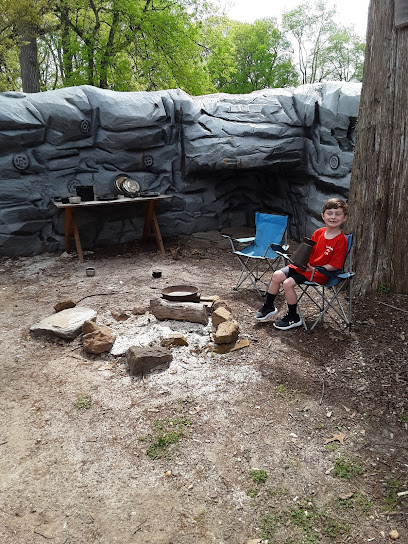
Deibert Park
4.3 km
Explore nature and history at Deibert Park, a 70-acre green space in Florence, Alabama, with trails, ponds, and family-friendly activities.
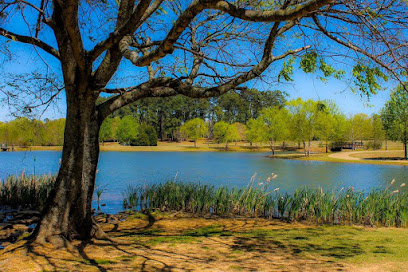
River Heritage Park
4.5 km
Discover scenic views, family fun, and local history at River Heritage Park in Florence, Alabama, on the banks of the Tennessee River.
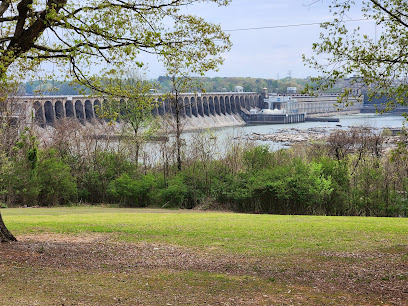
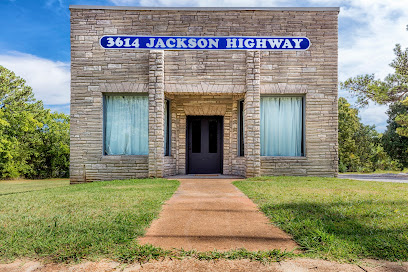
Muscle Shoals Sound Studios
5.1 km
Step into music history at Muscle Shoals Sound Studio, where legends created the iconic 'Muscle Shoals sound' in Sheffield, Alabama.
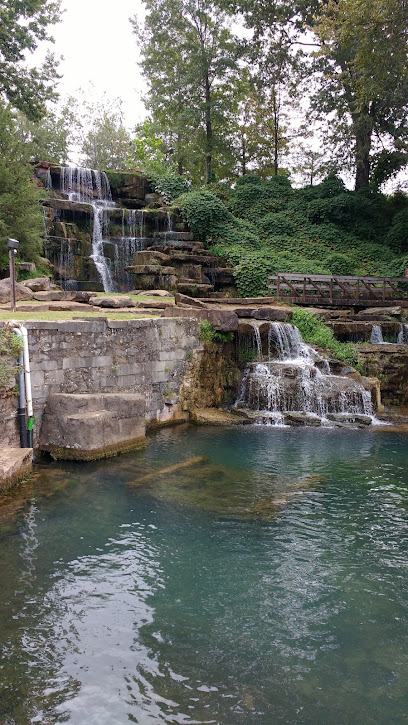
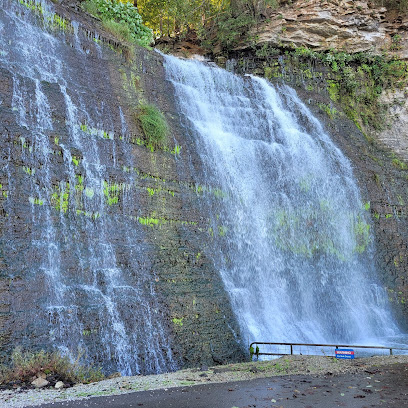
Wilson Dam Waterfall
5.4 km
Discover the beauty of Wilson Dam Waterfall in Muscle Shoals: a natural oasis with hiking trails and historical significance.
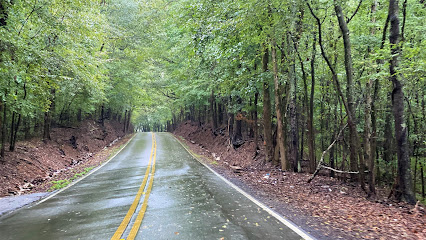
Forks of Cypress
5.5 km
Discover the haunting beauty and historical significance of the Forks of Cypress, a former cotton plantation in Florence, Alabama.
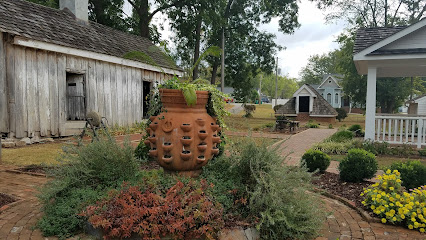
Helen Keller Birthplace
8.7 km
Explore the birthplace of Helen Keller, a National Historic Landmark in Tuscumbia, Alabama, and discover the inspiring story of her life and achievements.
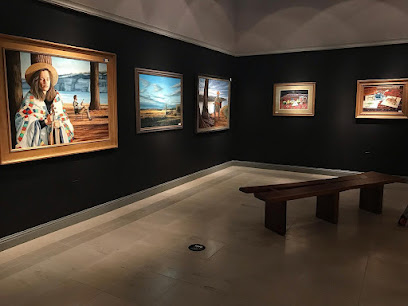
Tennessee Valley Museum of Art
8.7 km
Discover diverse art exhibitions, prehistoric artifacts, and community programs at the Tennessee Valley Museum of Art in Tuscumbia, Alabama.
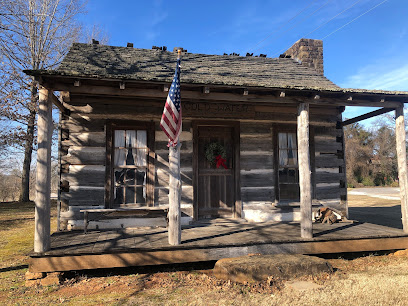
Coldwater Stagecoach Stop
9.5 km
Experience Alabama's frontier history at the Coldwater Stagecoach Stop, a preserved 19th-century cabin in Tuscumbia.
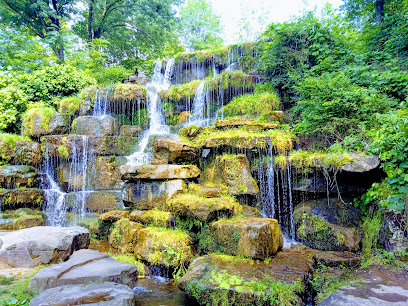
Tuscumbia Spring Park
9.6 km
Discover natural beauty and historical charm at Tuscumbia Spring Park, home to Coldwater Falls and family-friendly fun in downtown Tuscumbia.
Essential places to dine

Inez's Drive Inn
52.5 km
Experience authentic American cuisine at Inez's Drive Inn in Tishomingo - where every meal feels like home.
Dos Amigos Mexican Restaurant
54.3 km
Experience the rich flavors of Mexico at Dos Amigos Mexican Restaurant in Tishomingo – where every meal is a fiesta!
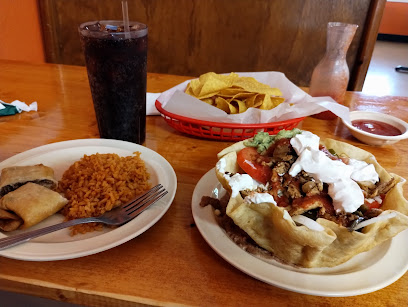
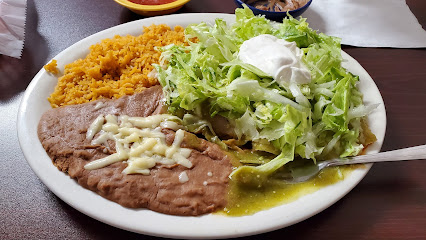
Viva La Casita
54.3 km
Savor authentic Mexican cuisine at Viva La Casita in Tishomingo - where vibrant flavors meet warm hospitality.
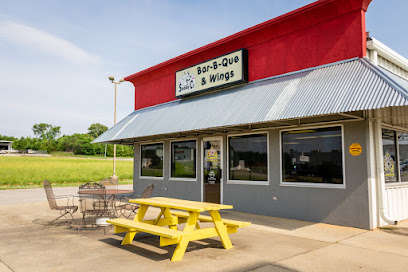
Smokey C's Bar-B-Que & Wings
61.1 km
Experience the authentic taste of Southern barbecue at Smokey C's Bar-B-Que & Wings in Decatur, AL – where flavor meets hospitality.
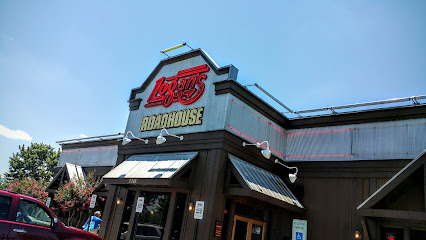
Logan's Roadhouse
64.6 km
Experience hearty American cuisine at Logan's Roadhouse in Decatur – where every meal feels like home!
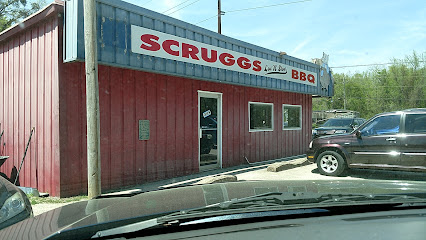
Scruggs BBQ
65.4 km
Experience authentic Southern barbecue at Scruggs BBQ in Decatur - where flavor meets tradition.
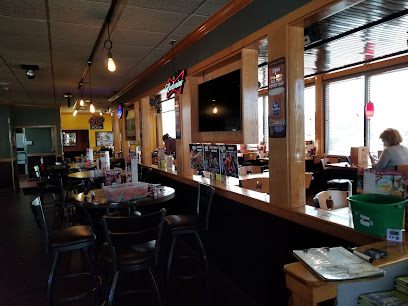
Applebee's Grill + Bar
65.7 km
Experience American cuisine at its best at Applebee's Grill + Bar in Decatur - where flavor meets family-friendly fun!
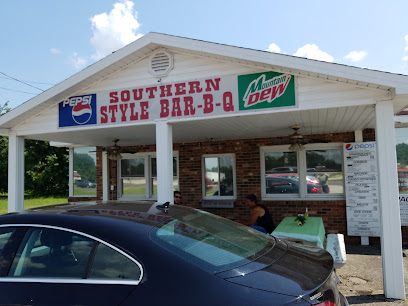
Southern Style Barbeque
65.8 km
Experience authentic Southern barbeque at its finest in Decatur; savor smoky flavors and hearty dishes made with love.
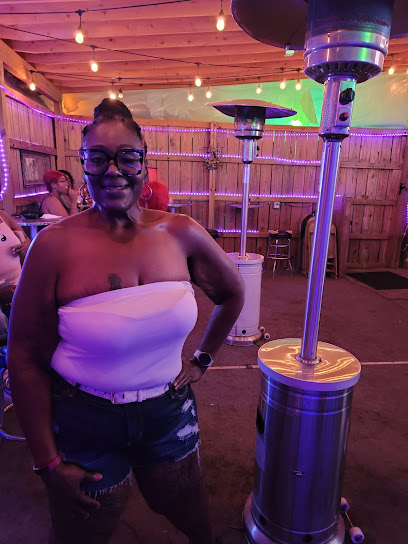
Nash Barbeque
66.2 km
Discover the rich flavors of Southern barbecue at Nash Barbeque in Decatur, Alabama – where every bite tells a story.
Chick-fil-A
66.4 km
Savor the flavors of Southern hospitality at Chick-fil-A in Decatur - where every meal is made with care.
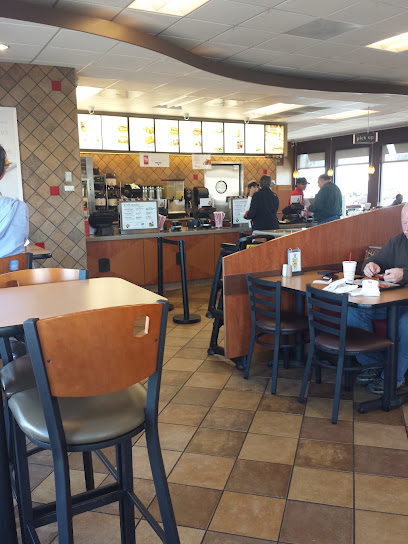
Serrano's Mexican
66.9 km
Discover the rich flavors of Mexico at Serrano's Mexican in Decatur – where every meal is a fiesta!
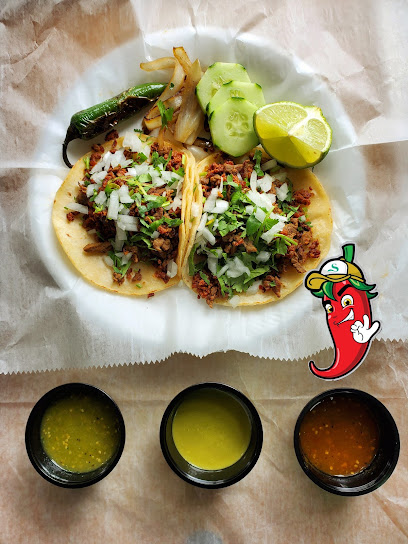
L Patron Mexican Grill and Cantina
67.2 km
Savor authentic Mexican cuisine at L Patron Mexican Grill and Cantina in Decatur – where every meal is a festive celebration of flavor!
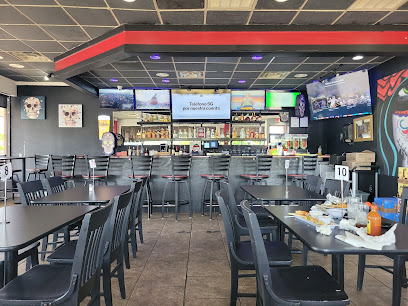
Bank Street Grill
67.3 km
Discover delicious American cuisine at Bank Street Grill in Decatur, AL - where flavor meets hospitality.
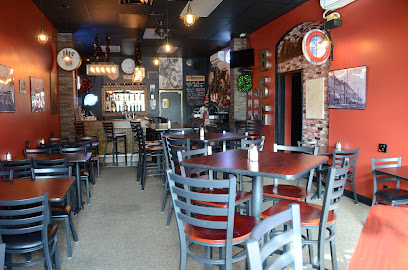
Simp McGhee's
67.3 km
Experience exquisite seafood and Cajun cuisine at Simp McGhee's in Decatur - where every meal is a celebration of flavor.
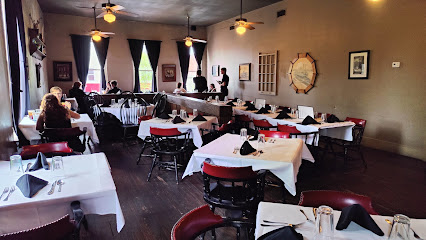
Josie's
67.7 km
Discover Josie's: A Mediterranean oasis in Decatur serving exquisite Italian cuisine and refreshing drinks in an inviting atmosphere.
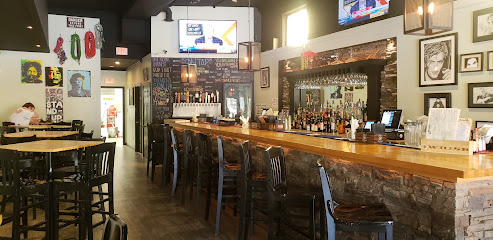
Markets, malls and hidden boutiques

The Eclectic
1.5 km
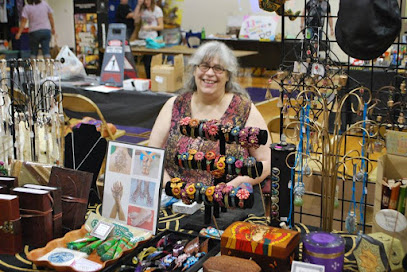
Explore The Eclectic in Florence, Alabama: your go-to boutique for unique gifts, handcrafted items, and delightful finds that capture local charm.
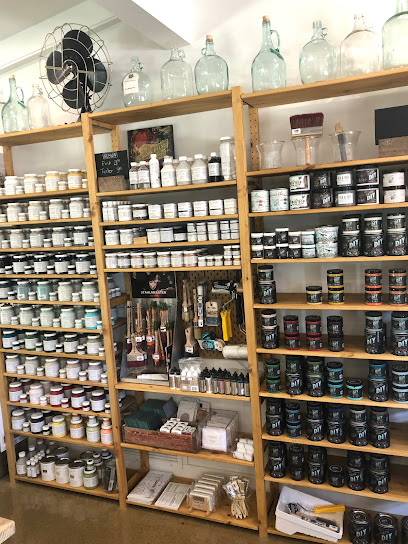
the homestead MERCANTILE
2.5 km
Explore The Homestead Mercantile in Florence, AL for unique gifts, local crafts, and a taste of Southern charm in every corner.
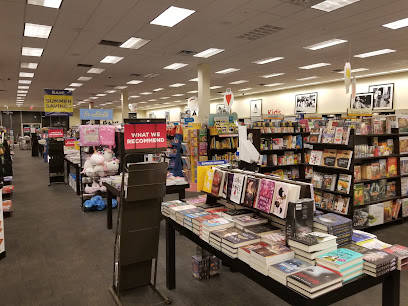
Books-A-Million
5.3 km
Discover a world of books, collectibles, and unique gifts at Books-A-Million in Florence, Alabama, where every visit is an adventure in reading.
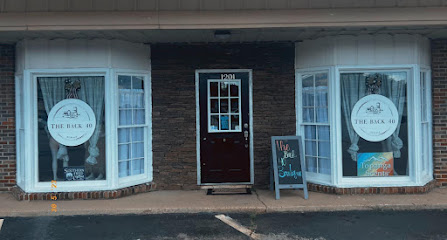
The Back 40 Boutique
7.2 km
Discover unique gifts and stylish apparel at The Back 40 Boutique in Muscle Shoals, Alabama – a treasure trove of Southern charm and creativity.
Basse Trading Company
9.3 km
Explore Basse Trading Company in Tuscumbia, Alabama, where every antique tells a story and treasures await around every corner.
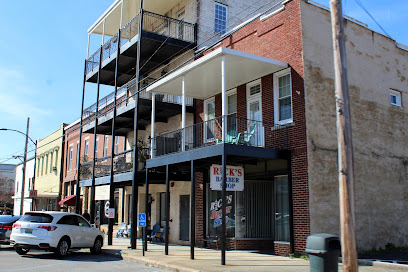
Boutique 72
10.8 km
Explore the eclectic charm of Boutique 72 in Tuscumbia, Alabama, where local artistry meets unique fashion finds.
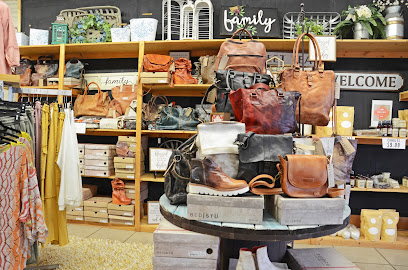
Vintage South Marketplace
11.4 km
Explore a treasure trove of antiques, boutique finds, and sports memorabilia at Vintage South Marketplace in Muscle Shoals, Alabama.
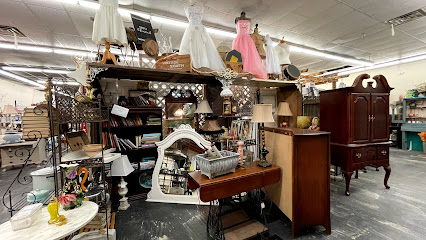
The Emporium of Curiosities and Oddities
17.3 km
Explore the whimsical wonders of The Emporium of Curiosities and Oddities, a unique gift shop in Killen, Alabama for travelers seeking the extraordinary.
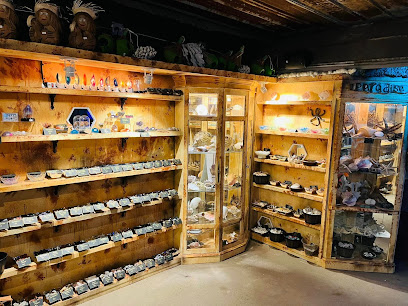
Suzys Boutiques
35.1 km
Explore Suzys Boutiques for an eclectic collection of women's fashion, offering quality brands and stylish finds in Russellville, Alabama.
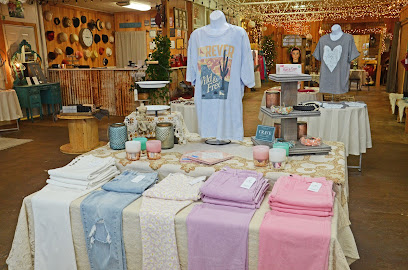
Too Peas
35.3 km
Explore Too Peas Gift Shop in Rogersville, Alabama, for unique finds and local treasures that capture the spirit of the region.
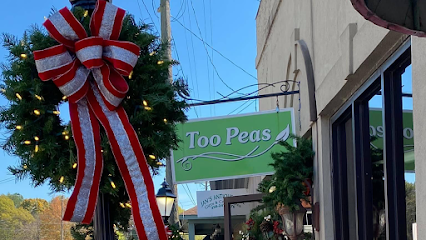
Stephen's Unique Antique Mall
35.4 km
Uncover hidden gems and vintage treasures at Stephen's Unique Antique Mall in Rogersville, Alabama, where every corner tells a story.
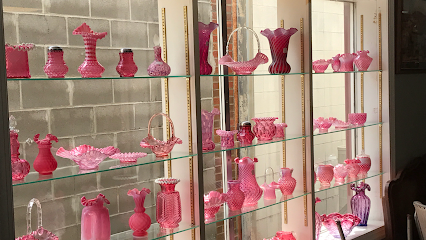
Maggie J's Boutique Clothing
35.8 km
Explore unique styles and local fashion treasures at Maggie J's Boutique Clothing in Russellville, Alabama, perfect for your next wardrobe update.
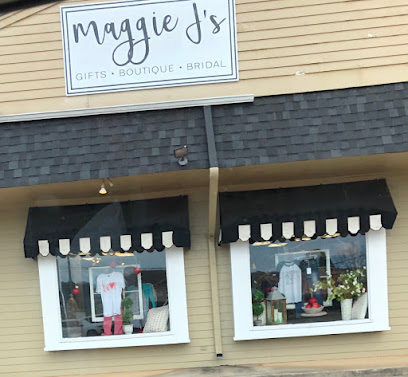
O'Claire's Boutique & Gift Shop
46.7 km
Explore O'Claire's Boutique & Gift Shop in Iuka, Mississippi for unique gifts, local crafts, and stylish apparel that encapsulate Southern charm.
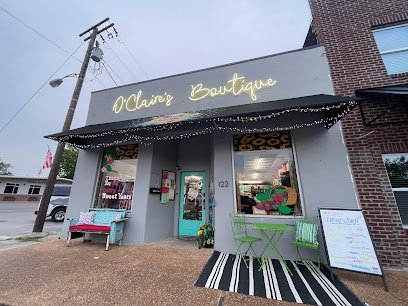
Hodge Antique’s
47.4 km
Discover unique antiques and timeless treasures at Hodge Antique’s in Iuka, Mississippi, where history and nostalgia come together.
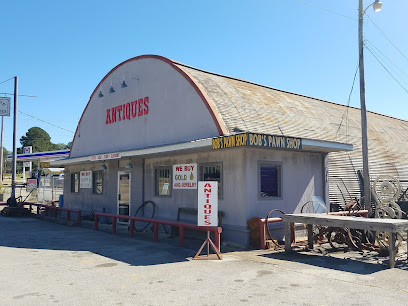
Just a Kind Word Florist
47.6 km
Discover the beauty of fresh flowers and unique arrangements at Just a Kind Word Florist in Iuka, Mississippi.
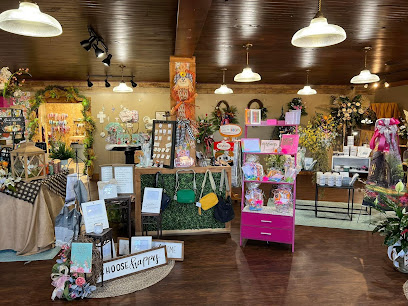
Essential bars & hidden hideouts

Stell's Sports Grille
11.4 km
Experience the best of Southern cuisine and sports excitement at Stell's Sports Grille in Muscle Shoals, Alabama.
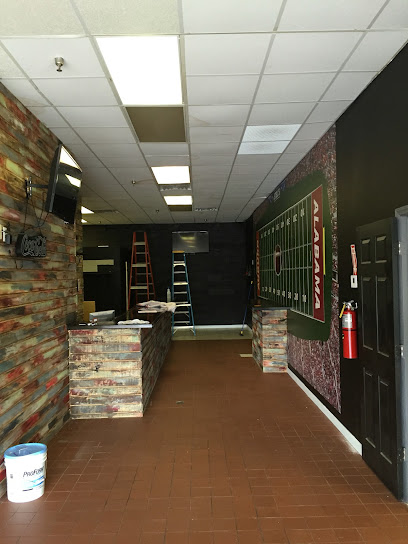
Rattlesnake Saloon
27.6 km
Experience Southern hospitality at Rattlesnake Saloon, where delicious hamburgers meet a lively bar atmosphere in the heart of Alabama.
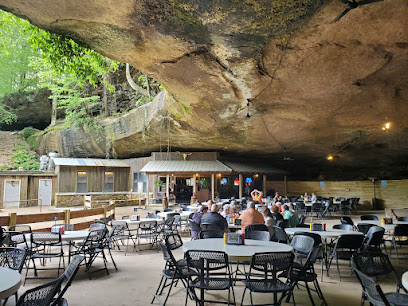
Frosty Inn
37.0 km
Experience delightful comfort food in a cozy atmosphere at Frosty Inn, a favorite dining spot in Russellville, Alabama.
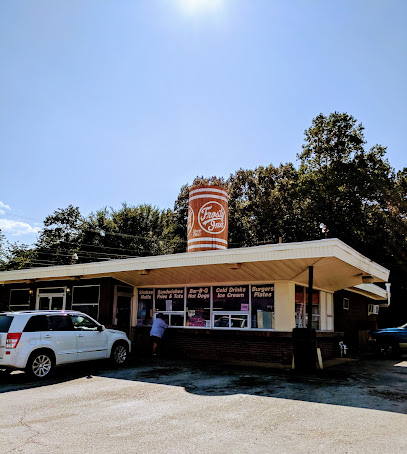
Rancho Mexican Restaurant
38.4 km
Experience the vibrant flavors of Mexico at Rancho Mexican Restaurant, where authentic dishes and a warm atmosphere await every visitor.
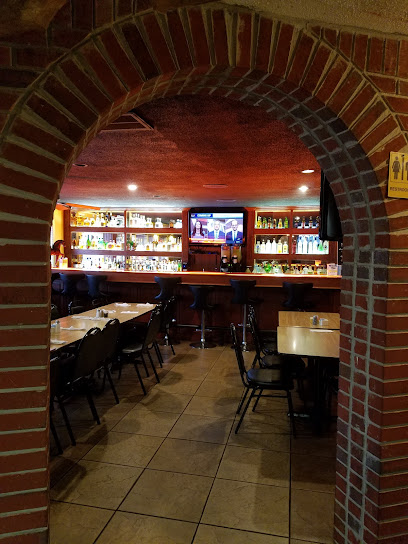
Homestead Cafe
46.4 km
Experience the heart of Southern hospitality at Homestead Cafe, where comfort food meets charming ambiance in Spruce Pine, Alabama.
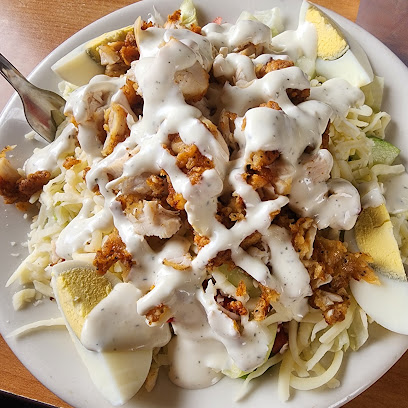
Table 127
46.5 km
Experience authentic Southern cuisine at Table 127 in Iuka, MS, where every meal is a delicious journey into local flavors.
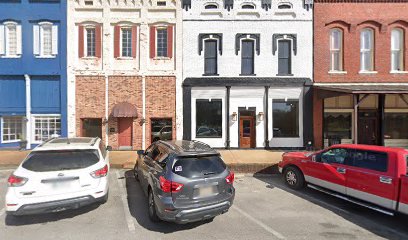
Cream & Sugar Cafe
46.6 km
Discover the charm of Cream & Sugar Cafe in Iuka, MS—where delightful flavors and cozy ambiance meet southern hospitality.
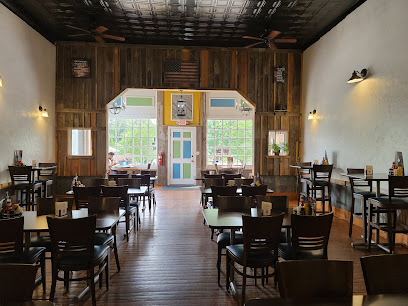
Front Street Snack Bar
46.6 km
Savor delicious snacks at Front Street Snack Bar, Iuka's cozy eatery with a delightful Southern charm and affordable prices.
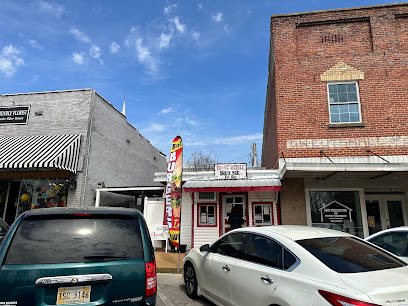
Swisher hotdogs
47.0 km
Experience the true taste of Alabama with customizable hot dogs at Swisher Hotdogs in Spruce Pine, where every bite is a taste of tradition.
Chuckwagon Cafe
47.3 km
Discover the flavors of the South at Chuckwagon Cafe, a charming spot in Iuka, Mississippi, serving delicious comfort food with a warm welcome.
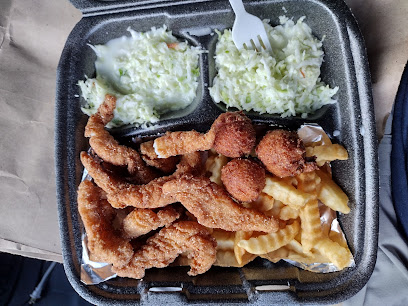
Bian Garden
47.3 km
Experience authentic Chinese cuisine at Bian Garden in Iuka, MS – a culinary gem offering a diverse menu and warm hospitality.
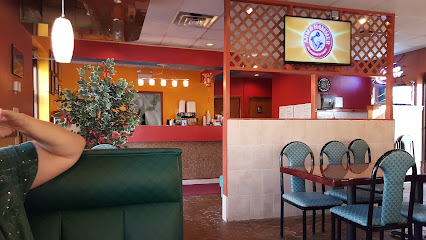
Santa Fe Mexican Grill
47.5 km
Experience authentic Mexican cuisine at Santa Fe Mexican Grill in Iuka, Mississippi, where vibrant flavors and warm hospitality await.
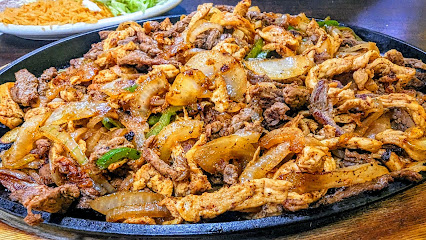
Tri-State Crawfish & Produce
47.5 km
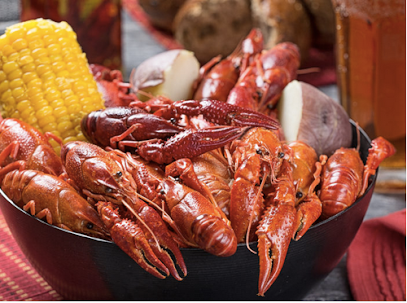
Discover the authentic taste of Mississippi seafood at Tri-State Crawfish & Produce, a local favorite for fresh crawfish and Southern delights.
Lil Smokies
47.6 km
Discover the authentic taste of southern barbecue at Lil Smokies in Iuka, where every bite tells a story of tradition and flavor.
El Picante 2
47.6 km
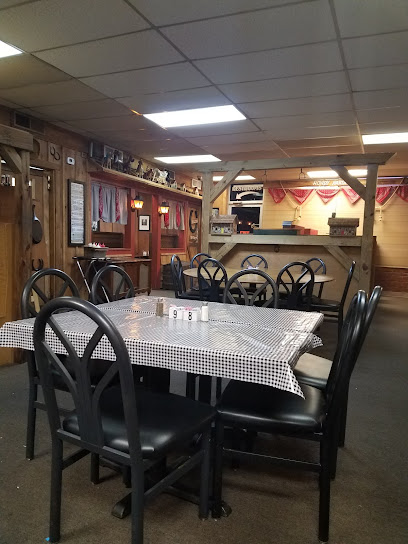
Experience the vibrant tastes of Mexico at El Picante 2, Iuka's premier Mexican restaurant offering authentic cuisine in a lively atmosphere.