
Boga Alpine Resort, Albania Travel Guide
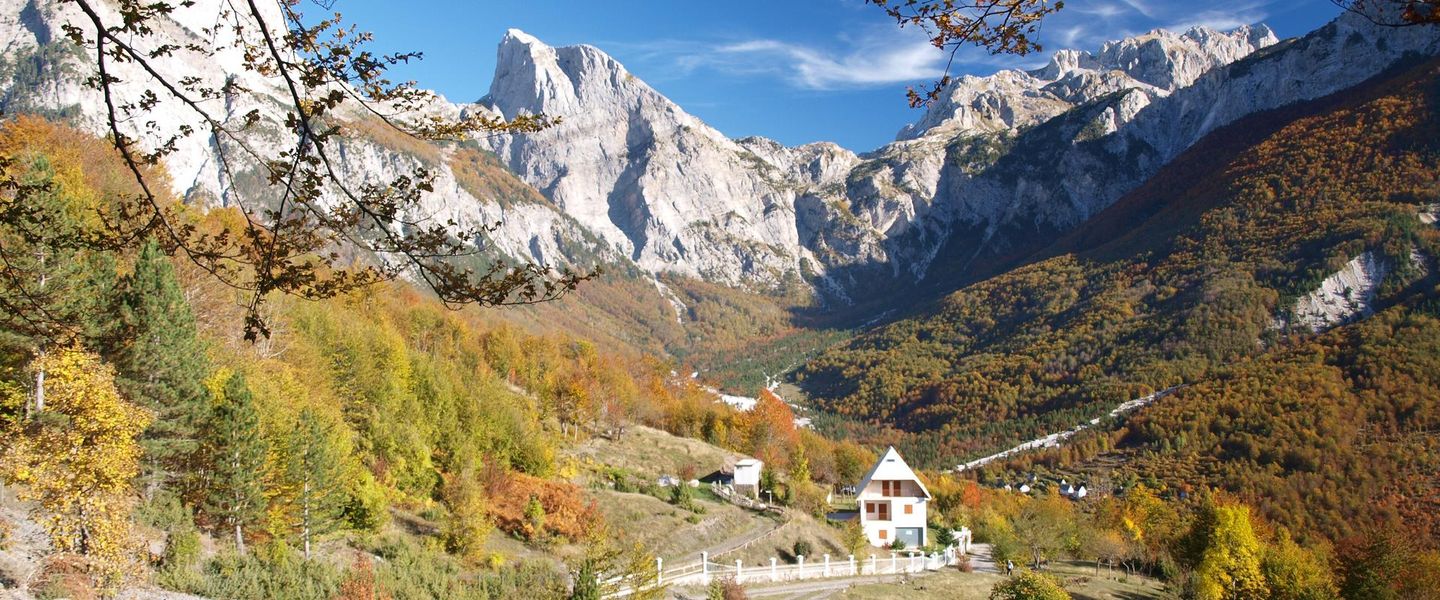
Discover the serene beauty and adventure of Boga Alpine Resort in the heart of Albania's majestic Alps, where nature, history, and culture seamlessly blend.
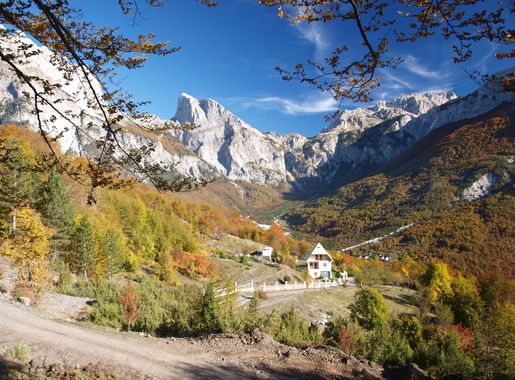
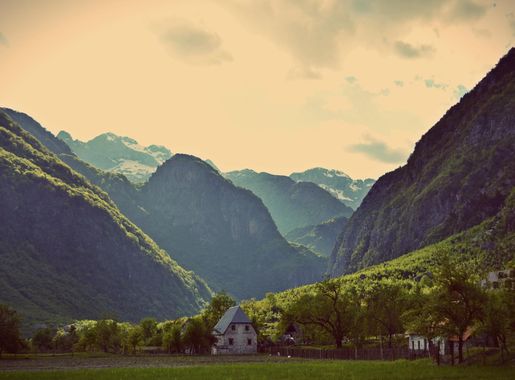
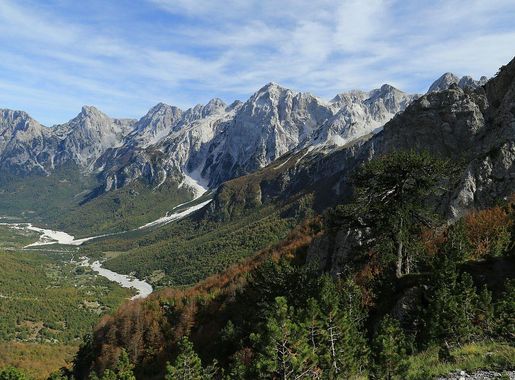
Nestled in the heart of the Albanian Alps, Boga Alpine Resort is a serene escape for nature lovers and adventure seekers alike. Surrounded by rugged mountains, lush forests, and clear streams, this resort offers a perfect blend of tranquility and excitement. Whether you are looking to hike through pristine trails, enjoy breathtaking views, or simply relax in a peaceful environment, Boga has something for everyone. The resort itself is equipped with comfortable accommodations that blend traditional Albanian architecture with modern amenities. Guests can enjoy locally sourced meals at the resort's restaurant while taking in the stunning mountain vistas. The friendly staff are always on hand to help plan your activities, whether it’s a guided trek, a mountain biking adventure, or a visit to nearby cultural sites. Boga Alpine Resort is not just about outdoor activities; it’s also a gateway to discovering the rich history and culture of Northern Albania. The nearby villages offer a glimpse into traditional Albanian life, with their stone houses, ancient churches, and warm hospitality. For those interested in history, the resort provides easy access to historical landmarks and archaeological sites, making it a well-rounded destination for all types of travelers.

Know before you go
Hi, I'm Eve. Here are a few practical things to know before exploring Boga Alpine Resort.
- Visit during spring or early autumn for the best weather and fewer crowds.
- Bring sturdy hiking boots for the rugged terrain.
- Try the local cuisine, especially the traditional Albanian dishes.
- Hire a local guide to explore hidden trails and learn about the area's history.
- Pack layers of clothing as temperatures can vary greatly throughout the day.
Explore Boga Alpine Resort: Things to Do, Places to Eat, Hotels & More
Handpicked recommendations for top attractions, local dining, accommodations, and more

Best attractions in Boga Alpine Resort
Top-rated picks
Best Attractions

Boga Alpine Resort - Camping Albania / B&B (Way to Theth)
Escape to the Albanian Alps at Boga Alpine Resort: camping, comfort, and stunning nature await near Theth National Park.

Ancient Doclea Ruins
Uncover Montenegro's Roman past at Doclea: Explore ancient ruins, imagine life in a Roman city, and discover a hidden gem near Podgorica.

Mrkan Winery
Discover the exquisite flavors of Montenegro at Mrkan Winery, where tradition and passion create unforgettable wines.

Reconciliation Tower
Explore Reconciliation Tower, a historic landmark in Albania symbolizing hope and unity, and discover the rich cultural heritage of this vibrant nation.

Best landmarks in Boga Alpine Resort
Top-rated picks
Best Landmarks

Boga Alpine Resort - Camping Albania / B&B (Way to Theth)
Escape to the Albanian Alps: Experience nature, comfort, and local cuisine at Boga Alpine Resort, your gateway to Theth National Park.

North Alpine Villas
Escape to the Albanian Alps: North Alpine Villas offer a serene mountain retreat in Bogë, Albania, with stunning views and cozy accommodations.

Restaurant Boga Alpine Resort
Experience authentic Albanian cuisine with breathtaking mountain views at Restaurant Boga Alpine Resort in the heart of Bogë, Albania.

Best restaurants in Boga Alpine Resort


Best bars in Boga Alpine Resort
Top-rated picks
Best Bars

Bar-Adi
Experience the heart of Gryke Lugje in Albania at Bar-Adi, where local flavors and warm hospitality create unforgettable moments.

Guesthouse Camping Restaurant “Paja”
Discover the serene beauty of Bogë at Guesthouse Camping Restaurant “Paja”, where comfort meets local culture and breathtaking landscapes.
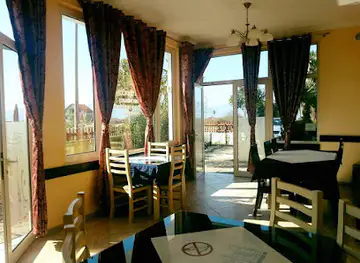
Bar Restorant Lepeja
Experience authentic Albanian flavors in a cozy setting at Bar Restorant Lepeja, Omarë Shkodër's charming traditional restaurant and lounge.
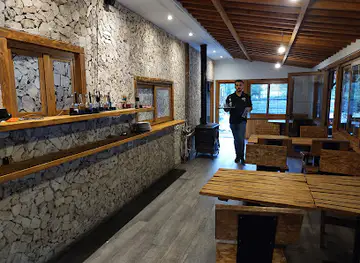
Restaurant Boga Alpine Resort
Discover authentic Albanian cuisine amidst breathtaking mountain views at Restaurant Boga Alpine Resort in Bogë.

Best nightclubs in Boga Alpine Resort
Top-rated picks
Best Nightclubs

Boga Alpine Resort - Camping Albania / B&B (Way to Theth)
Experience the breathtaking beauty of the Albanian Alps at Boga Alpine Resort, where nature meets comfort and adventure awaits.

Restaurant Boga Alpine Resort
Experience the culinary excellence at Boga Alpine Resort, where stunning views meet exquisite dishes in the heart of Albania.

Pjetër Ulaj
Discover the charm of Pjetër Ulaj, a cozy bar in Bogë, Albania, perfect for relaxation and socializing in stunning natural surroundings.

Shoqëria
Discover the authentic flavors of Albania at Shoqëria, a grill paradise in Bogë offering delicious grilled meats and stunning views.

Best shops in Boga Alpine Resort
Top-rated picks
Best Shops

Boga Alpine Resort - Camping Albania / B&B (Way to Theth)
Experience the breathtaking beauty of Albania at Boga Alpine Resort – your ideal camping and dining destination in the heart of the Alps.

MARGJELO-Filigran Albania
Explore MARGJELO-Filigran in Shkodër, Albania, for exquisite handcrafted filigree jewelry and a taste of traditional Albanian craftsmanship.

Restaurant Boga Alpine Resort
Experience the exquisite flavors and stunning views at Restaurant Boga Alpine Resort in the heart of Albania's breathtaking landscapes.

Souvenir Komi
Explore the charm of Shkodër at Souvenir Komi, your go-to destination for authentic Albanian handicrafts and unique souvenirs.

Explore Boga Alpine Resort on the Map
A handpicked selection of must-see spots in Boga Alpine Resort, mapped for you.
Boga Alpine Resort Essentials
-
Boga Alpine Resort is located in northern Albania, within the Accursed Mountains. The nearest international airport is Tirana International Airport (Nënë Tereza), approximately 180 kilometers away. From Tirana, you can hire a car or take a bus to Shkodër, which is about 90 kilometers from the resort. From Shkodër, you can either take a local taxi or arrange for a transfer to Boga. The journey from Shkodër to Boga takes around 2 to 3 hours and offers stunning views of the Albanian countryside.
-
Within Boga Alpine Resort, most attractions are within walking distance. For exploring the surrounding areas, renting a car is a convenient option. Local taxis are available but may need to be arranged in advance. Public transportation is limited, so it is advisable to plan your trips accordingly. Some accommodations offer shuttle services for nearby excursions.
-
The official currency in Albania is the Albanian Lek (ALL). Credit cards are accepted at major hotels and some restaurants, but it is advisable to carry cash, especially for smaller establishments and local markets. ATMs are available in Shkodër, so it is a good idea to withdraw sufficient cash before traveling to Boga Alpine Resort.
-
Boga Alpine Resort is generally a safe destination for tourists. However, it is always wise to take standard precautions. Avoid walking alone at night in unfamiliar areas and keep an eye on your belongings in crowded places. There are no specific high-crime areas targeting tourists, but staying vigilant and aware of your surroundings is recommended. The local community is friendly and welcoming.
-
In case of emergency, dial 112 for immediate assistance. The nearest medical facilities are in Shkodër, so it is important to have travel insurance that covers medical emergencies. For minor health issues, there are pharmacies in Shkodër where you can purchase over-the-counter medications. It is also advisable to carry a basic first-aid kit.
-
Fashion: Do dress modestly, especially when visiting religious sites. Avoid wearing revealing clothing. Religion: Do respect local customs and traditions. Always cover your head when entering churches or mosques. Public Transport: Do be respectful and give up your seat to elderly passengers. Don't eat or drink on public transport. Greetings: Do greet people with a friendly 'Tungjatjeta' (hello). A handshake is also common. Eating & Drinking: Do try local delicacies like 'fli' and 'byrek.' Don't refuse hospitality, as it is considered impolite.
-
To experience Boga Alpine Resort like a local, visit the local markets where you can buy fresh produce and traditional Albanian goods. Engage with locals, as they are often friendly and willing to share stories about the region's history and culture. Don't miss hiking the Theth to Valbona trail, which offers breathtaking views of the Accursed Mountains. For a unique experience, try traditional Albanian dishes at local eateries and participate in local festivals if your visit coincides with one.
When is the best time to visit Boga Alpine Resort?
Useful Local Phrases for Boga Alpine Resort
You don't need to speak the language perfectly. Even learning a few simple words can make conversations warmer—and locals usually appreciate the effort.
— Eve

Here are the phrases I use most often in Boga Alpine Resort. Try a few—you'll be surprised how far they go! 😊
❤️
-
- HelloPërshëndetje
[PUHR-shuhn-DEHT-yeh] - GoodbyeMirupafshim
[mee-roo-pahf-SHEEM] - YesPo
[poh] - NoJo
[yoh] - Please/You're welcomeJu lutem
[yoo loo-TEHM] - Thank youFaleminderit
[fah-leh-meen-deh-REET] - Excuse me/SorryMë falni
[muh FAHL-nee] - How are you?Si jeni?
[see YEH-nee] - Fine. And you?Mirë. Dhe ju?
[mee-ruh. thuh yoo?] - Do you speak English?Flisni anglisht?
[FLIHS-nee ahn-GLEESHT] - I don't understandNuk kuptoj
[nook koop-TOY]
- HelloPërshëndetje
-
- I'd like to see the menu, pleaseDo të doja të shikoja menunë, ju lutem
[doh tuh DOH-yah tuh shee-KOH-yah meh-NOO-neh, yoo loo-TEHM] - I don't eat meatNuk ha mish
[nook hah meesh] - Cheers!Gëzuar!
[geh-ZWAHR] - I would like to pay, pleaseDo të doja të paguaja, ju lutem
[doh tuh DOH-yah tuh pah-GWAH-yah, yoo loo-TEHM]
- I'd like to see the menu, pleaseDo të doja të shikoja menunë, ju lutem
-
- Help!Ndihmë!
[ndee-MUH] - Go away!Largohu!
[lahr-GOH-hoo] - Call the Police!Thirrni policin!
[theer-NEE poh-LEE-tseen] - Call a doctor!Thirrni një doktor!
[theer-NEE nyuh DOHK-tohr] - I'm lostJam i humbur
[yahm ee hoom-BOOR] - I'm illJam i sëmurë
[yahm ee suhm-ROO]
- Help!Ndihmë!
-
- I'd like to buy...Do të doja të blija...
[doh tuh DOH-yah tuh BLEE-yah] - I'm just lookingPo shikoj vetëm
[poh shee-KOY veh-TEM] - How much is it?Sa është kjo?
[sah uhsht koh] - That's too expensiveËshtë shumë e shtrenjtë
[uhsht shoo-muh eh shtrehn-GTEH] - Can you lower the price?Mund të ulni çmimin?
[MOOND tuh OOL-nee ch-mee-MEEN]
- I'd like to buy...Do të doja të blija...
-
- What time is it?Sa është ora?
[sah uhsht oh-RAH] - It's one o'clockËshtë një ora
[uhsht nyuh oh-RAH] - Half past (10)Njëmbëdhjetë
[nyuhm-BUHDH-yeh-teh] - MorningMëngjes
[muhn-JEHS] - AfternoonPasdite
[pahs-DEE-teh] - EveningMbrëmje
[mbruhm-YEH] - YesterdayDje
[djeh] - TodaySot
[soht] - TomorrowNesër
[neh-SUHR] - 1Një
[nyuh] - 2Dy
[duh] - 3Tre
[treh] - 4Katër
[kah-TEHR] - 5Pesë
[peh-suh] - 6Gjashtë
[gyahsht] - 7Shtatë
[shtah-tuh] - 8Tetë
[teh-tuh] - 9Nëntë
[nuhn-tuh] - 10Dhjetë
[dh-yeh-TEH]
- What time is it?Sa është ora?
-
- Where's a/the...?Ku është një/...?
[koo uhsht nyuh/...?] - What's the address?Cili është adresa?
[TSEEL-ee uhsht ah-DREH-sah?] - Can you show me (on the map)?A mund të më tregoni (në hartë)?
[ah MOOND tuh muh troh-GOH-nee (nuh HAHRT)] - When's the next (bus)?Kur është autobusi i ardhshëm?
[koor uhsht oh-toh-BOO-see ee ahrdhshehm] - A ticket (to ....)Një biletë (në ....)
[nyuh bee-LEH-teh (nuh ....)]
- Where's a/the...?Ku është një/...?
History of Boga Alpine Resort
-
The region where Boga Alpine Resort is now located has a rich history dating back to ancient times. The Illyrians, an ancient group of tribes who lived in the western Balkans, are believed to have inhabited these alpine areas. Archaeological evidence such as pottery and tools suggests that the Illyrians used the mountains for grazing and hunting. The rugged terrain provided a natural fortress against invaders, making it a strategic location for early inhabitants.
-
During the medieval period, the area around Boga Alpine Resort was influenced by the Byzantine Empire and later the Ottoman Empire. The mountains served as a refuge for various groups escaping political or religious persecution. Numerous historical records indicate that the local population maintained a degree of autonomy due to the difficult terrain. The remnants of medieval churches and fortifications in the surrounding areas are a testament to the region's historical significance.
-
The Ottoman Empire left a lasting impact on the culture and architecture of the region. The influence is evident in the traditional stone houses and the unique blend of Christian and Islamic traditions. The Ottomans built caravanserais and mountain roads to improve trade routes through the mountains. These developments not only facilitated trade but also helped in spreading cultural influences between the local Albanians and the Ottomans.
-
In the early 20th century, the area saw significant changes, particularly during the reign of King Zog I and later during the communist era under Enver Hoxha. Infrastructure improvements, including the construction of roads and mountain lodges, were initiated to make the region more accessible. These developments laid the groundwork for the future establishment of Boga Alpine Resort, which would capitalize on the area's natural beauty and historical significance.
-
Boga Alpine Resort was officially established in the late 20th century as part of Albania's efforts to boost tourism. The resort was designed to offer a blend of modern amenities and the rustic charm of the Albanian Alps. Efforts were made to preserve the natural landscape and integrate traditional architectural styles into the resort's design. The establishment of the resort marked a new chapter in the region's history, making it a popular destination for both local and international tourists.
-
Boga Alpine Resort is not just a recreational destination but also a cultural hub. The resort hosts various cultural events, including traditional Albanian music and dance performances, art exhibitions, and historical reenactments. These events aim to celebrate and preserve the rich cultural heritage of the region. Visitors can also explore nearby historical sites and engage with local communities to gain a deeper understanding of the area's history and traditions.
Cities in Boga Alpine Resort
Browse our curated selection of top destinations, scenic points, and must-visit spots in the area.


Neighbouring destination travel guides
Browse our curated selection of top destinations, scenic points, and must-visit spots in the area.




Your all‑in‑one travel companion app
Explore expert travel guides, compare and book tours, experiences, hotels, and more—all from the palm of your hand. Download now for seamless trip planning wherever your wanderlust takes you.


Explore More of Malësia

Looking beyond Boga Alpine Resort? Discover Malësia for broader travel guides, local hot-spots, and regional highlights.
Explore MalësiaExplore More of Albania

Looking beyond Boga Alpine Resort? Discover Albania for broader travel guides, local hot-spots, and regional highlights.
Explore AlbaniaBoga Alpine Resort in Photos
Browse through our photo collection highlighting the charm and character of the destination.




Boga Alpine Resort: Albania's Hidden Mountain Gem
Nestled in the heart of the Albanian Alps, Boga Alpine Resort is a serene escape for nature lovers and adventure seekers alike. Surrounded by rugged mountains, lush forests, and clear streams, this resort offers a perfect blend of tranquility and excitement. Whether you are looking to hike through pristine trails, enjoy breathtaking views, or simply relax in a peaceful environment, Boga has something for everyone. The resort itself is equipped with comfortable accommodations that blend traditional Albanian architecture with modern amenities. Guests can enjoy locally sourced meals at the resort's restaurant while taking in the stunning mountain vistas. The friendly staff are always on hand to help plan your activities, whether it’s a guided trek, a mountain biking adventure, or a visit to nearby cultural sites. Boga Alpine Resort is not just about outdoor activities; it’s also a gateway to discovering the rich history and culture of Northern Albania. The nearby villages offer a glimpse into traditional Albanian life, with their stone houses, ancient churches, and warm hospitality. For those interested in history, the resort provides easy access to historical landmarks and archaeological sites, making it a well-rounded destination for all types of travelers.