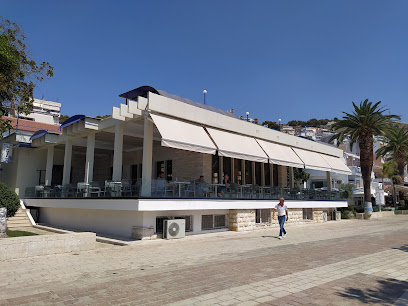
Church of the 40 Saints: A Historical Landmark in Sarandë
Explore the historic ruins of the 6th-century Church of the 40 Saints in Sarandë, offering stunning views and a glimpse into Albania's past.
The Church of the 40 Saints, dating back to the 6th century AD, is a ruined Eastern Orthodox monastery overlooking Sarandë. It was once a significant pilgrimage site in the Ionian Sea region and gave the city its name. Today, the remains offer a glimpse into Albania's rich religious history and stunning coastal views.
A brief summary to Church of the 40 Saints remains. (6th.C.ce. Basilica)
- V2CC+WMG, Sarandë, AL
Local tips
- Wear comfortable shoes as the path to the ruins involves some uphill walking on uneven terrain.
- Visit early in the morning or late in the afternoon to avoid the midday heat and enjoy the best lighting for photography.
- Bring water, especially during the summer months, as there are limited facilities on-site.
- Combine your visit with a trip to nearby Lëkurësi Castle for more panoramic views of Sarandë.

Getting There
-
Walking
From the center of Sarandë, head east, following the road that ascends towards the hill overlooking the city. The walk is approximately 1.5 kilometers and takes about 20-30 minutes. Look for signs directing you to the 'Church of the 40 Saints' or 'Manastiri i 40 Shenjtorëve'. The path can be steep and uneven in places, so wear comfortable shoes.
-
Public Transport
From the main bus station in Sarandë near Friendship Park, you can take a local bus heading towards the upper part of the city. Ask the driver to drop you off near the Church of the 40 Saints. From the drop-off point, it's a short uphill walk to the ruins. A single bus fare within Sarandë costs approximately 150 Lek.
-
Taxi
Taxis are readily available in Sarandë. You can hail one from the street or find them near the port or main squares. Ask for a ride to the 'Church of the 40 Saints' (Kisha e 40 Shenjtorëve). The ride from the city center should cost around 700-1800 Lek, depending on traffic and the exact location of your starting point. Always confirm the price with the driver before starting your journey. Ride-hailing apps like Patoko are also available.
Discover more about Church of the 40 Saints remains. (6th.C.ce. Basilica)
Iconic landmarks you can’t miss

Church of the 40 Saints remains. (6th.C.ce. Basilica)
0.0 km
Explore the ruins of a 6th-century Byzantine basilica, a historical pilgrimage site offering panoramic views of Sarandë and the Ionian coast.
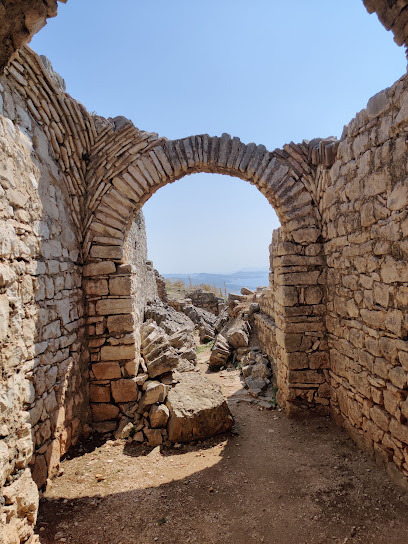
Mosque gjashte
0.3 km
Explore the serene Mosque Gjashte in Sarandë, Albania, a stunning architectural gem that embodies the country's rich Islamic heritage and tranquil atmosphere.
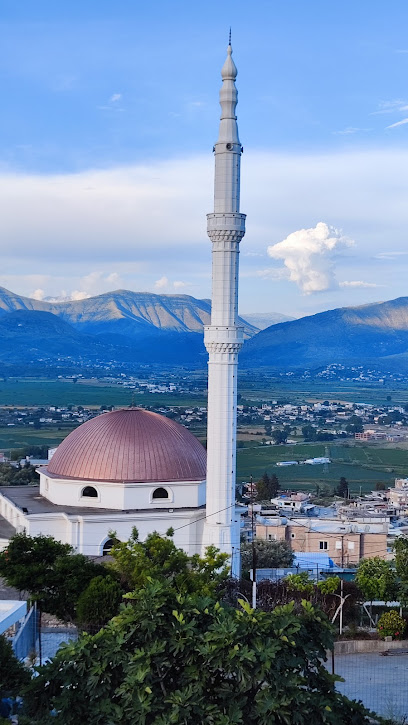
GEM Residence
0.5 km
Experience coastal comfort at GEM Residence in Sarandë, Albania. Modern villa with stunning views, perfect for exploring the Albanian Riviera.
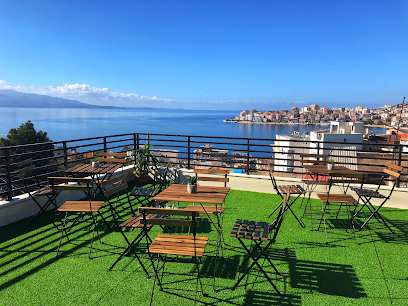
Olive Tree
0.5 km
Experience authentic Albanian cuisine with Mediterranean flavors at this family-run Sarandë restaurant, offering fresh seafood and a warm atmosphere.
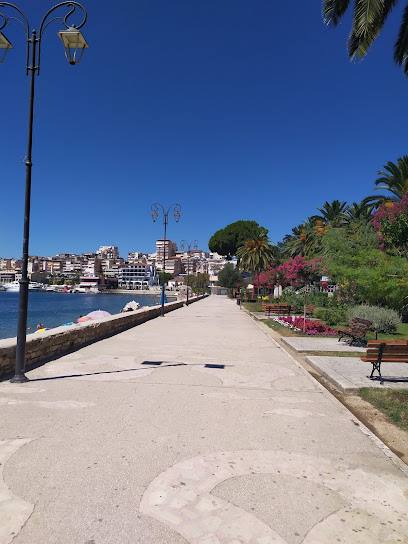
Shtepia e Totes Restaurant
0.5 km
Experience authentic Albanian cuisine with stunning coastal views at Shtepia e Totes Restaurant in Sarandë. Fresh seafood and savory meats await!
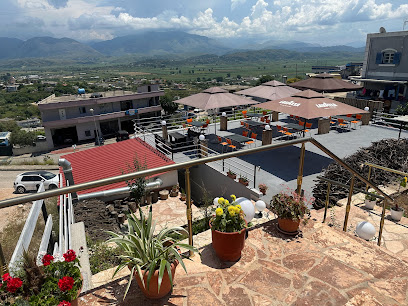
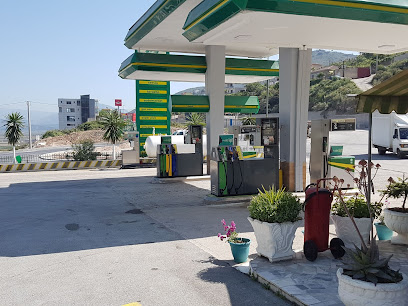
Vëllezërit Ismaili sh.p.k
0.6 km
Discover Vëllezërit Ismaili in Saranda, a unique gas station offering fuel, delicious snacks, electric vehicle charging, and a friendly atmosphere.
4 Elements Night Clubs ( Strip Club )
0.7 km
Discover the lively nightlife at 4 Elements Night Club in Saranda, where unforgettable performances and vibrant entertainment await every night.
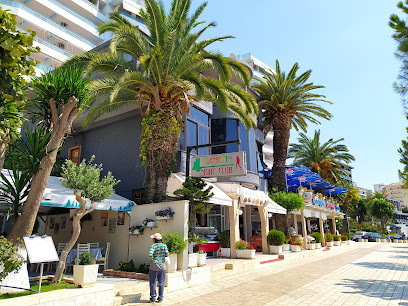
Orange Club Sarande
0.7 km
Experience vibrant nightlife on the Albanian Riviera at Orange Club Sarande, where music, dance, and seaside views create unforgettable nights.
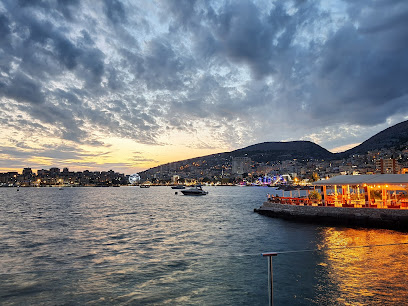
Hidden Bunker
0.8 km
Discover the Hidden Bunker in Sarandë, a historical landmark that unveils Albania's Cold War secrets against breathtaking coastal views.
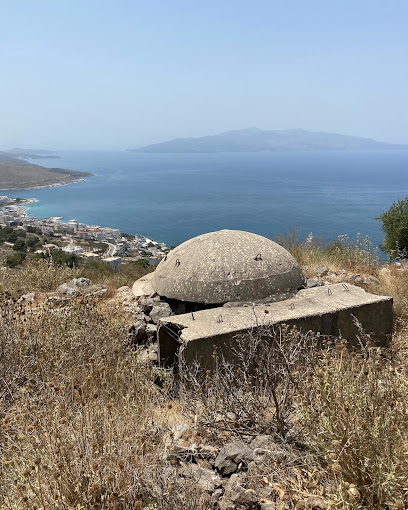
Lekursi Castle Restaurant
0.8 km
Dine amidst history at Lekursi Castle Restaurant in Sarandë, Albania, offering breathtaking views and traditional cuisine.
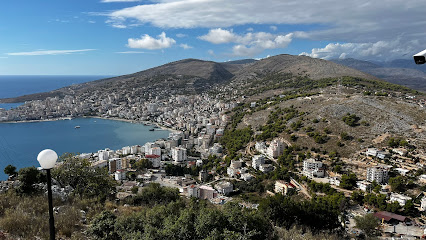
Central Boutique Hostel
0.8 km
Your cozy and convenient base for exploring the Albanian Riviera, steps from Sarandë's beaches and city center.
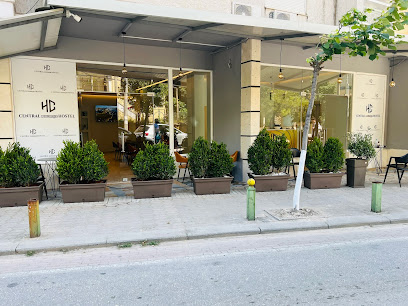
Juice Bar
0.9 km
Sarandë's Juice Bar: Freshly squeezed delights on the promenade. Enjoy healthy and delicious juices with stunning sea views.
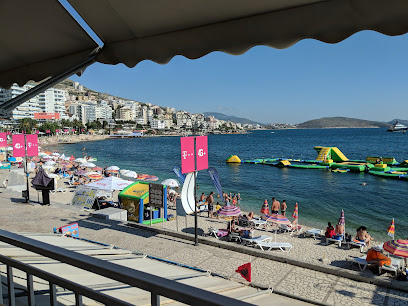
Boulevard 40
0.9 km
Experience Sarandë's vibrant nightlife at Boulevard 40, offering exquisite cocktails and a lively atmosphere on the popular Rruga Flamurit.
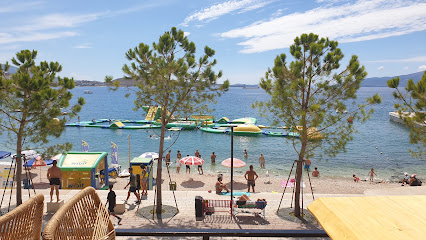
Mali i Lekuresit
0.9 km
Experience breathtaking panoramic views of Sarandë and the Ionian Sea from the historic Lekuresi Castle, a must-visit landmark in Albania.
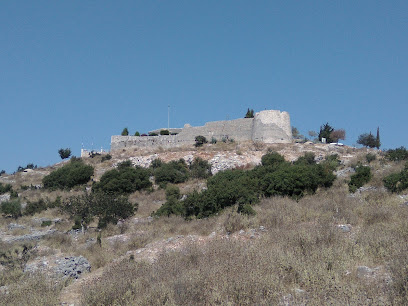
Jericho Cocktail Bar
0.9 km
Experience Sarandë's vibrant nightlife at Jericho Cocktail Bar, where expertly crafted cocktails meet stunning Ionian Sea views.
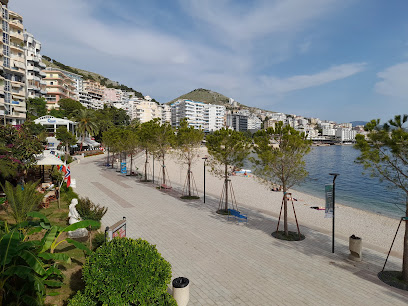
Unmissable attractions to see

Panoramic Viewpoint of Sarandë
0.8 km
Breathtaking panoramic views of Sarandë and the Albanian Riviera, perfect for sunset viewing and capturing stunning photos.
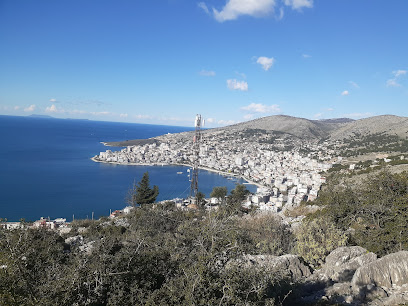
Kalaja e Lëkurësit
0.8 km
Explore the historical Kalaja e Lëkurësit in Sarandë, Albania, where breathtaking views and rich heritage await every traveler.
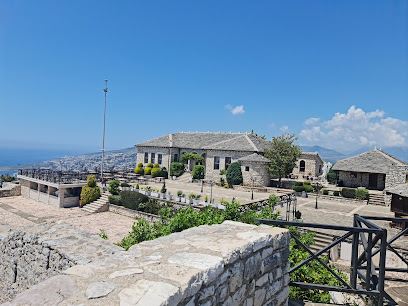
Saranda Municipality public beach
0.8 km
Experience the stunning coastline and vibrant atmosphere of Saranda Municipality Public Beach, a perfect blend of relaxation and adventure in Albania.
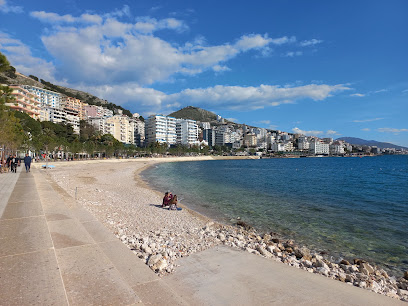
Saranda Experience
0.9 km
Explore the breathtaking beauty and vibrant culture of Saranda, Albania's jewel along the Ionian Sea, where adventure and relaxation await.
Saranda Embankment
1.0 km
Discover the beauty and vibrant culture of Saranda Embankment, a historical landmark along the breathtaking Albanian Riviera, perfect for leisurely strolls and local flavors.
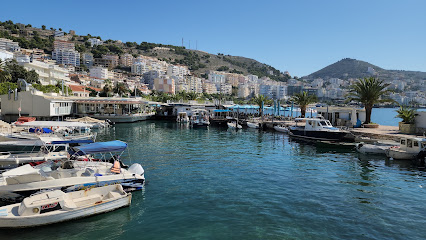
Saranda International Beach
1.0 km
Discover the vibrant charm of Saranda International Beach, where golden sands meet crystal-clear waters in a stunning coastal paradise.

Sarandë Bunker
1.0 km
Discover the Sarandë Bunker, a Cold War relic in Albania that reveals the secrets of the past amidst stunning coastal views.
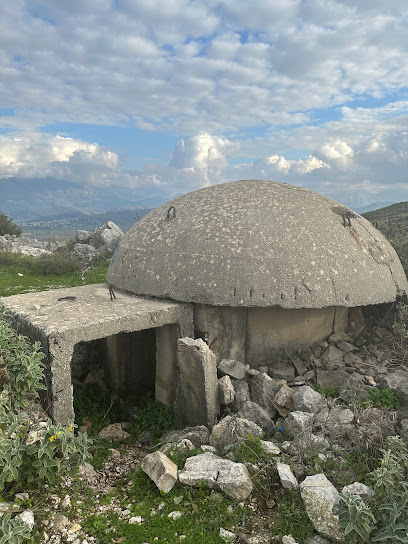
Sarandë Lighthouse
1.0 km
Explore the Sarandë Lighthouse, a stunning historical landmark offering breathtaking views and a deep connection to Albania's rich maritime heritage.
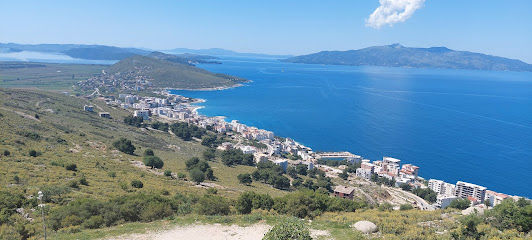
Viewpoint of Sarandë Beach
1.1 km
Experience breathtaking views and serene beauty at the Viewpoint of Sarandë Beach, a must-see destination for every traveler in Albania.
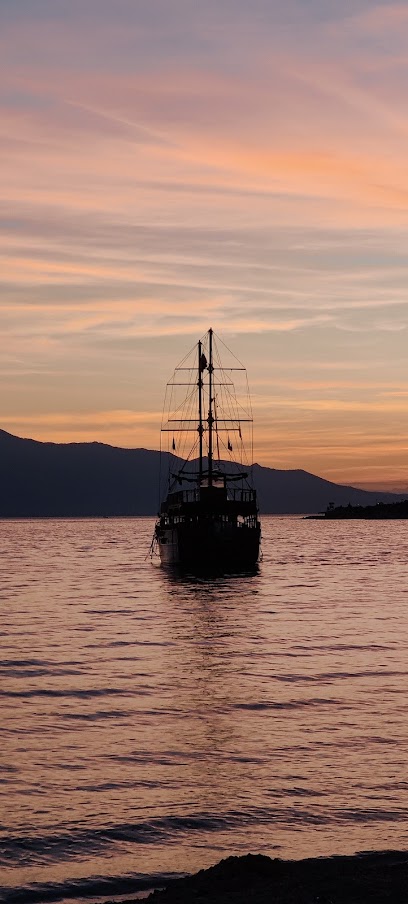
Krorëza Bay/ Boat trip & BBQ
1.1 km
Explore the stunning Krorëza Bay with unforgettable boat tours and delightful BBQs along the beautiful Albanian coastline.
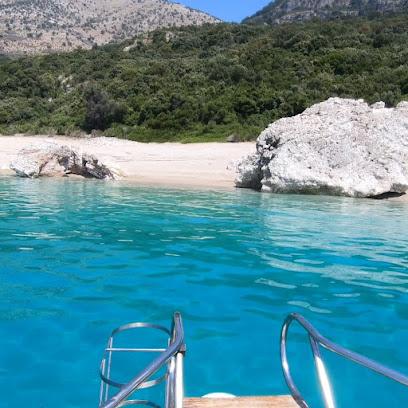
Museum Of Traditions
1.1 km
Discover the cultural richness of Albania at the Museum of Traditions in Sarandë, where history and heritage come alive in captivating exhibits.
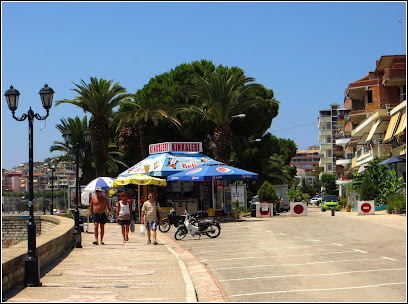
Museum of Archaeology
1.1 km
Explore the treasures of Albania's past at the Museum of Archaeology in Sarandë, where history comes alive through ancient artifacts and rich cultural displays.
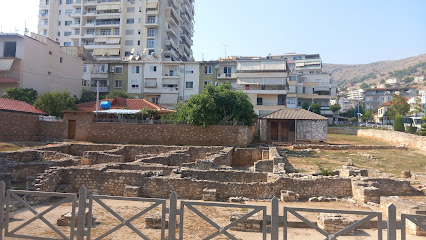
Saranda Marina
1.1 km
Experience the vibrant charm of Saranda Marina on the stunning Albanian Riviera, where adventure meets relaxation amidst breathtaking sea views.
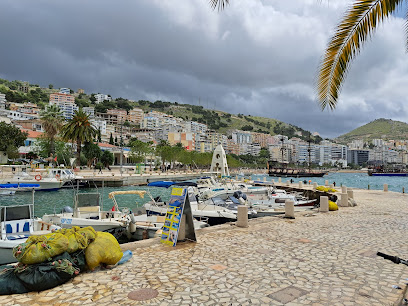
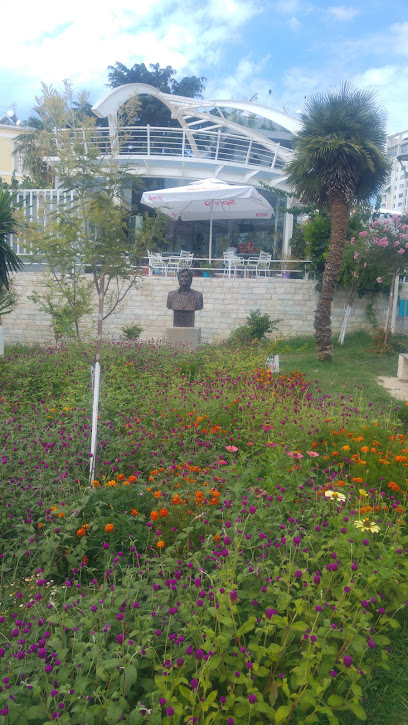
Statue of Hillary Clinton
1.2 km
A tribute to Hillary Clinton in Sarandë, Albania, symbolizing the enduring friendship between Albania and the United States.
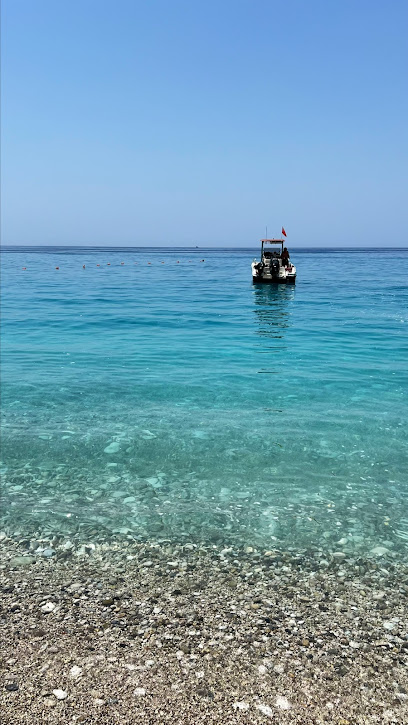
Master boat's tours
1.2 km
Explore the breathtaking Albanian Riviera with Master Boat Tours, offering unforgettable boat trips and adventures along Saranda's stunning coastline.
Essential places to dine

Hera Restaurant
0.6 km
Discover exquisite Albanian cuisine at Hera Restaurant in Saranda with stunning sea views and a delightful atmosphere.
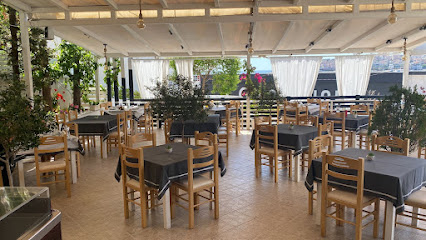
NÀM Restaurant
0.7 km
Discover the exquisite taste of Albanian cuisine at NÀM Restaurant in Sarandë - where every meal is a celebration of flavor and culture.
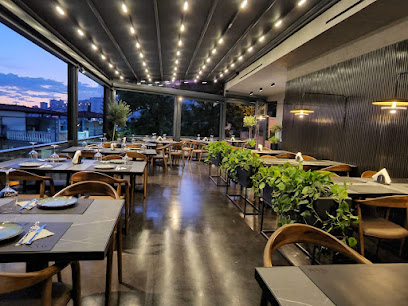
Tropical Restaurant
0.7 km
Discover the flavors of Albania at Tropical Restaurant in Sarandë – where tradition meets culinary excellence.
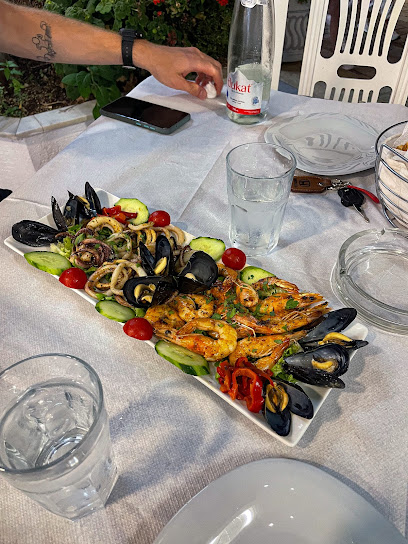
Summer Restaurant
0.7 km
Experience the vibrant flavors of Albanian cuisine at Summer Restaurant in Sarandë, where stunning sea views meet exceptional dining.
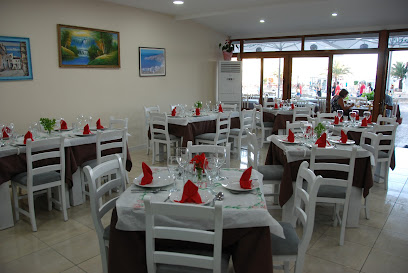
Trumeza
0.7 km
Discover authentic Albanian cuisine at Trumeza in Sarandë – where every dish tells a story.
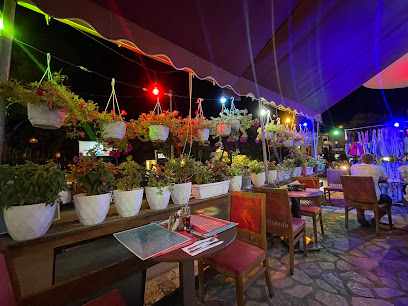
Restaurant La Petite
0.7 km
Discover authentic Albanian cuisine at Restaurant La Petite in Sarandë - where every dish tells a story of tradition and flavor.
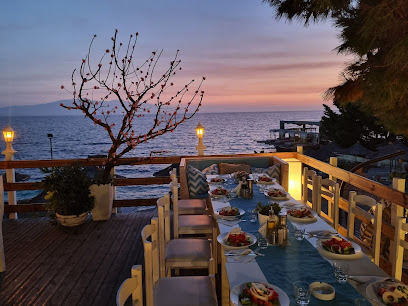
Boulevard '90 Restaurant
0.7 km
Experience authentic Italian cuisine with stunning sea views at Boulevard '90 Restaurant in Sarandë, Albania.
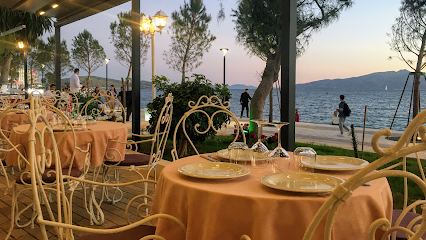
Escape Resto Lounge
0.7 km
Discover culinary bliss at Escape Resto Lounge in Sarandë—where local flavors meet breathtaking coastal views.
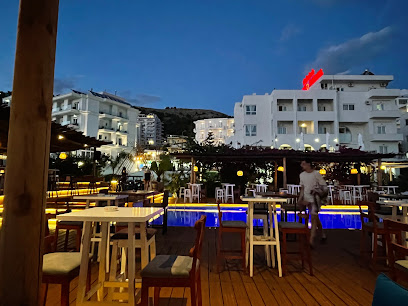
Haxhi
0.8 km
Experience authentic Albanian cuisine at Haxhi in Saranda – where delicious flavors meet stunning coastal views.
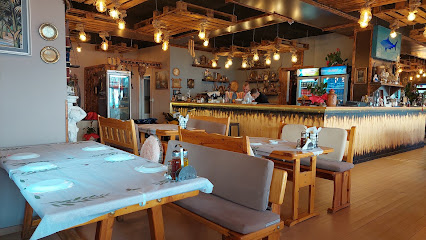
Centrali
0.8 km
Experience authentic Mediterranean cuisine and vibrant cocktails at Centrali in Sarandë, where every meal is a celebration by the sea.
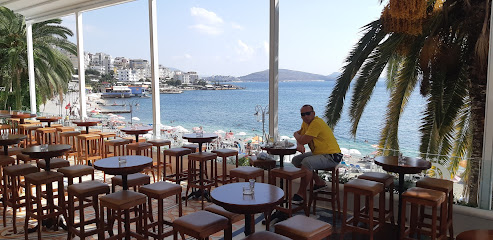
Arja's Fish Restaurant
0.8 km
Experience fresh seafood delights at Arja's Fish Restaurant in Saranda - a culinary treasure on Albania's stunning coastline.
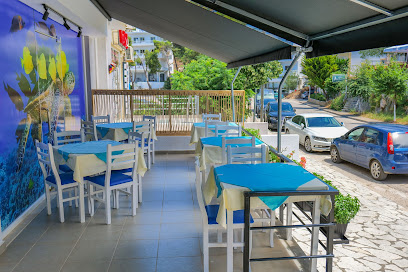
Balcony Restaurant
0.9 km
Discover exquisite Albanian cuisine with stunning sea views at Balcony Restaurant in Saranda.
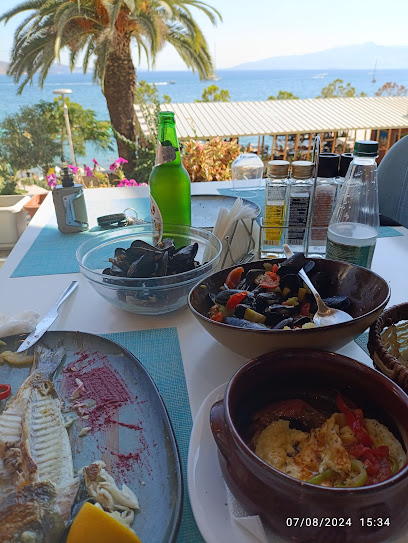
SIROCCO GASTRO BAR
0.9 km
Experience modern Albanian cuisine at Sirocco Gastro Bar in Sarandë, where every dish tells a story and every bite is a delight.
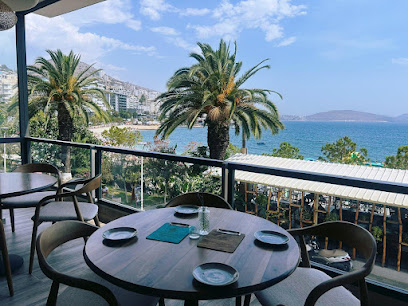
Marini
0.9 km
Experience authentic Albanian seafood at Marini in Sarandë - where fresh flavors meet stunning sea views.
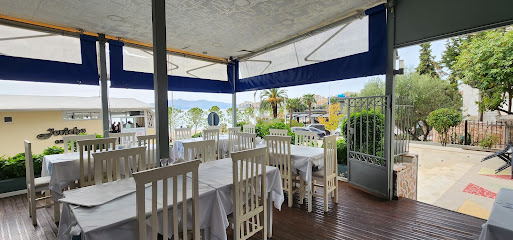
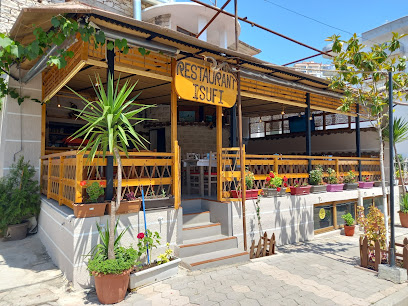
Restaurant Isufi
1.0 km
Experience authentic Albanian cuisine at Restaurant Isufi in Sarande - where every dish tells a story and every meal is an adventure.
Markets, malls and hidden boutiques

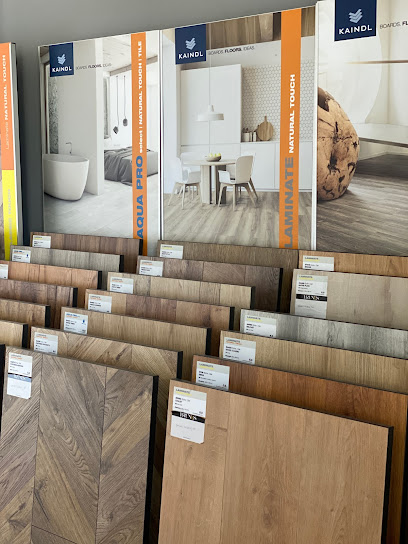
Brunes Sarandë
0.4 km
Discover Brunes Sarandë, the ultimate destination for exquisite tiles, stylish furniture, and comfortable mattresses in the heart of Albania's Sarandë.
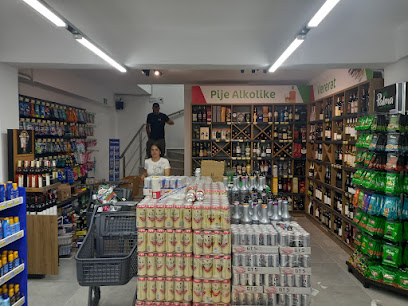
Your Market
0.6 km
Discover local flavors and essentials at Your Market, the vibrant supermarket in Sarandë, Albania, perfect for tourists looking for quality products.
Supermarket Malka
0.6 km
Explore Supermarket Malka in Sarandë for fresh produce, local delights, and a taste of Albanian hospitality.
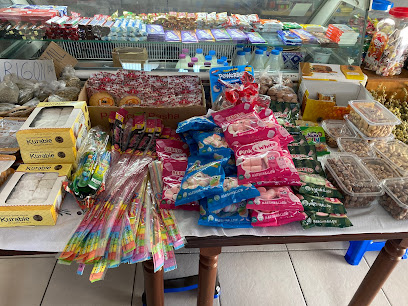
Family Market
0.6 km
Explore the vibrant Family Market in Sarandë, where fresh local produce meets authentic Albanian culture in a delightful shopping experience.
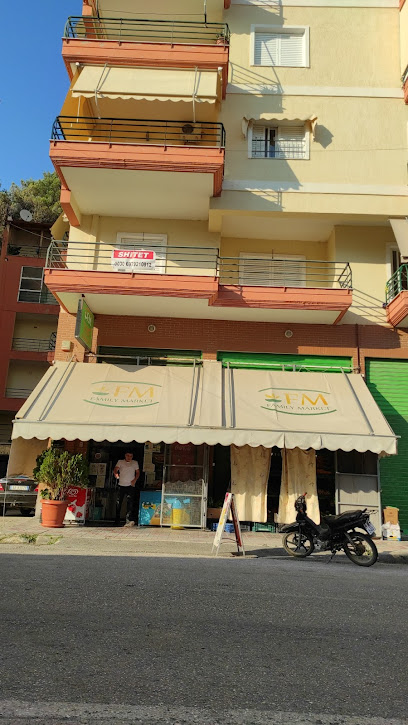
Big Market
0.6 km
Explore local flavors and essentials at Big Market, Sarandë’s largest supermarket, perfect for tourists seeking convenience and culinary delights.
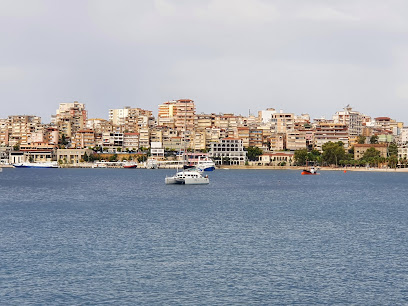
Central Shop Sarandë
0.6 km
Explore Central Shop Sarandë for all your building materials needs in the heart of Albania's stunning coastal town.
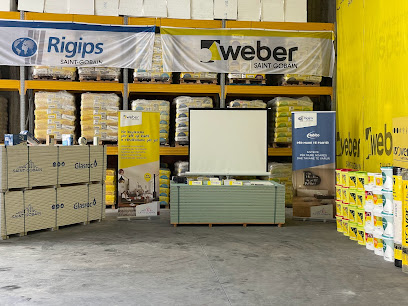
Georgia’s Boutique
0.7 km
Uncover the essence of Albanian fashion at Georgia’s Boutique in Sarandë, a treasure trove of unique clothing and accessories.
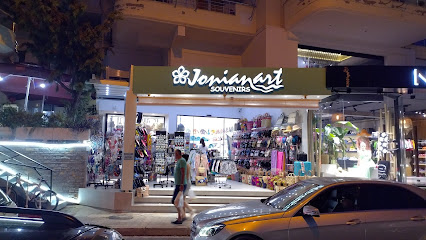
Supermarket Ocean, Tani i Dritës
0.7 km
Explore the flavors of Albania at Supermarket Ocean in Sarandë, a vibrant grocery store offering fresh produce and local specialties.
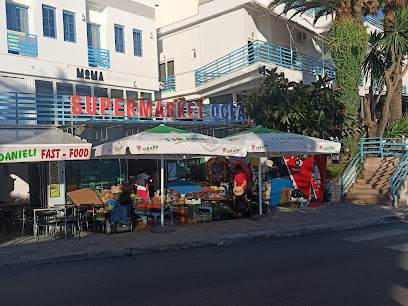
Market Joni
0.7 km
Explore the flavors of Sarandë at Market Joni, your local supermarket for fresh produce and authentic Albanian delicacies.
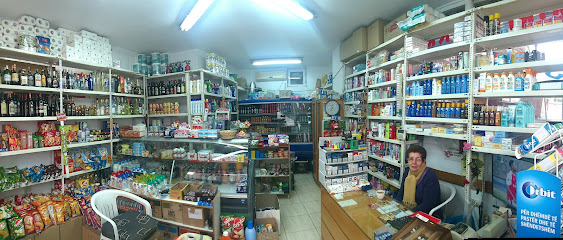
Bloomys Boutique 2
0.7 km
Discover unique local treasures at Bloomys Boutique 2 in Saranda, Albania. Shop stylish apparel, handcrafted accessories, and more in a charming setting.
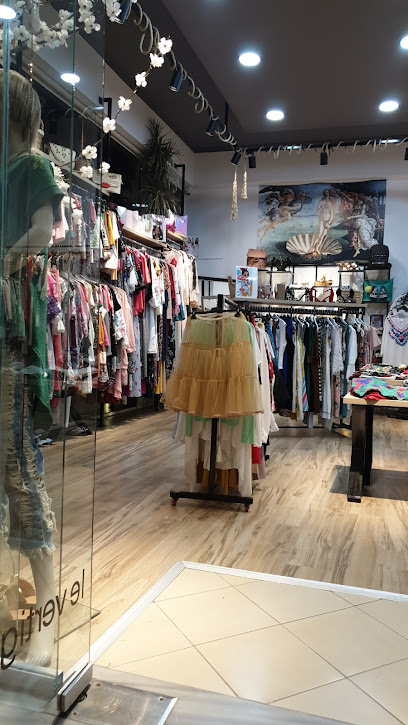
market
0.7 km
Experience the local culture and flavors at Sarandë's vibrant market, a must-visit for tourists seeking authentic Albanian goods.
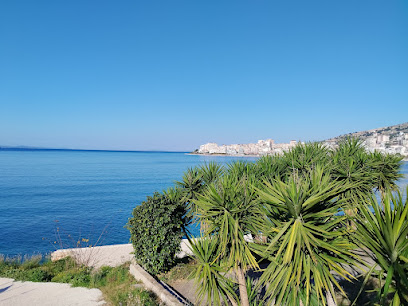
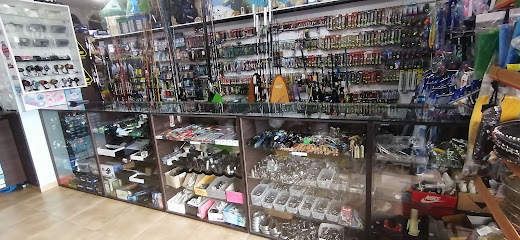
Fishing Shop Gjoka, Pajisje Peshkimi
0.7 km
Discover a fisherman's haven at Fishing Shop Gjoka in Sarandë, Albania, with top-quality gear and expert advice for all fishing enthusiasts.
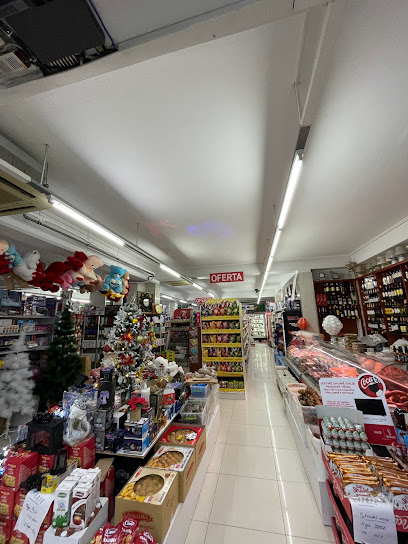
Gjinika Supermarket
0.8 km
Explore diverse groceries and local products at Gjinika Supermarket, your essential shopping destination in Sarandë, Albania.
OZONE electronics
0.8 km
Explore the latest gadgets at OZONE Electronics in Sarandë, Albania, your go-to destination for all things tech during your travels.
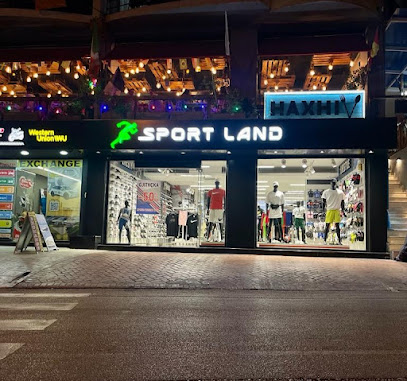
Sport Land Albania
0.8 km
Explore Sport Land Albania in Sarandë for top-notch sportswear and a unique shopping experience in the heart of the Albanian Riviera.
Essential bars & hidden hideouts

Wine Bar Kristiano
0.4 km
Experience the rich flavors of Albanian wines at Wine Bar Kristiano, a cozy retreat in Sarandë, perfect for wine lovers and casual tourists alike.
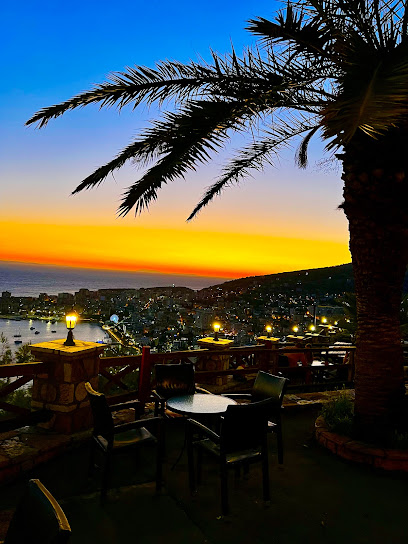
The Dick & Devil’s Pub
0.7 km
Discover a vibrant pub in Sarandë offering local drinks, hearty meals, and an inviting atmosphere perfect for travelers.
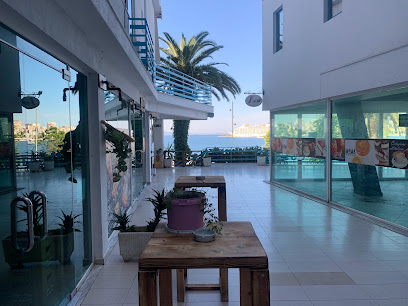
Sweet Liberty Sarande
0.7 km
Experience the vibrant nightlife at Sweet Liberty Sarande, where expertly crafted cocktails meet a lively atmosphere on the stunning Albanian coast.
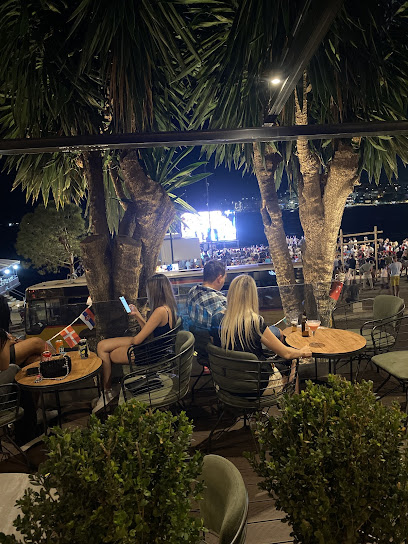
City Lounge
0.7 km
Discover the vibrant cocktail scene at City Lounge in Sarandë, offering exquisite drinks and breathtaking views in a chic setting.
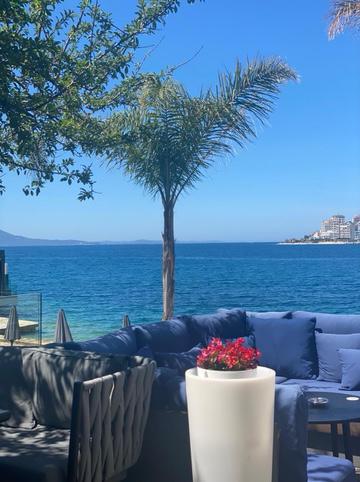
Bon Vivant
0.7 km
Experience the vibrant cocktail culture of Sarandë at Bon Vivant, where every sip invites relaxation and enjoyment.
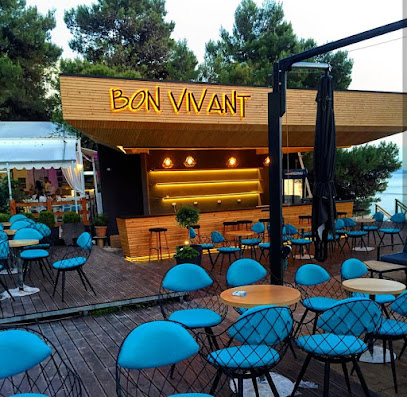
Crystal Island
0.8 km
Discover the vibrant ambiance of Crystal Island, a premier bar in Sarandë, offering stunning sea views and refreshing cocktails in a lively setting.
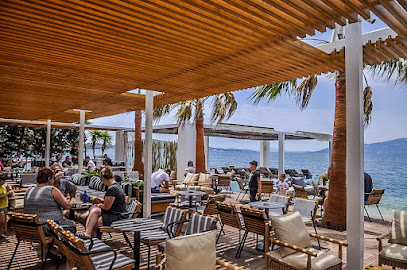
View bar terrace
0.9 km
Experience breathtaking views of the Ionian Sea at Sarandë's premier bar terrace, perfect for relaxation and enjoyment.
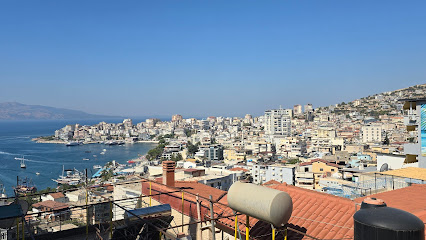
Noname Bar
0.9 km
Discover the vibrant Noname Bar in Sarandë, where stunning views meet a lively atmosphere and an extensive drink menu.
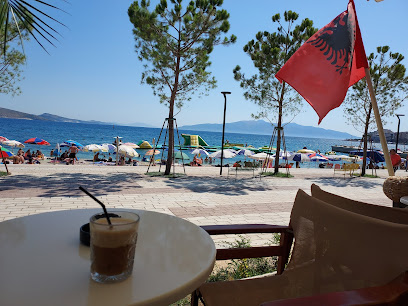
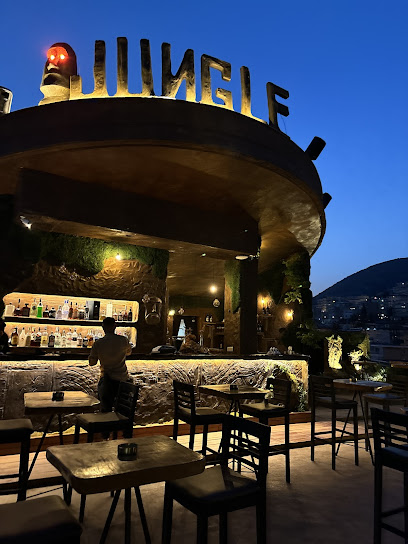
Jungle Lounge
0.9 km
Discover the vibrant Jungle Lounge in Saranda, where exotic cocktails and a lively atmosphere create an unforgettable nightlife experience.
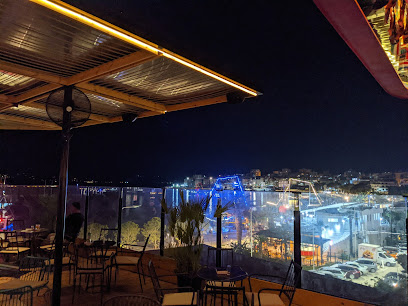
Hou Nalu
0.9 km
Experience the vibrant nightlife of Sarandë at Hou Nalu, where unique cocktails and stunning sea views await.
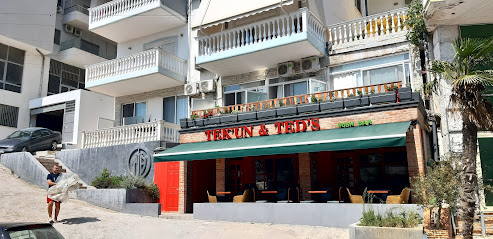
Tek'Un & Ted's Bar
1.0 km
Discover the vibrant atmosphere and authentic Irish pub experience at Tek'Un & Ted's Bar in Sarandë, where delicious food and great drinks await.
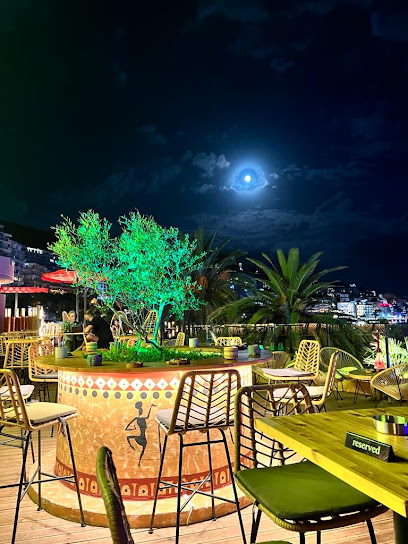
Hojza Lounge Terrace
1.0 km
Experience the allure of Hojza Lounge Terrace in Saranda, Albania, where stunning sea views and exquisite cocktails await every visitor.
Veranda e Zanave
1.0 km
Discover the vibrant atmosphere and breathtaking views at Veranda e Zanave, a must-visit bar in Sarandë, Albania, where relaxation meets enjoyment.
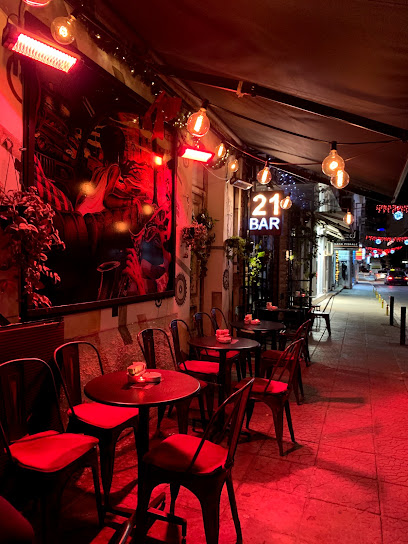
21 Bar
1.0 km
Experience the essence of Sarandë's nightlife at 21 Bar, where expertly crafted cocktails meet stunning coastal views for an unforgettable evening.
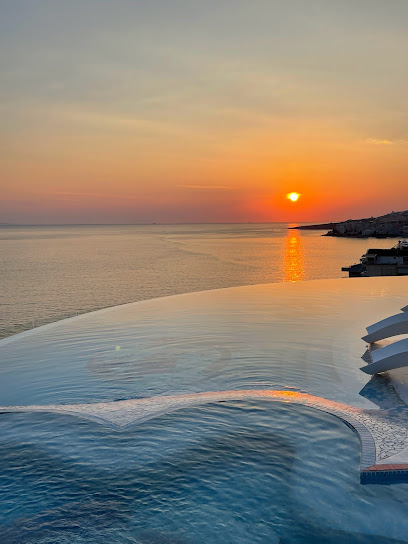
Bar Riviera
1.1 km
Experience the vibrant atmosphere and stunning sea views at Bar Riviera, Sarandë's premier bar for relaxation and enjoyment.