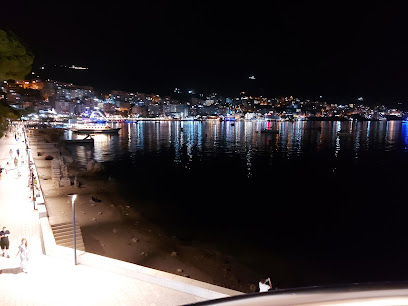
Archaeological Park of Antigonea: A City of Love and History
Discover Antigonea: Albania's ancient city of love and history, offering stunning ruins and panoramic views of the Drino Valley.
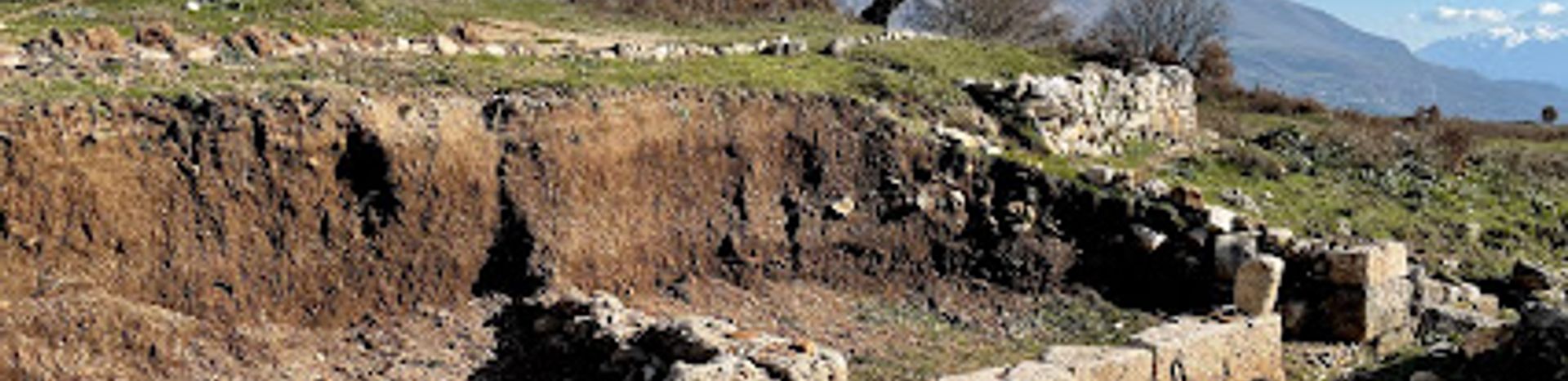
Explore the ruins of Antigonea, an ancient city in Albania founded in 295 BC by King Pyrrhus of Epirus, named after his wife Antigone. Discover Hellenistic-era remains, including city walls, streets, and an early Christian basilica, set against the backdrop of the Drino Valley.
A brief summary to Archaeological Park of Antigonea
- Gjirokastër, 6017, AL
Local tips
- Wear comfortable shoes, as the terrain is uneven and requires walking.
- Bring water and snacks, as there are limited facilities within the park.
- Visit early in the morning or late in the afternoon to avoid heat and crowds.
- Bring sunscreen, especially during the summer months.

Getting There
-
Car
From Gjirokastër city center, head east following signs for the Archaeological Park of Antigonea. The drive is approximately 14 km and takes about 30 minutes. The road is paved and in good condition. Parking is available at the entrance. There are no tolls on this route.
-
Public Transport
From Gjirokastër's main square (Sheshi i Çamerisë), take a local bus or minibus towards the village of Antigonea. Buses are available near the main square. The ride is about 15-20 minutes. Ask the driver to drop you off at the stop for Antigonea. From there, follow the signs to the Archaeological Park, a 10-minute walk. A single bus fare costs approximately 50 ALL.
Discover more about Archaeological Park of Antigonea
Iconic landmarks you can’t miss

Guest house Argjiro Castle
6.7 km
Experience authentic Albanian hospitality in the heart of Gjirokastër, steps away from the iconic castle and historic Old Town.
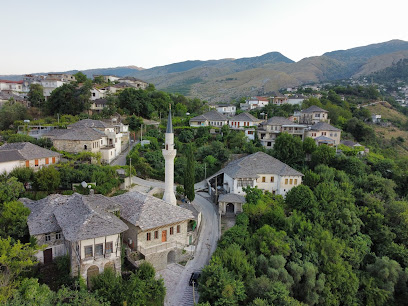
Shën Sotirit / Saint Sotiri
6.8 km
Discover Shën Sotirit, a serene Orthodox church in Gjirokastër, showcasing Albania's religious art, architecture, and cultural heritage.
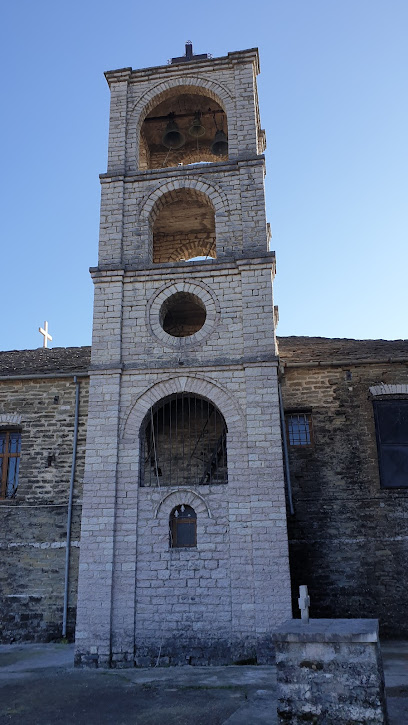
The Old Town Clock
6.9 km
Discover the historic charm of Gjirokastër at the Old Town Clock, offering stunning views and a glimpse into Albania's rich heritage.
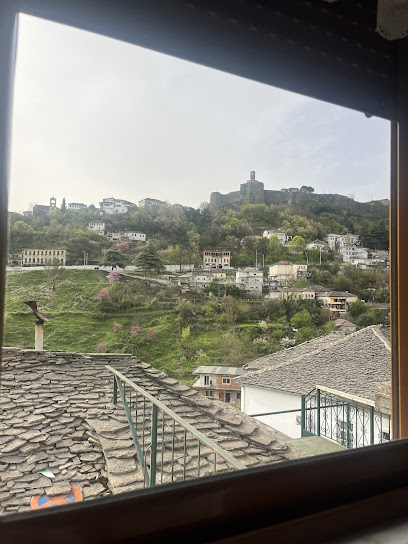
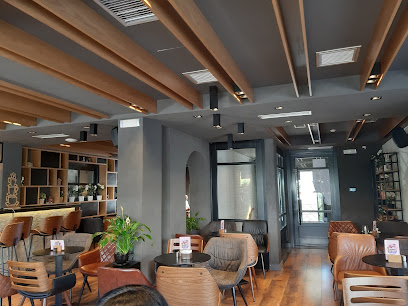
Caramel Cafe Lounge
7.0 km
Discover the vibrant Caramel Cafe Lounge in Gjirokaster, where local flavors meet modern ambiance for an unforgettable dining experience.
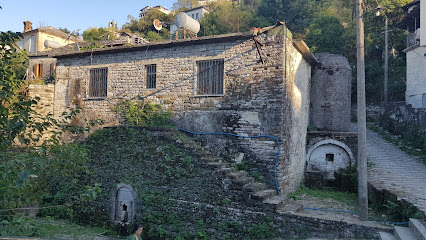
Ruins of the Meçite
7.0 km
Discover the captivating history and stunning landscapes at the Ruins of the Meçite in Gjirokaster, Albania—a hidden gem for adventurous travelers.
Tourist Information Center
7.1 km
Your gateway to exploring Gjirokastër, a UNESCO World Heritage city. Get maps, tips, and insights for an unforgettable Albanian adventure.
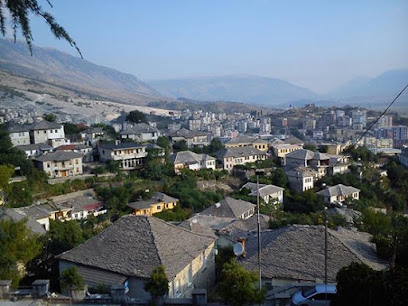
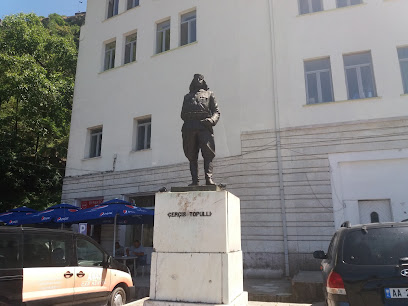
Çerçiz Topulli Square
7.1 km
Experience the vibrant culture and rich history at Çerçiz Topulli Square in Gjirokaster, a must-visit for travelers seeking authentic Albanian charm.
Taverna Te Sabriu
7.1 km
Experience authentic Albanian cuisine in a charming setting at Taverna Te Sabriu, Gjirokastër. Fresh, local ingredients and traditional recipes await!
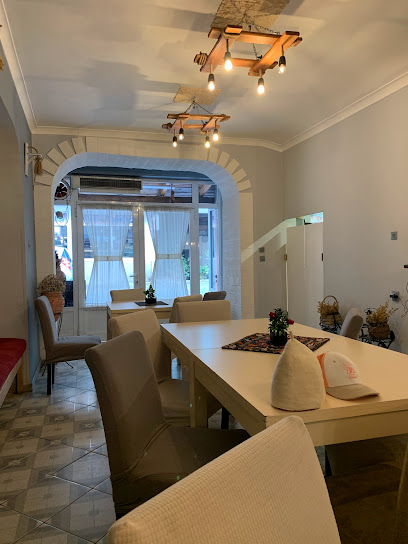
Corner of Bazaar
7.1 km
Experience authentic Albanian cuisine in a cozy setting at Corner of Bazaar, nestled in Gjirokastra's historic Old Bazaar.
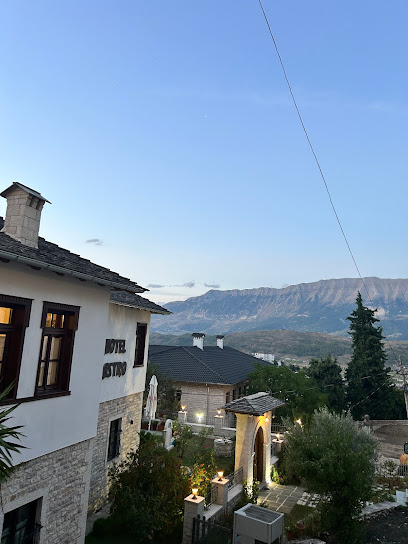
Stone City Hostel
7.1 km
Experience the heart of Gjirokastra at Stone City Hostel, where comfort meets local culture in a charming Albanian setting.
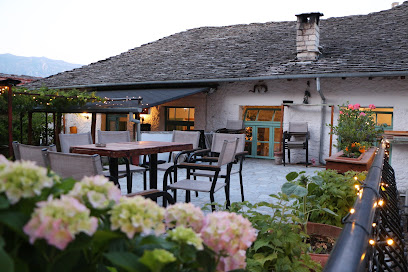
Hotel Kastro
7.1 km
Experience authentic Albanian hospitality in the heart of Gjirokastër at Hotel Kastro, offering comfort, convenience, and a prime location.

Gjirokastër
7.2 km
Discover Gjirokastër, Albania's 'City of Stone': a UNESCO site with Ottoman architecture, a historic castle, and rich cultural heritage.
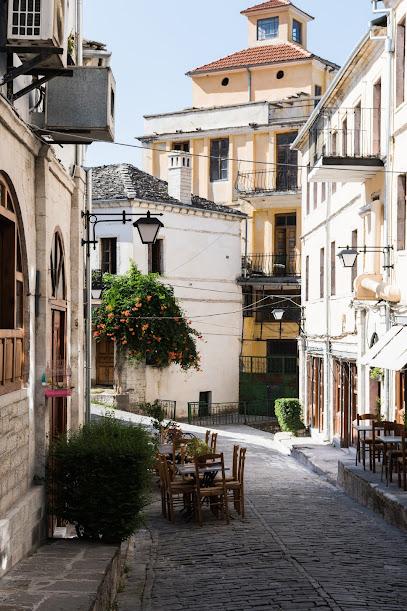
Bukowksi Bar Gjirokaster
7.2 km
Discover Bukowski Bar in Gjirokaster, where local charm meets vibrant nightlife in a cozy, artistic setting perfect for relaxation and socializing.
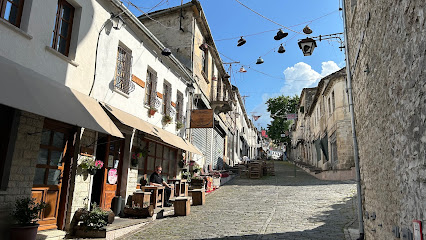
Mapo Restaurant
7.2 km
Experience authentic Albanian cuisine with a modern twist at Mapo Restaurant in Gjirokastra's charming old town. Open daily from 8 AM to 10 PM.
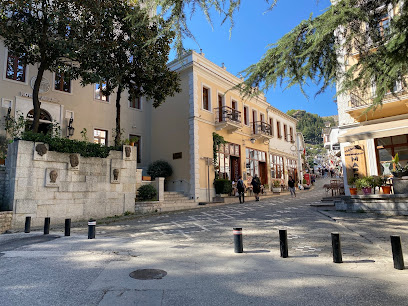
Hotel Bebej Tradicional
7.2 km
Experience authentic Albanian hospitality in the heart of Gjirokastër at Hotel Bebej Tradicional. Comfort and tradition await!
Unmissable attractions to see

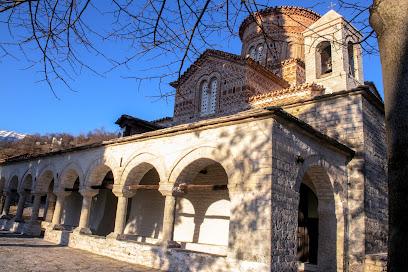
St. Paraskevi's Church
3.4 km
Explore the architectural beauty and serene atmosphere of St. Paraskevi's Church, a gem in Suhë, Albania, steeped in rich cultural heritage.
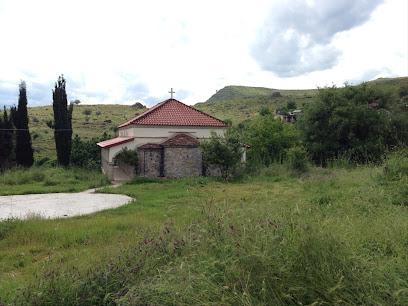
St Mary Church
6.0 km
Experience the rich history of St. Mary Church in Labovë e Poshtme, one of Albania's oldest Greek Orthodox churches, surrounded by stunning landscapes.
Kulla e Sahatit
7.0 km
Discover Gjirokastër's iconic Clock Tower: panoramic views, rich history, and a glimpse into Albania's cultural heritage in a UNESCO World Heritage city.
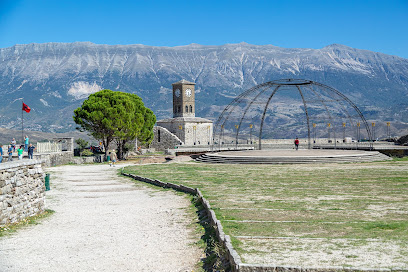
Skena e Festivalit Folklorik Gjirokastër
7.0 km
Experience Albania's vibrant cultural heritage at the Stage of the Folkloric Festival in Gjirokastër, a UNESCO World Heritage city.
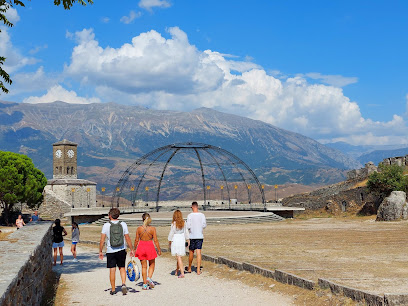
The cold war tunnel
7.0 km
Explore Gjirokastër's Cold War Tunnel: A subterranean journey into Albania's communist past, revealing secrets of a paranoid era.
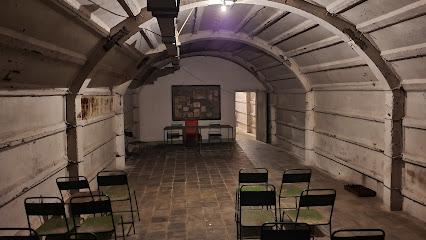
Tunel
7.1 km
Explore Gjirokastra's Cold War Tunnel: An underground glimpse into Albania's communist past and Enver Hoxha's paranoia.
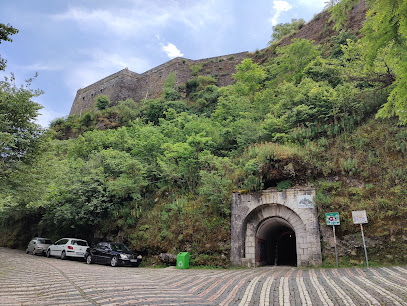
Muzeu i Armëve
7.1 km
Explore the rich military history of Albania at the Museum of Arms in Gjirokaster, showcasing a remarkable collection of artifacts and weaponry.
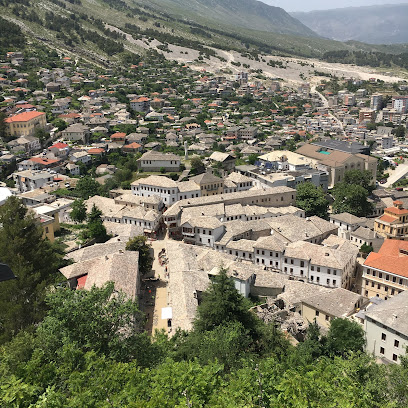
Gjirokastër Museum
7.2 km
Explore Albania's rich history and cultural heritage at the Gjirokastër Museum, nestled within the historic Gjirokastër Castle.
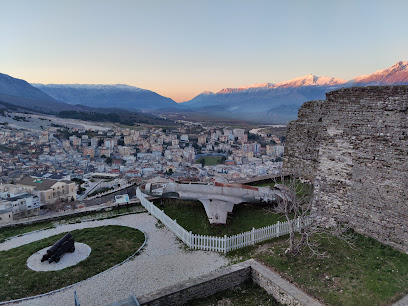
Nostagia Tunnel
7.2 km
Step back in time at Gjirokaster's Nostalgia Tunnel, an immersive museum showcasing the city's rich history and cultural heritage.
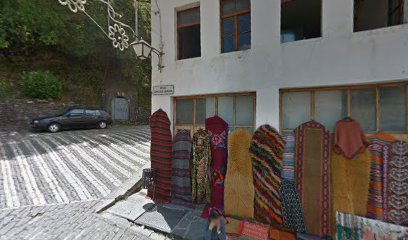
Castle of Gjirokastra
7.2 km
Explore the imposing Castle of Gjirokastra, a Balkan fortress with centuries of Albanian history, museums, and panoramic views of the Drino Valley.
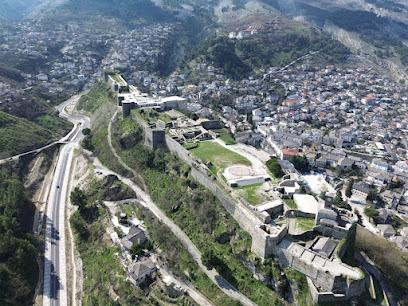
Qafa e Pazarit
7.2 km
Explore Qafa e Pazarit in Gjirokastra: a vibrant historical landmark with artisan shops, Ottoman architecture, and authentic Albanian culture.
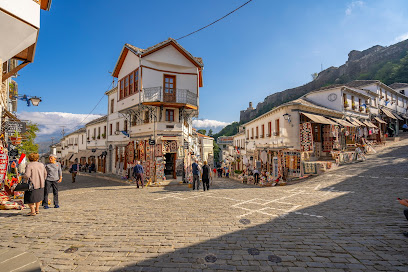
Caravan Horse Riding Albania
7.3 km
Experience the Albanian countryside like never before with guided horseback tours through the stunning landscapes of Gjirokaster.
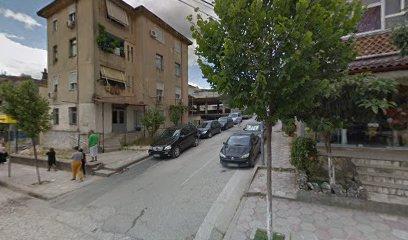
View point
7.4 km
Experience breathtaking panoramic views of Gjirokaster's unique Ottoman architecture and rich history from this must-see vantage point.
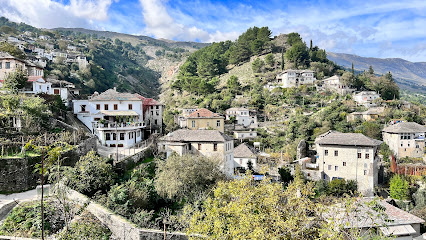
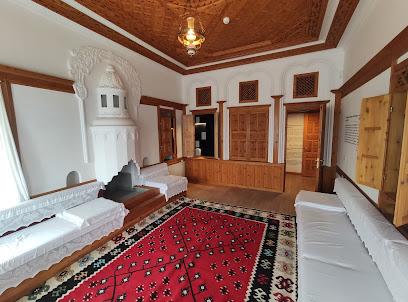
Ismail Kadare's House
7.4 km
Explore the childhood home of Albania's celebrated author, Ismail Kadare, and delve into the world of 'Chronicle in Stone' in Gjirokastër.
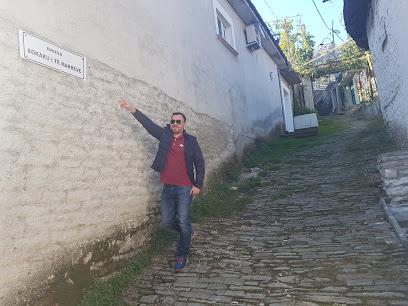
Rruga Sokaku i te Mareve
7.4 km
Explore Gjirokastër, Albania's historic jewel, renowned for its stunning Ottoman architecture, rich culture, and breathtaking mountain scenery.
Essential places to dine

Traditional Restaurant Nga Shtepia (Homemade food)
6.3 km
Experience authentic Albanian cuisine at Traditional Restaurant Nga Shtepia in Gjirokaster - where tradition meets taste.
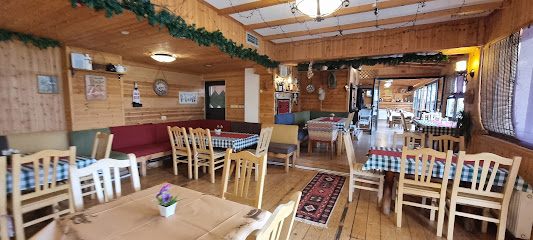
Bar Restorant Gjirokaster Rrapi
6.3 km
Discover the authentic flavors of Albania at Bar Restorant Gjirokaster Rrapi, where every meal tells a story of tradition and taste.
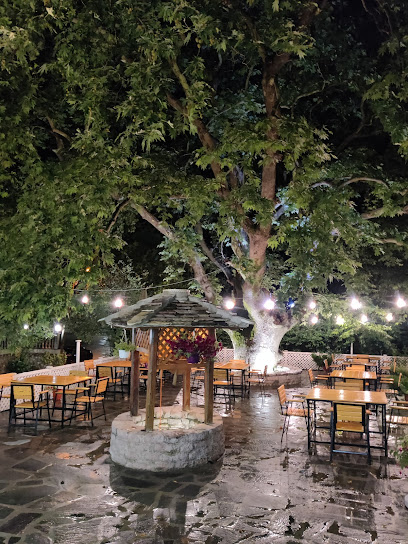
Te Zgara
6.7 km
Discover authentic Albanian grilled delights at Te Zgara in Gjirokaster - where every meal tells a story.
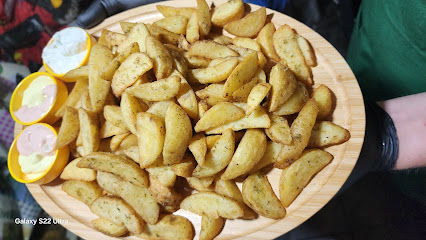
Restorant Tradita
6.7 km
Discover authentic Albanian flavors at Restorant Tradita in Gjirokaster—where tradition meets taste in a charming setting.
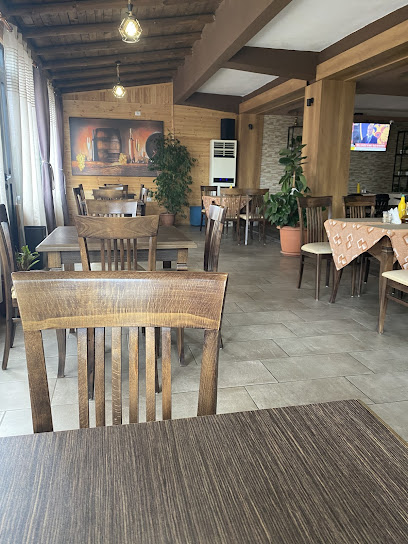
Veranda Clockwise
6.8 km
Discover authentic Albanian grill cuisine at Veranda Clockwise in Gjirokaster - a culinary experience blending taste with stunning views.
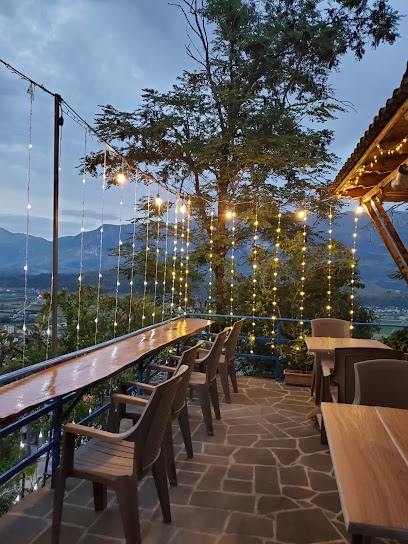
Mega Mania
6.8 km
Discover Mega Mania in Gjirokaster - where fast food meets local flavors in a vibrant setting perfect for travelers.
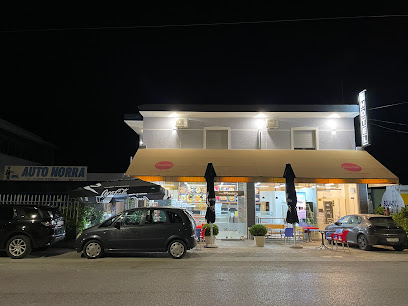
Pizza Me Gusta
6.8 km
Experience delicious pizzas and authentic Albanian flavors at Pizza Me Gusta in Gjirokaster.
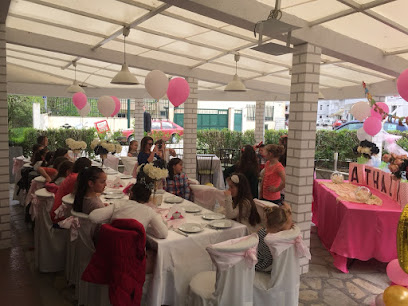
Restaurant-Hotel Kolla
7.0 km
Experience authentic Albanian cuisine and warm hospitality at Restaurant-Hotel Kolla in beautiful Gjirokaster.
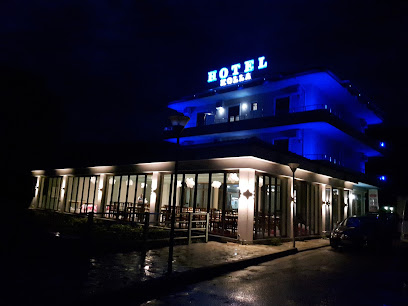
Taverna Tradicionale Sokolli
7.0 km
Experience authentic Albanian cuisine at Taverna Tradicionale Sokolli in Gjirokaster - where tradition meets taste!
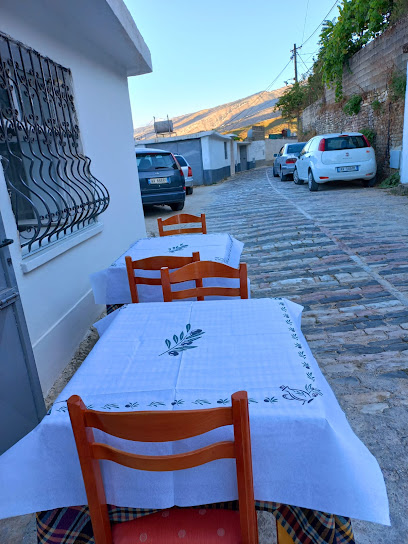
Restaurant Gold
7.1 km
Discover authentic Albanian cuisine at Restaurant Gold in Gjirokaster – where every dish tells a story.
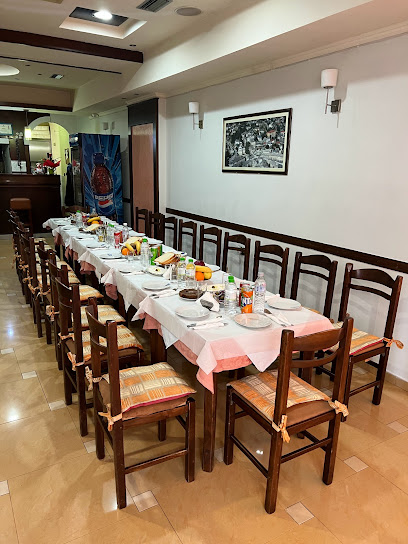
Restaurant Çajupi
7.1 km
Experience authentic Albanian cuisine at Restaurant Çajupi in Gjirokaster - where tradition meets taste.
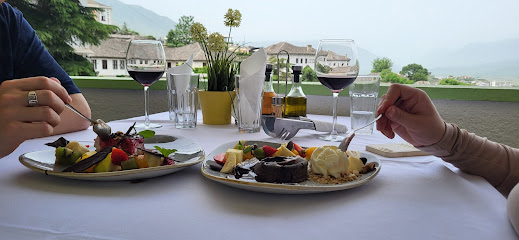
Restaurant "The Park"
7.1 km
Experience authentic Albanian cuisine with stunning views at Restaurant 'The Park' in Gjirokastra.
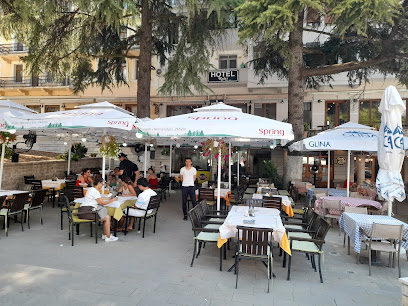
Sofra Bar Restaurant
7.2 km
Experience authentic Albanian flavors at Sofra Bar Restaurant in Gjirokaster - where tradition meets hospitality.
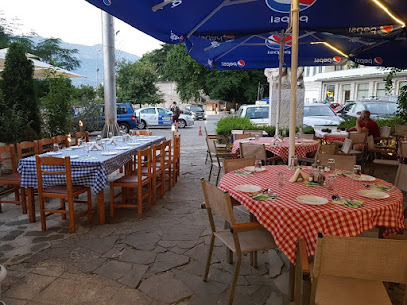
Taverna Labëria
7.2 km
Discover the authentic flavors of Albania at Taverna Labëria in Gjirokaster - where tradition meets taste.
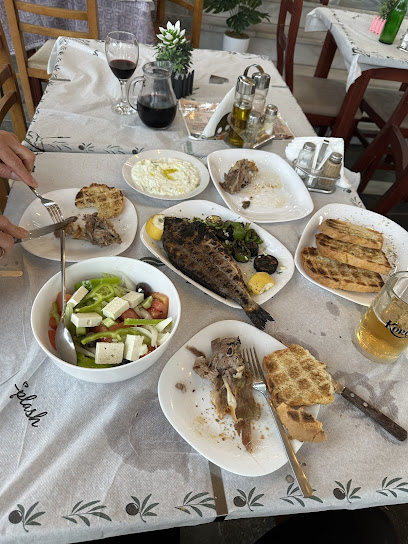
Bon Appetit
7.2 km
Experience authentic Albanian cuisine at Bon Appetit in Gjirokaster - where tradition meets flavor in every dish.
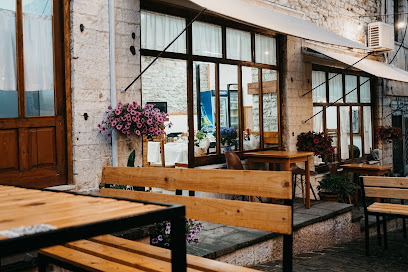
Markets, malls and hidden boutiques

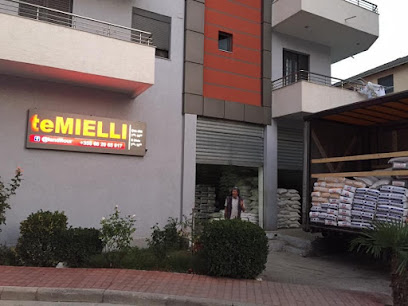
teMIELLI
6.3 km
Explore teMIELLI in Gjirokaster for unique local products and a taste of Albanian culture in a charming general store setting.
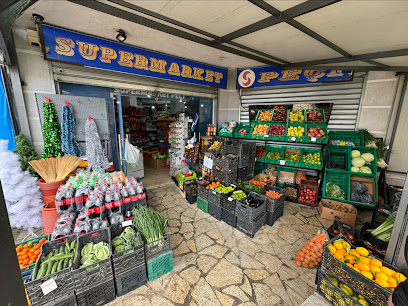
Super Market Peci 1
6.5 km
Explore Super Market Peci 1 in Gjirokaster for a taste of local flavors, fresh produce, and an authentic Albanian shopping experience.
Supermarket Aldi
6.5 km
Discover local flavors and essentials at Supermarket Aldi in Gjirokastër, Albania – your go-to spot for budget-friendly shopping.
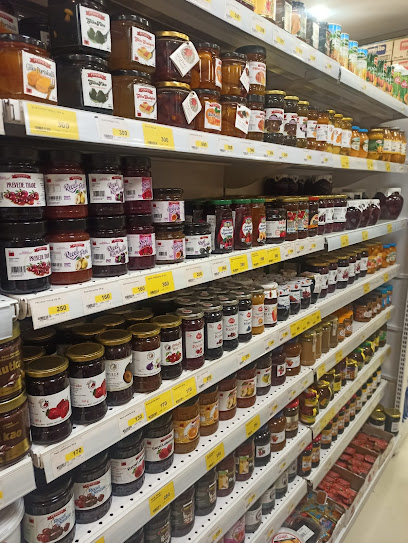
Kioskë 24h
6.6 km
Discover Gjirokaster's vibrant culture at Kioskë 24h, a 24-hour tobacco shop offering a blend of tradition and modern convenience.
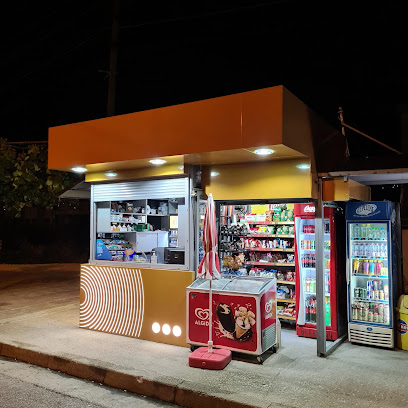
Stop & Shop
6.7 km
Explore Gjirokaster's Stop & Shop for an authentic taste of Albanian cuisine and local grocery essentials, perfect for every traveler.
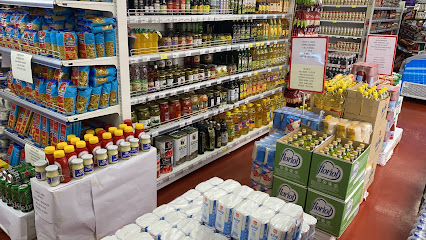
Supermarket Peçi
6.7 km
Explore the local flavors and culinary delights at Supermarket Peçi, a grocery store in Gjirokaster, Albania, perfect for tourists seeking authentic Albanian products.
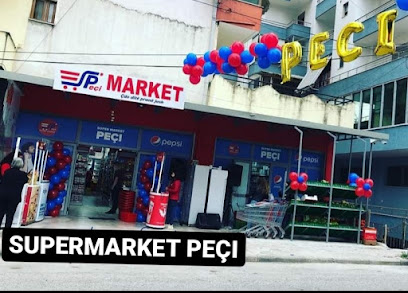
Eri shoop
6.7 km
Explore the vibrant shopping scene at Eri Shoop in Gjirokastra, offering unique local products and delightful dining options for every tourist.
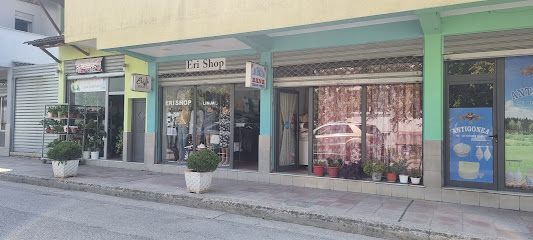
Glow Fashion, Gjirokastër
6.8 km
Discover trendy clothing and local craftsmanship at Glow Fashion, the ultimate shopping destination in Gjirokastër, Albania.
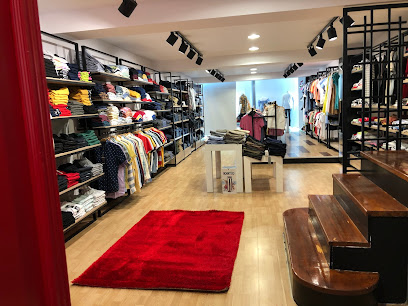
Dyqani Neranxi Gjirokaster
6.8 km
Explore the vibrant flavors of Gjirokaster at Dyqani Neranxi, a fresh food market showcasing the best of Albanian produce and artisanal goods.
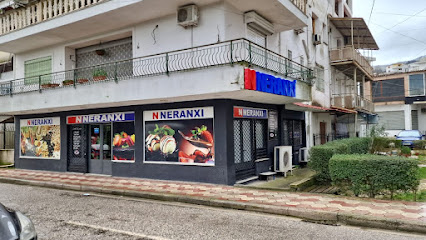
Sport Collection
7.0 km
Explore Sport Collection in Gjirokaster for a unique blend of modern fashion and local culture, perfect for every tourist's wardrobe.
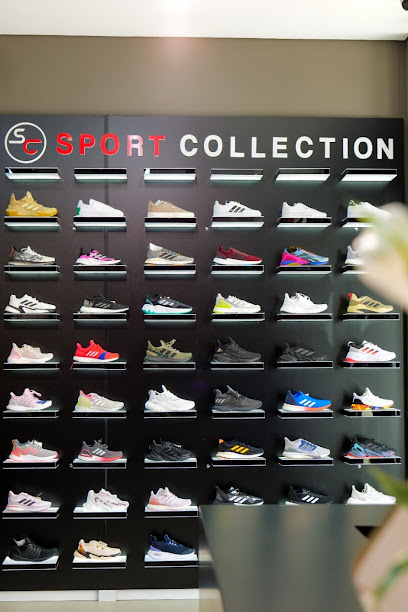
NEXT STAFF STORE
7.0 km
Explore the vibrant NEXT STAFF STORE in Gjirokaster, offering stylish clothing that captures the essence of modern Albanian fashion.
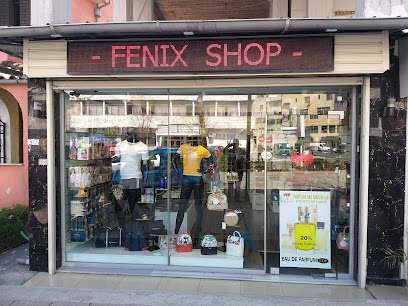
Fenix Shop
7.0 km
Explore the vibrant Fenix Shop in Gjirokaster for a unique shopping experience, blending local crafts and international styles in a charming setting.
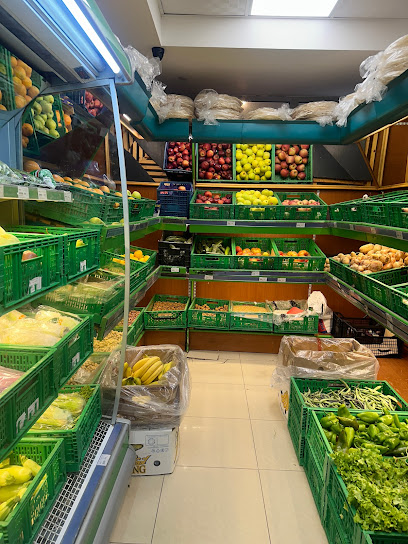
Superstar Market
7.1 km
Explore Superstar Market in Gjirokaster for a wide selection of local and international products, fresh produce, and unique souvenirs.
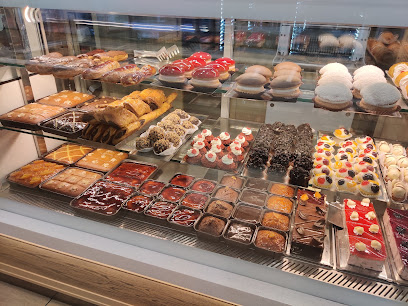
Antigonea Furrë Buke Pastiçeri
7.1 km
Experience the flavors of Albania at Antigonea Furrë Buke Pastiçeri, Gjirokaster's beloved bakery, offering traditional pastries and delightful treats.
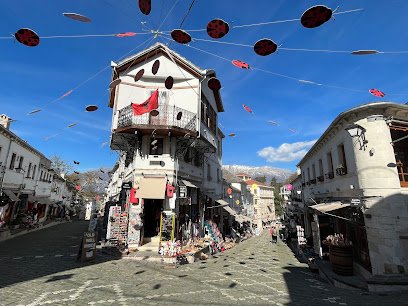
Experience Gjirokastra
7.1 km
Explore Gjirokastra, a UNESCO World Heritage Site, renowned for its stunning Ottoman architecture, rich culture, and breathtaking landscapes.
Essential bars & hidden hideouts

Oazi Bar
5.9 km
Experience the authentic Albanian nightlife at Oazi Bar, a local favorite in Gjirokaster offering delightful drinks and a welcoming atmosphere.
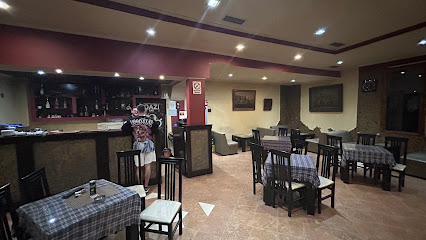
O’clock
7.2 km
Discover the charm of O’clock in Gjirokaster, where refreshing drinks meet a vibrant atmosphere, perfect for unwinding and connecting with friends.
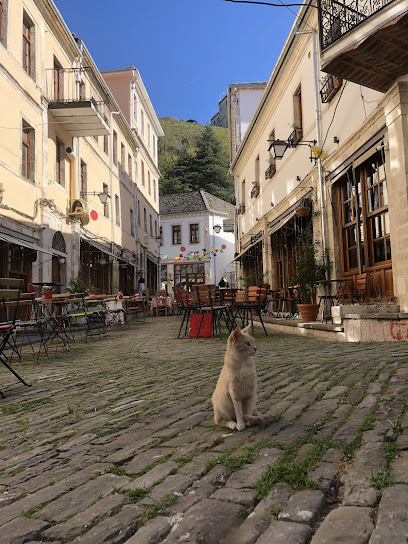
The Black Rose Pub
7.2 km
Experience the authentic taste of Albanian cuisine at The Black Rose Pub, Gjirokaster's top grill and bar destination.
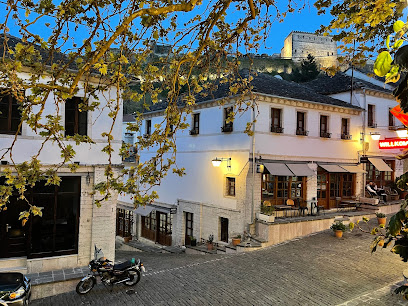
Bar Center
7.2 km
Experience the vibrant atmosphere of Bar Center in Gjirokaster, where friendly service and local flavors await you.
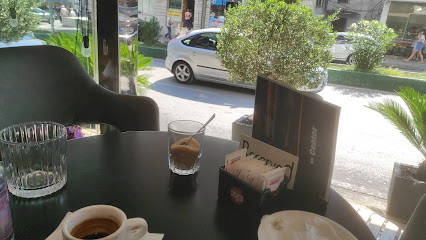
Grey Stone Bar
7.2 km
Experience Gjirokaster's nightlife at Grey Stone Bar, a vibrant spot for drinks, local culture, and unforgettable social moments.
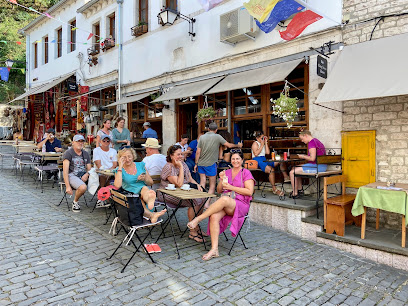
Classic Coffee Bar
7.2 km
Experience the rich flavors of Gjirokaster at Classic Coffee Bar, where every sip of coffee is a journey through Albanian culture.
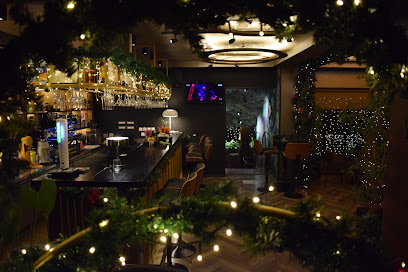
Old Town 13
7.2 km
Experience authentic Albanian flavors at Old Town 13, Gjirokaster's culinary gem offering delicious grilled dishes and a vibrant bar atmosphere.
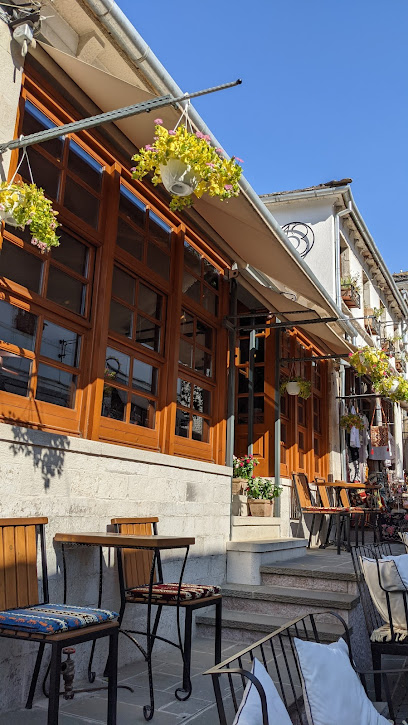
Komiteti Bar - Gjirokastër
7.2 km
Discover the lively Komiteti Bar in Gjirokastër, where traditional charm meets vibrant nightlife in a welcoming atmosphere.
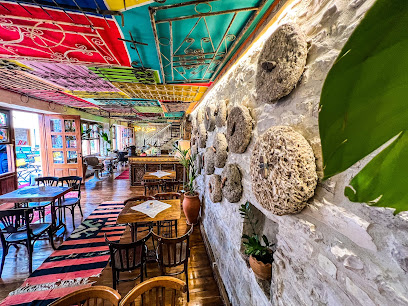
Babameto 2 - Cocktail Bar & Restaurant
7.2 km
Discover Babameto 2 in Gjirokaster, where vibrant cocktails meet delicious cuisine in a lively setting, perfect for all times of the day.
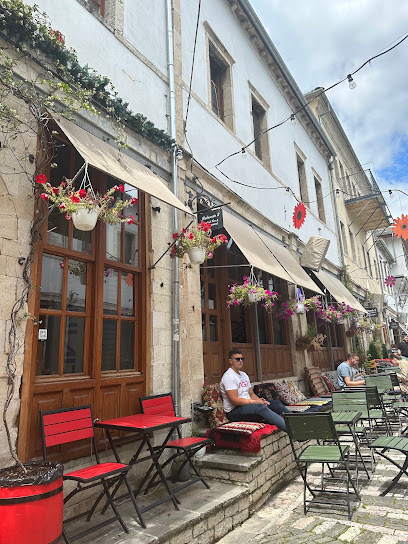
Gallery Irish Pub
7.2 km
Discover the vibrant spirit of Ireland at Gallery Irish Pub in Gjirokaster, where delightful drinks, live music, and warm hospitality await.
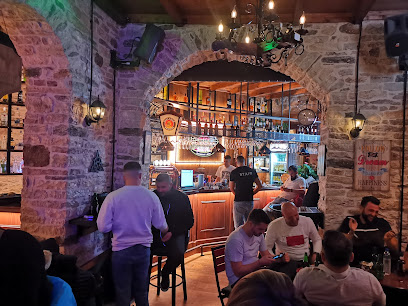
Bar Cafè Kotoni
7.3 km
Discover the vibrant atmosphere of Bar Cafè Kotoni, a must-visit bar in Gjirokaster for relaxing drinks and local charm.
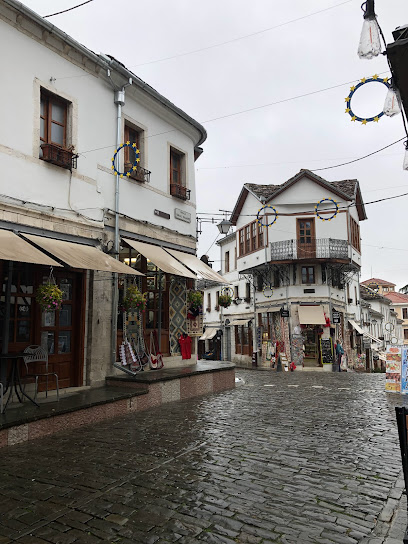
Hangover Cocktail Bar
7.3 km
Explore the vibrant nightlife of Gjirokaster at Hangover Cocktail Bar, where expert mixology meets local charm in a lively setting.
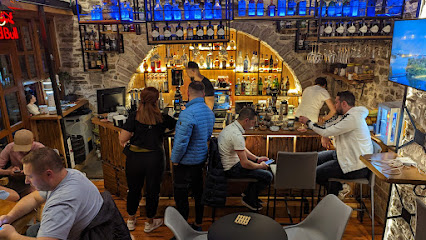
Bar cafe çoçoli
7.3 km
Experience the vibrant atmosphere of Bar Cafe Çoçoli in Gjirokaster, where local culture meets delightful refreshments.
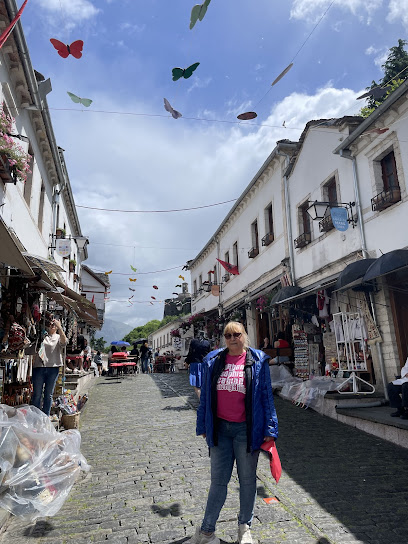
Kastro bar
7.3 km
Experience the vibrant nightlife of Gjirokaster at Kastro Bar, where tradition meets modernity in a cozy atmosphere with exquisite drinks.
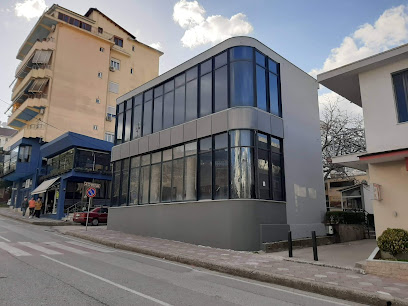
Bar Shtaka
7.7 km
Experience the heart of Gjirokaster at Bar Shtaka, where local flavors and a vibrant atmosphere come together for an unforgettable visit.
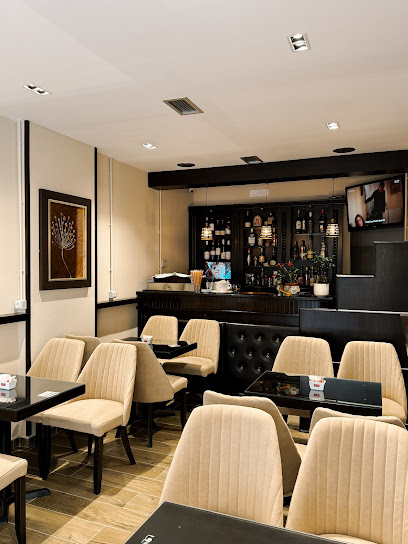
Nightclubs & after hour spots

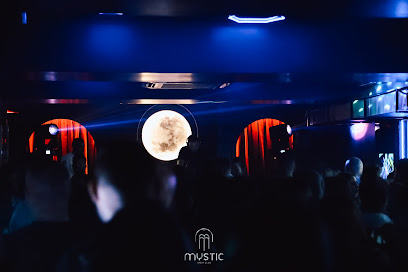
Mystic Night Club
7.3 km
Dive into the vibrant nightlife of Gjirokastër at Mystic Night Club, where electrifying music and unforgettable experiences await every party-goer.
Nightclub STIL
19.6 km
Unleash your spirit at Nightclub STIL, the ultimate nightlife destination in Përmet, Albania, where music and fun collide for an unforgettable evening.
Pallati i Policave
20.2 km
Experience the vibrant nightlife of Albania at Pallati i Policave, a premier night club in Përmet offering music, dancing, and unforgettable moments.
Xub Pasha Tepelena
29.5 km
Discover the vibrant spirit of Tepelenë at Xub Pasha Tepelena, where local culture meets breathtaking views in a lively bar setting.
View bar terrace
29.6 km
Experience breathtaking sunsets and vibrant nightlife at the View Bar Terrace in Sarandë, Albania, where stunning sea views meet delightful drinks.
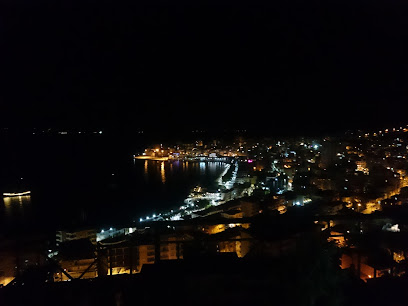
4 Elements Night Clubs ( Strip Club )
29.8 km
Discover the electrifying nightlife at 4 Elements Night Club in Sarandë, where vibrant performances and an unforgettable atmosphere await.
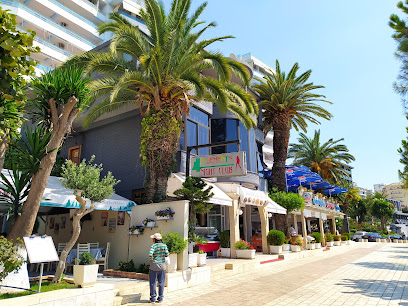
Jericho Cocktail Bar
29.8 km
Experience Sarandë's vibrant nightlife at Jericho Cocktail Bar, featuring stunning views and expertly crafted cocktails in a lively atmosphere.
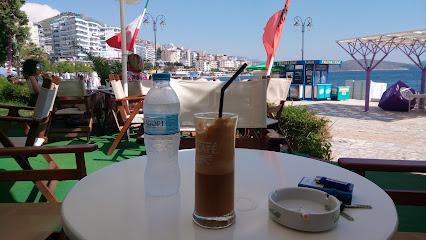
Hojza Lounge Terrace
29.8 km
Discover the enchanting atmosphere of Hojza Lounge Terrace in Sarandë, where stunning views and exquisite cocktails await every traveler.
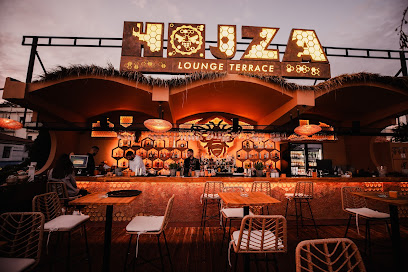
Tipsy drinks and more
29.9 km
Discover the vibrant cocktail culture at Tipsy Drinks and More, where stunning views and expertly crafted drinks create an unforgettable experience in Sarandë.
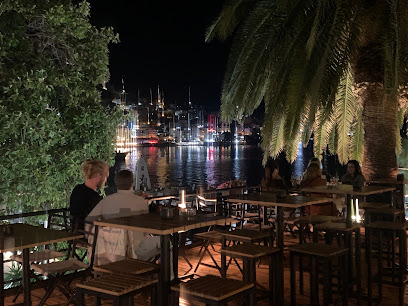
RoofTop
29.9 km
Discover the lively ambiance and stunning views at RoofTop Bar, Sarandë's premier nightlife destination.
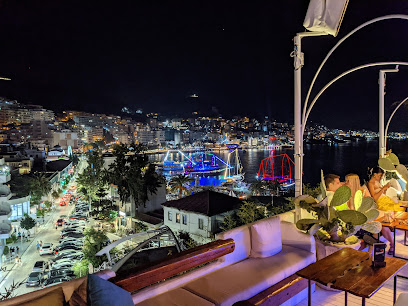
Orange Club Sarande
29.9 km
Experience the electric nightlife of Orange Club Sarande, where music, cocktails, and stunning coastal views create unforgettable memories.
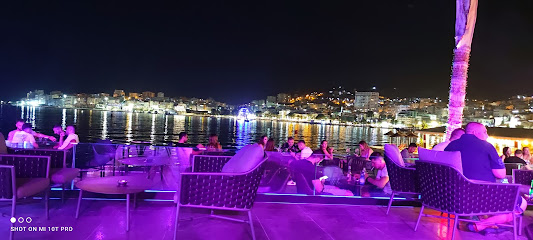
City Lounge
30.0 km
Discover the vibrant atmosphere of City Lounge, Sarandë's premier cocktail bar, where exquisite drinks meet stunning coastal views.
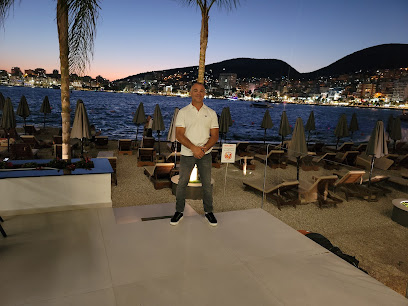
Demi Lounge
30.0 km
Experience the vibrant nightlife of Sarandë at Demi Lounge, a stylish retreat for exquisite cocktails and live music by the beautiful Albanian coast.
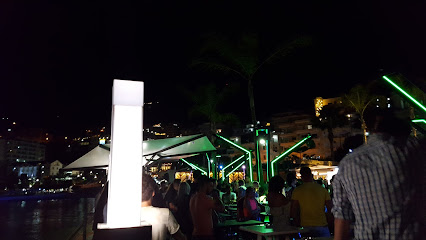
New Space
30.2 km
Experience the vibrant nightlife of Sarandë at New Space, where cocktails, music, and great company create unforgettable moments.
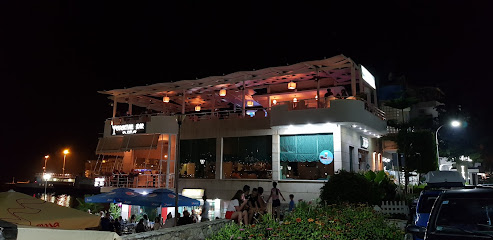
Cocktail Bar Rei
30.2 km
Experience stylish cocktails with stunning sea views at Cocktail Bar Rei in Sarandë, Albania - the perfect spot for relaxation and nightlife.