

Free Kolonja Travel Guide & Mobile App
Explore Kolonja with free travel guides. Discover regional history, expert tips, proposed trips, and audio guides on web or mobile app.


Explore Kolonjë in southeastern Albania for highland villages, fir forests, mountain walks, Orthodox heritage and distinctive rural cuisine.
Read more about Kolonja
When is the best time to visit Kolonja?
Best: May–June, September · 25–30°C| Month | High (°C) | Rainfall (mm) |
|---|---|---|
| January | 10 | 75 |
| February | 11 | 70 |
| March | 16 | 65 |
| April | 20 | 60 |
| May (best) | 25 | 55 |
| June (best) | 30 | 50 |
| July | 33 | 45 |
| August | 32 | 50 |
| September (best) | 27 | 55 |
| October | 21 | 60 |
| November | 15 | 65 |
| December | 11 | 70 |
Getting to and around Kolonja
How to get there
Transportation
Best attractions in Kolonja
Kolonjë’s attractions are primarily landscapes, villages and rural experiences rather than large purpose-built sights. The Fir of Hotovë-Dangëlli National Park provides the region’s most significant natural setting, with extensive fir woodland, mountain air and opportunities for walking, wildlife observation and scenic driving. The boundary between cultivated upland valleys and forested slopes is especially clear around the roads leading away from Ersekë. Rehovë offers an atmospheric village visit, with stone-built houses and Orthodox heritage that reward unhurried exploration. Leskovik provides access to a more secluded southern mountain environment and routes towards the Vjosa valley. Borovë is visited for its wartime memorial and historical significance, requiring a respectful approach. Around Ersekë, seasonal meadows, agricultural landscapes and highland viewpoints create possibilities for photography, birdwatching and short walks, while longer mountain routes require local advice and proper preparation. Rural guesthouses and family homes can also provide insight into cooking, farming and everyday life, although facilities are dispersed and should not be assumed to operate year-round.
-
Tourist attraction
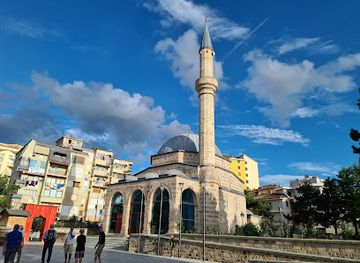
Pazari i Korçës
Explore the vibrant Pazari i Korçës, a cultural market in Albania showcasing fresh produce, local crafts, and the essence of Albanian life.
-
Park
Old City Park
Discover the tranquil beauty and historical charm of Old City Park in Ohrid, a must-visit destination for nature lovers and culture enthusiasts alike.
-
Park
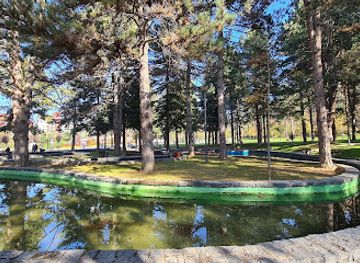
Parku Rinia
Discover Parku Rinia in Korçë: A vibrant urban oasis blending nature, culture, and history in the heart of Albania's 'Little Paris'.
-
Bridge
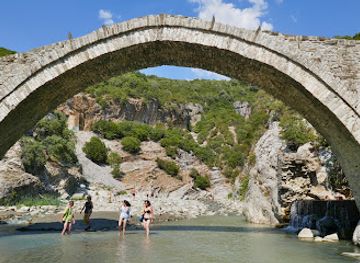
Kadiut Bridge, Bënjë, Përmet
Discover Kadiut Bridge in Bënjë, Albania – a stunning blend of natural beauty and architectural marvel amidst breathtaking landscapes.

Best landmarks in Kolonja
Ersekë’s position in a high upland basin is itself one of Kolonjë’s defining landmarks, with the town serving as a visible centre amid the Gramoz mountain country. Rehovë is notable for its traditional stone-built character and Orthodox heritage, representing the architectural and religious history of southern Albania’s mountain villages. The forested heights and fir stands of the Hotovë-Dangëlli National Park form a major natural landmark, distinguishing Kolonjë from the more open agricultural valleys around Ersekë. Leskovik’s mountain setting gives it a separate visual identity, with roads and slopes opening towards the Vjosa valley and the Greek frontier. The Borovë memorial is a landmark of remembrance rather than ornament: it commemorates civilians killed during the German occupation in 1943 and anchors the region’s wartime history in a specific village landscape. Across the district, stone churches, village cemeteries, old houses and mountain passes provide a quieter form of heritage than monumental castles or urban historic quarters.
-
National park
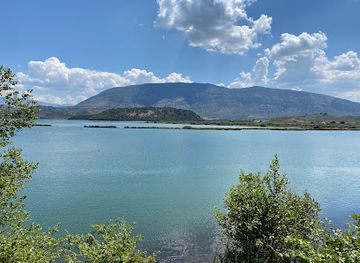
Butrint National Archaeological Park
Uncover millennia of history at Butrint National Park, where ancient ruins meet stunning Albanian landscapes. A UNESCO World Heritage Site.
-
Nature preserve
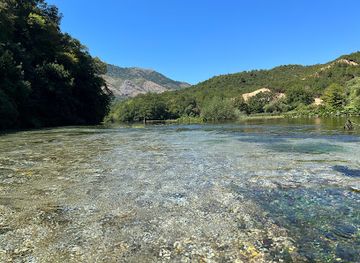
The Blue Eye
Discover the enchanting Blue Eye of Albania, a natural spring with mesmerizing turquoise waters and captivating legends, near Sarandë.
-
Tourist attraction
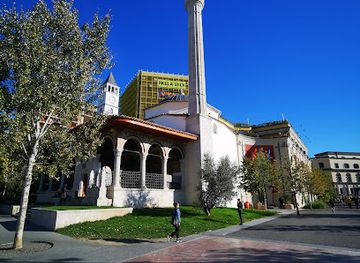
Skanderbeg Square
Discover Skanderbeg Square in Tirana: a vibrant hub of history, culture, and modern Albanian life, surrounded by iconic landmarks and attractions.
-
Castle
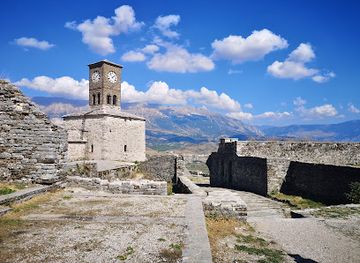
Castle of Gjirokastra
Explore Gjirokastra Castle: A historic Balkan fortress offering panoramic views and a journey through Albania's rich past.
Explore Kolonja on the map
Plan your trip on one map. See where the top cities, national parks and sights are, and book hotels and experiences in a few clicks.
Best hotels in Kolonja
Best restaurants in Kolonja
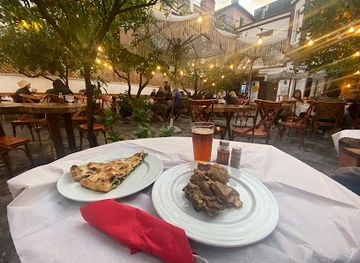
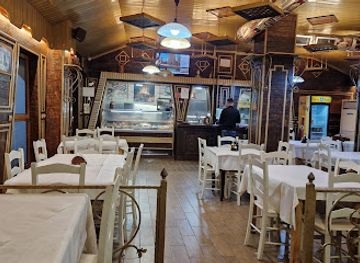
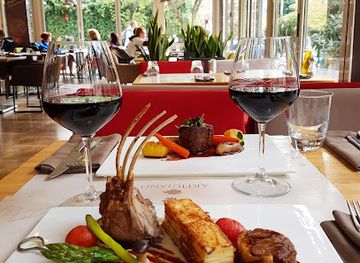
Kolonjë’s food culture is rural, seasonal and closely connected to the highland environment. Lakror, a thin-pastry pie filled with ingredients such as greens, pumpkin or other local produce, is among the regional dishes visitors may encounter, often prepared in homes, guesthouses or small eateries rather than in formal dining rooms. Dairy products, beans, potatoes, mountain herbs, preserved fruit, grilled meat and homemade bread are common features of local meals. In the Ersekë and Leskovik areas, cafés and modest restaurants provide the most dependable choices, while village hospitality may offer a more personal introduction to Kolonjë cooking when arranged in advance. Homemade raki is widely associated with Albanian rural hospitality, but drinking is not essential to the experience. Shopping for cheese, honey, preserves or other farm products directly from producers can be more fruitful than searching for a specialised food market. Menus may be limited outside the main towns, so flexible expectations and advance arrangements are useful.
-
Restaurant
Odas Garden
Experience authentic Albanian cuisine at Odas Garden in Tirana's lush surroundings, where tradition meets modern dining.
-
Traditional restaurant
Oda - Traditional Albanian Restaurant
Discover authentic Albanian flavors at Oda Restaurant in Tirana – where tradition meets taste in every dish.
-
Restaurant
Restorant Tymi
Experience authentic Greek and Mediterranean flavors at Restorant Tymi in Tirana—where every dish tells a story.
-
Italian
Artigiano
Discover the flavors of Italy at Artigiano in Tirana—where every meal is a celebration of taste and tradition.
Best bars in Kolonja
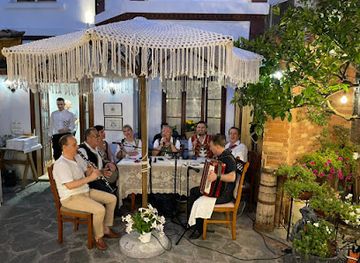
Kolonjë does not have a major nightclub scene. Evening life is concentrated in cafés, modest bars and restaurants in Ersekë and Leskovik, where residents meet for conversation, coffee, food and locally produced drinks. Some accommodation providers may serve dinner or raki, particularly when visitors arrange meals in advance, while village evenings are generally quiet and shaped by the rural setting rather than late-night entertainment. Seasonal gatherings, family celebrations and occasional cultural activities may bring more life to public spaces, but dates and arrangements vary. Travellers looking for clubs, extensive live music or late opening hours should use larger Albanian towns such as Korçë, which is outside Kolonjë, rather than expecting that kind of entertainment in the mountain district. The region’s evening appeal lies in clear skies, quiet streets and relaxed social time rather than a formal nightlife circuit.
-
Cocktail bar
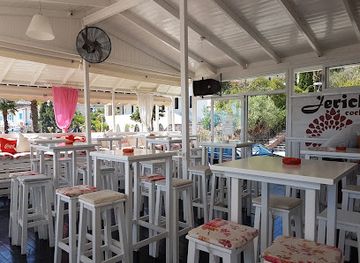
Jericho Cocktail Bar
Experience the vibrant atmosphere and exquisite cocktails at Jericho Cocktail Bar, your coastal retreat in Saranda, Albania.
-
Bar
Oping's Cocktails & Beer
Discover the vibrant nightlife of Tirana at Oping's Cocktails & Beer, where crafted cocktails and local flavors await in a lively atmosphere.
-
Cocktail bar
Radio bar Tirana
Experience the lively spirit of Tirana at Radio Bar, where innovative cocktails and a vibrant atmosphere await.
-
Cocktail bar
Colonial Cocktails Academy Tirana
Experience the art of mixology at Colonial Cocktails Academy Tirana, where every sip is a celebration of flavor and creativity.
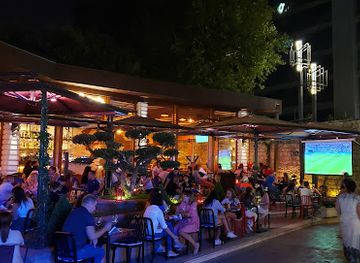


Best nightclubs in Kolonja
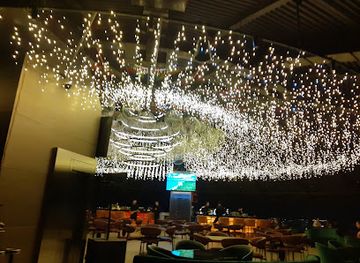
Kolonjë does not have a major nightclub scene. Evening life is concentrated in cafés, modest bars and restaurants in Ersekë and Leskovik, where residents meet for conversation, coffee, food and locally produced drinks. Some accommodation providers may serve dinner or raki, particularly when visitors arrange meals in advance, while village evenings are generally quiet and shaped by the rural setting rather than late-night entertainment. Seasonal gatherings, family celebrations and occasional cultural activities may bring more life to public spaces, but dates and arrangements vary. Travellers looking for clubs, extensive live music or late opening hours should use larger Albanian towns such as Korçë, which is outside Kolonjë, rather than expecting that kind of entertainment in the mountain district. The region’s evening appeal lies in clear skies, quiet streets and relaxed social time rather than a formal nightlife circuit.
-
Night club
Cinco Cavalli Premium Club
Discover the energetic nightlife and vibrant atmosphere at Cinco Cavalli Premium Club in Sauk, Albania, your ultimate party destination.
-
Night club
Sky Club
Experience the ultimate nightlife at Sky Club in Tirana, where electrifying music and stunning views create an unforgettable evening.
-
Club
Magic Club
Experience the vibrant nightlife of Tirana at Magic Club, where music and energy collide for an unforgettable evening in Albania's capital.
-
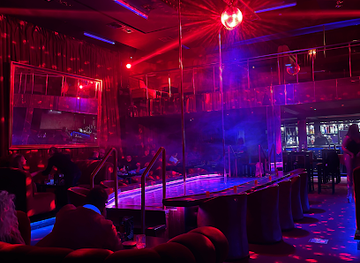
Adult entertainment club
Lust Night Club ( Strip )
Discover the electrifying nightlife at Lust Night Club in Tirana, where memorable performances and vibrant energy await you.


Best shops in Kolonja
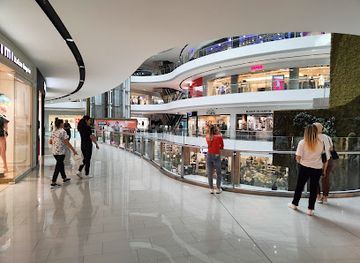
Shopping in Kolonjë is small-scale and practical, centred on Ersekë and Leskovik rather than large retail complexes. Local shops and market stalls are useful for bread, dairy products, fruit, vegetables and provisions for mountain journeys, while rural producers may offer honey, cheese, preserves, herbs and homemade raki when visitors enquire politely. Ersekë is the better place to organise supplies before exploring remote roads and forests. Traditional village architecture and food products are more characteristic souvenirs than manufactured tourist merchandise, although availability varies by season. Visitors interested in crafts should ask guesthouse hosts or local residents about household textiles, woodwork or other products made in the surrounding villages instead of expecting a permanent craft market. Korçë, outside Kolonjë, offers a broader range of shops and commercial services for travellers combining the two areas. Cash in Albanian lek remains useful for small purchases and direct buying from rural producers.
-
Shopping mall
Toptani
Explore Toptani, Tirana's vibrant shopping mall featuring diverse stores, delightful dining, and a lively atmosphere that showcases modern Albanian culture.
-
Shopping mall
Tirana Ring Center
Discover the Tirana Ring Center: a bustling shopping mall in Albania's capital, blending retail, dining, and entertainment for an unforgettable experience.
-
Souvenir store
Souvenir Albani
Discover the charm of Albania at Souvenir Albani, where local crafts and unique jewelry create unforgettable memories.
-
Souvenir store
Marigo - sklep z pamiątkami
Explore Marigo, a premier souvenir store in Durrës offering unique Albanian gifts and treasures that celebrate local culture and craftsmanship.
Get your free copy of our complete guide to Kolonja, delivered straight to you.
Everything on this page, from attractions and restaurants to essentials and local phrases, in one PDF you can read offline, print or share.
Already have an account? Sign in
Your Kolonja guide is ready.
We'll send it to · Not you? Sign out

Getting your guide ready…
We are putting together a fresh copy of the Kolonja guide. This can take up to a minute.
This can take a few moments. If your browser asks, choose Allow so the download can start. You'll find the guide in your Downloads folder.
Nothing happened? Download it again
Sorry, the guide is taking longer than usual. Please try again in a minute, or get it by email instead.
Kolonja essentials
Currency and Payment
Safety
Emergency Situations
Do's and Don'ts
Local Tips
From Eve
Local phrases worth knowing
You don't need to get them perfect. A few words go a long way, and locals appreciate the effort.
Basics
| English | Local | Say it |
|---|---|---|
| Hello | Përshëndetje | [Per-shen-deh-tye] |
| Goodbye | Mirupafshim | [Mee-roo-paf-sheem] |
| Yes | Po | [Poh] |
| No | Jo | [Yoh] |
| Please/You're welcome | Të lutem | [Tuh loo-tem] |
| Thank you | Faleminderit | [Fah-leh-min-deh-reet] |
| Excuse me/Sorry | Më fal | [Muh fal] |
| How are you? | Si jeni? | [See yeh-nee] |
| Fine. And you? | Mirë. Edhe ti? | [Meer. Ed-he tee] |
| Do you speak English? | A flisni anglisht? | [Ah flees-nee an-gleesht] |
| I don't understand | Nuk kuptoj | [Nook koop-toy] |
Eating & Drinking
| English | Local | Say it |
|---|---|---|
| I'd like to see the menu, please | Do doja të shoh menu, të lutem | [Doh doh-yah tuh shoh meh-noo, tuh loo-tem] |
| I don't eat meat | Nuk ha mish | [Nook hah meesh] |
| Cheers! | Gëzuar! | [Guh-zoo-ar] |
| I would like to pay, please | Do doja të paguaj, të lutem | [Doh doh-yah tuh pah-goo-eye, tuh loo-tem] |
Emergencies
| English | Local | Say it |
|---|---|---|
| Help! | Ndihmë! | [Ndee-hmuh] |
| Go away! | Shko larg! | [Sh-koh lahrg] |
| Call the Police! | Thirr Policinë! | [Theer Po-lee-chee-neh] |
| Call a doctor! | Thirr një doktor! | [Theer nyuh dok-tor] |
| I'm lost | Jam i humbur | [Yahm ee hoom-bur] |
| I'm ill | Jam i sëmurë | [Yahm ee suh-moor-eh] |
Shopping
| English | Local | Say it |
|---|---|---|
| I'd like to buy... | Do doja të blej... | [Doh doh-yah tuh bleh] |
| I'm just looking | Po shikoj vetëm | [Poh shee-koy veh-tem] |
| How much is it? | Sa kushton? | [Sah koosh-ton] |
| That's too expensive | Kjo është shumë e shtrenjtë | [Kyo esht shum eh shtrayn-tay] |
| Can you lower the price? | A mund të ulni çmimin? | [Ah moond tuh ool-nee chmee-min] |
Time & Numbers
| English | Local | Say it |
|---|---|---|
| What time is it? | Çfarë ore është? | [Chfar-eh oh-reh esht] |
| It's one o'clock | Është një orë | [Esht nyuh or-eh] |
| Half past (10) | Pjesë pas (10) | [Pye-seh pahs (deh)] |
| Morning | Mëngjes | [Muhn-jes] |
| Afternoon | Pasdite | [Pahs-dee-teh] |
| Evening | Mbrëmje | [Mbruhm-yeh] |
| Yesterday | Dje | [Dyeh] |
| Today | Sot | [Sot] |
| Tomorrow | Nesër | [Neh-ser] |
| 1 | Një | [Nyeh] |
| 2 | Dy | [Dye] |
| 3 | Tre | [Tre] |
| 4 | Katër | [Kah-ter] |
| 5 | Pesë | [Pehs-eh] |
| 6 | Gjashtë | [Jah-sht] |
| 7 | Shtatë | [Shtah-teh] |
| 8 | Tetë | [Teht-eh] |
| 9 | Nëntë | [Nuhn-teh] |
| 10 | Dhjetë | [Dhee-teh] |
Transport & Directions
| English | Local | Say it |
|---|---|---|
| Where's a/the...? | Ku është një/nga...? | [Koo esht nyuh/ngah] |
| What's the address? | Cila është adresa? | [Chee-lah esht ah-dreh-sah] |
| Can you show me (on the map)? | A mund të më tregoni (në hartë)? | [Ah moond tuh meh treh-goh-nee (nuh hahr-tay)] |
| When's the next (bus)? | Kur është autobusi tjetër? | [Koorr esht ow-toh-boo-see tee-eht-er] |
| A ticket (to ....) | Një biletë (për ....) | [Nyeh bee-leh-tuh (purr)] |
History of Kolonja
Ancient Epirus and Illyrian Borderlands
Kolonjë lies in a mountainous zone historically connected with the wider cultural world of Epirus and the southern Albanian interior. Ancient movement through the valleys and passes linked upland settlements with communities to the south, although the surviving archaeological record is less monumental than in Albania’s major classical centres. The region’s importance came from its position on routes across difficult terrain, its pasturelands and its proximity to the Greek-speaking and Albanian-speaking borderlands. This layered past helps explain the area’s later cultural diversity and enduring importance as a frontier district.
Medieval Orthodox Communities
During the medieval period, Kolonjë formed part of the wider political and ecclesiastical landscape of southern Albania and Epirus. Orthodox Christian institutions shaped village life, artistic traditions and patterns of settlement, leaving a legacy in churches, chapels, cemeteries and religious customs. Rehovë and other settlements retain elements of this heritage in their stone architecture and church traditions. Political authority changed repeatedly across the region, but mountain communities continued to depend on farming, livestock rearing, woodland resources and seasonal movement between valleys and higher pastures.
Ottoman-Era Mountain Society
Under Ottoman rule, Kolonjë remained a predominantly rural and mountainous district whose communities were connected to larger markets by difficult roads and passes. Agriculture, animal husbandry and forestry formed the economic base, while local villages maintained strong communal and family networks. The region’s proximity to Epirus encouraged exchange as well as tension across the frontier. Religious institutions, customary practices and village land-use patterns developed within this Ottoman framework, many of which continued to influence settlement and social life after the emergence of the modern Albanian state.
The National Awakening and the Modern Albanian State
In the late nineteenth and early twentieth centuries, southern Albanian highlands participated in the Albanian national movement and the political struggles surrounding the dissolution of Ottoman rule. Kolonjë’s educated figures, clergy and local leaders contributed to debates about language, identity and statehood, while the surrounding frontier was affected by the Balkan Wars and the redrawing of borders. Ersekë gradually became the administrative and commercial centre of the district. The modern boundary with Greece transformed older patterns of regional movement but did not erase family, religious and cultural connections across the wider area.
Occupation, Resistance and the Borovë Massacre
Kolonjë was drawn into the conflicts that affected Albania during the Second World War. Italian and later German occupation, armed resistance and reprisals brought severe disruption to villages and families. On 6 July 1943, German forces carried out a massacre at Borovë, killing a large number of civilians in retaliation for partisan activity. A memorial at the village commemorates the victims and provides an important setting for understanding the human cost of wartime occupation. The event remains central to the region’s modern historical memory.
Socialist Transformation and Rural Depopulation
After 1944, the communist government reorganised Kolonjë through collectivised agriculture, state administration and expanded public services. Roads, schools and cooperative farms altered the relationship between villages and the surrounding countryside, while religious institutions were closed during Albania’s atheist period. Following the end of communism, economic restructuring and large-scale migration reduced the population of many villages. Today, abandoned or lightly inhabited settlements stand alongside renewed farming, small-scale tourism and efforts to protect the region’s forests, landscapes and cultural heritage.
Kolonja in Photos
Browse through our photo collection highlighting the charm and character of the destination.
Neighbouring regions of Kolonja
The closest regions to Kolonja, if you have time for more than one.
-

-

-

-

-


Swipe for more regions
Explore more

Explore more of Albania
Discover Albania: A land of untamed beauty, rich history, and warm hospitality, offering stunning beaches, rugged mountains, and vibrant cities.
Explore Albania