

Free Korçë Region Travel Guide & Mobile App
Explore Korçë Region with free travel guides. Discover regional history, expert tips, proposed trips, and audio guides on web or mobile app.


Explore Korçë Region for historic Korçë, Lake Ohrid, Prespa wetlands, mountain villages, Orthodox heritage and distinctive south-eastern Albanian cuisine.
Read more about Korçë Region
When is the best time to visit Korçë Region?
Best: June, August–September · 24–29°C| Month | High (°C) | Rainfall (mm) |
|---|---|---|
| January | 6 | 70 |
| February | 7 | 60 |
| March | 12 | 60 |
| April | 17 | 60 |
| May | 21 | 50 |
| June (best) | 26 | 40 |
| July | 30 | 30 |
| August (best) | 29 | 30 |
| September (best) | 24 | 40 |
| October | 17 | 50 |
| November | 11 | 60 |
| December | 6 | 70 |
Getting to and around Korçë Region
How to get there
Transportation
Top city travel guides in Korçë Region
The cities of Korçë Region, and the easiest places to base yourself.
-

-

-


Swipe for more cities
Destinations in Korçë Region
Resorts, valleys and scenic spots worth a trip of their own.
-

-
-

-


Swipe for more destinations
Best attractions in Korçë Region
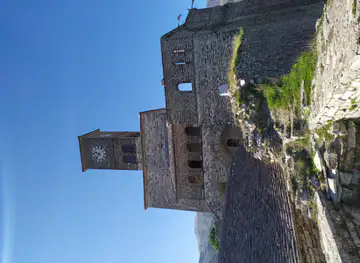
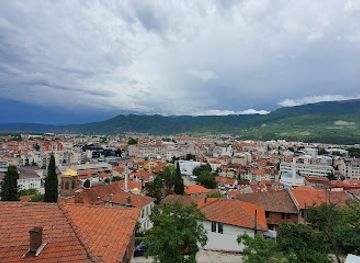
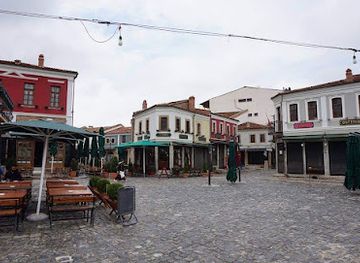
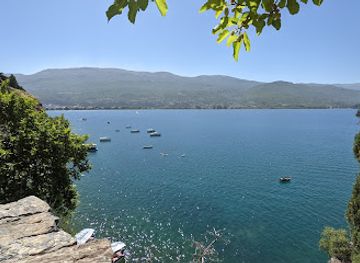
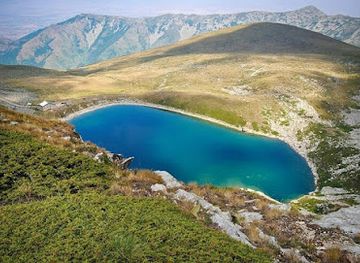
Korçë Region’s attractions range from urban museums and historic neighbourhoods to highland villages, lakes and protected wetlands. In Korçë, the National Museum of Medieval Art provides an important introduction to Albania’s Orthodox iconographic tradition, while the city’s old bazaar, cultural institutions and surviving religious buildings reveal its layered Ottoman and modern history. Pogradec offers a different experience, centred on Lake Ohrid, its promenade, swimming areas and the nearby springs and parkland of Drilon. Voskopoja and Vithkuq are notable for churches, frescoes and mountain scenery, while Dardha combines stone architecture with woodland and winter landscapes. Prespa National Park, around Great and Small Prespa, is the region’s principal nature destination, valued for wetlands, birdlife, islands and quiet rural settlements. The Korçë plain and the uplands of Devoll and Kolonjë also suit scenic drives, walking and village-based excursions, though facilities become more limited away from the principal towns.
-
Park
Old City Park
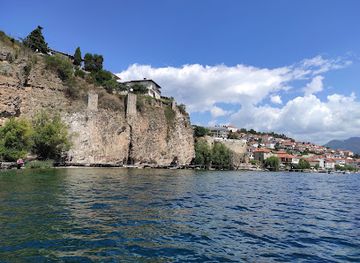
Explore the serene Old City Park in Ohrid, a perfect blend of nature, history, and breathtaking views of Lake Ohrid.
-
National park
National park Pelister
Discover the breathtaking beauty of North Macedonia's oldest national park, with diverse landscapes, glacial lakes, and the iconic Molika pine.
-
Mosque
Mosque of Ali Pasha
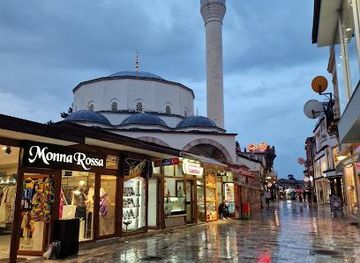
Explore the historical Mosque of Ali Pasha in Ohrid's Old Bazaar, a testament to Ottoman influence and architectural beauty.
-
Jewelry store
Chinar - Kame (Ohrid Pearl)
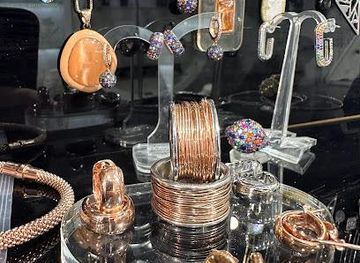
Discover the lustrous beauty of authentic Ohrid pearls at Chinar - Kame, where tradition meets exquisite craftsmanship in the heart of Ohrid.

Best landmarks in Korçë Region
Korçë’s most recognisable landmarks include the Resurrection Cathedral, the city’s historic bazaar quarter and the building associated with the Mësonjëtorja, the pioneering Albanian-language school opened in 1887. The National Museum of Medieval Art adds an important cultural landmark through its collection of icons and religious works. In the mountains, Voskopoja’s churches are significant for their frescoes and for the evidence they preserve of a once prosperous eighteenth-century Orthodox and commercial centre; the Church of St Nicholas and other surviving religious buildings are especially notable. Pogradec’s defining geographical landmark is Lake Ohrid, an ancient lake whose clear waters, endemic species and long-settled shores give the town its identity. The springs and waterways of Drilon form a distinctive natural site nearby, while the Great and Small Prespa lakes, surrounded by mountains and wetlands, are among the region’s most important landscape landmarks. At a broader scale, the Morava and Gramoz ranges explain the region’s dramatic changes in elevation and its historic pattern of settlement.
-
Tourist attraction
Chinar Tree
Discover Ohrid's ancient Chinar Tree: a millennium-old natural monument offering shade, history, and cultural richness in the heart of the city.
-
Tourist attraction
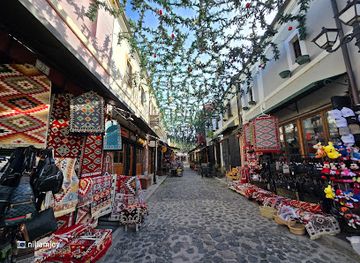
Pazari i Korçës
Experience the vibrant culture of Korçë at Pazari i Korçës, a bustling bazaar with local crafts, traditional foods, and a lively atmosphere.
-
Park
Old City Park
Escape to Ohrid's Old City Park for serene lake views, tranquil walks, and a peaceful retreat in the heart of the historic city.
-
National park
National park „Pelister“
Discover Pelister National Park: A haven of biodiversity, hiking trails, and stunning glacial lakes in the heart of North Macedonia's Baba Mountain.
Explore Korçë Region on the map
Plan your trip on one map. See where the top cities, national parks and sights are, and book hotels and experiences in a few clicks.
Best hotels in Korçë Region
Best restaurants in Korçë Region
The region’s food culture is strongly connected to its mountain climate, fertile basins and long-standing urban traditions. In Korçë, look for kërnacka, small seasoned meatballs associated with the city, and lakror prepared in a saç, a savoury layered or filled pie cooked beneath a domed metal lid. Rural menus commonly feature beans, peppers, aubergines, seasonal salads, mountain dairy products and slow-cooked meats, while bakeries and cafés provide pastries, bread and sweet specialities. Around Pogradec and Lake Ohrid, freshwater fish is an important local choice, although menus vary according to season and regulation. Korçë’s restaurants include traditional dining rooms, cafés and more contemporary kitchens, while villages such as Voskopoja and Dardha are known for taverns serving regional cooking in a mountain setting. Local beer, Albanian coffee and simple fruit-based preserves complement meals, and farmers’ produce is easiest to encounter in markets and small food shops rather than in formal dining venues.
-
Restaurant
Restaurant Rosa e Tymosur
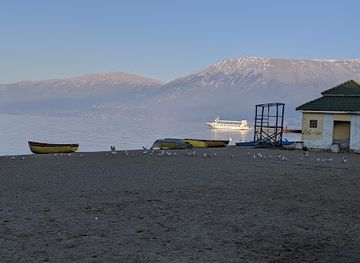
Experience authentic Albanian flavors at Restaurant Rosa e Tymosur in Pogradec – where tradition meets taste against breathtaking lake views.
-
Restaurant
Vila Cofiel
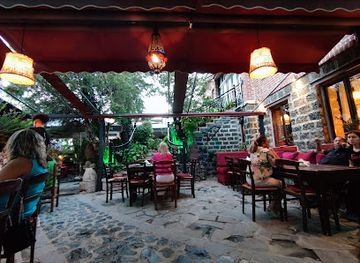
Experience authentic Albanian flavors at Vila Cofiel in Korçë - where culinary tradition meets modern comfort.
-
Restaurant
Birrari Panda
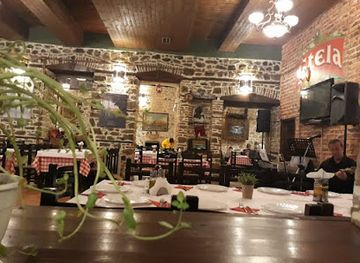
Experience authentic Albanian flavors at Birrari Panda in Korçë, where tradition meets taste in a warm and inviting atmosphere.
-
Crêperie
La Creperia
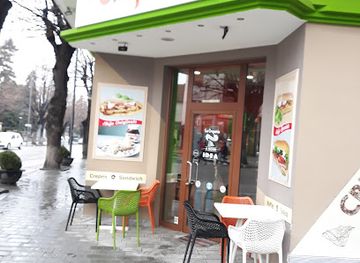
Experience authentic French crêpes at La Creperia in Korçë - where tradition meets taste in every delightful bite.
Best bars in Korçë Region
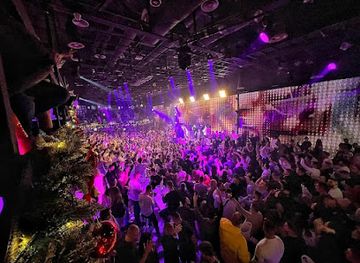
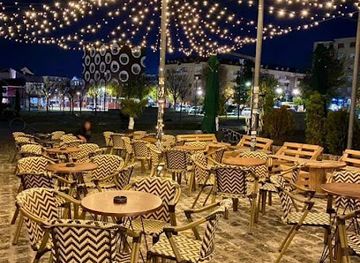
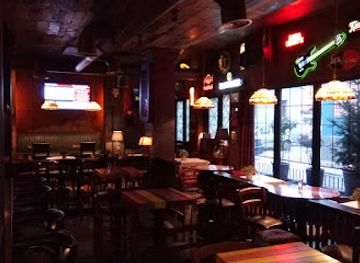
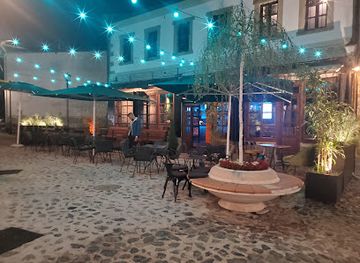
Evening life is concentrated in Korçë and Pogradec rather than spread evenly across the region. Korçë has a settled café and bar culture, with central streets and bazaar areas offering coffee, beer, wine, cocktails and occasional live music in a sociable but generally relaxed atmosphere. The city is also associated with serenades, whose urban tradition remains part of its cultural identity, though performances and events vary. Pogradec’s lakeside venues are busiest in the warmer months, when restaurants, cafés and bars extend towards the promenade. Outside the two main towns, nightlife usually means a village restaurant, a traditional inn or a quiet drink after dinner rather than clubs. Visitors should expect seasonal variation and earlier closing in rural districts; the appeal lies more in conversation, food, music and the setting than in a large-scale nightclub scene.
-
Restaurant
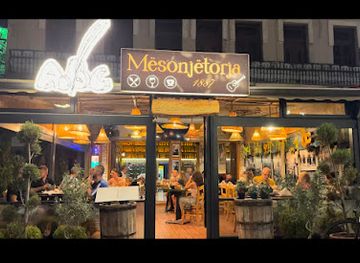
Bar Restorant Mësonjëtorja
Experience the rich flavors of Albanian cuisine at Bar Restorant Mësonjëtorja, a culinary treasure in the heart of Korçë.
-
Bar
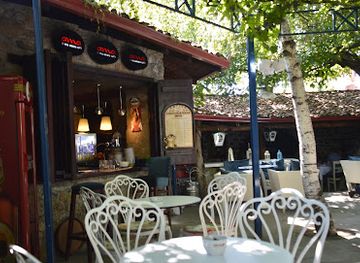
Villa Themistokli
Experience the warmth of Albanian hospitality at Villa Themistokli, a charming bar and guest house in Korçë, where delicious cuisine meets cultural richness.
-
Cocktail bar
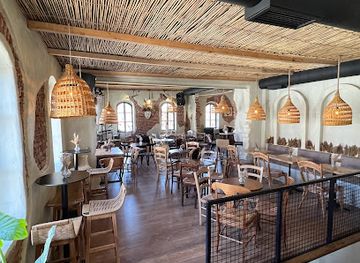
Sa!kō Cocktail Bar
Discover the vibrant nightlife at Sa!kō Cocktail Bar, where expertly crafted cocktails meet the lively spirit of Korçë.
-
Bar
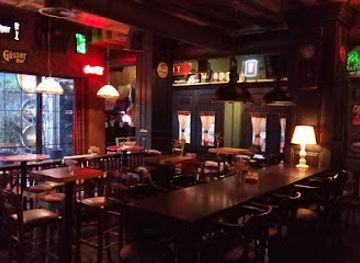
Republika House Pub
Discover the lively ambiance and local flavors at Republika House Pub in Korçë, a must-visit bar for tourists seeking a vibrant nightlife experience.
Best nightclubs in Korçë Region
Evening life is concentrated in Korçë and Pogradec rather than spread evenly across the region. Korçë has a settled café and bar culture, with central streets and bazaar areas offering coffee, beer, wine, cocktails and occasional live music in a sociable but generally relaxed atmosphere. The city is also associated with serenades, whose urban tradition remains part of its cultural identity, though performances and events vary. Pogradec’s lakeside venues are busiest in the warmer months, when restaurants, cafés and bars extend towards the promenade. Outside the two main towns, nightlife usually means a village restaurant, a traditional inn or a quiet drink after dinner rather than clubs. Visitors should expect seasonal variation and earlier closing in rural districts; the appeal lies more in conversation, food, music and the setting than in a large-scale nightclub scene.
-
Night club
Cinco Cavalli Premium Club
Discover the vibrant nightlife at Cinco Cavalli Premium Club in Sauk, Albania – a must-visit destination for unforgettable dance and entertainment.
-
Cocktail bar
Sa!kō Cocktail Bar
Experience the vibrant nightlife of Korçë at Sa!kō Cocktail Bar, where expertly crafted cocktails meet a lively atmosphere.
-
Bar
Republika House Pub
Discover the vibrant atmosphere of Republika House Pub in Korçë, where local culture meets a lively drinking experience.
-
Pub
Loft
Experience the lively atmosphere of Loft, a top pub in Korçë, where local culture meets vibrant nightlife and delicious drinks.
Best shops in Korçë Region
Shopping in Korçë centres on the bazaar area, central high streets, food shops and small independent businesses rather than large commercial centres. The bazaar is a natural place to browse cafés, handicrafts, clothing, souvenirs and locally produced foods, although individual businesses and opening arrangements change. Market stalls and specialist shops may offer honey, preserves, herbs, cheese, wine, raki and other products from the surrounding agricultural districts. Pogradec has a more seasonal lakeside retail character, with small shops selling food, gifts and practical holiday items. In Voskopoja, Dardha and Prespa, shopping is limited but village producers and guesthouses may sell homemade preserves, dairy products, honey or craft items when available. Look for durable, locally made goods and labelled food products rather than assuming that every attractive souvenir is regionally produced. Korçë’s bookshops, galleries and cultural venues can also provide more meaningful reminders of the region’s art, language and history.
-
Tourist attraction
Pazari i Korçës
Experience the lively Pazari i Korçës, where local culture, delicious cuisine, and artisanal crafts converge in the heart of Albania.
-
Park
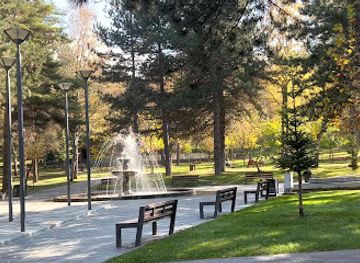
Parku Rinia
Experience the lush beauty and tranquility of Parku Rinia, a serene urban park in Korçë, perfect for relaxation and cultural exploration.
-
 Hotel
HotelPark Plazza
Experience the best of Albanian hospitality at Park Plazza, where comfort and exquisite dining converge in Korçë.
-
Grill
Fix si Qëmoti
Discover the flavors of Albania at Fix si Qëmoti - a top-rated grill restaurant in Korçë, perfect for culinary adventurers.
Get your free copy of our complete guide to Korçë Region, delivered straight to you.
Everything on this page, from attractions and restaurants to essentials and local phrases, in one PDF you can read offline, print or share.
Already have an account? Sign in
Your Korçë Region guide is ready.
We'll send it to · Not you? Sign out

Getting your guide ready…
We are putting together a fresh copy of the Korçë Region guide. This can take up to a minute.
This can take a few moments. If your browser asks, choose Allow so the download can start. You'll find the guide in your Downloads folder.
Nothing happened? Download it again
Sorry, the guide is taking longer than usual. Please try again in a minute, or get it by email instead.
Korçë Region essentials
Currency and Payment
Safety
Emergency Situations
Do's and Don'ts
Local Tips
From Eve
Local phrases worth knowing
You don't need to get them perfect. A few words go a long way, and locals appreciate the effort.
Basics
| English | Local | Say it |
|---|---|---|
| Hello | Përshëndetje | [Për-shen-deh-tye] |
| Goodbye | Mirupafshim | [Mee-roo-paf-sheem] |
| Yes | Po | [Poh] |
| No | Jo | [Yoh] |
| Please/You're welcome | Të lutem/Faleminderit | [Tuh loo-tem/Fah-leh-meen-deh-reet] |
| Thank you | Faleminderit | [Fah-leh-meen-deh-reet] |
| Excuse me/Sorry | Më falni | [Muh fal-nee] |
| How are you? | Si jeni? | [See yeh-nee] |
| Fine. And you? | Mirë. Dhe ti? | [Meer. Dhe tee] |
| Do you speak English? | A flisni anglisht? | [Ah flees-nee ahn-gleesht] |
| I don't understand | Nuk kuptoj | [Nook koop-toy] |
Eating & Drinking
| English | Local | Say it |
|---|---|---|
| I'd like to see the menu, please | Do doja të shoh menun, të lutem | [Doh doh-yah tuh shoh meh-noon, tuh loo-tem] |
| I don't eat meat | Nuk ha mish | [Nook hah meesh] |
| Cheers! | Gëzuar! | [Guh-zoo-ar] |
| I would like to pay, please | Do doja të paguaj, të lutem | [Doh doh-yah tuh pah-goo-eye, tuh loo-tem] |
Emergencies
| English | Local | Say it |
|---|---|---|
| Help! | Ndihmë! | [Ndeem] |
| Go away! | Shkoni! | [Sh-koh-nee] |
| Call the Police! | Thirrni policinë! | [Theer-nee poh-lee-chee-neh] |
| Call a doctor! | Thirrni një doktor! | [Theer-nee nyuh dok-tor] |
| I'm lost | Jam i humbur | [Yahm ee hoom-boor] |
| I'm ill | Jam i sëmurë | [Yahm ee suh-moor] |
Shopping
| English | Local | Say it |
|---|---|---|
| I'd like to buy... | Do doja të blej... | [Doh doh-yah tuh bleh] |
| I'm just looking | Po shikoj | [Poh shee-koy] |
| How much is it? | Sa kushton? | [Sah koosh-ton] |
| That's too expensive | Kjo është shumë e shtrenjtë | [Kyo esht shoom eh shtrayn-tay] |
| Can you lower the price? | A mund të ulni çmimin? | [Ah moond tuh ool-nee chmee-meen] |
Time & Numbers
| English | Local | Say it |
|---|---|---|
| What time is it? | Sa është ora? | [Sah esht oh-rah] |
| It's one o'clock | Është një orë | [Ush-tuh nyuh oh-rah] |
| Half past (10) | Pjesë e katërmbëdhjetë | [Pye-seh eh kah-term-beh-dyeht] |
| Morning | Mëngjes | [Men-jes] |
| Afternoon | Pasdite | [Pahs-dee-teh] |
| Evening | Mbrëmje | [Mbruh-myey] |
| Yesterday | Djes | [Dyes] |
| Today | Sot | [Sot] |
| Tomorrow | Nesër | [Neh-ser] |
| 1 | Një | [Nyeh] |
| 2 | Dy | [Duh] |
| 3 | Tre | [Tre] |
| 4 | Katër | [Kah-ter] |
| 5 | Pesë | [Pe-suh] |
| 6 | Gjashtë | [Jah-sht] |
| 7 | Shtatë | [Shtah-teh] |
| 8 | Tetë | [Teh-teh] |
| 9 | Nëntë | [Nuhn-teh] |
| 10 | Dhjetë | [Dhee-eh-teh] |
Transport & Directions
| English | Local | Say it |
|---|---|---|
| Where's a/the...? | Ku është...? | [Koo esht] |
| What's the address? | Cila është adresa? | [Tsee-lah esht ah-dreh-sah] |
| Can you show me (on the map)? | A mund të më tregoni (në hartë)? | [Ah moond tuh meh treh-goh-nee (nuh har-tay)] |
| When's the next (bus)? | Kur është autobusi tjetër? | [Koorr esht ow-toh-boo-see tee-ter] |
| A ticket (to ....) | Një biletë (për ...) | [Nyeh bee-leh-tuh (purr ...)] |
History of Korçë Region
Prehistoric and Ancient Lake Settlements
The lakes and fertile basins of south-eastern Albania have supported human settlement since prehistoric times. Around Lake Ohrid and the Prespa lakes, archaeological evidence records communities that benefited from fishing, farming and waterborne connections, while the Korçë plain provided productive land between mountain routes. In antiquity, the area lay within the cultural and political world of Illyrian and later Macedonian-influenced communities. The lakes were not isolated geographic features: they formed part of a wider network linking the interior of the Balkans with routes towards the Adriatic and the Aegean.
Roman and Byzantine Crossroads
Roman administration and later Byzantine influence shaped the roads, settlements and religious landscape of the region. The interior routes connected the Lake Ohrid basin and the Korçë plain with neighbouring parts of Macedonia and Epirus, although travel remained dictated by mountain passes and seasonal conditions. Christianity became firmly established, and the region’s later Orthodox heritage grew from this long Byzantine tradition. Churches, monasteries and religious art preserved in the area reflect centuries of interaction between local communities and the broader cultural centres of the eastern Mediterranean.
Medieval Powers and Orthodox Heritage
During the medieval period, control of the Korçë and Pogradec areas shifted among Byzantine, Bulgarian and Serbian powers before the expanding Ottoman state incorporated the region. Local religious foundations remained important through these political changes. The Orthodox churches and monasteries of Voskopoja, Vithkuq and surrounding settlements belong to a durable tradition of icon painting, fresco decoration and manuscript culture. Their survival, despite later decline and damage, helps explain why the region is regarded as one of Albania’s most significant centres of Orthodox artistic heritage.
Voskopoja’s Commercial and Cultural Flourishing
Voskopoja, known historically as Moscopole, became a prosperous Aromanian and Orthodox commercial centre during the seventeenth and eighteenth centuries. Merchants connected it with wider Balkan trading networks, while churches, schools and printing activity gave the settlement an importance far beyond its mountain location. Political upheaval and attacks in the eighteenth century contributed to its decline, followed by dispersal of much of its population. The surviving churches, frescoes and ruins are therefore not simply scenic monuments; they are remnants of a once influential urban and intellectual community.
Ottoman Korçë and the Growth of an Urban Centre
Under Ottoman rule, Korçë developed as a regional market and administrative centre serving the surrounding agricultural plain and mountain communities. Its urban character was shaped by Muslim, Orthodox and Vlach communities, commerce, craft production and links with neighbouring lands. The town’s houses, mosques, churches, inns and market areas reflected this plural history. By the nineteenth century, Korçë had become an important centre of education and cultural exchange, helping to create the layered architectural and social identity visible in the modern city.
Education and the Albanian National Movement
Korçë played a notable role in the development of modern Albanian education and national consciousness. The Mësonjëtorja, opened in 1887, is widely remembered as the first officially recognised secular school teaching in Albanian during the late Ottoman period. Its establishment made Korçë an important symbol of language and educational reform. The city’s schools, cultural societies and Albanian-language activity contributed to the wider national movement, while the region’s communities continued to maintain distinct Orthodox, Muslim and Vlach cultural traditions.
War, Borders and Life in the Modern Region
The twentieth century brought occupation, wartime disruption, border changes and the establishment of Albania’s communist state. Korçë and Pogradec were affected by their proximity to Greece, North Macedonia and Yugoslavia, while the lakes and mountain passes acquired strategic importance. Under communism, agriculture, state industry and tightly controlled borders changed everyday life, particularly around the Prespa area. Since the 1990s, the region has undergone economic and social transformation, with heritage preservation, lakeside tourism, agriculture and cross-border cooperation increasingly shaping its contemporary identity.
Korçë Region in Photos
Browse through our photo collection highlighting the charm and character of the destination.
Neighbouring regions of Korçë Region
The closest regions to Korçë Region, if you have time for more than one.
-

-

-

-

-


Swipe for more regions
Explore more

Explore more of Albania
Discover Albania: A land of untamed beauty, rich history, and warm hospitality, offering stunning beaches, rugged mountains, and vibrant cities.
Explore Albania