

Free Skrapar Travel Guide & Mobile App
Explore Skrapar with free travel guides. Discover regional history, expert tips, proposed trips, and audio guides on web or mobile app.


Explore Skrapar in Albania for the Osum Canyon, mountain villages, waterfalls, rural food and adventurous journeys through a dramatic inland landscape.
Read more about Skrapar
When is the best time to visit Skrapar?
Best: June–July, September · 26–30°C| Month | High (°C) | Rainfall (mm) |
|---|---|---|
| January | 9 | 91 |
| February | 11 | 88 |
| March | 15 | 81 |
| April | 19 | 76 |
| May | 23 | 70 |
| June (best) | 28 | 36 |
| July (best) | 30 | 23 |
| August | 29 | 28 |
| September (best) | 26 | 64 |
| October | 20 | 102 |
| November | 13 | 115 |
| December | 10 | 102 |
Getting to and around Skrapar
How to get there
Transportation
Top city travel guides in Skrapar
The cities of Skrapar, and the easiest places to base yourself.

Swipe for more cities
Destinations in Skrapar
Resorts, valleys and scenic spots worth a trip of their own.

Swipe for more destinations
Best attractions in Skrapar
Skrapar’s attractions are concentrated in its limestone scenery, river valleys and mountain communities rather than in large formal visitor complexes. The Osum Canyon is the central draw, offering cliff views, caves, river pools and opportunities for guided rafting when conditions are suitable. Roads above and beside the gorge provide changing perspectives, while the route near Çorovodë combines dramatic rock formations with the quieter rhythms of rural life. Bogovë Waterfall is a popular nature excursion, reached through a landscape of woodland, rocks and clear water. Around the region, walking routes lead through pasture, forest and scattered villages where stone houses, bridges and farm buildings offer an insight into traditional rural architecture. Small religious and cultural sites, local celebrations and family-run guest accommodation add human context to the scenery. Activities are strongly seasonal and weather-dependent, so visitors should confirm conditions before entering the canyon or planning longer walks. Skrapar is best suited to travellers who value geological landscapes, photography, hiking, village visits and guided adventure activities over a dense programme of ticketed attractions.
-
Tourist attraction
Kanionet e Osumit
Discover Albania's 'Grand Canyon': Osumi Canyon offers dramatic cliffs, rafting adventures, and stunning natural beauty near historic Berat.
-
Winery
Nurellari Winery Cellar and Guest House
Discover the taste of Albania at Nurellari Winery. Experience traditional winemaking in a beautiful vineyard setting near Berat.
-
Tourist attraction
Ujëvara e Bogovës - Bogove Waterfall
Discover the hidden beauty of Albania with a visit to Bogove Waterfall, a refreshing natural oasis near Berat.
-
Tourist attraction
Voskopoja
Discover Voskopoja, Albania: A historic mountain village with stunning Byzantine churches, rich culture, and serene natural beauty. A hidden gem awaits!


Best landmarks in Skrapar
The Osum Canyon is Skrapar’s most recognisable natural landmark, a long limestone gorge whose walls, bends and river passages define the region’s visual identity. Its scale changes along the route, from broad viewpoints over the valley to narrower sections where rock faces press close to the water. The Osum River itself is an important geographical marker, linking the mountain communities of Skrapar with the wider Berat landscape downstream. Bogovë Waterfall is another notable natural feature, distinguished by its wooded setting and falling water rather than by monumental architecture. Çorovodë’s position among steep hills makes the town a useful human landmark within the valley, while surrounding villages preserve stone houses, bridges and small religious structures that express the region’s rural history. Mountain passes, limestone outcrops and high pastureland are also part of Skrapar’s landmark character: they reveal how settlement and travel have been shaped by terrain. These places matter less as isolated monuments than as elements of a coherent mountain landscape where geology, water and village life remain closely connected.
-
Nature preserve
The Blue Eye
Discover the mesmerizing Blue Eye of Albania, a natural spring with stunning turquoise waters and lush forest surroundings.
-
Tourist attraction
Skanderbeg Square
Discover Skanderbeg Square in Tirana, Albania: a vibrant hub of history, culture, and national pride, surrounded by iconic landmarks and attractions.
-
Castle
Castle of Gjirokastra
Explore Gjirokastra Castle: A historic Balkan fortress offering panoramic views, military history, and cultural insights in Albania's 'Stone City'.
-
Castle
Berat Castle
Explore Berat Castle, a UNESCO World Heritage Site, where ancient history meets vibrant culture and stunning panoramic views of Albania's 'City of a Thousand Windows'.


Explore Skrapar on the map
Plan your trip on one map. See where the top cities, national parks and sights are, and book hotels and experiences in a few clicks.
Best hotels in Skrapar
Best restaurants in Skrapar
Dining in Skrapar is largely local, seasonal and informal. In Çorovodë, cafés and family-run restaurants provide Albanian staples alongside simple grilled meat, salads, soups, beans, dairy products and bread. Mountain households and small producers contribute honey, preserves, fruit, herbs and cheeses, while lamb and goat are common in rural cooking. The area is also widely associated with grape raki, often served as a customary gesture of hospitality; visitors should drink carefully because home-produced varieties can be strong. Meals may include regional variations of byrek, stuffed vegetables and slow-cooked dishes, though recipes differ between families and villages rather than following a single codified Skrapar menu. Food is less readily available in remote areas, so a day exploring the canyon or mountains may require advance planning and provisions. Markets and larger Albanian towns offer a broader selection, while Skrapar’s appeal lies in fresh local ingredients, generous portions and the connection between food, farming and household hospitality.
-
Restaurant
Odas Garden
Discover the flavors of traditional Albanian cuisine at Odas Garden in Tirana - where delicious food meets serene surroundings.
-
Traditional restaurant
Oda - Traditional Albanian Restaurant
Experience authentic Albanian flavors at Oda - Traditional Restaurant in Tirana with live music and warm hospitality.
-
Restaurant
Restaurant Piceri Era "Blloku"
Experience authentic Albanian flavors at Restaurant Piceri Era 'Blloku', where culinary tradition meets modern dining in Tirana.
-
Restaurant
Restorant DeviselD
Experience authentic Albanian flavors at Restorant DeviselD in Elbasan - where tradition meets taste in every dish.


Best bars in Skrapar
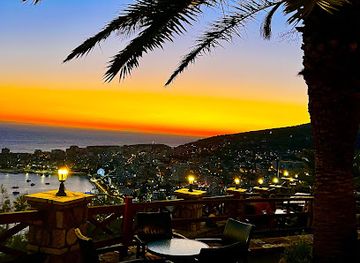
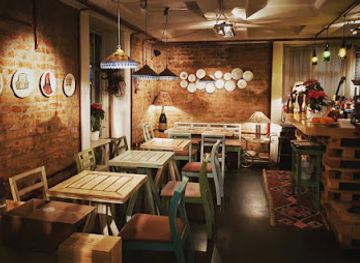
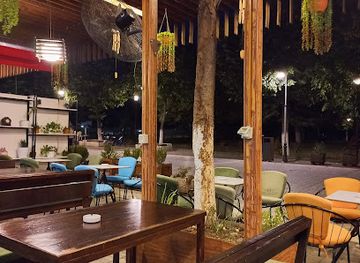
Skrapar does not have a large nightclub scene. Evening life centres on cafés, modest bars and restaurants in Çorovodë, where residents meet for coffee, conversation and, in moderation, local drinks. In villages, nights are quieter and social activity is more likely to take place in family homes, guesthouses or during community celebrations than in dedicated entertainment venues. Traditional hospitality may involve raki, but alcohol is only one part of local evening culture and need not be central to a visit. Live music and dancing are most likely to appear during weddings, festivals or seasonal gatherings rather than on a regular club circuit. Visitors staying in rural accommodation should expect dark roads, limited late-night transport and early closing patterns compared with Albania’s larger cities. For a livelier urban evening, Berat or Tirana are outside Skrapar and require a separate journey rather than serving as local nightlife districts.
-
Bar
Wine Bar Kristiano
Discover the elegance of Albanian wines at Wine Bar Kristiano, where every sip is a journey through the region's rich viticulture.
-
Bar
Bufe Wine Bar
Experience authentic Albanian wines and flavors at Bufe Wine Bar, a vibrant spot in the heart of Tirana perfect for relaxation and socializing.
-
Bar
Bar Shpëtimi
Discover the vibrant atmosphere of Bar Shpëtimi in Berat, where refreshing drinks and local charm await you in a stunning setting.
-
Bar
Bar Te Albani
Experience the vibrant atmosphere and local flavors at Bar Te Albani in Berat, a must-visit destination for every traveler.

Best nightclubs in Skrapar
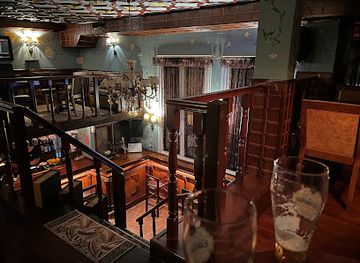
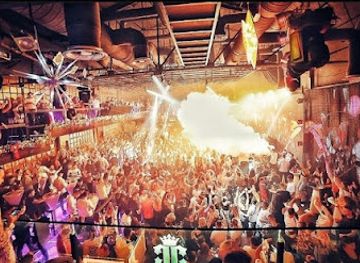
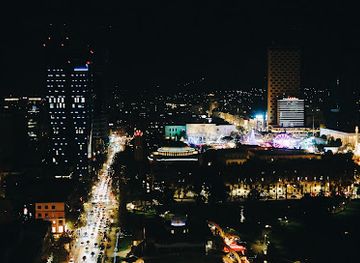
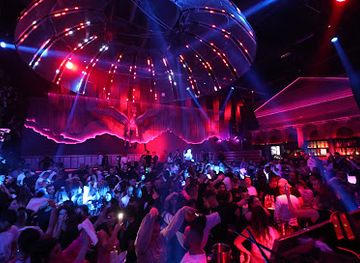
Skrapar does not have a large nightclub scene. Evening life centres on cafés, modest bars and restaurants in Çorovodë, where residents meet for coffee, conversation and, in moderation, local drinks. In villages, nights are quieter and social activity is more likely to take place in family homes, guesthouses or during community celebrations than in dedicated entertainment venues. Traditional hospitality may involve raki, but alcohol is only one part of local evening culture and need not be central to a visit. Live music and dancing are most likely to appear during weddings, festivals or seasonal gatherings rather than on a regular club circuit. Visitors staying in rural accommodation should expect dark roads, limited late-night transport and early closing patterns compared with Albania’s larger cities. For a livelier urban evening, Berat or Tirana are outside Skrapar and require a separate journey rather than serving as local nightlife districts.
-
Night club
Living Room Antik
Discover the vibrant nightlife of Tirana at Living Room Antik, a top-rated night club and beer hall known for its exceptional cocktails and lively atmosphere.
-
Night club
Cinco Cavalli Premium Club
Discover the ultimate nightlife experience at Cinco Cavalli Premium Club in Sauk, Albania, where music, dancing, and excitement come alive.
-
Night club
Sky Club
Discover the electrifying nightlife at Sky Club, Tirana's premier destination for unforgettable parties and stunning city views.
-
Club
Magic Club
Explore Tirana's vibrant nightlife at Magic Club, where unforgettable music and exhilarating energy create the perfect party atmosphere.
Best shops in Skrapar
Shopping in Skrapar is modest and practical, with everyday retail concentrated in Çorovodë rather than in a dedicated shopping district. Small shops and local stalls may offer honey, preserves, mountain herbs, cheese, seasonal fruit and vegetables, as well as bottles of locally produced raki when available. These products are more meaningful souvenirs than generic imported goods, although visitors should buy alcohol and food from reputable sellers and check how products have been packaged. Rural guesthouses and family producers can sometimes provide local items directly, but availability varies by season and household. Traditional textiles, knitted goods and handmade objects may appear at community events or through local contacts rather than in established craft boutiques. Visitors looking for extensive markets, antiques or branded fashion will find a broader choice in Berat or Tirana, outside the region. In Skrapar, shopping is best understood as purchasing provisions and regional produce while supporting small-scale rural households.
-
Shopping mall
Toptani
Discover Toptani, Tirana's premier shopping mall offering a blend of stylish boutiques, diverse dining, and entertainment in the heart of the city.
-
Shopping mall
QTU - Qendra Tregtare Univers
Explore Tirana's top shopping destination at QTU - Qendra Tregtare Univers, featuring diverse shops, delightful dining, and family-friendly entertainment.
-
Tourist attraction
Kanionet e Osumit
Explore the stunning Osum Canyon in Albania, a breathtaking natural wonder perfect for adventure, relaxation, and unforgettable experiences.
-
Shopping mall
Tirana Ring Center
Discover the vibrant Tirana Ring Center, a premier shopping destination in Albania's capital, offering a blend of shopping, dining, and entertainment.


Get your free copy of our complete guide to Skrapar, delivered straight to you.
Everything on this page, from attractions and restaurants to essentials and local phrases, in one PDF you can read offline, print or share.
Already have an account? Sign in
Your Skrapar guide is ready.
We'll send it to · Not you? Sign out

Getting your guide ready…
We are putting together a fresh copy of the Skrapar guide. This can take up to a minute.
This can take a few moments. If your browser asks, choose Allow so the download can start. You'll find the guide in your Downloads folder.
Nothing happened? Download it again
Sorry, the guide is taking longer than usual. Please try again in a minute, or get it by email instead.
Skrapar essentials
Currency and Payment
Safety
Emergency Situations
Do's and Don'ts
Local Tips
From Eve
Local phrases worth knowing
You don't need to get them perfect. A few words go a long way, and locals appreciate the effort.
Basics
| English | Local | Say it |
|---|---|---|
| Hello | Përshëndetje | [Pərshəndetʲe] |
| Goodbye | Mirupafshim | [Mirupafʃim] |
| Yes | Po | [Po] |
| No | Jo | [Jo] |
| Please/You're welcome | Të lutem | [Tə lutɛm] |
| Thank you | Faleminderit | [Falemindɛrit] |
| Excuse me/Sorry | Më fal | [Mə fal] |
| How are you? | Si je? | [Si jɛ?] |
| Fine. And you? | Mirë. Edhe ti? | [Mɪrë. ɛðə ti?] |
| Do you speak English? | A flet anglisht? | [A flɛt aŋɡliʃt?] |
| I don't understand | Nuk kuptoj | [Nuk kuptɔj] |
Eating & Drinking
| English | Local | Say it |
|---|---|---|
| I'd like to see the menu, please | Do doja të shihja menun, të lutem | [Do doja tə ʃihja mɛnʊn, tə lutɛm] |
| I don't eat meat | Nuk ha mish | [Nuk ha miʃ] |
| Cheers! | Gëzuar! | [Gəzuar!] |
| I would like to pay, please | Do doja të paguaj, të lutem | [Do doja tə pəɡuaj, tə lutɛm] |
Emergencies
| English | Local | Say it |
|---|---|---|
| Help! | Ndihmë! | [Ndiːhmɛ!] |
| Go away! | Shkove! | [ʃkɔvɛ!] |
| Call the Police! | Thirr policinë! | [θiːr pɔliʦinɛ!] |
| Call a doctor! | Thirr një doktor! | [θiːr ɲɛ dɔktɔr!] |
| I'm lost | Jam i humbur | [Jam i humbur] |
| I'm ill | Jam i sëmurë | [Jam i sɛmʊrɛ] |
Shopping
| English | Local | Say it |
|---|---|---|
| I'd like to buy... | Do doja të blija... | [Do doja tə bliʲa...] |
| I'm just looking | Po shikoj vetëm | [Po ʃiˈkɔj ˈvɛtəm] |
| How much is it? | Sa kushton? | [Sa kuʃtɔn?] |
| That's too expensive | Kjo është shumë e shtrenjtë | [Kjo ɛʃt ʃum ɛ ʃtrɛɲt] |
| Can you lower the price? | A mund të ulësh çmimin? | [A mund tə uleʃ ʧmiːn?] |
Time & Numbers
| English | Local | Say it |
|---|---|---|
| What time is it? | Sa është ora? | [Sa ɛʃt ɔra?] |
| It's one o'clock | Është një orë | [ɛʃt ɲɛ ɔrə] |
| Half past (10) | Gjashtë e gjysmë | [ɡjashtɛ ɛ ɡʲysmə] |
| Morning | Mëngjes | [Məŋdʒɛs] |
| Afternoon | Pasdite | [Pasdiːtɛ] |
| Evening | Mbrëmje | [Mbrɛmjɛ] |
| Yesterday | Dje | [Dʒɛ] |
| Today | Sot | [Sɔt] |
| Tomorrow | Nesër | [Nɛsɛr] |
| 1 | Një | [ɲɛ] |
| 2 | Dy | [dɨ] |
| 3 | Tre | [trɛ] |
| 4 | Katër | [kɑtɛr] |
| 5 | Pesë | [pɛsɛ] |
| 6 | Gjashtë | [ɡjashtɛ] |
| 7 | Shtatë | [ʃtɑtɛ] |
| 8 | Tetë | [tɛtɛ] |
| 9 | Nëntë | [nɛntɛ] |
| 10 | Dhjetë | [ðjɛtɛ] |
Transport & Directions
| English | Local | Say it |
|---|---|---|
| Where's a/the...? | Ku është...? | [Ku ɛʃt...?] |
| What's the address? | Cila është adresa? | [ʧila ɛʃt aˈdrɛsə?] |
| Can you show me (on the map)? | A mund të më tregosh (në hartë)? | [A mund tə mə trɛɡɔʃ (nə hɑrtɛ)?] |
| When's the next (bus)? | Kur është autobusi tjetër? | [Kur ɛʃt aʊtɔbusɨ ˈtjɛtɛr?] |
| A ticket (to ....) | Një biletë (për ....) | [ɲɛ bɪˈlɛtə (pər ....)] |
History of Skrapar
Ancient Illyrian and Roman Landscapes
Skrapar lies in an interior zone that was inhabited in antiquity by communities commonly associated with the Illyrian world. The surrounding mountains controlled movement between the interior valleys and the routes leading towards the Osum basin. Roman rule later connected the area to the wider communications and economic system of the Balkans, although Skrapar was not a major Roman urban centre on the scale of nearby lowland cities. Archaeological traces, old routes and scattered settlement remains reflect a long history of movement through difficult terrain rather than a single monumental ancient site.
Medieval Mountain Settlements
During the medieval period, the valleys and uplands of Skrapar supported farming, pastoralism and small settlements linked to wider routes across southern Albania. Churches, local place names and surviving patterns of village settlement point to the religious and political changes that affected the region during the Byzantine and later medieval eras. Mountain communities were often relatively dispersed, with local economic life centred on livestock, cultivation and exchange between valleys. The landscape’s defensive qualities also influenced where settlements developed and how communities responded to competing regional powers.
Ottoman Rule and Rural Trade
Skrapar became part of the Ottoman imperial system after the Ottoman expansion into Albania, and its villages were incorporated into administrative and taxation structures that lasted for centuries. The region remained predominantly rural, with agriculture, pastoralism, forestry and small-scale trade providing the foundations of local life. Roads and passes connected Skrapar with Berat and other settlements, while religious institutions formed part of the cultural landscape. Ottoman-era influences remain visible in aspects of settlement history, family traditions, religious practice and the mixed character of local architectural heritage.
Bektashi and Southern Albanian Cultural Traditions
Bektashi Islam, a Sufi tradition with a notable historical presence in Albania, influenced religious and cultural life in parts of the southern and central mountain regions, including areas connected with Skrapar. Its emphasis on spiritual teaching, hospitality and devotion developed alongside older local customs and Albania’s broader religious diversity. Skrapar’s cultural identity was also shaped by oral storytelling, regional music and the seasonal movement of families and livestock. These traditions should be understood as living elements of local heritage rather than as museum pieces detached from contemporary communities.
National Independence and Interwar Albania
The political changes that led to Albanian independence in 1912 gradually brought Skrapar into the institutions of the modern Albanian state. The region remained difficult to reach and economically rural, but roads, administration and schooling slowly developed during the interwar years. Çorovodë grew in importance as a local administrative centre, while connections with Berat helped link mountain communities to wider markets. The interwar period was one of gradual transition rather than rapid industrialisation, with customary village structures continuing alongside new national institutions.
The Second World War and Resistance
Skrapar’s mountains played a role in the resistance and wartime struggles that affected Albania during the Second World War. Its difficult terrain offered routes and shelter for partisan activity, while local communities experienced the pressures, shortages and violence of occupation and internal conflict. The war left political and personal memories that continued to shape the region after 1944. As elsewhere in Albania, later official accounts often presented wartime history through the language of national liberation, while family memories may preserve a more complex record of loss, displacement and survival.
Socialism, Collectivisation and Rural Transformation
After the Second World War, Albania’s socialist government reorganised rural life through collectivised agriculture, state control and extensive political administration. Roads, schools and public services expanded, but private economic activity and freedom of movement were heavily restricted. Mountain communities were drawn into agricultural cooperatives and state structures, while many families experienced changes to landholding, work and religious practice. The period also brought major environmental and social pressures, including later depopulation as younger residents moved towards larger towns or abroad after the communist system ended.
Post-1990 Migration and Nature-Based Tourism
The collapse of communism transformed Skrapar’s economy and settlement patterns. Emigration and movement to Albanian cities reduced the population of many villages, while small private businesses and new forms of mobility emerged. At the same time, the Osum Canyon, Bogovë Waterfall and the region’s mountain scenery began attracting visitors interested in adventure travel and rural landscapes. Tourism remains comparatively small-scale, and infrastructure is uneven, but the shift towards guided outdoor activities, guest accommodation and local food offers Skrapar a new economic role alongside agriculture and remittances.
Skrapar in Photos
Browse through our photo collection highlighting the charm and character of the destination.
Neighbouring regions of Skrapar
The closest regions to Skrapar, if you have time for more than one.
-

-

-

-

-


Swipe for more regions
Explore more

Explore more of Albania
Discover Albania: A land of untamed beauty, rich history, and warm hospitality, offering stunning beaches, rugged mountains, and vibrant cities.
Explore Albania