

Southern Albania, Albania Travel Guide
Discover Southern Albania: From pristine beaches and ancient ruins to charming towns and breathtaking natural wonders, this hidden gem of the Balkans awaits exploration.
Southern Albania is a treasure trove of natural beauty and historical richness, perfect for the intrepid traveler seeking an off-the-beaten-path adventure. Nestled between the Adriatic and Ionian seas, this region boasts stunning beaches, crystal-clear waters, and untouched landscapes. The coastal town of Saranda is a must-visit, offering a blend of modern amenities and ancient ruins, including the remarkable Butrint National Park, a UNESCO World Heritage site. Journey inland to discover the charming town of Gjirokastër, known as the 'City of Stone' for its well-preserved Ottoman architecture and cobbled streets. The Gjirokastër Castle, perched high on a hill, offers panoramic views of the Drino Valley and a glimpse into Albania's storied past. Further north, Berat, another UNESCO site, showcases a unique blend of Islamic and Byzantine architecture, earning it the nickname 'The Town of a Thousand Windows.' Nature lovers will be captivated by the Blue Eye, a mesmerizing natural spring with hypnotic turquoise waters. Hiking enthusiasts can explore the Llogara Pass, which offers breathtaking views of the coastline and the chance to spot local wildlife. Southern Albania's cuisine is a delightful mix of Mediterranean flavors, with fresh seafood, locally-grown produce, and traditional dishes that reflect the region's diverse cultural influences. Whether you're exploring ancient ruins, hiking through scenic landscapes, or simply relaxing on a pristine beach, Southern Albania promises an unforgettable experience.

Know before you go
Hi, I'm Eve. Here are a few practical things to know before exploring Southern Albania.
- Pack comfortable walking shoes for exploring historical sites and cobbled streets.
- Visit the Blue Eye early in the morning to avoid crowds and enjoy the serene atmosphere.
- Try local dishes like byrek, a savory pastry, and fresh seafood in coastal towns.
- Carry cash, as some small towns and villages may not accept credit cards.
- Learn a few basic phrases in Albanian to enhance your interaction with locals.
Top City Travel Guides in Southern Albania
The cities of Southern Albania, and the easiest places to base yourself.



Destinations in Southern Albania
Resorts, valleys and scenic spots worth a trip of their own.


Explore Southern Albania: Things to Do, Places to Eat, Hotels & More
Handpicked recommendations for top attractions, local dining, accommodations, and more

Top Attractions & Sightseeing in Southern Albania
Top-rated picks
Best Attractions

Gjirokastër County
Discover Gjirokastër County: A captivating blend of Ottoman history, stunning architecture, and natural beauty in the heart of Albania.

Kulla e Sahatit
Discover the historic Kulla e Sahatit in Berat, Albania, offering breathtaking views and a glimpse into the region's rich cultural heritage.

Liqenet e Lukovës
Discover the serene beauty of Liqenet e Lukovës, Albania: glacial lakes, hiking trails, and tranquil nature escapes await!

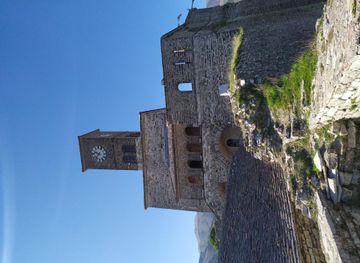
Church of St. Spiridon
Discover the serene beauty and spiritual heritage of the Church of St. Spiridon, an Orthodox gem in the heart of Berat's historic Gorica district.

Best landmarks in Southern Albania
Top-rated picks
Best Landmarks

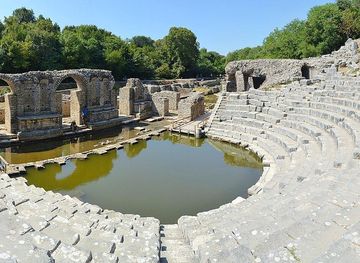
Butrint National Archaeological Park
Discover Butrint National Park: Where ancient civilizations meet stunning natural beauty in Albania's UNESCO World Heritage Site.

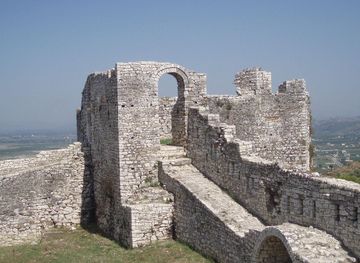
Castle of Gjirokastra
Explore Gjirokastra Castle, a historic Balkan fortress with stunning views, armaments museum, and Cold War relics in Albania's 'Stone City'.

Independence Monument
A powerful symbol of Albanian independence in Vlorë's Flag Square, commemorating the nation's declaration of sovereignty in 1912.

Kanionet e Osumit
Explore the majestic Osumi Canyon in Albania, a breathtaking natural wonder with stunning landscapes, thrilling activities, and rich cultural history.

Best restaurants in Southern Albania
Top-rated picks
Best Restaurants

Haxhi
Experience authentic Albanian cuisine at Haxhi in Saranda – where delicious flavors meet stunning coastal views.

Bar Restaurant Limani
Experience exquisite dining at Bar Restaurant Limani in Sarandë; where local flavors meet stunning sea views for an unforgettable meal.

Taverna Labëria
Experience authentic Albanian cuisine at Taverna Labëria in Sarandë, where local flavors meet stunning seaside views.

Temi Albanian Food
Discover the taste of Albania at Temi Albanian Food - where traditional flavors meet warm hospitality in Berat.

Best bars in Southern Albania
Top-rated picks
Best Bars
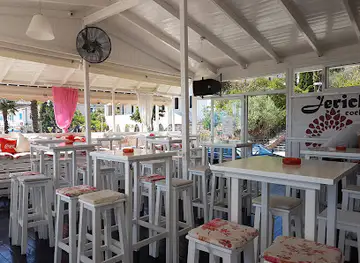
Jericho Cocktail Bar
Discover Jericho Cocktail Bar: Where innovative cocktails meet stunning sea views in the heart of Sarandë, Albania.

Oping's Cocktails & Beer
Discover Oping's Cocktails & Beer in Tirana for an unforgettable night of cocktails, local brews, and delicious dishes in a vibrant setting.

Radio bar Tirana
Experience the vibrant nightlife at Radio Bar Tirana, where unique cocktails meet a lively atmosphere in the heart of Albania's capital.

Mojo Cocktails Bar
Discover the vibrant flavors of expertly crafted cocktails at Mojo Cocktails Bar, a must-visit hotspot in Himarë, Albania, for every traveler.

Best nightclubs in Southern Albania
Top-rated picks
Best Nightclubs

Orange Club Sarande
Discover the electrifying nightlife at Orange Club Sarande, where the music is vibrant and the atmosphere is unforgettable.

Cinco Cavalli Premium Club
Experience the vibrant nightlife at Cinco Cavalli Premium Club, a premier destination for music, dancing, and unforgettable memories in Sauk, Albania.

4 Elements Night Clubs ( Strip Club )
Explore the vibrant nightlife at 4 Elements Night Clubs, Sarandë's premier adult entertainment venue offering unforgettable performances and a lively atmosphere.

Sky Club
Immerse yourself in the lively nightlife of Tirana at Sky Club, where music, dancing, and unforgettable memories await.

Best shops in Southern Albania
Top-rated picks
Best Shops

Toptani
Experience the lively ambiance of Toptani Shopping Mall in Tirana, where shopping meets local culture and culinary delights.

QTU Riviera
Explore QTU Riviera in Vlorë, Albania, for an unforgettable shopping experience featuring diverse stores, dining options, and entertainment for all ages.

Metropol Center
Discover Metropol Center in Lushnjë: Your ultimate shopping and dining destination in Albania, offering a vibrant mix of local charm and international flair.

Memories Shop at Tirana Airport
Explore the Memories Shop at Tirana Airport for unique Albanian souvenirs and local treasures, capturing the essence of your travel experience.

Explore Southern Albania on the Map
A handpicked selection of must-see spots in Southern Albania, mapped for you.
Southern Albania Essentials
-
Southern Albania is accessible via Tirana International Airport (Nënë Tereza), which is approximately 220 kilometers from the southern region. From Tirana, travelers can take a bus or rent a car to reach destinations like Saranda, Gjirokastra, and Vlora. Buses run regularly from Tirana to major towns in Southern Albania, making it a cost-effective option for budget travelers. For a more scenic route, you can also take a ferry from Corfu, Greece, to Saranda.
-
Public transportation in Southern Albania includes buses and minibuses (furgons) that connect major cities and towns. Taxis are also available but make sure to agree on the fare beforehand. Renting a car is a convenient option for exploring the region at your own pace, especially for visiting remote areas. Roads are generally in good condition, but be cautious when driving in mountainous regions. Cycling is another popular mode of transport, particularly along the scenic coastal routes.
-
The official currency is the Albanian Lek (ALL). Credit and debit cards are accepted in most hotels, restaurants, and larger shops, but it's advisable to carry cash for smaller purchases and in rural areas. ATMs are available in major towns and cities, but it's wise to withdraw sufficient cash before traveling to remote areas. Exchange bureaus and banks offer currency exchange services, but it's best to exchange money in larger towns for better rates.
-
Southern Albania is generally safe for tourists. However, standard precautions should be taken, such as avoiding poorly lit areas at night and keeping valuables secure. There are no specific high-crime areas targeting tourists, but petty theft can occur in crowded places. Be cautious when hiking or exploring remote areas; always inform someone of your plans. Emergency numbers are 129 for police and 127 for medical emergencies.
-
In case of emergency, dial 129 for police assistance or 127 for medical emergencies. Major towns have hospitals and clinics, but facilities may be limited in rural areas. Pharmacies are available in towns and cities for minor health issues. It is advisable to have travel insurance that covers medical emergencies and evacuation. Keep the contact details of your country's embassy or consulate handy.
-
Fashion: Do dress modestly, especially when visiting religious sites. Avoid wearing overly revealing clothing. Religion: Do respect local customs and traditions. When visiting mosques or churches, ensure your shoulders and knees are covered. Public Transport: Do be respectful and give up your seat to elderly passengers. Don’t eat or drink on public transport. Greetings: Do greet people with a handshake. A slight nod of the head is also a sign of respect. Eating & Drinking: Do try local delicacies and accept food offerings graciously. Don’t refuse hospitality, as it is considered impolite.
-
To experience Southern Albania like a local, visit the local markets where you can buy fresh produce and traditional Albanian goods. Engage with locals, as they are often friendly and willing to share stories about the region’s history and culture. Don’t miss exploring the historic towns of Gjirokastra and Berat, both UNESCO World Heritage Sites. For a unique experience, visit the Blue Eye (Syri i Kaltër) spring, a stunning natural phenomenon near Saranda. Enjoy local dishes such as byrek, lamb, and seafood, and make sure to try the local raki.
When is the best time to visit Southern Albania?
Useful Local Phrases for Southern Albania
You don't need to speak the language perfectly. Even learning a few simple words can make conversations warmer—and locals usually appreciate the effort.
— Eve

Here are the phrases I use most often in Southern Albania. Try a few—you'll be surprised how far they go! 😊
❤️
-
- HelloPërshëndetje
[Për-shen-de-tye] - GoodbyeMirupafshim
[Mee-roo-paf-sheem] - YesPo
[Poh] - NoJo
[Yo] - Please/You're welcomeTë lutem/ S'ka përse
[Tuh loo-tem/ Skah pur-seh] - Thank youFaleminderit
[Fah-leh-men-deh-reet] - Excuse me/SorryMë fal/Më vjen keq
[Meh fal/ Meh vyen kehch] - How are you?Si je?
[See yeh?] - Fine. And you?Mirë. Edhe ti?
[Meer. Edh-eh tee?] - Do you speak English?A flet anglisht?
[Ah flet ahn-gleesht?] - I don't understandNuk kuptoj
[Nook koop-toy]
- HelloPërshëndetje
-
- I'd like to see the menu, pleaseDo doja të shoh menun, të lutem
[Doh doh-yah tuh shoh meh-noon, tuh loo-tem] - I don't eat meatNuk ha mish
[Nook hah meesh] - Cheers!Gëzuar!
[Geh-zoo-ar!] - I would like to pay, pleaseDo doja të paguaj, të lutem
[Doh doh-yah tuh pah-goo-aye, tuh loo-tem]
- I'd like to see the menu, pleaseDo doja të shoh menun, të lutem
-
- Help!Ndihmë!
[Ndeeh-muh!] - Go away!Shkonte!
[Shkon-teh!] - Call the Police!Thirrni policinë!
[Theer-nee poh-lee-chee-neh!] - Call a doctor!Thirrni një doktor!
[Theer-nee nyuh dok-tor!] - I'm lostJam humbur
[Yahm hoom-boor] - I'm illJam i sëmurë
[Yahm ee se-moo-reh]
- Help!Ndihmë!
-
- I'd like to buy...Do doja të blej...
[Doh doh-yah tuh bleh...] - I'm just lookingPo shikoj
[Poh shee-koy] - How much is it?Sa kushton?
[Sah koosh-ton?] - That's too expensiveKjo është shumë e shtrenjtë
[Kyo esh-të shoom eh shtren-yet] - Can you lower the price?A mund të ulësh çmimin?
[Ah moond tuh oo-lesh chmee-meen?]
- I'd like to buy...Do doja të blej...
-
- What time is it?Sa është ora?
[Sah esh-të oh-rah?] - It's one o'clockËshtë një orë
[Esh-të nyuh oh-rah] - Half past (10)Pjesë pas (10)
[Pye-seh pahs (deesh)] - MorningMëngjes
[Muhn-jes] - AfternoonPasdite
[Pahs-dee-teh] - EveningMbrëmje
[Mbruh-myeh] - YesterdayDje
[Dyeh] - TodaySot
[Sot] - TomorrowNesër
[Neh-ser] - 1Një
[Nyuh] - 2Dy
[Dih] - 3Tre
[Tre] - 4Katër
[Kah-ter] - 5Pesë
[Pe-së] - 6Gjashtë
[Jah-sht] - 7Shtatë
[Shta-teh] - 8Tetë
[Teh-teh] - 9Nëntë
[Nuhn-teh] - 10Dhjetë
[Dhee-eh-teh]
- What time is it?Sa është ora?
-
- Where's a/the...?Ku është një...?
[Koo esh-të nyuh...?] - What's the address?Cila është adresa?
[Tsee-lah esh-të ah-dree-sah?] - Can you show me (on the map)?A mund të më tregosh (në hartë)?
[Ah moond tuh meh treh-gosh (nuh har-tay)?] - When's the next (bus)?Kur është autobusi tjetër?
[Koor esh-të ow-toh-boo-see tee-eh-ter?] - A ticket (to ....)Një biletë (për ....)
[Nyuh bee-leh-tuh (pur ....)]
- Where's a/the...?Ku është një...?
History of Southern Albania
-
Butrint, a UNESCO World Heritage Site, stands as a testament to the rich tapestry of Southern Albania's ancient history. Originally a Greek colony founded in the 7th century BC, Butrint flourished under Roman rule and later became a major center for Christianity. The site boasts a well-preserved theater, basilica, and baptistery, showcasing the architectural prowess of different eras and civilizations that once thrived here.
-
Gjirokastër, known as the 'City of Stone,' is a prime example of Ottoman architecture and has been recognized as a UNESCO World Heritage Site. The city’s history is deeply intertwined with the rise and fall of the Ottoman Empire. Its majestic castle, which dates back to the 12th century, offers panoramic views and houses a museum that delves into the region's medieval past. The stone-paved streets and traditional houses with their unique architecture transport visitors back to the Ottoman era.
-
Tepelena is synonymous with Ali Pasha, an influential figure in the early 19th century. Known as the 'Lion of Janina,' Ali Pasha ruled over a semi-autonomous region that included Southern Albania. His efforts to consolidate power and his eventual rebellion against the Ottoman Empire played a crucial role in the region's struggle for independence. The remnants of his fortress in Tepelena stand as a reminder of his impact on the region's history.
-
Vlorë is not only a coastal gem but also a significant historical and cultural hub. It was here, on November 28, 1912, that Albania declared its independence from the Ottoman Empire. The city is home to the Independence Museum, which chronicles this pivotal moment in Albanian history. Vlorë’s diverse cultural influences are evident in its architecture, cuisine, and vibrant arts scene, making it a melting pot of Southern Albanian culture.
-
Himara has a long history of resistance and resilience, dating back to its days as a part of the Byzantine Empire. The town has seen numerous conflicts, including struggles against Ottoman rule and Italian and German occupations during World War II. Himara's strategic coastal location made it a focal point for various military campaigns. Today, its blend of historical sites and natural beauty tells the story of a community that has weathered centuries of change and conflict.
-
Founded in 588 BC by Greek colonists, Apollonia was one of the most important cities in the ancient world, particularly during the Roman period. The city was a renowned center for philosophy and the arts, attracting scholars from across the empire. The site includes a well-preserved theater, a triumphal arch, and the ruins of the ancient agora. Apollonia’s historical significance is further highlighted by its mention in various classical texts, adding an enigmatic allure to its ruins.
-
Berat, often referred to as the 'City of a Thousand Windows,' is another UNESCO World Heritage Site that exemplifies the rich cultural tapestry of Southern Albania. The city’s history is marked by the influence of the Bektashi Order, a Sufi Islamic sect that played a significant role in the cultural and religious life of the region. Berat’s historical quarters, Mangalem and Gorica, are filled with traditional Ottoman houses, mosques, and Christian churches, reflecting a unique coexistence of faiths.
Neighbouring Regions of Southern Albania
The closest regions to Southern Albania, if you have time for more than one.


Your all‑in‑one travel companion app
Explore expert travel guides, compare and book tours, experiences, hotels, and more—all from the palm of your hand. Download now for seamless trip planning wherever your wanderlust takes you.


Explore More of Albania

Looking beyond Southern Albania? Discover Albania for broader travel guides, local hot-spots, and regional highlights.
Explore AlbaniaSouthern Albania in Photos
Browse through our photo collection highlighting the charm and character of the destination.

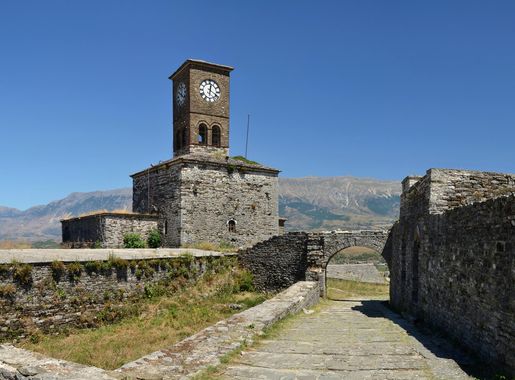


Southern Albania: A Hidden Gem of the Balkans
Southern Albania is a treasure trove of natural beauty and historical richness, perfect for the intrepid traveler seeking an off-the-beaten-path adventure. Nestled between the Adriatic and Ionian seas, this region boasts stunning beaches, crystal-clear waters, and untouched landscapes. The coastal town of Saranda is a must-visit, offering a blend of modern amenities and ancient ruins, including the remarkable Butrint National Park, a UNESCO World Heritage site. Journey inland to discover the charming town of Gjirokastër, known as the 'City of Stone' for its well-preserved Ottoman architecture and cobbled streets. The Gjirokastër Castle, perched high on a hill, offers panoramic views of the Drino Valley and a glimpse into Albania's storied past. Further north, Berat, another UNESCO site, showcases a unique blend of Islamic and Byzantine architecture, earning it the nickname 'The Town of a Thousand Windows.' Nature lovers will be captivated by the Blue Eye, a mesmerizing natural spring with hypnotic turquoise waters. Hiking enthusiasts can explore the Llogara Pass, which offers breathtaking views of the coastline and the chance to spot local wildlife. Southern Albania's cuisine is a delightful mix of Mediterranean flavors, with fresh seafood, locally-grown produce, and traditional dishes that reflect the region's diverse cultural influences. Whether you're exploring ancient ruins, hiking through scenic landscapes, or simply relaxing on a pristine beach, Southern Albania promises an unforgettable experience.