

Free Puka Travel Guide & Mobile App
Explore Puka with free travel guides. Discover regional history, expert tips, proposed trips, and audio guides on web or mobile app.


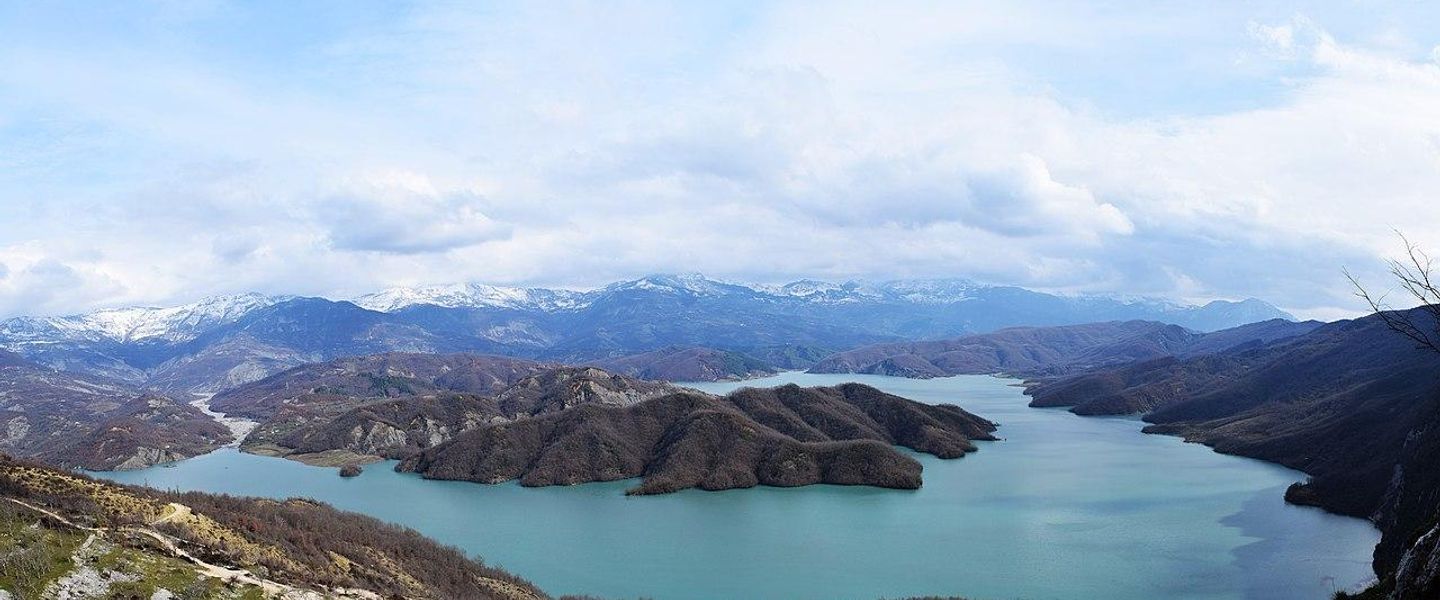


Explore Puka in northern Albania for mountain scenery, forest trails, rural villages, highland traditions and a quieter alternative to the country’s coast.
Read more about Puka
When is the best time to visit Puka?
Best: May–June, September · 24–28°C| Month | High (°C) | Rainfall (mm) |
|---|---|---|
| January | 9 | 80 |
| February | 11 | 70 |
| March | 16 | 60 |
| April | 20 | 50 |
| May (best) | 24 | 40 |
| June (best) | 28 | 30 |
| July | 31 | 20 |
| August | 30 | 20 |
| September (best) | 26 | 30 |
| October | 20 | 40 |
| November | 14 | 60 |
| December | 10 | 70 |
Getting to and around Puka
How to get there
Transportation
Destinations in Puka
Resorts, valleys and scenic spots worth a trip of their own.

Swipe for more destinations
Best attractions in Puka
Puka’s attractions are primarily landscape-based and rural. The town provides an accessible starting point for views, short walks and visits to the small lake near Pukë, while the surrounding municipality opens into wooded slopes, upland pastures and valleys leading towards Qafë-Mali, Qelëz, Gjegjan and Iballë. The Munella foothills are especially appealing to walkers, landscape photographers and visitors interested in northern Albania’s forest habitats, although routes require preparation and local advice rather than reliance on extensive tourist infrastructure. Traditional villages, stone houses, churches and cultivated mountain plots offer insight into the region’s history and continuing rural life. Visitors with more time can plan longer drives through the highlands, stopping at viewpoints and seeking locally arranged walks or meals. Puka is not a museum-heavy destination, and its value lies in the relationship between settlement, forest and mountain road. The experience is consequently best suited to travellers who enjoy quiet landscapes, flexible itineraries and direct contact with a less commercialised part of Albania.
-
Tour agency
Shala River Trip
Experience the breathtaking beauty of Komani Lake, Albania: a hidden paradise of stunning scenery and serene boat tours through dramatic canyons.
-
Camping farm
Agora Farmhouse
Experience tranquility at Agora Farmhouse in Koman, Albania. A serene camping retreat with stunning lake views and outdoor adventures.
-
Ravine
Kanioni i Holtes
Discover Kanioni i Holtes, a hidden gem in Albania with stunning cliffs, clear waters, and thermal springs, perfect for hiking and nature lovers.
-
Museum
Reconciliation Tower
Discover the Reconciliation Tower in Albania—a historical monument symbolizing peace, resilience, and the enduring spirit of its people.


Best landmarks in Puka
The most recognisable landmark in Puka is the mountain town itself, whose position on a high plateau gives it a distinctive relationship with the surrounding wooded ridges. The area’s small lake near Pukë provides a local focal point and reflects the region’s combination of settlement and upland scenery. Beyond the town, the Munella massif is the defining natural landmark, rising across the Puka–Mirditë mountain landscape and giving the southern part of the region a strong visual presence. Qafë-Mali is significant less for monumental architecture than for its role as a mountain passage and viewpoint, while the roads towards Iballë and Qelëz reveal the dispersed character of Puka’s highland settlement. Traditional stone and timber houses, village churches and farmsteads are important cultural markers, even when they are not formal monuments. Together these places show why Puka is best understood through its terrain, routes and rural architecture rather than through a concentrated collection of grand buildings.
-
National park
Butrint National Archaeological Park
Discover Butrint National Park: Where ancient civilizations meet stunning Albanian landscapes. A UNESCO World Heritage Site offering a unique historical journey.
-
Nature preserve
The Blue Eye
Discover the enchanting Blue Eye of Albania: a natural spring with mesmerizing beauty, crystal-clear waters, and captivating local legends.
-
Tourist attraction
Skanderbeg Square
Discover Skanderbeg Square in Tirana: a vibrant hub of Albanian history, culture, and national pride, surrounded by iconic landmarks and attractions.
-
Castle
Castle of Gjirokastra
Explore Gjirokastra Castle: A Balkan fortress with centuries of Albanian history, panoramic views & cultural treasures.


Explore Puka on the map
Plan your trip on one map. See where the top cities, national parks and sights are, and book hotels and experiences in a few clicks.
Best hotels in Puka
Best restaurants in Puka
Dining in Puka is modest, seasonal and closely connected with mountain household production. Town cafés and restaurants generally provide straightforward Albanian cooking, while rural accommodation may offer meals based on what families grow or produce locally. Expect breads, beans, potatoes, soups, grilled meats, mountain cheeses, yoghurt, preserves and seasonal vegetables rather than a specialised international restaurant scene. Dairy products and honey are particularly appropriate choices in a highland area where livestock keeping remains important. In northern Albania, dishes such as byrek, tavë and meat-based stews are part of the wider national and regional food culture, but recipes vary from household to household. Ask guesthouse hosts about advance meals when staying outside Pukë, as nearby dining options may be limited and opening arrangements are not always predictable. Local produce bought directly from producers can be a rewarding part of the visit, provided purchases are agreed clearly and respectfully.
-
Restaurant
Mrizi i Zanave - Restorant Agroturizëm
Experience authentic Albanian cuisine at Mrizi i Zanave – where tradition meets sustainability amidst breathtaking landscapes.
-
Restaurant
Odas Garden
Discover authentic Albanian flavors at Odas Garden in Tirana – where tradition meets taste in a charming setting.
-
Traditional restaurant
Oda - Traditional Albanian Restaurant
Discover authentic Albanian flavors at Oda - Traditional Restaurant in Tirana, where every dish tells a story.
-
Restaurant
Restaurant Piceri Era "Blloku"
Experience authentic Albanian cuisine blended with modern flair at Restaurant Piceri Era 'Blloku' in the heart of Tirana.


Best bars in Puka
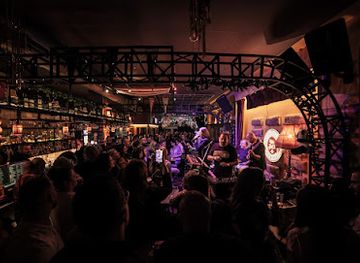
Puka has a quiet evening culture rather than a developed nightclub scene. In the town, cafés and small bars are the main places to meet, often serving coffee, soft drinks, beer and spirits alongside informal conversation. Rural guesthouses tend to centre the evening on a home-cooked meal, a wood-burning stove or time outdoors when the weather permits, rather than late-night entertainment. Larger nightlife options are found in cities outside the region, not within Puka itself, so visitors should not plan the area as a clubbing destination. Local celebrations and family occasions can bring music and sociability, but these are not permanent visitor attractions and should not be assumed to be taking place. The strongest evening experience is usually the mountain setting: clear air, dark skies and a slower pace after the roads and trails have emptied.
-
Restaurant
Bar Restorant “Te Kastrioti”
Discover the flavors of Albania at Bar Restorant 'Te Kastrioti' in Koman, where culinary traditions meet breathtaking views.
-
Bar
Bar Restaurant Univers
Discover the flavors of Albania at Bar Restaurant Univers, where local cuisine meets a vibrant bar atmosphere in Pukë.
-
Coffee shop
Bar Kabashi
Experience the rich flavors of Albanian coffee at Bar Kabashi, a cozy retreat in Puke offering a warm atmosphere and delightful brews.
-
Bar
Bar Caffe Kurtalija
Experience the charm of Bar Caffe Kurtalija in Puke, Albania, where local culture meets delicious flavors in a cozy setting.


Best nightclubs in Puka
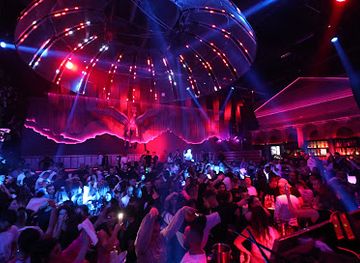
Puka has a quiet evening culture rather than a developed nightclub scene. In the town, cafés and small bars are the main places to meet, often serving coffee, soft drinks, beer and spirits alongside informal conversation. Rural guesthouses tend to centre the evening on a home-cooked meal, a wood-burning stove or time outdoors when the weather permits, rather than late-night entertainment. Larger nightlife options are found in cities outside the region, not within Puka itself, so visitors should not plan the area as a clubbing destination. Local celebrations and family occasions can bring music and sociability, but these are not permanent visitor attractions and should not be assumed to be taking place. The strongest evening experience is usually the mountain setting: clear air, dark skies and a slower pace after the roads and trails have emptied.
-
Club
Magic Club
Discover the vibrant nightlife of Tirana at Magic Club, a top destination for dancing, socializing, and unforgettable experiences.
-
Adult entertainment club
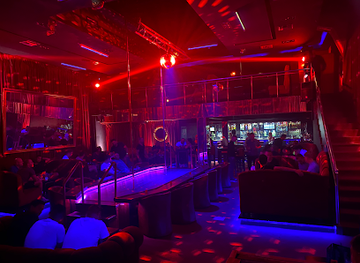
Lust Night Club ( Strip )
Discover the vibrant nightlife at Lust Night Club, Tirana's premier adult entertainment venue with dazzling performances and an electrifying disco atmosphere.
-
Night club
The Jack
Experience the pulse of Tirana at The Jack, a top-notch nightclub where music, dance, and local culture collide for an unforgettable night.
-
Night club
Checkpoint Club
Discover the energetic nightlife at Checkpoint Club, Tirana's premier night club featuring pulsating music and a vibrant atmosphere.

Best shops in Puka
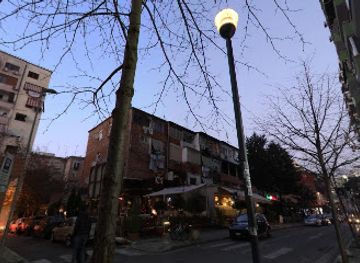
Shopping in Puka is local and practical, with small town shops supplying everyday goods rather than extensive retail districts. Visitors may find mountain products such as honey, cheese, preserves, herbal preparations and home-baked items through accommodation providers or direct contact with local producers; availability varies by season and household. Pukë town is the most dependable place for basic supplies, while villages offer little conventional shopping. The area is not known for major shopping centres, designer retail or a large organised craft market, so souvenirs are more likely to be food products or small handmade items than branded goods. Ask permission and agree prices clearly when buying directly from families. Travellers who want a broader selection of Albanian crafts, antiques or books will find more choice in larger towns outside the region, but Puka’s most meaningful purchases are generally connected with its agricultural and mountain economy.
-
Shopping mall
Toptani
Discover Toptani Shopping Mall in Tirana, a vibrant hub for shopping, dining, and entertainment in a stylish architectural setting.
-
 Guest house
Përparim Laçi Guesthouse
Experience authentic Albanian hospitality at Përparim Laçi Guesthouse, a cozy haven in the scenic beauty of Pukë.
-
Consignment shop
ViaAnabel
Explore ViaAnabel in Tirana for a unique shopping experience filled with vintage treasures and sustainable fashion finds.
-
Gift shop
Souvenir Albania RETAIL & WHOLESALE
Explore Souvenir Albania for authentic handcrafted gifts and unique treasures that reflect the rich culture of Albania.


Get your free copy of our complete guide to Puka, delivered straight to you.
Everything on this page, from attractions and restaurants to essentials and local phrases, in one PDF you can read offline, print or share.
Already have an account? Sign in
Your Puka guide is ready.
We'll send it to · Not you? Sign out

Getting your guide ready…
We are putting together a fresh copy of the Puka guide. This can take up to a minute.
This can take a few moments. If your browser asks, choose Allow so the download can start. You'll find the guide in your Downloads folder.
Nothing happened? Download it again
Sorry, the guide is taking longer than usual. Please try again in a minute, or get it by email instead.
Puka essentials
Currency and Payment
Safety
Emergency Situations
Do's and Don'ts
Local Tips
From Eve
Local phrases worth knowing
You don't need to get them perfect. A few words go a long way, and locals appreciate the effort.
Basics
| English | Local | Say it |
|---|---|---|
| Hello | Hello | [heh-loh] |
| Goodbye | Goodbye | [good-bye] |
| Yes | Yes | [yes] |
| No | No | [no] |
| Please/You're welcome | Please/You're welcome | [pleez/yoor wel-kum] |
| Thank you | Thank you | [thangk yoo] |
| Excuse me/Sorry | Excuse me/Sorry | [eks-kyoos mee/saw-ree] |
| How are you? | How are you? | [how ar yoo] |
| Fine. And you? | Fine. And you? | [fine. and yoo] |
| Do you speak English? | Do you speak English? | [doo yoo speek ing-glish] |
| I don't understand | I don't understand | [I dont un-der-stand] |
Eating & Drinking
| English | Local | Say it |
|---|---|---|
| I'd like to see the menu, please | I'd like to see the menu, please | [I'd like to see the men-yoo, pleez] |
| I don't eat meat | I don't eat meat | [I dont eet meet] |
| Cheers! | Cheers! | [cheers] |
| I would like to pay, please | I would like to pay, please | [I wood like to pay, pleez] |
Emergencies
| English | Local | Say it |
|---|---|---|
| Help! | Help! | [help] |
| Go away! | Go away! | [go aw-ay] |
| Call the Police! | Call the Police! | [call the po-lees] |
| Call a doctor! | Call a doctor! | [call a dok-ter] |
| I'm lost | I'm lost | [I'm lost] |
| I'm ill | I'm ill | [I'm ill] |
Shopping
| English | Local | Say it |
|---|---|---|
| I'd like to buy... | I'd like to buy... | [I'd like to buy...] |
| I'm just looking | I'm just looking | [I'm just looking] |
| How much is it? | How much is it? | [how much is it] |
| That's too expensive | That's too expensive | [thats too eks-pen-siv] |
| Can you lower the price? | Can you lower the price? | [can yoo loh-er the prys] |
Time & Numbers
| English | Local | Say it |
|---|---|---|
| What time is it? | What time is it? | [what time is it] |
| It's one o'clock | It's one o'clock | [its wun oh-clock] |
| Half past (10) | Half past (10) | [half past (ten)] |
| Morning | Morning | [mor-ning] |
| Afternoon | Afternoon | [af-ter-noon] |
| Evening | Evening | [eev-ning] |
| Yesterday | Yesterday | [yes-ter-day] |
| Today | Today | [to-day] |
| Tomorrow | Tomorrow | [to-mor-row] |
| 1 | 1 | [one] |
| 2 | 2 | [two] |
| 3 | 3 | [three] |
| 4 | 4 | [four] |
| 5 | 5 | [five] |
| 6 | 6 | [six] |
| 7 | 7 | [seven] |
| 8 | 8 | [eight] |
| 9 | 9 | [nine] |
| 10 | 10 | [ten] |
Transport & Directions
| English | Local | Say it |
|---|---|---|
| Where's a/the...? | Where's a/the...? | [where's a/the...?] |
| What's the address? | What's the address? | [what's the ad-dress] |
| Can you show me (on the map)? | Can you show me (on the map)? | [can yoo show mee (on the map)?] |
| When's the next (bus)? | When's the next (bus)? | [when's the next (bus)?] |
| A ticket (to ....) | A ticket (to ....) | [a tik-it (to ....)] |
History of Puka
Ancient Highland Communities and Roman Routes
The mountains around Puka have long been occupied by communities connected with the wider Illyrian world, although the surviving archaeological evidence is less monumental than that of Albania’s major lowland sites. Strategic passes through northern Albania linked inland settlements with the Adriatic basin, and Roman rule brought the region into a broader imperial road and administrative network. Older routes followed valleys and ridgelines rather than modern highways, helping explain Puka’s continuing importance as a crossing point between northern and central mountain areas.
Medieval Pulati and the Northern Albanian Church
During the medieval period, the Puka area formed part of the cultural and ecclesiastical landscape of northern Albania, historically associated with Pulati and neighbouring highland territories. Catholic institutions played an important role in preserving religious and cultural connections between remote settlements. Political authority was fragmented, and local communities relied heavily on kinship, customary law and agreements between powerful families. The region’s later traditions of fortified houses, village solidarity and highland identity developed within this difficult mountainous setting.
The Dukagjin Highlands under Ottoman Rule
Ottoman authority gradually extended over northern Albania, but mountainous districts such as Puka often retained considerable local autonomy in everyday affairs. The area was associated with the Dukagjin highlands, where customary law, later known as the Kanun of Lekë Dukagjini, influenced relationships between families and communities. This should not be understood as a complete description of daily life or as a uniquely Pukan tradition, but it remains an important historical framework for understanding northern Albanian social organisation, honour codes and the prominence of extended kinship.
Catholic Missions, Education and National Awakening
Catholic clergy and religious orders, including the Franciscans, helped maintain schools, religious institutions and written cultural traditions in northern Albanian districts. Their work intersected with the wider Albanian national movement of the nineteenth and early twentieth centuries, when language, education and political independence became increasingly important. In Puka and neighbouring highlands, limited communications and difficult terrain made schooling and administration challenging, while religious and local networks often provided some of the most durable links between isolated communities.
Independence, Kingdom and the Formation of Modern Puka
The creation of an independent Albanian state in 1912 brought northern mountain districts into a new national administrative system, although government reach remained limited for many years. Roads, schools and public services developed gradually during the interwar period and under the Albanian monarchy. Puka’s role as a local administrative and trading centre became more clearly defined, while older customary structures continued to influence rural life. The region’s difficult terrain meant that modern state-building was a slow process compared with Albania’s western lowlands.
Socialism, Forestry and Mineral Extraction
After the Second World War, communist Albania reorganised Puka’s economy through state ownership, collective agriculture and planned industrial activity. Forestry was important in the surrounding mountains, while mining and mineral extraction affected settlements including Gjegjan and parts of the wider district. New roads, public buildings and services were introduced, but movement, religious practice and private enterprise were tightly controlled. The period also brought substantial disruption to older village structures, as people were directed towards state farms, industrial work and expanding administrative centres.
Post-1990 Change and Mountain Tourism
The end of communism transformed Puka’s economy and population. State industries declined, collective systems were dismantled and many residents moved to larger Albanian cities or abroad in search of work. Some villages became noticeably quieter, while family farming and small-scale livestock production continued. More recently, hiking, rural accommodation and interest in northern Albania’s landscapes have created new possibilities for local enterprise. Tourism remains modest, and its long-term value depends on improving access while protecting forests, watercourses and the character of mountain communities.
Puka in Photos
Browse through our photo collection highlighting the charm and character of the destination.
Neighbouring regions of Puka
The closest regions to Puka, if you have time for more than one.
-

-

-

-

-


Swipe for more regions
Explore more

Explore more of Albania
Discover Albania: A land of untamed beauty, rich history, and warm hospitality, offering stunning beaches, rugged mountains, and vibrant cities.
Explore Albania