

Via Egnatia: An Ancient Roman Highway
Explore the remnants of the Via Egnatia near Mirakë, Albania, and walk in the footsteps of Roman traders and legionaries on this ancient highway.
The Via Egnatia was a Roman road built in the 2nd century BC that connected the Adriatic Sea to Byzantium, traversing what is now Albania, North Macedonia, Greece, and Turkey. A section of this historic route can be seen near Mirakë, Albania, offering a glimpse into the past.
A brief summary to Via Egnatia
- 5743+3GV, Mirakë, AL
Local tips
- Wear comfortable shoes, as the terrain can be uneven.
- Bring water, especially during the warmer months.
- Consider hiring a local guide to learn more about the history and significance of the Via Egnatia.
- Combine your visit with exploring other nearby historical sites and cultural attractions.

Getting There
-
Walking
From the village of Mirakë, the Via Egnatia is a short walk. Follow the signs or ask locals for directions to the historical landmark. The path may be uneven, so wear appropriate footwear.
-
Public Transport
Take a bus from Mallakastra bus station to Kucovë. Buses run regularly, and the fare is approximately 100-200 ALL. From Kucovë, take a local minibus or taxi to Mirakë (about 50-100 ALL). Inform the driver of your destination and walk the final kilometer.
-
Taxi
Hire a taxi from anywhere in Toskëria to Via Egnatia in Mirakë. The ride takes approximately 20-30 minutes, depending on traffic. Expect to pay around 2000-3000 ALL, but confirm the fare before starting your journey.
Discover more about Via Egnatia
Iconic landmarks you can’t miss

Via Egnatia
0.0 km
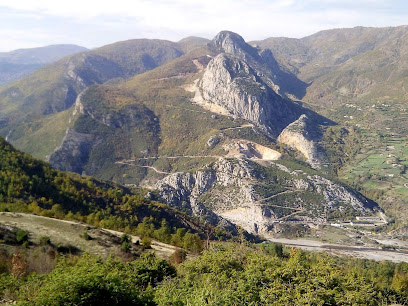
Explore the ancient Via Egnatia near Mirakë, Albania: a historic Roman road connecting East and West, offering a glimpse into a rich past.
Kënd lodrash
5.7 km
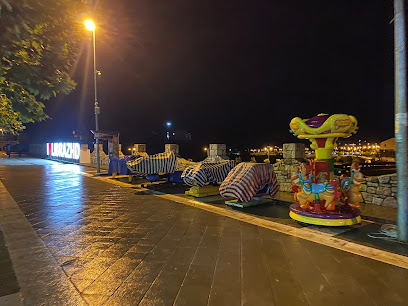
A vibrant playground in Librazhd, Albania, offering a joyful and safe environment for children and families to connect with the local community.
Librazhdi City
6.1 km
Escape to tranquility in Librazhd City Park, a revitalized green space offering relaxation and recreation for all.
Guesthouse Villa Gurra
7.2 km
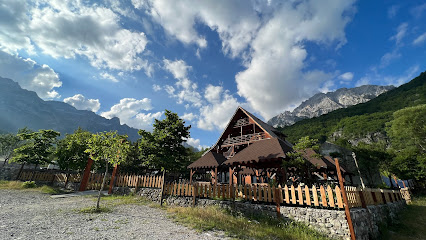
Experience authentic Albanian hospitality at Guesthouse Villa Gurra in Theth, surrounded by stunning mountain views and local culinary delights.
Librazhd-Qendër
8.4 km
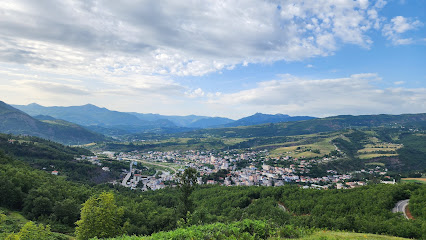
Discover the serene beauty of Librazhd-Qendër, Albania: A charming cottage village offering tranquility, natural landscapes, and cultural experiences.
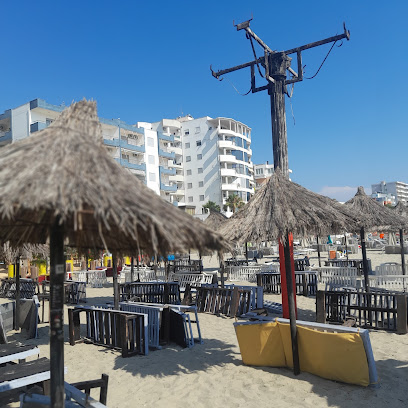
Rozafa - Fish City
9.3 km
Experience fresh seafood and Albanian hospitality at Rozafa - Fish City, a multifaceted destination in Labinot-Fushë with dining, recreation, and relaxation.
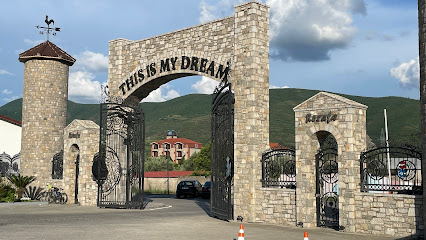
Shtepia e Baholleve
9.6 km
Explore the rich history and culture at Shtepia e Baholleve, a captivating museum nestled in the beautiful landscape of Labinot-Mal, Albania.
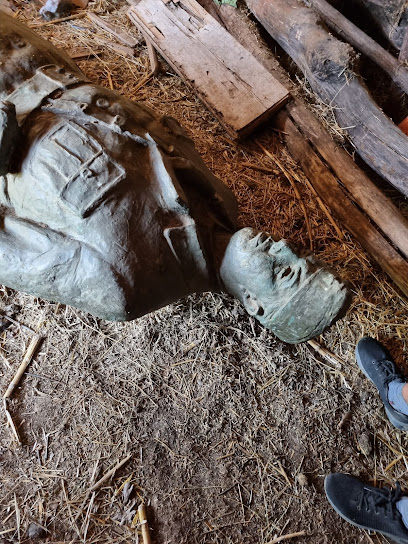
Camping Fridolin
10.3 km
Escape to Camping Fridolin in Labinot-Fushë: Experience Albania's natural beauty, comfortable camping, and cultural immersion near Elbasan.
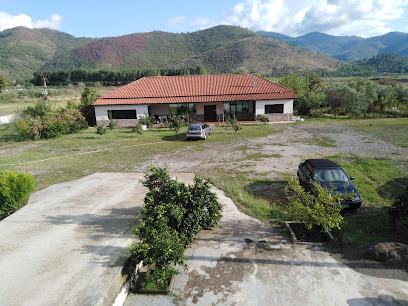
Elbasan Backpackers Hostel
13.4 km
Discover the vibrant culture and stunning landscapes of Albania from Elbasan Backpackers Hostel – your adventure starts here!
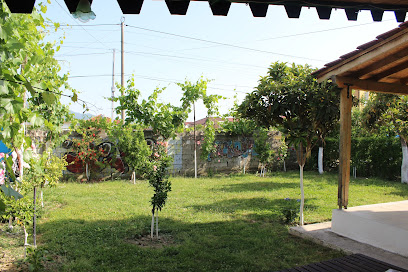
Betonizim nga bashkia Elbasan me Tendera
14.3 km
Explore Betonizim in Elbasan: A historical landmark showcasing Albania's architectural heritage and cultural traditions.

Vila Imperial
15.0 km
Experience comfort and convenience at Vila Imperial, your ideal starting point for exploring the historic city of Elbasan, Albania.
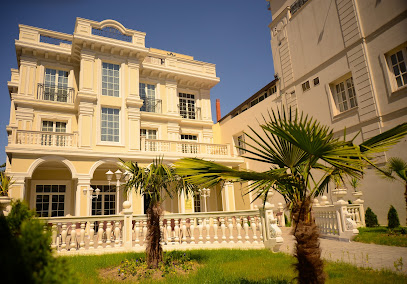
Hammam of Castle
15.0 km
Explore the historic Hammam of Castle in Elbasan, a fascinating example of Ottoman-era bathing culture and architecture.
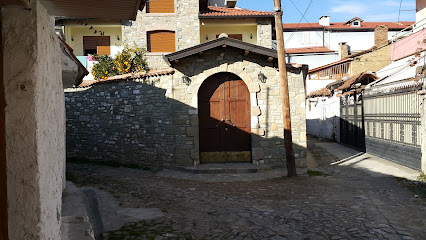
Sahati Elbasan
15.1 km
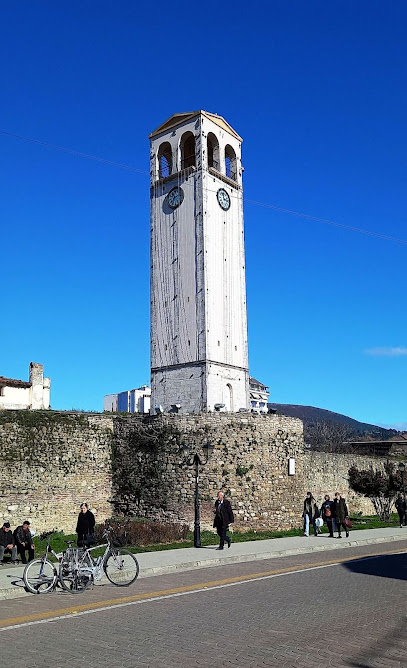
Discover Elbasan's iconic Sahati Clock Tower, a testament to the city's history and Ottoman architectural heritage, nestled within the ancient Citadel.
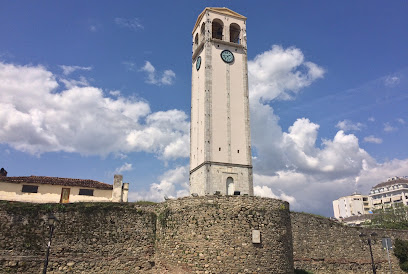
Clock Tower of Elbasan
15.1 km
Discover the historical charm of Elbasan at the iconic Clock Tower, a timeless symbol of the city's rich cultural heritage.
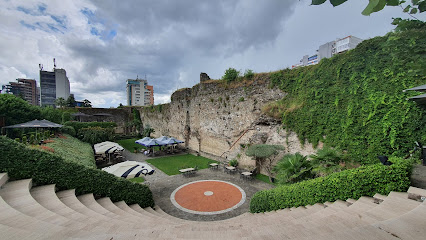
Kalaja e Elbasanit
15.2 km
Discover Elbasan Castle: A historic fortress blending Roman, Byzantine, and Ottoman heritage in the heart of Albania. Explore its walls and cultural monuments.
Unmissable attractions to see

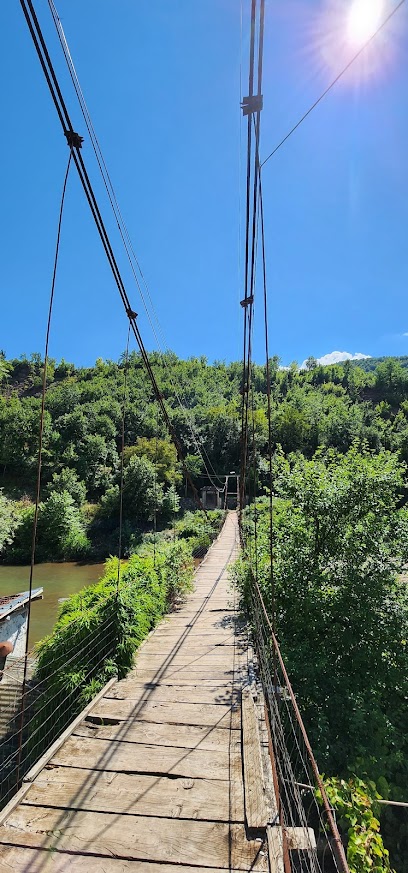
Ura e Çotës
5.7 km
Discover Ura e Çotës, a picturesque 19th-century stone bridge near Librazhd, Albania, offering serene beauty and a glimpse into the region's rich history.
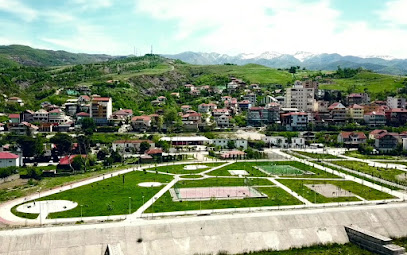
Parku i Qershive
5.9 km
Escape to Parku i Qershive in Librazhd: a picturesque park offering tranquility, natural beauty, and a perfect spot for relaxation and recreation.
Shebenik National Park (tourist information)
5.9 km
Discover Albania's hidden gem: Shebenik-Jabllanice National Park, a haven of mountains, lakes, forests, and wildlife. Perfect for hiking and nature lovers.
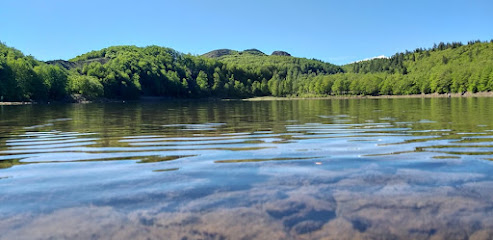
Main street , FIER , ALBANIA
7.2 km
Experience the heart of Albania on Main Street, Labinot-Fushë: culture, cuisine, and community await in this charming thoroughfare.
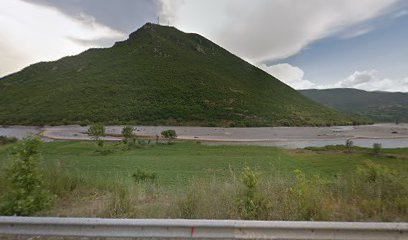
Occhio azzurro
7.2 km
Discover the enchanting beauty of Occhio Azzurro, a natural spring with mesmerizing blue waters, nestled in the Albanian countryside.
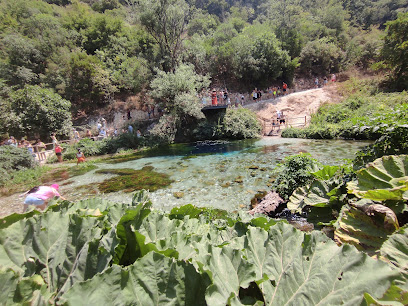
Shushica View
10.4 km
Discover the serene beauty of Shushica View, a stunning viewpoint in Elbasan, Albania, perfect for nature lovers and photographers.
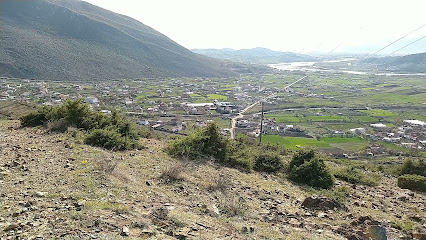
Bujtina Osman Disha
12.4 km
Experience authentic Albanian culture and stunning landscapes at this tranquil retreat in Floq, offering local cuisine and warm hospitality.
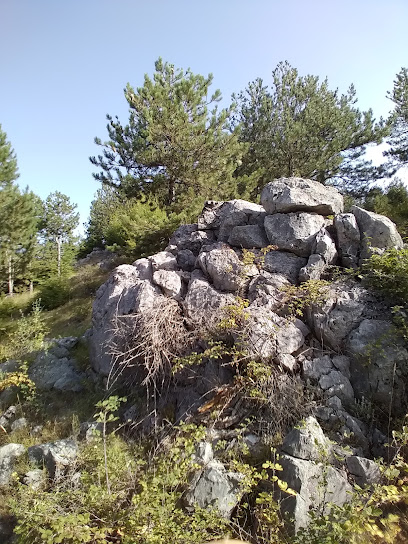
Liqeni i Hyses
13.3 km
Discover Liqeni i Hyses: A captivating Albanian lake offering serene landscapes, hiking trails, and a peaceful retreat into nature.
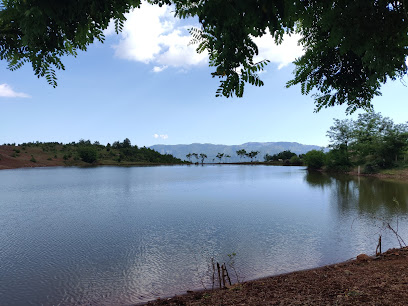
Elbasan Arena
14.2 km
Discover Elbasan Arena, a vibrant stadium in Albania that hosts thrilling sports events and concerts, capturing the heart of local culture.
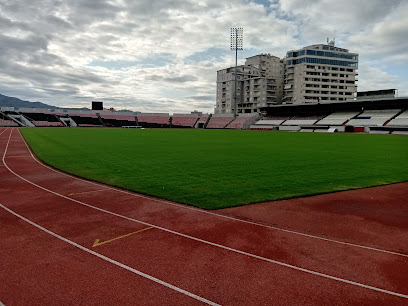
Krasta
14.9 km
Escape to Krasta in Elbasan: A revitalized park offering scenic views, fresh air, and a tranquil retreat in nature's embrace.
Ethnographic Museum of Elbasan
15.1 km
Discover Albania's rich cultural heritage at the Ethnographic Museum of Elbasan, showcasing traditional life through fascinating artifacts and exhibits.
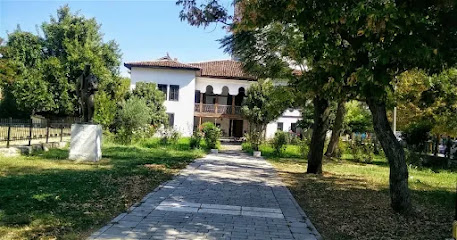
Sheshi Gensher, Elbasan.
15.1 km
Discover the charm and vibrant life of Sheshi Gensher, the cultural heart of Elbasan, Albania, where history, hospitality, and local flavor converge.
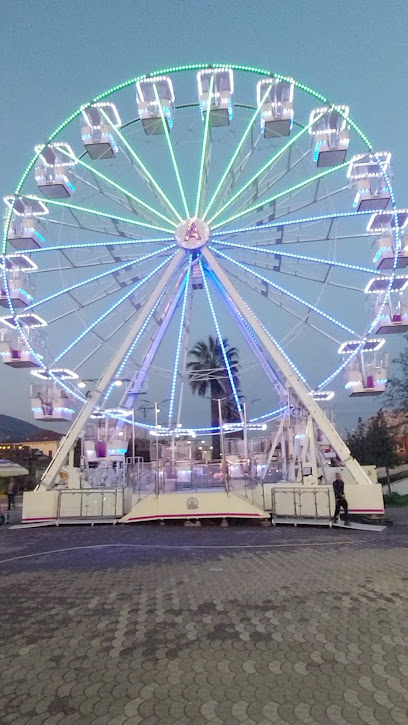
Elbasan Castle
15.2 km
Explore the captivating Elbasan Castle, a historic fortress in Albania, where stunning architecture meets breathtaking landscapes.
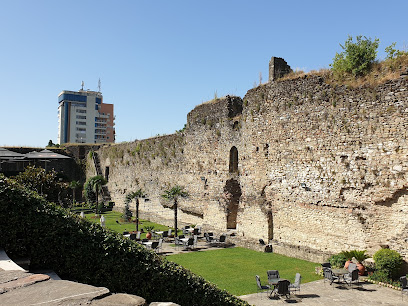
King Mosque, Elbasan
15.2 km
Explore the King Mosque in Elbasan, a magnificent testament to Ottoman architecture and a serene retreat for cultural enthusiasts in Albania.
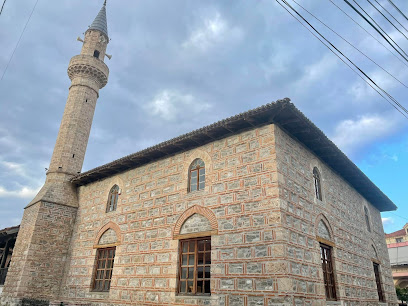
KIsha Fjetja e Shën Marisë
15.2 km
Explore the enchanting Kisha Fjetja e Shën Marisë in Elbasan, Albania – a serene Eastern Orthodox Church filled with history and artistic beauty.
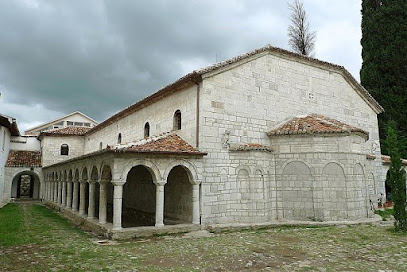
Essential places to dine

Restorant Shkumbini
1.4 km
Experience authentic Albanian flavors at Restorant Shkumbini in Elbasan - where culinary tradition meets modern hospitality.
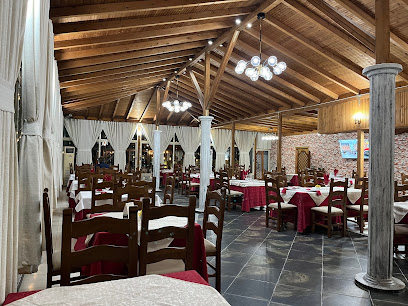
Lugina e Pishave
3.2 km
Experience the authentic flavors of Albanian cuisine at Lugina e Pishave in Librazhd - where tradition meets taste.
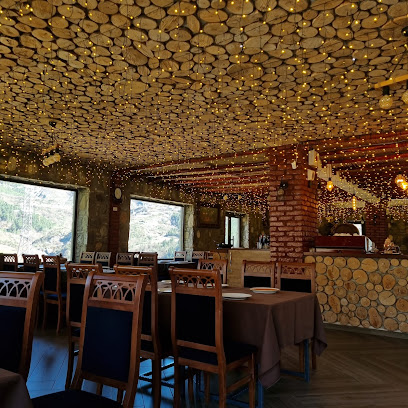
Bar Restorant Adi
3.5 km
Experience authentic Albanian cuisine at Bar Restorant Adi in Librazhd - where tradition meets flavor in every dish.
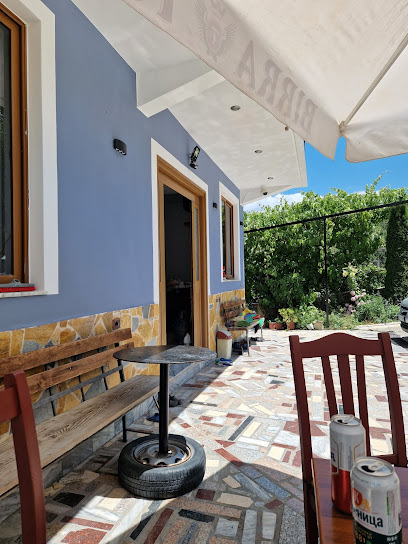
Bar - Restorant "Gjahtari®"
4.3 km
Discover authentic Albanian flavors at Bar - Restorant 'Gjahtari®', where every dish tells a story.
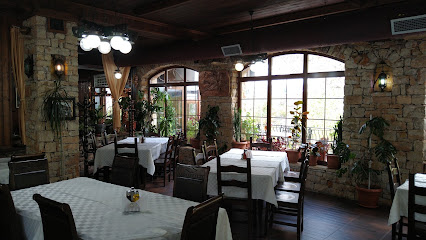
Bar Restorant "Kalaja"
4.7 km
Discover the rich flavors of Albania at Bar Restorant 'Kalaja', where authentic cuisine meets stunning views in a welcoming atmosphere.
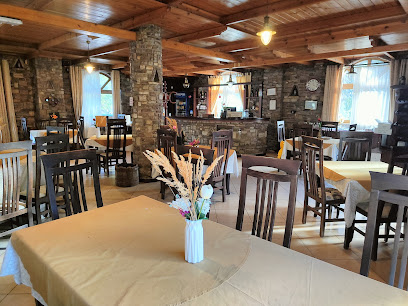
Bar Restorant Baçe Mbret
5.0 km
Discover authentic Albanian cuisine at Bar Restorant Baçe Mbret in Labinot-Fushë - a culinary haven blending tradition with flavor.
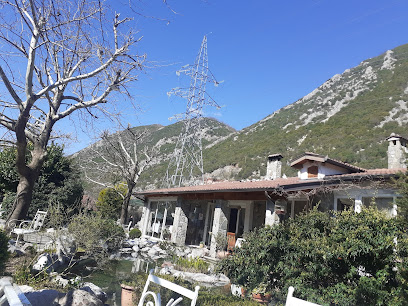
Kompleksi Joni J&B
5.4 km
Experience authentic Albanian cuisine at Kompleksi Joni J&B in Librazhd – where tradition meets flavor in every bite.
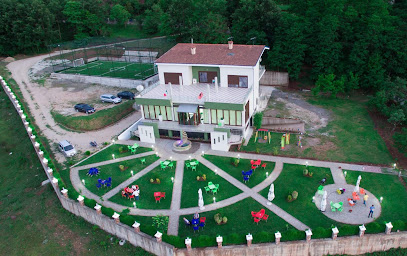
Sallë Dasmash "Bes Alla"
5.5 km
Experience the authentic flavors of Albania at Sallë Dasmash 'Bes Alla' in Librazhd - a culinary delight not to be missed.
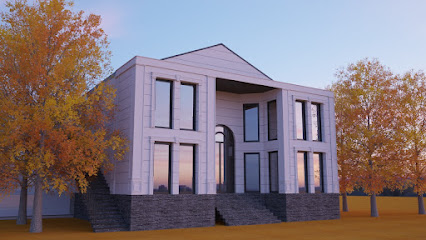
Fast Food Luani.al
5.6 km
Experience delicious fast food at Fast Food Luani.al in Librazhd - where quality meets convenience amidst stunning Albanian scenery.
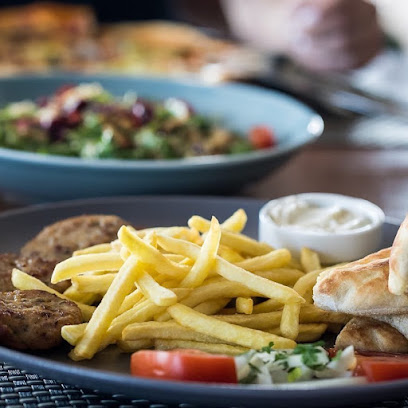
Bar Restorant Xhejsi
5.6 km
Experience authentic Albanian cuisine at Bar Restorant Xhejsi in Librazhd, where tradition meets taste in every dish.
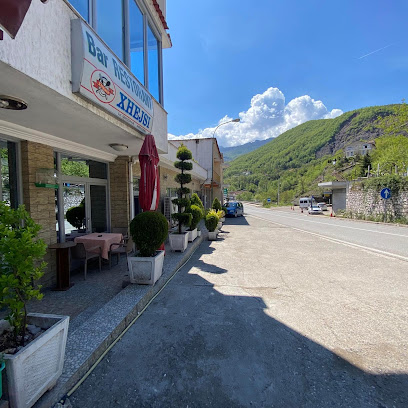
Restorant Natyra
5.7 km
Experience authentic Albanian cuisine at Restorant Natyra in Librazhd – where every dish tells a story.
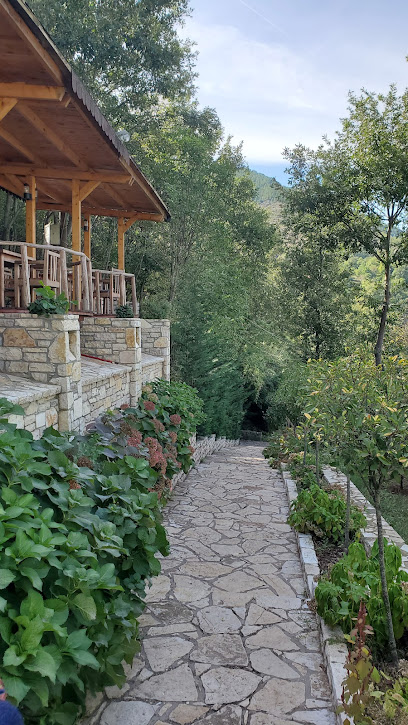
Bar Restaurant "Biçaku"
5.7 km
Discover the authentic flavors of Albania at Bar Restaurant 'Biçaku' in Librazhd - where tradition meets taste.
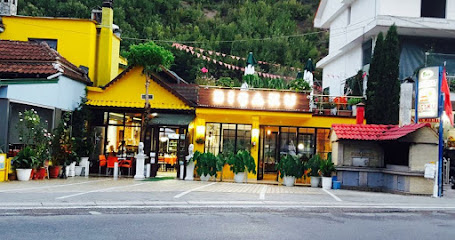
Bar Restorant MOGLICA
5.7 km
Experience fresh seafood delights at Bar Restorant MOGLICA in Librazhd, where every dish celebrates local flavors.
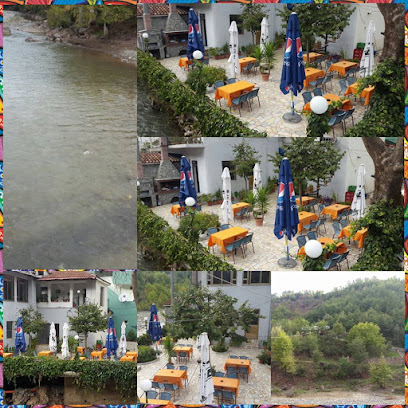
Restorant Piceri Sopoti
5.8 km
Discover authentic Albanian cuisine at Restorant Piceri Sopoti in Librazhd - a culinary journey through traditional flavors.
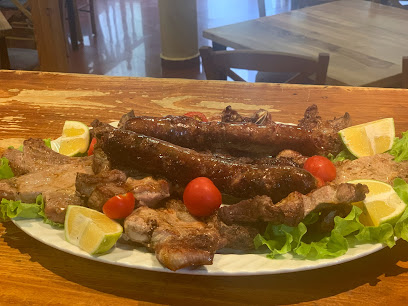
Magazina grill
5.8 km
Discover authentic Albanian cuisine at Magazina Grill in Librazhd - a must-visit for food lovers!
Markets, malls and hidden boutiques

Cekani Supermarket
1.8 km
Explore the heart of Albanian culture at Cekani Supermarket, where local flavors and everyday life come together in a vibrant shopping experience.
Mini Market "Shyqo"
4.3 km
Explore local flavors and authentic Albanian goods at Mini Market 'Shyqo', the perfect stop for travelers in Çibërraka.
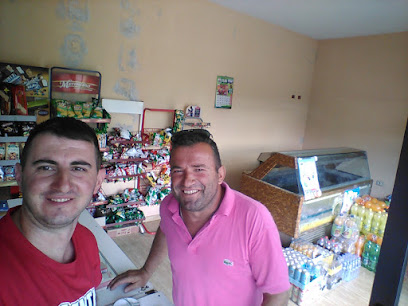
Bukuroshja Shop
5.6 km
Explore Bukuroshja Shop in Librazhd for unique clothing that reflects the vibrant culture of Albania, blending tradition with contemporary styles.
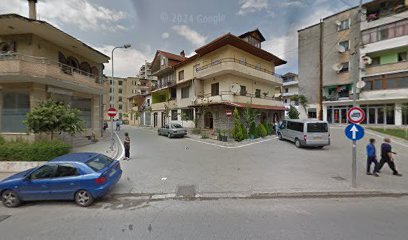
Dyqan Mishi FLAMURI
5.7 km
Discover the authentic flavors of Albania at Dyqan Mishi FLAMURI, the premier butcher shop in Librazhd, offering high-quality meats and local specialties.
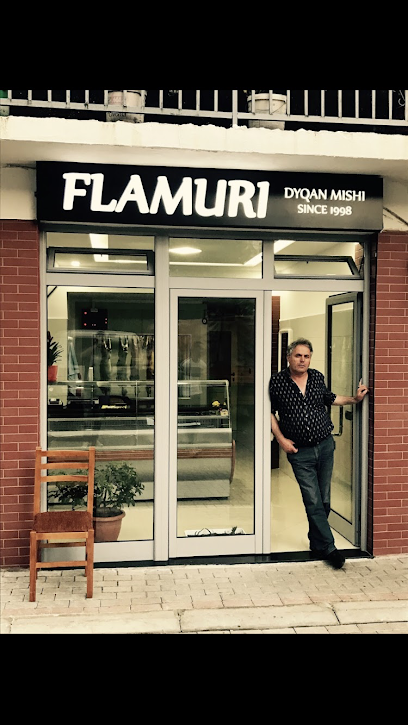
Servis Elektronik Librazhd
5.7 km
Discover top-notch electronics and exceptional service at Servis Elektronik Librazhd in Albania - a tech lover's paradise.
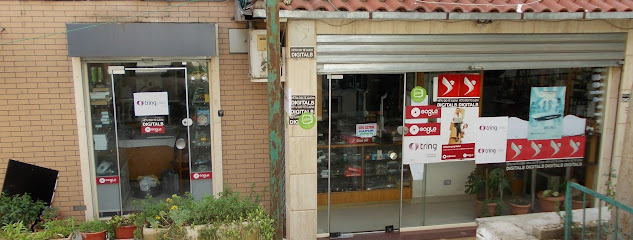
Firma Qoshku
5.7 km
Explore Firma Qoshku in Librazhd, Albania: A vibrant shopping mall featuring local and international brands, delicious eateries, and a lively atmosphere.
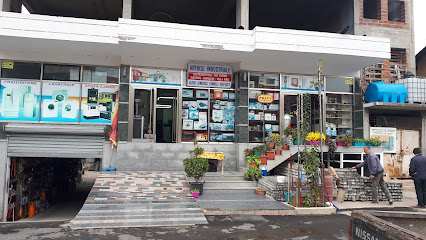
Pasticeri Piazza
5.7 km
Discover the cozy charm of Pasticeri Piazza, Librazhd's premier coffee shop, where quality coffee and delightful pastries await every visitor.
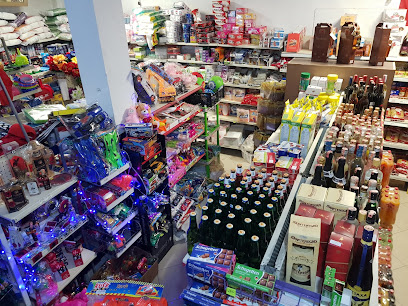
Albmarket
5.8 km
Discover the flavors of Albania at Albmarket, Librazhd's local grocery store offering fresh produce, local delicacies, and unique snacks.
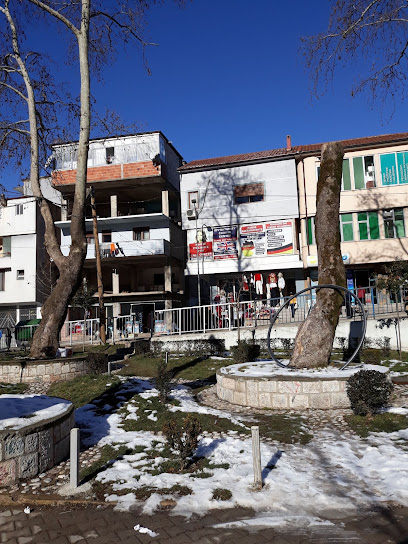
Kompleks Nini
5.9 km
Explore Kompleks Nini in Librazhd, Albania - A shopping mall that blends local culture with modern retail for an unforgettable experience.
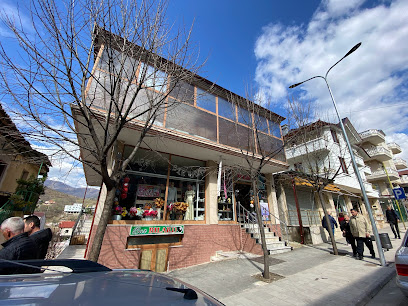
Valis.al
5.9 km
Valis.al in Librazhd, Albania: Your destination for stylish clothing and a taste of local fashion culture.
Market Edi
5.9 km
Discover the essence of Albanian culture at Market Edi, the premier shopping destination in Librazhd offering unique local crafts and delightful dining options.
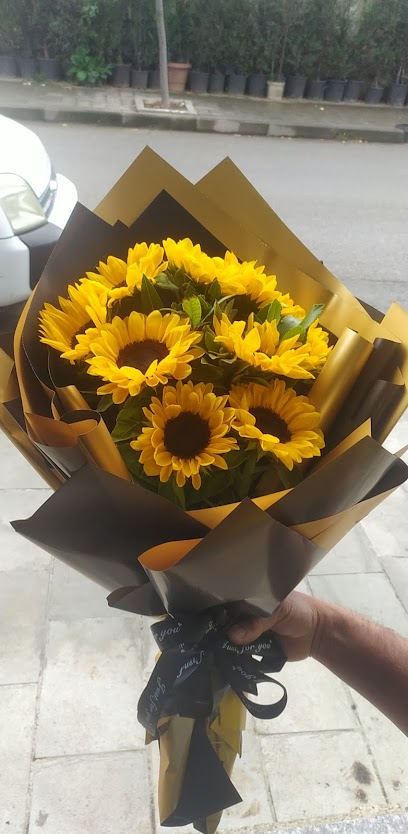
@dyqanlulelibrazhd
5.9 km
Discover Dyqan Luleve Librazhd, where vibrant floral beauty meets Albanian charm in the heart of Librazhd.
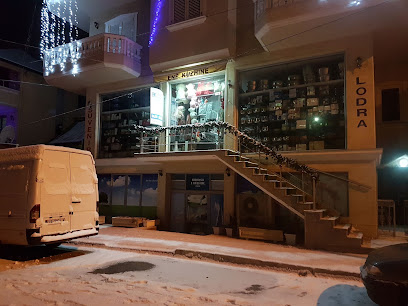
Nazmi Qoshku - Enë Kuzhine & Elektroshtëpiake
5.9 km
Discover top-quality kitchenware and home appliances at Nazmi Qoshku in Librazhd, Albania - your ultimate shopping destination.
SIBELLE BOUTIQUE
5.9 km
Explore Sibelle Boutique in Librazhd for a unique blend of stylish clothing and local culture, perfect for taking home a piece of Albania.
Flamur Skura
5.9 km
Explore unique local fashion at Flamur Skura in Librazhd, a clothing store offering a delightful shopping experience and a taste of Albanian culture.
Essential bars & hidden hideouts

Bar - Market Cura
0.7 km
Discover the charm of Mirakë at Bar - Market Cura, where vibrant local culture meets a cozy atmosphere for an unforgettable experience.
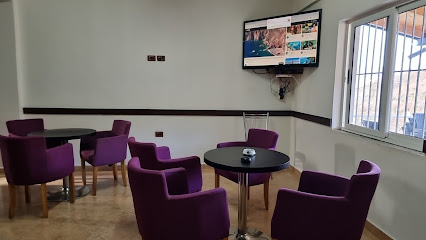
Beqir Skodi Club
1.8 km
Discover Beqir Skodi Club in Mirakë, Albania – a grill paradise offering delicious meats, local flavors, and a warm atmosphere for an unforgettable dining experience.
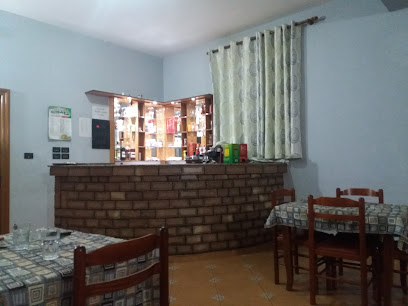
Bar Kafe Tur Lleshi
1.8 km
Experience the warmth of Albanian hospitality at Bar Kafe Tur Lleshi, a charming bar in Mirakë perfect for refreshments and relaxation.
Bar Kafe Çimi
1.8 km
Experience the charm of Mirakë at Bar Kafe Çimi, a cozy bar offering delightful drinks and a welcoming atmosphere for all visitors.
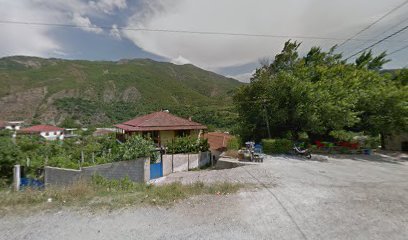
Bar Kafe Beni
1.9 km
Discover Bar Kafe Beni in Mirakë, Albania - a cozy bar offering a warm atmosphere and refreshing drinks perfect for unwinding and socializing.
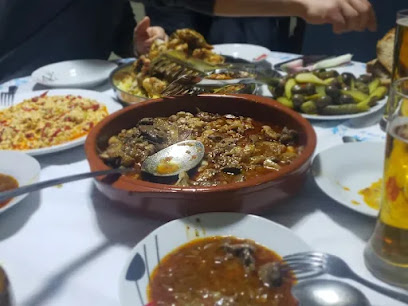
Bar HSE Terziu
2.4 km
Experience the vibrant atmosphere of Bar HSE Terziu in Mirakë, Albania, where local culture and delightful drinks combine for an unforgettable evening.
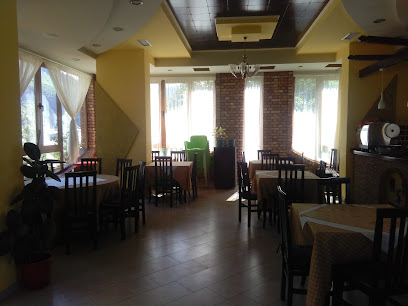
Bar market
4.7 km
Experience the vibrant nightlife and local charm at Bar Market in Xibrakë, the perfect spot for drinks and socializing.
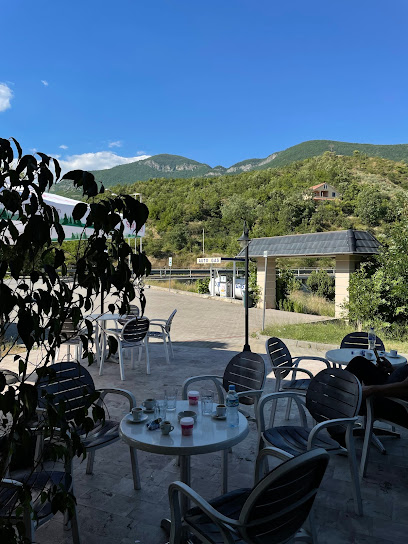
Bar kristal
5.7 km
Discover Librazhd's vibrant nightlife at Bar Kristal, where friendly vibes and delightful drinks await in the heart of Albania.
Privè
5.7 km
Experience the vibrant nightlife of Librazhd at Privè, where exceptional drinks and lively atmosphere come together for an unforgettable night out.
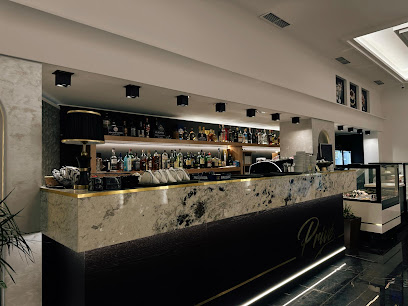
Aroma Kafe
5.7 km
Discover Aroma Kafe in Librazhd: A cozy bar offering aromatic drinks and a taste of local Albanian culture.
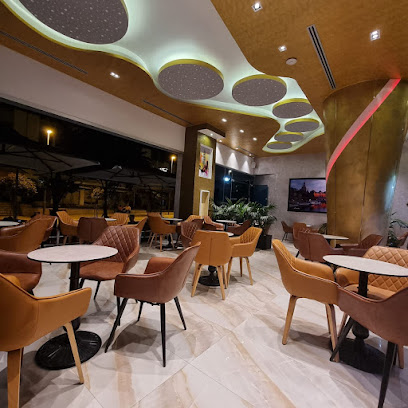
Bar Kafe Polisi
5.7 km
Discover the charm of Bar Kafe Polisi in Librazhd, where every sip of coffee tells a story amidst a cozy ambiance and local culture.
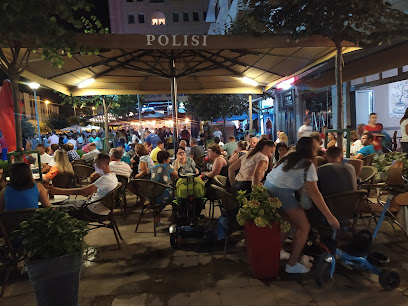
Bar corner
5.7 km
Experience the heart of Librazhd at Bar Corner, where vibrant culture meets friendly atmosphere in the beautiful Albanian town.
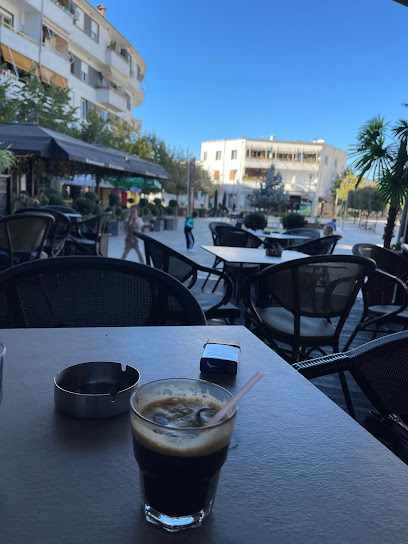
Uno Coffee
5.8 km
Experience the perfect blend of cozy ambiance and exceptional coffee at Uno Coffee in Librazhd, Albania, where local culture meets comfort.
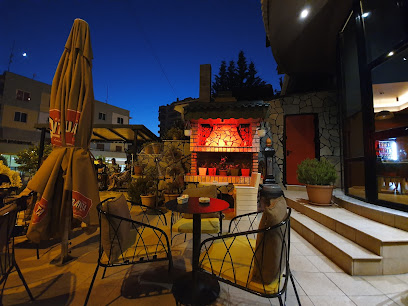
Bar Kafe Kristi
5.8 km
Experience the local charm and cozy atmosphere of Bar Kafe Kristi in Librazhd, a must-visit cafe for refreshing beverages and light snacks.
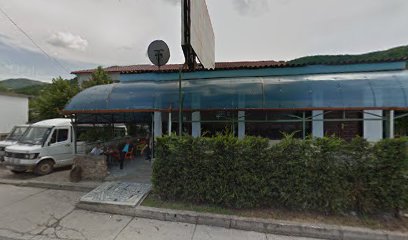
Bar Kafe Faqolli Arjan
5.9 km
Discover the vibrant atmosphere of Bar Kafe Faqolli Arjan in Librazhd, where local culture meets delightful refreshments.


