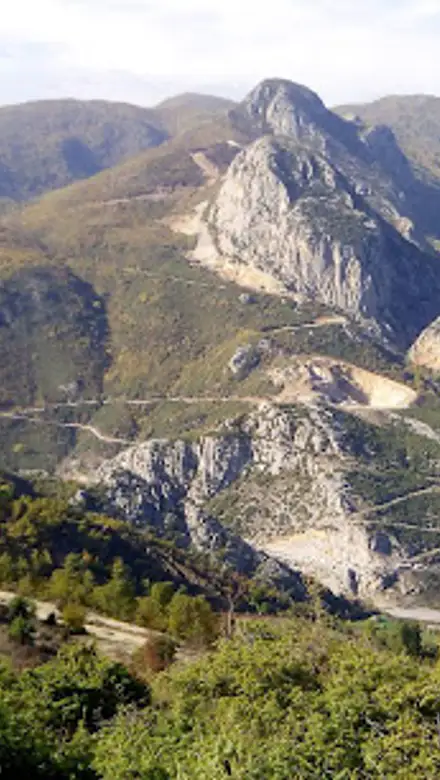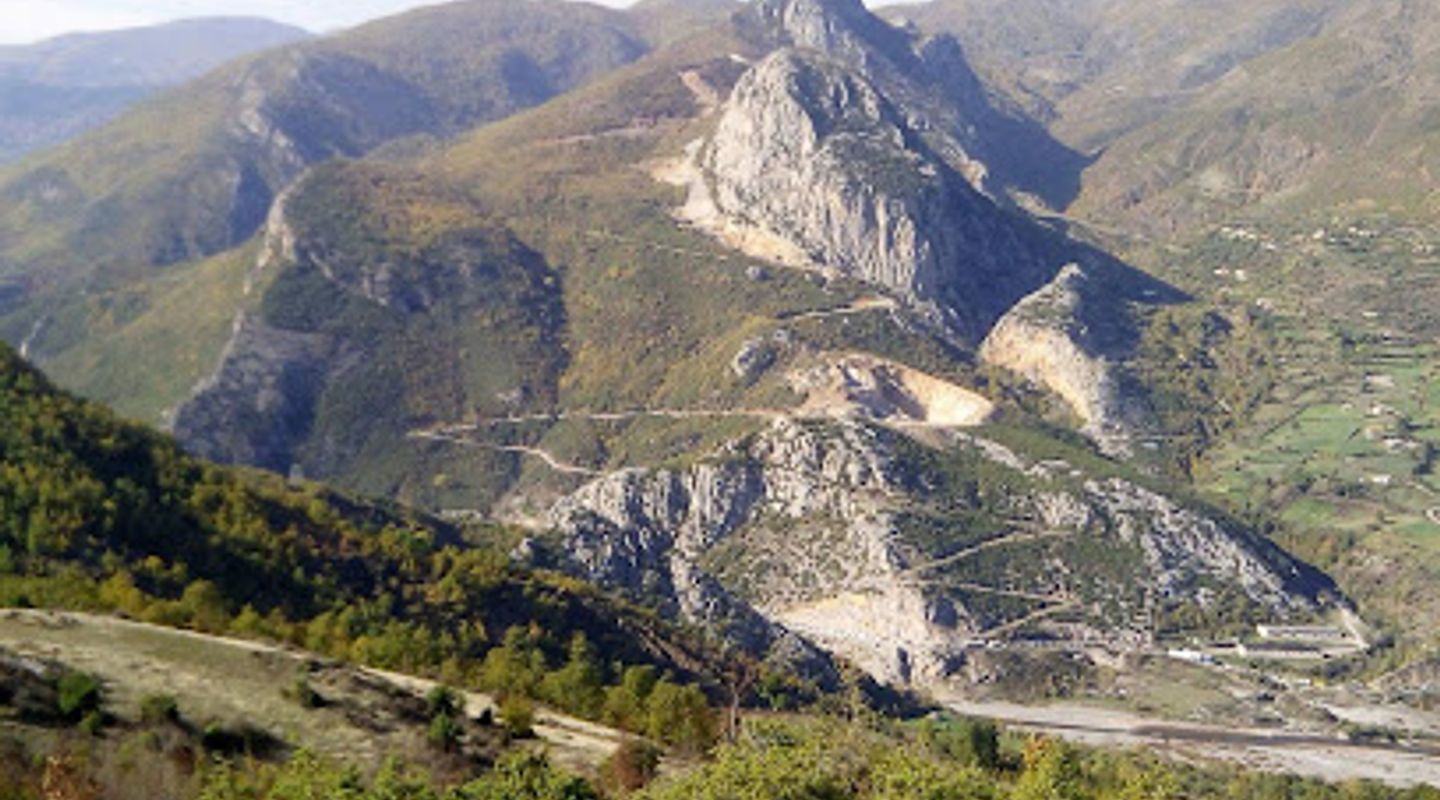
Via Egnatia, Dibra Travel Guide
Explore the ancient Via Egnatia near Mirakë, Albania: a historic Roman road connecting East and West, offering a glimpse into a rich past.
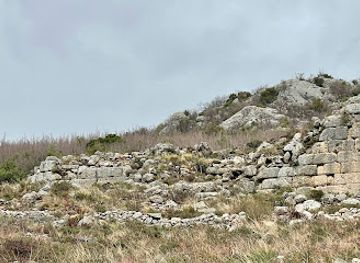
The Via Egnatia, an ancient Roman road, once connected the Adriatic Sea to Constantinople, facilitating trade, military movement, and cultural exchange. Today, remnants of this historic route can be explored near Mirakë, Albania, offering a glimpse into the region's rich past.
A brief summary to Via Egnatia
- 5743+3GV, Mirakë, AL

Know before you go
Hi, I'm Eve. Here are a few practical things to know before exploring Via Egnatia.
- Wear comfortable shoes suitable for walking on uneven terrain, as you'll be exploring sections of the ancient road.
- Bring water and snacks, especially if you plan to hike along the Via Egnatia, as facilities may be limited.
- Consider hiring a local guide to learn more about the history and significance of the Via Egnatia.
- Combine your visit with a trip to nearby historical sites and cultural attractions in the region.
Do you manage this location?
Take control to get all the benefits, like improved information, better appearance, and stronger visibility across AI-powered discovery. Learn more about listing your business on Evendo
Activate your presenceOther nearby places you may find interesting
The closest places of the same kind, if this one is not quite what you had in mind.
Explore Via Egnatia on the Map
A handpicked selection of must-see spots near Via Egnatia, mapped for you.
Getting There
-
Car
From the center of Mallakastra, drive southeast on SH4 towards Kucovë. After approximately 15 km, take the exit towards Rruga Dritan Hoxha. Continue on this road for about 9 km until you reach the village of Mirakë. The Via Egnatia is located just off the main road at coordinates 41.155249, 20.2537847. Parking is available nearby, but be mindful of local regulations.
-
Public Transport
From Mallakastra bus station, take a bus to Kucovë; buses run regularly, and the fare is approximately 100-200 ALL. In Kucovë, transfer to a local minibus or taxi to Mirakë (minibus fare ~50-100 ALL). Inform the driver of your destination or ask locals to ensure you get off at the right stop. From there, Via Egnatia is within walking distance (about 1 km).
-
Taxi
Hire a taxi from anywhere in Toskëria to Via Egnatia in Mirakë. The ride will take approximately 20-30 minutes, depending on traffic. Expect to pay around 2000-3000 ALL; confirm the fare with the driver before starting your journey.
Discover more about Via Egnatia













Your all‑in‑one travel companion app
Explore expert travel guides, compare and book tours, experiences, hotels, and more—all from the palm of your hand. Download now for seamless trip planning wherever your wanderlust takes you.


Explore More of Dibra
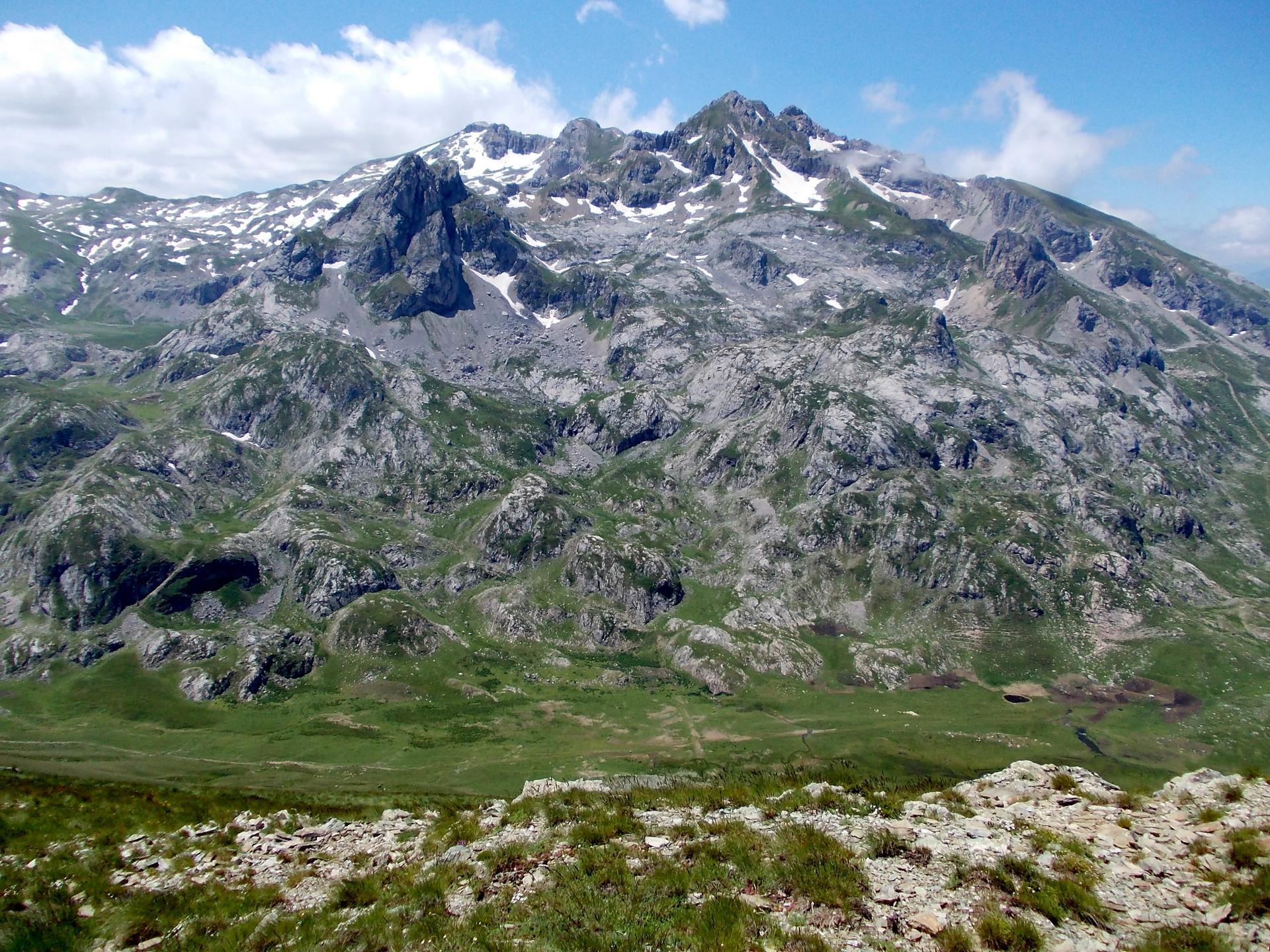
Looking beyond Via Egnatia? Discover Dibra for broader travel guides, local hot-spots, and regional highlights.
Explore Dibra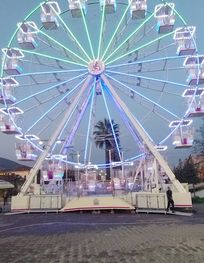
Experience the vibrant heart of Elbasan at Sheshi Gensher, a lively square blending culture, history, and community spirit in Albania.
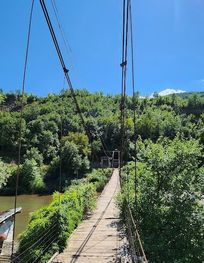
Discover the historical charm of Ura e Çotës, a picturesque 19th-century stone bridge near Librazhd, Albania, offering serene views and cultural insight.