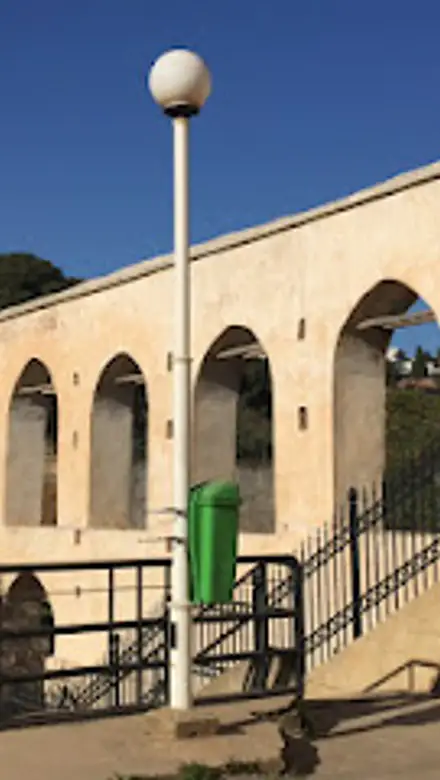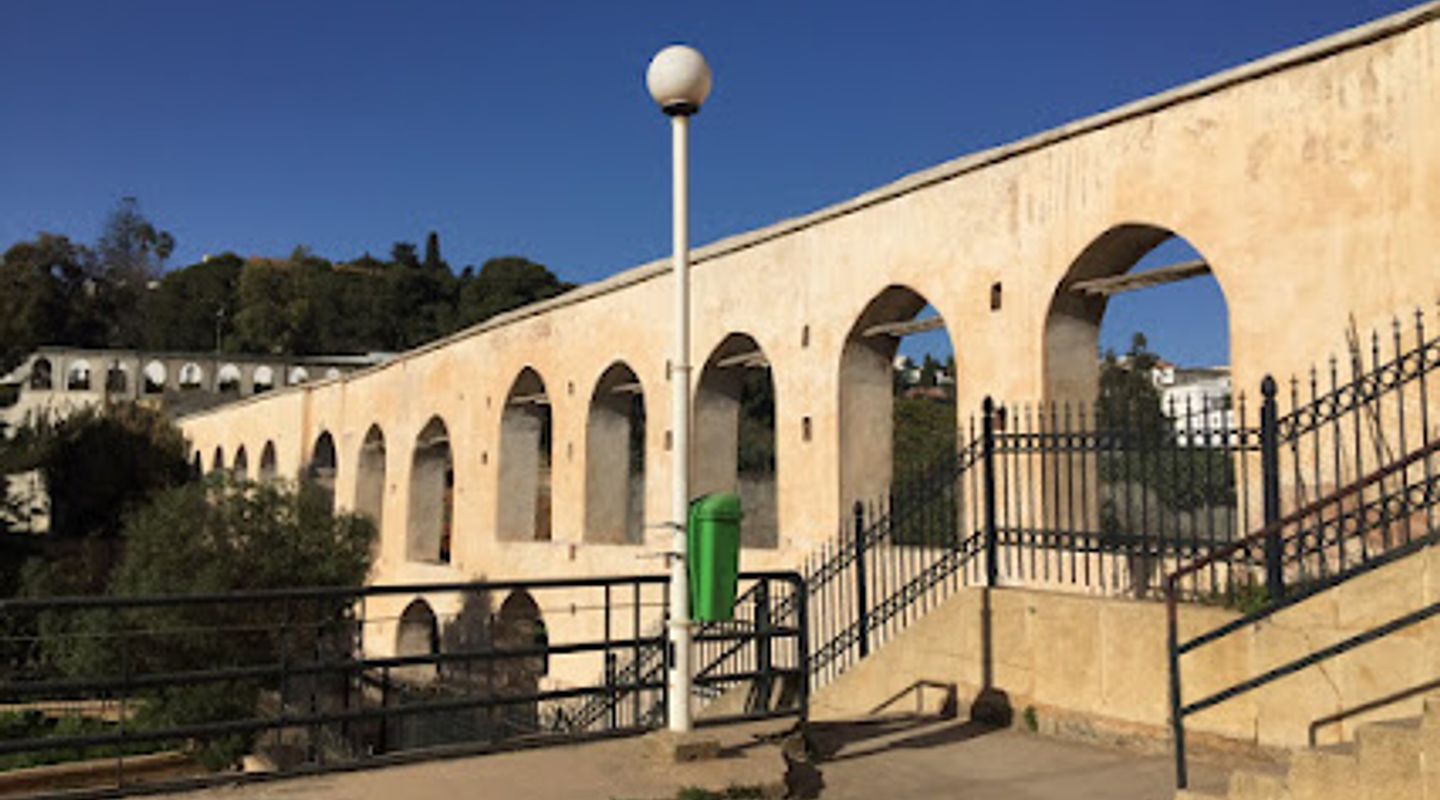
Aqueduct Ain Zeboudja, Algiers Travel Guide
Explore the Aqueduct Ain Zeboudja in Algiers, a historic landmark showcasing Ottoman-era engineering and Algeria's rich cultural heritage.
The Aqueduct Ain Zeboudja, located in the Hydra Valley of Algiers, Algeria, is a testament to 17th-century engineering. Constructed between 1619 and 1639 during the Ottoman era, this historic aqueduct once supplied water to the city and the Kasbah from nearby springs. Today, it stands as a reminder of the region's rich history and Islamic heritage, though it faces modern challenges.
A brief summary to Aqueduct Ain Zeboudja
- Q24J+9G3, Hydra, Algiers [El Djazaïr], DZ

Know before you go
Hi, I'm Eve. Here are a few practical things to know before exploring Aqueduct Ain Zeboudja.
- Wear comfortable shoes for walking around the aqueduct and exploring the surrounding area.
- Visit during the cooler months for a more pleasant experience, as Algiers can get quite hot in the summer.
- Combine your visit with a trip to the nearby Kasbah of Algiers to explore more of the city's historical sites.
Do you manage this location?
Take control to get all the benefits, like improved information, better appearance, and stronger visibility across AI-powered discovery. Learn more about listing your business on Evendo
Activate your presenceOther nearby places you may find interesting
The closest places of the same kind, if this one is not quite what you had in mind.

Explore Aqueduct Ain Zeboudja on the Map
A handpicked selection of must-see spots near Aqueduct Ain Zeboudja, mapped for you.
Getting There
-
Public Transport
From the Hydra bus station, take Bus 12 towards 'El Madania'. The fare is approximately 30 DZD. Get off at the 'El Madania' stop, from where it's about a 10-minute walk to the aqueduct.
-
Taxi
Hail a taxi from anywhere in Hydra and tell the driver you want to go to Aqueduct Ain Zeboudja. The fare should be around 200-300 DZD, depending on traffic. The ride takes approximately 5-10 minutes.
-
Walking
From the center of Hydra, walk towards the main road (Rue des Frères Bouali). Head east until you reach the intersection with Rue de l'Ecole. Turn left onto Rue de l'Ecole and continue straight. After reaching Rue de l'Ecole, continue straight until you see a small path leading up towards the Aqueduct Ain Zeboudja. This scenic route through greenery takes about 10 minutes.
Discover more about Aqueduct Ain Zeboudja













Your all‑in‑one travel companion app
Explore expert travel guides, compare and book tours, experiences, hotels, and more—all from the palm of your hand. Download now for seamless trip planning wherever your wanderlust takes you.


Explore More of Algiers
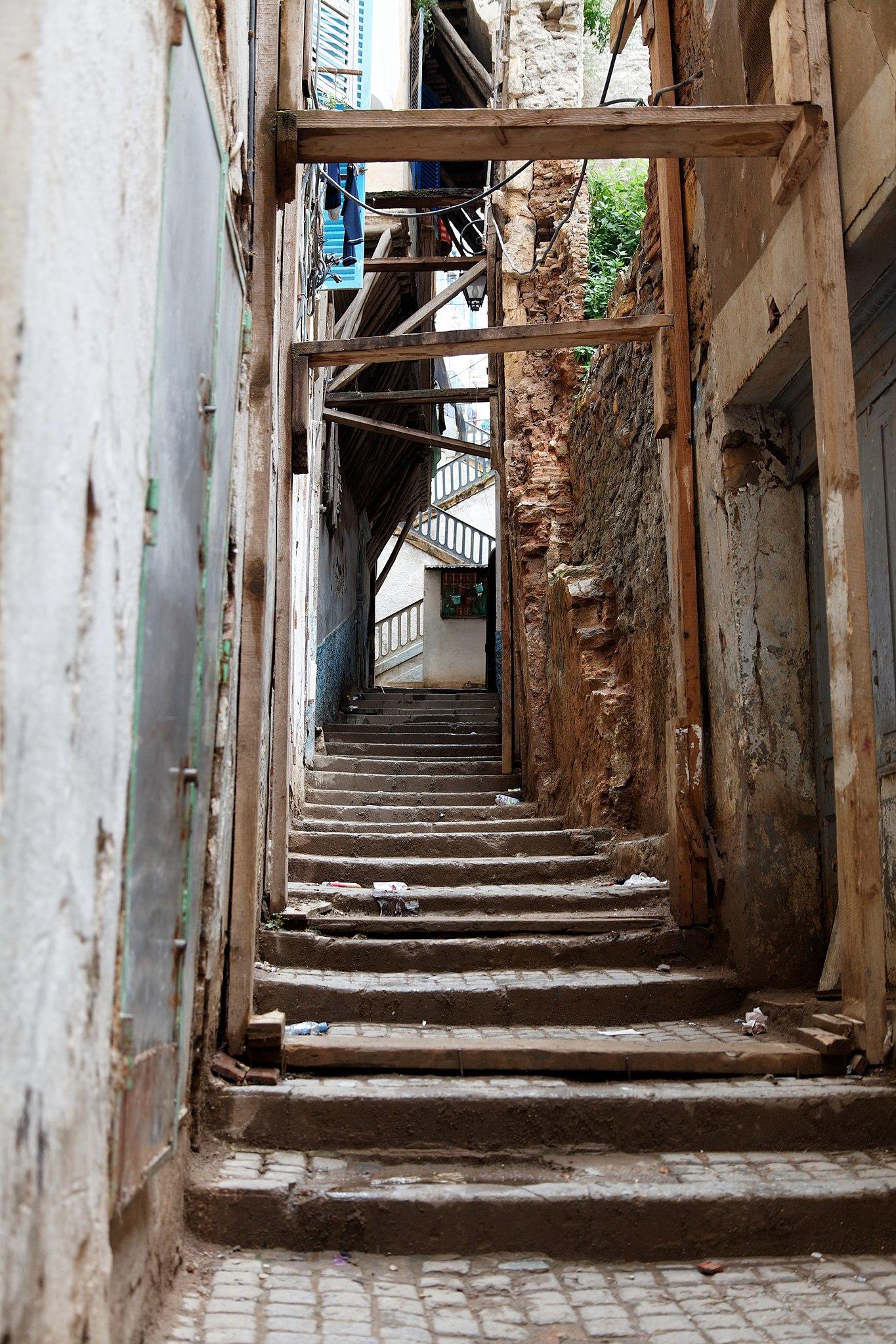
Looking beyond Aqueduct Ain Zeboudja? Discover Algiers for broader travel guides, local hot-spots, and regional highlights.
Explore Algiers