Aqueduct Ain Zeboudja, Algiers Travel Guide
Explore the Aqueduct Ain Zeboudja in Algiers, a historical landmark showcasing Ottoman-era engineering and Algeria's rich heritage.
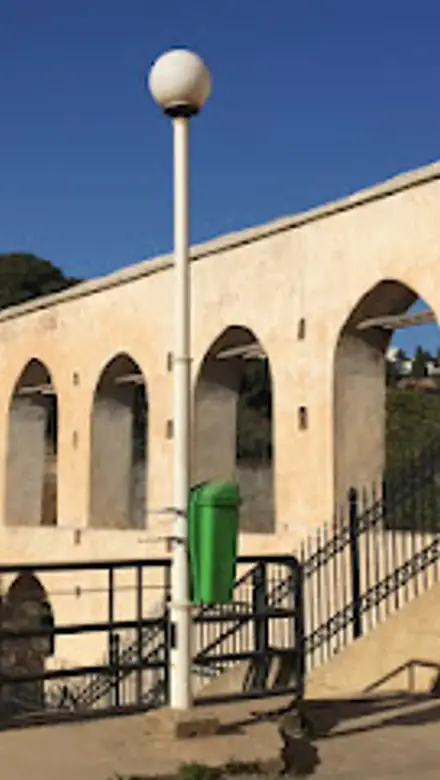
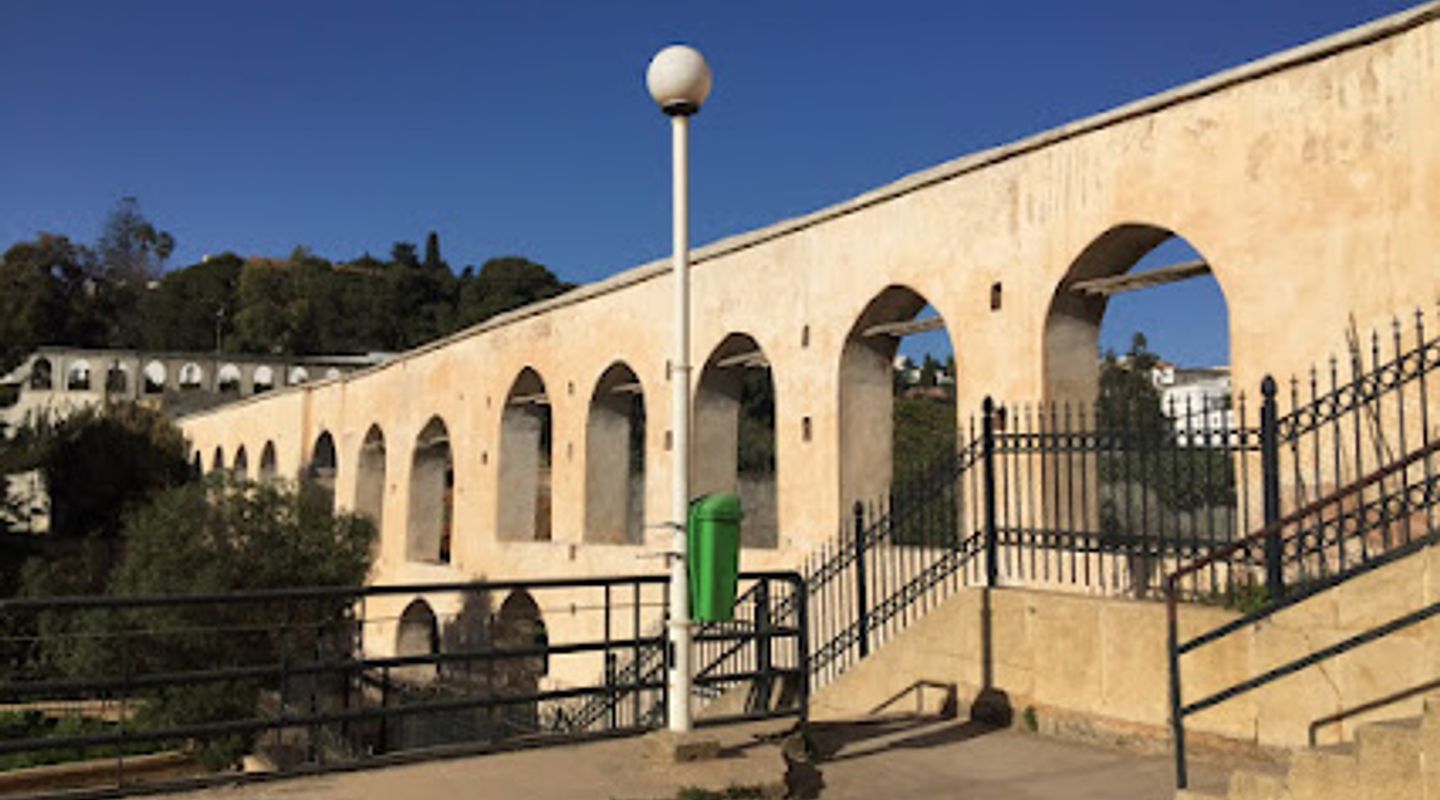
The Aqueduct Ain Zeboudja, located in the Hydra Valley of Algiers, Algeria, was built during the Ottoman era (1619-1639) to supply water to the city and the Kasbah. This historical landmark, though somewhat neglected, offers a glimpse into Algeria's past and its engineering achievements.
A brief summary to Aqueduct Ain Zeboudja
- Q24J+9G3, Hydra, Algiers [El Djazaïr], DZ

Know before you go
Hi, I'm Eve. Here are a few practical things to know before exploring Aqueduct Ain Zeboudja.
- Be aware that the site is not well-maintained, and there is a lack of informational signage.
- Take time to appreciate the architectural details of the aqueduct and the surrounding natural scenery.
- Consider visiting during off-peak hours to avoid crowds and have a more peaceful experience.
Do you manage this location?
Take control to get all the benefits, like improved information, better appearance, and stronger visibility across AI-powered discovery. Learn more about listing your business on Evendo
Activate your presenceOther nearby places you may find interesting
The closest places of the same kind, if this one is not quite what you had in mind.


Explore Aqueduct Ain Zeboudja on the Map
A handpicked selection of must-see spots near Aqueduct Ain Zeboudja, mapped for you.
Getting There
-
Public Transport
From the Hydra bus station, take Bus 12 towards 'El Madania'. The fare is approximately 30 DZD. Get off at the 'El Madania' stop and walk for about 10 minutes to reach the Aqueduct Ain Zeboudja.
-
Taxi
Hail a taxi from anywhere in Hydra and tell the driver you want to go to Aqueduct Ain Zeboudja. The fare should be around 200-300 DZD, depending on traffic. The ride takes approximately 5-10 minutes.
-
Walking
From Rue de l'Ecole in Hydra, continue straight until you see a small path leading up towards the Aqueduct Ain Zeboudja. Follow the path through the greenery for about 10 minutes until you arrive at the aqueduct.
Discover more about Aqueduct Ain Zeboudja













Your all‑in‑one travel companion app
Explore expert travel guides, compare and book tours, experiences, hotels, and more—all from the palm of your hand. Download now for seamless trip planning wherever your wanderlust takes you.


Explore More of Algiers
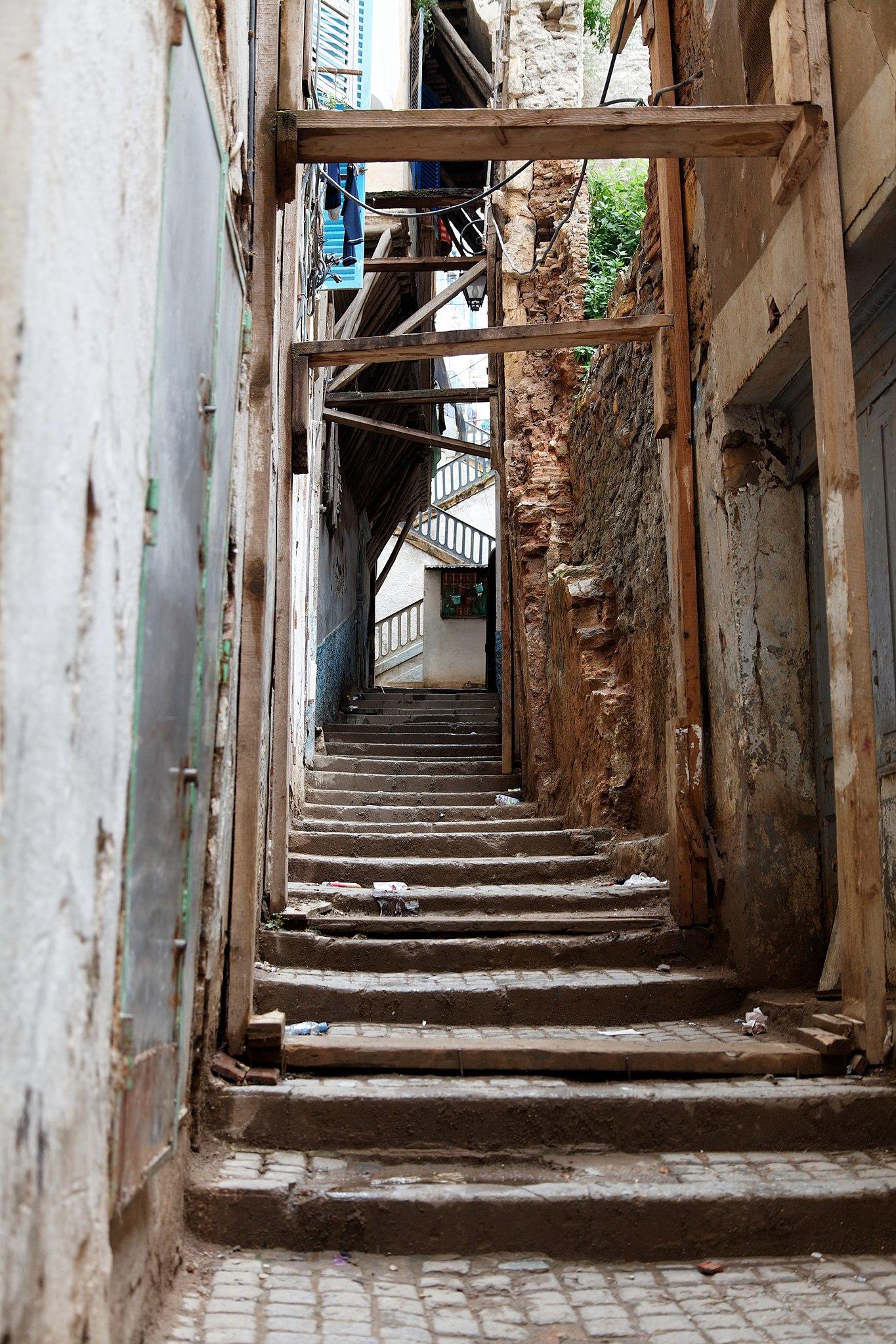
Looking beyond Aqueduct Ain Zeboudja? Discover Algiers for broader travel guides, local hot-spots, and regional highlights.
Explore Algiers
Experience the vibrant atmosphere and historical echoes of Algiers on Le boulevard d'Alger, a bustling thoroughfare in the heart of the city.

Experience the vibrant atmosphere of Place El Qods in Hydra, Algiers, a cultural hub blending history and modernity. A must-see destination!