

Touat Region, Algeria Travel Guide
Discover the serene beauty and ancient history of the Touat Region in Algeria, where lush oases meet the vast Sahara Desert and timeless traditions thrive.
Nestled in the heart of the Sahara Desert, the Touat Region in Algeria is a mesmerizing blend of ancient history, rich culture, and stunning natural beauty. This oasis region, renowned for its lush date palm groves and intricate irrigation systems, has been a vital stopover for caravans for centuries. Visitors will find a unique blend of Berber, Arab, and French influences in the architecture, local cuisine, and daily life. Explore the historic ksour (fortified villages) that dot the landscape, each telling a story of resilience and tradition. The town of Adrar, the administrative center of the region, serves as a gateway to these ancient settlements. Wander through the bustling markets where you can purchase traditional crafts, spices, and, of course, the famed local dates. The Touat Region is not just about history; it is also a place of serene beauty. The vast sand dunes and clear night skies offer a perfect escape from the hustle and bustle of modern life. Whether you are trekking through the desert or relaxing in a palm-shaded garden, the tranquility of the region is sure to captivate you. Don't miss the opportunity to visit the oasis towns of Timimoun and Reggane, each offering its own unique charm and attractions.

Know before you go
Hi, I'm Eve. Here are a few practical things to know before exploring Touat Region.
- Best time to visit is from October to April when the weather is cooler.
- Hire a local guide to explore the ksour and learn about their history.
- Stay hydrated and bring sunscreen; the desert sun can be intense.
- Try the local dates; they are considered some of the best in the world.
- Respect local customs and dress modestly, especially in rural areas.
Explore Touat Region: Things to Do, Places to Eat, Hotels & More
Handpicked recommendations for top attractions, local dining, accommodations, and more

Top Attractions & Sightseeing in Touat Region
Top-rated picks
Best Attractions

Ahaggar National Park
Explore Algeria's Ahaggar National Park: a Sahara treasure of mountains, wildlife, and ancient Tuareg culture in a breathtaking desert setting.
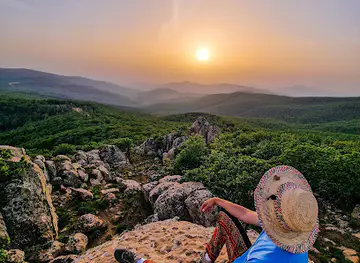
Aẓru n taɣaṭ
Discover Aẓru n taɣaṭ in Akfadou: a breathtaking Algerian hiking area with stunning views and immersive nature experiences.

La Dune de Tingmar (La plus haute)
Discover the breathtaking beauty of Algeria's highest dune, a Sahara Desert jewel offering adventure and stunning panoramic views near Ouled Said.

AẒRU N TAMART
Discover Aẓru n Tamart: Where ancient history meets breathtaking landscapes in the heart of Algeria's Kabylie region.

Best landmarks in Touat Region
Top-rated picks
Best Landmarks

Martyrs Memorial
An iconic monument in Algiers honoring the heroes of the Algerian War of Independence, offering panoramic views and a place for reflection.
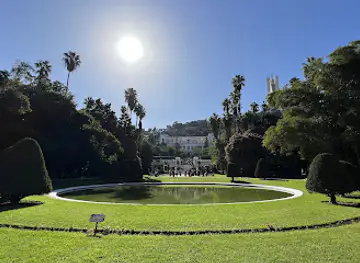
Botanical Garden Hamma
Discover a historic botanical garden in Algiers, blending diverse landscapes, a zoo, and tranquil pathways for a serene escape.

Fort of Santa Cruz
Explore the historic Fort of Santa Cruz in Oran, offering panoramic views and a glimpse into Algeria's rich Spanish and French colonial past.

Beni Add Ain Fezza Caves
Discover the mesmerizing Beni Add Ain Fezza Caves: A geological and historical treasure near Aïn Fezza, Algeria.

Best restaurants in Touat Region
Top-rated picks
Best Restaurants

Restaurant Tiremt
Experience the rich flavors of Algeria at Restaurant Tiremt in Aghrib - a culinary gem offering authentic dishes in a cozy setting.

Relais De Repos
Discover authentic Algerian flavors at Relais De Repos in Hadjret En Nouss, where culinary excellence meets warm hospitality.

مطعم Restaurant
Experience authentic Algerian cuisine at مطعم Restaurant in Aflou—where flavor meets tradition in a warm atmosphere.

Restaurant La Cabane
Discover authentic Algerian flavors at Restaurant La Cabane in Touggourt - where every dish tells a story.

Best bars in Touat Region
Top-rated picks
Best Bars
Hotel Touat
Discover the perfect blend of modern comfort and Algerian culture at Hotel Touat in Adrar, your gateway to the Sahara.

Dwiret El azz دويرة العز
Experience the rich flavors of traditional Algerian cuisine at Dwiret El Azz in Hydra, Algiers, a must-visit for culinary enthusiasts.

Club Pacha Nightclub
Dive into the energetic nightlife of Algiers at Club Pacha Nightclub, where pulsating beats and vibrant crowds create unforgettable experiences.

Le Tonneau - Bar
Discover the vibrant flavors and lively atmosphere at Le Tonneau - Bar in Sidi M'Hamed, a must-visit dining destination for tourists.

Best nightclubs in Touat Region
Top-rated picks
Best Nightclubs

NEPTUNE CLUB
Experience the vibrant nightlife of Ain El Turk at Neptune Club, where unforgettable nights of dance and music await.

Club Pacha Nightclub
Discover the electrifying nightlife at Club Pacha Nightclub in El Mouradia, where music and dance create unforgettable moments.

Arena Club
Discover the electrifying nightlife of Oran at Arena Club, a vibrant venue filled with music, dancing, and local culture.

Sun Club House
Unleash your spirit at Sun Club House, Ain El Turk's top disco club, where electrifying nightlife meets unforgettable dance experiences.

Best shops in Touat Region
Top-rated picks
Best Shops
Boutique tahar
Explore the rich culture of Amoucha through unique gifts and handcrafted treasures at Boutique Tahar.

Boutique barkat
Discover Boutique Barkat: A cultural shopping experience in Rahouia, Algeria, blending local charm with modern retail and dining.

BELTAIB ABDELLAH (The cooker)
Explore the vibrant gift shop BELTAIB ABDELLAH in Tkoutt, where local crafts and culinary delights come together to create unforgettable souvenirs.

Boutique Rouji
Explore Boutique Rouji in Tadjenanet for unique clothing and accessories that reflect the vibrant Algerian culture and style.

Explore Touat Region on the Map
A handpicked selection of must-see spots in Touat Region, mapped for you.
Touat Region Essentials
-
The Touat Region is located in the southwest of Algeria, near the towns of Adrar, Aoulef, and Reggane. The nearest major airport is Adrar Touat-Cheikh Sidi Mohamed Belkebir Airport (AZR), which receives flights from Algiers and other major cities in Algeria. From the airport, you can hire a taxi or rent a car to reach your destination within the Touat Region. There are also bus services connecting Adrar to other major cities in Algeria.
-
Transportation within the Touat Region primarily consists of taxis, buses, and rental cars. Taxis are widely available and can be hailed on the street or booked in advance. Buses operate between the towns of Adrar, Aoulef, and Reggane, providing a budget-friendly option for travel. Car rentals are available in Adrar, offering flexibility for exploring the region at your own pace. Bicycles are also a popular option for short distances, especially in smaller towns.
-
The official currency in Algeria is the Algerian Dinar (DZD). Credit cards are accepted in some hotels, restaurants, and shops, but it is advisable to carry cash, particularly in smaller establishments and rural areas. ATMs are available in Adrar and other larger towns, but it is wise to withdraw sufficient cash before traveling to more remote parts of the region. Currency exchange services are available at the airport and in major towns.
-
The Touat Region is generally considered safe for tourists, but standard travel precautions should be taken. Avoid traveling alone at night and be cautious in unfamiliar areas. Pickpocketing can occur in crowded places, so keep an eye on your belongings. There are no specific high-crime areas targeting tourists, but it is always best to stay vigilant and aware of your surroundings. Trustworthy local guides can enhance your experience and ensure your safety.
-
In case of an emergency, dial 14 for police assistance and 17 for medical emergencies. The main hospital in the region is in Adrar, which offers basic medical services. Pharmacies are available in larger towns for over-the-counter medications. It is recommended to have travel insurance that covers medical emergencies. Keep a list of local emergency contacts and the address of your accommodation handy.
-
Fashion: Do dress modestly, particularly in rural areas and religious sites. Avoid wearing revealing clothing. Religion: Do respect local customs and traditions. Always ask for permission before taking photographs of people or religious sites. Public Transport: Do be respectful and give up your seat to elderly passengers. Don't eat or drink on public transport. Greetings: Do greet people with a handshake or a slight bow of the head. Eating & Drinking: Do try local delicacies and accept food offerings graciously. Don't refuse hospitality, as it is considered impolite.
-
To experience the Touat Region like a local, visit the traditional markets (souks) where you can purchase local produce and handicrafts. Engage with the locals, who are known for their hospitality and willingness to share stories about their culture and history. Don’t miss visiting the ancient ksours (fortified villages) and the Ksar of Ait Benhaddou, a UNESCO World Heritage Site. For a unique experience, consider staying in a traditional guesthouse and participating in local festivals and events.
When is the best time to visit Touat Region?
Useful Local Phrases for Touat Region
You don't need to speak the language perfectly. Even learning a few simple words can make conversations warmer—and locals usually appreciate the effort.
— Eve

Here are the phrases I use most often in Touat Region. Try a few—you'll be surprised how far they go! 😊
❤️
-
- Helloسلام
[Salam] - Goodbyeمع السلامة
[Ma'a as-salama] - Yesنعم
[Na'am] - Noلا
[La] - Please/You're welcomeمن فضلك
[Min fadlik] - Thank youشكرا
[Shukran] - Excuse me/Sorryعفوا
[Afwan] - How are you?كيف حالك؟
[Kayfa halak?] - Fine. And you?بخير. وأنت؟
[Bikhayr. Wa anta?] - Do you speak English?هل تتحدث الإنجليزية؟
[Hal tatahaddath al-ingliziyya?] - I don't understandلا أفهم
[La afham]
- Helloسلام
-
- I'd like to see the menu, pleaseأود رؤية القائمة، من فضلك
[Awad ru'yat al-qa'ima, min fadlik] - I don't eat meatلا آكل اللحم
[La akul al-lahm] - Cheers!في صحتك!
[Fi sihatak!] - I would like to pay, pleaseأود الدفع، من فضلك
[Awad ad-daf', min fadlik]
- I'd like to see the menu, pleaseأود رؤية القائمة، من فضلك
-
- Help!النجدة!
[An-najda!] - Go away!ابتعد!
[Ibt'id!] - Call the Police!اتصل بالشرطة!
[Ittasil bil-shurta!] - Call a doctor!اتصل بالطبيب!
[Ittasil bil-tabeeb!] - I'm lostأنا ضائع
[Ana da'i'] - I'm illأنا مريض
[Ana marid]
- Help!النجدة!
-
- I'd like to buy...أود شراء...
[Awad shir'a...] - I'm just lookingأنا فقط أنظر
[Ana faqat anzur] - How much is it?كم ثمنه؟
[Kam thamanuh?] - That's too expensiveهذا مكلف جدا
[Hatha mukallif jiddan] - Can you lower the price?هل يمكنك خفض السعر؟
[Hal yumkinuka khafd as-si'r?]
- I'd like to buy...أود شراء...
-
- What time is it?كم الساعة؟
[Kam as-saa'a?] - It's one o'clockالساعة الواحدة
[As-saa'a al-wahidah] - Half past (10)الساعة العاشرة والنصف
[As-saa'a al-'ashirah wa an-nisf] - Morningصباحا
[Sabahan] - Afternoonبعد الظهر
[Ba'd az-zuhur] - Eveningمساء
[Masa'a] - Yesterdayأمس
[Ams] - Todayاليوم
[Al-yawm] - Tomorrowغدا
[Ghadan] - 1واحد
[Wahid] - 2اثنان
[Ithnan] - 3ثلاثة
[Thalatha] - 4أربعة
[Arba'a] - 5خمسة
[Khamsa] - 6ستة
[Sitta] - 7سبعة
[Sab'a] - 8ثمانية
[Thamaniya] - 9تسعة
[Tis'a] - 10عشرة
[Ashara]
- What time is it?كم الساعة؟
-
- Where's a/the...?أين ...؟
[Ayn ...?] - What's the address?ما هو العنوان؟
[Ma huwa al-'unwan?] - Can you show me (on the map)?هل يمكنك إظهار لي (على الخريطة)؟
[Hal yumkinuka izhar li (ala al-kharita)?] - When's the next (bus)?متى يأتي (الباص) التالي؟
[Mata ya'ti (al-bus) at-tali?] - A ticket (to ....)تذكرة (إلى ...)
[Tadhkara (ila ...)]
- Where's a/the...?أين ...؟
History of Touat Region
-
The Touat Region is renowned for its ancient oasis settlements, with evidence of human habitation dating back to prehistoric times. The oases served as crucial rest stops for caravans traveling across the Sahara Desert. Archaeological findings suggest that these settlements flourished due to their strategic locations and abundant water sources, which attracted traders and settlers alike.
-
During the medieval period, Touat became a vital hub in the trans-Saharan trade network. Caravans carrying gold, salt, and other goods traversed the region, linking West Africa with North Africa and the Mediterranean world. This trade brought wealth and cultural exchange to Touat, fostering the growth of its settlements and the establishment of bustling markets.
-
The spread of Islam in the 7th and 8th centuries had a profound impact on Touat. The region became a center for Islamic learning and scholarship, attracting scholars and students from across the Islamic world. Madrasas (Islamic schools) were established, and the teachings of renowned scholars such as Al-Maghili left a lasting legacy on the religious and cultural fabric of the region.
-
Touat played a significant role during the rise of the Almoravid and Almohad dynasties in the 11th and 12th centuries. These Berber dynasties controlled large swathes of North and West Africa, and Touat's strategic location made it a key point of control. The region's oases provided sustenance and respite for the armies and traders of these empires.
-
In the late 19th and early 20th centuries, Touat fell under French colonial rule. The French sought to control the trans-Saharan trade routes and exploit the region's resources. The imposition of colonial rule disrupted traditional ways of life and led to resistance movements. The legacy of this period is still evident in the region's architecture and infrastructure.
-
Following Algeria's independence in 1962, Touat experienced significant changes. The Algerian government implemented policies to modernize the region, improve infrastructure, and promote tourism. Efforts were made to preserve the cultural heritage of Touat, including its historic ksour (fortified villages) and traditional crafts. Today, the region is a testament to its rich history and enduring cultural traditions.
Neighbouring Regions of Touat Region
The closest regions to Touat Region, if you have time for more than one.




Your all‑in‑one travel companion app
Explore expert travel guides, compare and book tours, experiences, hotels, and more—all from the palm of your hand. Download now for seamless trip planning wherever your wanderlust takes you.


Explore More of Algeria
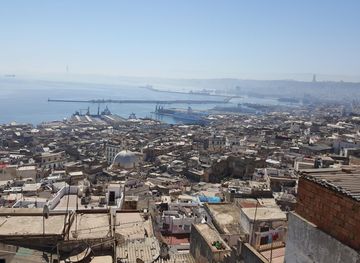
Looking beyond Touat Region? Discover Algeria for broader travel guides, local hot-spots, and regional highlights.
Explore AlgeriaTouat Region in Photos
Browse through our photo collection highlighting the charm and character of the destination.


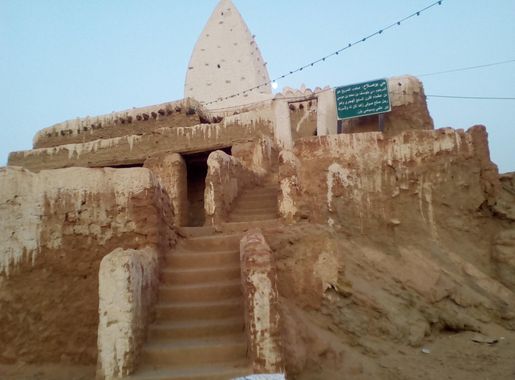


The Enchanting Oasis of Touat
Nestled in the heart of the Sahara Desert, the Touat Region in Algeria is a mesmerizing blend of ancient history, rich culture, and stunning natural beauty. This oasis region, renowned for its lush date palm groves and intricate irrigation systems, has been a vital stopover for caravans for centuries. Visitors will find a unique blend of Berber, Arab, and French influences in the architecture, local cuisine, and daily life. Explore the historic ksour (fortified villages) that dot the landscape, each telling a story of resilience and tradition. The town of Adrar, the administrative center of the region, serves as a gateway to these ancient settlements. Wander through the bustling markets where you can purchase traditional crafts, spices, and, of course, the famed local dates. The Touat Region is not just about history; it is also a place of serene beauty. The vast sand dunes and clear night skies offer a perfect escape from the hustle and bustle of modern life. Whether you are trekking through the desert or relaxing in a palm-shaded garden, the tranquility of the region is sure to captivate you. Don't miss the opportunity to visit the oasis towns of Timimoun and Reggane, each offering its own unique charm and attractions.