

Free Gourara Region Travel Guide & Mobile App
Explore Gourara Region with free travel guides. Discover regional history, expert tips, proposed trips, and audio guides on web or mobile app.


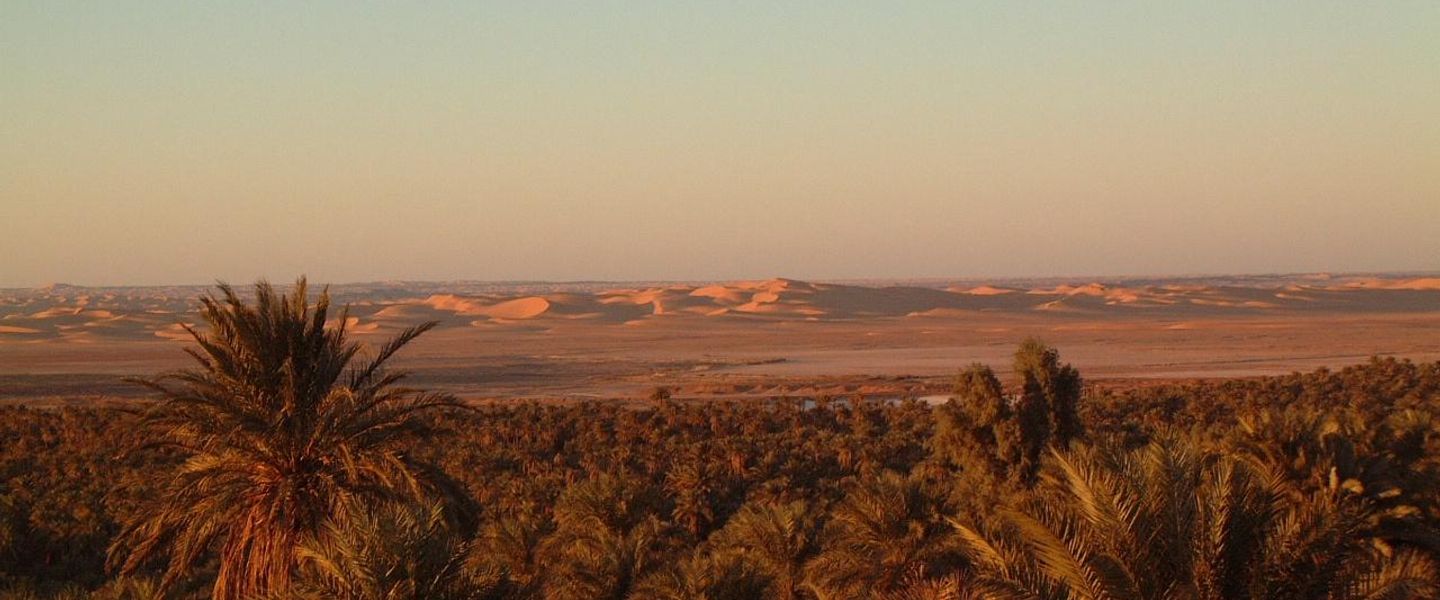


Explore Algeria's Gourara Region for Timimoun's red-earth architecture, ancient foggaras, palm oases, ksour and Saharan cultural traditions.
Read more about Gourara Region
When is the best time to visit Gourara Region?
Best: March–April, November · 22–29°C| Month | High (°C) | Rainfall (mm) |
|---|---|---|
| January | 15 | 3 |
| February | 17 | 3 |
| March (best) | 23 | 4 |
| April (best) | 29 | 2 |
| May | 35 | 1 |
| June | 40 | 1 |
| July | 45 | 1 |
| August | 44 | 1 |
| September | 39 | 1 |
| October | 31 | 2 |
| November (best) | 22 | 3 |
| December | 17 | 4 |
Getting to and around Gourara Region
How to get there
Transportation
Best attractions in Gourara Region
Gourara's attractions arise from the relationship between desert environment and oasis society. In Timimoun, visitors can explore red-earth streets, gates, religious buildings and viewpoints towards the surrounding dunes and the Sebkha of Timimoun. Outside the town, excursions lead to palm gardens, foggara channels, traditional water-distribution points and ksour whose compact layouts reveal how communities adapted to heat, wind and limited resources. Aougrout, Tinerkouk and other oasis settlements offer different architectural details and local landscapes, although access and facilities vary. The region also supports guided walks, overland trips, camel excursions and night-time observation of the exceptionally open Saharan sky. Cultural experiences may include local music, craftwork, date cultivation and seasonal gatherings, while the Sbuâ pilgrimage provides insight into Gourara's living religious heritage when its dates coincide with a visit. These experiences are best arranged through local contacts, since some sites are inhabited, fragile or difficult to reach independently.
-
Tourist attraction
Attraction Gozim
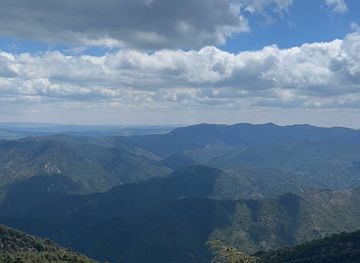
Escape to the serene beauty of Attraction Gozim in Chréa, Algeria, surrounded by lush forests and picturesque mountains. A perfect natural retreat.
Best landmarks in Gourara Region
Timimoun's red-earth architecture is Gourara's most recognisable visual landmark, with earthen walls, gateways and civic and religious buildings forming a coherent Saharan townscape. The historic ksour scattered through the surrounding oases are equally important: their narrow passages, defensive compactness and use of local earth record the region's settlement history, even where individual structures are weathered or partly modernised. The foggaras are engineering landmarks rather than monumental buildings, carrying water underground from higher ground towards gardens and distribution points. The Sebkha of Timimoun provides a geographical counterpoint to the built heritage, its broad salt depression opening the landscape beyond the palm belt and dunes. Mausoleums and zawiyas, or religious institutions, mark the spiritual geography of Gourara and become especially significant during the Sbuâ pilgrimage. Together these places express the region's defining themes of water, faith, architecture and adaptation to aridity.
-
 Historical landmark
Martyrs Memorial
A towering monument in Algiers honoring Algeria's independence, offering panoramic views and a glimpse into the nation's history.
-
Tourist attraction
Touillt ou Amara طويلة ؤ عمارة
Discover the serene beauty and rich cultural heritage of Touillt ou Amara in El Mahmal, Algeria. An unforgettable experience awaits!
-
Tourist attraction
Ruines du palais du sultan de Touggourt
Discover the historical gem of the Sultan's Palace ruins in Touggourt, Algeria, showcasing Saharan architecture and cultural heritage.
-
Historical landmark
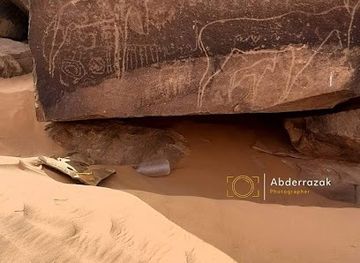
Gravures rupestres الحجرة
Discover ancient Sahara secrets etched in stone at the Gravures Rupestres near Taghit, Algeria. A window to the prehistoric past.
Explore Gourara Region on the map
Plan your trip on one map. See where the top cities, national parks and sights are, and book hotels and experiences in a few clicks.
Best hotels in Gourara Region
Best restaurants in Gourara Region
Dining in Gourara is closely linked to the oasis economy and the broader culinary traditions of Algeria. Dates, couscous, bread, vegetables grown beneath palms and locally available meats form the basis of many meals, while sweet tea is an important part of desert hospitality. Timimoun offers the widest choice of hotels, cafés and restaurants, with simple Algerian dishes generally more readily available than specialised international cuisine. In smaller oases, meals may be provided by guesthouses or arranged in advance, and menus can depend on seasonal produce and local supply. Visitors may encounter dishes prepared with dried dates, grains, vegetables or mutton, alongside familiar north African soups and pastries. Markets and small food shops are useful for fruit, bottled water and provisions for excursions, but remote travel requires planning because services thin out quickly beyond the main town. Alcohol is not central to the region's dining culture, and visitors should follow the conventions of the establishment and local community.
-
Restaurant
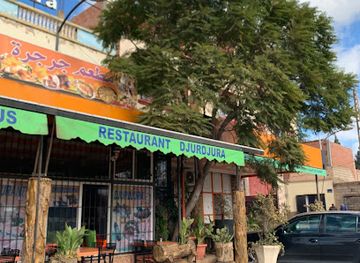
Djurdjura Restaurant
Discover the essence of Algerian cuisine at Djurdjura Restaurant in Misserghin - where every dish tells a story.
-
Restaurant
Tourist Restaurant
Discover authentic Algerian cuisine at Oued Chaaba's Tourist Restaurant, where every dish tells a story.
-
Restaurant
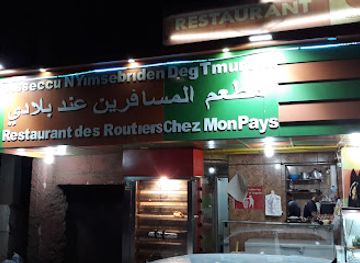
Restaurant Mon Pays
Discover authentic flavors at Restaurant Mon Pays in Souk-Oufella – where local cuisine meets warm hospitality.
-
Restaurant
Restaurant Le Toureg
Discover authentic local cuisine at Restaurant Le Toureg in Ouled Moussa – where every meal tells a story.
Best bars in Gourara Region
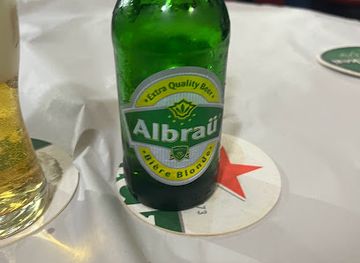
Gourara has no major nightclub circuit; evening life is concentrated in cafés, hotel lounges, traditional gatherings and family or community occasions. Timimoun provides the broadest choice of places to sit for tea, coffee and conversation, while smaller oasis settlements generally become quiet after dinner. Music, poetry and storytelling are more culturally significant than late-night entertainment, particularly during seasonal celebrations and religious gatherings. Some accommodation providers arrange desert evenings with food, drumming or local performances, but these should be understood as organised hospitality rather than a permanent nightlife scene. Evening walks can be atmospheric in Timimoun's historic areas, although visitors should remain respectful near homes and religious sites. Because opening arrangements and available venues change, it is sensible to ask locally rather than expect a fixed programme.
-
Hotel
Gourara Hotel
Gourara Hotel: Experience the rich culture and serene beauty of Timimoun, Algeria, in a comfortable and welcoming setting.
-
Lounge
Aura Lounge
Discover Aura Lounge: A stylish haven in Ouled Fayet for cocktails, relaxation, and vibrant social experiences.
-
Restaurant
Le Tonneau - Bar
Discover authentic Algerian flavors at Le Tonneau - Bar in Sidi M'Hamed, a lively spot perfect for tourists and locals alike.
-
Restaurant
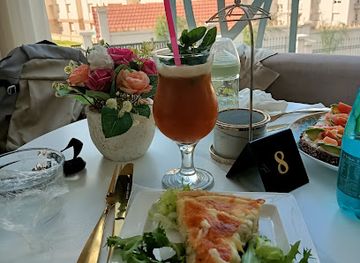
Le modjo lounge
Discover the flavors of Oran at Le Modjo Lounge, where local and international cuisine come together in a vibrant atmosphere.

Best nightclubs in Gourara Region
Gourara has no major nightclub circuit; evening life is concentrated in cafés, hotel lounges, traditional gatherings and family or community occasions. Timimoun provides the broadest choice of places to sit for tea, coffee and conversation, while smaller oasis settlements generally become quiet after dinner. Music, poetry and storytelling are more culturally significant than late-night entertainment, particularly during seasonal celebrations and religious gatherings. Some accommodation providers arrange desert evenings with food, drumming or local performances, but these should be understood as organised hospitality rather than a permanent nightlife scene. Evening walks can be atmospheric in Timimoun's historic areas, although visitors should remain respectful near homes and religious sites. Because opening arrangements and available venues change, it is sensible to ask locally rather than expect a fixed programme.
-
Disco club
Club Pacha Nightclub
Discover the vibrant nightlife of Algiers at Club Pacha Nightclub, where music, dance, and culture converge for an unforgettable experience.
-
Disco club
Sun Club House
Dive into the vibrant nightlife of Ain El Turk at Sun Club House, where electrifying music and lively crowds create unforgettable experiences.
-
Night club
180 longm0nt Balgaid
Dive into the heart of Bir El Djir's nightlife at 180 Longm0nt Balgaid, where music, dancing, and unforgettable moments await.
-
Cabaret club
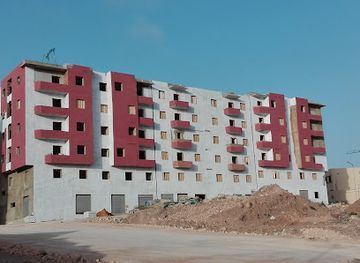
Disco djamal
Discover the vibrant nightlife at Disco Djamal, the premier cabaret club in Haloula, where dance and music come alive.


Best shops in Gourara Region
Shopping in Gourara is modest in scale but closely connected with oasis life and Saharan craft traditions. Timimoun has the region's broadest selection of small shops, food sellers and stalls offering dates, tea, spices, woven goods and practical desert provisions. Markets and informal trading areas vary by day and season, so visitors should ask locally about current arrangements rather than rely on a fixed market calendar. Crafts may include palm-leaf weaving, leatherwork, textiles, pottery and decorative objects influenced by local Zenata and Saharan traditions, although quality and provenance differ. Dates and other packaged oasis products make practical purchases, while locally made items are preferable to generic imported souvenirs when their origin is clear. Bargaining may be customary in informal markets but should remain courteous; established shops and food outlets may have fixed prices.
-
Clothing store
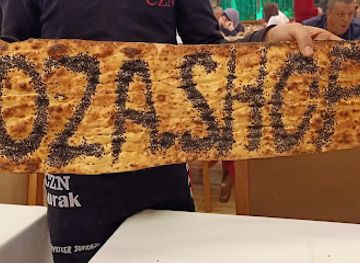
ZOZA shop - محلات رابح نجار
Explore ZOZA Shop in Grarem Gouga for unique fashion finds and a delightful shopping experience in a vibrant setting.
-
Gift shop
Vendeur de souvenirs
Discover the essence of Hammam Boughrara through unique souvenirs that capture the spirit of local craftsmanship.
-
Shopping mall
Soufiane kedidir boutique
Explore Mecheria's cultural richness at Soufiane Kedidir Boutique, where unique souvenirs and local craftsmanship await every visitor.
-
Gift basket store
Les Corsaires Associés
Explore unique gift baskets filled with local delights at Les Corsaires Associés, a perfect stop for memorable souvenirs.


Get your free copy of our complete guide to Gourara Region, delivered straight to you.
Everything on this page, from attractions and restaurants to essentials and local phrases, in one PDF you can read offline, print or share.
Already have an account? Sign in
Your Gourara Region guide is ready.
We'll send it to · Not you? Sign out

Getting your guide ready…
We are putting together a fresh copy of the Gourara Region guide. This can take up to a minute.
This can take a few moments. If your browser asks, choose Allow so the download can start. You'll find the guide in your Downloads folder.
Nothing happened? Download it again
Sorry, the guide is taking longer than usual. Please try again in a minute, or get it by email instead.
Gourara Region essentials
Currency and Payment
Safety
Emergency Situations
Do's and Don'ts
Local Tips
From Eve
Local phrases worth knowing
You don't need to get them perfect. A few words go a long way, and locals appreciate the effort.
Basics
| English | Local | Say it |
|---|---|---|
| Hello | سلام | [salam] |
| Goodbye | وداعا | [wada'a] |
| Yes | نعم | [na'am] |
| No | لا | [la] |
| Please/You're welcome | من فضلك | [min fadlik] |
| Thank you | شكرا | [shukran] |
| Excuse me/Sorry | عفوا | [afwan] |
| How are you? | كيف حالك؟ | [kayfa halak?] |
| Fine. And you? | بخير. وأنت؟ | [bikhayr. wa anta?] |
| Do you speak English? | هل تتحدث الإنجليزية؟ | [hal tatahadath al-ingliziyya?] |
| I don't understand | لا أفهم | [la afham] |
Eating & Drinking
| English | Local | Say it |
|---|---|---|
| I'd like to see the menu, please | أود رؤية القائمة، من فضلك | [awad ru'yat al-qa'ima, min fadlik] |
| I don't eat meat | لا آكل اللحم | [la akul al-lahm] |
| Cheers! | في صحتك! | [fi sihtak!] |
| I would like to pay, please | أود الدفع، من فضلك | [awad al-daf', min fadlik] |
Emergencies
| English | Local | Say it |
|---|---|---|
| Help! | نجدة! | [najda!] |
| Go away! | اذهب بعيدا! | [idhhab ba'eedan!] |
| Call the Police! | اتصل بالشرطة! | [ittasil bil-shurta!] |
| Call a doctor! | اتصل بالطبيب! | [ittasil bil-tabeeb!] |
| I'm lost | أنا ضائع | [ana da'i'] |
| I'm ill | أنا مريض | [ana marid] |
Shopping
| English | Local | Say it |
|---|---|---|
| I'd like to buy... | أود شراء... | [awad shira'...] |
| I'm just looking | أنا فقط أنظر | [ana faqat anzur] |
| How much is it? | كم ثمنه؟ | [kam thamanu?] |
| That's too expensive | هذا مكلف جدا | [hatha mukallaf jidan] |
| Can you lower the price? | هل يمكنك خفض السعر؟ | [hal yumkinuka khafd al-si'r?] |
Time & Numbers
| English | Local | Say it |
|---|---|---|
| What time is it? | كم الساعة؟ | [kam al-saa'a?] |
| It's one o'clock | الساعة الواحدة | [al-saa'a al-wahid] |
| Half past (10) | نصف (10) | [nisf (10)] |
| Morning | صباح | [sabah] |
| Afternoon | بعد الظهر | [ba'd al-zuhur] |
| Evening | مساء | [masa'] |
| Yesterday | أمس | [ams] |
| Today | اليوم | [al-yawm] |
| Tomorrow | غدا | [ghadan] |
| 1 | 1 | [1] |
| 2 | 2 | [2] |
| 3 | 3 | [3] |
| 4 | 4 | [4] |
| 5 | 5 | [5] |
| 6 | 6 | [6] |
| 7 | 7 | [7] |
| 8 | 8 | [8] |
| 9 | 9 | [9] |
| 10 | 10 | [10] |
Transport & Directions
| English | Local | Say it |
|---|---|---|
| Where's a/the...? | أين هو ...؟ | [ayn huwa ...?] |
| What's the address? | ما هو العنوان؟ | [ma huwa al-unwan?] |
| Can you show me (on the map)? | هل يمكنك أن تريني (على الخريطة)؟ | [hal yumkinuka an turini (ala al-kharita)?] |
| When's the next (bus)? | متى تأتي الحافلة القادمة؟ | [mata ta'ti al-hafila al-qadima?] |
| A ticket (to ....) | تذكرة (إلى ....) | [tadhkara (ila ....)] |
History of Gourara Region
Prehistoric Sahara and Early Oasis Settlement
The wider Gourara landscape formed part of the inhabited Sahara long before the present oasis towns emerged. Rock engravings, stone tools and other archaeological traces across the Algerian Sahara show that people adapted to markedly different climatic conditions when grasslands, lakes and more dependable surface water existed in areas that are now arid. Later communities increasingly concentrated around groundwater and seasonal drainage. Although many archaeological sites require specialist interpretation and local guidance, the region's ancient landscape provides the long perspective behind its present settlements: Gourara has always been shaped by the search for water, pasture, trade routes and defensible places to live.
Zenata Communities and the Ksour
Gourara's oasis society is strongly associated with Zenata-speaking Berber communities, whose history is reflected in local languages, social traditions and architecture. Over time, settlements developed as ksour: compact villages built in earth, often with narrow passages, communal facilities and religious foundations. Their forms responded to heat, wind, security and the need to conserve building materials. The surviving ksour around Timimoun and neighbouring oases are not isolated monuments but remnants of a network of inhabited communities linked by agriculture, kinship and movement across the desert.
Trans-Saharan Trade and Islamic Networks
Gourara lay within the wider web of Saharan routes connecting the northern Maghreb with settlements farther south. Caravans carried commodities, information and religious learning, while oasis towns provided water, food, craft production and places of exchange. Islam shaped the region's institutions, scholarship, architecture and pilgrimage traditions, with mosques and mausoleums becoming important points of community life. The routes did not make Gourara a single uniform society: different oasis communities retained their own local histories, but their position between desert corridors helped connect them to the political and commercial worlds of the Maghreb and the Sahel.
Foggaras and the Agricultural Oasis
The development and maintenance of foggaras transformed groundwater into a dependable basis for settlement. These underground channels, sometimes extending considerable distances, use a very slight gradient to carry water towards gardens and distribution points. Their construction required surveying, excavation and sustained communal management, while the allocation of water was governed by locally understood rights and schedules. Dates, vegetables, fruit and other crops could then be cultivated beneath the protection of palms. The foggara system remains one of Gourara's clearest expressions of environmental knowledge and collective organisation, even where sections have declined or been replaced by modern pumping.
French Expansion and Colonial Administration
French forces extended colonial control into the Algerian Sahara at the beginning of the twentieth century, bringing Gourara into a new administrative and military framework. Colonial rule altered taxation, authority, transport and relations between oasis communities, while new roads and administrative posts connected the region more directly to the wider colonial state. These changes did not erase older water systems, religious institutions or local social structures, but they placed them under external supervision. The period also established many of the administrative and infrastructural patterns that continued to influence travel and regional government after Algerian independence.
Independence and Modern Saharan Change
Algeria's independence in 1962 opened a period of national development in which roads, public services, communications and modern water infrastructure expanded across the southern regions. Timimoun grew as a regional administrative and tourism centre, while motor transport reduced reliance on caravan routes. At the same time, mechanical pumping and demographic change placed pressure on traditional foggara systems and oasis agriculture. Contemporary Gourara therefore combines modern public infrastructure with older settlement forms, craft traditions, religious practices and agricultural knowledge. The challenge of conserving this heritage while sustaining living communities remains central to the region's future.
The Sbuâ Pilgrimage and Gourara's Living Heritage
The Sbuâ is a major religious and cultural tradition of Gourara, involving pilgrimage to mausoleums, communal gatherings, processions, recitation, music and social exchange. It takes place in the period associated with the Prophet Muhammad's birthday and brings together communities from across the region. Its importance lies not only in ceremony but also in the transmission of local history, devotional practice, music and collective identity. UNESCO inscribed the Sbuâ of Gourara on its Representative List of the Intangible Cultural Heritage of Humanity in 2015, recognising a tradition that remains rooted in community participation rather than staged performance.
Gourara Region in Photos
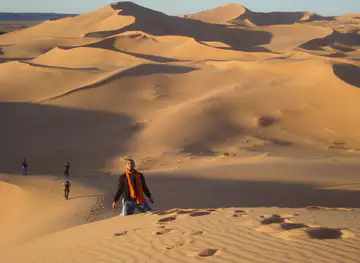
Browse through our photo collection highlighting the charm and character of the destination.
Neighbouring regions of Gourara Region
The closest regions to Gourara Region, if you have time for more than one.
-

-
-

-

-


Swipe for more regions
Explore more
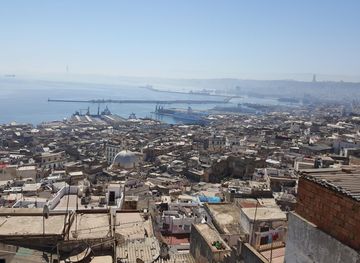
Explore more of Algeria
Discover Algeria: A captivating blend of ancient history, stunning landscapes, and vibrant culture. From the Sahara desert to Mediterranean coasts, adventure awaits.
Explore Algeria