

Free Saoura Valley Travel Guide & Mobile App
Explore Saoura Valley with free travel guides. Discover regional history, expert tips, proposed trips, and audio guides on web or mobile app.


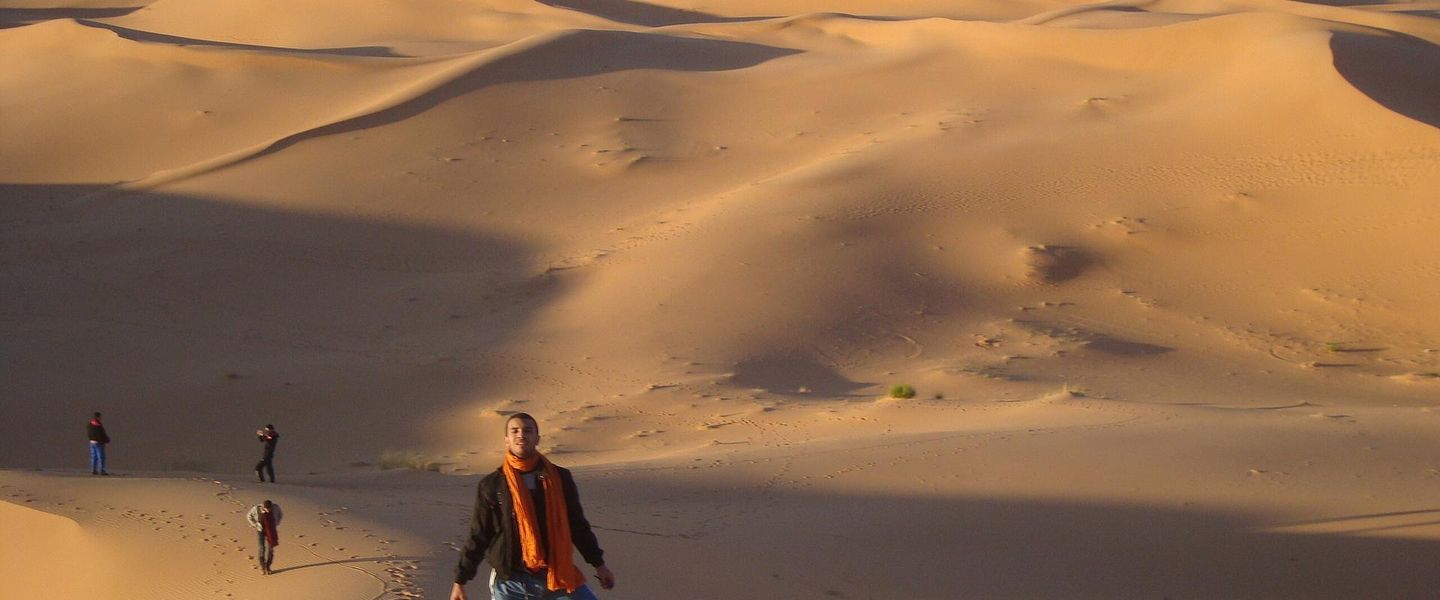


Explore Algeria’s Saoura Valley for palm oases, earthen ksour, Taghit dunes, rock art and Sahara landscapes shaped by water and trade.
Read more about Saoura Valley
When is the best time to visit Saoura Valley?
Best: February–March, November · 21–26°C| Month | High (°C) | Rainfall (mm) |
|---|---|---|
| January | 18 | 8 |
| February (best) | 21 | 6 |
| March (best) | 26 | 7 |
| April | 31 | 5 |
| May | 37 | 2 |
| June | 41 | 2 |
| July | 43 | 1 |
| August | 43 | 2 |
| September | 38 | 4 |
| October | 32 | 5 |
| November (best) | 24 | 6 |
| December | 19 | 8 |
Getting to and around Saoura Valley
How to get there
Transportation
Best attractions in Saoura Valley
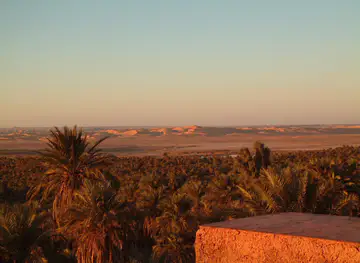
The Saoura’s attractions are shaped by the meeting of oasis life and open desert. Taghit is the best-known base for seeing the dunes of the Erg Occidental, walking beside palm groves and arranging visits to nearby prehistoric rock engravings. The attraction is not a single viewpoint but the changing relationship between sand, dark rocky plateaux and cultivated green oases. Beni Abbès offers a more intimate cultural experience, with its historic ksar, palm-filled valley and buildings associated with the town’s religious and colonial-era history. Kenadsa combines the atmosphere of an old oasis with reminders of the area’s coal-mining past, while Béchar provides museums, markets and urban services that help explain the region’s modern development. Across the valley, visitors can explore earthen architecture, traditional lanes, date cultivation, desert tracks and scenic viewpoints. Remote excursions should be organised with local expertise, particularly where rock art, unmarked routes or four-wheel-drive travel are involved. The region is better suited to slow cultural travel, photography, walking and guided desert exploration than to a tightly packed list of conventional tourist attractions.
-
 Tourist attraction
Source ivahlal
Discover Source Ivahlal in Saharidj: A serene Algerian escape with lush landscapes, hiking trails, and rich local culture. Perfect for nature lovers.
Best landmarks in Saoura Valley
The dunes and palm grove of Taghit form the Saoura’s most recognisable natural landmark, with the Erg Occidental rising beside an oasis settlement in a striking contrast of gold sand and cultivated green. Taghit’s historic ksar is another important reference point, reflecting the earthen architecture and compact defensive form of the valley’s older communities. In Beni Abbès, the old ksar and the palm-filled Oued Saoura valley express the settlement’s long relationship with water, agriculture and trans-Saharan movement; buildings associated with Charles de Foucauld add a later historical layer without defining the whole town. Kenadsa’s old oasis and mining heritage mark the transition from traditional settlement to industrial desert economy. Around the region, prehistoric rock engravings provide a fragile archaeological landmark rather than a conventional monument, while Béchar’s urban fabric represents the modern administrative and commercial centre that grew through colonial infrastructure, mining and post-independence development.
-
Historical landmark
Martyrs Memorial
A towering monument in Algiers honoring Algeria's independence, with panoramic views and a museum showcasing the nation's history.
-
Botanical garden
Botanical Garden Hamma
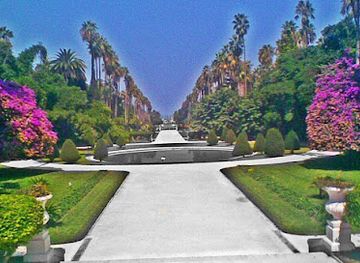
Discover a serene escape in the heart of Algiers at the Botanical Garden of Hamma, a historic oasis of diverse flora and tranquil landscapes.
-
Fortress
Fort of Santa Cruz
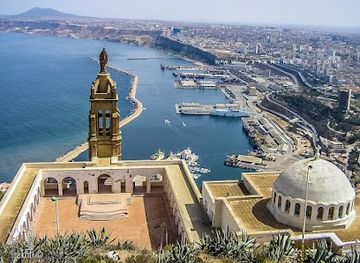
Explore the historic Fort of Santa Cruz in Oran, offering panoramic views and a glimpse into Algeria's colonial past and strategic importance.
-
Historical landmark
Beni Add Ain Fezza Caves
Discover Algeria's largest cave network, featuring stunning geological formations and a rich history in the heart of Aïn Fezza.
Explore Saoura Valley on the map
Plan your trip on one map. See where the top cities, national parks and sights are, and book hotels and experiences in a few clicks.
Best hotels in Saoura Valley
Best restaurants in Saoura Valley
Dining in the Saoura is closely connected to oasis agriculture, desert hospitality and the wider culinary traditions of Algeria. Couscous, soups, breads, seasonal vegetables and slow-cooked meat dishes are common foundations, while dates from the palm groves are an important local product and may appear at breakfast, with tea or in market stalls. In Béchar, visitors have the broadest choice of restaurants, cafés and bakeries, whereas smaller oases generally offer simpler meals through hotels, family-run establishments and local eateries. Taghit and Beni Abbès are good places to look for food served in an oasis setting, but arrangements may need to be made in advance outside the main urban centre. Mint tea is an important element of welcome, and coffee and sweet pastries are widely available. Travellers who eat outside established restaurants should use normal food and water precautions, particularly in hot weather, and should not assume that every desert excursion includes meals or refreshments.
-
Restaurant
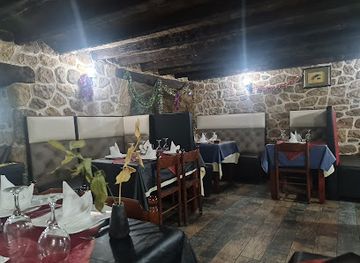
Restaurant La Grotte des Saveurs
Experience the authentic taste of Algeria at La Grotte des Saveurs – where tradition meets modern culinary artistry.
-
Restaurant
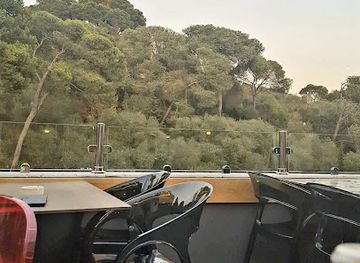
Le Perchoir
Discover Le Perchoir: An exquisite dining destination in Hydra offering breathtaking views and authentic Algerian cuisine.
-
Restaurant
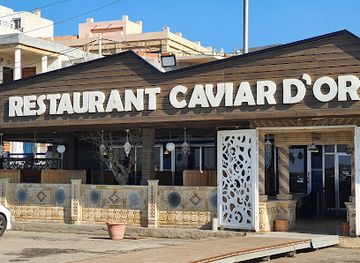
Caviar d'or Restaurant
Discover the exquisite flavors of Algeria at Caviar d'or Restaurant in Aïn Bénian—where culinary artistry meets warm hospitality.
-
Restaurant
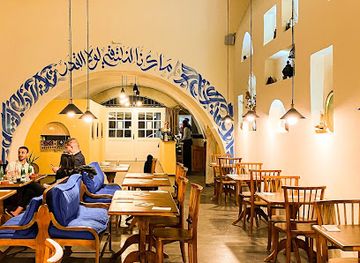
Sapori
Experience authentic Algerian cuisine at Sapori, a beloved restaurant located in the historic Casbah of Algiers.
Best bars in Saoura Valley
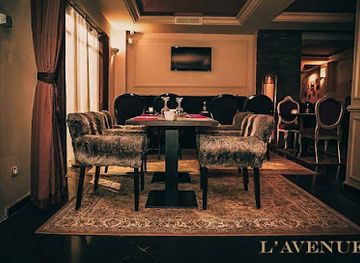
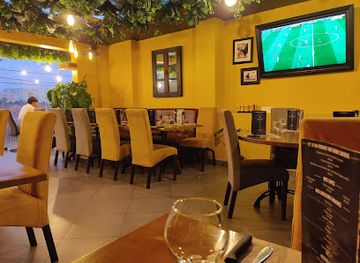
Nightlife in the Saoura is quiet and socially oriented rather than club-focused. Béchar has the region’s widest choice of cafés, restaurants and evening meeting places, with activity usually centred on conversation, tea, coffee and meals rather than late-night entertainment. In Taghit, Kenadsa and Beni Abbès, evenings are more likely to involve hotel courtyards, local cafés, family gatherings or organised desert dinners than nightclubs. Alcohol is not central to public evening culture, and availability varies by establishment and local expectations. The desert itself creates a memorable after-dark setting: guided walks, stargazing and time beside a palm grove can be more characteristic of the region than a conventional bar scene. Visitors should return from remote excursions before dark unless they are with an experienced, properly equipped operator, and should respect quiet residential areas around ksour and oasis communities.
-
Restaurant
White Dream
Discover the flavors of Algeria at White Dream, a charming restaurant offering a delightful culinary experience in Dély Ibrahim.
-
Restaurant
Bell'ys
Experience the vibrant flavors of Dély Ibrahim at Bell'ys, where culinary excellence meets a warm, inviting atmosphere.
-
Restaurant
Le Perchoir
Discover the flavors of Algeria at Le Perchoir, a culinary gem in Hydra offering stunning views and delicious dishes.
-
Lounge
Aura Lounge
Discover the tranquility of Aura Lounge in Ouled Fayet, where style meets comfort for a perfect relaxation retreat.
Best nightclubs in Saoura Valley
Nightlife in the Saoura is quiet and socially oriented rather than club-focused. Béchar has the region’s widest choice of cafés, restaurants and evening meeting places, with activity usually centred on conversation, tea, coffee and meals rather than late-night entertainment. In Taghit, Kenadsa and Beni Abbès, evenings are more likely to involve hotel courtyards, local cafés, family gatherings or organised desert dinners than nightclubs. Alcohol is not central to public evening culture, and availability varies by establishment and local expectations. The desert itself creates a memorable after-dark setting: guided walks, stargazing and time beside a palm grove can be more characteristic of the region than a conventional bar scene. Visitors should return from remote excursions before dark unless they are with an experienced, properly equipped operator, and should respect quiet residential areas around ksour and oasis communities.
-
Lounge
Aura Lounge
Discover the sophistication of Aura Lounge in Ouled Fayet, where exquisite drinks and a chic atmosphere await every visitor.
-
Night club
Solazur Club
Discover the enchanting nightlife at Solazur Club in Ain El Turk, where music, dance, and culture unite for an unforgettable experience.
-
Disco club
Club Pacha Nightclub
Discover the electrifying nightlife at Club Pacha Nightclub in El Mouradia, where unforgettable dance experiences await amidst vibrant music and an energetic crowd.
-
Night club
Arena Club
Discover the energy of Oran's nightlife at Arena Club, where music, dance, and unforgettable memories await you.


Best shops in Saoura Valley
Shopping in the Saoura is modest in scale but closely linked to oasis production and desert culture. Béchar has the broadest selection of everyday shops, food retailers, bakeries and market stalls, while Taghit, Kenadsa and Beni Abbès offer smaller local businesses and products suited to visitors. Dates are the most characteristic purchase, with other regional foodstuffs, spices, tea and preserved goods available according to season and supply. Souks and market areas may also carry woven items, leather goods, pottery and practical desert clothing, although quality and provenance vary and should be checked rather than assumed. Handicrafts connected to ksour and oasis life are more meaningful when bought directly from established local makers or reputable shops. Avoid purchasing archaeological objects, old-looking rock fragments or anything claimed to come from a rock-art site. The best shopping experience is usually a combination of market browsing in Béchar and small, respectful purchases in the oasis communities.
-
Gift shop
Mersem amore e mentalita
Explore the heart of Algerian culture at Mersem Amore e Mentalita, a unique gift shop in the historic Casbah of Algiers, offering authentic crafts and souvenirs.
-
Supermarket
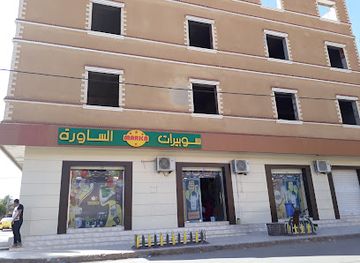
Supérette Saoura
Experience the vibrant local culture at Supérette Saoura, Béchar's go-to supermarket for fresh produce, local delicacies, and everyday essentials.
-
Gift shop
boutique sîďöů cadeaux & cosmétique
Explore a unique gift shop in Sour El-Ghozlane offering exquisite cosmetics and charming souvenirs reflecting local artistry.
-
Clothing store
Ain Oussera Shop
Discover the vibrant local fashion at Ain Oussera Shop, where tradition meets contemporary style in Aïn Oussera.
Get your free copy of our complete guide to Saoura Valley, delivered straight to you.
Everything on this page, from attractions and restaurants to essentials and local phrases, in one PDF you can read offline, print or share.
Already have an account? Sign in
Your Saoura Valley guide is ready.
We'll send it to · Not you? Sign out

Getting your guide ready…
We are putting together a fresh copy of the Saoura Valley guide. This can take up to a minute.
This can take a few moments. If your browser asks, choose Allow so the download can start. You'll find the guide in your Downloads folder.
Nothing happened? Download it again
Sorry, the guide is taking longer than usual. Please try again in a minute, or get it by email instead.
Saoura Valley essentials
Currency and Payment
Safety
Emergency Situations
Do's and Don'ts
Local Tips
From Eve
Local phrases worth knowing
You don't need to get them perfect. A few words go a long way, and locals appreciate the effort.
Basics
| English | Local | Say it |
|---|---|---|
| Hello | سلام | [Salam] |
| Goodbye | وداعا | [Wada'an] |
| Yes | نعم | [Na'am] |
| No | لا | [La] |
| Please/You're welcome | من فضلك | [Min fadlak] |
| Thank you | شكرا | [Shukran] |
| Excuse me/Sorry | عذرًا | [Udhiran] |
| How are you? | كيف حالك؟ | [Kayfa halak?] |
| Fine. And you? | بخير. وأنت؟ | [Bikhayr. Wa anta?] |
| Do you speak English? | هل تتكلم الإنجليزية؟ | [Hal tatakallam al-ingliziyya?] |
| I don't understand | لا أفهم | [La afham] |
Eating & Drinking
| English | Local | Say it |
|---|---|---|
| I'd like to see the menu, please | أود رؤية القائمة، من فضلك | [Awad ru'yat al-qa'ima, min fadlak] |
| I don't eat meat | لا آكل اللحم | [La akul al-lahm] |
| Cheers! | في صحتك! | [Fi sihatak!] |
| I would like to pay, please | أود الدفع، من فضلك | [Awad al-daf', min fadlak] |
Emergencies
| English | Local | Say it |
|---|---|---|
| Help! | نجدة! | [Najda!] |
| Go away! | اذهب بعيدًا! | [Ithhab ba'idan!] |
| Call the Police! | اتصل بالشرطة! | [Ittasil bil-shurta!] |
| Call a doctor! | اتصل بالطبيب! | [Ittasil bil-tabeeb!] |
| I'm lost | أنا ضائع | [Ana da'i'] |
| I'm ill | أنا مريض | [Ana marid] |
Shopping
| English | Local | Say it |
|---|---|---|
| I'd like to buy... | أود شراء... | [Awad shira'] |
| I'm just looking | أنا أبحث فقط | [Ana abhas faqat] |
| How much is it? | كم ثمنه؟ | [Kam thamanu?] |
| That's too expensive | هذا غالي جدًا | [Hatha ghali jidan] |
| Can you lower the price? | هل يمكنك خفض السعر؟ | [Hal yumkinuka khafd al-si'r?] |
Time & Numbers
| English | Local | Say it |
|---|---|---|
| What time is it? | كم الساعة؟ | [Kam al-sa'ah?] |
| It's one o'clock | الساعة واحدة | [Al-sa'ah wahida] |
| Half past (10) | العاشرة والنصف | [Al-'ashira wa al-nisf] |
| Morning | صباحًا | [Sabahan] |
| Afternoon | بعد الظهر | [Ba'd al-zuhur] |
| Evening | مساءً | [Masa'an] |
| Yesterday | أمس | [Ams] |
| Today | اليوم | [Al-yawm] |
| Tomorrow | غدًا | [Ghadan] |
| 1 | واحد | [Wahid] |
| 2 | اثنان | [Ithnan] |
| 3 | ثلاثة | [Thalatha] |
| 4 | أربعة | [Arba'a] |
| 5 | خمسة | [Khamsa] |
| 6 | ستة | [Sitta] |
| 7 | سبعة | [Sab'a] |
| 8 | ثمانية | [Thamaniya] |
| 9 | تسعة | [Tis'a] |
| 10 | عشرة | [Ashara] |
Transport & Directions
| English | Local | Say it |
|---|---|---|
| Where's a/the...? | أين ...؟ | [Ayn ...?] |
| What's the address? | ما هو العنوان؟ | [Ma huwa al-'unwan?] |
| Can you show me (on the map)? | هل يمكنك إظهاري (على الخريطة)؟ | [Hal yumkinuka idhharī (ala al-kharita)?] |
| When's the next (bus)? | متى ستكون الحافلة التالية؟ | [Mata satakunu al-hafila al-taliya?] |
| A ticket (to ....) | تذكرة (إلى ...) | [Tadhkara (ila ...)] |
History of Saoura Valley
Prehistoric Saoura and Taghit Rock Art
Rock engravings around Taghit and other parts of the western Sahara preserve evidence of human activity from periods when the region’s climate was less arid. Images of animals and scenes associated with hunting show that people used landscapes now dominated by dunes and stony desert in very different environmental conditions. The engravings are important not only as artistic remains but also as evidence of changing rainfall, wildlife and patterns of movement across the Sahara. Their locations are often remote and fragile, so responsible visits should avoid touching, tracing or climbing on the decorated surfaces.
Oasis Settlement and the Ksour
Over many centuries, communities in the Saoura developed oasis settlements organised around dependable water sources, date-palm cultivation and communal protection. Earthen ksour, mosques, storage areas and narrow lanes created compact settlements suited to a harsh climate. The architecture reflects local materials and practical knowledge: thick walls moderate heat, while shaded passages reduce exposure to the sun. Although individual traditions vary between Béchar, Kenadsa, Taghit and Beni Abbès, the region’s historic settlements share a close relationship with palm agriculture, wells and the movement of people across desert routes.
Trans-Saharan Trade and Religious Networks
The Saoura occupied a strategic position within the wider network linking northern Algeria with the Sahara and communities farther south. Oases supplied travellers with water, food, shelter and animals, while trade carried commodities, news and religious learning across long distances. Sufi institutions and learned families also helped connect settlements to broader cultural networks. The surviving ksour and old religious buildings should therefore be understood as part of a regional system rather than isolated monuments. Their history reflects both local oasis life and the wider circulation of people and ideas through the desert.
French Expansion and the Colonial Frontier
French military expansion into the western Sahara during the late nineteenth and early twentieth centuries brought the Saoura into Algeria’s colonial administrative system. Garrisons, roads and new administrative centres altered existing political and commercial relationships, while older oasis authorities and trading networks continued to shape daily life. Beni Abbès is associated with Charles de Foucauld, who lived there from 1901 and established a religious presence. His writings made the oasis known to European readers, although the town’s history is broader than this one later association and includes its longstanding local communities.
Kenadsa Coal and the Growth of Béchar
Coal mining at Kenadsa became a major influence on the modern history of the Saoura. Industrial extraction, colonial investment and the development of transport links encouraged the growth of Béchar, which became an important administrative and economic centre. Mining brought new forms of employment and infrastructure but also tied the region to outside markets and changing energy priorities. The legacy remains visible in the contrast between oasis settlements and the more urban, industrial character of Béchar and Kenadsa. Coal production later declined as Algeria’s energy economy developed in other directions.
Independence and Regional Transformation
Algeria’s independence in 1962 brought the Saoura into a national framework of administration, education, infrastructure and economic planning. Béchar expanded as the principal urban centre, while roads and air connections improved access to the oasis communities. At the same time, traditional palm cultivation, earthen architecture and local water management faced pressure from demographic change, modern construction and environmental stress. Contemporary tourism in the valley increasingly draws on the combined value of its desert scenery, archaeological heritage, ksour and oasis culture, while conservation remains important because both historic buildings and rock art are vulnerable.
Saoura Valley in Photos
Browse through our photo collection highlighting the charm and character of the destination.
Neighbouring regions of Saoura Valley
The closest regions to Saoura Valley, if you have time for more than one.
-
-

-

-

-


Swipe for more regions
Explore more
Explore more of Algeria
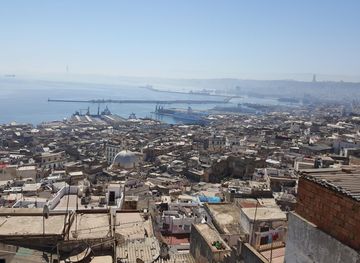
Discover Algeria: A captivating blend of ancient history, stunning landscapes, and vibrant culture. From the Sahara desert to Mediterranean coasts, adventure awaits.
Explore Algeria