

Free Ziban Travel Guide & Mobile App
Explore Ziban with free travel guides. Discover regional history, expert tips, proposed trips, and audio guides on web or mobile app.


Explore Ziban’s palm oases, date-growing towns, desert-edge landscapes and historic Biskra, Sidi Okba and El Kantara in eastern Algeria.
Read more about Ziban
When is the best time to visit Ziban?
Best: March–April, November · 22–26°C| Month | High (°C) | Rainfall (mm) |
|---|---|---|
| January | 16 | 8 |
| February | 18 | 7 |
| March (best) | 22 | 8 |
| April (best) | 26 | 7 |
| May | 32 | 5 |
| June | 37 | 2 |
| July | 41 | 1 |
| August | 41 | 1 |
| September | 36 | 2 |
| October | 30 | 5 |
| November (best) | 22 | 6 |
| December | 18 | 7 |
Getting to and around Ziban
How to get there
Transportation
Top city travel guides in Ziban
The cities of Ziban, and the easiest places to base yourself.

Swipe for more cities
Destinations in Ziban
Resorts, valleys and scenic spots worth a trip of their own.

Swipe for more destinations
Best attractions in Ziban
The Ziban’s attractions are rooted in the relationship between oasis agriculture, desert geography and long-distance history. Biskra offers gardens, older quarters, markets, historic religious buildings and a legacy as a nineteenth-century winter resort. Around Tolga and Ourlal, palm groves reveal the region’s agricultural structure, with shaded paths, irrigation channels and date-packing activity providing a more grounded experience than a conventional sightseeing circuit. Sidi Okba combines religious importance with the atmosphere of an established oasis settlement, while nearby villages and smaller palm belts show how communities have adapted to limited water and intense heat. El Kantara, on the northern edge of the Ziban, brings a different landscape: a narrow passage between mountain walls and a dramatic change in terrain between the Aurès and the desert plain. Archaeological traces connected with ancient Biskra and Roman Vescera add historical depth, although the region is better suited to contextual exploration than to monumental archaeology. Outdoor activities include guided walks through palm landscapes, scenic drives, birdwatching near suitable wetlands and desert-edge photography, with conditions and access varying by season.
-
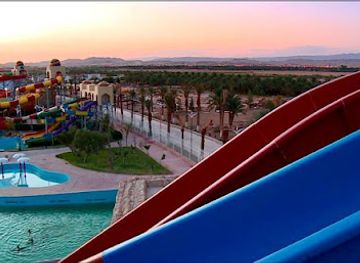
Water park
Aqua Palm Biskra
Experience a refreshing escape at Aqua Palm Biskra, the ultimate water park destination in the heart of the Algerian desert. Fun for all ages!
-
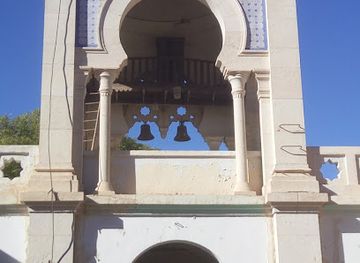
Garden
5 July 1962 Garden
Escape to the lush greenery of Biskra's 5 July 1962 Garden, a tranquil oasis in the heart of the desert city.
Best landmarks in Ziban
Biskra’s most important landmark character comes from its position as an oasis city and historic gateway rather than from a single monumental structure. The old religious architecture and urban fabric around the city’s established quarters reflect successive Islamic, Ottoman-era and colonial influences, while gardens and palm belts remain essential elements of its visual identity. The Mosque of Sidi Okba is the Ziban’s most significant religious landmark, associated by tradition with Uqba ibn Nafi and valued for its early Islamic historical connections and enduring role in the town. The cultivated palm landscapes around Tolga form a geographical landmark in their own right: an extensive human-shaped green belt contrasting with the surrounding arid plain. El Kantara Gorge, on the region’s northern approach, is the clearest natural landmark, where the route passes through mountain terrain before opening towards the Ziban. Remains linked with ancient Vescera near Biskra provide a quieter archaeological reminder of the Roman frontier and the region’s long role as a passage between northern Algeria and the Sahara.
-
 Historical landmark
Martyrs Memorial
A towering monument in Algiers honoring Algeria's independence, offering panoramic views and a glimpse into the nation's history.
-
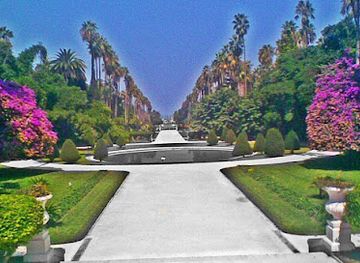
Botanical garden
Botanical Garden Hamma
Discover a world of plants and tranquility in the heart of Algiers at the historic Hamma Botanical Garden.
-
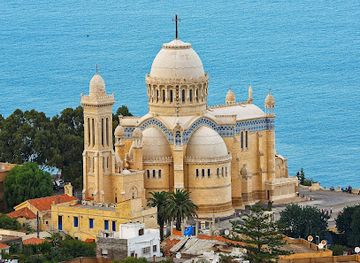
Basilica
Church of Notre Dame d'Afrique
A stunning basilica in Algiers blending architectural styles with panoramic views, symbolizing unity and religious tolerance.
-
National park
Chrea National Park
Discover Algeria's natural beauty at Chrea National Park: hiking, skiing, wildlife, and stunning cedar forests await!
Explore Ziban on the map
Plan your trip on one map. See where the top cities, national parks and sights are, and book hotels and experiences in a few clicks.
Best hotels in Ziban
Best restaurants in Ziban
Dining in the Ziban combines the everyday cuisine of eastern Algeria with ingredients shaped by oasis agriculture. Biskra’s restaurants, cafés and family-run eateries commonly serve couscous, chorba, grilled meats, vegetable dishes, breads and richly seasoned sauces, while dates appear as a snack, dessert ingredient or accompaniment to coffee and tea. Lamb, chicken and pulses are widely used, and regional meals may include local variations of stuffed vegetables, flatbreads and semolina-based dishes. Around Tolga and other date-growing communities, Deglet Nour and other date varieties are central to the food economy and make practical gifts when properly packaged. Traditional cafés are useful places to observe local rhythms, while larger town restaurants offer more formal dining and a wider choice of Algerian dishes. Menus may be limited outside Biskra, particularly in smaller oasis settlements, so visitors should expect simple, fresh meals rather than a highly standardised tourist restaurant scene. During Ramadan, daytime dining arrangements change significantly, and travellers should follow local expectations about eating and drinking in public.
-
Restaurant
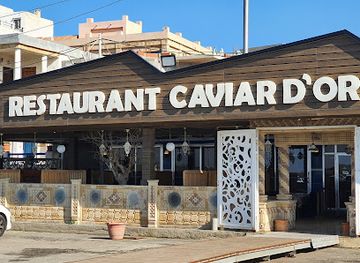
Caviar d'or Restaurant
Discover exquisite seafood dining at Caviar d'or Restaurant in Aïn Bénian - where culinary art meets local flavors.
-
Restaurant
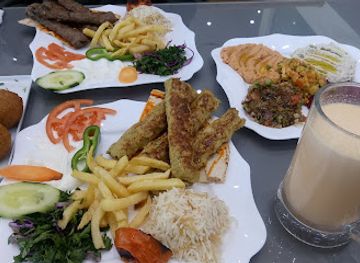
Damasco food
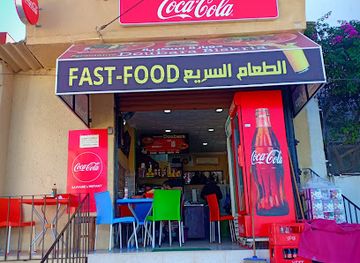
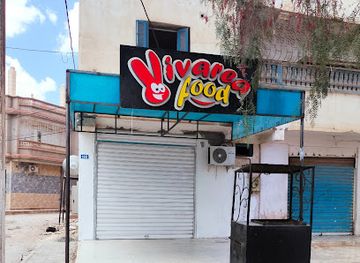
Discover authentic Syrian cuisine at Damasco Food in Biskra, where every dish tells a story of tradition and flavor.
-
Turkish
Kuzu Bey Restaurant
Experience the best of Turkish cuisine at Kuzu Bey Restaurant in Dély Ibrahim—where every dish tells a story.
-
Restaurant
مطعم دوبارة بسكرية (Doubara)
Discover authentic Algerian flavors at Doubara in Aïn Bénian - where every meal is a celebration of culinary tradition.
Best bars in Ziban
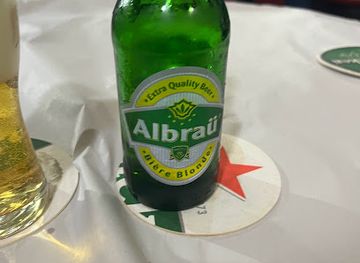
The Ziban does not have a large, internationally oriented nightclub culture. Evening life is centred mainly on cafés, tea rooms, restaurants, hotel spaces and family or community gatherings, with Biskra offering the broadest choice and the latest activity. Traditional cafés are important social venues, particularly after sunset, while promenades and central streets can become busier as temperatures fall. Alcohol is not central to public life and availability varies considerably; visitors should not assume that ordinary cafés serve it. Night-time entertainment outside Biskra is generally quiet and community-based, with occasional cultural performances or live music rather than a permanent club circuit. During Ramadan, evening activity increases after the fast is broken, although opening patterns and dining arrangements differ from the rest of the year. Those venturing beyond town should arrange return transport in advance, as rural services may be limited after dark.
-
Restaurant
Le Tonneau - Bar
Experience the vibrant culinary scene at Le Tonneau, a bar and restaurant in Sidi M'Hamed, where exquisite flavors and a warm atmosphere await you.
-
Restaurant
Restaurant Ziban
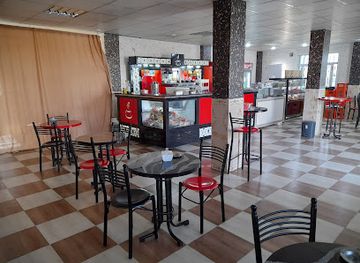
Discover the rich flavors of Algeria at Restaurant Ziban, where authentic cuisine meets a welcoming atmosphere in Berkaoui.
-
Pub
Non lue
Discover the charm of Non Lue in Ouenza, Algeria, where vibrant local culture meets a delightful pub experience.
-
Bar
Beni hareth's bar
Experience local culture and flavors at Beni Hareth's Bar in Talassa, a welcoming spot for travelers to unwind and connect.
Best nightclubs in Ziban
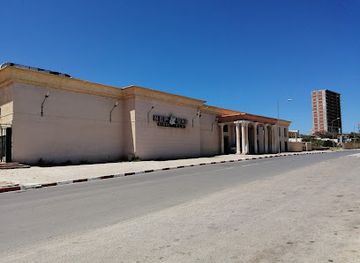
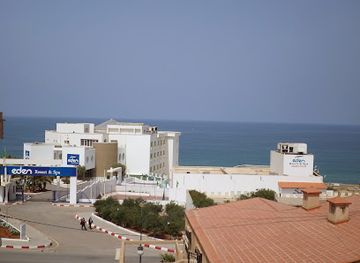
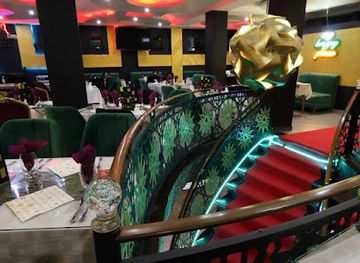
The Ziban does not have a large, internationally oriented nightclub culture. Evening life is centred mainly on cafés, tea rooms, restaurants, hotel spaces and family or community gatherings, with Biskra offering the broadest choice and the latest activity. Traditional cafés are important social venues, particularly after sunset, while promenades and central streets can become busier as temperatures fall. Alcohol is not central to public life and availability varies considerably; visitors should not assume that ordinary cafés serve it. Night-time entertainment outside Biskra is generally quiet and community-based, with occasional cultural performances or live music rather than a permanent club circuit. During Ramadan, evening activity increases after the fast is broken, although opening patterns and dining arrangements differ from the rest of the year. Those venturing beyond town should arrange return transport in advance, as rural services may be limited after dark.
-
Night club
NEPTUNE CLUB
Discover the ultimate nightlife experience at Neptune Club in Ain El Turk, Algeria, where music, dancing, and fun come alive.
-
Disco club
Club Pacha Nightclub
Unleash your inner party spirit at Club Pacha Nightclub, the ultimate destination for an unforgettable nightlife experience in El Mouradia.
-
Disco club
Sun Club House
Discover the exhilarating nightlife of Ain El Turk at Sun Club House, your go-to disco club for unforgettable dance experiences.
-
Restaurant
L'AMIRAL NIGHT CLUB
Discover the electric nightlife at L'AMIRAL NIGHT CLUB in Mohammadia, where music, dance, and local cuisine come together for an unforgettable experience.

Best shops in Ziban
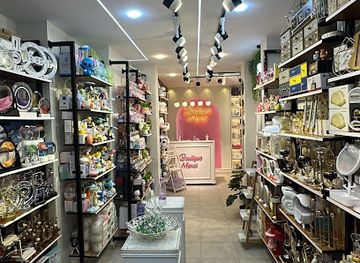
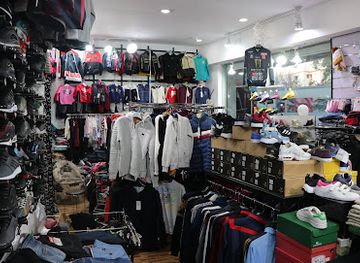
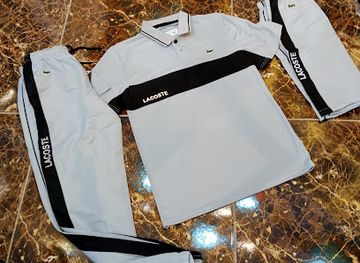
Shopping in the Ziban is closely tied to its oasis economy. Biskra’s markets and food shops are the best places to look for dates, particularly Deglet Nour, as well as nuts, spices, teas, dried fruit and locally produced pantry goods. In Tolga and other date-growing settlements, specialist sellers and agricultural businesses may offer a wider choice of grades and packaging, although visitors should compare quality and ask how products can be transported internationally. Central Biskra also has ordinary high-street shops, clothing retailers, household stores and small craft businesses rather than a concentration of luxury shopping. Traditional textiles, woven goods, pottery and decorative items may appear in markets, but provenance and quality vary, so respectful bargaining should be measured rather than aggressive. Handicrafts associated with the wider Saharan and eastern Algerian cultural zone can be found, although not every item sold in the region is locally made. Packaged dates and durable regional foods are generally the most practical souvenirs.
-
Gift shop
Merci
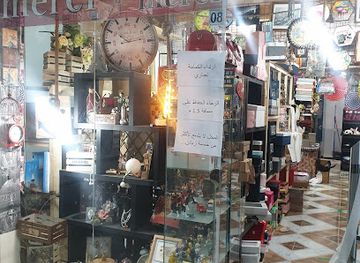
Discover a delightful selection of unique gifts and local crafts at Merci, the premier gift shop in Biskra, Algeria.
-
Clothing store
Hbibe El Zawali Shop
Explore Hbibe El Zawali Shop in Hammedi for unique clothing that blends modern trends with traditional Algerian styles.
-
Clothing store
Fendi dz
Discover the vibrant styles of Fendi dz in Biskra, where tradition meets contemporary fashion in a welcoming atmosphere.
-
Clothing store
Centre Commercial Zidani Hechani
Discover fashion and culture at Centre Commercial Zidani Hechani, a premier clothing store in Batna, Algeria, offering diverse styles for every shopper.
Get your free copy of our complete guide to Ziban, delivered straight to you.
Everything on this page, from attractions and restaurants to essentials and local phrases, in one PDF you can read offline, print or share.
Already have an account? Sign in
Your Ziban guide is ready.
We'll send it to · Not you? Sign out

Getting your guide ready…
We are putting together a fresh copy of the Ziban guide. This can take up to a minute.
This can take a few moments. If your browser asks, choose Allow so the download can start. You'll find the guide in your Downloads folder.
Nothing happened? Download it again
Sorry, the guide is taking longer than usual. Please try again in a minute, or get it by email instead.
Ziban essentials
Currency and Payment
Safety
Emergency Situations
Do's and Don'ts
Local Tips
From Eve
Local phrases worth knowing
You don't need to get them perfect. A few words go a long way, and locals appreciate the effort.
Basics
| English | Local | Say it |
|---|---|---|
| Hello | سلام | [Salam] |
| Goodbye | مع السلامة | [Ma'a as-salama] |
| Yes | نعم | [Na'am] |
| No | لا | [La] |
| Please/You're welcome | من فضلك | [Min fadlik] |
| Thank you | شكرا | [Shukran] |
| Excuse me/Sorry | عفوا | [Afwan] |
| How are you? | كيف حالك؟ | [Kayfa halak?] |
| Fine. And you? | بخير. وأنت؟ | [Bikhair. Wa anta?] |
| Do you speak English? | هل تتحدث الإنجليزية؟ | [Hal tatahaddath al-ingliziyya?] |
| I don't understand | لا أفهم | [La afham] |
Eating & Drinking
| English | Local | Say it |
|---|---|---|
| I'd like to see the menu, please | أود رؤية القائمة، من فضلك | [Awad ru'yat al-qa'ima, min fadlik] |
| I don't eat meat | لا أتناول اللحم | [La atanaawal al-lahm] |
| Cheers! | في صحتك! | [Fi sihhatak!] |
| I would like to pay, please | أود الدفع، من فضلك | [Awad ad-daf', min fadlik] |
Emergencies
| English | Local | Say it |
|---|---|---|
| Help! | مساعدة! | [Musaa'ada!] |
| Go away! | ابتعد! | [Ibt'id!] |
| Call the Police! | اتصل بالشرطة! | [Ittasil bil-shurta!] |
| Call a doctor! | اتصل بالطبيب! | [Ittasil bil-tabeeb!] |
| I'm lost | أنا ضائع | [Ana da'i'] |
| I'm ill | أنا مريض | [Ana marid] |
Shopping
| English | Local | Say it |
|---|---|---|
| I'd like to buy... | أود شراء... | [Awad shira'a...] |
| I'm just looking | أنا فقط أنظر | [Ana faqat anzur] |
| How much is it? | كم ثمنه؟ | [Kam thamanuh?] |
| That's too expensive | هذا مكلف جدا | [Hatha mukallaf jidan] |
| Can you lower the price? | هل يمكنك خفض السعر؟ | [Hal yumkinuka khafd as-si'r?] |
Time & Numbers
| English | Local | Say it |
|---|---|---|
| What time is it? | كم الساعة؟ | [Kam as-saa'a?] |
| It's one o'clock | الساعة الواحدة | [As-saa'a al-wahidah] |
| Half past (10) | العاشرة والنصف | [Al-'ashirah wal-nisf] |
| Morning | صباحا | [Sabahan] |
| Afternoon | بعد الظهر | [Ba'd al-zuhur] |
| Evening | مساءا | [Masa'an] |
| Yesterday | أمس | [Ams] |
| Today | اليوم | [Al-yawm] |
| Tomorrow | غدا | [Ghadan] |
| 1 | واحد | [Wahid] |
| 2 | اثنان | [Ithnan] |
| 3 | ثلاثة | [Thalatha] |
| 4 | أربعة | [Arba'a] |
| 5 | خمسة | [Khamsa] |
| 6 | ستة | [Sitta] |
| 7 | سبعة | [Sab'a] |
| 8 | ثمانية | [Thamaniya] |
| 9 | تسعة | [Tis'a] |
| 10 | عشرة | [Ashara] |
Transport & Directions
| English | Local | Say it |
|---|---|---|
| Where's a/the...? | أين...؟ | [Aina...?] |
| What's the address? | ما هو العنوان؟ | [Ma huwa al-'unwan?] |
| Can you show me (on the map)? | هل يمكنك أن تريني (على الخريطة)؟ | [Hal yumkinuka an turini (ala al-kharita)?] |
| When's the next (bus)? | متى تأتي (الحافلة) التالية؟ | [Mata ta'ti (al-hafilah) at-taliya?] |
| A ticket (to ....) | تذكرة (إلى ...) | [Tadhkirah (ila ...)] |
History of Ziban
Prehistoric settlement and the Aurès–Sahara transition
The Ziban occupies a natural transition between the Aurès Mountains and the Sahara, a setting that has long encouraged movement, settlement and pastoral activity. Although the best-known prehistoric evidence in eastern Algeria is concentrated in wider Aurès and Saharan areas, the Ziban’s wells, wadis and oases formed part of ancient routes across the desert fringe. The region’s later importance grew from the same geography: water sources and cultivable ground made the oasis belt a strategic place between northern highlands and Saharan trade corridors.
Roman Vescera and the ancient road network
Biskra is associated with the Roman settlement of Vescera, a military and administrative station linked to Rome’s control of the southern approaches to Numidia. Roman power used roads, forts and supply networks to connect the northern provinces with the desert margin. Archaeological remains around Biskra and the wider region are less monumental than those at Algeria’s famous Roman cities, but they testify to the importance of this frontier environment. The road network helped establish the long-term role of the Biskra oasis as a place of passage.
The formation of the Islamic oasis towns
From the early Islamic period, the Ziban became part of the religious, commercial and political networks linking the Maghreb with the Sahara. Sidi Okba is traditionally connected with Uqba ibn Nafi, the seventh-century Arab commander whose name is attached to the town and its celebrated mosque. Over subsequent centuries, oasis settlements developed around wells, gardens, markets and religious institutions. Irrigation and date cultivation underpinned settled life, while caravan movement connected the Ziban with towns farther north and with Saharan centres.
Biskra and the medieval-to-early modern desert frontier
Biskra and the surrounding oases remained valuable because they controlled access between the northern Algerian highlands and the Sahara. Local authorities, tribal groups, religious families and trading communities all influenced the region at different times. The Ziban was not a single unified city-state but a landscape of oasis settlements with overlapping political and economic ties. Its palm gardens, markets and routes supported agriculture and commerce, while religious centres such as Sidi Okba gave the region enduring spiritual importance.
French colonial occupation and the transformation of Biskra
French forces occupied Biskra in the nineteenth century, incorporating the oasis into the colonial administration of Algeria. New roads, military facilities, administrative buildings and later rail connections altered the town’s role and strengthened its links with northern Algeria. Biskra also acquired a reputation as a winter destination for European visitors, writers and artists, whose presence added hotels and a colonial spa culture to the existing oasis economy. This period brought major infrastructure changes but also reshaped land, labour and political relations.
Date agriculture and the modern Ziban economy
The modern Ziban remains strongly identified with date production, especially the Deglet Nour variety associated with the Tolga area. Commercial cultivation has expanded through improved irrigation, roads, packing and national distribution networks, while smaller farms continue to use traditional oasis patterns in places. Agriculture faces familiar desert pressures, including water management, soil salinity and extreme heat. Since Algerian independence in 1962, Biskra has developed as a regional administrative, commercial and educational centre while remaining closely connected to the surrounding palm-growing settlements.
Ziban in Photos
Browse through our photo collection highlighting the charm and character of the destination.
Neighbouring regions of Ziban
The closest regions to Ziban, if you have time for more than one.
-

-

-

-

-


Swipe for more regions
Explore more
Explore more of Algeria
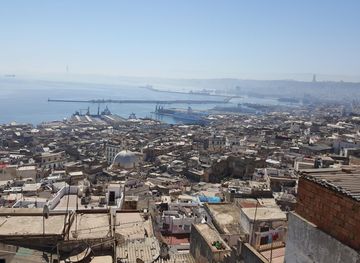
Discover Algeria: A captivating blend of ancient history, stunning landscapes, and vibrant culture. From the Sahara desert to Mediterranean coasts, adventure awaits.
Explore Algeria