

Free Aurès Mountains Travel Guide & Mobile App
Explore Aurès Mountains with free travel guides. Discover regional history, expert tips, proposed trips, and audio guides on web or mobile app.


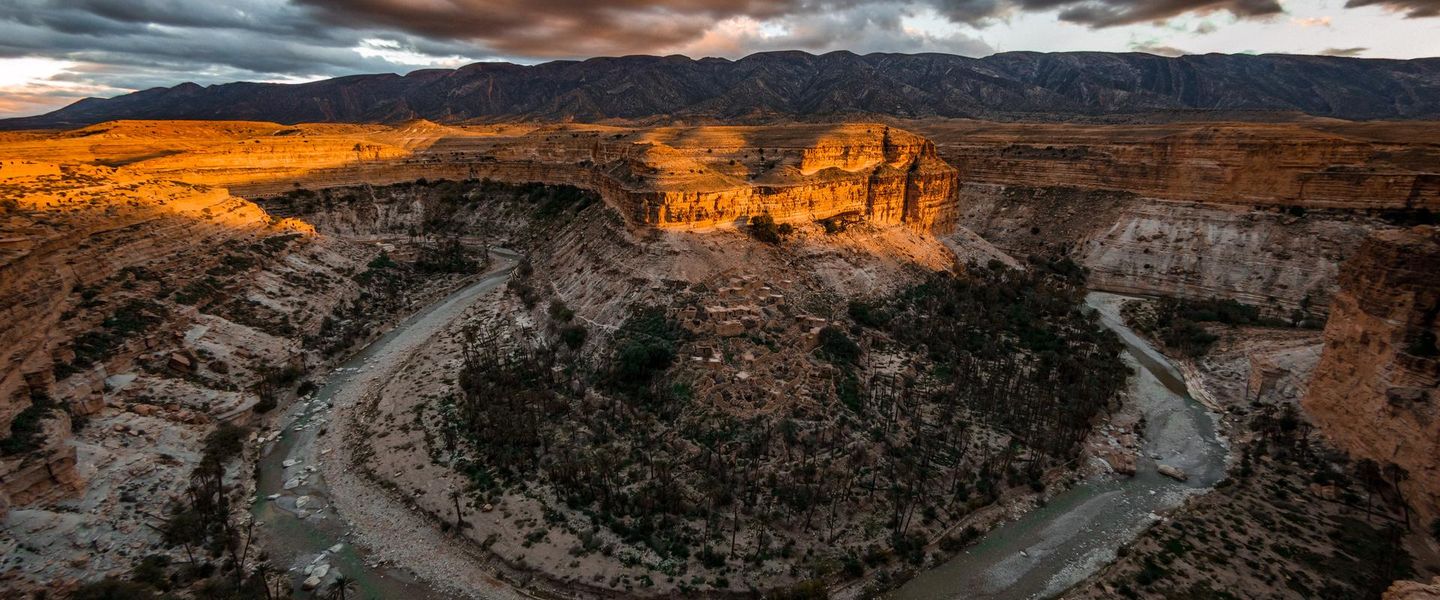


Explore Algeria’s Aurès Mountains for Roman ruins, Chaoui heritage, highland valleys, dramatic gorges and the palm oases of its Saharan margins.
Read more about Aurès Mountains
When is the best time to visit Aurès Mountains?
Best: May, September–October · 24–31°C| Month | High (°C) | Rainfall (mm) |
|---|---|---|
| January | 10 | 35 |
| February | 12 | 32 |
| March | 16 | 30 |
| April | 20 | 25 |
| May (best) | 27 | 20 |
| June | 32 | 15 |
| July | 37 | 10 |
| August | 36 | 10 |
| September (best) | 31 | 15 |
| October (best) | 24 | 20 |
| November | 17 | 30 |
| December | 12 | 35 |
Getting to and around Aurès Mountains
How to get there
Transportation
Destinations in Aurès Mountains
Resorts, valleys and scenic spots worth a trip of their own.

Swipe for more destinations
Best attractions in Aurès Mountains
The Aurès offers a varied combination of archaeology, mountain scenery and rural travel. Timgad is the region’s leading ancient site, with a remarkably legible Roman grid, public buildings and theatre spread across an open archaeological landscape. At Lambaesis near Tazoult, the remains convey the military importance of Roman Numidia. Mountain attractions are less formal but equally distinctive: the Ghoufi area is known for its deep valleys, cliff settlements and broad views across the southern Aurès, while the slopes around Mount Chélia provide opportunities for walking and winter landscapes when conditions permit. The transition towards Biskra brings warmer gorges, palms and links to oasis agriculture. Batna and Khenchela provide museums, markets and practical bases, although many rural experiences require advance transport planning. Visitors should distinguish marked archaeological attractions from remote viewpoints and village landscapes, where local guidance, suitable footwear and respect for private land are essential.
-
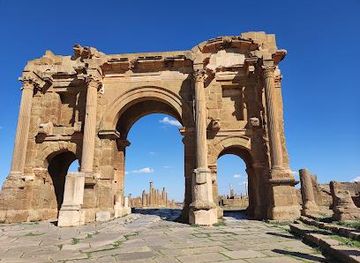
Roman Ruins of Timgad
Step back in time at Timgad, a remarkably preserved Roman city in Algeria, showcasing impressive architecture and urban planning from the 1st century AD.
-
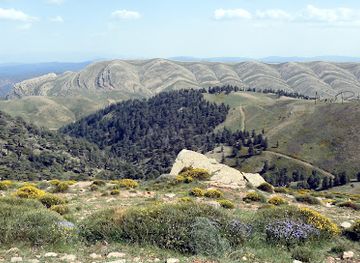
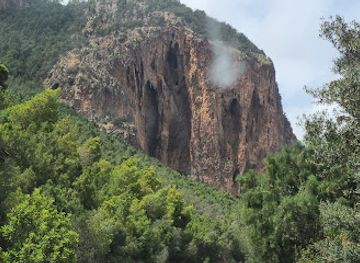
Djebel Chélia
Discover the breathtaking heights of Djebel Chélia, Algeria's second highest peak and a haven for hikers and nature lovers.
-
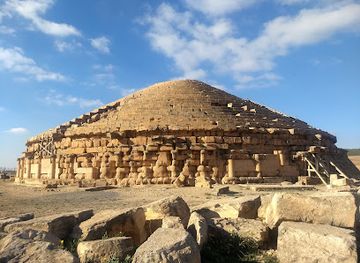
The mausoleum of Imedghassen
Explore the ancient Numidian royal tomb of Imedghassen near Boumia, Algeria, a testament to Berber civilization and architectural brilliance.
-
Chenoua Corniche
Discover the stunning Chenoua Corniche in Tipaza, Algeria: where breathtaking Mediterranean views meet rich Berber history and ancient Roman ruins.
Best landmarks in Aurès Mountains
The great Roman ruins of Timgad are the Aurès’ most recognisable historical landmark, particularly the straight Decumanus Maximus, monumental arch and surviving civic buildings that reveal the scale of the ancient town. Lambaesis, near Tazoult, is significant for its military remains and its association with the Roman Third Augustan Legion. Mount Chélia forms the region’s principal natural high point, rising to approximately 2,328 metres amid the higher eastern Aurès. Further south, the Ghoufi escarpments and valleys provide a powerful geological landmark, where pale rock walls, ravines and traditional settlements mark the transition towards the Sahara. The El Kantara gorge, on the southern approach to the mountain region, is another important geographical threshold, although visitors should confirm current access and road conditions. In towns and villages, mosques, stone houses, agricultural terraces and memorials connected with the independence struggle add human scale to a landscape more often represented by ruins and peaks.
-
 Historical landmark
Martyrs Memorial
A towering monument in Algiers honoring Algeria's independence, offering panoramic views and a poignant reminder of the nation's struggle.
-
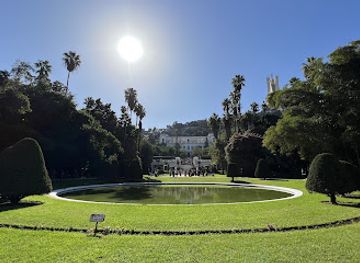
Botanical garden
Botanical Garden Hamma
Discover a serene oasis in Algiers: Explore diverse flora, tranquil landscapes, and historical charm at the Botanical Garden of Hamma.
-
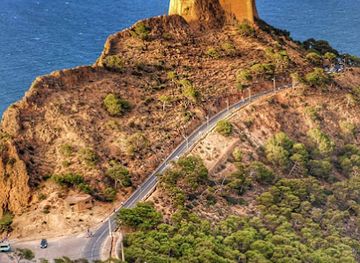
Fortress
Fort of Santa Cruz
Explore the historic Fort of Santa Cruz in Oran, offering stunning views and a glimpse into Algeria's rich past. A must-see landmark!
-
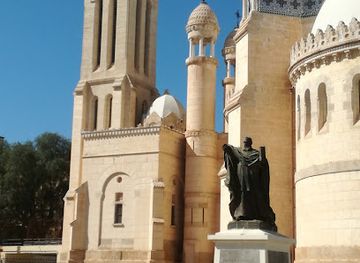
Basilica
Church of Notre Dame d'Afrique
Discover Algiers' iconic basilica: a blend of architectural styles, religious significance, and stunning Mediterranean views.
Explore Aurès Mountains on the map
Plan your trip on one map. See where the top cities, national parks and sights are, and book hotels and experiences in a few clicks.
Best hotels in Aurès Mountains
Best restaurants in Aurès Mountains
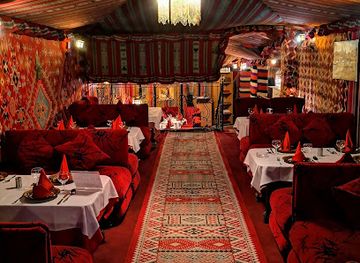
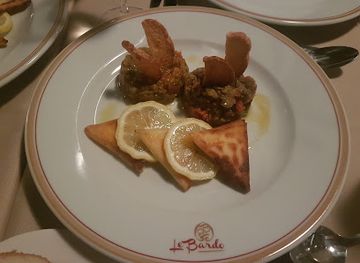
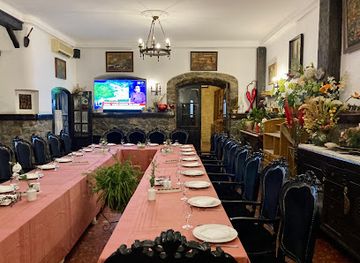
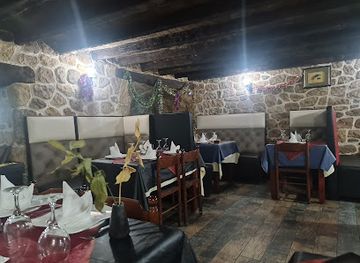
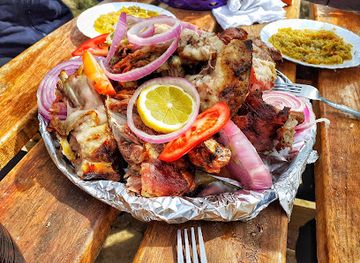
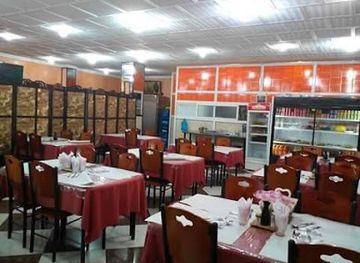
Dining in the Aurès is rooted in the wider food culture of eastern Algeria but gains a distinct mountain character from its use of grains, pulses, meat, dairy and seasonal produce. In Batna, Khenchela and Biskra, visitors can look for dishes such as chakhchoukha and berkoukes, hearty preparations in which small pieces of bread or grains are combined with sauce, vegetables and meat. Couscous, soups, grilled meats, savoury pastries and sweet tea are common across the region, while rural meals may reflect what is locally available rather than a fixed restaurant menu. The southern edge around Biskra is associated with date cultivation, and Deglet Nour dates are an important product of the wider oasis economy. Cafés and modest family restaurants are generally more useful than formal dining rooms outside the main towns, while markets offer fruit, bread, dates and other provisions for road journeys.
-
Country food restaurant
La Palmeraie Restaurant مطعم النخيل
Discover authentic Moroccan cuisine at La Palmeraie Restaurant in Dély Ibrahim – a true gastronomic delight awaits!
-
Restaurant
Le Bardo Restaurant مطعم الباردو
Experience the authentic taste of Algeria at Le Bardo Restaurant in Sidi M'Hamed - where tradition meets flavor.
-
Restaurant
Auberge du moulin
Experience authentic Algerian flavors at Auberge du Moulin in Chéraga - a culinary haven for food lovers.
-
Restaurant
Restaurant La Grotte des Saveurs
Experience authentic Algerian cuisine at Restaurant La Grotte des Saveurs in El Djazair – where flavors meet culture.
Best bars in Aurès Mountains
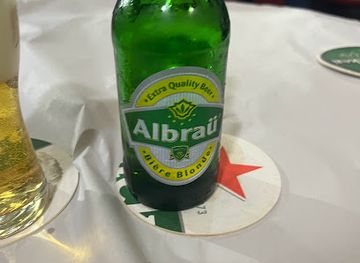
Nightlife in the Aurès is comparatively restrained and is concentrated in Batna, Biskra and Khenchela rather than in remote mountain villages. Evenings are more likely to involve cafés, tea rooms, family restaurants and conversations in public squares than a large club scene. Batna and Biskra offer the broadest choice of urban cafés and hotel-based dining, while smaller settlements generally become quiet after the evening meal. Alcohol is not central to local social life, and availability varies considerably by establishment; visitors should not assume that a rural restaurant or hotel serves it. Cultural evenings, weddings and local performances may provide more meaningful opportunities to encounter regional music, including Chaoui traditions, but such events are not necessarily scheduled for tourists. Check arrangements locally and dress and behave discreetly in community settings.
-
Le Tonneau - Bar
Experience the vibrant nightlife and local flavors at Le Tonneau - Bar, the perfect spot for relaxation and socializing in Sidi M'Hamed.
-
Family-friendly
مشويات كانتينا
Discover the authentic taste of Ouled Fadel at مشويات كانتينا, where grilled delights and local flavors come together in a vibrant setting.
-
RESTAURANT NIZAR
Discover the culinary charm of Restaurant Nizar, where local flavors meet modern cuisine in a cozy gastropub setting in Oued Chaaba.
-
Restaurant مطعم
Experience authentic Ichemoul cuisine at مطعم, where traditional flavors meet warm hospitality in a charming atmosphere.
Best nightclubs in Aurès Mountains
Nightlife in the Aurès is comparatively restrained and is concentrated in Batna, Biskra and Khenchela rather than in remote mountain villages. Evenings are more likely to involve cafés, tea rooms, family restaurants and conversations in public squares than a large club scene. Batna and Biskra offer the broadest choice of urban cafés and hotel-based dining, while smaller settlements generally become quiet after the evening meal. Alcohol is not central to local social life, and availability varies considerably by establishment; visitors should not assume that a rural restaurant or hotel serves it. Cultural evenings, weddings and local performances may provide more meaningful opportunities to encounter regional music, including Chaoui traditions, but such events are not necessarily scheduled for tourists. Check arrangements locally and dress and behave discreetly in community settings.
-
Lounge
Aura Lounge
Discover the elegance and charm of Aura Lounge in Ouled Fayet, where relaxation meets sophistication amidst a vibrant atmosphere.
-
Disco club
Club Pacha Nightclub
Discover the electrifying atmosphere of Club Pacha Nightclub, the ultimate destination for nightlife enthusiasts in Algiers with top DJs and vibrant crowds.
-
Disco club
Sun Club House
Discover the electrifying nightlife at Sun Club House, Ain El Turk's premier disco club featuring vibrant music and an unforgettable atmosphere.
-
Night club
180 longm0nt Balgaid
Dive into the nightlife at 180 Longm0nt Balgaid, the premier night club in Bir El Djir, where great music and vibrant atmosphere await.

Best shops in Aurès Mountains
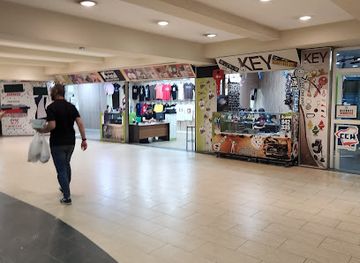
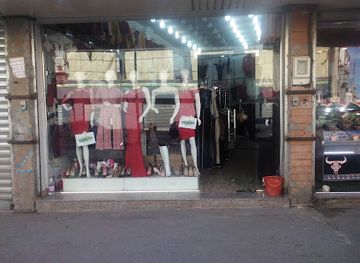
Shopping in the Aurès is primarily local and practical, with the widest choice in Batna, Biskra and Khenchela. Urban markets and high streets sell clothing, household goods, bread, spices, seasonal produce and everyday Algerian foods, while smaller settlements may have only basic shops. Biskra and the surrounding oasis economy are particularly associated with dates, including Deglet Nour, which make a suitable regional food purchase when bought from reputable vendors. Markets may also offer nuts, dried fruit, honey and handmade household items. Visitors interested in Chaoui cultural products should ask about provenance and buy directly from established craftspeople where possible rather than treating cultural objects as generic souvenirs. Traditional textiles, woven goods, pottery and jewellery can be found irregularly rather than in a single dedicated shopping quarter. Carry cash, expect limited card facilities and remember that market hours and individual stalls can change.
-
Shopping mall
Bab Ezzouar Mall
Explore Bab Ezzouar Mall: Your ultimate shopping and dining destination in Algiers, featuring a variety of stores and delectable restaurants.
-
Store
Le grand top shop
Discover unique treasures at Le Grand Top Shop in Ouled Yaïch - a vibrant hub for local crafts, culture, and shopping.
-
Shopping mall
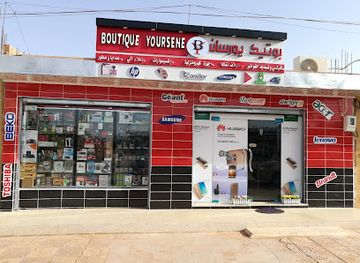
Boutique YOURSENE
Experience the vibrant shopping and dining at Boutique YOURSENE in In Amenas, where local culture meets modern retail.
-
Dollar store
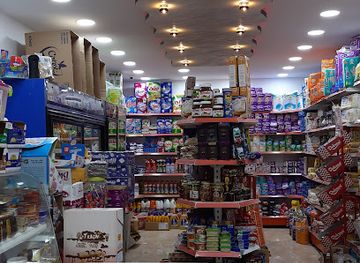
OURIACHI Allimentation
Explore OURIACHI Allimentation in Zeralda for budget-friendly shopping, unique finds, and a taste of local culture.
Get your free copy of our complete guide to Aurès Mountains, delivered straight to you.
Everything on this page, from attractions and restaurants to essentials and local phrases, in one PDF you can read offline, print or share.
Already have an account? Sign in
Your Aurès Mountains guide is ready.
We'll send it to · Not you? Sign out

Getting your guide ready…
We are putting together a fresh copy of the Aurès Mountains guide. This can take up to a minute.
This can take a few moments. If your browser asks, choose Allow so the download can start. You'll find the guide in your Downloads folder.
Nothing happened? Download it again
Sorry, the guide is taking longer than usual. Please try again in a minute, or get it by email instead.
Aurès Mountains essentials
Currency and Payment
Safety
Emergency Situations
Do's and Don'ts
Local Tips
From Eve
Local phrases worth knowing
You don't need to get them perfect. A few words go a long way, and locals appreciate the effort.
Basics
| English | Local | Say it |
|---|---|---|
| Hello | سلام | [Salam] |
| Goodbye | وداعا | [Wada'an] |
| Yes | نعم | [Na'am] |
| No | لا | [La] |
| Please/You're welcome | من فضلك | [Min fadlik] |
| Thank you | شكرا | [Shukran] |
| Excuse me/Sorry | عفواً | [Afwan] |
| How are you? | كيف حالك؟ | [Kayfa halak?] |
| Fine. And you? | بخير. وأنت؟ | [Bikhayr. Wa anta?] |
| Do you speak English? | هل تتحدث الإنجليزية؟ | [Hal tatahadath al-ingliziyya?] |
| I don't understand | لا أفهم | [La afham] |
Eating & Drinking
| English | Local | Say it |
|---|---|---|
| I'd like to see the menu, please | أود رؤية القائمة، من فضلك | [Awad ru'yat al-qa'ima, min fadlik] |
| I don't eat meat | لا آكل اللحم | [La akul al-lahm] |
| Cheers! | صحتين | [Sahteen] |
| I would like to pay, please | أود الدفع، من فضلك | [Awad al-daf', min fadlik] |
Emergencies
| English | Local | Say it |
|---|---|---|
| Help! | المساعدة! | [Al-musa'ada!] |
| Go away! | ابتعد! | [Ibt'id!] |
| Call the Police! | اتصل بالشرطة! | [Ittasil bil-shurta!] |
| Call a doctor! | اتصل بطبيب! | [Ittasil bi-tabeeb!] |
| I'm lost | أنا ضائع | [Ana da'i'] |
| I'm ill | أنا مريض | [Ana marid] |
Shopping
| English | Local | Say it |
|---|---|---|
| I'd like to buy... | أود شراء... | [Awad shira'] |
| I'm just looking | أنا فقط أنظر | [Ana faqat anzur] |
| How much is it? | كم ثمنه؟ | [Kam thamanuh?] |
| That's too expensive | هذا غالي جداً | [Hatha ghali jiddan] |
| Can you lower the price? | هل يمكنك تخفيض السعر؟ | [Hal yumkinuka takhfid al-si'r?] |
Time & Numbers
| English | Local | Say it |
|---|---|---|
| What time is it? | كم الساعة؟ | [Kam al-saa'a?] |
| It's one o'clock | الساعة الواحدة | [Al-saa'a al-wahida] |
| Half past (10) | العاشرة والنصف | [Al-‘ashira wa al-nisf] |
| Morning | صباح | [Sabah] |
| Afternoon | بعد الظهر | [Ba'ad al-dhuhr] |
| Evening | مساء | [Masa'] |
| Yesterday | أمس | [Ams] |
| Today | اليوم | [Al-yawm] |
| Tomorrow | غداً | [Ghadan] |
| 1 | واحد | [Wahid] |
| 2 | اثنان | [Ithnan] |
| 3 | ثلاثة | [Thalatha] |
| 4 | أربعة | [Arba'a] |
| 5 | خمسة | [Khamsa] |
| 6 | ستة | [Sitta] |
| 7 | سبعة | [Sab'a] |
| 8 | ثمانية | [Thamaniya] |
| 9 | تسعة | [Tis'a] |
| 10 | عشرة | [Ashara] |
Transport & Directions
| English | Local | Say it |
|---|---|---|
| Where's a/the...? | أين ...؟ | [Ayn ...?] |
| What's the address? | ما هو العنوان؟ | [Ma huwa al-unwan?] |
| Can you show me (on the map)? | هل يمكنك أن تبيّن لي (على الخريطة)؟ | [Hal yumkinuka an tubayyin li (ala al-kharita)?] |
| When's the next (bus)? | متى تكون الحافلة القادمة؟ | [Mata takun al-hafila al-qadima?] |
| A ticket (to ....) | تذكرة (إلى ....) | [Tadhkara (ila ....)] |
History of Aurès Mountains
Prehistoric settlement and mountain communities
The Aurès has been occupied since prehistoric times, benefiting from defensible uplands, seasonal watercourses and routes linking the northern plateaux with the Sahara. Archaeological traces across eastern Algeria indicate long periods of pastoralism, cultivation and movement through the mountain corridors. The region’s later settlement pattern, with villages and cultivated terraces concentrated in valleys and sheltered basins, reflects the same need to manage water and arable land in a rugged environment. Prehistoric evidence is sometimes dispersed and difficult to visit independently, but it forms an important foundation for understanding the Aurès as a lived mountain landscape rather than simply a scenic destination.
Numidian and Roman eastern Algeria
Before and during Roman rule, the Aurès lay within the wider political world of Numidia, a kingdom and cultural zone that occupied much of eastern Algeria. Roman expansion brought roads, forts, farms and towns, integrating the region into the province of Africa while also marking it as a frontier between controlled lowlands and more independent mountain communities. The remains at Timgad, founded under Trajan in AD 100, display Roman urban planning on an exceptional scale. Nearby Lambaesis developed as a major military centre, demonstrating how strongly Rome invested in controlling the Aurès approaches.
Timgad and Lambaesis in Roman Africa
Timgad, ancient Thamugadi, became a prosperous Roman colony with a grid of streets, forum, basilica, temples, public baths and theatre. Its surviving urban plan is one of the clearest archaeological records of Roman town planning in North Africa. Lambaesis, near modern Tazoult, was associated with the Third Augustan Legion and served as a headquarters for Roman military power in the region. Together, the two sites reveal contrasting aspects of imperial rule: civic settlement and military administration. Their ruins remain central to the historical identity of the Aurès and are among Algeria’s most important ancient monuments.
Islamic and medieval transformations
From the medieval period onwards, the Aurès was shaped by the spread of Islam, the growth of new political powers and continuing interaction between mountain settlements, highland plains and Saharan trade routes. Local communities adapted Islamic institutions and agricultural practices to valleys where access to water was decisive. The region did not develop as a single unified political unit; authority shifted between dynasties and local powers, while remote areas retained considerable autonomy. Its later cultural landscape, including village organisation, religious traditions and language, reflects centuries of interaction between Amazigh, Arab and wider Maghrebi influences.
Ottoman-era and pre-colonial frontier society
During the Ottoman period, much of the Aurès remained a difficult mountain zone to administer directly from the coastal and northern centres of power. Local notables, tribal organisations and religious figures played important roles in negotiating authority, taxation and security. The mountains also connected agricultural communities with markets on the high plateaux and at the Saharan edge. This combination of relative autonomy and strategic importance shaped the region’s reputation as a formidable frontier. It also helps explain why later military campaigns encountered complex local loyalties rather than a simple division between settled and nomadic populations.
French conquest and colonial reorganisation
French expansion into eastern Algeria during the nineteenth century brought military campaigns, new administrative boundaries, land pressures and the construction of roads and towns. The Aurès resisted incorporation in several stages, and colonial administration remained closely tied to surveillance and control of mountain communities. Roman sites were excavated and sometimes used to construct a colonial narrative of Algeria’s past, while local agricultural and social systems were increasingly regulated. Batna, Tazoult and other settlements gained new strategic importance, but the colonial transformation also contributed to economic inequality and political opposition.
The Aurès in the Algerian War of Independence
The Aurès was one of the principal centres of the Algerian struggle for independence. Mostefa Ben Boulaïd, a native of the region, became a founding figure of the National Liberation Front and helped organise armed resistance there after the attacks of 1 November 1954. Mountain terrain provided concealed routes and defensible positions, while French military operations brought severe disruption to rural communities. The Aurès occupies a prominent place in Algeria’s national memory because the opening phase of the war was strongly associated with its fighters and villages. Monuments and commemorations across the region continue to reflect that legacy.
Aurès Mountains in Photos
Browse through our photo collection highlighting the charm and character of the destination.
Neighbouring regions of Aurès Mountains
The closest regions to Aurès Mountains, if you have time for more than one.
-

-

-

-

-


Swipe for more regions
Explore more
Explore more of Algeria
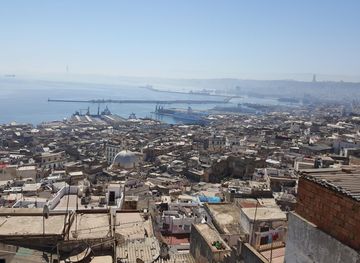
Discover Algeria: A captivating blend of ancient history, stunning landscapes, and vibrant culture. From the Sahara desert to Mediterranean coasts, adventure awaits.
Explore Algeria