

Hodna Mountains, Algeria Travel Guide
Discover the Hodna Mountains in Algeria, a hidden gem offering breathtaking landscapes, rich culture, and outdoor adventures for nature and history enthusiasts.
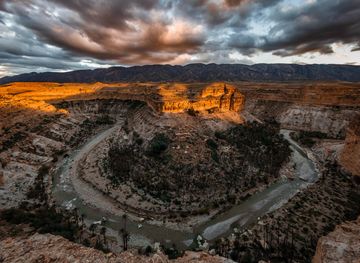
Nestled in the heart of Algeria, the Hodna Mountains offer a serene and captivating escape for nature enthusiasts. These mountains, part of the larger Atlas Mountain range, are known for their stunning landscapes, diverse flora and fauna, and rich cultural heritage. The scenic beauty of the Hodna Mountains is characterized by rugged peaks, lush valleys, and crystal-clear streams that create a picturesque setting for hikers, photographers, and adventure seekers. The Hodna Mountains are not only a natural wonder but also a cultural treasure trove. The region is dotted with charming Berber villages, where visitors can experience traditional Algerian hospitality and learn about the age-old customs and way of life of the local people. The area is also home to several historical sites, including ancient ruins and rock art, which provide a glimpse into the region's fascinating past. For those looking to explore the great outdoors, the Hodna Mountains offer numerous hiking trails that cater to all levels of experience. Whether you're a seasoned trekker or a casual walker, you'll find a route that suits your pace and allows you to fully immerse yourself in the natural beauty of the area. Wildlife enthusiasts will also be delighted by the variety of species that inhabit the region, including rare birds, mammals, and reptiles. With its breathtaking scenery, rich history, and welcoming communities, the Hodna Mountains are a must-visit destination for anyone traveling to Algeria.

Know before you go
Hi, I'm Eve. Here are a few practical things to know before exploring Hodna Mountains.
- Wear sturdy hiking boots, as the terrain can be rugged and uneven.
- Carry enough water and snacks, especially if you plan to hike for several hours.
- Visit local Berber villages to experience traditional culture and hospitality.
- Hire a local guide for a more informative and safe exploration of the area.
- Check the weather forecast before your trip, as conditions can change rapidly in the mountains.
- Bring a camera to capture the stunning landscapes and wildlife.
- Respect local customs and traditions when visiting villages and historical sites.
Top City Travel Guides in Hodna Mountains
The cities of Hodna Mountains, and the easiest places to base yourself.



Destinations in Hodna Mountains
Resorts, valleys and scenic spots worth a trip of their own.


Explore Hodna Mountains: Things to Do, Places to Eat, Hotels & More
Handpicked recommendations for top attractions, local dining, accommodations, and more

Top Attractions & Sightseeing in Hodna Mountains
Top-rated picks
Best Attractions

Animal Park - Kissir El Aouana
Discover diverse wildlife at Animal Park - Kissir El Aouana in Algeria, a perfect family destination for education and fun in a scenic environment.

Tikjda
Discover Tikjda: A four-season Algerian escape offering winter skiing and summer hiking in the stunning Djurdjura Mountains.

Cascades Kefrida
Discover the refreshing beauty of Cascades Kefrida in Algeria, a natural haven with stunning waterfalls and lush landscapes perfect for exploration and relaxation.

Park Attraction Setifis
Experience fun and nature at Park Attraction Setifis, Setif's favorite amusement park with rides, gardens, and family-friendly activities.

Best landmarks in Hodna Mountains
Top-rated picks
Best Landmarks

Martyrs Memorial
A towering monument in Algiers honoring Algeria's independence, offering historical insights and panoramic views of the city and sea.

Botanical Garden Hamma
Escape to Algiers' historic green heart: Explore diverse flora, tranquil gardens, and a charming zoo at the Botanical Garden Hamma.

Beni Add Ain Fezza Caves
Discover Algeria's largest cave network at Beni Add Ain Fezza, a natural wonder with stunning formations and a rich history dating back 65,000 years.

Royal Mausoleum of Mauritania
Explore the Royal Mausoleum of Mauritania, an ancient Berber tomb with stunning architecture and panoramic views near Sidi Rached, Algeria.

Best restaurants in Hodna Mountains
Top-rated picks
Best Restaurants

La Palmeraie Restaurant مطعم النخيل
Savor authentic Algerian and Moroccan cuisine at La Palmeraie Restaurant in Dély Ibrahim - A must-visit dining experience.

Auberge du moulin
Discover the flavors of Algeria at Auberge du Moulin in Chéraga - a must-visit restaurant for an authentic dining experience.

Restaurant Le Farfalla
Discover the exquisite flavors of Algeria at Restaurant Le Farfalla in Hydra, where every dish is a celebration of local culinary traditions.

Le Ciel d’Alger By AZ Hôtels Kouba
Savor exquisite flavors and breathtaking views at Le Ciel d’Alger By AZ Hôtels Kouba - a culinary gem in Algiers.

Best bars in Hodna Mountains
Top-rated picks
Best Bars

Le Tonneau - Bar
Discover the vibrant culture and flavors of Algeria at Le Tonneau, a local favorite in Sidi M'Hamed.

Restaurant Le Refuge
Experience the best of local cuisine and vibrant atmosphere at Restaurant Le Refuge in Béjaïa, a top dining spot for tourists.

مقهى ومطعم اولاد خلوف
Explore the authentic flavors of Algeria at مقهى ومطعم اولاد خلوف in El Ach, where tradition meets taste in a cozy setting.

كشك القدس
Discover the vibrant atmosphere and exquisite cocktails at كشك القدس, a premier cocktail bar in Ouled Si Ahmed, perfect for any occasion.

Best nightclubs in Hodna Mountains
Top-rated picks
Best Nightclubs

Club Pacha Nightclub
Discover the vibrant nightlife at Club Pacha Nightclub in El Mouradia, where pulsating music and dazzling lights create an unforgettable disco experience.

Sun Club House
Discover the electrifying nightlife at Sun Club House, Ain El Turk's premier disco club featuring vibrant music and an unforgettable atmosphere.

180 longm0nt Balgaid
Unleash your energy at 180 Longm0nt Balgaid, a lively night club in Bir El Djir perfect for dancing and socializing with friends.
بن جامين لالاند
Discover the pulsating heart of Medrissa's nightlife at بن جامين لالاند, where unforgettable moments and vibrant beats await you.

Best shops in Hodna Mountains
Top-rated picks
Best Shops

Boutique La Baronne
Shop at Boutique La Baronne in Chéraga for unique clothing that celebrates Algerian culture and vibrant fashion styles.

Le grand top shop
Explore unique treasures and local crafts at Le Grand Top Shop in Ouled Yaïch, a vibrant shopping destination perfect for every traveler.

All stores
Explore Tessala El Merdja, a hub of creativity and craftsmanship in Algeria, where art meets architecture in stunning designs.

محل آناكوندا - Store Anakonda
Explore Store Anakonda in Messaad for a magical experience filled with delightful toys, games, and family-friendly activities that spark imagination.

Explore Hodna Mountains on the Map
A handpicked selection of must-see spots in Hodna Mountains, mapped for you.
Hodna Mountains Essentials
-
The Hodna Mountains are located in northern Algeria. The nearest major city is M'Sila, which is well-connected by road and rail. The closest international airport is Houari Boumediene Airport in Algiers, approximately 200 kilometers away. From Algiers, you can take a bus, train, or hire a car to reach M'Sila. From M'Sila, local buses and taxis can take you to various parts of the Hodna Mountains.
-
Within the Hodna Mountains region, transportation options include local buses, shared taxis (collectivos), and private taxis. Renting a car is also a viable option if you prefer to explore at your own pace. Roads can be winding and narrow, so it's advisable to have experience driving in such conditions. For remote areas, consider hiring a local guide who is familiar with the terrain.
-
The official currency of Algeria is the Algerian Dinar (DZD). Credit cards are accepted in larger cities and some hotels, but cash is the preferred mode of payment in rural areas and smaller establishments. ATMs are available in M'Sila and other larger towns, but it's wise to carry sufficient cash when venturing into the mountains.
-
The Hodna Mountains are generally safe for tourists, but like any travel destination, it's important to stay vigilant. Avoid traveling alone at night and keep your belongings secure. While crime rates targeting tourists are low, it's always best to exercise caution. Certain areas may have higher reports of petty theft, so stay aware of your surroundings, especially in crowded places.
-
In case of emergency, dial 14 for police assistance and 17 for medical emergencies. Hospitals and clinics are available in M'Sila and other larger towns. It's recommended to have travel insurance that covers medical emergencies. For minor health issues, there are pharmacies where you can obtain over-the-counter medications.
-
Fashion: Do dress modestly, especially when visiting religious or rural areas. Avoid wearing revealing clothing. Religion: Do respect local customs and religious practices. Always dress conservatively when visiting mosques. Public Transport: Do be respectful to other passengers and offer your seat to elderly individuals. Don't eat or drink on public transport. Greetings: Do greet people with a handshake and use 'Salam' as a friendly greeting. Eating & Drinking: Do try local foods and accept hospitality graciously. Don't refuse food or drink offered as it is considered impolite.
-
To experience the Hodna Mountains like a local, visit traditional markets where you can buy local produce and crafts. Engage with locals, who are often friendly and willing to share insights about their culture and history. Don't miss exploring the ancient ruins and historic sites scattered throughout the region. For a unique experience, attend a local festival or event to see traditional music and dance.
When is the best time to visit Hodna Mountains?
Useful Local Phrases for Hodna Mountains
You don't need to speak the language perfectly. Even learning a few simple words can make conversations warmer—and locals usually appreciate the effort.
— Eve

Here are the phrases I use most often in Hodna Mountains. Try a few—you'll be surprised how far they go! 😊
❤️
-
- Helloسلام
[salaam] - Goodbyeإلى اللقاء
[ila al-liqaa] - Yesنعم
[na'am] - Noلا
[la] - Please/You're welcomeمن فضلك
[min fadlik] - Thank youشكرا
[shukran] - Excuse me/Sorryعفوا
[afwan] - How are you?كيف حالك؟
[kayfa halak?] - Fine. And you?بخير. وأنت؟
[bikhayr. wa anta?] - Do you speak English?هل تتحدث الإنجليزية؟
[hal tatahadath al-ingliziya?] - I don't understandلا أفهم
[la afham]
- Helloسلام
-
- I'd like to see the menu, pleaseأود رؤية القائمة، من فضلك
[awad ru'yat al-qa'ima, min fadlik] - I don't eat meatلا أتناول اللحم
[la atanaawal al-lahm] - Cheers!في صحتك!
[fi sihatak!] - I would like to pay, pleaseأود الدفع، من فضلك
[awad al-daf'a, min fadlik]
- I'd like to see the menu, pleaseأود رؤية القائمة، من فضلك
-
- Help!أغثني!
[aghtini!] - Go away!ابتعد!
[ibt'id!] - Call the Police!اتصل بالشرطة!
[ittasil bil-shurta!] - Call a doctor!اتصل بطبيب!
[ittasil bi-tabeeb!] - I'm lostأنا ضائع
[ana da'i'] - I'm illأنا مريض
[ana marid]
- Help!أغثني!
-
- I'd like to buy...أود شراء...
[awad shir'a...] - I'm just lookingأنا فقط أتسوق
[ana faqat atasaqq] - How much is it?كم ثمنه؟
[kam thamanu?] - That's too expensiveهذا غالي جدا
[hatha ghali jiddan] - Can you lower the price?هل يمكنك تخفيض السعر؟
[hal yumkinuka takhfid al-si'r?]
- I'd like to buy...أود شراء...
-
- What time is it?كم الساعة؟
[kam al-saa'a?] - It's one o'clockالساعة الواحدة
[al-saa'a al-wahidah] - Half past (10)نصف (10)
[nisf (10)] - Morningصباح
[sabah] - Afternoonبعد الظهر
[ba'd al-zuhur] - Eveningمساء
[masa'] - Yesterdayأمس
[ams] - Todayاليوم
[al-yawm] - Tomorrowغدا
[ghadan] - 11
[1] - 22
[2] - 33
[3] - 44
[4] - 55
[5] - 66
[6] - 77
[7] - 88
[8] - 99
[9] - 1010
[10]
- What time is it?كم الساعة؟
-
- Where's a/the...?أين هو...؟
[ayn huwa...?] - What's the address?ما هو العنوان؟
[ma huwa al-'unwan?] - Can you show me (on the map)?هل يمكنك أن تريني (على الخريطة)؟
[hal yumkinuka an turini (ala al-kharita)?] - When's the next (bus)?متى يأتي (الحافلة) التالية؟
[mata ya'ti (al-hafila) al-taliya?] - A ticket (to ....)تذكرة (إلى ....)
[tadhkara (ila ....)]
- Where's a/the...?أين هو...؟
History of Hodna Mountains
-
The Hodna Mountains have been home to Berber communities for millennia. These indigenous people, known for their rich culture and traditions, left behind numerous rock carvings and inscriptions that provide insights into their way of life. The Berbers of the Hodna region were primarily pastoralists, relying on the mountainous terrain for grazing their livestock.
-
During the Roman Empire, the Hodna Mountains fell under Roman control. The Romans established several military outposts and settlements in the region to secure their hold over the strategic area. Ruins of Roman fortifications and roads can still be found, showcasing the engineering prowess of the ancient Romans.
-
In the 7th century, the Islamic expansion reached the Hodna Mountains. The region saw a significant transformation as Islam became the dominant religion. Many Berber tribes converted to Islam, and the area became an important center for Islamic learning and culture. Historic mosques and madrasas (Islamic schools) from this period still stand as testaments to the region's Islamic heritage.
-
In the 12th century, the Almohad dynasty, a Berber Muslim empire, rose to power and included the Hodna Mountains within its realm. The Almohads were known for their architectural achievements and religious reforms. The Hodna region benefited from their patronage, with the construction of impressive structures and the promotion of Islamic scholarship.
-
In the 19th century, Algeria, including the Hodna Mountains, came under French colonial rule. The French established several administrative centers in the region and introduced new agricultural practices. The impact of French colonialism is still evident in the architecture and infrastructure of the area. Resistance to French rule was strong in the Hodna region, with many locals participating in the struggle for independence.
-
The Hodna Mountains played a crucial role during the Algerian War of Independence (1954-1962). The rugged terrain provided a natural refuge for Algerian freedom fighters (FLN) who used the mountains as a base for launching guerrilla attacks against French forces. Numerous memorials and monuments in the region commemorate the sacrifices made during the fight for Algeria's independence.
-
The Hodna Mountains are not only significant for their historical events but also for their vibrant cultural heritage. Traditional Berber music, dance, and festivals are an integral part of the local culture. The region is known for its unique handicrafts, including intricate pottery and weaving, which reflect the artistic skills passed down through generations.
Neighbouring Regions of Hodna Mountains
The closest regions to Hodna Mountains, if you have time for more than one.



Your all‑in‑one travel companion app
Explore expert travel guides, compare and book tours, experiences, hotels, and more—all from the palm of your hand. Download now for seamless trip planning wherever your wanderlust takes you.


Explore More of Algeria
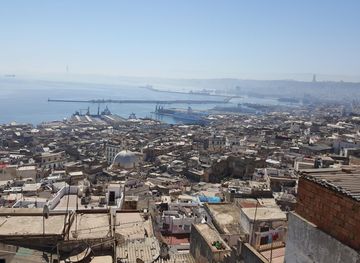
Looking beyond Hodna Mountains? Discover Algeria for broader travel guides, local hot-spots, and regional highlights.
Explore AlgeriaHodna Mountains in Photos
Browse through our photo collection highlighting the charm and character of the destination.

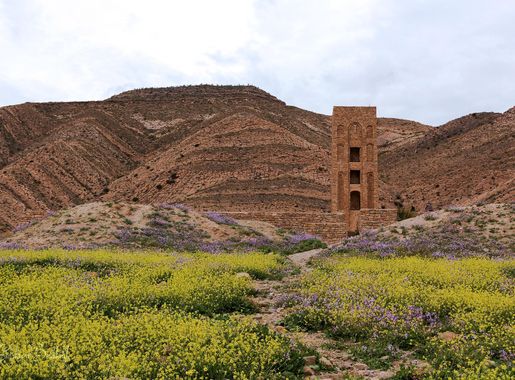


The Enchanting Hodna Mountains: Algeria's Hidden Gem
Nestled in the heart of Algeria, the Hodna Mountains offer a serene and captivating escape for nature enthusiasts. These mountains, part of the larger Atlas Mountain range, are known for their stunning landscapes, diverse flora and fauna, and rich cultural heritage. The scenic beauty of the Hodna Mountains is characterized by rugged peaks, lush valleys, and crystal-clear streams that create a picturesque setting for hikers, photographers, and adventure seekers. The Hodna Mountains are not only a natural wonder but also a cultural treasure trove. The region is dotted with charming Berber villages, where visitors can experience traditional Algerian hospitality and learn about the age-old customs and way of life of the local people. The area is also home to several historical sites, including ancient ruins and rock art, which provide a glimpse into the region's fascinating past. For those looking to explore the great outdoors, the Hodna Mountains offer numerous hiking trails that cater to all levels of experience. Whether you're a seasoned trekker or a casual walker, you'll find a route that suits your pace and allows you to fully immerse yourself in the natural beauty of the area. Wildlife enthusiasts will also be delighted by the variety of species that inhabit the region, including rare birds, mammals, and reptiles. With its breathtaking scenery, rich history, and welcoming communities, the Hodna Mountains are a must-visit destination for anyone traveling to Algeria.