

Free Constantine Region Travel Guide & Mobile App
Explore Constantine Region with free travel guides. Discover regional history, expert tips, proposed trips, and audio guides on web or mobile app.


Explore Constantine Region for ancient Cirta, Ottoman architecture, dramatic gorges, historic bridges and the cultural riches of eastern Algeria.
Read more about Constantine Region
When is the best time to visit Constantine Region?
Best: May–June, September · 25–29°C| Month | High (°C) | Rainfall (mm) |
|---|---|---|
| January | 11 | 55 |
| February | 12 | 51 |
| March | 16 | 47 |
| April | 19 | 42 |
| May (best) | 25 | 31 |
| June (best) | 29 | 10 |
| July | 34 | 5 |
| August | 33 | 10 |
| September (best) | 28 | 23 |
| October | 22 | 45 |
| November | 16 | 59 |
| December | 12 | 65 |
Getting to and around Constantine Region
How to get there
Transportation
Top city travel guides in Constantine Region
The cities of Constantine Region, and the easiest places to base yourself.

Swipe for more cities
Best attractions in Constantine Region
Constantine’s principal attractions are concentrated around the historic city and its extraordinary gorge. Walking routes link the old medina, the Sidi M’Cid suspension bridge, the Mellah Slimane footbridge and viewpoints over the Rhumel, while the Cirta Museum provides archaeological context for the ancient city and wider eastern Algeria. The Palace of Ahmed Bey offers a glimpse of nineteenth-century Ottoman-era court culture through its courtyards and decorative interiors, subject to current visiting arrangements. The Emir Abdelkader Mosque is an important modern religious and architectural landmark, though visitors should observe local etiquette. Beyond the centre, Tiddis presents substantial ancient remains in a rugged setting north-west of Constantine, and Djebel Ouahch offers woodland, open space and cooler air close to the urban area. El Khroub and the surrounding plateaux provide a more contemporary and agricultural perspective on the province. The region’s attraction landscape is therefore less about a concentration of commercial entertainment than about combining archaeology, urban history, dramatic engineering and the varied terrain of Constantine Province.
-
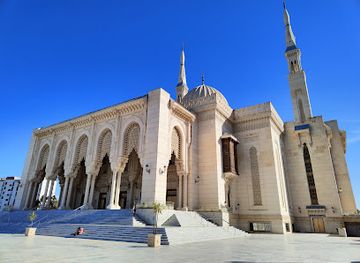
Mosque
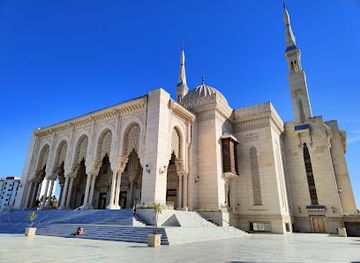
Amir Abdel Kader Mosque
Discover the majestic Amir Abdel Kader Mosque in Constantine, a symbol of Algerian heritage and Islamic architecture.
-
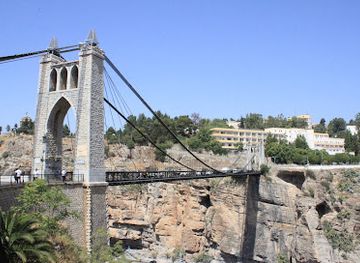
Bridge
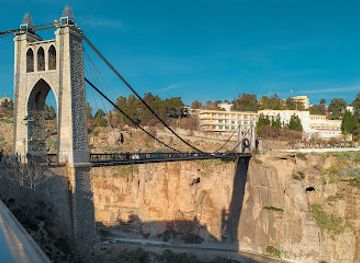
Sidi M'Cid Bridge
Discover the stunning Sidi M'Cid Bridge in Constantine, Algeria - an architectural masterpiece offering breathtaking views and rich history.
-
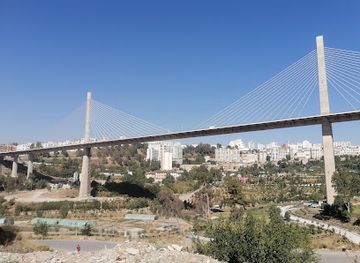
Bridge
Salah Bey Bridge
Experience breathtaking views from Constantine's modern architectural marvel, the Salah Bey Bridge, a symbol of the city's progress.
-
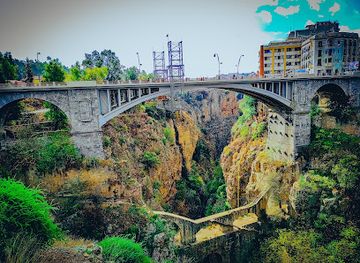
Bridge
Bab El Kantra Bridge
Explore Constantine's oldest bridge, a historical marvel offering breathtaking views of the Rhumel River gorge and a glimpse into the city's past.
Best landmarks in Constantine Region
Constantine’s defining landmark is the rocky urban platform above the Rhumel Gorge, a natural stronghold that explains the city’s unusual street plan and visual identity. The Sidi M’Cid suspension bridge spans the gorge at a high point and is one of the region’s most recognisable pieces of infrastructure. The Mellah Slimane footbridge provides a closer, more pedestrian-scale encounter with the ravine, while other bridges and viaducts reveal how successive generations have connected the old city to the surrounding plateaux. Within the historic centre, the Palace of Ahmed Bey is notable for its Ottoman-era courtyards, painted decoration and political history. The Emir Abdelkader Mosque forms a monumental modern counterpoint, with a prominent position in the contemporary city. Outside Constantine, the ancient settlement of Tiddis is significant less for a single structure than for the way its ruins occupy a rugged archaeological landscape associated with the Cirta region. Together these landmarks express the province’s central themes: stone, height, water-cut terrain and layered political history.
-
Historical landmark
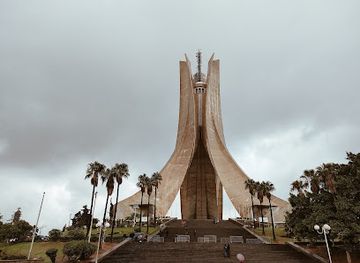
Martyrs Memorial
Honoring Algeria's heroes: The Martyrs Memorial offers panoramic views and a poignant reminder of the nation's fight for independence.
-
Mosque
Amir Abdel Kader Mosque
Discover the majestic Amir Abdel Kader Mosque in Constantine, a symbol of Algerian heritage and Islamic architectural brilliance.
-
Bridge
Sidi M'Cid Bridge
Experience Constantine's iconic Sidi M'Cid Bridge: a historic suspension bridge offering breathtaking views and a glimpse into Algerian engineering.
-
Monument
Monument aux Morts
A historical landmark in Constantine, Algeria, commemorating WWI soldiers with stunning architecture and panoramic city views.

Explore Constantine Region on the map
Plan your trip on one map. See where the top cities, national parks and sights are, and book hotels and experiences in a few clicks.
Best hotels in Constantine Region
Best restaurants in Constantine Region
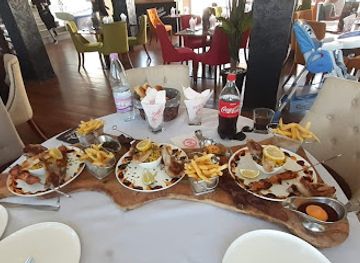
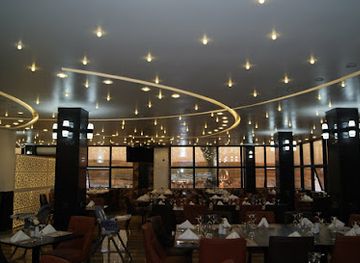
Dining in Constantine reflects the culinary traditions of eastern Algeria, with couscous, chorba, grilled meats, savoury pastries and semolina-based dishes appearing alongside familiar national specialities. Restaurants in the city range from straightforward establishments serving filling local meals to hotel dining rooms and contemporary venues with broader menus. Cafés are an important part of the everyday scene, particularly for coffee, tea and pastries, while bakeries and sweet shops offer honeyed, nut-filled and semolina-based treats. Visitors should look for seasonal produce from the surrounding agricultural plains and ask about regional preparations rather than expecting one dish to define Constantine. In the wider province, dining options become more dispersed, so a meal in El Khroub or a rural district may require more planning than eating in central Constantine. Alcohol is not central to the region’s food culture, and availability varies considerably by establishment; respectful dress and patient service expectations are appropriate in local restaurants.
-
Restaurant
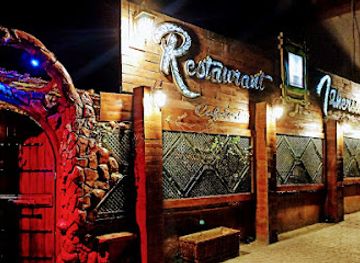
Igherssan Restaurant
Discover the rich flavors of Algeria at Igherssan Restaurant in Constantine - where tradition meets modern dining.
-
Restaurant
Magic House
Experience authentic Algerian flavors at Magic House - where culinary tradition meets modern dining in beautiful Constantine.
-
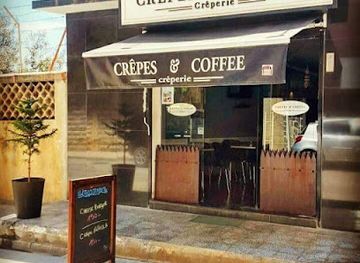
Crêperie
Crêpes & Coffee
Savor the essence of French cuisine at Crêpes & Coffee - where every bite is a delicious journey.
-
Fine Dining
Restaurant Les Palmiers
Discover fine dining at Restaurant Les Palmiers in El Khroub - where traditional Algerian flavors meet modern culinary artistry.
Best bars in Constantine Region
Constantine’s evening culture is centred more on cafés, restaurants, hotel lounges and family-oriented public spaces than on a large club scene. After sunset, residents gather for coffee, tea, conversation and pastries, while some restaurants remain active into the evening. Larger hotels may provide the most predictable setting for a drink or a quieter lounge, although alcohol service and opening arrangements vary and should be checked locally. The city’s theatres and cultural institutions may host performances or events, but programmes are changeable rather than a permanent nightlife fixture. In El Khroub and other urban districts, evening activity is similarly shaped by cafés and restaurants. Rural parts of Constantine Province become quiet after dark, making them better suited to daytime archaeological visits and countryside excursions than to late-night entertainment.
-
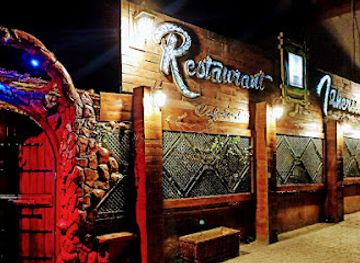
Restaurant
Igherssan Restaurant
Experience the flavors of Algeria at Igherssan Restaurant, where delicious pizzas meet a lively atmosphere in the heart of Constantine.
-
Restaurant
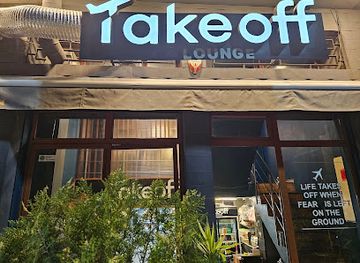
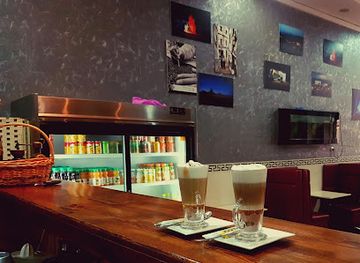
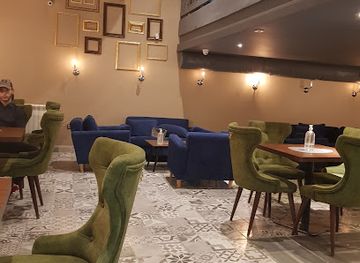
TakeOff Lounge
Discover TakeOff Lounge in Constantine: a culinary gem offering delicious dishes and a cozy atmosphere for an unforgettable dining experience.
-
Restaurant
Oxygène Snack
Discover the flavors of Algeria at Oxygène Snack, a charming restaurant in the heart of Constantine offering authentic dishes and warm hospitality.
-
Fast Food
Green Lounge
Savor the essence of fast food at Green Lounge in Constantine - a perfect pit-stop for tourists craving quick and delicious meals.
Best nightclubs in Constantine Region
Constantine’s evening culture is centred more on cafés, restaurants, hotel lounges and family-oriented public spaces than on a large club scene. After sunset, residents gather for coffee, tea, conversation and pastries, while some restaurants remain active into the evening. Larger hotels may provide the most predictable setting for a drink or a quieter lounge, although alcohol service and opening arrangements vary and should be checked locally. The city’s theatres and cultural institutions may host performances or events, but programmes are changeable rather than a permanent nightlife fixture. In El Khroub and other urban districts, evening activity is similarly shaped by cafés and restaurants. Rural parts of Constantine Province become quiet after dark, making them better suited to daytime archaeological visits and countryside excursions than to late-night entertainment.
-
Restaurant
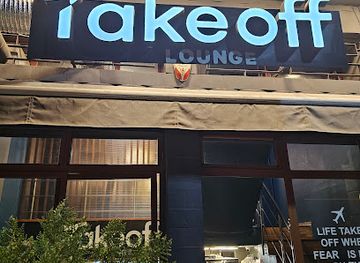
TakeOff Lounge
Experience the vibrant culinary scene at TakeOff Lounge in Constantine, where local flavors meet international flair.
-
Club
Chicha Club
Experience the vibrant nightlife at Chicha Club in Constantine, where music, dance, and culture unite for an unforgettable evening.
-
 Night club
Nirvana night Club
Experience the vibrant nightlife of El Khroub at Nirvana Night Club, where music, dance, and culture come alive under one roof.
-
Pool billard club
Club Night Pool
Experience the vibrant atmosphere and thrilling games at Club Night Pool, the go-to billiards club for tourists seeking fun and relaxation.
Best shops in Constantine Region
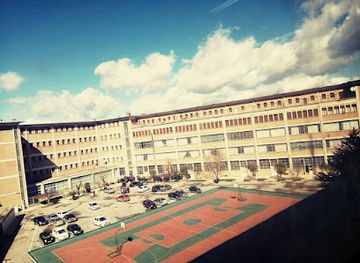
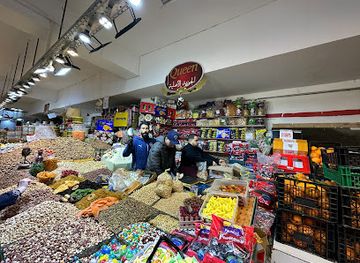
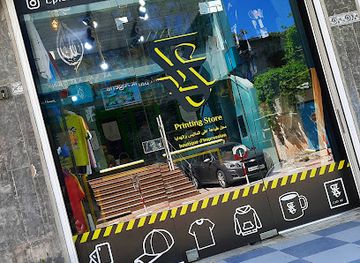
Shopping in Constantine combines the practical high streets and commercial districts of a major Algerian city with the smaller shops and stalls of the old centre. The medina is useful for browsing household goods, clothing, traditional items and sweets, although lanes can be crowded and product quality varies. Bakeries and confectioners are good places to seek locally popular pastries for immediate enjoyment or carefully packed gifts. Markets and food shops in the wider city offer dates, spices, olive products, dried goods and produce from eastern Algeria, while craft and souvenir choices may include embroidered textiles, decorated ceramics and traditional clothing. Modern commercial areas around Constantine and El Khroub provide familiar national and international retail brands, but they are less distinctive than the historic quarters. Bargaining is more likely in informal markets than in fixed-price shops; compare quality, ask prices politely and carry cash for smaller purchases.
-
Shopping mall
Ritaj Mall
Discover a vibrant shopping experience at Ritaj Mall, featuring diverse brands, delightful dining, and fun for the entire family in El Khroub.
-
Store
Square Shop- سكوار شوب
Explore the vibrant Square Shop in El Khroub for unique local crafts and cultural souvenirs, perfect for tourists seeking authentic Algerian experiences.
-
Clothing store
Epic Store
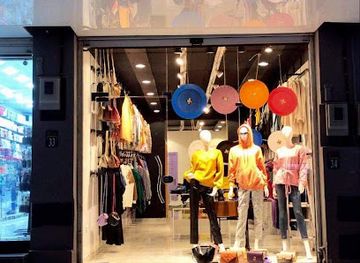
Discover fashion and style at Epic Store, a top clothing destination in the heart of Constantine, blending modern trends with local flair.
-
Clothing store
Boutique Wejdane
Discover the essence of Algerian fashion at Boutique Wejdane, a must-visit clothing store in the heart of Constantine.
Get your free copy of our complete guide to Constantine Region, delivered straight to you.
Everything on this page, from attractions and restaurants to essentials and local phrases, in one PDF you can read offline, print or share.
Already have an account? Sign in
Your Constantine Region guide is ready.
We'll send it to · Not you? Sign out

Getting your guide ready…
We are putting together a fresh copy of the Constantine Region guide. This can take up to a minute.
This can take a few moments. If your browser asks, choose Allow so the download can start. You'll find the guide in your Downloads folder.
Nothing happened? Download it again
Sorry, the guide is taking longer than usual. Please try again in a minute, or get it by email instead.
Constantine Region essentials
Currency and Payment
Safety
Emergency Situations
Do's and Don'ts
Local Tips
From Eve
Local phrases worth knowing
You don't need to get them perfect. A few words go a long way, and locals appreciate the effort.
Basics
| English | Local | Say it |
|---|---|---|
| Hello | أهلا | [Ahlan] |
| Goodbye | وداعا | [Wada'an] |
| Yes | نعم | [Na'am] |
| No | لا | [La] |
| Please/You're welcome | من فضلك | [Min fadlik] |
| Thank you | شكرا | [Shukran] |
| Excuse me/Sorry | عفوا | [Afwan] |
| How are you? | كيف حالك؟ | [Kayfa halak?] |
| Fine. And you? | بخير، وأنت؟ | [Bikhayr, wa anta?] |
| Do you speak English? | هل تتحدث الإنجليزية؟ | [Hal tatahadath al-ingliziyya?] |
| I don't understand | لا أفهم | [La afham] |
Eating & Drinking
| English | Local | Say it |
|---|---|---|
| I'd like to see the menu, please | أود رؤية القائمة، من فضلك | [Awad ru'yat al-qa'ima, min fadlik] |
| I don't eat meat | لا أتناول اللحم | [La atanaawal al-lahm] |
| Cheers! | في صحتك! | [Fi sihtak!] |
| I would like to pay, please | أود الدفع، من فضلك | [Awad al-daf', min fadlik] |
Emergencies
| English | Local | Say it |
|---|---|---|
| Help! | ساعدني! | [Sa'idni!] |
| Go away! | ابتعد! | [Ibt'id!] |
| Call the Police! | اتصل بالشرطة! | [Ittasil bil-shurta!] |
| Call a doctor! | اتصل بطبيب! | [Ittasil bi-tabeeb!] |
| I'm lost | أنا ضائع | [Ana dai'] |
| I'm ill | أنا مريض | [Ana marid] |
Shopping
| English | Local | Say it |
|---|---|---|
| I'd like to buy... | أود شراء... | [Awad shira'] |
| I'm just looking | أنا فقط أنظر | [Ana faqat anzur] |
| How much is it? | كم ثمنه؟ | [Kam thamanu?] |
| That's too expensive | هذا مكلف جدا | [Hatha mukallaf jiddan] |
| Can you lower the price? | هل يمكنك تخفيض السعر؟ | [Hal yumkinuka takhfid al-si'r?] |
Time & Numbers
| English | Local | Say it |
|---|---|---|
| What time is it? | كم الساعة؟ | [Kam al-saa'a?] |
| It's one o'clock | الساعة واحدة | [Al-saa'a wahida] |
| Half past (10) | نصف (10) | [Nisf (10)] |
| Morning | صباح | [Sabah] |
| Afternoon | بعد الظهر | [Ba'd al-zuhur] |
| Evening | مساء | [Masa'] |
| Yesterday | أمس | [Ams] |
| Today | اليوم | [Al-yawm] |
| Tomorrow | غدا | [Ghadan] |
| 1 | 1 | [1] |
| 2 | 2 | [2] |
| 3 | 3 | [3] |
| 4 | 4 | [4] |
| 5 | 5 | [5] |
| 6 | 6 | [6] |
| 7 | 7 | [7] |
| 8 | 8 | [8] |
| 9 | 9 | [9] |
| 10 | 10 | [10] |
Transport & Directions
| English | Local | Say it |
|---|---|---|
| Where's a/the...? | أين ...؟ | [Ayn ...?] |
| What's the address? | ما هو العنوان؟ | [Ma huwa al-'unwan?] |
| Can you show me (on the map)? | هل يمكنك أن تريني (على الخريطة)؟ | [Hal yumkinuka an turini (ala al-kharita)?] |
| When's the next (bus)? | متى تأتي (الحافلة) التالية؟ | [Mata ta'ti (al-hafila) al-taliya?] |
| A ticket (to ....) | تذكرة (إلى ....) | [Tadhkara (ila ....)] |
History of Constantine Region
Numidian Cirta and the Kingdom of Massinissa
Constantine occupies the site of ancient Cirta, which became the principal capital of the eastern Numidian kingdom. Under King Massinissa in the second century BC, Cirta developed as a political and strategic centre connected to the agricultural plateaux and routes of inland North Africa. Its position on a rocky height above the Rhumel Gorge gave it natural defensive strength. The Numidian legacy remains fundamental to the region’s identity, even though later Roman, Ottoman and colonial structures have altered much of the visible city.
Roman and Late Antique Constantina
Cirta was incorporated into the Roman sphere and became an important city in the province of Numidia. After the revolt of the usurper Domitius Alexander in the early fourth century, Emperor Constantine I ordered its reconstruction and gave it the name Constantina. Roman roads, public buildings, estates and religious institutions tied the city to a wider imperial network. Archaeological remains around Constantine and the nearby site of Tiddis illustrate the region’s continuing importance during Roman and late antique periods.
Vandal, Byzantine and Early Islamic Transformations
Like much of eastern Algeria, the Constantine area experienced major political change after Roman rule. Vandal control was followed by Byzantine restoration under Emperor Justinian in the sixth century, when fortified towns and administrative centres were reorganised. From the seventh century onwards, Arab-Muslim rule introduced new political, religious and cultural frameworks. Constantine’s strategic position helped it remain an important settlement through the medieval period, despite changing dynasties and the movement of power across the Maghreb.
Medieval and Ottoman Constantine
During the medieval and early modern eras, Constantine served as a regional centre for administration, trade and scholarship. Its elevated site and difficult approaches made it a formidable stronghold, while the surrounding plains supported agriculture and links with other eastern Algerian towns. Under Ottoman rule, the city was governed within the beylik of Constantine, one of the major Ottoman provinces of Algeria. The old city’s mosques, lanes, urban fabric and the later Palace of Ahmed Bey reflect this period of local authority within the wider Ottoman system.
The French Conquest and Colonial Reorganisation
French forces captured Constantine in 1837 after a failed first assault the previous year. The conquest brought the region into French colonial administration and reshaped its economy, institutions and urban layout. New roads, bridges, military works and administrative buildings were constructed alongside the existing medina, while European settlement and land policies altered rural society. Constantine became a major centre for eastern Algeria, but colonial development also involved political exclusion and unequal access to land, education and public life.
Constantine and the Algerian War
The Constantine Region was deeply affected by the struggle for Algerian independence from 1954 to 1962. The city’s size and administrative importance made it significant to both colonial security operations and nationalist organisation. Rural districts and neighbouring settlements also experienced displacement, military controls and violence. The war transformed political life and ended with Algeria’s independence in 1962. Contemporary Constantine contains institutions, monuments and memorial practices shaped by both the colonial period and the national liberation narrative.
A Regional Cultural Capital in Independent Algeria
Since independence, Constantine has remained one of Algeria’s principal cities of eastern administration, education and culture. Population growth extended the urban area beyond the historic rock towards districts such as El Khroub and Aïn Smara, while new roads and bridges responded to the region’s difficult topography. The city’s designation as Arab Cultural Capital in 2015 brought renewed attention to its museums, historic buildings and cultural institutions. Its present identity combines a living medina, modern Algerian urban life and a long archaeological inheritance.
Constantine Region in Photos
Browse through our photo collection highlighting the charm and character of the destination.
Neighbouring regions of Constantine Region
The closest regions to Constantine Region, if you have time for more than one.
-

-

-

-

-


Swipe for more regions
Explore more
Explore more of Algeria
Discover Algeria: A captivating blend of ancient history, stunning landscapes, and vibrant culture. From the Sahara desert to Mediterranean coasts, adventure awaits.
Explore Algeria