Pyrenees Mountains: A Natural Border
Explore the majestic Pyrenees Mountains: a natural border offering stunning landscapes, outdoor adventures, and rich cultural heritage between France and Spain.
The Pyrenees Mountains form a natural border between France and Spain, stretching for approximately 491 km. Known for their stunning landscapes, diverse flora and fauna, and opportunities for outdoor activities, they are a popular destination for hikers, skiers, and nature enthusiasts.
A brief summary to Pyrenees
Local tips
- Pack for all types of weather, as conditions in the mountains can change rapidly.
- Bring comfortable hiking shoes, as there are many opportunities for walking and trekking.
- Learn a few basic phrases in French or Spanish, as these are the primary languages spoken in the region.
- Respect the local culture and traditions, and be mindful of the environment.
- Check the opening times and prices of attractions in advance, especially during the off-season.

Getting There
-
Driving
Reaching the Pyrenees by car involves driving on well-maintained roads that lead to various access points. From larger cities like Toulouse or Barcelona, follow the major highways towards the foothills. Once closer, smaller local roads will guide you to specific valleys, hiking trails, or ski resorts. Be prepared for winding mountain roads and occasional tolls on certain highways. Parking is generally available at trailheads and villages, but can be limited during peak season. Toll costs on major highways leading to the Pyrenees can range from €5 to €20 depending on the distance traveled. Parking rates in villages and near popular attractions typically range from €2 to €5 per hour.
-
Public Transport
Accessing the Pyrenees via public transport often involves a combination of trains and buses. Major cities like Toulouse, France and Barcelona, Spain have train connections to towns at the base of the mountains. From these towns, local bus services provide access to smaller villages and trailheads. Check schedules in advance, as services can be infrequent, especially in remote areas. A single bus fare within the Pyrenees region typically costs between €2 and €5. Train tickets from major cities to gateway towns can range from €15 to €40 depending on the distance and class of service.
Discover more about Pyrenees
Iconic landmarks you can’t miss

Refugi amitges
8.1 km
Discover the natural beauty and serene atmosphere of Refugi Amitges, your gateway to adventure in the stunning National Park of Aigüestortes.
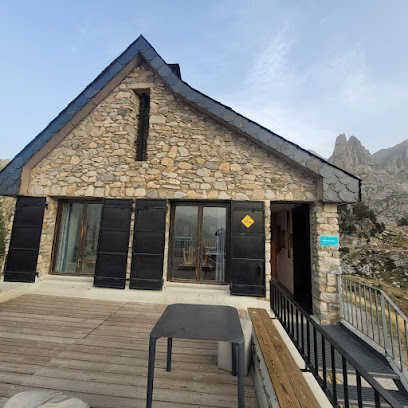
Refugi Ernest Mallafré
10.0 km
Experience the beauty of the Pyrenees at Refugi Ernest Mallafrè, a cozy mountain cabin perfect for outdoor adventures and peaceful retreats.
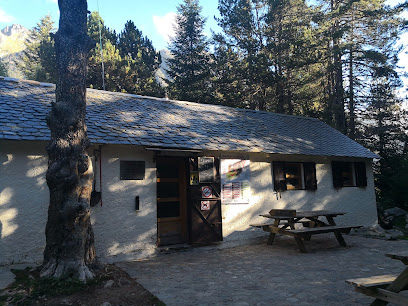
Cartel informativo parque nacional de aiguas tortas
12.2 km
Explore the stunning beauty of Aigüestortes National Park, a hiker's paradise in the Catalonian Pyrenees, featuring breathtaking landscapes and diverse wildlife.
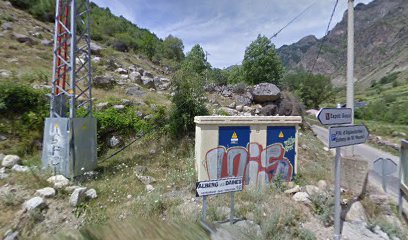
Pre-Pyrenees
37.6 km
Explore the stunning Pre-Pyrenees, where majestic mountain landscapes meet rich Catalan culture and endless outdoor adventures await.
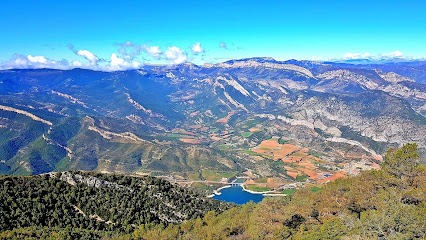
Bordes de Seturia
38.4 km
Discover Andorra's pastoral past at Bordes de Seturia in La Massana, a tranquil escape into the region's historical landscape.
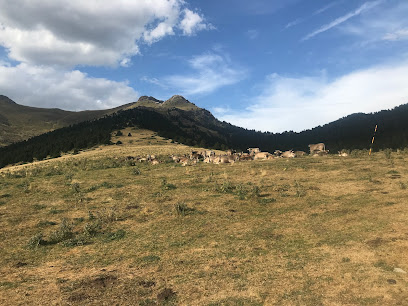
Terminal del Telesilla de Creussans
38.9 km
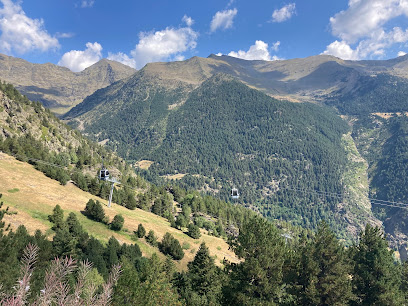
Ascend to breathtaking views of the Andorran Pyrenees via this scenic cable car, offering year-round access to hiking and skiing adventures.
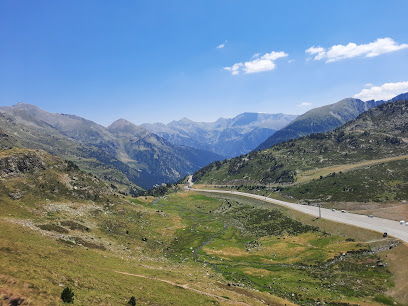
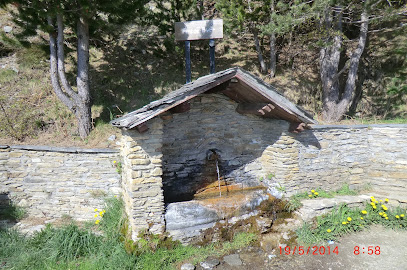
Font del Bisbe
39.0 km
Discover the tranquil beauty of Font del Bisbe in Andorra, a serene natural spring offering a peaceful escape and refreshing experience.
Aparcament Estació Esquí Arinsal
39.9 km
Your starting point for skiing and hiking adventures in the stunning Andorran Pyrenees, with easy access to Arinsal ski resort.
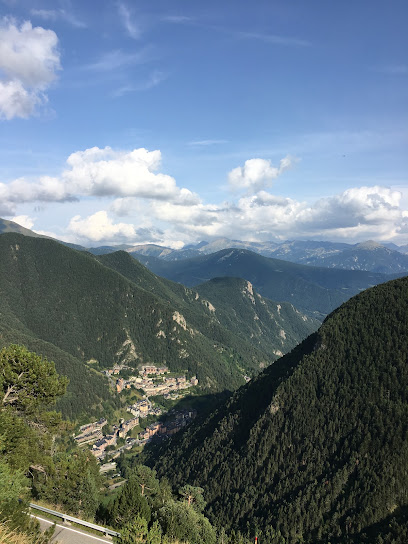
Refugi de les Fonts
40.0 km
Escape to the Andorran Pyrenees: Hike amidst stunning scenery and find tranquility at the welcoming Refugi de les Fonts.
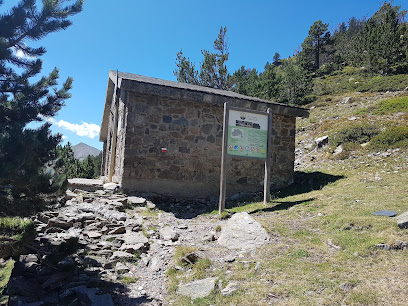
Refugi de Francolí
40.1 km
Discover the serene beauty of the Andorran Pyrenees at Refugi de Francolí, a perfect mountain escape for hikers and nature lovers in Sant Julià de Lòria.
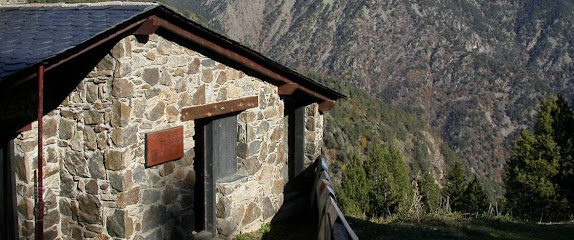
Mirador Roc de la Sabina | Arinsal
40.1 km
Discover breathtaking panoramic views of Andorra's mountains and valleys from this accessible and scenic viewpoint near Arinsal.
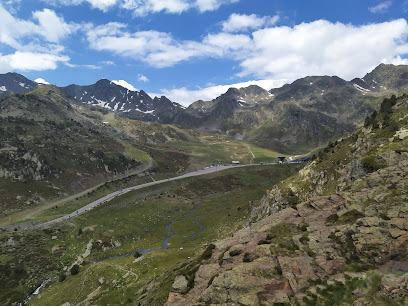
Llacs de Tristaina
40.2 km
Discover the breathtaking beauty of Andorra's Pyrenees at Lacs de Tristaina, a trio of stunning high-altitude lakes perfect for hiking and nature lovers.
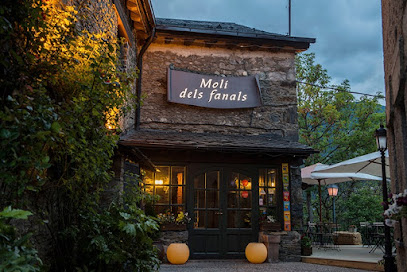
Restaurant MOLÍ DELS FANALS
40.4 km
Experience authentic Andorran cuisine at MOLÍ DELS FANALS in Arinsal, where traditional flavors meet a charming mountain setting.
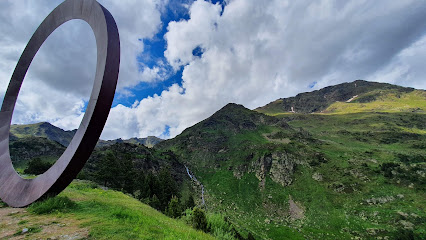
Arcalís 91 de Mauro Staccioli
40.6 km
A monumental steel ring in the Andorran Pyrenees, framing nature and challenging perspectives near Ordino Arcalís.
Hola Andorra SL
40.7 km
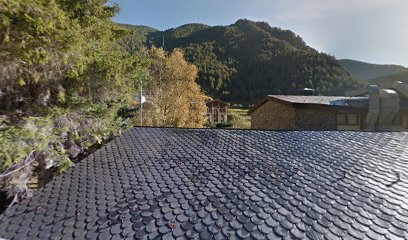
Explore Arinsal, a picturesque Andorran village offering breathtaking landscapes, outdoor adventures, and rich cultural experiences.
Unmissable attractions to see

La Peülla
1.6 km
Explore La Peülla, a serene tourist attraction in Lleida, Spain, offering breathtaking views, rich culture, and a tranquil escape from city life.
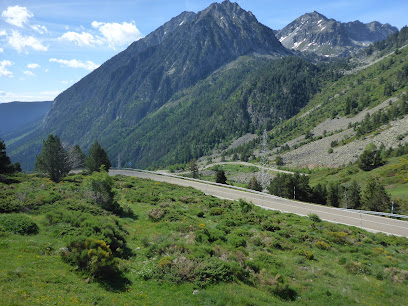
Font de la Ressaca
2.6 km
Explore the serene beauty of Font de la Ressaca, a hidden gem in Lleida offering stunning landscapes and perfect outdoor adventures for all.
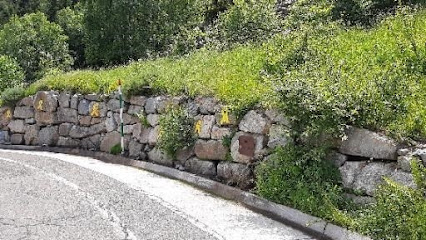
Cascada del Gerber o Salt de Comials
2.8 km
Experience the breathtaking beauty of Cascada del Gerber, a serene waterfall in Lleida, Catalonia, perfect for adventure and relaxation.
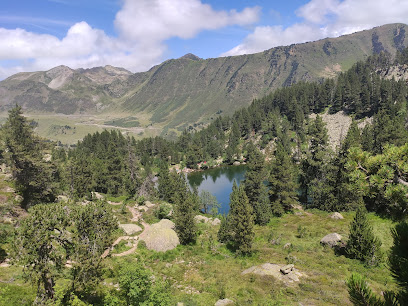
Estany de Gerber
4.2 km
Explore Estany de Gerber: A breathtaking hiking area in Lleida, Spain, perfect for nature lovers and adventure seekers alike.
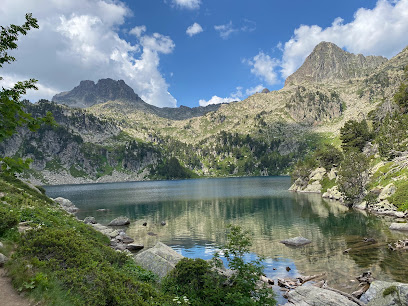
Bosc del Gerdar
4.4 km
Explore the breathtaking beauty of Bosc del Gerdar, a national forest in Lleida offering nature lovers scenic trails and serene wildlife encounters.
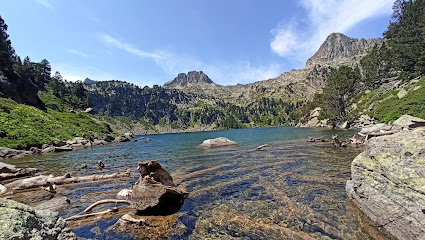
Baqueira Beret SA
6.5 km
Experience the magic of Baqueira Beret, a premier ski resort in the Pyrenees, offering thrilling slopes, stunning landscapes, and vibrant village life.
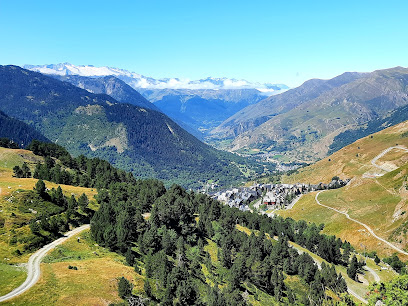
Val d'Aiguamòg
7.1 km
Explore Val d'Aiguamòg: A Scenic Hiking Haven in Lleida, Spain, Perfect for Nature Enthusiasts and Adventure Seekers.
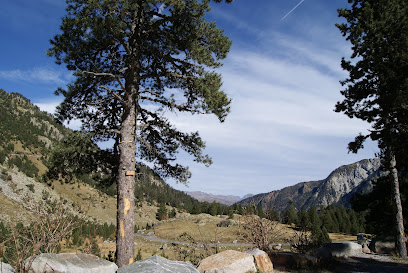
Agulles d'Amitges
7.5 km
Discover the stunning landscapes and diverse wildlife of Agulles d'Amitges, a premier national park in the Pyrenees, perfect for outdoor adventures and serene escapes.
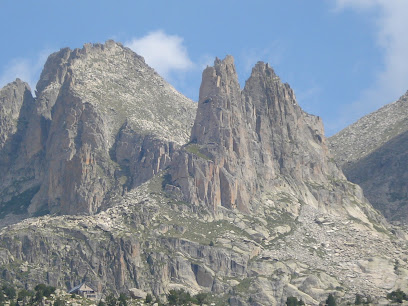
Circ de Colomers
7.6 km
Discover the breathtaking trails and stunning landscapes of Circ de Colomers, a hiking gem in the heart of the Pyrenees, perfect for every nature lover.
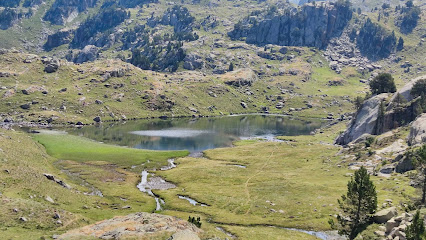
Estany de Ratera | 2.136 m
8.8 km
Explore the natural beauty of Estany de Ratera, a serene hiking area nestled in the breathtaking Pyrenees mountains, perfect for nature lovers and adventurers.
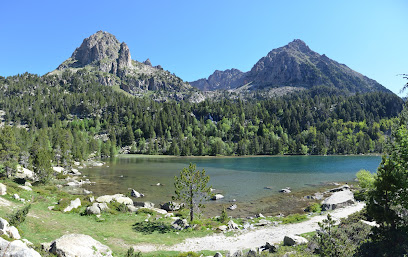
Cascada de Ratera
9.2 km
Explore Cascada de Ratera, a stunning waterfall in Lleida, perfect for hiking and connecting with nature's beauty.
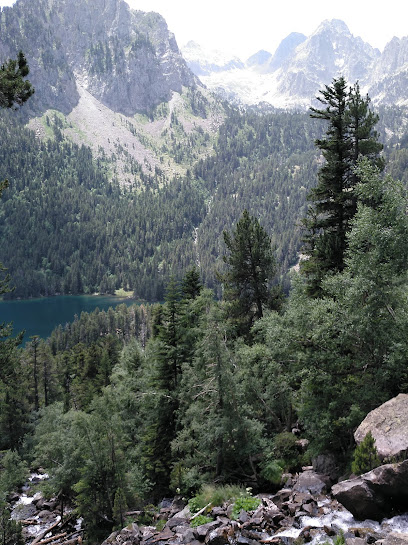
Colomèrs
9.4 km
Discover the breathtaking beauty of Colomèrs in Lleida, a paradise for nature lovers and adventurers alike with stunning lakes and picturesque landscapes.
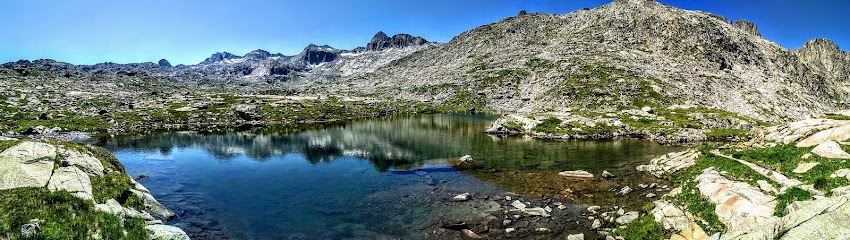
Dam of Sant Maurici
9.6 km
Explore the breathtaking landscapes and outdoor adventures at the Dam of Sant Maurici in Aigüestortes i Estany de Sant Maurici National Park.
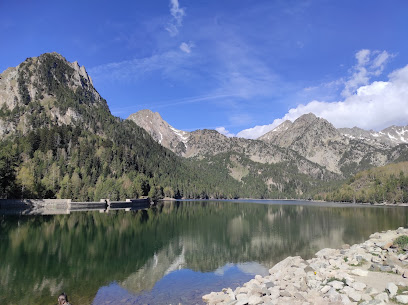
Estany de Sant Maurici
9.6 km
Explore the stunning Estany de Sant Maurici, a breathtaking glacial lake surrounded by majestic peaks and vibrant wildlife in the Catalonian Pyrenees.
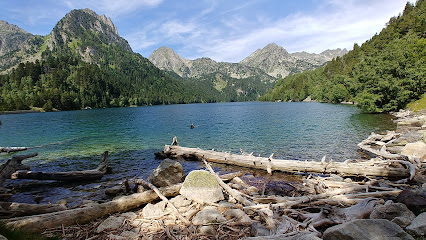
Pic del Portarró
9.7 km
Discover the breathtaking beauty of Pic del Portarró in Parc Nacional d'Aigüestortes, a must-see destination for nature lovers and adventure seekers.
Essential places to dine

Les Ares
2.3 km
Discover Les Ares: An exquisite Mediterranean dining experience in Lleida surrounded by stunning landscapes.
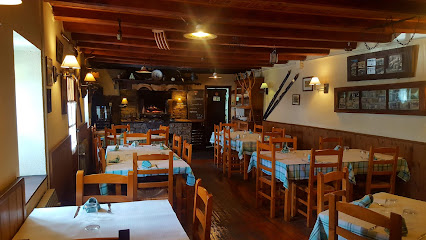
Cinco Jotas Grill Baqueira
5.6 km
Experience exquisite Spanish cuisine amidst stunning mountain vistas at Cinco Jotas Grill in Baqueira Beret.
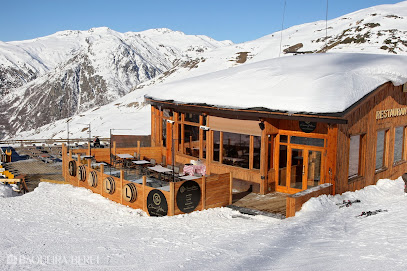
Bar era cabana
6.4 km
Experience the charm of French cuisine at Bar Era Cabana in Lleida - where exquisite flavors meet local hospitality.
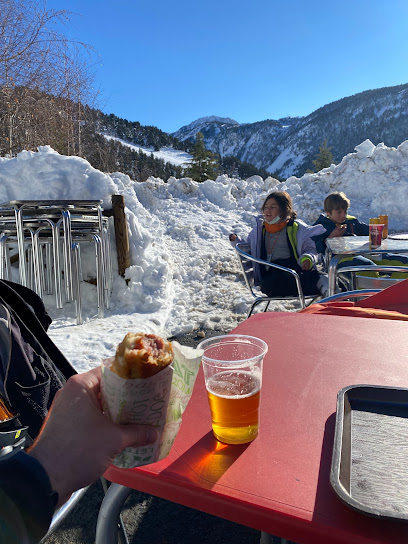
Tanau Sabor Gastrobar
6.4 km
Discover authentic flavors at Tanau Sabor Gastrobar, where local ingredients meet exceptional culinary creativity in beautiful Baqueira.
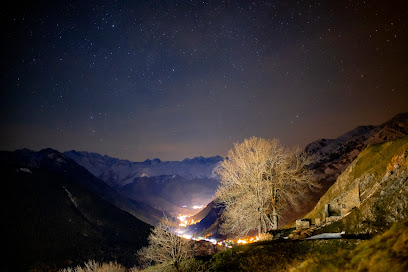
La Pleta Sushi Restaurant
6.7 km
Experience exquisite sushi in Baqueira with breathtaking mountain views at La Pleta Sushi Restaurant.
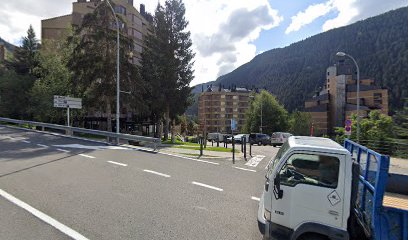
Eth Cerer de Montadí
7.1 km
Discover exquisite Catalan cuisine at Eth Cerer de Montadí, nestled in the beautiful landscapes of Salardú.
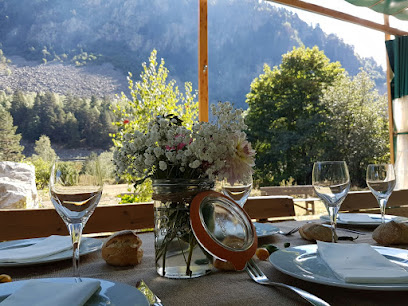
Restaurant Braseria Er Amic
9.1 km
Experience the rich flavors of traditional Spanish barbecue at Restaurant Braseria Er Amic in Salardú's scenic landscape.
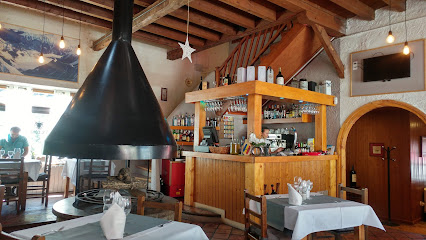
Casa Rufus
10.0 km
Experience authentic Spanish flavors at Casa Rufus in Gessa - where every meal is a celebration of tradition and taste.
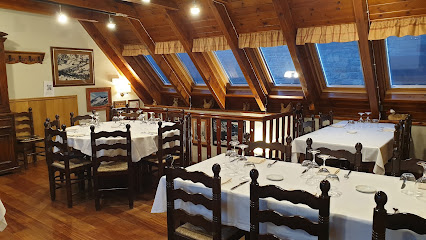
Refugio de Montgarri
10.2 km
Discover Refugio de Montgarri: A scenic restaurant offering exquisite local dishes amidst Lleida's stunning mountain landscapes.
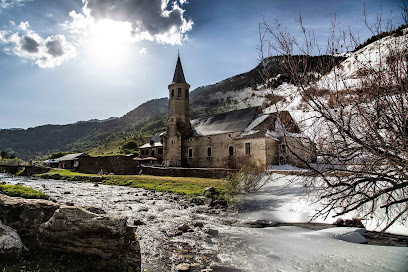
Els Puis Hotel Restaurant
10.7 km
Experience authentic Mediterranean flavors at Els Puis Hotel Restaurant in Esterri d'Àneu - a culinary gem with stunning views.
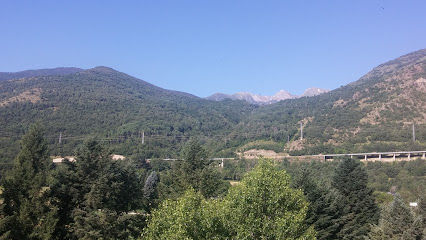
Braseria L'Esquella
10.8 km
Experience authentic Catalan flavors at Braseria L'Esquella in Esterri d'Àneu—where tradition meets taste in a cozy dining atmosphere.
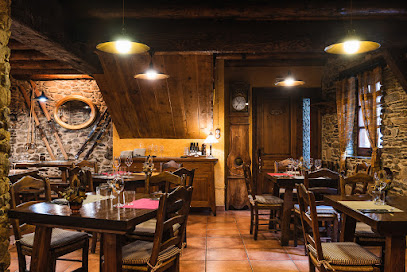
Sherry
10.9 km
Experience the best burgers in Esterri d'Àneu at Sherry – where quality meets flavor in every bite!
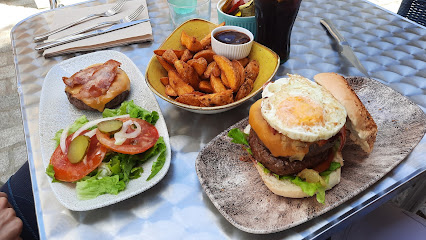
Casa Costa
10.9 km
Experience authentic Spanish tapas at Casa Costa in Esterri d'Àneu – where every dish tells a story.
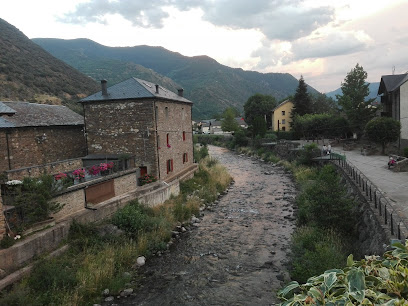
Els Cremalls
10.9 km
Experience authentic Spanish cuisine at Els Cremalls in Esterri d'Àneu - where quality ingredients meet warm hospitality.
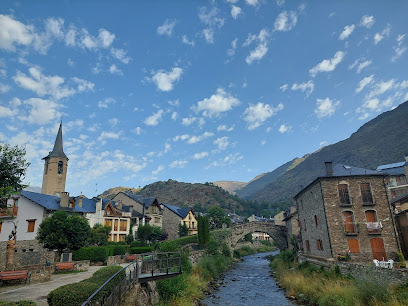
Restaurant Vall d'Àneu
11.0 km
Experience authentic Catalan cuisine at Restaurant Vall d'Àneu in Esterri d'Àneu, where every dish tells a story.

Markets, malls and hidden boutiques

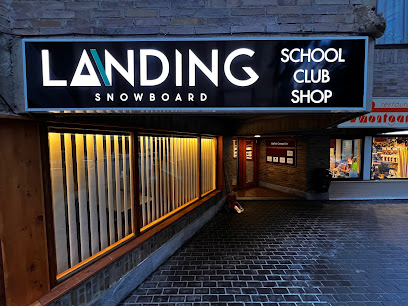
Landing Snowboard | Clases Snowboard Baqueira
6.6 km
Explore the thrill of snowboarding at Landing Snowboard, the premier shop in Baqueira, offering expert classes and top-quality gear for all levels.
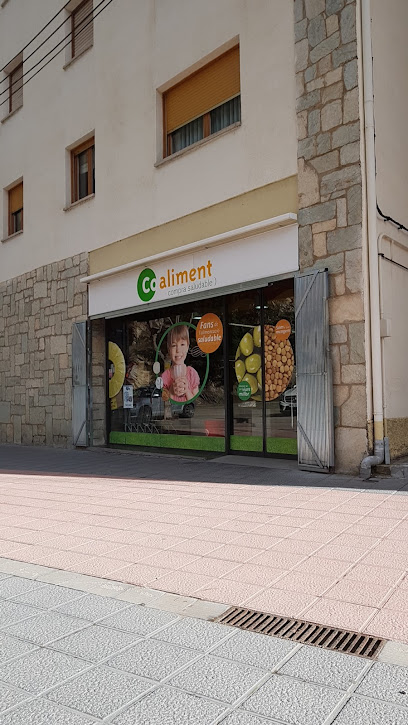
Coaliment Esterri d'Àneu
10.7 km
Discover local flavors and fresh produce at Coaliment Esterri d'Àneu, your go-to supermarket in the heart of Catalonia.
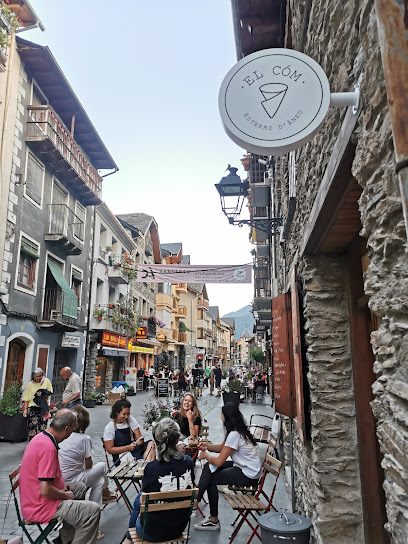
El Cóm
10.9 km
Discover El Cóm in Esterri d'Àneu, where artisanal ice creams and delectable crepes create a unique culinary experience for every visitor.
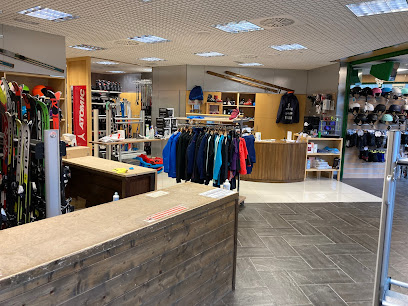
Aràneu Esquí i Bicis
11.0 km
Discover the thrill of skiing and biking in the heart of the Pyrenees at Aràneu Esquí i Bicis, where adventure begins.
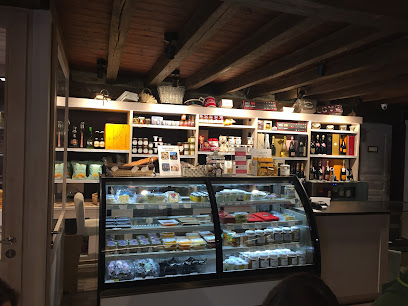
Pirineu Gourmet
11.1 km
Explore the culinary delights of Pirineu Gourmet in Arties, where local flavors and artisanal products come together for an unforgettable gourmet experience.
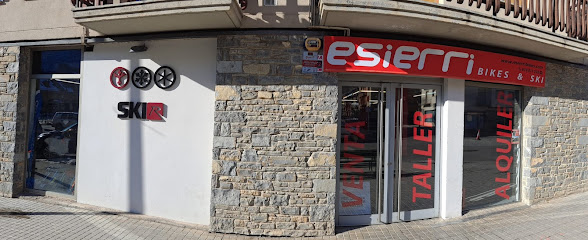
SkiR by Esierri
11.1 km
Discover the ultimate ski experience at SkiR by Esierri in Esterri d'Àneu, where expert gear meets top-notch ski instruction for all levels.
Fort De Pa Sorm
12.5 km
Experience the charm of Fort De Pa Sorm, a bakery offering artisanal delights in the heart of Espot, Lleida, perfect for every foodie traveler.
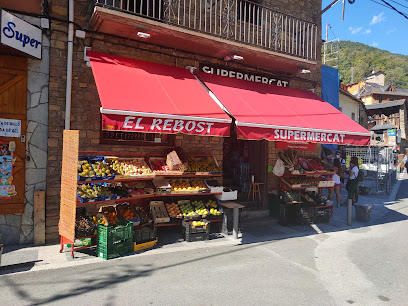
Supermercat El Rebost d'Espot
12.5 km
Explore local flavors and gourmet selections at Supermercat El Rebost d'Espot, the heart of culinary delights in Lleida.
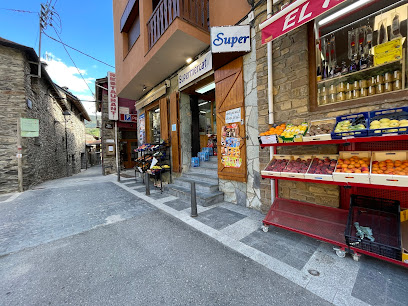
La Voliaina
12.5 km
Discover La Voliaina, your one-stop supermarket in Espot, Lleida, offering local products and essentials for your Pyrenees adventures.
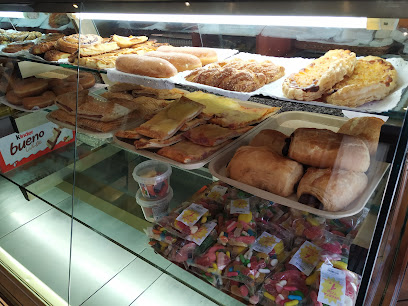
Forn de pa La Granja
12.6 km
Explore the delightful flavors of Forn de pa La Granja, a charming bakery in Espot, offering authentic Spanish baked goods and local specialties.
Cafeteria Estació Cota 2000
14.6 km
Discover the charm of Cafeteria Estació Cota 2000, your perfect coffee stop in Espot, blending cozy vibes with stunning views.
Bodysport Boutique & Ski School
16.9 km
Explore the best of winter sports at Bodysport Boutique & Ski School in Vielha, where expert guidance meets top-tier equipment for an unforgettable skiing experience.
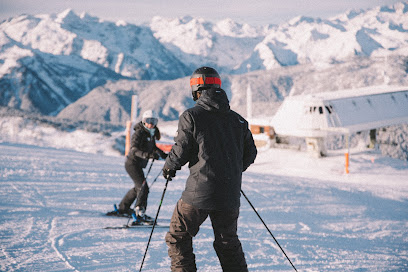
The Secret Spot
16.9 km
Discover The Secret Spot in Vielha: Your ultimate destination for skiing, biking, and outdoor adventures in the heart of the Pyrenees.
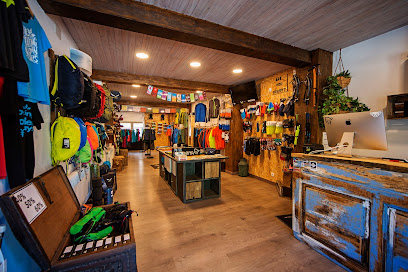
TrasTros
17.0 km
Discover TrasTros, the premier baby store in Vielha, offering a wide selection of quality infant products and exceptional service for traveling families.
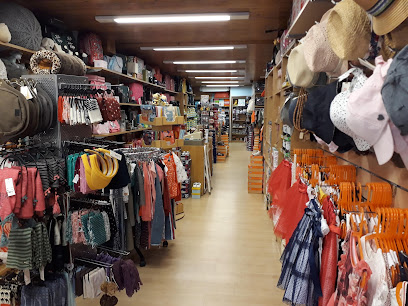
ESCALES Vielha
17.0 km
Explore ESCALES Vielha, a premier clothing store offering stylish apparel and unique souvenirs in the heart of the picturesque Vielha town.
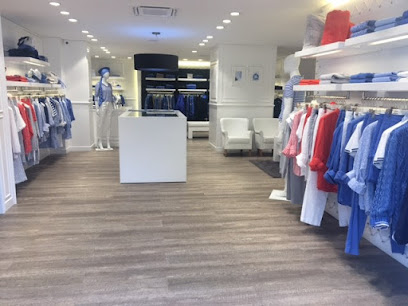
Essential bars & hidden hideouts

Seg'IN
9.2 km
Discover the rich flavors of the Pyrenees at Seg'IN, a premier grill restaurant in Salardú offering a delightful dining experience with local ingredients.
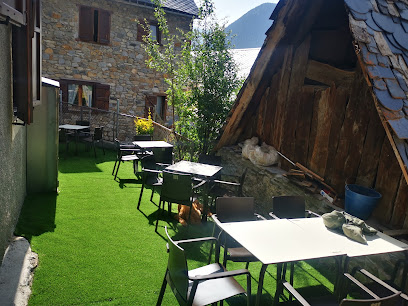
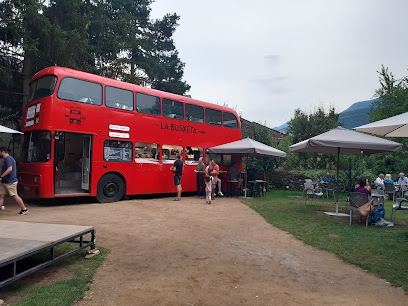
La Busxeta
10.9 km
Experience the unique charm of La Busxeta in Esterri d'Àneu, a retrofitted bus serving delicious grilled dishes and a vibrant atmosphere.
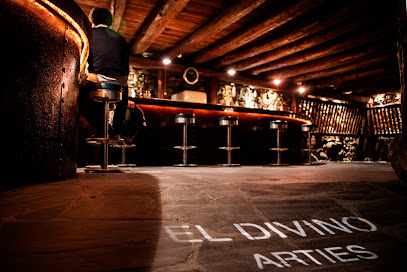
El divino
11.1 km
Experience the vibrant nightlife of Arties at El Divino, a lively bar and disco club offering unforgettable evenings filled with music and dancing.
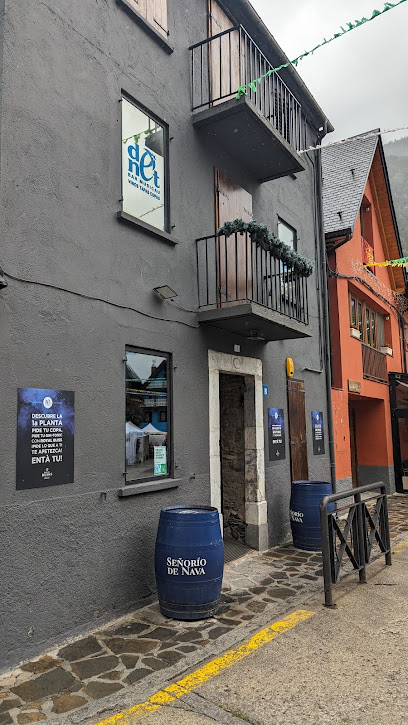
De Net
11.1 km
Experience the charm and local flavor of Arties at De Net, a cozy bar perfect for unwinding with friends and enjoying a refreshing drink.
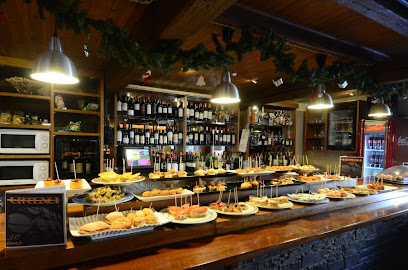
Tauèrna Urtau Arties
11.1 km
Experience the heart of Spanish cuisine at Tauèrna Urtau, a vibrant tapas bar in Arties, offering traditional dishes and local wines.
Bar Pozo Nuevo
11.2 km
Discover Bar Pozo Nuevo in Arties for a cozy breakfast experience with local flavors in the stunning Pyrenees.
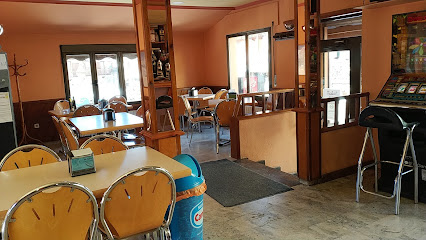
Sapastre Pub
12.5 km
Discover the enchanting atmosphere of Sapastre Pub in Espot, where live piano music and great drinks create unforgettable nights.
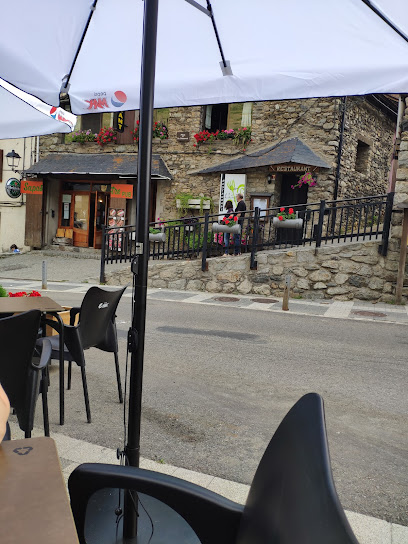
La COVETA PUB
12.5 km
Discover the vibrant atmosphere of La COVETA PUB in Espot, where local drinks and friendly faces await you after a day of exploration.
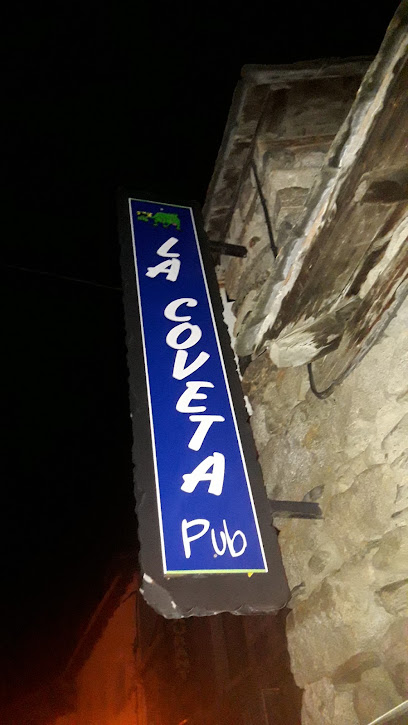
Ski Burger
14.6 km
Discover Ski Burger in Espot for delicious burgers and a cozy atmosphere perfect for unwinding after an exciting day on the slopes.
BAR ETH NORD - VIELHA
17.2 km
Discover Bar Eth Nord in Vielha - a lively bar offering delicious tapas, local wines, and a warm atmosphere perfect for relaxation and socializing.
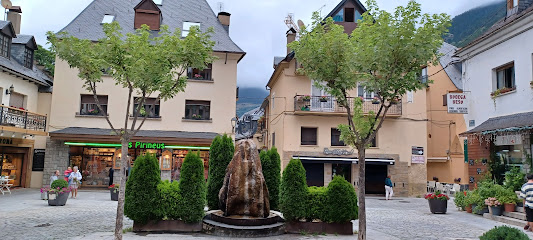
Yanna by Lukitas
17.3 km
Experience the authentic taste of Spain at Yanna by Lukitas, a delightful tapas bar in the heart of Vielha, perfect for food lovers and adventurers alike.
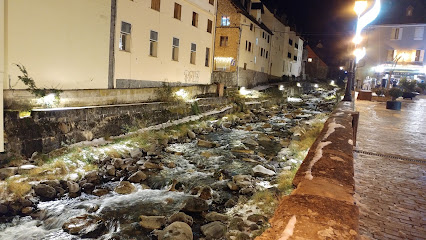
Vermuteria L´Aperitiu
17.3 km
Discover the charm of Vermuteria L´Aperitiu, a tapas bar in Vielha serving authentic Spanish flavors amidst the stunning Pyrenees.
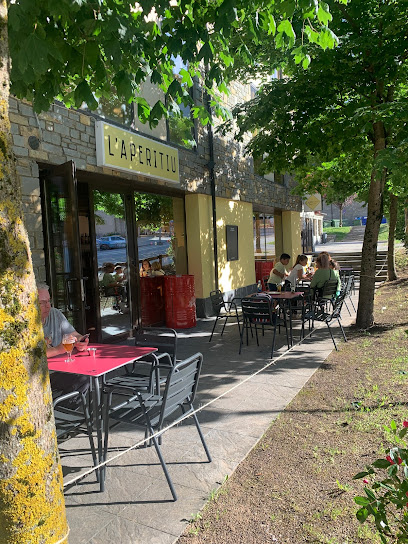
Bar la Rambla
20.7 km
Experience the vibrant nightlife and local flavors at Bar la Rambla in Pla de l'Ermita, a must-visit bar for every traveler.
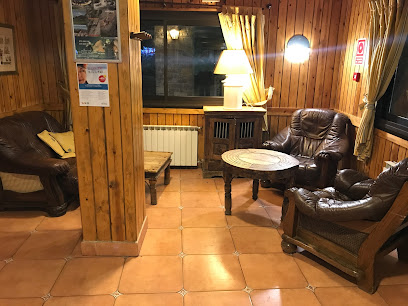
El Refugi
20.7 km
Discover the charm of El Refugi, a cozy bar in Pla de l'Ermita offering delightful drinks and a welcoming atmosphere for every traveler.
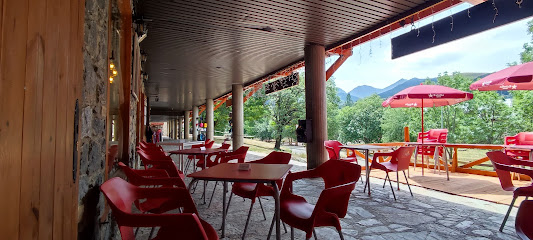
Bar de la plaça
20.7 km
Discover the charm of Taüll at Bar de la plaça, where local flavors and a vibrant atmosphere come together for an unforgettable experience.