

Free Ordino Travel Guide & Mobile App
Plan your Ordino trip with Evendo. Get free guides to top attractions, restaurants, hotels, and bars. Web access or download the mobile app.


Ordino, Andorra blends mountain villages, Romanesque churches, museums and protected Pyrenean landscapes with rewarding hiking and ski experiences.
A Village Shaped by the Pyrenees
Ordino is one of Andorra’s most atmospheric parishes, spread through a green northern valley where stone hamlets, wooded slopes and high mountain landscapes define the experience. The parish capital, also called Ordino, has a compact historic centre of slate-roofed houses, narrow lanes and carefully preserved civic buildings. Its setting is distinctly alpine, yet the village feels more like a traditional Pyrenean community than a resort town.Read more about Ordino
History in Stone and Timber
High Valleys and Outdoor Discovery
When is the best time to visit Ordino?
Best: June–July, September · 25–29°C| Month | High (°C) | Rainfall (mm) |
|---|---|---|
| January | 7 | 50 |
| February | 8 | 50 |
| March | 10 | 50 |
| April | 15 | 50 |
| May | 19 | 50 |
| June (best) | 27 | 40 |
| July (best) | 29 | 40 |
| August | 29 | 40 |
| September (best) | 25 | 40 |
| October | 17 | 50 |
| November | 12 | 50 |
| December | 7 | 50 |
Getting to and around Ordino
How to get there
Transportation
Best attractions in Ordino
Ordino's attractions unfold along the valley rather than in a single urban centre. In the parish capital, Casa d'Areny-Plandolit introduces the domestic world of an influential Andorran family, while the Museu Postal traces communications through stamps, letters and postal history. The Museu de la Miniatura presents finely worked miniature art in an intimate setting. Downstream, La Cortinada combines the Romanesque church of Sant Martí with rural and industrial heritage, while the Iron Route links the landscape to Andorra's former metalworking economy. Sorteny Valley Nature Park provides marked paths through forests, meadows and botanically rich highland terrain, and Ordino-Arcalís offers a dramatic mountain setting for skiing in winter and hiking in warmer months. The villages of Llorts and El Serrat add stone houses, pasture views and a quieter sense of parish life to a varied programme of sightseeing.
-
Observation deck
Mirador Roc Del Quer | Canillo
Experience breathtaking panoramic views of the Pyrenees from a suspended platform at Mirador Roc del Quer in Andorra. A blend of nature and art.
15 min drive · 4.9 km from city centre
-
Ski resort
Grandvalira
Experience the best of Andorran skiing at Grandvalira, the Pyrenees' largest resort, offering slopes for every skill level and unforgettable mountain views.
29 min drive · 9.6 km from city centre
-
Monument
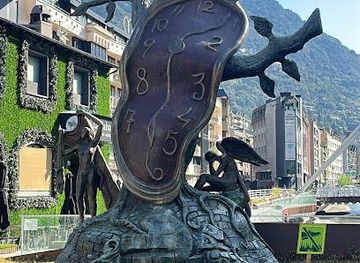
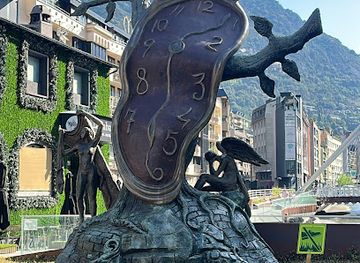
La Noblesse du Temps
Discover Dalí's surreal masterpiece, La Noblesse du Temps, in Andorra la Vella. A thought-provoking sculpture that captures the fluidity of time.
16 min drive · 5.3 km from city centre
-
Park
Parc Central
Escape to Andorra la Vella's largest park: a green oasis with art, playgrounds, and tranquil paths in the city center.
17 min drive · 5.6 km from city centre



Best landmarks in Ordino
Casa d'Areny-Plandolit is Ordino's most evocative civic landmark, a substantial historic manor whose rooms and furnishings illuminate the social position of a prominent Andorran family. The parish's religious heritage is represented by Sant Martí de la Cortinada, a Romanesque church associated with one of the valley's oldest settled landscapes, as well as the churches and traditional buildings of Ordino and nearby villages. The stone houses, slate roofs and timber details of La Cortinada, Llorts and El Serrat form a wider architectural ensemble shaped by mountain agriculture rather than grand urban planning. Industrial heritage adds another layer: the Iron Route and surviving traces of mining and metalworking recall the period when water, forests and local ore supported Andorra's forges. Together these landmarks connect the modern parish with domestic, religious and working histories.
-
Observation deck
Mirador Roc Del Quer | Canillo
Experience breathtaking panoramic views from a suspended platform in the Andorran Pyrenees. A must-see for nature lovers and photographers.
15 min drive · 4.9 km from city centre
-
Monument
La Noblesse du temps - de Salvador Dalí
A surreal masterpiece by Salvador Dalí in Andorra la Vella's central square, Plaça de la Rotonda, symbolizing the fluidity of time and artistic genius.
16 min drive · 5.3 km from city centre
-
Bridge
Pont Tibetà | Canillo
Brave the heights of the Andorran Pyrenees on this thrilling suspension bridge, offering unparalleled panoramic views and a unique walking experience.
20 min drive · 6.7 km from city centre
-
National park
Parc Natural de la Vall de Sorteny
Explore Andorra's natural beauty in Parc Natural de la Vall de Sorteny: hiking, diverse flora and fauna, and stunning Pyrenean landscapes.
24 min drive · 8.1 km from city centre



Explore Ordino on the map
Plan your Ordino trip on one map. See where the top attractions, landmarks, restaurants, bars and hotels are, find what's near where you're staying, and book hotels and experiences in a few clicks.
Best hotels in Ordino
Best restaurants in Ordino
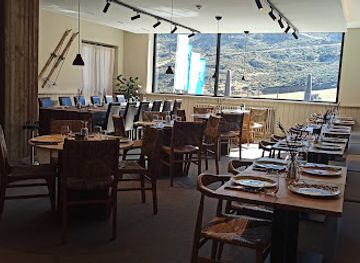
Dining in Ordino reflects the hearty mountain cooking of Andorra and the wider Pyrenees. Traditional bordes, former farm buildings adapted for meals, often provide a setting for dishes such as escudella, a substantial winter stew, trinxat of potato, cabbage and pork, grilled meats and seasonal mushrooms. Local menus may also feature charcuterie, mountain cheeses and trout, while coca, a savoury or sweet flatbread, belongs to the broader Catalan culinary tradition. Restaurants and cafés are concentrated in Ordino and the villages along the valley, with additional places serving visitors near winter-sports areas. The atmosphere ranges from rustic dining rooms with stone and timber interiors to informal cafés suited to walkers and skiers. Food markets are less central to the parish experience than in Andorra la Vella, so the best sense of Ordino's culinary identity comes through local ingredients, traditional recipes and the social character of village dining.
-
Department store
Pyrénées Andorra
Andorra's grand magasin marvel: luxury shopping, gourmet buffets, and Pyrenean convenience in one vibrant hub.
16 min drive · 5.4 km from city centre
-
Argentinian
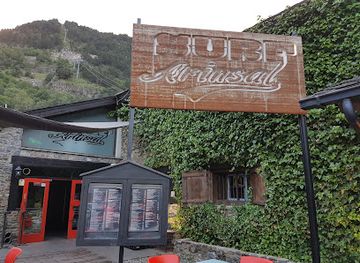
SURF ARINSAL- RESTAURANT & DISCOTECA
Experience authentic Argentinian flavors at Surf Arinsal – where exquisite dining meets vibrant nightlife in beautiful Andorra.
13 min drive · 4.5 km from city centre
-
Grill
Restaurant la Borda de la Coma
Experience delightful grilled cuisine amidst breathtaking mountain views at Restaurant la Borda de la Coma in Ordino Arcalís.
28 min drive · 9.4 km from city centre
-
Restaurant
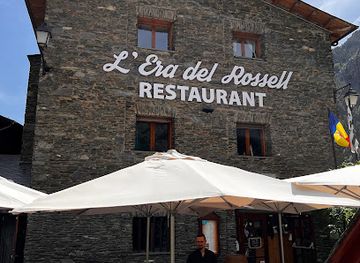
RESTAURANT BORDA L' ERA DEL ROSSELL
Experience authentic Andorran cuisine at Restaurant Borda L' Era Del Rossell near Santuario de Meritxell - where tradition meets breathtaking mountain views.
14 min drive · 4.7 km from city centre

Best bars in Ordino
Ordino has a quiet evening scene centred on cafés, hotel bars and restaurants rather than nightclubs. In the parish capital and its neighbouring villages, evenings are suited to conversation, local wine, drinks after a mountain day and relaxed meals in stone-built surroundings. During the ski season, venues near Ordino-Arcalís may develop an informal après-ski atmosphere, but this remains modest compared with the nightlife of Andorra la Vella or the larger resort areas. Cultural evenings, seasonal village festivities and occasional music or community events provide alternatives to drinking-led entertainment. Visitors seeking late-night bars and clubs generally travel towards the capital, while those staying in Ordino should expect peaceful streets and limited late-night transport in the upper valley.
-
Bar
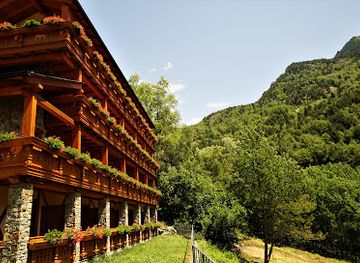
Hotel & Spa Xalet Bringué
Discover tranquility and luxury at Hotel & Spa Xalet Bringué, your perfect escape in the heart of Andorra's breathtaking landscapes.
21 min drive · 7.1 km from city centre
-
Bar
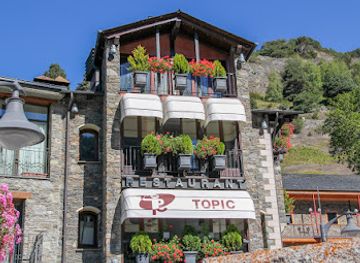
Topic Restaurant (Ordino)
Explore the flavors of Andorra at Topic Restaurant, a charming bar and brewpub in Ordino offering local dishes and craft beers.
1 min walk · 0.1 km from city centre
-
Brasserie
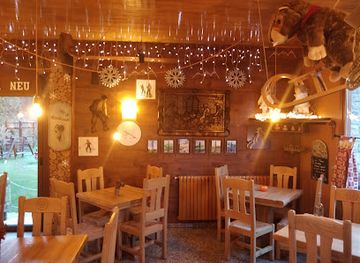
Brasseria La Neu
Discover the culinary delights of Brasseria La Neu in Llorts, Andorra, where local flavors meet a cozy brasserie atmosphere.
15 min drive · 4.8 km from city centre
-
Bar
Mon Bohemi
Experience the vibrant atmosphere of Mon Bohemi in La Massana—where delicious food meets captivating performances for a memorable night out.
6 min drive · 1.8 km from city centre
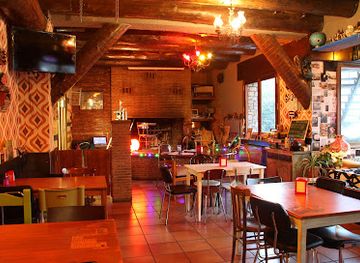
Best nightclubs in Ordino
Ordino has a quiet evening scene centred on cafés, hotel bars and restaurants rather than nightclubs. In the parish capital and its neighbouring villages, evenings are suited to conversation, local wine, drinks after a mountain day and relaxed meals in stone-built surroundings. During the ski season, venues near Ordino-Arcalís may develop an informal après-ski atmosphere, but this remains modest compared with the nightlife of Andorra la Vella or the larger resort areas. Cultural evenings, seasonal village festivities and occasional music or community events provide alternatives to drinking-led entertainment. Visitors seeking late-night bars and clubs generally travel towards the capital, while those staying in Ordino should expect peaceful streets and limited late-night transport in the upper valley.
-
Night club
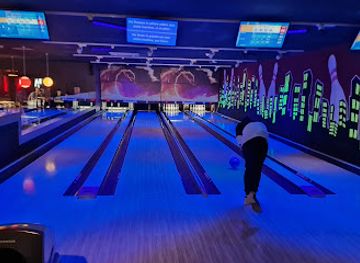
Club ENERGY - Bar Bowling Billiard Karaoke
Experience the ultimate nightlife at Club ENERGY, where bowling, billiards, and karaoke meet in a vibrant atmosphere in Escaldes-Engordany.
16 min drive · 5.2 km from city centre
-
Lounge
1001 Lounge Club
Discover the chic and vibrant 1001 Lounge Club in Andorra la Vella, offering stunning views, exquisite cocktails, and an unforgettable nightlife experience.
16 min drive · 5.4 km from city centre
-
Disco club
Klub Andorra
Discover the electrifying nightlife at Klub Andorra, a premier disco club in Andorra la Vella, perfect for dancing the night away.
17 min drive · 5.7 km from city centre
-
Disco club
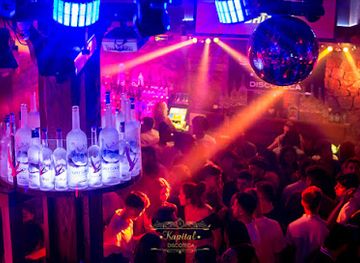
Kapital Andorra
Discover the exhilarating nightlife at Kapital Andorra, the ultimate disco club experience in the heart of Andorra la Vella.
18 min drive · 6.0 km from city centre


Best shops in Ordino
Shopping in Ordino is small-scale and closely tied to village life, outdoor recreation and local craft rather than large commercial centres. Independent shops and cafés in the parish capital provide everyday goods, food products, gifts and equipment for walkers or skiers, while specialist outlets associated with mountain activities appear along the wider valley. Visitors may find Andorran and Catalan delicacies, cheeses, cured meats, preserves, chocolate and locally inspired handicrafts, although selection varies by season and business. The parish's museums and heritage sites offer a more cultural form of browsing through traditional objects, postal history and miniature workmanship. For department stores, major international brands and a much wider retail choice, travellers generally go to Andorra la Vella and Escaldes-Engordany. Ordino's appeal lies in its modest independent character and in souvenirs connected to mountain landscapes and Andorran heritage.
-
Shopping mall
Centre Comercial Illa Carlemany
Experience the best of Andorra's shopping and dining at Centre Comercial Illa Carlemany, a must-visit destination for every tourist.
16 min drive · 5.3 km from city centre
-
Department store
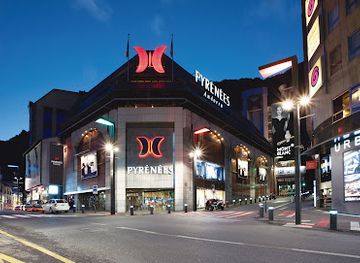
Pyrénées Andorra
Immerse yourself in the vibrant shopping and dining experience at Pyrénées Andorra, where every visit promises excitement and variety.
16 min drive · 5.4 km from city centre
-
Shopping mall
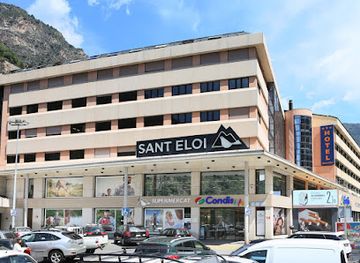
CENTRE COMERCIAL SANT ELOI
Discover unique shopping experiences and local cuisine at the vibrant Centre Comercial Sant Eloi, the perfect destination for tourists in Andorra.
32 min drive · 12 km from city centre
-
Used computer store
Portatiland
Explore Portatiland in Andorra la Vella for quality used computers and exceptional service amidst stunning landscapes.
17 min drive · 5.5 km from city centre


Get your free copy of our complete guide to Ordino, delivered straight to you.
Everything on this page, from attractions and restaurants to essentials and local phrases, in one PDF you can read offline, print or share.
Already have an account? Sign in
Your Ordino guide is ready.
We'll send it to · Not you? Sign out

Getting your guide ready…
We are putting together a fresh copy of the Ordino guide. This can take up to a minute.
This can take a few moments. If your browser asks, choose Allow so the download can start. You'll find the guide in your Downloads folder.
Nothing happened? Download it again
Sorry, the guide is taking longer than usual. Please try again in a minute, or get it by email instead.
Ordino essentials
Currency and Payment
Safety
Emergency Situations
Do's and Don'ts
Local Tips
From Eve
Local phrases worth knowing
You don't need to get them perfect. A few words go a long way, and locals appreciate the effort.
Basics
| English | Local | Say it |
|---|---|---|
| Hello | Hola | [oh-lah] |
| Goodbye | Adéu | [ah-deh-oo] |
| Yes | Sí | [see] |
| No | No | [noh] |
| Please/You're welcome | Si us plau | [see oos plow] |
| Thank you | Gràcies | [grah-si-ehs] |
| Excuse me/Sorry | Perdó | [pehr-doh] |
| How are you? | Com estàs? | [kohm ehs-tahs] |
| Fine. And you? | Bé. I tu? | [beh ee too] |
| Do you speak English? | Parles anglès? | [pahr-lehs ahn-glehs] |
| I don't understand | No entenc | [noh ehn-tehnk] |
Eating & Drinking
| English | Local | Say it |
|---|---|---|
| I'd like to see the menu, please | Voldria veure la carta, si us plau | [vohl-dree-ah veh-oo-reh lah kahr-tah, see oos plow] |
| I don't eat meat | No menjo carn | [noh mehn-joh kahrn] |
| Cheers! | Salut! | [sah-lookt] |
| I would like to pay, please | Voldria pagar, si us plau | [vohl-dree-ah pah-gahr, see oos plow] |
Emergencies
| English | Local | Say it |
|---|---|---|
| Help! | Ajuda! | [ah-hoo-dah] |
| Go away! | Ves-te'n! | [vehs-tehn] |
| Call the Police! | Truca a la policia! | [troo-kah ah lah poh-lee-see-ah] |
| Call a doctor! | Truca un metge! | [troo-kah oon meh-tcheh] |
| I'm lost | Estic perdut | [ehs-teek pehr-dooh] |
| I'm ill | Estic malalt | [ehs-teek mah-lahlt] |
Shopping
| English | Local | Say it |
|---|---|---|
| I'd like to buy... | Voldria comprar... | [vohl-dree-ah kohm-prahr] |
| I'm just looking | Només estic mirant | [noh-mehs ehs-teek mee-rahnt] |
| How much is it? | Quant val? | [kwahnt vahl] |
| That's too expensive | Això és massa car | [eh-shoh ehs mah-sah kahr] |
| Can you lower the price? | Pots baixar el preu? | [pots bahy-shahr ehl preh-oo] |
Time & Numbers
| English | Local | Say it |
|---|---|---|
| What time is it? | Quina hora és? | [kee-nah oh-rah ehs] |
| It's one o'clock | És la una en punt | [ehs lah oo-nah ehn poont] |
| Half past (10) | Dos quarts de onze | [dohs kwahrts deh ohn-tseh] |
| Morning | Matí | [mah-tee] |
| Afternoon | Tarda | [tahr-dah] |
| Evening | Vespre | [vehs-preh] |
| Yesterday | Ahir | [ah-eer] |
| Today | Avui | [ah-voo-ee] |
| Tomorrow | Demà | [deh-mah] |
| 1 | Un | [oon] |
| 2 | Dos | [dohs] |
| 3 | Tres | [trehs] |
| 4 | Quatre | [kwah-truh] |
| 5 | Cinc | [seengk] |
| 6 | Sis | [sees] |
| 7 | Set | [seht] |
| 8 | Vuit | [bweeht] |
| 9 | Nou | [noh] |
| 10 | Deu | [deh-oo] |
Transport & Directions
| English | Local | Say it |
|---|---|---|
| Where's a/the...? | On és un/el...? | [ohn ehs oon/ehl] |
| What's the address? | Quina és la direcció? | [kee-nah ehs lah dee-rehk-syoh] |
| Can you show me (on the map)? | Em pots ensenyar (al mapa)? | [ehm poh-ts ehn-sehn-yahr (ahl mah-pah)] |
| When's the next (bus)? | Quan és el proper (autobús)? | [kwahn ehs ehl proh-pehr (ow-toh-boos)] |
| A ticket (to ....) | Un bitllet (a ....) | [oon bee-lyet (ah)] |
History of Ordino
Early Mountain Settlement
Ordino developed within the traditional mountain society of the Andorran valleys, where settlement followed fertile terraces, watercourses and routes linking the high Pyrenees. Medieval communities combined small-scale cereal cultivation, livestock rearing, forestry and the use of mountain pastures. The parish's churches and scattered hamlets reflect this pattern of habitation: rather than a single dense urban centre, Ordino grew as a network of villages connected by paths and valley roads. Written references to Andorra appear in the early medieval period, although the precise beginnings of individual settlements are difficult to establish. The Romanesque church at La Cortinada and other surviving religious buildings provide tangible evidence of the social and spiritual structures that organised local life during the Middle Ages.
The Paréage and Andorran Institutions
Ordino's political history is inseparable from that of Andorra. The paréage agreements of 1278 and 1288 established the joint lordship of the Bishop of Urgell and the Count of Foix, whose rights later passed to the French crown and then to the French head of state. This unusual arrangement gave the valleys a durable framework of local administration while preserving a high degree of communal self-government. Ordino, like the other parishes, was governed through local councils and customary practices that regulated land, water and pasture. The parish's historic houses and churches belong to a landscape shaped by this long continuity of small-scale institutions rather than by royal urban planning.
Iron, Water and Rural Industry
From the early modern period into the nineteenth century, ironworking became an important part of Ordino's economic history. Local ore, forests for charcoal and mountain streams for power supported the operation of small forges, including the Farga Rossell in neighbouring La Massana, while the Ordino valley itself retained evidence of mining and metalworking activity. Iron was processed for tools, fittings and other goods before changing markets and limited resources led the industry into decline. At the same time, farming, forestry and livestock remained central to parish life. The Iron Route and related heritage sites interpret this industrial past, showing how Andorra's apparently remote landscape was connected to wider commercial networks.
The Areny-Plandolit Family
The Areny-Plandolit family became one of Ordino's most prominent landowning and political families during the eighteenth and nineteenth centuries. Their manor house, Casa d'Areny-Plandolit, preserves an unusually detailed picture of elite domestic life in Andorra, with furniture, personal objects and rooms that reveal both local customs and wider European influences. Members of the family were involved in parish and national affairs at a time when older agrarian structures were beginning to encounter economic and social change. The house is significant not simply for its architecture but for the way it documents hierarchy, education, commerce and household life in a small Pyrenean society before tourism transformed the country.
Modernisation and the Tourist Economy
During the twentieth century, Andorra moved gradually from a predominantly rural economy towards commerce, services and tourism. Improvements to roads reduced the isolation of Ordino's villages, while better access to the mountains encouraged hiking, winter sports and cultural tourism. The parish retained more of its traditional village character than the built-up areas around Andorra la Vella and Escaldes-Engordany, partly because development followed the narrow valley and remained concentrated in established settlements. Skiing at Ordino-Arcalís and the growing interest in protected landscapes introduced new seasonal activity, while museums and restored churches helped preserve the memory of farming, ironworking and domestic life.
Protected Landscapes and Cultural Continuity
In the contemporary parish, conservation has become an important part of Ordino's identity. Sorteny Valley Nature Park, created to protect its exceptional mountain flora and habitats, places environmental stewardship alongside recreation and scientific interest. The parish's cultural institutions continue to interpret local history through domestic architecture, postal objects, miniature art and religious heritage. Ordino's development therefore reflects two complementary forms of continuity: the preservation of built and material traditions, and the protection of the highland environment that supported earlier communities. Modern visitors encounter a landscape where rural settlement, cultural memory and outdoor activity remain closely connected.
Travel experiences inspired by this city
-
 12 Day Trip
Family Trekking Escape in Aigüestortes i Estany de Sant Maurici
Family hiking in Spain’s Aigüestortes i Estany de Sant Maurici: alpine lakes, scenic trails, refugios, and Catalan mountain cuisine—tips from a Nepali chef.
12 Day Trip
Family Trekking Escape in Aigüestortes i Estany de Sant Maurici
Family hiking in Spain’s Aigüestortes i Estany de Sant Maurici: alpine lakes, scenic trails, refugios, and Catalan mountain cuisine—tips from a Nepali chef.
 12 Aug 2026
By Rama Thapa -
 9 Day Trip
Exploring the Majestic Pyrenees: A Hiking Adventure with My Wife
Join us as we embark on a thrilling hiking adventure in the Pyrenees Mountains, discovering breathtaking landscapes and hidden gems with my wife.
9 Day Trip
Exploring the Majestic Pyrenees: A Hiking Adventure with My Wife
Join us as we embark on a thrilling hiking adventure in the Pyrenees Mountains, discovering breathtaking landscapes and hidden gems with my wife.
 5 Mar 2026
By Giorgos Georgiou -
 9 Day Trip
A Solo Retreat in Aigüestortes National Park
Discover the serene beauty of Aigüestortes National Park on a solo journey, exploring stunning landscapes and finding inspiration in nature.
9 Day Trip
A Solo Retreat in Aigüestortes National Park
Discover the serene beauty of Aigüestortes National Park on a solo journey, exploring stunning landscapes and finding inspiration in nature.
 15 Oct 2025
By Maria Bakker -
 8 Day Trip
Solo Adventure in Aigüestortes National Park
Explore the breathtaking landscapes of Aigüestortes National Park on a solo journey, embracing nature and photography in the heart of Spain.
8 Day Trip
Solo Adventure in Aigüestortes National Park
Explore the breathtaking landscapes of Aigüestortes National Park on a solo journey, embracing nature and photography in the heart of Spain.
 10 Oct 2025
By Daniel Young -
 13 Day Trip
Solo Adventure in Aigüestortes: Embracing Nature's Splendor
Explore the captivating landscapes of Aigüestortes i Estany de Sant Maurici National Park on a solo adventure, reconnecting with nature in the heart of the Pyrenees.
13 Day Trip
Solo Adventure in Aigüestortes: Embracing Nature's Splendor
Explore the captivating landscapes of Aigüestortes i Estany de Sant Maurici National Park on a solo adventure, reconnecting with nature in the heart of the Pyrenees.
 5 Jul 2025
By Frida Kristiansen
Swipe for more travel diaries
Ordino in Photos
Browse through our photo collection highlighting the charm and character of the destination.
Cities near Ordino
The closest cities to Ordino, if you have time for more than one stop.
-

-

-

-
-


Swipe for more cities
Explore more
Explore more of Andorra
Explore Andorra: A mountain paradise offering stunning landscapes, world-class skiing, tax-free shopping, and rich cultural experiences in the heart of the Pyrenees.
Explore Andorra