

Free Cuanza River Valley Travel Guide & Mobile App
Explore Cuanza River Valley with free travel guides. Discover regional history, expert tips, proposed trips, and audio guides on web or mobile app.


Explore Angola’s Cuanza River Valley for river landscapes, colonial history, historic Muxima and Massangano, rural culture and hydroelectric heritage.
Read more about Cuanza River Valley
When is the best time to visit Cuanza River Valley?
Best: July–September · 23–27°C| Month | High (°C) | Rainfall (mm) |
|---|---|---|
| January | 27 | 150 |
| February | 28 | 140 |
| March | 28 | 130 |
| April | 28 | 120 |
| May | 26 | 110 |
| June | 24 | 100 |
| July (best) | 23 | 90 |
| August (best) | 24 | 80 |
| September (best) | 27 | 90 |
| October | 28 | 110 |
| November | 28 | 130 |
| December | 27 | 140 |
Getting to and around Cuanza River Valley
How to get there
Transportation
Top city travel guides in Cuanza River Valley
The cities of Cuanza River Valley, and the easiest places to base yourself.
-

-


Swipe for more cities
Destinations in Cuanza River Valley
Resorts, valleys and scenic spots worth a trip of their own.

Swipe for more destinations
Best attractions in Cuanza River Valley
The Cuanza River Valley’s attractions are spread across a broad corridor rather than concentrated in one resort town. Historic travel centres include Massangano, with its colonial-era fortifications and church, and Muxima, where a well-known Catholic sanctuary and old Portuguese fort overlook the lower river landscape. Around Dondo and Cambambe, the river itself is the principal natural attraction, providing opportunities for scenic drives, fishing, birdwatching and carefully arranged boat excursions. The Cambambe hydroelectric complex adds an important layer of industrial heritage, although access to operational infrastructure is controlled and should never be assumed. Rural roads lead through agricultural areas, woodland and settlements where daily life remains closely connected to the Cuanza and its tributaries. The valley is not Angola’s easiest destination for independent wildlife tourism, but patient visitors may see waterbirds and other riverine species. Its appeal lies in combining landscape, living communities, religious heritage, colonial history and modern engineering rather than in a long list of formal visitor facilities.
-
Observatory
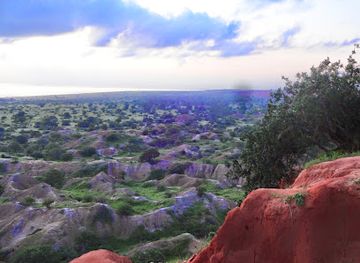
Viewpoint of the Moon
Discover Angola's lunar landscape at Miradouro da Lua: a breathtaking vista of sculpted cliffs and vibrant colors just south of Luanda.
-
Tourist attraction
Parque Nacional do Quicama
Explore the breathtaking landscapes and diverse wildlife of Parque Nacional do Quicama, a premier national park in Angola, perfect for nature lovers and adventurers.
-
Museum
Museum of Natural History
Explore Angola's natural wonders at Luanda's National Museum of Natural History, showcasing the nation's diverse ecosystems and wildlife.
-
Peninsula
Peninsula Mussulo
Escape to Mussulo Peninsula: Pristine beaches, turquoise waters, and vibrant island life await near Luanda, Angola.


Best landmarks in Cuanza River Valley
The valley’s most recognisable landmarks are linked to its river position and its long history of colonial contact. Massangano’s historic fortifications and church stand among the clearest reminders of the Portuguese advance along the Cuanza, although the surviving structures should be viewed as part of a contested history rather than as isolated colonial monuments. In Muxima, the Catholic sanctuary is a prominent religious landmark whose continuing importance is reinforced by pilgrimage, while the nearby old fort reflects the strategic value once attached to the river route. The Cambambe dam and associated reservoirs form a very different landmark: a large-scale twentieth-century intervention that changed the valley’s geography and represents Angola’s investment in hydroelectric power. The Cuanza itself is the defining natural landmark, especially where broad water surfaces, wooded banks and dry hills come together. Access to historic and engineering sites can be restricted, so visitors should follow local instructions and avoid treating operational infrastructure as an ordinary sightseeing viewpoint.
-
Fortress
Fortaleza de São Miguel
Explore Luanda's Fortaleza de São Miguel: A 16th-century fortress with panoramic views, rich history, and the Museum of the Armed Forces.
-
Observatory
Viewpoint of the Moon
Discover the stunning sights of the Viewpoint of the Moon, where nature's beauty meets breathtaking ocean views in Belas, Angola.
-
National park
Parque Nacional do Quicama
Experience the wild beauty of Parque Nacional do Quicama, Angola's stunning national park, home to diverse wildlife and unique ecosystems.
-
Museum
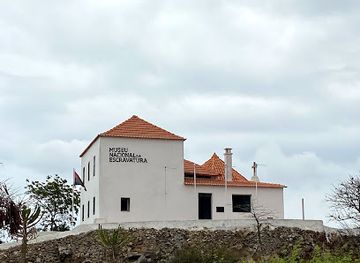
National Slavery Museum
Explore the National Slavery Museum in Belas, where history comes alive through powerful exhibits and narratives about the impact of slavery.
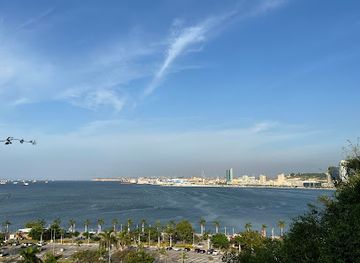
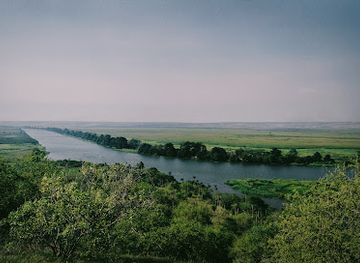
Explore Cuanza River Valley on the map
Plan your trip on one map. See where the top cities, national parks and sights are, and book hotels and experiences in a few clicks.
Best hotels in Cuanza River Valley
Best restaurants in Cuanza River Valley
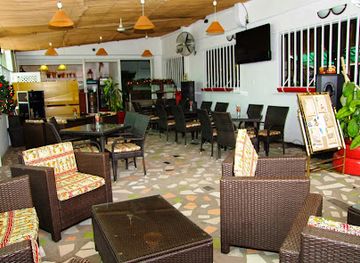
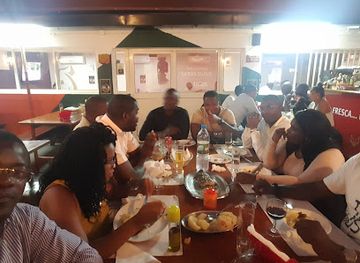
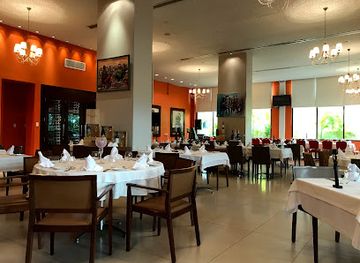
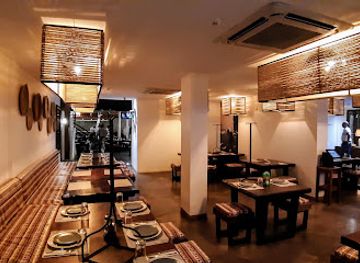
Dining in the Cuanza River Valley is generally simple and locally oriented, with the most dependable choices found in Dondo, Muxima and roadside settlements rather than in a dedicated restaurant district. Meals may include funge, a firm cassava- or maize-based accompaniment, served with fish, chicken, stewed meat or vegetable sauces. Freshwater fish is associated with the river, although availability and preparation vary by season and location. Rice, beans, cassava, plantains and grilled meats are also common across Angola and should not be presented as exclusive to the valley. Small eateries and informal food stalls provide inexpensive meals, while guesthouses may offer food by arrangement, particularly in rural areas. Luanda is the stronger place for international dining and for stocking provisions before departure. Travellers should carry water and basic snacks on long drives, confirm meal arrangements ahead of time and use busy, well-maintained food establishments where hygiene standards are clear.
-
Portuguese
O Madeirense Cidade
Experience authentic Portuguese flavors in Luanda at O Madeirense Cidade - where every meal tells a story.
-
Seafood
Restaurante la Vigia
Discover exquisite seafood dining at Restaurante la Vigia in Luanda - where Angolan flavors meet exceptional service.
-
Restaurant
Espaço Luanda
Explore the rich flavors and vibrant atmosphere at Espaço Luanda, where traditional Angolan cuisine meets modern dining elegance.
-
Restaurant
Restaurante Madeirense Mar
Discover authentic Angolan cuisine at Restaurante Madeirense Mar in Luanda – where tradition meets flavor in every bite.
Best bars in Cuanza River Valley
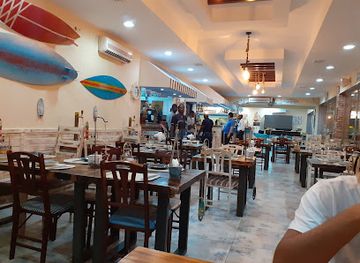
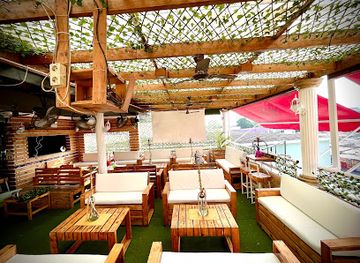
Nightlife in the Cuanza River Valley is modest and community-based rather than club-focused. In Dondo and other larger settlements, evenings may centre on local bars, restaurants and informal music, while smaller communities generally become quiet after dark. Muxima’s atmosphere is strongly shaped by religious activity and pilgrimage rather than nightlife, and visitors should not expect a major entertainment district. Portuguese- and Angolan-influenced popular music may be heard in social venues, but performances and opening arrangements are not reliably scheduled for visitors. Guesthouses and roadside establishments can provide a place for a drink or conversation, though choice is limited outside the towns. Luanda, outside the region, offers Angola’s broadest selection of bars, live music and late-night venues. In the valley, prioritise safe transport, avoid walking unfamiliar roads at night and respect local communities when music or social gatherings take place near accommodation.
-
Bar
BAR BAR
Experience the lively atmosphere and delightful drinks at Bar Bar, Luanda's premier nightlife destination for locals and tourists alike.
-
Cocktail bar
Heritage Lounge Bar
Discover the heart of Luanda's nightlife at Heritage Lounge Bar, where signature cocktails and lively disco beats create an unforgettable experience.
-
Lounge
Tudilu Royal Lounge & Bar
Discover the vibrant elegance of Tudilu Royal Lounge & Bar, where exquisite cocktails and local culture collide in Luanda's nightlife.
-
Cocktail bar
Update Grupo
Discover the vibrant Update Grupo in Luanda, a cocktail bar and musical club offering delightful drinks, fast food, and a lively atmosphere for memorable nights.


Best nightclubs in Cuanza River Valley
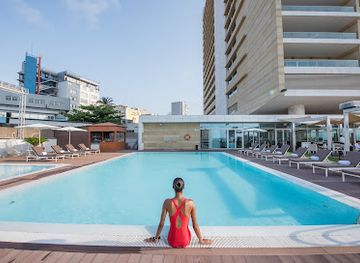
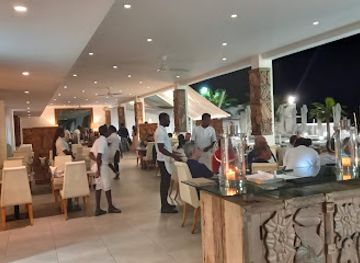
Nightlife in the Cuanza River Valley is modest and community-based rather than club-focused. In Dondo and other larger settlements, evenings may centre on local bars, restaurants and informal music, while smaller communities generally become quiet after dark. Muxima’s atmosphere is strongly shaped by religious activity and pilgrimage rather than nightlife, and visitors should not expect a major entertainment district. Portuguese- and Angolan-influenced popular music may be heard in social venues, but performances and opening arrangements are not reliably scheduled for visitors. Guesthouses and roadside establishments can provide a place for a drink or conversation, though choice is limited outside the towns. Luanda, outside the region, offers Angola’s broadest selection of bars, live music and late-night venues. In the valley, prioritise safe transport, avoid walking unfamiliar roads at night and respect local communities when music or social gatherings take place near accommodation.
-
Hotel
EPIC SANA Luanda Hotel
Discover unparalleled luxury and vibrant nightlife at EPIC SANA Luanda Hotel, the ultimate destination for discerning travelers in Angola's capital.
-
Restaurant
Clube S
Experience the vibrant nightlife and exquisite cuisine at Clube S, Luanda's top destination for dining and dancing.
-
Restaurant
Lookal Beach Club
Discover the elegance of Lookal Beach Club in Luanda, a culinary gem blending local flavors with stunning ocean views.
-
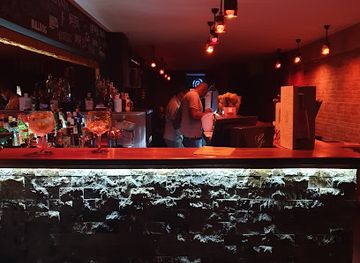
Bar
Gin Bar
Discover the vibrant nightlife of Luanda at the Gin Bar, where exquisite gin selections and a lively atmosphere await every visitor.

Best shops in Cuanza River Valley
Shopping in the Cuanza River Valley is practical and local rather than centred on large retail complexes. Dondo and other settlements have small markets and informal shops selling food, household goods, clothing and travel necessities, while roadside stalls may offer seasonal agricultural produce. Visitors may find fish, cassava products, fruit and locally made crafts, although availability is inconsistent and quality varies. Small handmade items can provide more meaningful souvenirs than imported goods, but ask permission before photographing artisans or their work and avoid purchasing archaeological objects or anything that may have been removed from a historic site. Luanda, outside the region, is the better place for dependable card payments, specialist shopping, books, quality crafts and gifts associated with Angola more broadly. In the valley, carry cash in small denominations, compare prices politely and remember that market activity can be seasonal and particularly limited on quiet rural roads.
-
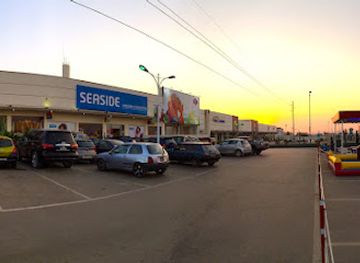
Shopping mall
Ginga Shopping
Explore Ginga Shopping in Luanda - a vibrant shopping mall with diverse stores, delightful dining, and entertainment options for every visitor.
Get your free copy of our complete guide to Cuanza River Valley, delivered straight to you.
Everything on this page, from attractions and restaurants to essentials and local phrases, in one PDF you can read offline, print or share.
Already have an account? Sign in
Your Cuanza River Valley guide is ready.
We'll send it to · Not you? Sign out

Getting your guide ready…
We are putting together a fresh copy of the Cuanza River Valley guide. This can take up to a minute.
This can take a few moments. If your browser asks, choose Allow so the download can start. You'll find the guide in your Downloads folder.
Nothing happened? Download it again
Sorry, the guide is taking longer than usual. Please try again in a minute, or get it by email instead.
Cuanza River Valley essentials
Currency and Payment
Safety
Emergency Situations
Do's and Don'ts
Local Tips
From Eve
Local phrases worth knowing
You don't need to get them perfect. A few words go a long way, and locals appreciate the effort.
Basics
| English | Local | Say it |
|---|---|---|
| Hello | Olá | [oh-lah] |
| Goodbye | Adeus | [ah-deh-oos] |
| Yes | Sim | [seem] |
| No | Não | [now] |
| Please/You're welcome | Por favor | [poor fah-vor] |
| Thank you | Obrigado | [oh-bree-gah-doo] |
| Excuse me/Sorry | Desculpe | [deh-skool-peh] |
| How are you? | Como você está? | [koh-moo voh-seh es-tah] |
| Fine. And you? | Bem. E você? | [behm. eh voh-seh] |
| Do you speak English? | Você fala inglês? | [voh-seh fah-lah ing-les] |
| I don't understand | Eu não entendo | [eh-oo now en-ten-doo] |
Eating & Drinking
| English | Local | Say it |
|---|---|---|
| I'd like to see the menu, please | Eu gostaria de ver o cardápio, por favor | [eh-oo go-stah-ree-ah jeh vehr oo kar-dah-pee-oh, poor fah-vor] |
| I don't eat meat | Eu não como carne | [eh-oo now koh-moo kar-nee] |
| Cheers! | Saúde! | [sah-oo-dee] |
| I would like to pay, please | Eu gostaria de pagar, por favor | [eh-oo go-stah-ree-ah jeh pah-gar, poor fah-vor] |
Emergencies
| English | Local | Say it |
|---|---|---|
| Help! | Ajuda! | [ah-zhoo-dah] |
| Go away! | Vá embora! | [vah em-boh-rah] |
| Call the Police! | Chame a polícia! | [sha-meh ah poh-lee-see-ah] |
| Call a doctor! | Chame um médico! | [sha-meh oong meh-di-co] |
| I'm lost | Estou perdido | [es-toh pehr-dee-doo] |
| I'm ill | Estou doente | [es-toh do-ehn-chee] |
Shopping
| English | Local | Say it |
|---|---|---|
| I'd like to buy... | Eu gostaria de comprar... | [eh-oo go-stah-ree-ah jeh kom-prahr] |
| I'm just looking | Estou apenas olhando | [es-toh ah-peh-nas oh-lhan-doo] |
| How much is it? | Quanto custa? | [kwan-toh koos-tah] |
| That's too expensive | Isso é muito caro | [ee-soh eh mu-ee-toh kah-roh] |
| Can you lower the price? | Você pode baixar o preço? | [voh-seh poh-jee bye-shar oo preh-soo] |
Time & Numbers
| English | Local | Say it |
|---|---|---|
| What time is it? | Que horas são? | [keh oh-ras sah-o] |
| It's one o'clock | É uma hora | [eh oo-mah oh-rah] |
| Half past (10) | Dez e meia | [dehz eh may-ah] |
| Morning | Manhã | [mahn-yah] |
| Afternoon | Tarde | [tar-deh] |
| Evening | Noite | [noy-chee] |
| Yesterday | Ontem | [on-tem] |
| Today | Hoje | [oh-zhee] |
| Tomorrow | Amanhã | [ah-mahn-yah] |
| 1 | Um | [oom] |
| 2 | Dois | [doys] |
| 3 | Três | [trehz] |
| 4 | Quatro | [kwah-tro] |
| 5 | Cinco | [seen-koh] |
| 6 | Seis | [says] |
| 7 | Sete | [seh-chee] |
| 8 | Oito | [oy-toh] |
| 9 | Nove | [noh-veh] |
| 10 | Dez | [dehz] |
Transport & Directions
| English | Local | Say it |
|---|---|---|
| Where's a/the...? | Onde fica um/a...? | [on-deh fee-kah oong/ah] |
| What's the address? | Qual é o endereço? | [kwal eh oo en-deh-reh-soo] |
| Can you show me (on the map)? | Você pode me mostrar (no mapa)? | [voh-seh poh-jee meh mohs-trar (no mah-pah)] |
| When's the next (bus)? | Quando é o próximo (ônibus)? | [kwan-do eh oo proh-see-mo (oh-nee-boos)] |
| A ticket (to ....) | Um bilhete (para....) | [oom bee-lyeh-chee (pah-rah)] |
History of Cuanza River Valley
River Communities and Interior Exchange
Long before Portuguese occupation, communities along the Cuanza and its tributaries farmed fertile ground, fished, traded and moved goods between the interior and the Atlantic-facing lowlands. The river was not an empty frontier but part of a network linking political communities in central and western Angola. Settlement patterns changed over time as people responded to agriculture, local authority, trade and conflict. Although surviving written records are heavily shaped by later colonial observers, the valley’s continuing village life reflects a much older relationship with the river.
Portuguese Expansion along the Cuanza
From the sixteenth century, Portuguese traders, missionaries and soldiers used the Cuanza corridor to penetrate inland from the coast. Their expansion depended on alliances and conflict with African states and communities, and it was never a simple or uniform process. River crossings and fortified settlements became important points of control. The valley consequently entered the wider history of Atlantic commerce, Christian missions, enslavement and colonial competition, with effects that reached far beyond the settlements directly occupied by Portuguese forces.
Massangano and the Seventeenth-Century Frontier
Massangano became one of the best-known Portuguese strongholds on the Cuanza. Its fortifications and church reflected the military and religious ambitions of the colonial presence, while its location made it a strategic river settlement. The surrounding region was also shaped by resistance, negotiation and the movement of captives and goods. Today, Massangano’s historic remains are important less as isolated monuments than as evidence of the contested frontier that linked Luanda with the Angolan interior during the early centuries of Portuguese rule.
Dondo, Trade and Colonial Administration
Dondo developed as a significant settlement and trading point in the middle Cuanza Valley. Its position supported connections between river transport, agricultural production and the routes leading towards Luanda and the interior. Under colonial rule, such settlements became increasingly tied to administrative and commercial systems that reorganised land, labour and movement. The town’s history therefore belongs both to the local river economy and to the larger colonial project of extracting agricultural and commercial value from central Angola.
Hydroelectric Development at Cambambe
The construction and expansion of the Cambambe hydroelectric scheme marked a major transformation of the Cuanza landscape. Dams, reservoirs, roads and transmission infrastructure altered river flow and created a modern industrial presence within a predominantly rural setting. Hydroelectric development became particularly important to Angola during the twentieth century and after independence, when expanding electricity generation was linked to reconstruction and economic development. The valley now contains both historic river settlements and infrastructure representing the country’s modern energy ambitions.
Independence, Civil War and Reconstruction
Angola achieved independence from Portugal in 1975, followed by a prolonged civil war that affected transport, rural livelihoods and public infrastructure across the country. Cuanza Valley communities experienced the disruption unevenly, while roads and services were gradually rebuilt after the war ended in 2002. Improved access has strengthened connections with Luanda and inland towns, but many rural areas remain lightly serviced. Contemporary travel through the valley therefore reveals both the legacy of conflict and the continuing process of regional development.
Muxima and the Continuing Religious Landscape
Muxima became an important Catholic pilgrimage centre around its historic church and sanctuary, whose origins belong to the Portuguese colonial period. The settlement’s religious significance has endured through political and social change, and major observances can bring large numbers of worshippers to the lower Cuanza. The site illustrates how colonial-built religious institutions can acquire a continuing local and national meaning, while also showing that the valley’s heritage is not confined to ruins: it remains connected to active worship and community life.
Cuanza River Valley in Photos
Browse through our photo collection highlighting the charm and character of the destination.
Neighbouring regions of Cuanza River Valley
The closest regions to Cuanza River Valley, if you have time for more than one.
-

-

-

-

-


Swipe for more regions
Explore more

Explore more of Angola
Discover Angola's vibrant cities, stunning coastlines, and rich cultural heritage. An African destination that combines urban excitement with natural wonders.
Explore Angola