

Free Central Highlands Travel Guide & Mobile App
Explore Central Highlands with free travel guides. Discover regional history, expert tips, proposed trips, and audio guides on web or mobile app.


Explore Angola’s Central Highlands for cool plateau landscapes, Huambo and Cuito, Ovimbundu heritage, rural markets and historic inland journeys.
Read more about Central Highlands
When is the best time to visit Central Highlands?
Best: May–June, August · 23–24°C| Month | High (°C) | Rainfall (mm) |
|---|---|---|
| January | 25 | 150 |
| February | 26 | 130 |
| March | 26 | 110 |
| April | 26 | 90 |
| May (best) | 24 | 70 |
| June (best) | 23 | 60 |
| July | 22 | 60 |
| August (best) | 23 | 70 |
| September | 24 | 90 |
| October | 25 | 110 |
| November | 25 | 130 |
| December | 25 | 150 |
Getting to and around Central Highlands
How to get there
Transportation
Best attractions in Central Highlands
The Central Highlands offer a travel experience built around landscape, history and living culture rather than a large collection of formal visitor attractions. Huambo’s urban fabric, public squares and surviving colonial-era buildings provide an introduction to the region’s complicated past, while local museums and cultural institutions can help place the city within the history of the Ovimbundu interior. Bailundo is significant for its association with one of the highland kingdoms and is best approached as a place of historical context rather than a fully developed sightseeing circuit. Around Huambo and Cuito, open plateaux, cultivated fields, streams, granite formations and eucalyptus-covered slopes create opportunities for photography, birdwatching and guided countryside drives. The Benguela Railway is important both as transport and as industrial heritage, linking the region’s modern development to the coast. Markets in the provincial capitals and smaller settlements offer insight into farming, food and trade, while churches and community institutions reflect the enduring influence of mission activity. Rural excursions require planning, local permission and realistic expectations: many places have no formal signage, ticket office or visitor infrastructure.
-
Tourist attraction
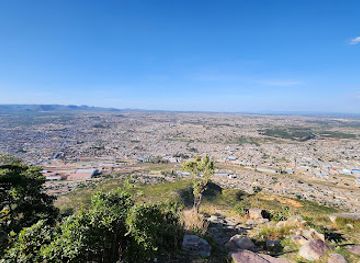
Christ the King Statue
Discover Lubango's iconic Christ the King statue: a symbol of faith, history, and breathtaking panoramic views of Angola's southern highlands.
-
Park
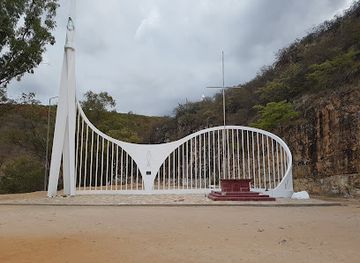
Our Lady Of Senhora De Monte Park
Discover spiritual solace and panoramic views at Our Lady of Senhora de Monte Park in Lubango, a historic landmark and scenic retreat.
-
Mountain peak
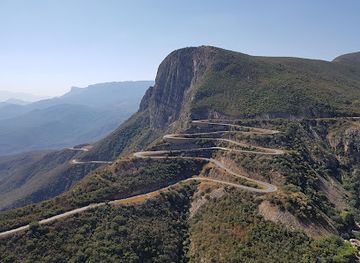
Serra da Leba
Experience the breathtaking Serra da Leba in Angola: dramatic mountain views, thrilling drives, and rich cultural experiences await!
-
Beach pavillion
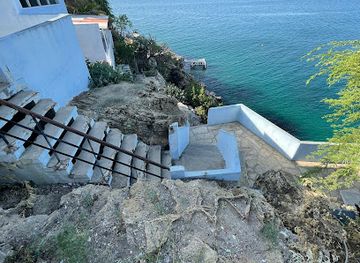
Praia da Caotinha
Discover Praia da Caotinha in Benguela: a hidden gem with crystal-clear waters, stunning rock formations, and serene beauty, perfect for diving and relaxation.
Best landmarks in Central Highlands
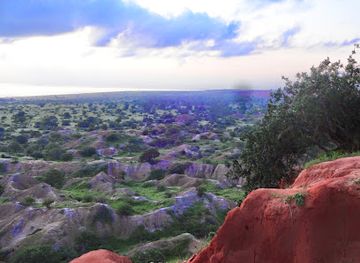
Huambo’s central civic layout and surviving Portuguese-era architecture are among the clearest built reminders of the city’s development as Nova Lisboa and its later role as an independent Angolan provincial capital. Their significance lies not only in architectural form but also in the political and railway history attached to the city. Cuito is marked more strongly by the physical and social memory of the civil war, although visitors should approach such places respectfully and avoid treating wartime damage as spectacle. The Benguela Railway is the region’s defining infrastructure landmark: its bridges, stations, track and continuing freight and passenger role express the connection between the Atlantic port and the agricultural and mineral interior. Bailundo carries particular historical importance as the centre associated with a major Ovimbundu kingdom. Beyond built heritage, the high plateau itself is a geographical landmark, with broad horizons, elevated grasslands, red soils and isolated rock formations defining the visual character of central Angola.
-
Observatory
Viewpoint of the Moon
Experience breathtaking views and serene nature at the Viewpoint of the Moon in Belas, a premier tourist attraction for nature lovers and adventurers alike.
-
Tourist attraction
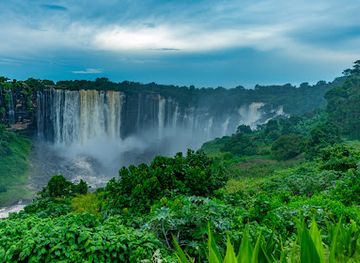
Calandula Falls
Experience the breathtaking beauty of Calandula Falls, a stunning natural wonder in Angola, showcasing majestic waterfalls and rich biodiversity.
-
National park
Parque Nacional do Quicama
Explore the stunning landscapes and diverse wildlife of Parque Nacional do Quicama, a true gem of Angola's natural heritage.
-
Tourist attraction
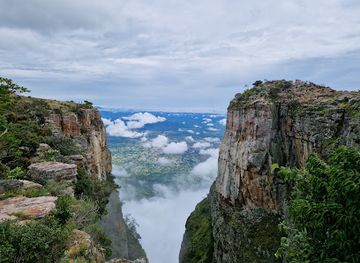
Tundavala Gap
Experience the breathtaking beauty of Tundavala Gap, a stunning natural attraction with dramatic views and a rich ecosystem near Lubango, Angola.
Explore Central Highlands on the map
Plan your trip on one map. See where the top cities, national parks and sights are, and book hotels and experiences in a few clicks.
Best hotels in Central Highlands
Best restaurants in Central Highlands
Dining in the Central Highlands is closely connected to the plateau’s farming economy and to the wider culinary traditions of Angola. Maize, cassava, beans, greens, sweet potatoes and groundnuts appear frequently, while chicken, goat and occasionally beef provide familiar accompaniments in town restaurants and informal eateries. Funge, a soft staple made from cassava or maize flour, is commonly served with stews, sauces and grilled foods, although recipes and textures vary between households and communities. In Huambo and Cuito, visitors will find Portuguese-influenced cooking alongside Angolan dishes, including grilled meat, rice-based meals, bread, pastries and simple cafés. Markets are useful for seasonal fruit and locally grown vegetables, but food hygiene standards vary, so choose busy stalls where produce is cooked thoroughly and turnover is high. Restaurant choice is greatest in the provincial capitals; outside them, meals may need to be arranged through accommodation or roadside establishments.
-
Restaurant
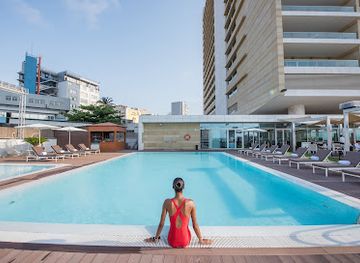
EPIC SANA Luanda Hotel
Experience unparalleled luxury at EPIC SANA Luanda Hotel—where comfort meets vibrant Angolan culture.
-
Restaurant
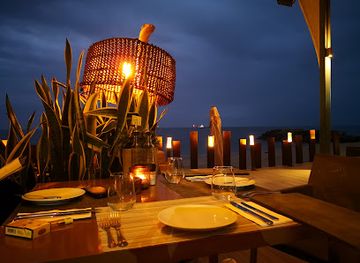
Restaurante Café Del Mar
Discover exquisite dining at Restaurante Café Del Mar in Luanda—where culinary artistry meets breathtaking ocean views.
-
Portuguese
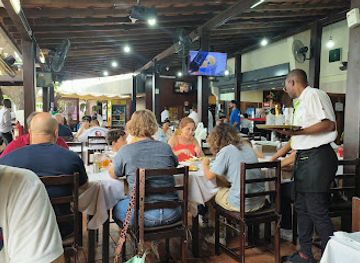
Restaurante São João
Experience authentic Portuguese cuisine in Luanda at Restaurante São João - where every dish tells a story.
-
Portuguese
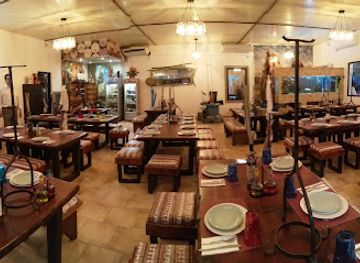
O Madeirense Cidade
Discover the essence of Portuguese cuisine at O Madeirense Cidade in Luanda, where every dish tells a story.
Best bars in Central Highlands
Nightlife in the Central Highlands is concentrated in Huambo and Cuito and is generally more urban and modest in scale than the scenes found in Luanda. Bars, hotel lounges, neighbourhood drinking spots and restaurants provide the main evening options, with music often forming a larger part of social life than dedicated clubbing. Angolan popular music, including styles heard nationally, may be played alongside local performers and recorded Portuguese-language music. Huambo has the broadest selection of places open after dark, while Cuito’s evening activity is more closely tied to central commercial areas and local hospitality. Smaller towns and rural districts usually quieten early, apart from occasional community celebrations or live music. Check local advice on venue status, transport and security, avoid displaying valuables, and arrange a reliable way back to accommodation rather than walking long distances late at night.
-
Hotel
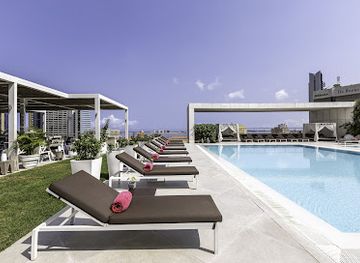
EPIC SANA Luanda Hotel
Discover luxury and relaxation at EPIC SANA Luanda Hotel, a premier destination for tourists in the heart of Angola's vibrant capital.
-
Restaurant
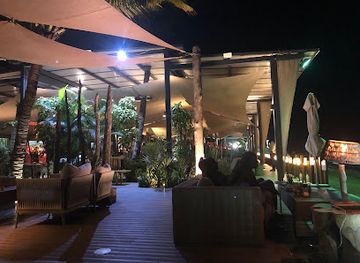
Restaurante Café Del Mar
Experience the best of Angolan cuisine at Restaurante Café Del Mar, where stunning views and vibrant flavors create an unforgettable dining experience.
-
Portuguese
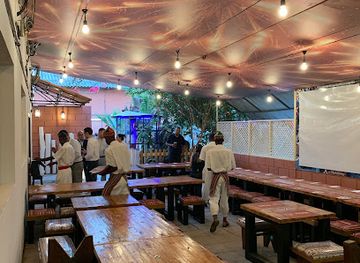
O Madeirense Cidade
Discover the essence of Portuguese cuisine at O Madeirense Cidade in Luanda, where tradition meets hospitality in a vibrant setting.
-
Seafood
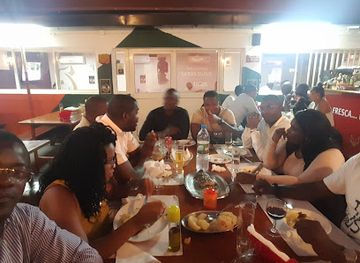
Restaurante la Vigia
Experience the best of Angolan seafood at Restaurante la Vigia in Luanda, where tradition meets taste in an inviting atmosphere.
Best nightclubs in Central Highlands
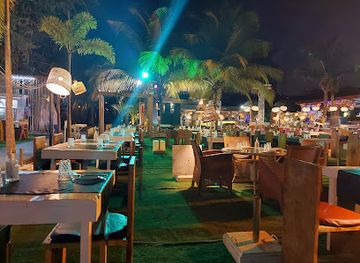
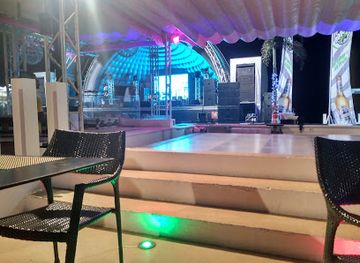
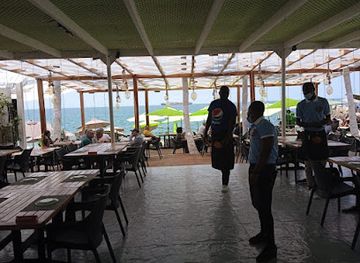
Nightlife in the Central Highlands is concentrated in Huambo and Cuito and is generally more urban and modest in scale than the scenes found in Luanda. Bars, hotel lounges, neighbourhood drinking spots and restaurants provide the main evening options, with music often forming a larger part of social life than dedicated clubbing. Angolan popular music, including styles heard nationally, may be played alongside local performers and recorded Portuguese-language music. Huambo has the broadest selection of places open after dark, while Cuito’s evening activity is more closely tied to central commercial areas and local hospitality. Smaller towns and rural districts usually quieten early, apart from occasional community celebrations or live music. Check local advice on venue status, transport and security, avoid displaying valuables, and arrange a reliable way back to accommodation rather than walking long distances late at night.
-
Hotel
EPIC SANA Luanda Hotel
Experience unrivaled luxury and comfort at EPIC SANA Luanda Hotel, a premier destination for travelers in Angola's vibrant capital.
-
Restaurant
Clube S
Experience the vibrant flavors of Angola at Clube S, Luanda's culinary hotspot offering a delightful dining experience and lively atmosphere.
-
Restaurant
Lookal Beach Club
Discover a culinary paradise at Lookal Beach Club, where breathtaking views and exquisite cuisine create unforgettable moments in Luanda.
-
Restaurant
Malibu Beach Club
Discover the culinary delights of Angola at Malibu Beach Club, where fresh seafood and local flavors await in a stunning coastal setting.

Best shops in Central Highlands
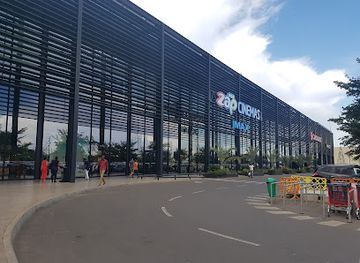
Shopping in the Central Highlands is primarily practical and market-based, with Huambo and Cuito offering the widest choice of food stalls, clothing, household goods, mobile-phone services and small independent shops. Fresh produce from surrounding farms is central to the local retail scene, including maize, beans, cassava, vegetables, fruit and groundnuts when in season. Markets are also useful for observing how rural production reaches the provincial capitals, although prices are usually negotiated only within local conventions and purchases should be made courteously. Visitors may find basketry, carved objects, textiles and other handmade goods, but availability and quality vary, and locally made items should be bought from sellers who can explain their origin. Portuguese-influenced bakeries and packaged Angolan foods make practical gifts, while regional food products are often easier to transport than fragile crafts. Do not assume that rural markets operate on fixed tourist schedules; ask accommodation staff or local residents about the best time to visit.
-
Shopping mall
Belas Shopping
Discover the ultimate shopping and entertainment experience at Belas Shopping Mall, Luanda's premier retail destination with diverse options.
-
Shopping mall
Shopping Avennida
Discover the heart of Luanda at Shopping Avenida, a vibrant shopping mall filled with diverse retail, dining, and entertainment experiences for every traveler.
-
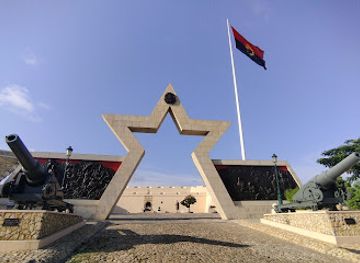
Fortress
Fortress of São Miguel
Discover the rich history and stunning views at the Fortress of São Miguel, a must-visit landmark in Luanda, Angola.
-
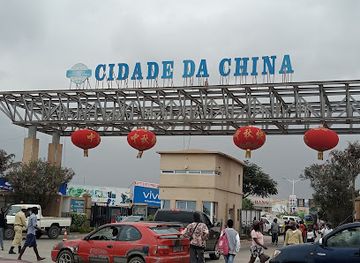
Shopping mall
Cidade da China
Explore Cidade da China: A vibrant shopping mall in Luanda offering local culture, diverse shopping, and delightful dining experiences.

Get your free copy of our complete guide to Central Highlands, delivered straight to you.
Everything on this page, from attractions and restaurants to essentials and local phrases, in one PDF you can read offline, print or share.
Already have an account? Sign in
Your Central Highlands guide is ready.
We'll send it to · Not you? Sign out

Getting your guide ready…
We are putting together a fresh copy of the Central Highlands guide. This can take up to a minute.
This can take a few moments. If your browser asks, choose Allow so the download can start. You'll find the guide in your Downloads folder.
Nothing happened? Download it again
Sorry, the guide is taking longer than usual. Please try again in a minute, or get it by email instead.
Central Highlands essentials
Currency and Payment
Safety
Emergency Situations
Do's and Don'ts
Local Tips
From Eve
Local phrases worth knowing
You don't need to get them perfect. A few words go a long way, and locals appreciate the effort.
Basics
| English | Local | Say it |
|---|---|---|
| Hello | Olá | [o-LAH] |
| Goodbye | Adeus | [ah-DAY-oos] |
| Yes | Sim | [seem] |
| No | Não | [now] |
| Please/You're welcome | Por favor | [por fah-VOR] |
| Thank you | Obrigado/a | [oh-bree-GAH-doo / oh-bree-GAH-dah] |
| Excuse me/Sorry | Desculpe | [deh-SKUL-peh] |
| How are you? | Como você está? | [KOH-moo voh-SEH es-TAH] |
| Fine. And you? | Estou bem. E você? | [es-TOH bem. ee voh-SEH] |
| Do you speak English? | Você fala inglês? | [voh-SEH FAH-lah in-GLEZ] |
| I don't understand | Eu não entendo | [ew now en-TEN-doo] |
Eating & Drinking
| English | Local | Say it |
|---|---|---|
| I'd like to see the menu, please | Gostaria de ver o menu, por favor | [goh-stah-REE-ah jeh vehr oo meh-NOO, por fah-VOR] |
| I don't eat meat | Eu não como carne | [ew now KOH-moo KAR-nee] |
| Cheers! | Saúde! | [sah-OO-deh] |
| I would like to pay, please | Gostaria de pagar, por favor | [goh-stah-REE-ah jeh pah-GAR, por fah-VOR] |
Emergencies
| English | Local | Say it |
|---|---|---|
| Help! | Ajuda! | [ah-ZHOO-dah] |
| Go away! | Vá embora! | [vah em-BOH-rah] |
| Call the Police! | Chame a polícia! | [SHAH-mee ah poh-LEE-see-ah] |
| Call a doctor! | Chame um médico! | [SHAH-mee oom MEH-dee-co] |
| I'm lost | Estou perdido | [es-TOH pehr-DEE-doo] |
| I'm ill | Estou doente | [es-TOH do-EHN-teh] |
Shopping
| English | Local | Say it |
|---|---|---|
| I'd like to buy... | Gostaria de comprar... | [goh-stah-REE-ah jeh kom-PRAR...] |
| I'm just looking | Estou apenas olhando | [es-TOH ah-PAY-nahs oh-LYAN-doo] |
| How much is it? | Quanto custa? | [KWAN-toh KOOS-tah] |
| That's too expensive | Isso é muito caro | [EE-soh eh MOYN-toh KAH-roh] |
| Can you lower the price? | Você pode abaixar o preço? | [voh-SEH POH-jee ah-bah-YAR oo PREH-soh] |
Time & Numbers
| English | Local | Say it |
|---|---|---|
| What time is it? | Que horas são? | [keh OH-ras sow] |
| It's one o'clock | É uma hora | [eh OO-mah OH-rah] |
| Half past (10) | Dez e meia | [dehz ee MAY-ah] |
| Morning | Manhã | [mahn-YAH] |
| Afternoon | Tarde | [TAR-deh] |
| Evening | Noite | [NOY-teh] |
| Yesterday | Ontem | [ON-tem] |
| Today | Hoje | [OH-zhe] |
| Tomorrow | Amanhã | [ah-mahn-YAH] |
| 1 | Um | [oom] |
| 2 | Dois | [doyz] |
| 3 | Três | [trehz] |
| 4 | Quatro | [KWAH-tro] |
| 5 | Cinco | [SEEN-co] |
| 6 | Seis | [says] |
| 7 | Sete | [SEH-tay] |
| 8 | Oito | [OY-toh] |
| 9 | Nove | [NOH-veh] |
| 10 | Dez | [dehz] |
Transport & Directions
| English | Local | Say it |
|---|---|---|
| Where's a/the...? | Onde está um/a...? | [ON-deh es-TAH oom/ah...] |
| What's the address? | Qual é o endereço? | [kwahl eh oo in-deh-REH-so] |
| Can you show me (on the map)? | Você pode me mostrar (no mapa)? | [voh-SEH POH-jee meh mohs-TRAR (no MAH-pah)] |
| When's the next (bus)? | Quando é o próximo (ônibus)? | [KWAN-doo eh oo PROH-see-mo (OH-nee-boos)] |
| A ticket (to ....) | Um bilhete (para ....) | [oom bee-LYEH-tay (PAH-rah ...)] |
History of Central Highlands
Early settlement and agricultural highland societies
The Central Highlands have long supported settled communities because their elevated grasslands, fertile soils and seasonal watercourses are suitable for cultivating maize, millet, cassava and other crops. Earlier populations left archaeological traces across the wider Angolan plateau, although many sites are not developed for tourism and should not be approached without local advice. Over time, ironworking, farming and exchange networks helped create the social and political foundations of the communities later identified with the Ovimbundu cultural world.
The Ovimbundu kingdoms
Before Portuguese colonial control reached the interior, the highlands contained several Ovimbundu-speaking kingdoms, including Bailundo, Bié, Huambo and others whose influence extended through farming territories and long-distance trade routes. Rulers governed through networks of local authorities, tribute and commercial exchange rather than through a single central state. The kingdom of Bailundo is particularly important in regional history, while the wider plateau connected inland producers with merchants travelling towards the Atlantic coast. These political traditions remain part of the historical identity of central Angola.
Portuguese expansion and missionary influence
Portuguese influence expanded unevenly into the Central Highlands during the late nineteenth and early twentieth centuries through military campaigns, administrative stations, commercial interests and Christian missions. Colonial rule disrupted existing authority and imposed new systems of taxation, labour and land control. Mission schools and churches also became important institutions, producing new forms of literacy and social mobility. The resulting colonial society combined African rural economies and political traditions with Portuguese administration, settler interests and expanding transport links.
The Benguela Railway and the rise of Huambo
The Benguela Railway transformed the economic geography of the interior by linking the port of Lobito with the Central Highlands and, eventually, the mineral regions further east. The railway reached the Huambo area in the early twentieth century, encouraging the growth of the colonial town established as Nova Lisboa. Huambo became an administrative, commercial and transport centre, with planned streets, public buildings and agricultural connections across the plateau. Railway development also brought coercive labour practices, migration and deeper integration into colonial export networks.
Independence and the birth of modern Angola
Angola became independent from Portugal in 1975 after a prolonged anti-colonial struggle and political conflict among competing liberation movements. The Central Highlands were closely associated with UNITA, whose support was particularly strong in many Ovimbundu areas, while Huambo became an important political and military centre during the transition. The colonial name Nova Lisboa was replaced by Huambo, reflecting the creation of an independent national identity. Independence brought major political change but was followed almost immediately by renewed war.
Civil war and destruction in the highlands
The Angolan Civil War caused severe disruption across Huambo and Bié provinces. Towns, roads, railway infrastructure, farms and public services were damaged, and many civilians were displaced. Huambo was the scene of especially intense fighting, while Cuito endured a long and destructive siege during the late 1990s. The conflict left contaminated land and a large reconstruction challenge, though clearance programmes and post-war rebuilding have gradually improved access and urban services. War memory remains an important part of how the region understands its recent past.
Post-2002 reconstruction and regional renewal
The end of the civil war in 2002 opened a period of road building, railway rehabilitation, school construction and urban expansion across the Central Highlands. The Benguela Railway was progressively restored, reconnecting inland provinces with the coast and supporting passenger and freight movement. Huambo and Cuito have grown as administrative and commercial centres, while rural livelihoods continue to depend heavily on agriculture and local trade. Development remains uneven, but the region’s renewed connectivity has made it increasingly important to Angola’s internal economy.
Central Highlands in Photos
Browse through our photo collection highlighting the charm and character of the destination.
Neighbouring regions of Central Highlands
The closest regions to Central Highlands, if you have time for more than one.
-

-

-

-

-


Swipe for more regions
Explore more

Explore more of Angola
Discover Angola's vibrant cities, stunning coastlines, and rich cultural heritage. An African destination that combines urban excitement with natural wonders.
Explore Angola