

Free Lower Congo Basin Travel Guide & Mobile App
Explore Lower Congo Basin with free travel guides. Discover regional history, expert tips, proposed trips, and audio guides on web or mobile app.


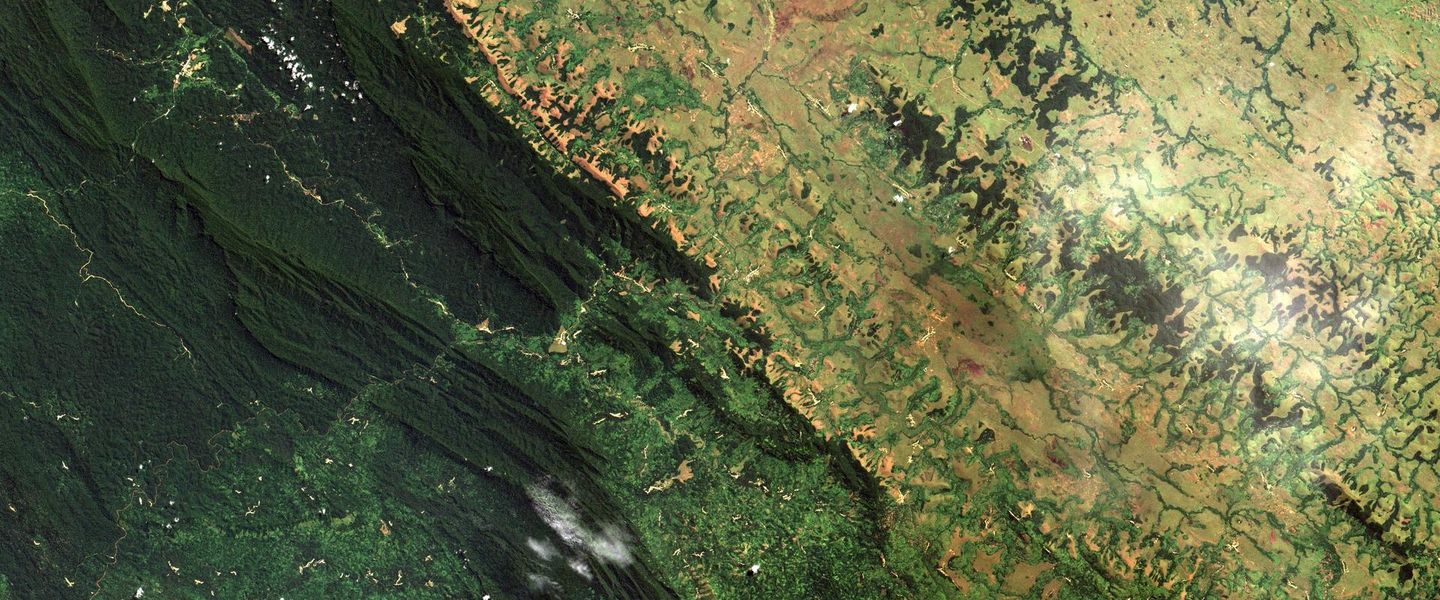


Explore Angola’s Lower Congo Basin for Mayombe rainforest, Kongo heritage, Atlantic coastlines and the river landscapes around Soyo and Cabinda.
Read more about Lower Congo Basin
Getting to and around Lower Congo Basin
How to get there
Transportation
Best attractions in Lower Congo Basin
The Lower Congo Basin’s attractions are spread across contrasting environments rather than concentrated in one resort area. In Cabinda, the Mayombe forest and its surrounding rural districts provide opportunities for guided nature outings, birdwatching and cultural encounters, although access requires advance arrangements and should not be confused with a fully developed national-park tourism circuit. The Atlantic coast around Cabinda city and Lândana offers beaches, fishing landscapes and views across the Gulf of Guinea. Soyo, near the Congo River estuary, is suited to visitors interested in mangroves, tidal waterways, maritime activity and the relationship between traditional river communities and the petroleum economy. Inland Zaire Province has its strongest cultural focus at M’banza-Kongo, where museums, churches and archaeological remains illuminate the former Kongo capital. Markets, churches, forest-edge settlements and historic routes add texture to the journey, while the region’s greatest appeal lies in combining environmental, historical and cross-border perspectives rather than ticking off a long list of commercial attractions.
-
Fortress
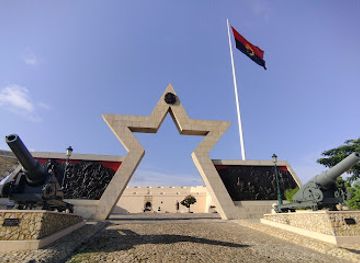
Fortress of São Miguel
Explore Angola's colonial past at the Fortress of São Miguel, a historic landmark with stunning views of Luanda Bay.
-
Observatory
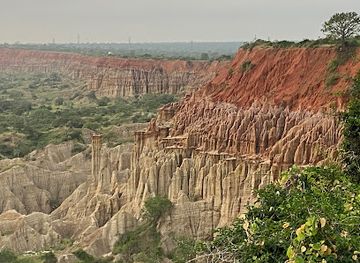
Viewpoint of the Moon
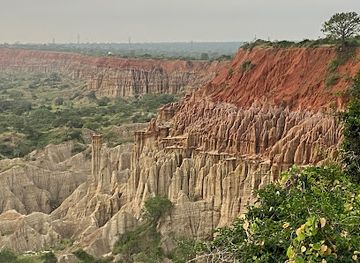
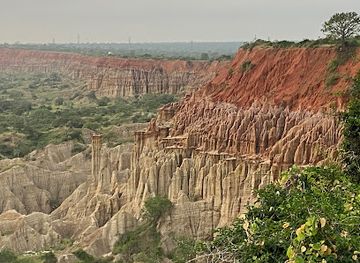
Experience Angola's unique lunar landscape at Miradouro da Lua, a breathtaking vista sculpted by erosion offering stunning sunset views near Belas.
-
Tourist attraction
Calandula Falls
Experience the breathtaking Calandula Falls, one of Africa's largest waterfalls, surrounded by Angola's stunning natural beauty.
-
National park
Parque Nacional do Quicama
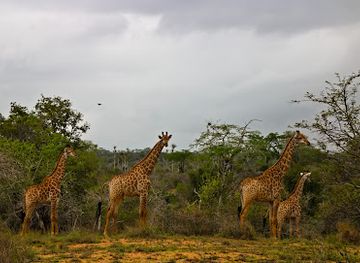
Discover Angola's premier national park, a testament to conservation with diverse landscapes and recovering wildlife near Luanda.
Best landmarks in Lower Congo Basin
M’banza-Kongo is the region’s most important historic landmark, preserving the setting of the former capital of the Kingdom of Kongo and its long record of political, religious and cultural exchange. The town’s historic churches, royal-capital remains and museum collections make its significance larger than its present urban scale, and its UNESCO World Heritage status reflects the importance of the surviving cultural landscape. In Cabinda, the coastal settlements of Cabinda city and Lândana retain links to the territory’s maritime and colonial past, although modern development has altered much of their historic fabric. The Mayombe forest is a geographical landmark rather than a single monument: its continuous tropical environment helps explain the region’s ecology, settlement patterns and cross-border connections. Around Soyo, the Congo estuary forms the defining natural landmark, with broad waterways, wetlands and mangroves meeting the Atlantic. Industrial installations stand prominently within this landscape, illustrating the region’s modern economic importance while also requiring strict respect for restricted areas and photography rules.
-
Observatory
Viewpoint of the Moon
Discover the mesmerizing landscapes and unique geological formations at the Viewpoint of the Moon in Belas, a captivating gem of Angola.
Explore Lower Congo Basin on the map
Plan your trip on one map. See where the top cities, national parks and sights are, and book hotels and experiences in a few clicks.
Best hotels in Lower Congo Basin
Best restaurants in Lower Congo Basin
Dining in the Lower Congo Basin reflects northern Angolan, Kongo and Atlantic influences. In Cabinda and Soyo, restaurants and informal food stalls commonly draw on fresh fish, seafood, rice, cassava, plantain and beans, with chilli, palm products and other tropical ingredients appearing in local cooking. Grilled fish and simple seafood dishes are particularly appropriate choices in coastal and riverine settlements, while stews and cassava-based accompaniments connect the region with wider Angolan food traditions. M’banza-Kongo and other inland towns offer modest restaurants serving Portuguese-influenced and Angolan dishes, alongside markets where seasonal produce can be bought. Hotel dining is often the most dependable option for visitors needing predictable service, especially in industrial or remote areas. Food availability can vary with transport and weather, so travellers entering the forest should carry suitable provisions and avoid assuming that every small settlement has a broad menu.
-
Hotel
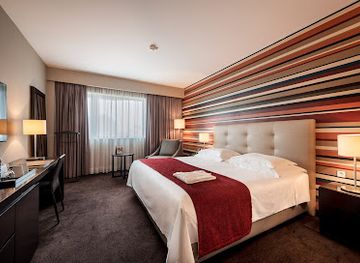
EPIC SANA Luanda Hotel
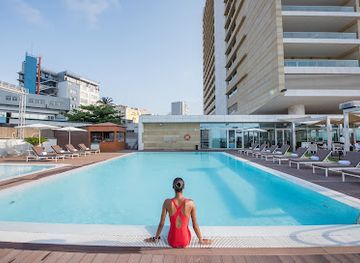
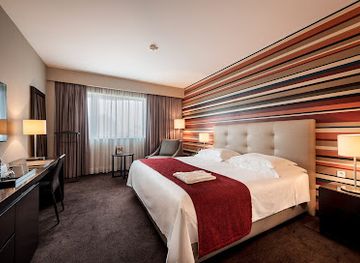
Experience luxury at EPIC SANA Luanda Hotel – where modern elegance meets Angolan hospitality in the heart of Luanda.
-
Restaurant
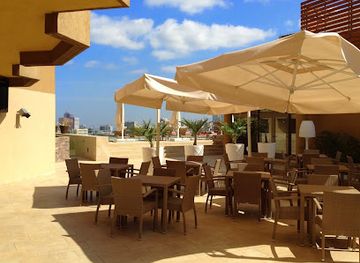
Restaurante Café Del Mar
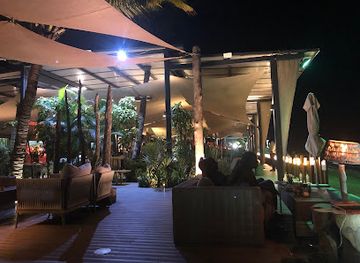
Discover exquisite flavors and breathtaking ocean views at Restaurante Café Del Mar on Ilha de Luanda.
-
Portuguese
O Madeirense Cidade
Experience the rich flavors of Portugal at O Madeirense Cidade in Luanda, where traditional cuisine meets warm hospitality.
-
Restaurant
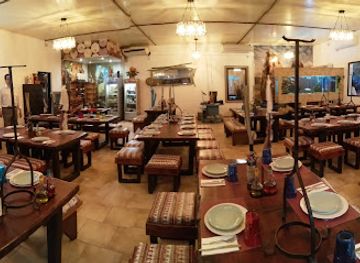
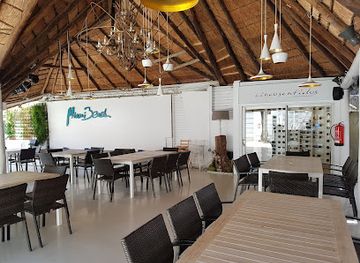
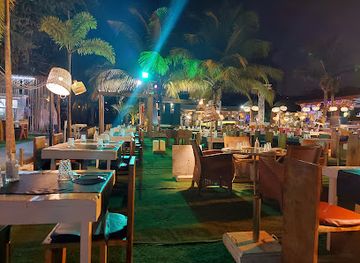
Miami Beach
Experience the vibrant flavors and lively atmosphere at Miami Beach, Luanda's premier dining destination.
Best bars in Lower Congo Basin
Evening life is concentrated in Cabinda city, Soyo and M’banza-Kongo, with the largest towns offering hotel bars, Portuguese-influenced cafés, informal local drinking spots and occasional live music. Cabinda’s coastal setting gives some establishments a relaxed seafood-and-drinks atmosphere, while Soyo’s nightlife is shaped partly by its industrial workforce and business travel. In M’banza-Kongo, evenings are generally quieter and more connected to restaurants, music and community life than to a large club scene. Outside the principal towns, rural nightlife centres on family gatherings, local bars and social venues rather than tourism-oriented entertainment. Visitors should use established venues after dark, arrange transport in advance and respect local expectations around photography and personal space. Alcohol is available, but it is not necessary to experience the region’s cultural life.
-
Bar
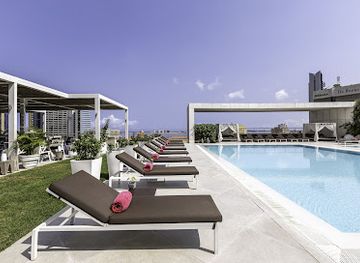
EPIC SANA Luanda Hotel
Discover the essence of luxury at EPIC SANA Luanda Hotel, where comfort meets vibrant nightlife and exceptional Angolan hospitality.
-
Restaurant
Restaurante Café Del Mar
Experience the essence of Luanda at Café Del Mar, where exquisite cuisine meets breathtaking ocean views.
-
Hotel
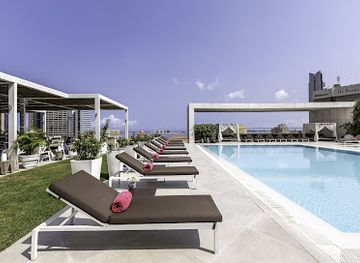
Hotel Trópico
Experience luxury and comfort at Hotel Trópico, a premier hotel in Luanda, perfect for both business and leisure travelers.
-
Restaurant
Alvalade Hotel
Discover Luanda's Alvalade Hotel: A perfect blend of comfort, culinary delights, and fitness facilities in the heart of Angola's vibrant capital.
Best nightclubs in Lower Congo Basin
Evening life is concentrated in Cabinda city, Soyo and M’banza-Kongo, with the largest towns offering hotel bars, Portuguese-influenced cafés, informal local drinking spots and occasional live music. Cabinda’s coastal setting gives some establishments a relaxed seafood-and-drinks atmosphere, while Soyo’s nightlife is shaped partly by its industrial workforce and business travel. In M’banza-Kongo, evenings are generally quieter and more connected to restaurants, music and community life than to a large club scene. Outside the principal towns, rural nightlife centres on family gatherings, local bars and social venues rather than tourism-oriented entertainment. Visitors should use established venues after dark, arrange transport in advance and respect local expectations around photography and personal space. Alcohol is available, but it is not necessary to experience the region’s cultural life.
-
Hotel
EPIC SANA Luanda Hotel
Discover the elegance and comfort of EPIC SANA Luanda Hotel, offering luxury accommodations, exquisite dining, and a prime location in the heart of Luanda.
-
Restaurant
Clube S
Experience the vibrant atmosphere and exquisite cuisine at Clube S, Luanda's top destination for food and nightlife.
-
Observatory
Viewpoint of the Moon
Experience the magic of the cosmos at the Viewpoint of the Moon, an enchanting observatory in Belas offering stunning starry views and serene landscapes.
-
Restaurant
Lookal Beach Club
Savor sumptuous dishes and breathtaking ocean views at Lookal Beach Club, Luanda's premier beachfront dining destination.

Best shops in Lower Congo Basin
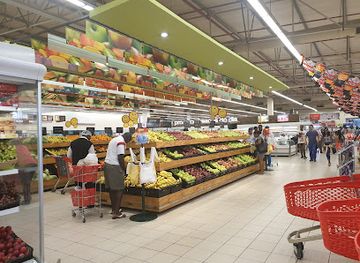
Shopping is practical and locally focused rather than centred on major retail districts. Cabinda city and Soyo have the broadest selection of supermarkets, pharmacies, clothing shops and everyday goods, while M’banza-Kongo is useful for locally produced food, household items and modest craft purchases. Markets are the best places to see cassava, plantain, fruit, fish and other regional produce, although hygiene and storage conditions vary and visitors should choose carefully. In forest-edge communities, locally made baskets, carvings, textiles and small craft objects may be available through personal contacts, but purchases should be made respectfully and without buying protected wildlife products, archaeological material or timber of uncertain origin. Packaged coffee, spices and other Angolan food products can make practical souvenirs. Retail hours, stock and payment options are less predictable outside the main towns, so buy essentials before travelling into remote districts and keep receipts for higher-value goods.
-
Shopping mall
Belas Shopping
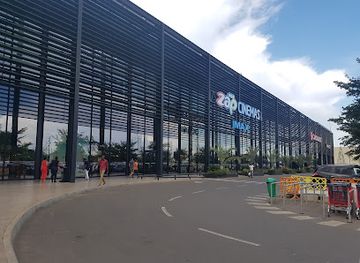
Discover Belas Shopping, Luanda's vibrant mall where culture meets retail, offering diverse shops, delightful dining, and family-friendly entertainment.
-
Shopping mall
Shopping Avennida
Discover Shopping Avennida in Luanda – a vibrant shopping mall offering local and international brands, dining, and entertainment for all visitors.
-
Hotel
Hotel Trópico
Discover the luxury and comfort of Hotel Trópico, an exquisite stay in the heart of Luanda, perfect for travelers seeking relaxation and adventure.
-
Shopping mall
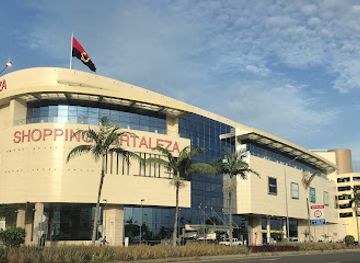
Shopping Fortaleza
Discover the vibrant retail scene at Shopping Fortaleza in Luanda, featuring a blend of local craftsmanship and global brands in a modern atmosphere.
Get your free copy of our complete guide to Lower Congo Basin, delivered straight to you.
Everything on this page, from attractions and restaurants to essentials and local phrases, in one PDF you can read offline, print or share.
Already have an account? Sign in
Your Lower Congo Basin guide is ready.
We'll send it to · Not you? Sign out

Getting your guide ready…
We are putting together a fresh copy of the Lower Congo Basin guide. This can take up to a minute.
This can take a few moments. If your browser asks, choose Allow so the download can start. You'll find the guide in your Downloads folder.
Nothing happened? Download it again
Sorry, the guide is taking longer than usual. Please try again in a minute, or get it by email instead.
Lower Congo Basin essentials
Currency and Payment
Safety
Emergency Situations
Do's and Don'ts
Local Tips
From Eve
Local phrases worth knowing
You don't need to get them perfect. A few words go a long way, and locals appreciate the effort.
Basics
| English | Local | Say it |
|---|---|---|
| Hello | Olá | [oh-lah] |
| Goodbye | Adeus | [ah-deh-oos] |
| Yes | Sim | [seem] |
| No | Não | [now] |
| Please/You're welcome | Por favor | [poor fah-vor] |
| Thank you | Obrigado | [oh-bree-gah-doo] |
| Excuse me/Sorry | Desculpe | [deh-skool-peh] |
| How are you? | Como você está? | [koh-moh voh-seh es-tah] |
| Fine. And you? | Bem. E você? | [baym. eh voh-seh] |
| Do you speak English? | Você fala inglês? | [voh-seh fah-lah een-glez] |
| I don't understand | Eu não entendo | [ay-oo now en-ten-doo] |
Eating & Drinking
| English | Local | Say it |
|---|---|---|
| I'd like to see the menu, please | Gostaria de ver o menu, por favor | [goh-stah-ree-ah jee vehr oo meh-noo, poor fah-vor] |
| I don't eat meat | Eu não como carne | [ay-oo now koh-moo kar-nee] |
| Cheers! | Saúde! | [sah-oo-deh] |
| I would like to pay, please | Gostaria de pagar, por favor | [goh-stah-ree-ah jee pah-gar, poor fah-vor] |
Emergencies
| English | Local | Say it |
|---|---|---|
| Help! | Socorro! | [soh-koh-roh] |
| Go away! | Vá embora! | [vah em-boh-rah] |
| Call the Police! | Chame a polícia! | [sha-mee ah poh-lee-syah] |
| Call a doctor! | Chame um médico! | [sha-mee oom meh-dee-koh] |
| I'm lost | Estou perdido | [es-toh pehr-jee-doo] |
| I'm ill | Estou doente | [es-toh doh-en-chee] |
Shopping
| English | Local | Say it |
|---|---|---|
| I'd like to buy... | Gostaria de comprar... | [goh-stah-ree-ah jee kohm-prahr] |
| I'm just looking | Estou apenas olhando | [es-toh ah-peh-nahs oh-lan-doo] |
| How much is it? | Quanto custa? | [kwahn-toh koos-tah] |
| That's too expensive | Isso é muito caro | [ee-soh eh moo-ee-toh kah-roh] |
| Can you lower the price? | Você pode abaixar o preço? | [voh-seh poh-jee ah-bah-ee-shar oo pray-soh] |
Time & Numbers
| English | Local | Say it |
|---|---|---|
| What time is it? | Que horas são? | [kee oh-ras sah-ooh] |
| It's one o'clock | É uma hora | [eh oo-mah oh-rah] |
| Half past (10) | Dez e meia | [dez eh may-ah] |
| Morning | Manhã | [mahn-yah] |
| Afternoon | Tarde | [tahr-deh] |
| Evening | Noite | [noy-teh] |
| Yesterday | Ontem | [on-taym] |
| Today | Hoje | [oh-zhee] |
| Tomorrow | Amanhã | [ah-mahn-yah] |
| 1 | Um | [oom] |
| 2 | Dois | [doys] |
| 3 | Três | [trez] |
| 4 | Quatro | [kwah-tro] |
| 5 | Cinco | [seen-koh] |
| 6 | Seis | [says] |
| 7 | Sete | [seh-tay] |
| 8 | Oito | [oy-toh] |
| 9 | Nove | [noh-veh] |
| 10 | Dez | [dez] |
Transport & Directions
| English | Local | Say it |
|---|---|---|
| Where's a/the...? | Onde está um/a...? | [on-deh eh-stah oom/ah] |
| What's the address? | Qual é o endereço? | [kwahl eh oo en-deh-reh-soh] |
| Can you show me (on the map)? | Você pode me mostrar (no mapa)? | [voh-seh poh-jee meh mohs-trar (noh mah-pah)] |
| When's the next (bus)? | Quando é o próximo (ônibus)? | [kwan-doh eh oo proh-see-moh (oh-nee-boos)] |
| A ticket (to ....) | Um bilhete (para ....) | [oom bee-lyeh-tay (pah-rah)] |
History of Lower Congo Basin
Early Kongo-speaking societies and regional trade
Before European colonisation, the Lower Congo area was occupied by communities linked through agriculture, fishing, craft production and long-distance exchange. Kongo-speaking societies developed political institutions and commercial networks that connected the Atlantic coast with the interior. River corridors, forest products and coastal routes helped move goods and ideas across territory that now falls within Angola, the Democratic Republic of the Congo and the Republic of the Congo. The landscape was therefore not an isolated rainforest frontier but part of a densely connected Central African cultural zone.
The Kingdom of Kongo and M’banza-Kongo
From approximately the fourteenth century, the Kingdom of Kongo became the dominant political power in the region, with its capital at M’banza-Kongo in present-day Zaire Province. The monarchy governed through provincial authorities and maintained diplomatic and commercial relationships across Central Africa. M’banza-Kongo became a major political and religious centre, and its historic remains provide evidence of a sophisticated African kingdom rather than merely a colonial-era settlement. The town’s cultural landscape is now recognised as a UNESCO World Heritage Site.
Christianity and Atlantic contact from the late fifteenth century
Portuguese contact with the Kongo kingdom began in the late fifteenth century and developed into diplomacy, Christianity, trade and conflict. Kongo rulers adopted Christianity in ways that were shaped by local political and religious traditions, while missionaries, merchants and officials established new connections with the Atlantic world. Over time, the trade in enslaved people caused severe disruption and intensified rivalries within the region. The effects were felt across Kongo territories, including the areas now associated with northern Angola and the lower Congo coast.
Portuguese expansion and colonial rule
Portugal gradually expanded its authority in Angola during the nineteenth and early twentieth centuries, although its effective control varied greatly between coastal settlements, river corridors and forest interiors. Cabinda developed separately from much of the Angolan mainland as a Portuguese-protected territory, while the area around the lower Congo became part of the colonial administration of Angola. Missions, trading posts, roads and administrative stations altered local economies, but colonial power remained uneven and depended on local intermediaries and military pressure.
The Treaty of Simulambuco and Cabinda’s separate colonial history
The Treaty of Simulambuco, signed in 1885 between Portugal and local Cabindan authorities, placed Cabinda under Portuguese protection. It is frequently cited in modern debates about Cabinda’s political status and identity. Portugal later administered Cabinda in connection with Angola, and the territory’s distinct geography—separated from the Angolan mainland by the Democratic Republic of the Congo—continued to shape its politics and economy. The treaty and its differing interpretations remain important to understanding contemporary discussions of regional identity.
Independence, conflict and the divided post-colonial landscape
Angola became independent from Portugal in 1975, followed by a long civil war that affected national transport, administration and investment. Cabinda also experienced an armed separatist conflict, while insecurity and difficult access limited travel in parts of the north. The region’s cross-border communities continued to share language and cultural ties despite the boundaries separating Angola from the two Congos. Peace and improved infrastructure later opened greater opportunities for commerce and travel, although remote districts remain less connected than the principal towns.
Oil, ports and contemporary economic transformation
Petroleum became central to the modern economies of Cabinda and northern Angola. Offshore production, service industries and port development transformed Cabinda city and Soyo, bringing new infrastructure alongside persistent environmental and social questions. Around the Congo estuary, industrial facilities exist beside mangroves, fishing areas and traditional settlements; in Cabinda, the contrast between forest landscapes and energy infrastructure is equally marked. This contemporary economic history is essential to understanding why the Lower Congo Basin is both environmentally important and strategically significant to Angola.
Lower Congo Basin in Photos
Browse through our photo collection highlighting the charm and character of the destination.
Neighbouring regions of Lower Congo Basin
The closest regions to Lower Congo Basin, if you have time for more than one.
-

-

-

-

-


Swipe for more regions
Explore more

Explore more of Angola
Discover Angola's vibrant cities, stunning coastlines, and rich cultural heritage. An African destination that combines urban excitement with natural wonders.
Explore Angola