

Free Cabinda Exclave Travel Guide & Mobile App
Explore Cabinda Exclave with free travel guides. Discover regional history, expert tips, proposed trips, and audio guides on web or mobile app.


Explore Cabinda in Angola for Atlantic beaches, Kongo heritage, rainforest landscapes, seafood and the historic setting of Simulambuco.
Read more about Cabinda Exclave
When is the best time to visit Cabinda Exclave?
Best: June–August · 24–25°C| Month | High (°C) | Rainfall (mm) |
|---|---|---|
| January | 28 | 100 |
| February | 28 | 125 |
| March | 28 | 175 |
| April | 28 | 150 |
| May | 27 | 100 |
| June (best) | 25 | 75 |
| July (best) | 24 | 25 |
| August (best) | 24 | 25 |
| September | 26 | 75 |
| October | 28 | 100 |
| November | 28 | 125 |
| December | 28 | 150 |
Getting to and around Cabinda Exclave
How to get there
Transportation
Top city travel guides in Cabinda Exclave
The cities of Cabinda Exclave, and the easiest places to base yourself.

Swipe for more cities
Best attractions in Cabinda Exclave
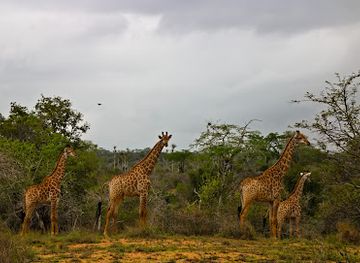
Cabinda's attractions are best understood as a combination of urban history, Atlantic landscapes and rainforest country rather than as a dense circuit of developed visitor sites. In Cabinda city, visitors can explore historic streets, churches, civic architecture, markets and the Chiazi area, which has become an important sports and leisure zone. Coastal outings provide opportunities for beach visits, fishing-related observation and quiet views across the Atlantic, but facilities and safety services are limited outside established urban areas. Inland, the Maiombe forest around Buco-Zau and Belize offers dense vegetation, rivers and the possibility of guided nature excursions, although access requires preparation, local knowledge and suitable transport. The municipality of Cacongo contains Simulambuco, the setting associated with the 1885 treaty and one of the province's most important historical destinations. Rural travel also reveals farming communities and changing landscapes that are more informative when approached with a local guide. Wildlife encounters should not be promised, as forest access, conservation arrangements and seasonal conditions vary.
-
Cathedral
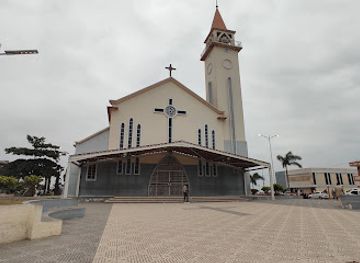
Sé Catedral de Nossa Senhora Rainha do Mundo
Discover Cabinda's iconic cathedral, a serene blend of architectural beauty and spiritual significance in the heart of the city.
-
National forest
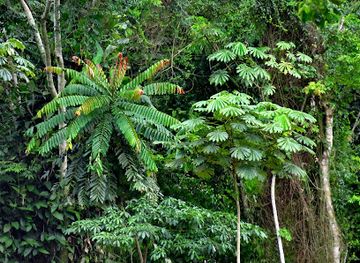
Floresta do Mayombe
Discover Angola's hidden gem: Floresta do Mayombe, a biodiverse paradise for nature lovers and adventure seekers.
-
 Bay
BayBaía de Cabinda
Discover the serene beauty of Baía de Cabinda, Angola: a tranquil escape with stunning coastal scenery and rich biodiversity.
-
Beach
Praia Cabinda
Discover Praia Cabinda, São Tomé: a serene beach escape with golden sands, clear waters, and lush scenery for ultimate relaxation and cultural immersion.
Best landmarks in Cabinda Exclave
The most historically significant landmark in Cabinda is the Simulambuco site in Cacongo municipality, associated with the 1885 treaty that placed the territory under Portuguese protection. Its importance lies not only in surviving colonial history but also in the way the treaty continues to shape interpretations of Cabinda's political identity. In Cabinda city, churches and older civic buildings provide visible reminders of Portuguese administration and Catholic influence, although the urban fabric also includes extensive modern development linked to the petroleum economy. The Atlantic shoreline is a defining natural landmark, contrasting with the inland hills, rivers and dense vegetation of the Maiombe forest zone. Chiloango River landscapes and the forested interior are particularly important geographical reference points, even where access is informal rather than developed for tourism. The province's oil installations and port-related infrastructure are prominent contemporary features, but they are working sites rather than sightseeing attractions and should only be viewed or photographed with permission.
-
Observatory
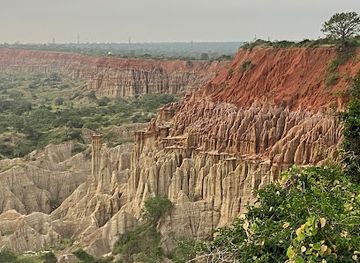
Viewpoint of the Moon
Discover Miradouro da Lua: An otherworldly landscape in Angola, shaped by erosion into a stunning lunar vista. Perfect for sunset views and photography.
-
Tourist attraction
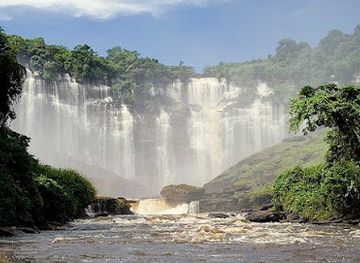
Calandula Falls
Discover the breathtaking beauty of Calandula Falls, a majestic waterfall in Angola that captivates with its stunning views and serene surroundings.
-
National park
Parque Nacional do Quicama
Explore the captivating landscapes and diverse wildlife of Parque Nacional do Quicama, a hidden gem in Angola's natural wonders.
-
Tourist attraction
Tundavala Gap
Explore Tundavala Gap: A breathtaking natural wonder in Angola offering stunning views and serene landscapes perfect for adventure and relaxation.
Explore Cabinda Exclave on the map
Plan your trip on one map. See where the top cities, national parks and sights are, and book hotels and experiences in a few clicks.
Best hotels in Cabinda Exclave
Best restaurants in Cabinda Exclave
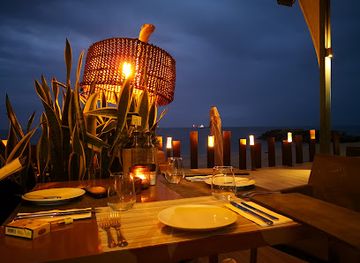
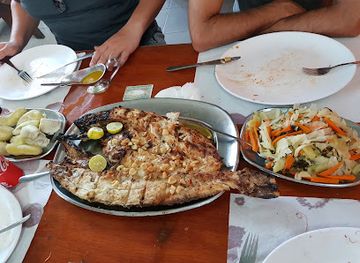
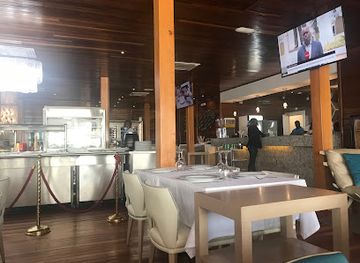
Dining in Cabinda reflects the province's Atlantic setting and its connections with Central African and Portuguese food traditions. Fish and seafood are prominent in coastal and urban cooking, often served with rice, cassava, plantain, beans or seasoned sauces. Chicken, goat and other meats appear widely, while leafy vegetables, palm-based preparations and chilli provide familiar regional flavours. Cabinda city has the broadest choice of hotel restaurants, informal eateries, cafés and locally oriented dining rooms; outside the capital, food options can be considerably simpler and opening arrangements less predictable. Markets and small food stalls are useful places to encounter seasonal produce, though visitors should choose busy outlets with good standards of food turnover and hygiene. Portuguese-style grilled dishes and pastries may sit alongside meals shaped by neighbouring Congolese culinary traditions. Regional palm wine and other locally produced drinks may be encountered, but commercial availability and preparation vary, so travellers should ask what is being served and drink responsibly.
-
Restaurant
Restaurante Café Del Mar
Discover exquisite dining at Café Del Mar on Ilha de Luanda – where exceptional cuisine meets stunning ocean views.
-
Seafood
Restaurante la Vigia
Discover culinary bliss at Restaurante la Vigia, Luanda's premier seafood destination offering fresh flavors and warm hospitality.
-
Hotel
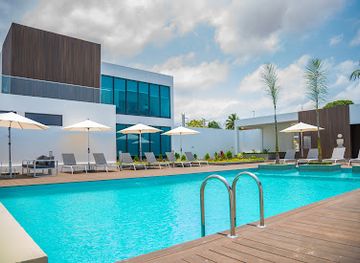
Executive Paraíso Hotel
Experience comfort and modern luxury at Executive Paraíso Hotel in Cabinda - your perfect getaway amidst Angolan charm.
-
Restaurant
Restaurante Apolónia
Experience authentic Angolan cuisine at Restaurante Apolónia in Cabinda – where every meal tells a story.
Best bars in Cabinda Exclave
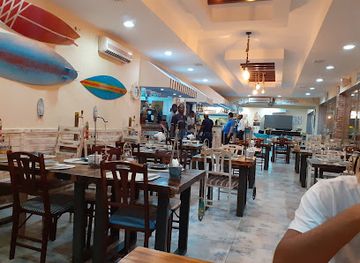
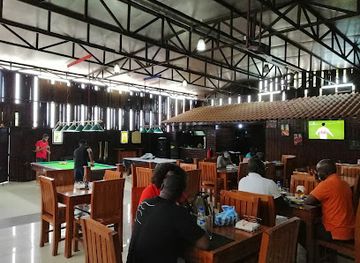
Cabinda's evening life is concentrated in the provincial capital, where hotel lounges, bars, restaurants and informal music venues provide more choice than rural districts. The atmosphere is generally social and locally oriented rather than built around a large international club circuit. Music, football, conversation and late meals are common features of urban evenings, while some venues cater to the petroleum industry and expatriate community. Outside Cabinda city, nightlife usually centres on small bars, restaurants and community gatherings, with fewer dependable options and limited transport after dark. Visitors should use arranged taxis or trusted drivers, avoid walking isolated streets late at night and confirm venue details locally because businesses and opening arrangements can change. Alcohol is available but is not essential to experiencing Cabindan culture; an evening meal, live music or a relaxed hotel setting may be the more practical choice.
-
Bar
BAR BAR
Discover the lively BAR BAR in Luanda, where refreshing drinks and a vibrant atmosphere await every visitor.
-
Hotel
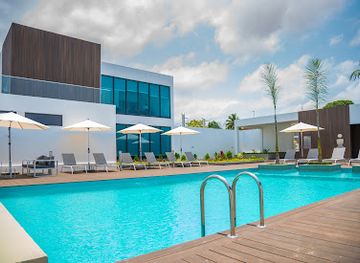
Executive Paraíso Hotel
Experience the comfort and convenience of Executive Paraíso Hotel, your ideal stay in the heart of Cabinda's vibrant culture.
-
Bar
BAR 8
Experience the vibrant nightlife of Cabinda at BAR 8, where delicious drinks and local culture meet in a lively atmosphere.
-
Restaurant
Restaurante & Bar Lato
Discover the flavors of Cabinda at Restaurante & Bar Lato, where local cuisine meets a welcoming atmosphere for an unforgettable dining experience.
Best nightclubs in Cabinda Exclave
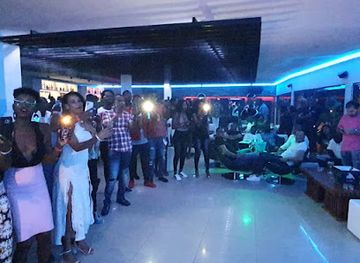
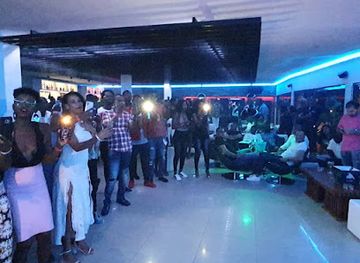
Cabinda's evening life is concentrated in the provincial capital, where hotel lounges, bars, restaurants and informal music venues provide more choice than rural districts. The atmosphere is generally social and locally oriented rather than built around a large international club circuit. Music, football, conversation and late meals are common features of urban evenings, while some venues cater to the petroleum industry and expatriate community. Outside Cabinda city, nightlife usually centres on small bars, restaurants and community gatherings, with fewer dependable options and limited transport after dark. Visitors should use arranged taxis or trusted drivers, avoid walking isolated streets late at night and confirm venue details locally because businesses and opening arrangements can change. Alcohol is available but is not essential to experiencing Cabindan culture; an evening meal, live music or a relaxed hotel setting may be the more practical choice.
-
Disco club
Tchirinawa
Discover the vibrant nightlife at Tchirinawa, Benguela's top disco club, where dance, music, and fun come together in an unforgettable experience.
-
Bar
BAR 8
Explore the vibrant nightlife of Cabinda at BAR 8, a lively bar perfect for relaxing with friends and enjoying local drinks.
-
Lounge
Salão do Reino - Cabassango
Experience the vibrant culture of Cabinda at Salão do Reino, your cozy lounge destination for relaxation and socializing.
-
Bar
Mansinho Beach Club
Experience the lively atmosphere and stunning views at Mansinho Beach Club in Cabinda, the perfect destination for relaxation and fun.
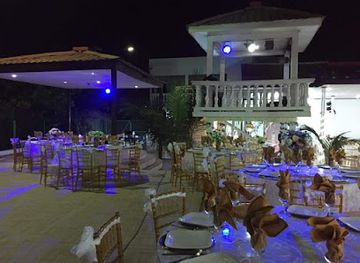
Best shops in Cabinda Exclave
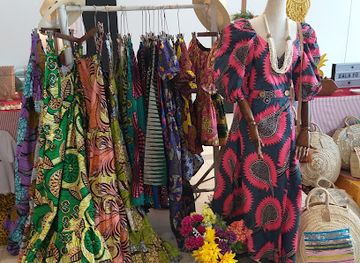
Shopping in Cabinda is centred on the provincial capital's markets, neighbourhood trading areas, supermarkets and independent shops rather than on a specialised luxury retail district. Visitors can look for fresh produce, cassava products, seafood, spices, woven goods, clothing and everyday items that reflect the province's commercial links with the wider Congo region. Small stalls and market traders may offer locally made souvenirs, but quality, provenance and prices vary, so courteous bargaining and careful inspection are sensible. Larger hotels and established urban shops may stock imported food, drinks and basic travel supplies, while options become much narrower in Cacongo, Buco-Zau, Belize and smaller settlements. Regional food products, baskets, fabrics and simple craft items are generally more meaningful purchases than generic imported souvenirs. Carrying kwanza is useful for markets and informal sellers, and visitors should avoid buying archaeological objects, protected wildlife products or anything that may breach customs or conservation rules.
-
Shopping mall
Belas Shopping
Discover the vibrant shopping experience at Belas Shopping, Luanda's premier destination for fashion, dining, and culture in Angola.
-
Shopping mall
Shopping Avennida
Explore Shopping Avennida in Luanda for a unique blend of shopping, dining, and entertainment in a vibrant atmosphere.
-
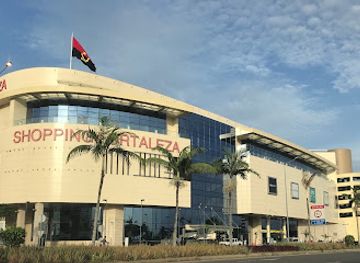
Shopping mall
Shopping Fortaleza
Discover Shopping Fortaleza, Luanda's vibrant shopping mall featuring local and international brands, delicious dining options, and a lively atmosphere.
-
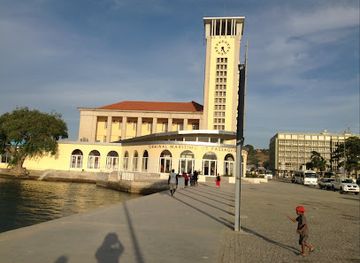
Port
Luanda Harbour
Explore Luanda Harbour: A vibrant port brimming with culture, stunning views, and rich maritime history in Angola's bustling capital.

Get your free copy of our complete guide to Cabinda Exclave, delivered straight to you.
Everything on this page, from attractions and restaurants to essentials and local phrases, in one PDF you can read offline, print or share.
Already have an account? Sign in
Your Cabinda Exclave guide is ready.
We'll send it to · Not you? Sign out

Getting your guide ready…
We are putting together a fresh copy of the Cabinda Exclave guide. This can take up to a minute.
This can take a few moments. If your browser asks, choose Allow so the download can start. You'll find the guide in your Downloads folder.
Nothing happened? Download it again
Sorry, the guide is taking longer than usual. Please try again in a minute, or get it by email instead.
Cabinda Exclave essentials
Currency and Payment
Safety
Emergency Situations
Do's and Don'ts
Local Tips
From Eve
Local phrases worth knowing
You don't need to get them perfect. A few words go a long way, and locals appreciate the effort.
Basics
| English | Local | Say it |
|---|---|---|
| Hello | Olá | [o-LAH] |
| Goodbye | Adeus | [ah-DEH-oos] |
| Yes | Sim | [seem] |
| No | Não | [now] |
| Please/You're welcome | Por favor/De nada | [poor fah-VOR/deh NAH-dah] |
| Thank you | Obrigado | [oh-bree-GAH-doo] |
| Excuse me/Sorry | Desculpe | [des-KOOL-pay] |
| How are you? | Como você está? | [KOH-moo voh-SEH es-TAH] |
| Fine. And you? | Bem. E você? | [BAYM. ee voh-SEH?] |
| Do you speak English? | Você fala inglês? | [voh-SEH FAH-lah een-GLEZ?] |
| I don't understand | Eu não entendo | [ay-oo NOW en-TEN-doo] |
Eating & Drinking
| English | Local | Say it |
|---|---|---|
| I'd like to see the menu, please | Eu gostaria de ver o menu, por favor | [ay-oo go-stah-REE-ah jeh vehr oo meh-NU, poor fah-VOR] |
| I don't eat meat | Eu não como carne | [ay-oo NOW koh-moo KAR-nee] |
| Cheers! | Saúde! | [sah-OO-dee] |
| I would like to pay, please | Eu gostaria de pagar, por favor | [ay-oo go-stah-REE-ah jeh pah-GAR, poor fah-VOR] |
Emergencies
| English | Local | Say it |
|---|---|---|
| Help! | Ajuda! | [ah-JOO-dah] |
| Go away! | Vá embora! | [vah em-BOH-rah] |
| Call the Police! | Chame a polícia! | [SHAH-meh ah poh-LEE-syah] |
| Call a doctor! | Chame um médico! | [SHAH-meh oom MEH-dee-koh] |
| I'm lost | Estou perdido | [es-TOH pehr-DEE-doo] |
| I'm ill | Estou doente | [es-TOH doh-EN-chee] |
Shopping
| English | Local | Say it |
|---|---|---|
| I'd like to buy... | Eu gostaria de comprar... | [ay-oo go-stah-REE-ah jeh kom-PRAR...] |
| I'm just looking | Estou apenas olhando | [es-TOH ah-PAY-nas oh-LYAHN-doo] |
| How much is it? | Quanto custa? | [KWAN-toh KOOS-tah?] |
| That's too expensive | É muito caro | [eh MOY-too KAH-roh] |
| Can you lower the price? | Você pode baixar o preço? | [voh-SEH POH-jeh bye-SHAR oo PREH-so?] |
Time & Numbers
| English | Local | Say it |
|---|---|---|
| What time is it? | Que horas são? | [keh OH-ras sow?] |
| It's one o'clock | É uma hora | [eh OO-mah OH-rah] |
| Half past (10) | Dez e meia | [dehz ee MAY-ah] |
| Morning | Manhã | [mahn-YAH] |
| Afternoon | Tarde | [TAR-deh] |
| Evening | Noite | [NOY-tay] |
| Yesterday | Ontem | [ON-tay] |
| Today | Hoje | [OH-zhee] |
| Tomorrow | Amanhã | [ah-mahn-YAH] |
| 1 | Um | [oom] |
| 2 | Dois | [doyz] |
| 3 | Três | [trehz] |
| 4 | Quatro | [KWAH-troh] |
| 5 | Cinco | [SEEN-koh] |
| 6 | Seis | [sayz] |
| 7 | Sete | [SEH-chee] |
| 8 | Oito | [OY-toh] |
| 9 | Nove | [NOH-veh] |
| 10 | Dez | [dehz] |
Transport & Directions
| English | Local | Say it |
|---|---|---|
| Where's a/the...? | Onde fica um/uma...? | [ON-deh FEE-kah oom/OO-mah...?] |
| What's the address? | Qual é o endereço? | [kwah-L eh oo en-deh-REH-so?] |
| Can you show me (on the map)? | Você pode me mostrar (no mapa)? | [voh-SEH POH-jeh mee mohs-TRAR (no MAH-pah)?] |
| When's the next (bus)? | Quando é o próximo (ônibus)? | [KWAN-do eh oo PROH-see-moo (OH-nee-boos)?] |
| A ticket (to ....) | Um bilhete (para....) | [oom bee-LYEH-chee (PAH-rah....)] |
History of Cabinda Exclave
Kongo Cultural and Political Networks
Before Portuguese colonial rule, the territory now known as Cabinda formed part of the wider cultural and political environment of the Kongo region. Communities linked by language, trade, kinship and river routes interacted across boundaries that did not resemble modern international borders. Coastal settlements also maintained connections with Atlantic commerce and inland societies. The legacy of Kongo institutions and cultural traditions remains important to Cabindan identity, even though contemporary political boundaries divide related communities between Angola, the Democratic Republic of the Congo and the Republic of the Congo.
Portuguese Expansion on the Loango Coast
Portuguese influence along the coast developed gradually through commerce, missionary activity and diplomacy rather than through immediate control of the entire interior. Cabinda's position between the Congo estuary and the Loango coast made it strategically significant to European powers competing for influence in Central Africa during the nineteenth century. Coastal trade, including the movement of goods and people through Atlantic networks, left a lasting mark on local settlements. Portuguese administrative authority expanded further during the period of European partition and colonial consolidation.
The Treaty of Simulambuco, 1885
In February 1885, Portuguese representatives and local authorities concluded the Treaty of Simulambuco, placing the territory under Portuguese protection. The agreement is associated with the village of Simulambuco in present-day Cabinda and is commemorated there as a major historical landmark. Portugal later incorporated Cabinda into its colonial system, while the treaty's wording continued to be interpreted differently by Portuguese authorities, Angolan nationalists and Cabindan separatists. Its political and symbolic importance remains visible in debates about Cabinda's distinct historical status.
Colonial Administration and Missionary Institutions
During Portuguese rule, Cabinda developed administrative centres, roads, schools, churches and commercial facilities, particularly around the provincial capital and coastal settlements. Catholic missions played an important role in education and social organisation, while colonial economic activity connected the territory to wider shipping and trading networks. The colonial period also altered patterns of land use and labour, bringing outside officials and commercial interests into a region whose communities had previously been organised through local systems and regional exchange.
Angolan Independence and the Cabindan Conflict
When Angola became independent from Portugal in 1975, Cabinda became part of the new Angolan state, but separatist movements rejected that settlement and argued for a separate political future. The most prominent armed movement was the Front for the Liberation of the State of Cabinda, commonly known by its Portuguese initials, FLEC. Conflict persisted intermittently after independence, although its intensity and geographical reach varied. The history of insurgency continues to influence security arrangements and visitors' access to some areas.
Petroleum and the Contemporary Economy
The discovery and development of offshore petroleum transformed Cabinda's economic importance during the late twentieth century. Oil production generated major state revenues and brought international companies, specialised workers and new infrastructure to the province. It also created a sharp contrast between a globally connected petroleum sector and communities dependent on fishing, agriculture and informal trade. Petroleum remains central to Cabinda's modern identity, while environmental concerns, political grievances and the distribution of economic benefits continue to shape public discussion.
Cabinda Exclave in Photos
Browse through our photo collection highlighting the charm and character of the destination.
Neighbouring regions of Cabinda Exclave
The closest regions to Cabinda Exclave, if you have time for more than one.
-

-

-

-

-


Swipe for more regions
Explore more

Explore more of Angola
Discover Angola's vibrant cities, stunning coastlines, and rich cultural heritage. An African destination that combines urban excitement with natural wonders.
Explore Angola