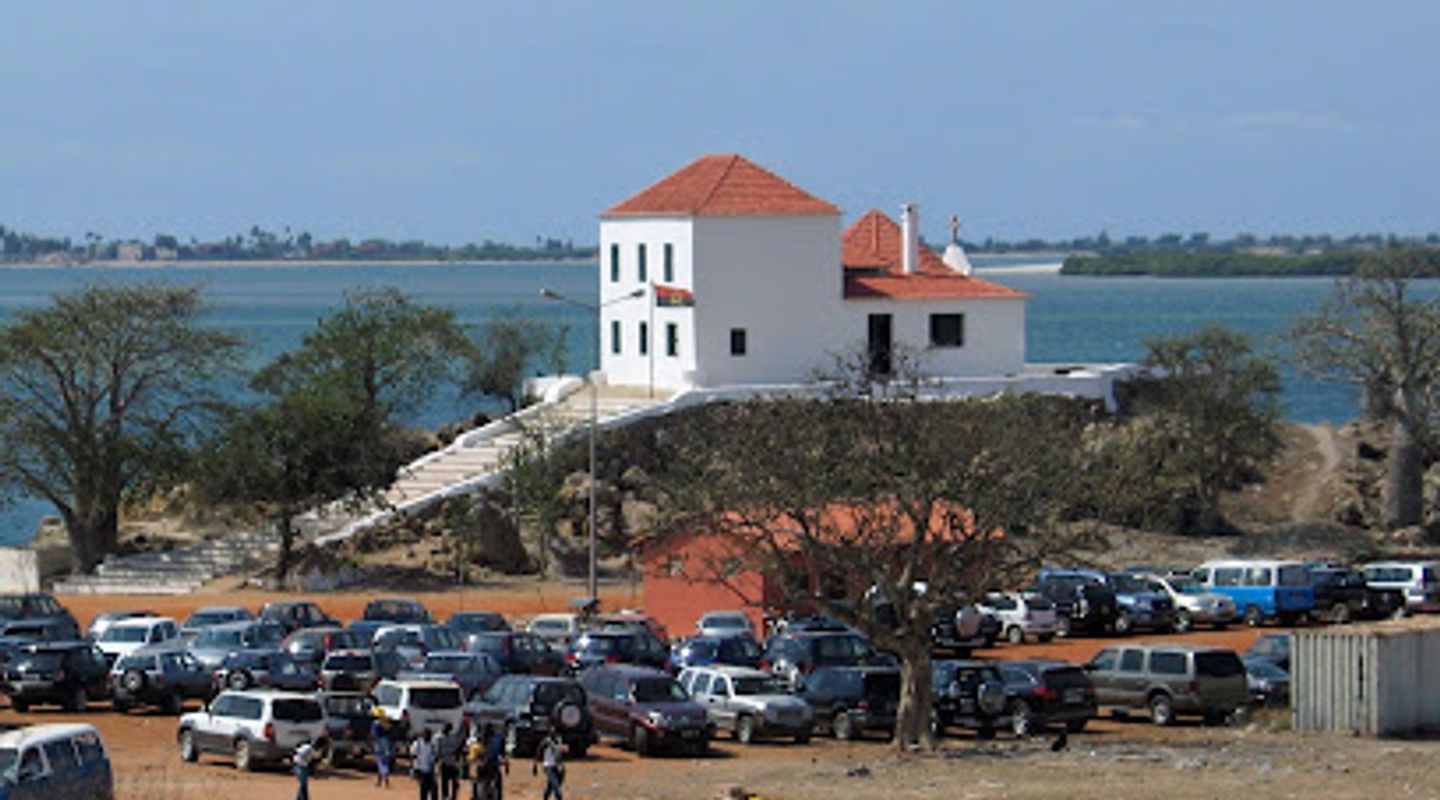
National Slavery Museum, Lower Congo Basin Travel Guide
Explore Angola's past at the National Slavery Museum in Belas, a place of remembrance and reflection on the transatlantic slave trade.
The National Slavery Museum in Belas, Angola, offers a poignant look into the country's history in the transatlantic slave trade. Located on the former estate of a notorious slave trader, the museum displays artifacts and tells the stories of those affected by this dark period.
A brief summary to National Slavery Museum
- 24R3+FX4, Belas, AO
- Monday 9 am-4 pm
- Tuesday 9 am-4 pm
- Wednesday 9 am-4 pm
- Thursday 9 am-4 pm
- Friday 9 am-4 pm
- Saturday 9 am-4 pm
- Sunday 9 am-4 pm

Know before you go
Hi, I'm Eve. Here are a few practical things to know before exploring National Slavery Museum.
- Plan your visit during the week to avoid crowds and have a more intimate experience with the exhibits.
- Take your time to read the detailed descriptions accompanying each artifact for a deeper understanding of the exhibits.
- Combine your visit with a trip to the nearby arts and crafts market in Benfica.
Do you manage this location?
Take control to get all the benefits, like improved information, better appearance, and stronger visibility across AI-powered discovery. Learn more about listing your business on Evendo
Activate your presenceOther nearby places you may find interesting
The closest places of the same kind, if this one is not quite what you had in mind.



Explore National Slavery Museum on the Map
A handpicked selection of must-see spots near National Slavery Museum, mapped for you.
Unlock the Best of National Slavery Museum
Buy tickets
-
No tickets available
Book tours with entry


Book tours without entry
-
No tours available
Getting There
-
Public Transport
To reach the National Slavery Museum via public transport from Luanda, head to a main bus terminal and look for buses heading towards Belas. The bus fare is approximately 200 Kwanza, and the journey takes about 30-45 minutes depending on traffic. Once in Belas, ask locals for directions to the museum at coordinates 24R3+FX4, roughly a kilometer away.
-
Taxi/Ride-Sharing
For a more comfortable journey to the National Slavery Museum, consider taking a taxi or using a ride-sharing app like Bolt or Uber. Set your destination to 'Belas'. The ride typically takes 20-35 minutes depending on traffic. Confirm the destination with the driver before starting the trip. A taxi or ride-sharing trip could cost an estimated 2,500 - 4,500 Kwanza.
Discover more about National Slavery Museum
More to explore near National Slavery Museum













Your all‑in‑one travel companion app
Explore expert travel guides, compare and book tours, experiences, hotels, and more—all from the palm of your hand. Download now for seamless trip planning wherever your wanderlust takes you.


Explore More of Lower Congo Basin
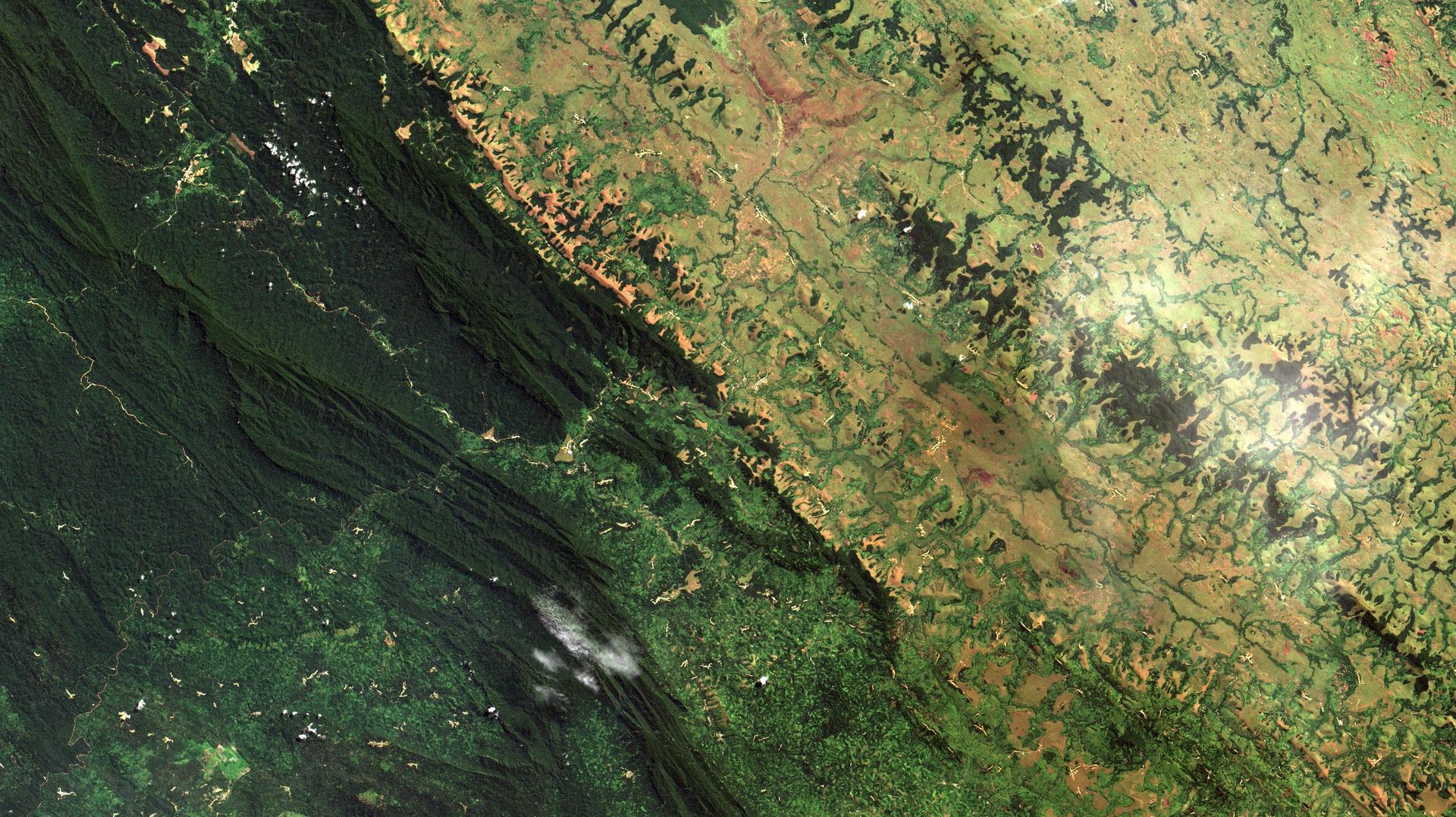
Looking beyond National Slavery Museum? Discover Lower Congo Basin for broader travel guides, local hot-spots, and regional highlights.
Explore Lower Congo Basin