

Free Moxico Plains Travel Guide & Mobile App
Explore Moxico Plains with free travel guides. Discover regional history, expert tips, proposed trips, and audio guides on web or mobile app.


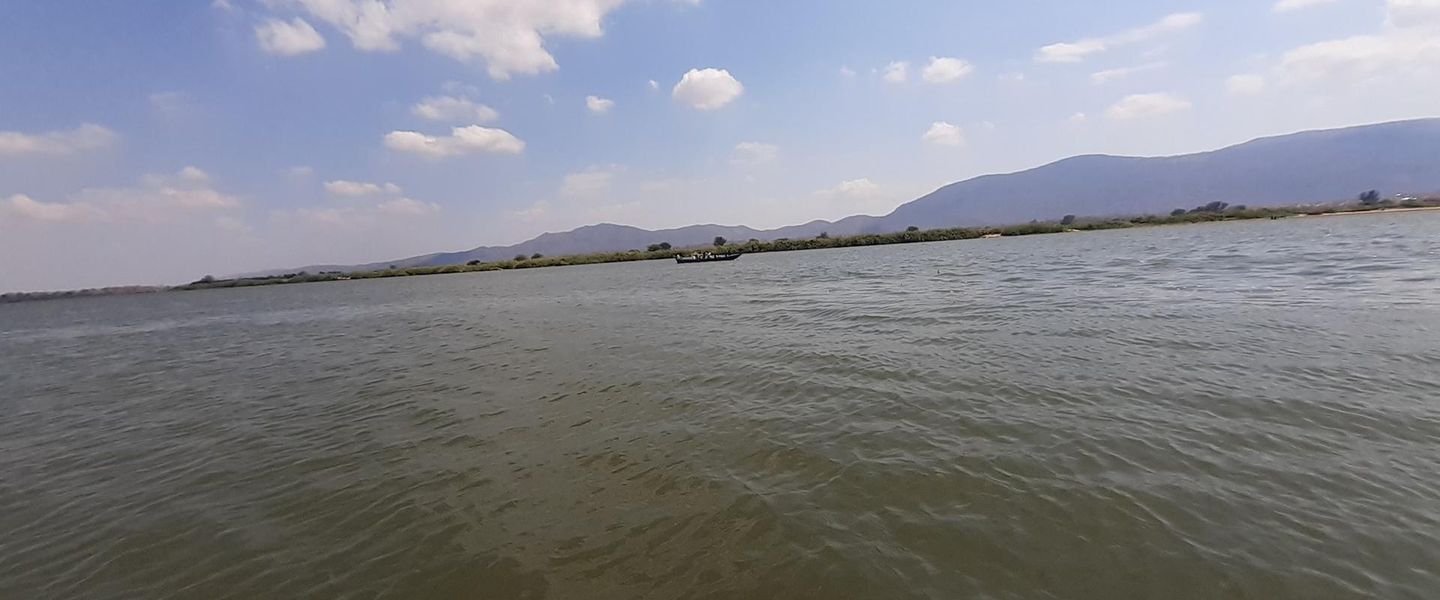


Explore Moxico Plains in eastern Angola for miombo woodland, seasonal wetlands, Luena’s history and remote journeys towards Cameia National Park.
Read more about Moxico Plains
When is the best time to visit Moxico Plains?
Best: June–August · 27–29°C| Month | High (°C) | Rainfall (mm) |
|---|---|---|
| January | 30 | 160 |
| February | 30 | 140 |
| March | 31 | 130 |
| April | 31 | 110 |
| May | 30 | 90 |
| June (best) | 28 | 70 |
| July (best) | 27 | 60 |
| August (best) | 29 | 60 |
| September | 31 | 70 |
| October | 33 | 80 |
| November | 32 | 110 |
| December | 31 | 140 |
Getting to and around Moxico Plains
How to get there
Transportation
Best attractions in Moxico Plains
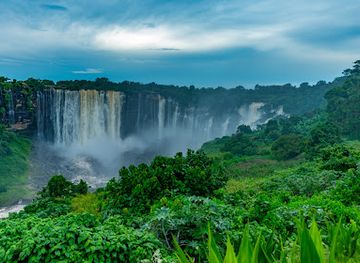
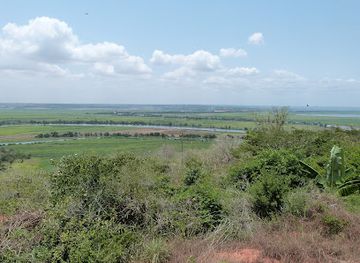
The attractions of the Moxico Plains are primarily ecological, geographical and historical rather than built for mass tourism. Cameia National Park is the region’s leading nature destination, encompassing broad miombo woodland, grassland and seasonally flooded plains where birdwatching and landscape observation are more realistic expectations than a guaranteed safari spectacle. Lake Dilolo and other inland water landscapes provide opportunities to understand the region’s hydrology and local geography, although access, roads and facilities require careful local planning. Around Luena, visitors can explore the urban setting, railway heritage and the visible story of post-war reconstruction, usually with a locally informed guide. Cultural interest lies in eastern Angola’s Chokwe, Luvale and Lunda artistic traditions, community life and markets, rather than in a large concentration of formal museums. The wider countryside offers long-distance road journeys, photography, nature study and encounters with seasonal woodland, but visitors should avoid treating remote villages as attractions. Moxico is best approached as a low-infrastructure destination where preparation, patience and respect for local communities are central to the experience.
-
Museum
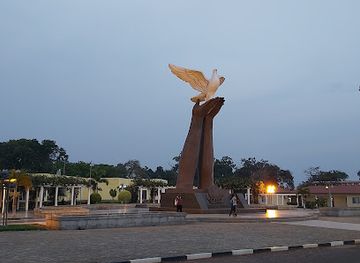
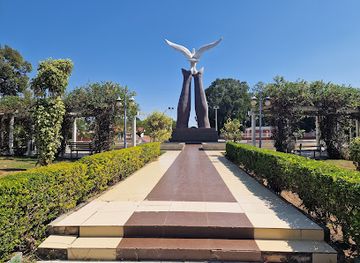
Monument of Peace
Discover Angola's path to peace and unity at the Monument of Peace in Luena, a tribute to resilience and national reconciliation.
-
Tourist attraction
Dala Waterfalls
Discover the breathtaking beauty of Dala Waterfalls in Angola: a serene escape into nature's embrace with cascading waters and lush landscapes.

Best landmarks in Moxico Plains
Luena’s railway infrastructure and its position on the Benguela Railway are among the most significant human landmarks of the Moxico Plains, representing the region’s colonial economic integration, wartime strategic importance and post-2002 reconstruction. The city itself is also an important historical landmark in a broader sense, because its buildings and expanding streets reflect the transition from a heavily militarised provincial centre to a growing administrative capital. Cameia National Park is the region’s defining natural landmark: its extensive woodland, floodplains and seasonal wetlands express the ecological character of eastern Angola. Lake Dilolo is another notable geographical feature in the wider Moxico landscape, valued for its size, setting and place in local regional narratives. Smaller landmarks are often less formal, including railway corridors, river crossings, village churches and old administrative structures. Access and interpretation can be limited, so visitors should use local guidance and avoid photographing security-sensitive sites without permission.
-
Fortress
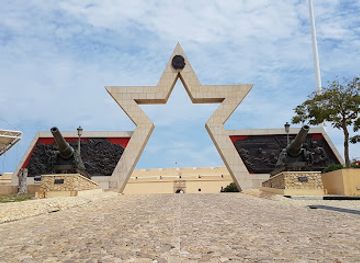
Fortress of São Miguel
Explore Angola's colonial past at the Fortress of São Miguel, a historic landmark with stunning views of Luanda Bay.
-
Observatory
Viewpoint of the Moon
Experience the breathtaking views and celestial wonders at the Viewpoint of the Moon in Belas, a must-visit observatory for all travelers.
-
Tourist attraction
Calandula Falls
Experience the breathtaking beauty of Calandula Falls, one of Angola's most stunning natural attractions, perfect for nature lovers and adventure seekers.
-
National park
Parque Nacional do Quicama
Experience the breathtaking landscapes and diverse wildlife of Parque Nacional do Quicama, a hidden gem in Angola's natural heritage.
Explore Moxico Plains on the map
Plan your trip on one map. See where the top cities, national parks and sights are, and book hotels and experiences in a few clicks.
Best hotels in Moxico Plains
Best restaurants in Moxico Plains
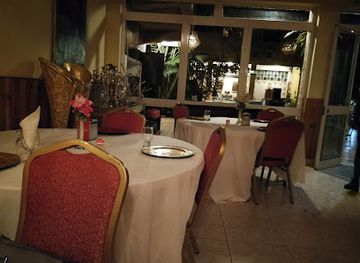
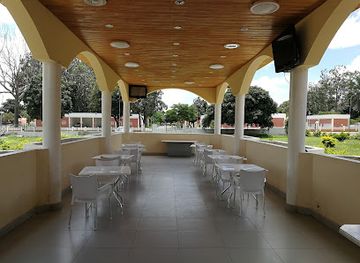
Dining in the Moxico Plains is concentrated in Luena, where restaurants, hotel dining rooms, cafés and informal eateries provide the greatest choice. Meals commonly reflect Angolan staples found across the country, including funge, rice, beans, grilled or stewed meat, chicken and fish, with sauces and vegetables varying according to availability. Cassava, maize and other locally important crops are part of the broader food landscape, while supplies can become more limited outside the provincial capital. Markets and small shops are useful for fruit, bread, water and provisions for road journeys, but travellers should choose food and drinking water carefully in remote areas. The region does not have a widely established international dining circuit, and menus may be simple, seasonal and dependent on transport links. Visitors staying in lodges or arranging trips into protected areas should confirm meals and supplies in advance rather than assuming that cafés or shops will be available near natural attractions.
-
Restaurant
Kanawa Restaurant
Experience authentic Angolan cuisine at Kanawa Restaurant in Belas – where every dish tells a story of flavor and tradition.
-
Restaurant
Restaurante do César (Hotel Kawango)
Experience authentic Angolan cuisine at Restaurante do César within Hotel Kawango - a culinary gem in Luena.
-
Restaurant
La Paloma Restaurante
Experience authentic Angolan cuisine at La Paloma Restaurante in Luena - where every meal tells a story.
-
 Restaurant
Muxi- restaurante
Discover authentic Angolan cuisine at Muxi Restaurant in Luena - where every meal tells a story.
Best bars in Moxico Plains
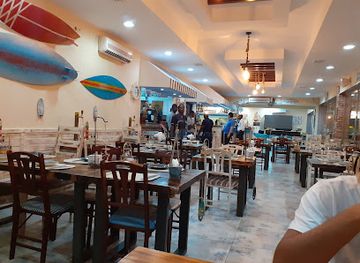
Evening life in the Moxico Plains is centred on Luena rather than on a large, dedicated club scene. Hotel bars, local bars, restaurants and informal social venues provide the main opportunities for a drink or conversation, while music and dancing may be part of weekend leisure without following a predictable visitor timetable. Outside the provincial capital, nightlife is generally limited and evenings are shaped by community life, darkness, travel distances and the availability of electricity. Visitors should ask locally about current venues and avoid assuming that a bar or club mentioned by an older guide remains open. Alcohol is not necessary to experience the region, and remote travellers should prioritise secure transport, water and early starts over late-night journeys. In smaller settlements, respectful behaviour and sensitivity to local routines matter more than seeking a formal nightlife district.
-
Bar
BAR BAR
Discover the lively atmosphere of BAR BAR in Luanda, a must-visit for an unforgettable nightlife experience with local and international flavors.
-
Hotel
Hotel Kandamba
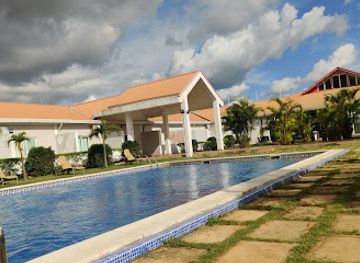
Experience the charm of Luena at Hotel Kandamba, where comfort meets local culture in the heart of Angola.
-
Museum
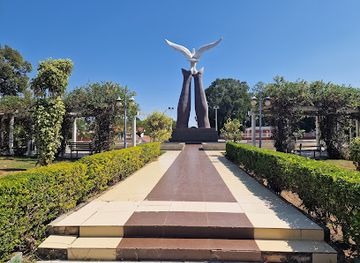
Monument of Peace
Explore the Monument of Peace in Luena, a tribute to Angola's history and resilience, surrounded by serene gardens for a reflective experience.
-
Restaurant
Bar Ssulo
Discover the vibrant flavors of Belas at Bar Ssulo, where culinary tradition meets a lively atmosphere for an unforgettable dining experience.
Best nightclubs in Moxico Plains
Evening life in the Moxico Plains is centred on Luena rather than on a large, dedicated club scene. Hotel bars, local bars, restaurants and informal social venues provide the main opportunities for a drink or conversation, while music and dancing may be part of weekend leisure without following a predictable visitor timetable. Outside the provincial capital, nightlife is generally limited and evenings are shaped by community life, darkness, travel distances and the availability of electricity. Visitors should ask locally about current venues and avoid assuming that a bar or club mentioned by an older guide remains open. Alcohol is not necessary to experience the region, and remote travellers should prioritise secure transport, water and early starts over late-night journeys. In smaller settlements, respectful behaviour and sensitivity to local routines matter more than seeking a formal nightlife district.
-
Night club
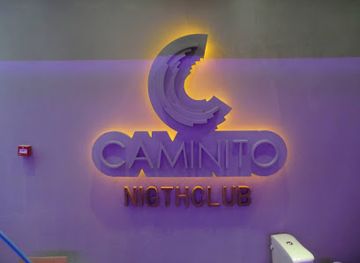
Caminito Night Club
Discover the unforgettable nightlife of Luanda at Caminito Night Club, where vibrant music and dancing create an electrifying atmosphere!
Best shops in Moxico Plains
Shopping in the Moxico Plains is practical and locally focused, with Luena providing the widest choice of markets, small shops and everyday retail. Visitors can look for fresh produce, bread, basic household goods and locally traded foodstuffs, while specialist outdoor equipment, medicines and replacement electronics may be difficult to find. Eastern Angola is associated with important Chokwe and related artistic traditions, including wood carving and masks, but buyers should ask about provenance and avoid purchasing objects that may be ceremonial, illegally exported or of uncertain origin. Small-scale crafts and textiles may be available through local contacts rather than formal souvenir shops. Market conditions change with deliveries and the seasons, and bargaining should remain courteous. Outside Luena, shopping opportunities are sparse, so purchase fuel, water, snacks and other travel necessities before setting out towards protected areas or remote settlements.
-
Shopping mall
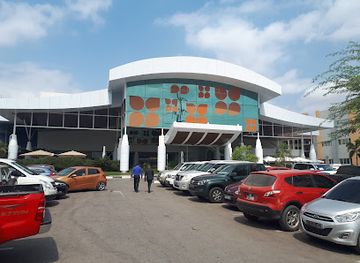
Belas Shopping
Explore the lively Belas Shopping Mall in Luanda, a shopping paradise blending local culture, dining, and entertainment for every traveler.
-
Shopping mall
Ginga Shopping
Discover the vibrant shopping experience at Ginga Shopping, Luanda's premier shopping destination with diverse shops and delightful dining options.
-
Museum
Monument of Peace
Discover the Monument of Peace in Luena, a symbol of unity and hope, showcasing Angola’s rich history through engaging exhibits and stunning architecture.
-
Supermarket
Fresmart Express Moxico
Discover local produce and unique Angolan delicacies at Fresmart Express Moxico, the go-to supermarket in Luena.

Get your free copy of our complete guide to Moxico Plains, delivered straight to you.
Everything on this page, from attractions and restaurants to essentials and local phrases, in one PDF you can read offline, print or share.
Already have an account? Sign in
Your Moxico Plains guide is ready.
We'll send it to · Not you? Sign out

Getting your guide ready…
We are putting together a fresh copy of the Moxico Plains guide. This can take up to a minute.
This can take a few moments. If your browser asks, choose Allow so the download can start. You'll find the guide in your Downloads folder.
Nothing happened? Download it again
Sorry, the guide is taking longer than usual. Please try again in a minute, or get it by email instead.
Moxico Plains essentials
Currency and Payment
Safety
Emergency Situations
Do's and Don'ts
Local Tips
From Eve
Local phrases worth knowing
You don't need to get them perfect. A few words go a long way, and locals appreciate the effort.
Basics
| English | Local | Say it |
|---|---|---|
| Hello | Olá | [oh-lah] |
| Goodbye | Adeus | [ah-deh-oos] |
| Yes | Sim | [seem] |
| No | Não | [now] |
| Please/You're welcome | Por favor | [poor fah-vor] |
| Thank you | Obrigado | [oh-bree-gah-doo] |
| Excuse me/Sorry | Desculpe | [des-kool-peh] |
| How are you? | Como você está? | [koh-moo voh-seh es-tah] |
| Fine. And you? | Bem. E você? | [bang. eh voh-seh] |
| Do you speak English? | Você fala inglês? | [voh-seh fah-lah een-glays] |
| I don't understand | Eu não entendo | [ay-oo now en-ten-doo] |
Eating & Drinking
| English | Local | Say it |
|---|---|---|
| I'd like to see the menu, please | Gostaria de ver o menu, por favor | [goh-stah-ree-ah jee vehr oo meh-noo, poor fah-vor] |
| I don't eat meat | Eu não como carne | [ay-oo now koh-moo kar-nee] |
| Cheers! | Saúde! | [sah-oo-jee] |
| I would like to pay, please | Gostaria de pagar, por favor | [goh-stah-ree-ah jee pah-gar, poor fah-vor] |
Emergencies
| English | Local | Say it |
|---|---|---|
| Help! | Ajuda! | [ah-zhoo-dah] |
| Go away! | Vá embora! | [vah em-boh-rah] |
| Call the Police! | Chame a polícia! | [sha-mee ah poh-lee-syah] |
| Call a doctor! | Chame um médico! | [sha-mee oom meh-dee-koh] |
| I'm lost | Estou perdido | [es-toh pehr-jee-doo] |
| I'm ill | Estou doente | [es-toh doh-en-chee] |
Shopping
| English | Local | Say it |
|---|---|---|
| I'd like to buy... | Gostaria de comprar... | [goh-stah-ree-ah jee kom-prar] |
| I'm just looking | Estou apenas olhando | [es-toh ah-peh-nas oh-lan-doo] |
| How much is it? | Quanto custa? | [kwan-toh koos-tah] |
| That's too expensive | Isso é muito caro | [ees-soh eh moo-ee-toh kah-roh] |
| Can you lower the price? | Você pode baixar o preço? | [voh-seh poh-jee bye-shar oo preh-soh] |
Time & Numbers
| English | Local | Say it |
|---|---|---|
| What time is it? | Que horas são? | [keh oh-ras sah-ooh] |
| It's one o'clock | É uma hora | [eh oo-mah oh-rah] |
| Half past (10) | Dez e meia | [dehz eh may-ah] |
| Morning | Manhã | [mahn-yah] |
| Afternoon | Tarde | [tahr-deh] |
| Evening | Noite | [noy-chee] |
| Yesterday | Ontem | [on-tem] |
| Today | Hoje | [oh-zhee] |
| Tomorrow | Amanhã | [ah-mahn-yah] |
| 1 | Um | [oom] |
| 2 | Dois | [doys] |
| 3 | Três | [trays] |
| 4 | Quatro | [kwah-troh] |
| 5 | Cinco | [seen-koh] |
| 6 | Seis | [says] |
| 7 | Sete | [seh-chee] |
| 8 | Oito | [oy-toh] |
| 9 | Nove | [noh-vee] |
| 10 | Dez | [dehz] |
Transport & Directions
| English | Local | Say it |
|---|---|---|
| Where's a/the...? | Onde está um/a...? | [on-deh es-tah oom/ah] |
| What's the address? | Qual é o endereço? | [kwal eh oo en-deh-reh-soo] |
| Can you show me (on the map)? | Você pode me mostrar (no mapa)? | [voh-seh poh-jee meh mohs-trar (noh mah-pah)] |
| When's the next (bus)? | Quando é o próximo (ônibus)? | [kwan-doo eh oo proh-see-moo (oh-nee-boos)] |
| A ticket (to ....) | Um bilhete (para....) | [oom bee-lyeh-chee (pah-rah....)] |
History of Moxico Plains
Early settlement and eastern Angolan cultures
The lands of eastern Angola have long been occupied by communities whose economies and social networks adapted to woodland, grassland and seasonal watercourses. Chokwe, Luvale, Lunda and related peoples developed distinctive artistic, political and trading traditions across a wider area that today extends beyond Angola’s national boundaries. Carved figures, masks and objects associated with initiation and authority are among the best-known expressions of eastern Angolan culture. These traditions should not be treated as museum relics: they remain part of living identities, although their meanings vary between communities and contexts.
Portuguese expansion and colonial administration
Portuguese control in the interior of Angola developed gradually and was often limited outside administrative centres and transport corridors. Eastern territories were incorporated into the colonial system through military expeditions, taxation, mission activity, trading networks and the creation of administrative posts. Luena, historically known as Vila Luso during the colonial period, became an important centre in the east. Colonial boundaries and institutions reshaped older regional connections, while the movement of labour, goods and officials linked the interior more closely to Angola’s coastal and central railway networks.
The Benguela Railway and the interior economy
The railway reaching the eastern interior connected the region with the Benguela Railway system and, through it, with central Angola and the Atlantic port of Lobito. Rail transport altered the movement of passengers, agricultural products and supplies, giving Luena greater strategic and commercial importance. The line’s significance extended beyond transport: it helped consolidate colonial administration and later became a major asset in Angola’s post-war reconstruction. Railway travel in the region therefore reflects both economic geography and the difficult political history of the twentieth century.
The independence struggle and civil war
Angola’s anti-colonial war, independence in 1975 and subsequent civil war deeply affected Moxico. The province became one of the principal theatres of conflict involving the MPLA government and UNITA, and Luena acquired major military importance. Fighting, displacement, damaged infrastructure and the disruption of rural livelihoods left a lasting mark on communities and landscapes. Visitors should approach this history with care: former conflict sites and wartime memories are part of living local experience, not simply themes for sightseeing.
Peace, reconstruction and new administrative boundaries
The 2002 peace agreement began a long period of reconstruction in Moxico. Roads, railways, public buildings and communications were progressively restored, although access and services remain uneven across the province. In 2024, Angola implemented a major administrative reorganisation that divided the former Moxico Province, creating Moxico Province and Moxico Leste. Tourism descriptions using Moxico Plains may therefore refer to a broader geographical landscape than a single current administrative unit; travellers should check the latest local boundaries when arranging permits, transport or official services.
Cameia National Park and conservation
Cameia National Park represents an important conservation legacy within the wider Moxico landscape. Established during the colonial period and later affected by conflict and limited management capacity, the park encompasses woodland, grassland and seasonally flooded habitats. Its recovery is linked to Angola’s broader efforts to strengthen protected areas and develop nature-based tourism. Wildlife viewing remains less predictable and less infrastructure-supported than in southern African safari centres, but the park’s ecological importance lies in its extensive habitats and wetland systems rather than in guaranteed sightings.
Moxico Plains in Photos
Browse through our photo collection highlighting the charm and character of the destination.
Neighbouring regions of Moxico Plains
The closest regions to Moxico Plains, if you have time for more than one.
-

-

-

-

-


Swipe for more regions
Explore more

Explore more of Angola
Discover Angola's vibrant cities, stunning coastlines, and rich cultural heritage. An African destination that combines urban excitement with natural wonders.
Explore Angola