

Free Bié Plateau Travel Guide & Mobile App
Explore Bié Plateau with free travel guides. Discover regional history, expert tips, proposed trips, and audio guides on web or mobile app.


Explore Angola’s Bié Plateau for cool highland landscapes, Ovimbundu heritage, railway history, rural markets and the central city of Cuito.
Read more about Bié Plateau
When is the best time to visit Bié Plateau?
Best: June–August · 22–23°C| Month | High (°C) | Rainfall (mm) |
|---|---|---|
| January | 27 | 230 |
| February | 27 | 210 |
| March | 27 | 180 |
| April | 27 | 130 |
| May | 25 | 50 |
| June (best) | 22 | 10 |
| July (best) | 22 | 5 |
| August (best) | 23 | 10 |
| September | 25 | 40 |
| October | 27 | 80 |
| November | 27 | 150 |
| December | 27 | 190 |
Getting to and around Bié Plateau
How to get there
Transportation
Best attractions in Bié Plateau
The Bié Plateau’s attractions are primarily geographical, historical and cultural rather than a concentrated collection of ticketed sites. Cuito offers the most accessible introduction, with markets, churches, public buildings and reminders of the city’s wartime destruction and reconstruction. The Benguela Railway is central to the region’s modern history, and railway towns and stations provide context for Angola’s inland connections, although visitors should confirm access and photography rules. Beyond Cuito, roads towards Camacupa, Chinguar, Cunhinga, Catabola, Andulo and Chitembo lead through cultivated highland scenery, villages and broad stretches of wooded savanna. Local guides can help visitors understand farming landscapes, seasonal rivers and the plateau’s importance as a watershed. Birdwatching and quiet rural observation are possible, but tourism infrastructure is limited and the region should not be approached as a conventional safari destination. Cultural interest lies in Ovimbundu heritage, markets, food traditions and the contrast between expanding provincial towns and dispersed countryside. Distances, weather and road conditions make a small number of carefully planned excursions more rewarding than attempting to cover the entire plateau quickly.
-
Tourist attraction
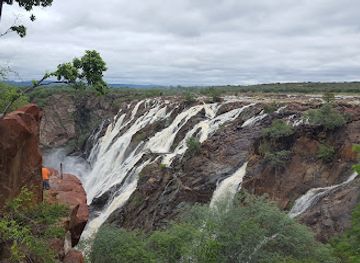
Ruacana Falls
Experience the grandeur of Ruacana Falls, a majestic waterfall on the Namibia-Angola border, offering stunning views and cultural encounters.
-
Historical landmark
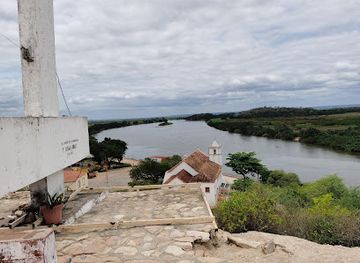
Fortaleza do Muxima
Explore Angola's colonial past at Fortaleza do Muxima, a 16th-century fortress overlooking the Cuanza River, rich in history and cultural significance.
-
Plateau
Planalto do Bie
Discover Planalto do Bié: An Angolan plateau offering stunning landscapes, rich biodiversity, and a glimpse into the nation's cultural heritage.

Best landmarks in Bié Plateau
Cuito’s urban fabric is the most important landmark landscape of the Bié Plateau, combining a provincial capital, railway infrastructure, religious buildings and areas rebuilt after the civil war. Its churches and civic structures provide evidence of colonial-era planning and later reconstruction, while the city’s damaged and renewed neighbourhoods recall the severe battles fought here in the 1990s. The Benguela Railway and its associated stations form another significant human landmark, representing the line’s role in connecting Angola’s Atlantic coast with the central interior and wider Central Africa. Outside Cuito, the plateau’s most characteristic landmarks are less monumental: broad cultivated uplands, red-earth roads, wooded savanna and river valleys reveal the region’s environmental and agricultural identity. Towns such as Camacupa and Chinguar are useful points for understanding settlement along the central highlands, while the plateau’s watershed landscapes explain its importance far beyond Bié Province. Access to individual structures and railway sites should be confirmed locally, as not all are arranged for tourism.
-
Observatory
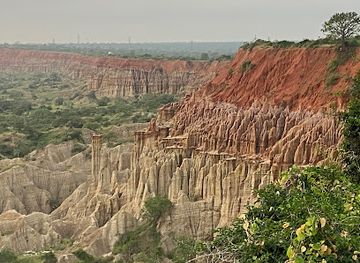
Viewpoint of the Moon
Experience breathtaking views and tranquility at the Viewpoint of the Moon in Belas, a must-visit observatory for nature lovers and photographers.
-
Tourist attraction
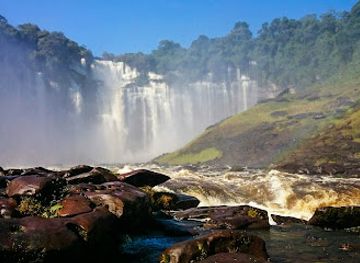
Calandula Falls
Discover the breathtaking beauty of Calandula Falls, a stunning natural attraction in Angola surrounded by lush landscapes and vibrant ecosystems.
-
Historical landmark
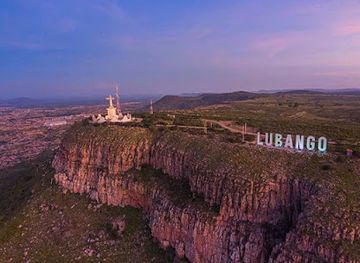
Christ the King Statue
Explore the Christ the King Statue in Lubango, a monumental symbol of faith offering stunning views and a unique glimpse into Angola's rich culture.
-
Plateau
Planalto do Bie
Explore the breathtaking beauty of Planalto do Bie, a stunning plateau in Angola offering adventure, biodiversity, and cultural richness.

Explore Bié Plateau on the map
Plan your trip on one map. See where the top cities, national parks and sights are, and book hotels and experiences in a few clicks.
Best hotels in Bié Plateau
Best restaurants in Bié Plateau
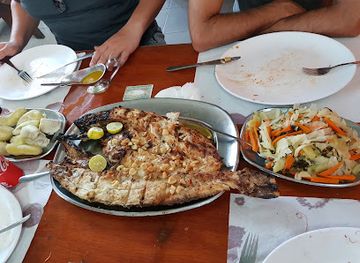
Dining on the Bié Plateau is practical, local and concentrated in Cuito rather than organised around a formal restaurant scene. Meals commonly draw on Angolan staples including funge made from cassava or maize, beans, rice, chicken, beef, fish and seasonal vegetables. In smaller towns, simple eateries and informal food stalls may offer the most direct taste of everyday cooking, while hotels and established restaurants in Cuito are more likely to provide broader menus and Portuguese-influenced dishes. Fresh produce from the surrounding agricultural areas appears in local markets, although availability changes with season and transport. Visitors should not expect the coastal emphasis on seafood found in Luanda or Benguela; inland dishes and preserved or locally sourced ingredients are more characteristic here. Portuguese is useful for ordering and asking about ingredients, and meal times may be flexible outside larger establishments. Carry snacks and drinking water on road journeys, since dependable food stops become less frequent beyond the principal towns.
-
Restaurant
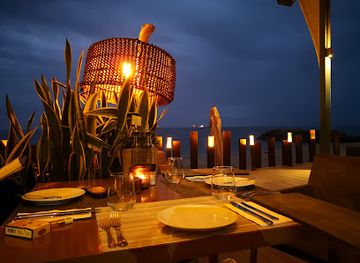
Restaurante Café Del Mar
Experience exquisite seafood and vibrant Angolan cuisine at Restaurante Café Del Mar with breathtaking ocean views on Ilha de Luanda.
-
Restaurant
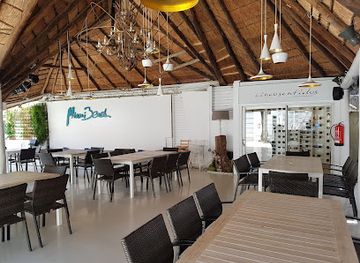
Miami Beach
Discover the vibrant culinary scene at Miami Beach in Luanda, where local flavors meet international cuisine in an inviting atmosphere.
-
Seafood
Restaurante la Vigia
Experience the flavors of Angola at Restaurante la Vigia - a seafood paradise in Luanda offering fresh dishes in a welcoming atmosphere.
-
Portuguese
Restaurante Veneza
Experience the essence of Portuguese cuisine at Restaurante Veneza in Luanda - where tradition meets taste in a vibrant setting.
Best bars in Bié Plateau
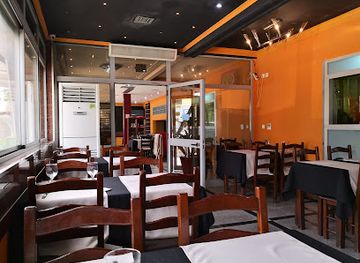
Evening life on the Bié Plateau is centred on Cuito and depends more on neighbourhood bars, hotel lounges, restaurants, music and social gatherings than on a large nightclub circuit. Small bars may serve Angolan beer, soft drinks and spirits, while music ranging from popular Angolan styles to international tracks often shapes the atmosphere. In smaller towns, evenings are quieter and may revolve around local cafés, roadside establishments or family and community occasions rather than formal entertainment venues. Opening arrangements and venue status can change, so visitors should ask trusted local contacts rather than rely on old online listings. Rural areas have little organised nightlife and limited transport after dark, making it sensible to stay close to accommodation. Alcohol is not necessary for engaging with local culture, and respectful behaviour is particularly important in small communities where visitors may attract attention.
-
Bar
EPIC SANA Luanda Hotel
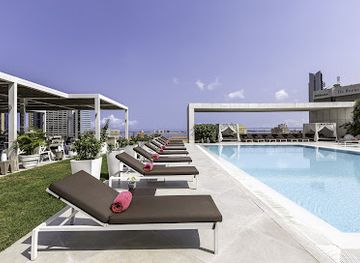
Experience unparalleled luxury and vibrant nightlife at the EPIC SANA Luanda Hotel, a true gem in the heart of Angola's capital.
-
Bar
BAR BAR
Experience the vibrant nightlife of Luanda at Bar Bar, where local charm meets a lively atmosphere and a wide selection of drinks.
-
Restaurant
Hamburgueria e Churrasqueira Na Garagem
Discover the heart of Angolan cuisine at Hamburgueria e Churrasqueira Na Garagem, where grilled meats and hearty flavors await.
-
Restaurant
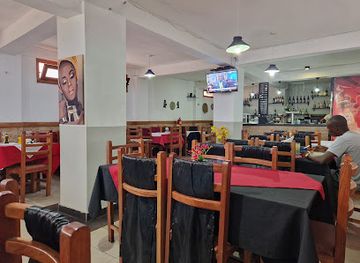
Restaurante bar Oputu(西餐厅)
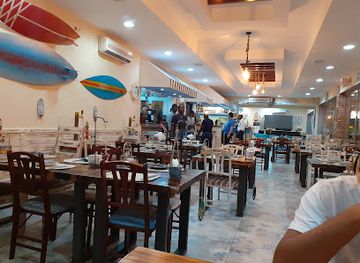
Discover flavorful Western cuisine at Restaurante bar Oputu in Kuito, a perfect blend of local charm and delightful dishes.
Best nightclubs in Bié Plateau
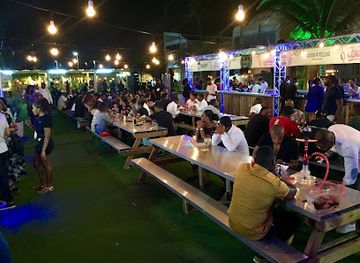
Evening life on the Bié Plateau is centred on Cuito and depends more on neighbourhood bars, hotel lounges, restaurants, music and social gatherings than on a large nightclub circuit. Small bars may serve Angolan beer, soft drinks and spirits, while music ranging from popular Angolan styles to international tracks often shapes the atmosphere. In smaller towns, evenings are quieter and may revolve around local cafés, roadside establishments or family and community occasions rather than formal entertainment venues. Opening arrangements and venue status can change, so visitors should ask trusted local contacts rather than rely on old online listings. Rural areas have little organised nightlife and limited transport after dark, making it sensible to stay close to accommodation. Alcohol is not necessary for engaging with local culture, and respectful behaviour is particularly important in small communities where visitors may attract attention.
-
Hotel
EPIC SANA Luanda Hotel
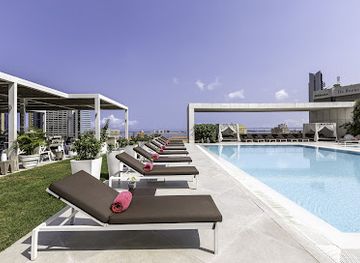
Experience luxury at EPIC SANA Luanda Hotel, where modern elegance meets the vibrant culture of Angola's capital.
-
Restaurant
Lookal Beach Club
Experience the perfect blend of luxury and flavor at Lookal Beach Club, a top dining destination in Luanda with stunning ocean views.
-
Restaurant
Restaurante Da ENGRÁCIA
Discover the authentic tastes of Angola at Restaurante Da ENGRÁCIA, where tradition meets culinary excellence in a vibrant setting.
-
Night club
Restaurante Switch
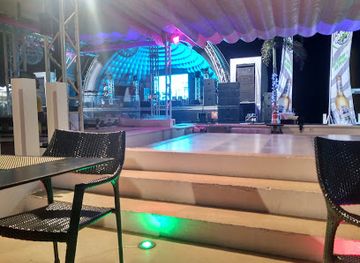
Discover the ultimate nightlife experience at Restaurante Switch in Luanda, where exquisite dining meets vibrant entertainment.

Best shops in Bié Plateau
Shopping on the Bié Plateau is focused on everyday markets, small town high streets and independent traders rather than large retail complexes. Cuito provides the widest choice of food, household goods, clothing, mobile-phone services and locally traded produce, while markets in smaller towns offer a more direct view of agricultural commerce. Cassava, maize, beans and other staples may be available according to season, and visitors can look for practical regional foods rather than heavily branded souvenirs. Small craft items, woven goods or carvings may occasionally appear, but selection and provenance vary; buy respectfully and avoid purchasing antiquities or objects that may have archaeological or cultural significance. Shops often have limited inventories compared with Angola’s major cities, so obtain medicines, toiletries, specialist equipment and travel supplies in Cuito. Bargaining may be possible in informal markets, but it should be conducted politely and without treating low prices as entertainment.
-
Shopping mall
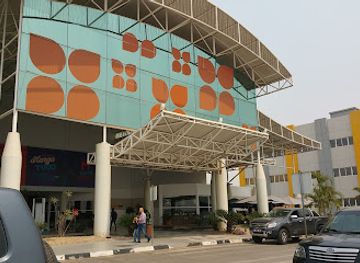
Belas Shopping
Experience the heart of Luanda at Belas Shopping, a vibrant shopping mall offering diverse retail, dining, and entertainment options.
-
Shopping mall
Shopping Avennida
Discover Shopping Avennida in Luanda, a vibrant shopping mall offering a diverse range of stores, dining options, and unique cultural experiences.
-
Shopping mall
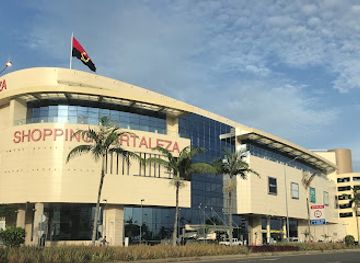
Shopping Fortaleza
Discover Shopping Fortaleza in Luanda: where local flair meets global shopping, dining, and entertainment in a vibrant coastal setting.
-
Shopping mall
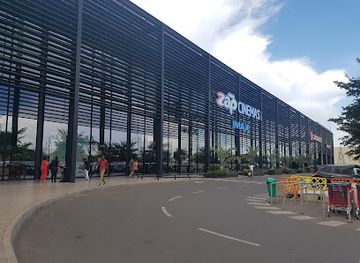
Ginga Shopping
Explore Ginga Shopping in Luanda, the ultimate shopping destination for a diverse retail, dining, and entertainment experience.
Get your free copy of our complete guide to Bié Plateau, delivered straight to you.
Everything on this page, from attractions and restaurants to essentials and local phrases, in one PDF you can read offline, print or share.
Already have an account? Sign in
Your Bié Plateau guide is ready.
We'll send it to · Not you? Sign out

Getting your guide ready…
We are putting together a fresh copy of the Bié Plateau guide. This can take up to a minute.
This can take a few moments. If your browser asks, choose Allow so the download can start. You'll find the guide in your Downloads folder.
Nothing happened? Download it again
Sorry, the guide is taking longer than usual. Please try again in a minute, or get it by email instead.
Bié Plateau essentials
Currency and Payment
Safety
Emergency Situations
Do's and Don'ts
Local Tips
From Eve
Local phrases worth knowing
You don't need to get them perfect. A few words go a long way, and locals appreciate the effort.
Basics
| English | Local | Say it |
|---|---|---|
| Hello | Olá | [oh-lah] |
| Goodbye | Adeus | [ah-deh-oos] |
| Yes | Sim | [seem] |
| No | Não | [now] |
| Please/You're welcome | Por favor | [poor fah-vor] |
| Thank you | Obrigado | [oh-bree-gah-doo] |
| Excuse me/Sorry | Desculpe | [des-kool-peh] |
| How are you? | Como você está? | [koh-moo voh-seh es-tah] |
| Fine. And you? | Bem. E você? | [beng. eh voh-seh] |
| Do you speak English? | Você fala inglês? | [voh-seh fah-lah een-glays] |
| I don't understand | Eu não entendo | [eh-oo now en-ten-doo] |
Eating & Drinking
| English | Local | Say it |
|---|---|---|
| I'd like to see the menu, please | Gostaria de ver o menu, por favor | [goh-stah-ree-ah jeh vehr oh meh-noo, poor fah-vor] |
| I don't eat meat | Eu não como carne | [eh-oo now koh-moo kar-nee] |
| Cheers! | Saúde! | [sah-oo-deh] |
| I would like to pay, please | Gostaria de pagar, por favor | [goh-stah-ree-ah jeh pah-gar, poor fah-vor] |
Emergencies
| English | Local | Say it |
|---|---|---|
| Help! | Ajuda! | [ah-zhoo-dah] |
| Go away! | Vá embora! | [vah em-boh-rah] |
| Call the Police! | Chame a polícia! | [sha-meh ah poh-lee-syah] |
| Call a doctor! | Chame um médico! | [sha-meh oom meh-dee-co] |
| I'm lost | Estou perdido | [es-toh pehr-dee-doo] |
| I'm ill | Estou doente | [es-toh doh-en-tay] |
Shopping
| English | Local | Say it |
|---|---|---|
| I'd like to buy... | Gostaria de comprar... | [goh-stah-ree-ah jeh kohm-prah...] |
| I'm just looking | Estou apenas olhando | [es-toh ah-peh-nas oh-lyan-doo] |
| How much is it? | Quanto custa? | [kwan-toh koos-tah] |
| That's too expensive | Isso é muito caro | [ee-soh eh mu-e-toh kah-roo] |
| Can you lower the price? | Você pode baixar o preço? | [voh-seh poh-jee bye-shar oh preh-soh] |
Time & Numbers
| English | Local | Say it |
|---|---|---|
| What time is it? | Que horas são? | [keh oh-ras sow] |
| It's one o'clock | É uma hora | [eh oo-mah oh-rah] |
| Half past (10) | Dez e meia | [dez ee meh-yah] |
| Morning | Manhã | [mahn-yah] |
| Afternoon | Tarde | [tar-deh] |
| Evening | Noite | [noy-tay] |
| Yesterday | Ontem | [on-tem] |
| Today | Hoje | [oh-zhay] |
| Tomorrow | Amanhã | [ah-mahn-yah] |
| 1 | Um | [oom] |
| 2 | Dois | [doyz] |
| 3 | Três | [trehz] |
| 4 | Quatro | [kwah-tro] |
| 5 | Cinco | [seen-koh] |
| 6 | Seis | [says] |
| 7 | Sete | [seh-teh] |
| 8 | Oito | [oy-toh] |
| 9 | Nove | [noh-veh] |
| 10 | Dez | [dez] |
Transport & Directions
| English | Local | Say it |
|---|---|---|
| Where's a/the...? | Onde está um/a...? | [on-deh es-tah oom/ah] |
| What's the address? | Qual é o endereço? | [kwahl eh oo en-deh-reh-soh] |
| Can you show me (on the map)? | Você pode me mostrar (no mapa)? | [voh-seh poh-jee meh mohs-trar (no mah-pah)] |
| When's the next (bus)? | Quando é o próximo (ônibus)? | [kwan-doo eh oo proh-see-moh (oh-nee-boos)] |
| A ticket (to ....) | Um bilhete (para ....) | [oom bee-lyeh-tay (pah-rah ....)] |
History of Bié Plateau
Ovimbundu societies and inland trade
Before Portuguese colonial expansion, the Bié Plateau was shaped by Ovimbundu-speaking communities organised through kingdoms, chiefly authorities, farming settlements and long-distance trading networks. The plateau’s position between the coast and Angola’s interior made it an important zone for the movement of foodstuffs, livestock, wax, ivory and other goods, although the nature of exchange changed substantially during the nineteenth century. Ovimbundu political and commercial institutions remain essential to understanding the region’s cultural geography and the importance of towns such as Cuito and Bailundo in the wider central highlands.
Portuguese expansion in the central highlands
Portuguese authority expanded unevenly across the Bié Plateau during the late nineteenth and early twentieth centuries, eventually imposing colonial administration over existing African political structures. Military campaigns, taxation, labour demands and missionary activity altered settlement and economic life. Colonial rule encouraged commercial agriculture and redirected inland trade towards Portuguese-controlled towns and transport routes. The resulting political order was contested, and the plateau’s later history cannot be understood simply as a peaceful transition from local kingdoms to colonial administration.
The Benguela Railway and the colonial economy
The Benguela Railway connected Angola’s Atlantic port of Lobito with the interior and, ultimately, the rail networks leading towards the former Belgian Congo. Its construction and operation transformed the economic geography of the central highlands by strengthening the role of railway towns, enabling the movement of agricultural produce and minerals, and linking inland communities to coastal commerce. Cuito and other settlements on or near the railway acquired greater administrative and commercial importance. The line remains a major physical reminder of the region’s connection with wider central African trade.
Independence and the break-up of colonial rule
Angola became independent from Portugal in 1975 after the collapse of Portuguese colonial rule and a prolonged liberation struggle. In the Bié Plateau, independence brought major political change but also insecurity as rival Angolan movements competed for control during the national conflict that followed. Many colonial institutions and transport systems were disrupted, while rural communities faced displacement and interrupted agricultural production. The period marked a decisive break with the colonial economy, even though its infrastructure and administrative geography continued to influence everyday life.
War in Cuito and the central highlands
The Bié Plateau was one of the principal theatres of Angola’s civil war. Cuito suffered severe fighting and destruction, particularly during the battles of 1993 and the renewed siege of 1998–1999. The conflict damaged homes, public buildings, roads, rail infrastructure and livelihoods, while mines and unexploded ordnance created lasting dangers in parts of the countryside. The visible rebuilding of Cuito and the restoration of transport links are therefore not merely economic developments; they also form part of the region’s recent social and historical landscape.
Post-war reconstruction and changing connectivity
The end of the civil war in 2002 allowed Angola to undertake large-scale reconstruction, including the rehabilitation of roads, public facilities and the Benguela Railway. On the Bié Plateau, improved connections strengthened links between Cuito, Huambo, Luena and other inland centres, although road quality and service reliability still vary. Agriculture remains central to the regional economy, while expanding urban populations place new demands on housing, water, education and health services. Contemporary Bié is consequently a region of reconstruction and gradual integration rather than a static rural hinterland.
Bié Plateau in Photos
Browse through our photo collection highlighting the charm and character of the destination.
Neighbouring regions of Bié Plateau
The closest regions to Bié Plateau, if you have time for more than one.
-

-

-

-

-


Swipe for more regions
Explore more

Explore more of Angola
Discover Angola's vibrant cities, stunning coastlines, and rich cultural heritage. An African destination that combines urban excitement with natural wonders.
Explore Angola