

Free Okavango Basin Travel Guide & Mobile App
Explore Okavango Basin with free travel guides. Discover regional history, expert tips, proposed trips, and audio guides on web or mobile app.


Explore Angola’s Okavango Basin for remote headwaters, seasonal wetlands, conservation landscapes and the history of south-eastern Angola.
Read more about Okavango Basin
When is the best time to visit Okavango Basin?
Best: June–August · 24–27°C| Month | High (°C) | Rainfall (mm) |
|---|---|---|
| January | 32 | 100 |
| February | 33 | 90 |
| March | 32 | 80 |
| April | 31 | 60 |
| May | 28 | 40 |
| June (best) | 25 | 30 |
| July (best) | 24 | 20 |
| August (best) | 27 | 20 |
| September | 30 | 40 |
| October | 32 | 60 |
| November | 32 | 80 |
| December | 33 | 100 |
Getting to and around Okavango Basin
How to get there
Transportation
Best attractions in Okavango Basin
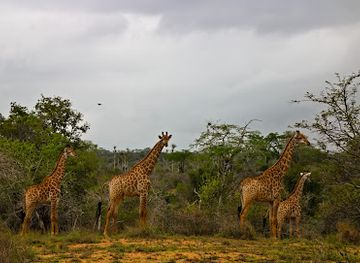
The Angolan Okavango Basin offers a remote, expedition-style range of attractions rather than a dense circuit of developed visitor sites. Its principal draw is the landscape itself: the upper Cubango and Cuito systems, seasonal floodplains, miombo woodland, open savanna and wildlife habitats that help sustain the Okavango downstream. Mavinga National Park and Luengue-Luiana National Park form part of the region’s broad conservation landscape, although access, facilities and wildlife sightings can vary and should be arranged through experienced local or specialist operators. Menongue provides the basin’s most practical urban introduction, while Cuito Cuanavale combines river scenery with important civil-war history. Birdwatching, photography, supported camping and conservation-focused travel are more realistic activities than conventional mass tourism. Journeys through rural areas can also reveal changing cultivation patterns, river crossings and the relationship between communities and seasonal water. Visitors should expect basic infrastructure, long distances and few fixed attractions outside the main settlements; the value lies in the watershed’s scale, ecological importance and historical depth rather than in a catalogue of polished facilities.
-
Nature preserve
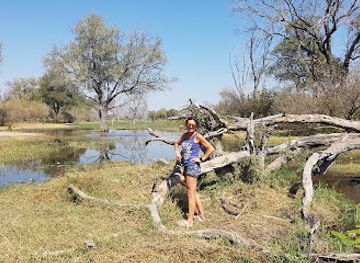
Moremi Game Reserve
Explore Botswana's Moremi Game Reserve: A stunning Okavango Delta sanctuary with diverse wildlife, birdwatching, and unforgettable safari experiences.
-
 Campground
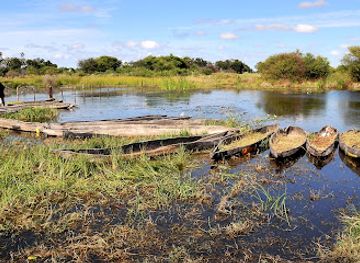
Ngepi Camp
Experience the Okavango Delta in comfort and style at Ngepi Camp, where nature meets quirky charm and eco-consciousness in the heart of Namibia.
-
Wetland
Okavango Delta
Explore the Okavango Delta, Botswana: a unique inland delta, a UNESCO World Heritage Site, and a haven for diverse wildlife and serene landscapes.
-
Tourist attraction
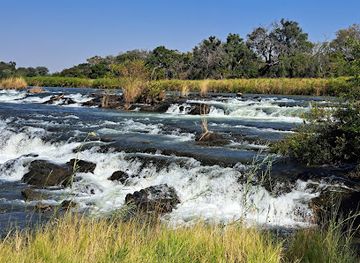
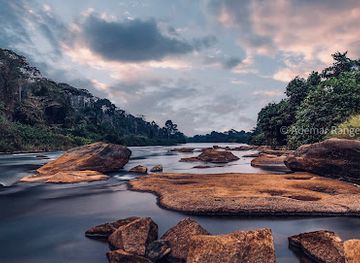
Popa Game Park
Discover Namibia's smallest game park, a birding paradise with unique rapids and diverse wildlife, perfect for nature lovers and explorers.
Best landmarks in Okavango Basin
The Cubango and Cuito rivers are the basin’s defining natural landmarks, not only because they shape the local landscape but because their waters eventually contribute to the Okavango system across international borders. Seasonal floodplains, riverine woodland and broad savanna provide a visual contrast to Angola’s coastal and highland destinations. Cuito Cuanavale is the region’s most significant historical landmark, associated with the major 1987–88 battle whose consequences reached far beyond the town and influenced the politics of southern Africa. In the wider conservation landscape, Mavinga and Luengue-Luiana represent Angola’s commitment to protecting large south-eastern wilderness areas and wildlife corridors. Menongue’s civic and administrative buildings offer a more modest urban perspective on the region’s post-war reconstruction. The importance of these places is often geographical or historical rather than architectural: they are markers of a watershed, a contested past and a continuing effort to reconnect remote communities with conservation and national infrastructure.
-
Fortress
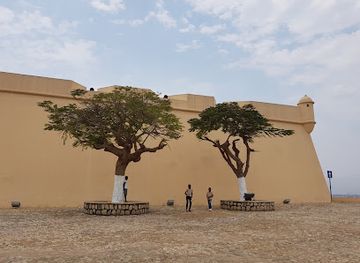
Fortress of São Miguel
Explore the historic Fortress of São Miguel in Luanda, a stunning landmark offering breathtaking views and insights into Angola's rich heritage.
-
Observatory
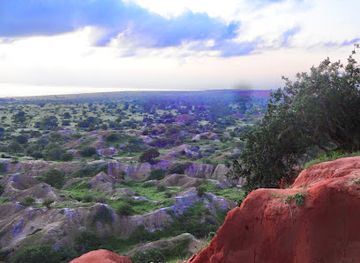
Viewpoint of the Moon
Experience the otherworldly beauty of Miradouro da Lua in Belas, Angola, where erosion has crafted a lunar-like landscape with vibrant colors and stunning views.
-
Tourist attraction
Calandula Falls
Experience the raw beauty of Angola at Calandula Falls, one of Africa's most impressive and secluded natural wonders.
-
National park
Parque Nacional do Quicama
Immerse yourself in the breathtaking landscapes and diverse wildlife of Parque Nacional do Quicama, Angola's stunning national park.
Explore Okavango Basin on the map
Plan your trip on one map. See where the top cities, national parks and sights are, and book hotels and experiences in a few clicks.
Best hotels in Okavango Basin
Best restaurants in Okavango Basin
Dining in the Angolan Okavango Basin is practical and locally rooted, with the widest choice found in Menongue and smaller, simpler options in other principal settlements. Everyday meals may include funge made from cassava or maize, rice, beans, stews, grilled meat and chicken, while sorghum and millet are important grains in parts of the south-east. Freshwater fish may appear near river communities when local catches and supply allow, but it should not be assumed to be available in every town. Markets and informal food sellers provide a useful introduction to seasonal produce, including cassava, maize, leafy vegetables and fruit. In remote areas, visitors should expect to rely on supplies carried by their operator and should state dietary requirements well in advance. Portuguese and wider Angolan influences are visible in cooking, but the basin’s food culture is also shaped by rural livelihoods and local availability. Tipping is discretionary rather than a defining regional custom, and hygiene, refrigeration and water arrangements deserve attention when eating far from established accommodation.
-
Restaurant
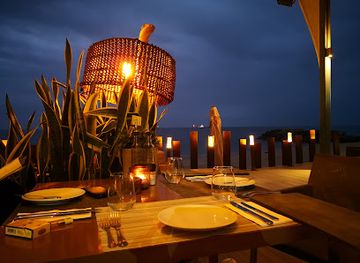
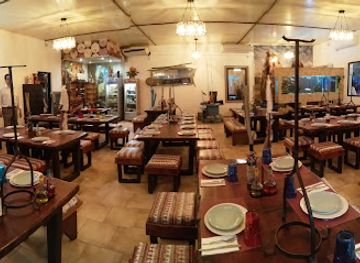
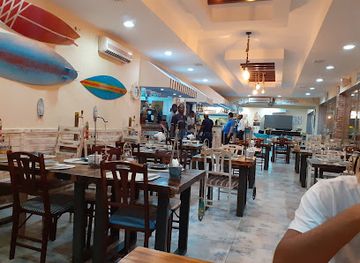
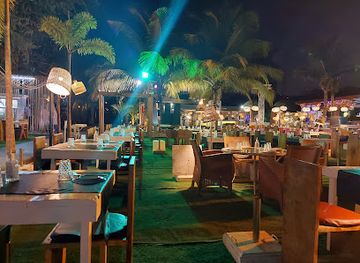
Restaurante Café Del Mar
Discover exquisite dining at Restaurante Café Del Mar in Luanda: where stunning views meet delightful cuisine in an unforgettable atmosphere.
-
Portuguese
O Madeirense Cidade
Discover authentic Portuguese flavors at O Madeirense Cidade in Luanda – where every dish tells a story from Madeira.
-
Restaurant
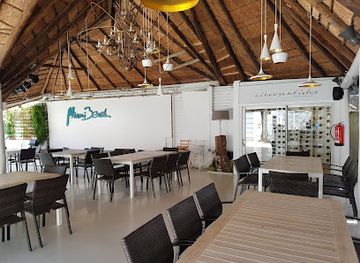
Miami Beach
Discover the vibrant flavors and lively atmosphere at Miami Beach in Luanda – where culinary delights meet unforgettable experiences.
-
Seafood
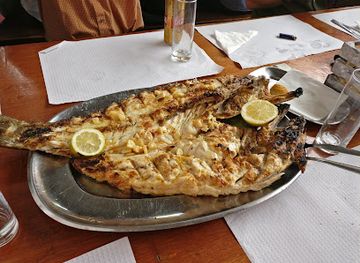
Restaurante la Vigia
Discover Luanda's best-kept secret: Restaurante la Vigia offers fresh seafood delights with stunning views, perfect for any food enthusiast.
Best bars in Okavango Basin
Nightlife in the Angolan Okavango Basin is concentrated in Menongue and, to a lesser extent, other larger settlements, where modest bars, restaurants and social venues provide evening activity. Visitors should not expect a major nightclub circuit or a choice of late-opening venues across the countryside. In rural areas, evenings are more likely to centre on conversation, family life, music and simple hospitality at an arranged camp or guesthouse. Local beer, soft drinks and spirits may be available in town, but stock and opening arrangements are inconsistent outside commercial centres. Cuito Cuanavale has an important historical identity rather than a developed tourist nightlife scene. Travellers on remote routes should return to accommodation before dark, avoid walking unfamiliar roads and follow local advice about transport and security. Evening cultural life is best approached respectfully, without assuming that drinking is the main way to engage with communities.
-
Hotel
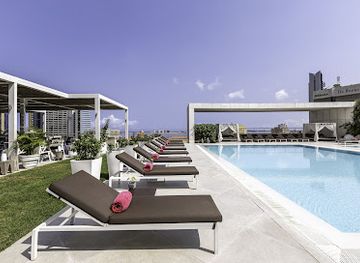
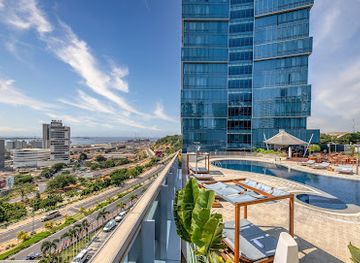
EPIC SANA Luanda Hotel
Experience luxury and vibrant nightlife at EPIC SANA Luanda Hotel, your perfect retreat in Angola's bustling capital.
-
Bar
BAR BAR
Discover the vibrant nightlife of Luanda at BAR BAR, a lively bar offering a wide selection of drinks and a welcoming atmosphere for all.
-
Indoor lodging
Kimbo do Soba
Experience the charm of Lubango at Kimbo do Soba, your cozy indoor lodging retreat in the heart of Angola.
-
Hotel
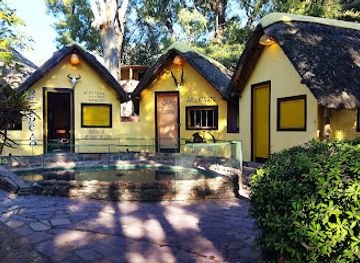
RIVERDANCE Lodge
Discover the serene beauty of Riverdance Lodge, your perfect retreat along the Kavango River in Namibia, ideal for families and nature lovers.
Best nightclubs in Okavango Basin
Nightlife in the Angolan Okavango Basin is concentrated in Menongue and, to a lesser extent, other larger settlements, where modest bars, restaurants and social venues provide evening activity. Visitors should not expect a major nightclub circuit or a choice of late-opening venues across the countryside. In rural areas, evenings are more likely to centre on conversation, family life, music and simple hospitality at an arranged camp or guesthouse. Local beer, soft drinks and spirits may be available in town, but stock and opening arrangements are inconsistent outside commercial centres. Cuito Cuanavale has an important historical identity rather than a developed tourist nightlife scene. Travellers on remote routes should return to accommodation before dark, avoid walking unfamiliar roads and follow local advice about transport and security. Evening cultural life is best approached respectfully, without assuming that drinking is the main way to engage with communities.
-
Hotel
EPIC SANA Luanda Hotel
Discover the luxury of EPIC SANA Luanda Hotel, where modern elegance meets local charm in Angola's vibrant capital.
-
Restaurant
Clube S
Discover the authentic flavors of Angola at Clube S, a lively restaurant in Luanda offering a blend of traditional and international dishes.
-
Hotel
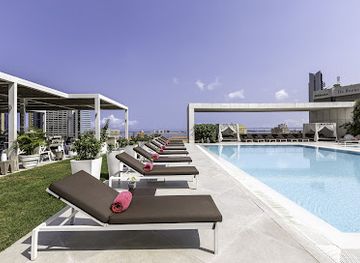
InterContinental Luanda Miramar, an IHG Hotel
Experience luxury and local culture at the InterContinental Luanda Miramar, your gateway to the vibrant city of Luanda, Angola.
-
Restaurant
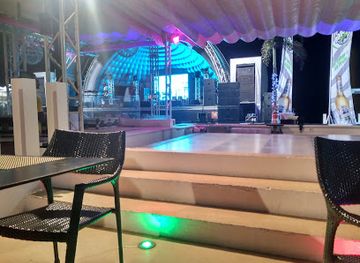
Lookal Beach Club
Experience the finest dining at Lookal Beach Club, where exquisite cuisine meets breathtaking ocean views in Luanda.
Best shops in Okavango Basin
Shopping in the Angolan Okavango Basin is primarily functional and local, with the greatest choice in Menongue and limited provisions in smaller settlements. Markets and roadside stalls may sell fresh produce, grains, charcoal, household goods, clothing and locally made items, but supplies and trading days can change. Visitors may find woven articles, carved objects or other craftwork, although availability is variable and purchases should be made directly and respectfully rather than through bargaining that disregards the maker’s labour. Regional food products such as dried fish, maize, cassava and beans may appear in markets, subject to transport and seasonal supply. There is no extensive luxury-shopping district or established souvenir circuit in the remote basin. Buy only legally traded crafts, avoid archaeological or wildlife products, and check import rules before taking food, wood, animal materials or cultural objects out of Angola. Carrying small kwanza notes is useful for market purchases, while cards cannot be relied upon beyond major commercial establishments.
-
Shopping mall
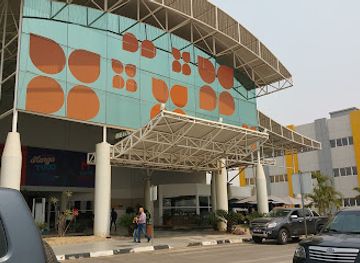
Belas Shopping
Discover Belas Shopping in Luanda, Angola, where endless shopping, dining, and entertainment await every visitor.
-
Shopping mall
Shopping Avennida
Experience the vibrant blend of shopping, dining, and entertainment at Shopping Avennida in Luanda, a must-visit destination for tourists.
-
Shopping mall
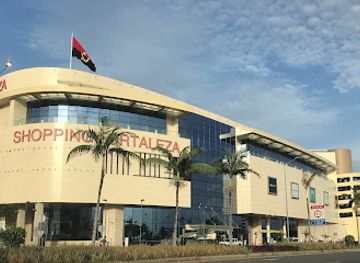
Shopping Fortaleza
Discover Shopping Fortaleza in Luanda, a vibrant shopping mall offering international brands, delightful dining, and entertainment for all ages.
-
Lodge
Hakusembe River Lodge, Gondwana Collection Namibia
Discover the serene beauty and rich culture of Namibia at Hakusembe River Lodge, your perfect riverside retreat.
Get your free copy of our complete guide to Okavango Basin, delivered straight to you.
Everything on this page, from attractions and restaurants to essentials and local phrases, in one PDF you can read offline, print or share.
Already have an account? Sign in
Your Okavango Basin guide is ready.
We'll send it to · Not you? Sign out

Getting your guide ready…
We are putting together a fresh copy of the Okavango Basin guide. This can take up to a minute.
This can take a few moments. If your browser asks, choose Allow so the download can start. You'll find the guide in your Downloads folder.
Nothing happened? Download it again
Sorry, the guide is taking longer than usual. Please try again in a minute, or get it by email instead.
Okavango Basin essentials
Currency and Payment
Safety
Emergency Situations
Do's and Don'ts
Local Tips
From Eve
Local phrases worth knowing
You don't need to get them perfect. A few words go a long way, and locals appreciate the effort.
Basics
| English | Local | Say it |
|---|---|---|
| Hello | Olá | [oh-lah] |
| Goodbye | Adeus | [ah-deh-oos] |
| Yes | Sim | [seem] |
| No | Não | [now] |
| Please/You're welcome | Por favor/De nada | [por fah-vor/de nah-dah] |
| Thank you | Obrigado | [oh-bree-gah-doo] |
| Excuse me/Sorry | Desculpe | [dehs-kool-peh] |
| How are you? | Como você está? | [koh-moh voh-seh es-tah] |
| Fine. And you? | Bem. E você? | [behm. ee voh-seh] |
| Do you speak English? | Você fala inglês? | [voh-seh fah-lah een-glays] |
| I don't understand | Eu não entendo | [eh-ooh now en-ten-doo] |
Eating & Drinking
| English | Local | Say it |
|---|---|---|
| I'd like to see the menu, please | Gostaria de ver o menu, por favor | [goh-stah-ree-ah jeh veh-r oh meh-noo, por fah-vor] |
| I don't eat meat | Eu não como carne | [eh-ooh now koh-moh kar-nee] |
| Cheers! | Saúde! | [sah-oo-deh] |
| I would like to pay, please | Gostaria de pagar, por favor | [goh-stah-ree-ah jeh pah-gar, por fah-vor] |
Emergencies
| English | Local | Say it |
|---|---|---|
| Help! | Ajuda! | [ah-zhoo-dah] |
| Go away! | Vá embora! | [vah em-boh-rah] |
| Call the Police! | Chame a polícia! | [sha-meh ah poh-lee-siah] |
| Call a doctor! | Chame um médico! | [sha-meh oom meh-dee-koh] |
| I'm lost | Estou perdido | [es-toh pehr-dee-doo] |
| I'm ill | Estou doente | [es-toh do-ehn-teh] |
Shopping
| English | Local | Say it |
|---|---|---|
| I'd like to buy... | Gostaria de comprar... | [goh-stah-ree-ah jeh kohm-prahr] |
| I'm just looking | Estou apenas olhando | [es-toh ah-peh-nas oh-lyan-do] |
| How much is it? | Quanto custa? | [kwahn-toh koos-tah] |
| That's too expensive | Isso é muito caro | [ee-soo eh mwee-toh kah-roh] |
| Can you lower the price? | Você pode baixar o preço? | [voh-seh poh-jee bahy-shar oh pray-soo] |
Time & Numbers
| English | Local | Say it |
|---|---|---|
| What time is it? | Que horas são? | [keh oh-ras sah-ooh] |
| It's one o'clock | É uma hora | [eh oo-mah oh-rah] |
| Half past (10) | Dez e meia | [dehz ee may-ah] |
| Morning | Manhã | [mahn-yah] |
| Afternoon | Tarde | [tahr-deh] |
| Evening | Noite | [noy-teh] |
| Yesterday | Ontem | [on-tay] |
| Today | Hoje | [oh-zhay] |
| Tomorrow | Amanhã | [ah-mahn-yah] |
| 1 | Um | [oom] |
| 2 | Dois | [doyz] |
| 3 | Três | [trays] |
| 4 | Quatro | [kwah-tro] |
| 5 | Cinco | [seen-koh] |
| 6 | Seis | [says] |
| 7 | Sete | [seh-teh] |
| 8 | Oito | [oy-toh] |
| 9 | Nove | [noh-veh] |
| 10 | Dez | [dehz] |
Transport & Directions
| English | Local | Say it |
|---|---|---|
| Where's a/the...? | Onde está um/a...? | [on-deh es-tah oom/ah] |
| What's the address? | Qual é o endereço? | [kwahl eh oh en-deh-reh-soo] |
| Can you show me (on the map)? | Você pode me mostrar (no mapa)? | [voh-seh poh-jee meh mos-trar (no mah-pah)] |
| When's the next (bus)? | Quando é o próximo (ônibus)? | [kwahn-doh eh oh proh-see-mo (oh-nee-boos)] |
| A ticket (to ....) | Um bilhete (para ....) | [oom bee-lyeh-teh (pah-rah)] |
History of Okavango Basin
Precolonial River Communities and Trade
Before Portuguese colonial expansion, the upper Okavango region was inhabited by communities whose livelihoods combined cultivation, fishing, hunting, gathering and seasonal movement through woodland and river environments. The basin was not an isolated cultural vacuum: people maintained relationships and trade routes linking the Angolan interior with territories to the south and east. River systems shaped settlement and food production, while political authority varied between local communities and wider regional powers. Much of this history survives through oral traditions, language, land-use practices and the continued importance of rivers and seasonal wetlands.
Portuguese Colonial Expansion
Portuguese control over the south-eastern interior developed gradually and remained much less intensive than in Angola’s coastal and central regions. Colonial administrators imposed new territorial divisions, taxation and systems of authority while mapping and incorporating river valleys into Portuguese Angola. Missionary activity, labour demands and commercial networks altered local economies, but the remoteness of the basin limited large-scale settlement and infrastructure. Many of the modern region’s administrative and transport patterns have roots in this colonial period, even though effective control was uneven and contested.
The Angolan War of Independence
The struggle against Portuguese rule, which intensified in the 1960s and culminated in independence in 1975, affected Angola unevenly. South-eastern districts were drawn into wider military and political networks, and the end of colonial rule did not bring stability. The withdrawal of Portuguese authority left a contested state landscape in which rival Angolan movements and foreign powers competed for influence. The basin’s distance from the coast made communications and administration difficult, conditions that later compounded the consequences of civil conflict.
Civil War and Displacement
Angola’s civil war, fought principally between the MPLA government and UNITA after independence, profoundly affected the Okavango headwaters. Rural populations were displaced, roads and public services deteriorated, and access to many areas became dangerous. Wildlife was also affected by insecurity, hunting and the breakdown of conservation administration. The war left a substantial legacy of damaged infrastructure and suspected landmines, which continues to influence travel planning and development. Reconstruction since the 2002 peace agreement has been gradual, especially in remote south-eastern districts.
Cuito Cuanavale, 1987–88
Cuito Cuanavale became internationally prominent during the major battle fought in and around the town between late 1987 and 1988. Angolan government forces, supported by Cuban troops, confronted UNITA forces backed by South Africa in one of the largest and most consequential military episodes of the Angolan civil war. The fighting caused severe disruption and loss of life, while its wider political consequences contributed to negotiations affecting Angola, Namibia and South Africa. The town remains a significant historical place within the basin, although its legacy should be approached with sensitivity.
Post-war Reconstruction and Conservation
Since peace in 2002, south-eastern Angola has faced the long tasks of rebuilding roads, schools, health services and local administration while addressing landmines and rural poverty. At the same time, the ecological importance of the upper Okavango has encouraged cooperation among Angola, Namibia and Botswana through the wider Okavango-Zambezi conservation framework. Protected areas such as Mavinga and Luengue-Luiana form part of efforts to restore wildlife corridors and safeguard watersheds. Conservation remains closely linked to community livelihoods, security, access and responsible tourism rather than being a separate wilderness project.
Okavango Basin in Photos
Browse through our photo collection highlighting the charm and character of the destination.
Neighbouring regions of Okavango Basin
The closest regions to Okavango Basin, if you have time for more than one.
-

-

-

-

-


Swipe for more regions
Explore more

Explore more of Angola
Discover Angola's vibrant cities, stunning coastlines, and rich cultural heritage. An African destination that combines urban excitement with natural wonders.
Explore Angola