

Free Sandy Hill Travel Guide & Mobile App
Explore Sandy Hill with free travel guides. Discover regional history, expert tips, proposed trips, and audio guides on web or mobile app.


Sandy Hill, Anguilla, combines a historic fort, quiet eastern landscapes, island food and easy access to coastal communities and bays.
Read more about Sandy Hill
When is the best time to visit Sandy Hill?
Best: January–March · 29°C| Month | High (°C) | Rainfall (mm) |
|---|---|---|
| January (best) | 29 | 50 |
| February (best) | 29 | 40 |
| March (best) | 29 | 40 |
| April | 30 | 50 |
| May | 31 | 60 |
| June | 32 | 70 |
| July | 32 | 80 |
| August | 32 | 90 |
| September | 32 | 100 |
| October | 31 | 90 |
| November | 30 | 80 |
| December | 29 | 70 |
Getting to and around Sandy Hill
How to get there
Transportation
Top city travel guides in Sandy Hill
The cities of Sandy Hill, and the easiest places to base yourself.

Swipe for more cities
Best attractions in Sandy Hill
Sandy Hill’s attractions are modest in scale but revealing of Anguilla’s history and landscape. The principal heritage site is Sandy Hill Fort, where elevated ground and surviving traces of the defensive position provide a direct link with the island’s eighteenth-century military past and the French attack of 1796. The surrounding roads offer views across low limestone country, scrub and scattered settlement rather than dense development. Short drives lead towards the eastern coast, where small bays, fishing activity and boat-based excursions show a different side of Anguilla from the established resort beaches. Nearby Island Harbour is a separate settlement and a useful gateway for maritime activities, not part of Sandy Hill itself. There are no large museums, theme parks or formal entertainment complexes in the district; its appeal lies in combining the fort with a self-guided exploration of rural roads, local communities and coastal viewpoints. Visitors interested in nature can look for seabirds, drought-tolerant vegetation and the changing colours of the limestone landscape, while those interested in everyday culture should allow time for small food businesses and conversations arranged through local operators. A car or taxi makes it easier to connect these scattered experiences.
-
Bay
Sandy Hill Bay
Discover Sandy Hill Bay, Anguilla: A secluded beach with tranquil turquoise waters, perfect for relaxation and an authentic Caribbean escape.
-
Tourist attraction
Back Road Look Out
Discover breathtaking panoramic views of the Caribbean Sea and Anguilla's stunning coastline from this easily accessible scenic lookout point.
-
Park and Garden
Cauls Pond
Discover Anguilla's serene side at Cauls Pond: a tranquil park offering lush landscapes, diverse birdlife, and a peaceful escape from bustling beaches.


Best landmarks in Sandy Hill
Sandy Hill Fort is the district’s defining landmark, occupying high ground that explains its military purpose and gives the site wider historical importance than its surviving masonry alone might suggest. Associated with Anguilla’s British colonial defence and the French attack of 1796, it helps visitors read the island’s geography as a strategic landscape: elevated positions, open approaches and nearby coastal routes mattered greatly before modern communications. The low limestone ridges around Sandy Hill are also geographical landmarks in their own right, contrasting with the flat or gently rolling terrain found elsewhere on Anguilla. Dry-stone walls, scattered traditional homes and open scrub preserve elements of the island’s rural visual character, although they are everyday features rather than formally protected monuments. The coastal outlooks towards the eastern bays provide a final point of reference, linking the inland settlement to Anguilla’s seafaring history. Island Harbour’s maritime landmarks lie nearby but outside Sandy Hill and should not be confused with the district’s own heritage.
-
Bar
Elvis Beach Bar
Discover the vibrant atmosphere of Elvis Beach Bar in Sandy Ground, Anguilla, where delicious food meets stunning beach views and live music.
-
Restaurant
Sunshine Shack
Experience Anguilla's best beach vibes at Sunshine Shack: Delicious BBQ, reggae rhythms, and stunning Rendezvous Bay views await!
-
Restaurant
Roy's Bayside Grill
Discover the essence of Caribbean dining at Roy's Bayside Grill, where fresh seafood meets stunning views in a vibrant atmosphere.
-
Live music bar
Bankie Banx's Dune Preserve
Experience the legendary Dune Preserve: Anguilla's iconic beach bar, built by Bankie Banx, offering live music, Caribbean vibes, and stunning ocean views.


Explore Sandy Hill on the map
Plan your trip on one map. See where the top cities, national parks and sights are, and book hotels and experiences in a few clicks.
Best hotels in Sandy Hill
Best restaurants in Sandy Hill
Sandy Hill has a small, locally oriented dining scene rather than a restaurant quarter. Food reflects Anguilla’s wider culinary traditions, including grilled or stewed fish, lobster when seasonally available, goat, chicken, rice and peas, johnnycakes and dishes seasoned with herbs, peppers and Caribbean spices. Independent restaurants, simple takeaways and locally run food stops are more characteristic than large dining rooms, and some visitors combine a stay in Sandy Hill with meals in nearby eastern communities or elsewhere on the island. Fresh seafood and casual outdoor eating are natural choices around the coast, while inland establishments may offer hearty plates suited to residents and workers. Farmers’ produce, imported groceries and locally prepared sauces contribute to the island’s food culture, although availability changes with weather, fishing conditions and supply deliveries. Confirm opening times before making a special journey, particularly outside the busier tourism season, and expect service to be unhurried rather than modelled on a city timetable.
-
Restaurant
Blanchards Restaurant and Beach Shack
Experience the taste of Anguilla at Blanchards Restaurant and Beach Shack—where Caribbean cuisine meets stunning beach views.
-
Restaurant
Elvis Beach Bar
Elvis Beach Bar: A Vibrant Restaurant & Bar Experience in Sandy Ground, Anguilla with Stunning Ocean Views.
-
Restaurant
Straw Hat Restaurant
Experience exquisite Caribbean cuisine with stunning ocean views at Straw Hat Restaurant in Meads Bay, Anguilla.
-
Restaurant
Ken's BBQ
Discover the ultimate barbecue experience at Ken's BBQ in Anguilla – where flavor meets island hospitality.


Best bars in Sandy Hill
Evenings in Sandy Hill are quiet and local in character. The district does not have a major nightclub strip, and nightlife is more likely to centre on a neighbourhood bar, a restaurant, informal gatherings or a taxi journey to a busier venue elsewhere on Anguilla. Small bars may serve beer, rum-based drinks and familiar Caribbean refreshments, while live music and social events can appear seasonally or at particular establishments rather than on a fixed nightly schedule. Nearby coastal communities may offer a more maritime atmosphere, but they remain separate from Sandy Hill and should be treated as excursions. Arrange return transport before drinking, as taxis and rural pick-ups may be less immediate late at night. Visitors seeking a quieter evening can focus on dinner, conversation and the dark sky over the low-density eastern landscape rather than expecting an intensive club scene.
-
Bar
Elvis Beach Bar
Experience the vibrant atmosphere and delicious Caribbean cuisine at Elvis Beach Bar, a must-visit destination in Sandy Ground, Anguilla.
-
Restaurant
Sunshine Shack
Experience the vibrant flavors of the Caribbean at Sunshine Shack, your beachfront dining destination in Anguilla.
-
Bar
Roy's Bayside Grill
Experience the best of Caribbean dining at Roy's Bayside Grill, where delicious cuisine meets stunning seaside views in Anguilla.
-
Live music bar
Bankie Banx's Dune Preserve
Discover the vibrant fusion of live music, delicious cuisine, and breathtaking views at Bankie Banx's Dune Preserve in Anguilla.


Best nightclubs in Sandy Hill
Evenings in Sandy Hill are quiet and local in character. The district does not have a major nightclub strip, and nightlife is more likely to centre on a neighbourhood bar, a restaurant, informal gatherings or a taxi journey to a busier venue elsewhere on Anguilla. Small bars may serve beer, rum-based drinks and familiar Caribbean refreshments, while live music and social events can appear seasonally or at particular establishments rather than on a fixed nightly schedule. Nearby coastal communities may offer a more maritime atmosphere, but they remain separate from Sandy Hill and should be treated as excursions. Arrange return transport before drinking, as taxis and rural pick-ups may be less immediate late at night. Visitors seeking a quieter evening can focus on dinner, conversation and the dark sky over the low-density eastern landscape rather than expecting an intensive club scene.
-
Bar
Elvis Beach Bar
Experience the vibrant atmosphere at Elvis Beach Bar, where delicious food, refreshing drinks, and stunning Caribbean views await.
-
Live music bar
Bankie Banx's Dune Preserve
Discover the vibrant spirit of Anguilla at Bankie Banx's Dune Preserve, where live music meets stunning ocean views and delicious Caribbean cuisine.
-
Bar
SandBar
Discover the perfect blend of live music, delicious food, and vibrant atmosphere at SandBar in Anguilla.
-
Grill
Gwen's Reggae Bar and Grill
Experience the essence of Anguilla at Gwen's Reggae Bar and Grill, where authentic Caribbean flavors meet lively reggae rhythm.


Best shops in Sandy Hill
Shopping in Sandy Hill is limited and functional, reflecting its residential character rather than a concentrated visitor market. Small shops and food businesses may supply everyday provisions, drinks and locally prepared products, while more extensive retail choices are found in The Valley and other established commercial areas elsewhere on Anguilla. Visitors looking for regional purchases should consider Anguillan sauces, spices, rum-based products, locally made foods, baskets, jewellery, paintings and other island crafts, checking that an item is genuinely made locally rather than simply labelled with a Caribbean theme. Markets and craft activity can vary by season, public holiday and event calendar, so ask locally about current locations and opening arrangements. For souvenirs connected with Sandy Hill itself, photographs of the fort and eastern landscape are more appropriate than removing stones, shells or historic material. Independent shops and galleries across the island generally offer a more useful selection than Sandy Hill’s quiet roads, which are best approached as a setting for local life rather than a shopping destination.
-
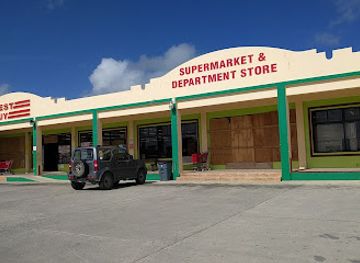
Supermarket
Best Buy
Experience the best of grocery shopping at Best Buy in Anguilla, where convenience meets variety for all your culinary needs.
-
Bakery
The Village Bakehouse
Experience the taste of Anguilla at The Village Bakehouse, where fresh baked goods meet local charm in a cozy setting.
-
Shop Supermarket Furniture Shop
BIG STORE
Discover a vibrant shopping experience at BIG STORE in Anguilla, offering everything from groceries to stylish furniture at great prices.
-
Gift shop
Irie Life
Explore Irie Life in Anguilla for unique gifts and local artistry that capture the spirit of the Caribbean.


Get your free copy of our complete guide to Sandy Hill, delivered straight to you.
Everything on this page, from attractions and restaurants to essentials and local phrases, in one PDF you can read offline, print or share.
Already have an account? Sign in
Your Sandy Hill guide is ready.
We'll send it to · Not you? Sign out

Getting your guide ready…
We are putting together a fresh copy of the Sandy Hill guide. This can take up to a minute.
This can take a few moments. If your browser asks, choose Allow so the download can start. You'll find the guide in your Downloads folder.
Nothing happened? Download it again
Sorry, the guide is taking longer than usual. Please try again in a minute, or get it by email instead.
Sandy Hill essentials
Currency and Payment
Safety
Emergency Situations
Do's and Don'ts
Local Tips
From Eve
Local phrases worth knowing
You don't need to get them perfect. A few words go a long way, and locals appreciate the effort.
Basics
| English | Local | Say it |
|---|---|---|
| Hello | Hello | [Hello] |
| Goodbye | Later | [Ley-ta] |
| Yes | Yea | [Yea] |
| No | Nah | [Nah] |
| Please/You're welcome | Pleas' / No problem | [Pleas' / No prob-lum] |
| Thank you | Thank you | [Thank you] |
| Excuse me/Sorry | Scuse me / Sorry | [Skewz me / Sorry] |
| How are you? | How yuh doin'? | [How yuh doin'?] |
| Fine. And you? | Fine. An' you? | [Fine. An' you?] |
| Do you speak English? | Yuh speak English? | [Yuh speak English?] |
| I don't understand | I don' understand | [I don' understand] |
Eating & Drinking
| English | Local | Say it |
|---|---|---|
| I'd like to see the menu, please | Can I see the menu, please? | [Can I see de menu, pleeze?] |
| I don't eat meat | I don' eat meat | [I don' eat meat] |
| Cheers! | Cheers! | [Cheers!] |
| I would like to pay, please | I wan' pay, please | [I wan' pay, pleeze] |
Emergencies
| English | Local | Say it |
|---|---|---|
| Help! | Help! | [Help!] |
| Go away! | Go 'way! | [Go 'way!] |
| Call the Police! | Call di Police! | [Call di Police!] |
| Call a doctor! | Call a doctor! | [Call a doctor!] |
| I'm lost | I lost | [I lost] |
| I'm ill | I sick | [I sick] |
Shopping
| English | Local | Say it |
|---|---|---|
| I'd like to buy... | I wan' buy... | [I wan' buy...] |
| I'm just looking | I just lookin' | [I just lookin'] |
| How much is it? | How much dat? | [How much dat?] |
| That's too expensive | Dat too pricey | [Dat too pricey] |
| Can you lower the price? | Yuh can lower di price? | [Yuh can lower di price?] |
Time & Numbers
| English | Local | Say it |
|---|---|---|
| What time is it? | Wha time it? | [Wha time it?] |
| It's one o'clock | It one o'clock | [It one o'clock] |
| Half past (10) | Half past ten | [Half past ten] |
| Morning | Mornin' | [Mornin'] |
| Afternoon | Afternoon | [Afternoon] |
| Evening | Evenin' | [Evenin'] |
| Yesterday | Yest'day | [Yest'day] |
| Today | Today | [Today] |
| Tomorrow | Tomorra | [Tomorra] |
| 1 | One | [One] |
| 2 | Two | [Two] |
| 3 | Three | [Three] |
| 4 | Four | [Four] |
| 5 | Five | [Five] |
| 6 | Six | [Six] |
| 7 | Seven | [Seven] |
| 8 | Eight | [Eight] |
| 9 | Nine | [Nine] |
| 10 | Ten | [Ten] |
Transport & Directions
| English | Local | Say it |
|---|---|---|
| Where's a/the...? | Wha de...? | [Wha de...?] |
| What's the address? | Wha di address? | [Wha di address?] |
| Can you show me (on the map)? | Can yuh show me (pon di map)? | [Can yuh show me (pon di map)?] |
| When's the next (bus)? | When di next (bus)? | [When di next (bus)?] |
| A ticket (to ....) | A ticket (to ...) | [A ticket (to ...)] |
History of Sandy Hill
Amerindian Anguilla before European settlement
Long before Sandy Hill became a modern community, Anguilla formed part of the seaborne world of Indigenous peoples who travelled among the Lesser Antilles. Archaeological evidence elsewhere on the island records settlements, tools, pottery and food remains linked to Caribbean communities. Sandy Hill’s modern landscape should therefore be understood within a much older island history, even though the most visible archaeological locations are not concentrated in the village itself. The island’s low limestone terrain, sheltered coves and dependable marine resources helped make Anguilla habitable across successive periods.
European colonisation and plantation society
English settlement developed in Anguilla from the seventeenth century, creating a predominantly African-descended society shaped by farming, livestock keeping, salt gathering and maritime trade. Sandy Hill grew as part of the island’s dispersed inland settlement pattern rather than as a large colonial town. Limited rainfall and thin soils discouraged the plantation scale seen on some neighbouring islands, encouraging smaller holdings and strong reliance on household production. Roads, wells, field boundaries and scattered homes became more characteristic of local life than monumental colonial architecture.
Sandy Hill Fort and the French attack of 1796
Sandy Hill’s best-known historical association is its defensive fort, established on elevated ground overlooking the surrounding area. In 1796, during the wider Anglo-French conflicts of the Revolutionary era, French forces attacked Anguilla. The assault demonstrated the vulnerability of a small British island with limited military resources and caused destruction in parts of the settlement. Sandy Hill Fort is important not because large surviving walls dominate the landscape, but because its position preserves the memory of Anguilla’s strategic exposure and the international conflicts that reached even small Caribbean communities.
Emancipation and the nineteenth-century community
The end of slavery in the British Empire in the 1830s transformed social relations across Anguilla. Formerly enslaved families and their descendants continued to develop communities through farming, fishing, seafaring and small-scale commerce. Sandy Hill’s inland setting reflects this period of dispersed settlement, when community networks mattered more than urban infrastructure. Economic opportunities remained limited, and many Anguillans later travelled abroad for work, helping create the overseas connections that remain an important part of the island’s social and family history.
The Anguilla Revolution and political separation
In 1967, Anguillans rejected incorporation into the associated state of Saint Christopher-Nevis-Anguilla, beginning the movement commonly known as the Anguilla Revolution. The uprising reflected longstanding concerns about political representation, economic neglect and the island’s distinct identity. Although the most dramatic events were concentrated at administrative and military sites elsewhere on Anguilla, Sandy Hill formed part of the community landscape that sustained the movement. Anguilla later became a separate British Overseas Territory, a status that continues to shape its government and international relationships.
Tourism, roads and a changing island economy
From the late twentieth century, tourism became increasingly important to Anguilla, alongside remittances, construction, professional services and traditional marine activities. Development concentrated most strongly around recognised beaches and resort areas, leaving Sandy Hill comparatively residential and low-rise. Improved roads made the eastern communities easier to reach, while the fort and surrounding landscape gained value as part of the island’s heritage offering. The contrast between resort coastline and ordinary inland settlement is now one of Sandy Hill’s defining characteristics.
Sandy Hill in Photos
Browse through our photo collection highlighting the charm and character of the destination.
Neighbouring regions of Sandy Hill
The closest regions to Sandy Hill, if you have time for more than one.
-

-

-

-

-


Swipe for more regions
Explore more

Explore more of Anguilla
Discover Anguilla: Caribbean's best-kept secret with stunning beaches, rich culture, and endless adventure opportunities. Perfect for a serene and luxurious getaway.
Explore Anguilla