

Free East End Village Travel Guide & Mobile App
Plan your East End Village trip with Evendo. Get free guides to top attractions, restaurants, hotels, and bars. Web access or download the mobile app.


East End Village, Anguilla, pairs quiet Caribbean roads with salt ponds, sea views, Savannah Bay, local history and easy access to the island’s eastern coast.
A Rural Eastern Character
East End Village occupies Anguilla’s far eastern district, where low limestone hills, scrubland and open Atlantic horizons replace the busier resort atmosphere found elsewhere on the island. The settlement is small and spread along roads rather than gathered around a formal town centre, giving it a distinctly residential character. Travellers come for space, sea air and access to some of Anguilla’s least developed coastal scenery, including Savannah Bay, Captain’s Bay and the exposed headland around Windward Point.Read more about East End Village
Coast, Ponds and Open Horizons
Island Heritage in a Small Community
When is the best time to visit East End Village?
Best: June–August · 32°C| Month | High (°C) | Rainfall (mm) |
|---|---|---|
| January | 30 | 70 |
| February | 30 | 60 |
| March | 30 | 50 |
| April | 31 | 40 |
| May | 31 | 30 |
| June (best) | 32 | 20 |
| July (best) | 32 | 15 |
| August (best) | 32 | 15 |
| September | 32 | 30 |
| October | 31 | 40 |
| November | 31 | 50 |
| December | 30 | 60 |
Getting to and around East End Village
How to get there
Transportation
Best landmarks in East End Village
East End’s landmarks are modest, community-centred and closely tied to the landscape. St Gerard’s Catholic Church is an identifiable religious focal point, reflecting the island’s continuing parish life and the importance of churches as gathering places in dispersed communities. East End Pond is both a natural landmark and a reminder of Anguilla’s dependence on scarce freshwater and salt-bearing wetlands; its open setting also gives it environmental importance. Savannah Bay and Captain’s Bay function as coastal landmarks, distinguished by their undeveloped shores and exposure to the eastern sea rather than by built monuments. At the district’s outer edge, Windward Point marks Anguilla’s Atlantic-facing character and offers a geographical sense of the island’s position among the northeastern Caribbean islands. The Heritage Collection Museum adds a cultural dimension, preserving objects and narratives that connect present-day East End with Anguilla’s Indigenous, maritime and political past.
-
Bakery
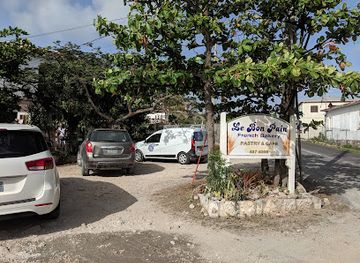
Le Bon Pain
Discover the taste of Anguilla at Le Bon Pain, a delightful bakery offering fresh pastries and local flavors in an inviting atmosphere.
8 min drive · 2.7 km from city centre
-
Restaurant
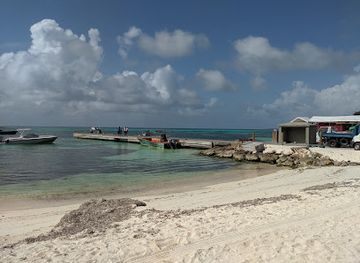
The Pit Stop by Ben
Discover the vibrant flavors of Anguilla at The Pit Stop by Ben, where local ingredients and warm hospitality create an unforgettable dining experience.
8 min drive · 2.6 km from city centre
-
Restaurant
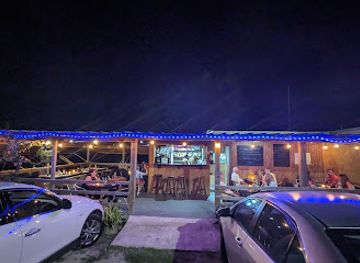
Falcon Nest Bar & Grill
Experience the vibrant flavors of the Caribbean at Falcon Nest Bar & Grill, a delightful restaurant in Anguilla offering local cuisine and stunning sea views.
8 min drive · 2.5 km from city centre
-
Restaurant
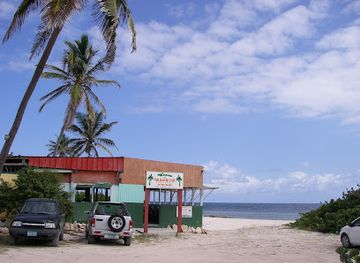
Palm Grove Barbeque Grill
Experience the best of Caribbean barbecue at Palm Grove Barbeque Grill in Anguilla, where flavor meets island charm.
8 min drive · 2.6 km from city centre
Explore East End Village on the map
Plan your East End Village trip on one map. See where the top attractions, landmarks, restaurants, bars and hotels are, find what's near where you're staying, and book hotels and experiences in a few clicks.
Best hotels in East End Village
Best restaurants in East End Village
Dining in East End Village is intimate and limited compared with Anguilla’s principal resort areas, so meals are often combined with a wider island itinerary. Anguillan cooking draws on seafood, peas and rice, goat, chicken, johnnycakes and hearty stews, with Caribbean seasoning and techniques shaped by fishing, farming and regional exchange. Grilled or fried fish, lobster when in season and conch are associated with the island’s coastal food culture, while rum-based drinks and fresh juices accompany many informal meals. Small family-run establishments and beachside restaurants around the eastern and nearby Island Harbour area tend to offer a more relaxed setting than formal resort dining. The best way to understand the local table is to look for daily specials, ask about the catch and allow for the unhurried pace typical of island hospitality, while confirming opening arrangements before travelling to a remote venue.
-
Restaurant
Artisan Pizza Napoletana
Discover authentic Neapolitan pizza at Artisan Pizza Napoletana in Island Harbour, Anguilla - where Italian tradition meets Caribbean charm.
8 min drive · 2.7 km from city centre
-
Restaurant
The Pit Stop by Ben
Discover exquisite Caribbean cuisine at The Pit Stop by Ben in Island Harbour - where every bite tells a story.
8 min drive · 2.6 km from city centre
-
Restaurant
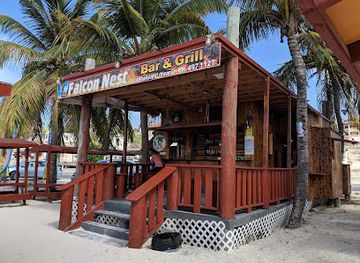
Falcon Nest Bar & Grill
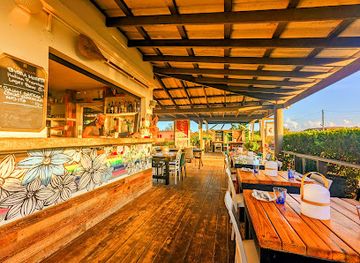
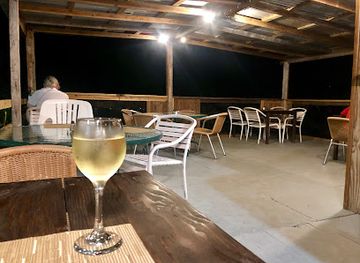
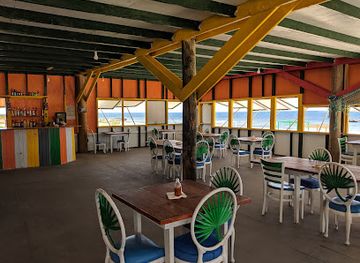
Experience delightful Caribbean cuisine with breathtaking views at Falcon Nest Bar & Grill in Island Harbour, Anguilla.
8 min drive · 2.5 km from city centre
-
Restaurant
Palm Grove Barbeque Grill
Discover authentic Caribbean barbeque flavors at Palm Grove Barbeque Grill in Anguilla - where every meal is a delicious celebration!
8 min drive · 2.6 km from city centre
Best bars in East End Village
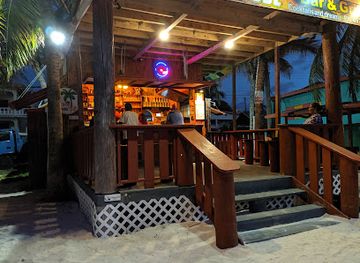
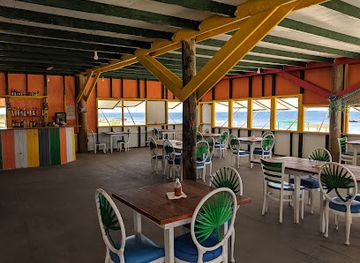
East End Village is quiet after dark and does not have a concentrated bar or nightclub district. Evening entertainment is more likely to centre on a relaxed meal, a rum drink, conversation with residents or music at a nearby restaurant than on late-night clubbing. The neighbouring communities of Island Harbour and North Side provide some of the closest low-key venues, while larger resort properties elsewhere on Anguilla may host live music, themed evenings or cultural performances. Local music traditions include calypso, soca and reggae, and seasonal celebrations can bring dancing and community events beyond the usual evening routine. Because distances are significant and roads are dark outside the main settlements, arrange a taxi or designated driver in advance rather than relying on spontaneous transport after a night out.
-
Restaurant
Falcon Nest Bar & Grill
Experience the vibrant flavors of Anguilla at Falcon Nest Bar & Grill, where fresh seafood meets Caribbean charm in a stunning island setting.
8 min drive · 2.5 km from city centre
-
Restaurant
Palm Grove Barbeque Grill
Discover the essence of Caribbean cuisine at Palm Grove Barbeque Grill, where every bite is a celebration of Anguilla's rich flavors.
8 min drive · 2.6 km from city centre
Best shops in East End Village
Shopping in East End Village is small-scale and practical rather than centred on a dedicated retail district. Visitors are more likely to find provisions, locally made crafts or island-themed gifts through independent businesses, accommodation hosts and nearby communities than in a large shopping centre. Anguillan souvenirs may include sea-inspired artwork, handmade jewellery, textiles, woodwork and packaged food products, although stock varies between sellers. The wider island offers more choice in The Valley, where galleries and craft retailers reflect Anguilla’s artistic community, while nearby Island Harbour is associated with maritime life and local services. When buying shells, coral or other objects connected with the coast, choose responsible alternatives and check that natural material has been legally sourced. Small shops may keep flexible hours, so plan essential purchases before setting out for East End’s beaches and rural roads.
-
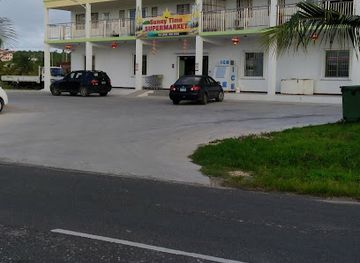
Supermarket
Chinese
Explore the vibrant flavors and local culture at Sunny Time Grocery in Island Harbour, your essential stop for fresh produce and local delicacies.
8 min drive · 2.7 km from city centre
-
Supermarket
Island Supermarket
Experience the essence of Anguilla at Island Supermarket, your local grocery destination for fresh produce and island specialties.
6 min drive · 2.1 km from city centre
-
Boutique
Blue Rey Lyn
Explore Blue Rey Lyn, a boutique in Shoal Bay offering unique handcrafted treasures that reflect the vibrant culture of Anguilla.
10 min drive · 3.5 km from city centre
-
 Shop
Irie Life at Lime Keel
Explore the essence of Anguilla at Irie Life at Lime Keel, your go-to shop for local crafts and unique souvenirs.
8 min drive · 2.7 km from city centre
Get your free copy of our complete guide to East End Village, delivered straight to you.
Everything on this page, from attractions and restaurants to essentials and local phrases, in one PDF you can read offline, print or share.
Already have an account? Sign in
Your East End Village guide is ready.
We'll send it to · Not you? Sign out

Getting your guide ready…
We are putting together a fresh copy of the East End Village guide. This can take up to a minute.
This can take a few moments. If your browser asks, choose Allow so the download can start. You'll find the guide in your Downloads folder.
Nothing happened? Download it again
Sorry, the guide is taking longer than usual. Please try again in a minute, or get it by email instead.
East End Village essentials
Currency and Payment
Safety
Emergency Situations
Do's and Don'ts
Local Tips
From Eve
Local phrases worth knowing
You don't need to get them perfect. A few words go a long way, and locals appreciate the effort.
Basics
| English | Local | Say it |
|---|---|---|
| Hello | Wah gwaan | [Waah gwaan] |
| Goodbye | Layta | [Lay-ta] |
| Yes | Yeah man | [Yeah man] |
| No | Nah man | [Nah man] |
| Please/You're welcome | Preez/No prob | [Preez/No prob] |
| Thank you | Tenkyu | [Ten-kyu] |
| Excuse me/Sorry | Xcuse me/Sorry | [Xcuse me/Sorry] |
| How are you? | How yuh dey? | [How yuh dey?] |
| Fine. And you? | Mi dey aight. An yuh? | [Mi dey aight. An yuh?] |
| Do you speak English? | Yuh speak English? | [Yuh speak English?] |
| I don't understand | Mi nuh undastan | [Mi nuh un-da-stan] |
Eating & Drinking
| English | Local | Say it |
|---|---|---|
| I'd like to see the menu, please | Mi wud like fi see di menu, pliz | [Mi wud like fi see di menu, pleez] |
| I don't eat meat | Mi nuh eat meat | [Mi nuh eat meat] |
| Cheers! | Cheers! | [Cheers!] |
| I would like to pay, please | Mi wud like fi pay, pliz | [Mi wud like fi pay, pleez] |
Emergencies
| English | Local | Say it |
|---|---|---|
| Help! | Help! | [Help!] |
| Go away! | Gwaan weh! | [Gwaan weh!] |
| Call the Police! | Call di Police! | [Call di Police!] |
| Call a doctor! | Call a docta! | [Call a docta!] |
| I'm lost | Mi lost | [Mi lost] |
| I'm ill | Mi sick | [Mi sick] |
Shopping
| English | Local | Say it |
|---|---|---|
| I'd like to buy... | Mi wud like fi buy... | [Mi wud like fi buy...] |
| I'm just looking | Mi jus a look | [Mi jus a look] |
| How much is it? | How much it dey? | [How much it dey?] |
| That's too expensive | Dat too much money | [Dat too much money] |
| Can you lower the price? | Yuh can drop di price? | [Yuh can drop di price?] |
Time & Numbers
| English | Local | Say it |
|---|---|---|
| What time is it? | Wah time it dey? | [Wah time it dey?] |
| It's one o'clock | It one o'clock | [It one o'clock] |
| Half past (10) | Haaf past ten | [Haaf past ten] |
| Morning | Mawnin | [Maw-nin] |
| Afternoon | Aftanoon | [Af-ta-noon] |
| Evening | Evenin | [Eve-nin] |
| Yesterday | Yestadeh | [Yest-a-deh] |
| Today | Today | [Today] |
| Tomorrow | Tomara | [Tom-a-ra] |
| 1 | One | [One] |
| 2 | Tu | [Tu] |
| 3 | Tree | [Tree] |
| 4 | Fo | [Fo] |
| 5 | Fiv | [Fiv] |
| 6 | Siks | [Siks] |
| 7 | Seven | [Seven] |
| 8 | Eight | [Eight] |
| 9 | Nain | [Nain] |
| 10 | Ten | [Ten] |
Transport & Directions
| English | Local | Say it |
|---|---|---|
| Where's a/the...? | Wey di... | [Wey di...] |
| What's the address? | Wah di address? | [Wah di address?] |
| Can you show me (on the map)? | Yuh can show mi (pan di map)? | [Yuh can show mi (pan di map)?] |
| When's the next (bus)? | Wen di nex (bus) dey? | [Wen di nex (bus) dey?] |
| A ticket (to ....) | A tiket (to ....) | [A tik-et (to ....)] |
History of East End Village
Indigenous Settlement Before Colonisation
Long before European settlement, Anguilla was inhabited by Indigenous peoples connected to the wider Caribbean world. Archaeological evidence across the island records settlements, tools and pottery associated principally with Taíno and earlier communities, whose lives depended on fishing, shellfish, cultivation and movement between coastal sites. The eastern part of Anguilla offered access to sheltered coves, productive shallows and elevated ground overlooking the sea. Although little monumental architecture survives, the island’s caves, shorelines and archaeological sites preserve evidence of these earlier communities. East End’s modern landscape therefore forms part of a much older human geography, shaped by seasonal travel, marine resources and knowledge of the island’s dry environment.
English Settlement and Early Agriculture
English settlers established a permanent presence on Anguilla during the seventeenth century, and the island became part of the British colonial Caribbean. Small farms developed around cotton, tobacco and food crops, while livestock, fishing and maritime activity remained essential in the dry terrain. East End’s scattered settlement pattern reflects this history more than a planned colonial town would: homes and smallholdings were distributed near arable patches, wells, ponds and coastal access. The island’s limited rainfall encouraged careful water use, and salt ponds and coastal resources supplemented agriculture. These practical traditions continued to influence Anguillan life long after plantation commodities ceased to define the economy.
Seafaring, Salt and Local Trade
For much of its history Anguilla was economically modest and closely tied to the sea. Fishing, boat building, coastal trading and seasonal work connected island communities with St Martin, St Barthélemy, Antigua and other neighbouring islands. Salt gathering from shallow ponds formed another important livelihood, while small-scale agriculture supported households in a landscape vulnerable to drought. East End’s position on Anguilla’s exposed eastern side placed it within this maritime world, even though its beaches and coves were not developed as modern resorts. Families combined several occupations rather than relying on one industry, creating the seafaring, self-reliant culture that remains central to Anguilla’s identity.
The Anguilla Revolution
Anguilla’s modern political identity was shaped by the Anguilla Revolution of 1967, when islanders resisted incorporation into the associated state of Saint Christopher-Nevis-Anguilla after the end of British colonial administration in the wider federation. Local discontent reflected concerns about political representation, economic neglect and the island’s distinct interests. Resistance became a defining episode in Anguillan public memory, and the crisis eventually led to Anguilla becoming a separate British Overseas Territory in 1980. East End, like communities across the island, participated in the social and political life surrounding these events. The revolution continues to inform local ideas of autonomy and community responsibility.
Tourism and a Protected Eastern Landscape
From the late twentieth century, tourism became the principal engine of Anguilla’s economy, bringing improved roads, communications and visitor facilities while leaving much of East End less intensively developed than the island’s western resort areas. The district’s beaches, ponds and open coastline became valued for their natural character rather than large-scale construction. Environmental awareness has also grown around wetlands such as East End Pond, which provide important habitat for resident and migratory birds. Contemporary East End combines modern villas and visitor services with long-established homes, churches, fishing traditions and family connections, preserving a quieter chapter of Anguilla’s social and geographical history.
East End Village in Photos
Browse through our photo collection highlighting the charm and character of the destination.
Cities near East End Village
The closest cities to East End Village, if you have time for more than one stop.
-

-

-

-

-


Swipe for more cities
Explore more

Explore more of Anguilla
Discover Anguilla: Caribbean's best-kept secret with stunning beaches, rich culture, and endless adventure opportunities. Perfect for a serene and luxurious getaway.
Explore Anguilla