

Free East End Travel Guide & Mobile App
Explore East End with free travel guides. Discover regional history, expert tips, proposed trips, and audio guides on web or mobile app.


Explore East End Anguilla for quiet coves, Indigenous heritage, limestone landscapes, fishing communities and the island’s Atlantic-facing coastline.
Read more about East End
When is the best time to visit East End?
Best: January–March · 28–29°C| Month | High (°C) | Rainfall (mm) |
|---|---|---|
| January (best) | 28 | 60 |
| February (best) | 29 | 50 |
| March (best) | 29 | 55 |
| April | 30 | 60 |
| May | 30 | 70 |
| June | 31 | 80 |
| July | 31 | 85 |
| August | 31 | 90 |
| September | 30 | 95 |
| October | 30 | 85 |
| November | 29 | 75 |
| December | 29 | 65 |
Getting to and around East End
How to get there
Transportation
Top city travel guides in East End
The cities of East End, and the easiest places to base yourself.

Swipe for more cities
Best attractions in East End
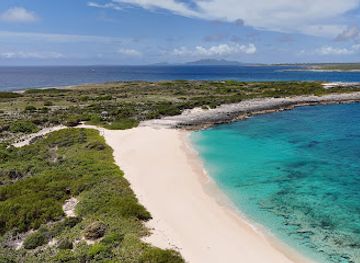
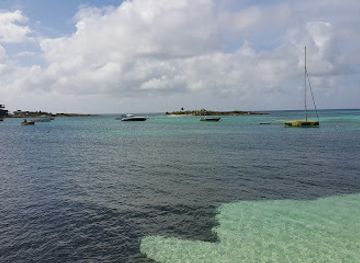
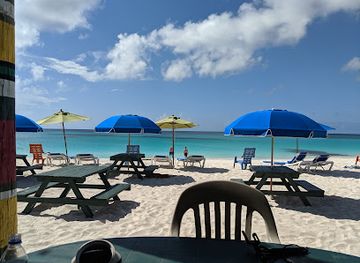
East End’s attractions centre on landscape, archaeology and coastal life rather than large entertainment complexes. The Heritage Collection provides an accessible introduction to Anguilla’s Indigenous past, colonial period and everyday social history, while Big Spring Cave offers a more specialised archaeological experience connected with the island’s earliest inhabitants and limestone geology. Both should be approached respectfully, as they are heritage places rather than conventional theme attractions. The region’s beaches, including Savannah Bay and Captain’s Bay, appeal to visitors seeking open coastal scenery, although facilities and swimming conditions vary. Salt ponds, scrubland and rocky shorelines provide opportunities for quiet observation of birds and island vegetation, especially for travellers interested in natural history. Island Harbour adds a human dimension through fishing boats, small-scale maritime activity and views across the sheltered bay. Short drives between villages and coves reveal the contrast between the exposed Atlantic edge and more protected inlets. Snorkelling, swimming, photography and gentle coastal exploration are popular when conditions permit, but visitors should not expect extensive marked trails or regular public transport between sites.
-
Island
Scrub Island
Discover Scrub Island: Anguilla's secluded paradise offering pristine beaches, thrilling adventures, and a tranquil escape from the everyday.
-
Island
Scilly Cay
Escape to Scilly Cay: A tiny Anguillan island offering pristine beaches, fresh seafood, potent rum punches, and a laid-back Caribbean vibe.
-
Tourist attraction
Mimi Bay
Discover Mimi Bay in Anguilla: A tranquil beach with soft sands, clear waters, and serene beauty, perfect for relaxation and water activities.
-
 Island
Anguillita Island
Discover Anguilla's hidden gem: Untouched beauty, vibrant marine life, and secluded snorkeling await off the western coast.
Best landmarks in East End
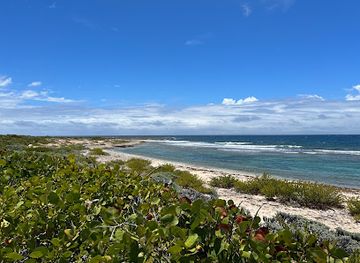
Big Spring Cave is one of East End’s most significant landmarks because its limestone setting contains archaeological evidence and Indigenous rock art, linking the modern island with communities that lived in Anguilla before European settlement. The Heritage Collection, housed in the eastern part of the island, is an important cultural landmark rather than a monumental building: its exhibits give physical form to the island’s social, maritime and domestic history. Along the coast, Windward Point marks Anguilla’s exposed eastern edge, where low coral-limestone terrain meets the Atlantic and the sense of an island frontier is particularly strong. Savannah Bay and Captain’s Bay are geographical landmarks as much as beaches, defined by broad shorelines, scrub and changing sea conditions. East End Pond and the surrounding salt- and scrubland landscape illustrate the ecological character of the island’s drier eastern districts. In Island Harbour, fishing boats and the shape of the sheltered inlet represent a continuing maritime landscape, connecting present-day community life with Anguilla’s long dependence on the sea.
-
Hotel
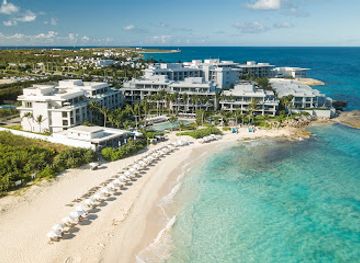
Four Seasons Resort and Residences Anguilla
Experience the pinnacle of luxury at Four Seasons Resort and Residences Anguilla, where stunning beaches meet exceptional service and world-class amenities.
-
Hotel
Cap Juluca, A Belmond Hotel, Anguilla
Discover the ultimate Caribbean luxury at Cap Juluca, A Belmond Hotel, where pristine beaches and world-class service create an unforgettable getaway.
-
Hotel
Malliouhana
Experience unparalleled luxury and breathtaking views at Malliouhana, Anguilla's premier resort hotel, perfectly situated on Meads Bay.
-
Resort hotel
Frangipani Beach Resort
Experience the ultimate tropical getaway at Frangipani Beach Resort in Anguilla, where luxury meets breathtaking natural beauty.
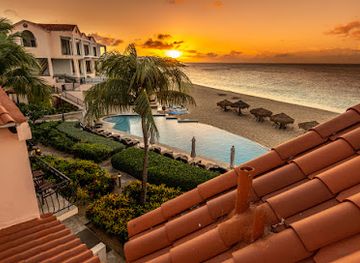
Explore East End on the map
Plan your trip on one map. See where the top cities, national parks and sights are, and book hotels and experiences in a few clicks.
Best hotels in East End
Best restaurants in East End
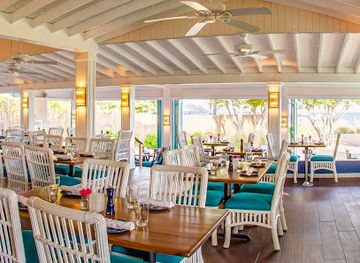
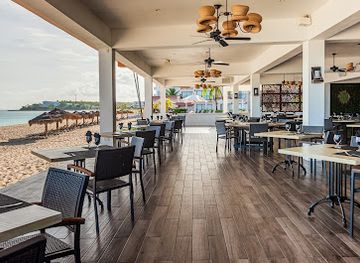
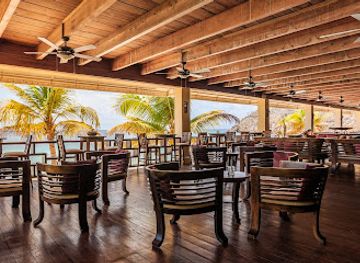
East End’s dining is informal and closely tied to Anguilla’s coastal setting. Restaurants and beach establishments typically draw on Caribbean cooking traditions, with grilled or fried fish, lobster when in season and other seafood appearing alongside chicken, ribs, rice, peas, salads and plantain. Island Harbour is particularly associated with a working maritime environment, while smaller establishments around the eastern villages offer a more relaxed alternative to the resort dining found elsewhere on Anguilla. Local drinks, fruit juices and rum-based beverages are widely available, although the region’s food culture is best appreciated through a meal or snack eaten at an unhurried pace rather than through a formal culinary circuit. Markets and shops can be useful for fruit, provisions and locally prepared food, but opening arrangements vary. Because East End is dispersed, it is sensible to check whether a restaurant is serving that day and to arrange evening transport in advance, especially outside the main winter visitor season.
-
Restaurant
Blanchards Restaurant and Beach Shack
Experience the best of Caribbean cuisine at Blanchards Restaurant and Beach Shack in Anguilla—where delicious food meets breathtaking beach views.
-
Restaurant
Elvis Beach Bar
Discover Elvis Beach Bar in Anguilla - where stunning views meet delicious food and lively entertainment for an unforgettable tropical escape.
-
Restaurant
Straw Hat Restaurant
Discover exquisite Caribbean cuisine at Straw Hat Restaurant in Anguilla with breathtaking ocean views.
-
Restaurant
Da'Vida
Experience exquisite dining at Da'Vida in Anguilla with breathtaking ocean views and a menu rich in local flavors.
Best bars in East End
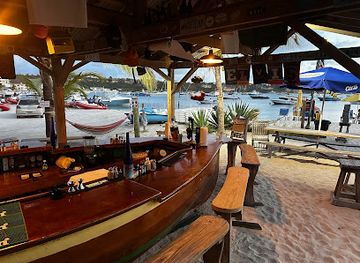
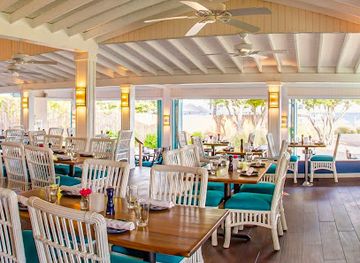
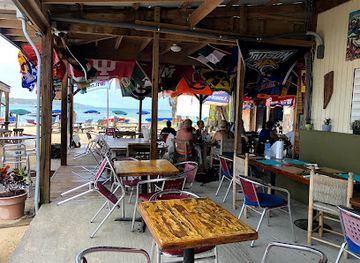
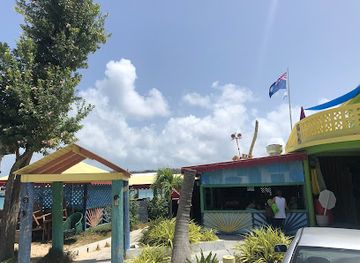
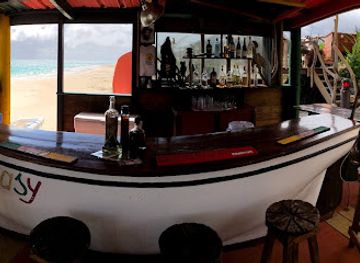
East End has no large, concentrated nightclub district; evening life is generally based around restaurants, beach bars, village establishments and informal gatherings. Island Harbour provides one of the region’s clearest connections with coastal evening culture, while bars near the beaches may focus on sunset views, rum drinks, local food and conversation. Live music and seasonal events can enliven particular nights, but programmes and opening arrangements change, so visitors should ask locally rather than rely on a fixed schedule. The atmosphere is usually quieter than in larger Caribbean resort centres, and many travellers combine dinner with a drink instead of moving between multiple venues. Taxis or pre-arranged transport are advisable after dark, as roads outside the main settlements can be dimly lit and distances between venues are not convenient on foot.
-
Bar
Blanchards Restaurant and Beach Shack
Experience the vibrant flavors of the Caribbean at Blanchards Restaurant and Beach Shack, a culinary delight on Anguilla's stunning Meads Bay.
-
Bar
Elvis Beach Bar
Elvis Beach Bar: A lively beachside retreat in Anguilla offering delicious food, refreshing drinks, and stunning ocean views.
-
Bar
Roy's Bayside Grill
Discover Roy's Bayside Grill in Anguilla, where delicious Caribbean cuisine meets breathtaking waterfront views in a relaxed atmosphere.
-
Live music bar
Bankie Banx's Dune Preserve
Discover the vibrant live music scene and delectable Caribbean cuisine at Bankie Banx's Dune Preserve in Anguilla's stunning Rendezvous Bay.
Best nightclubs in East End
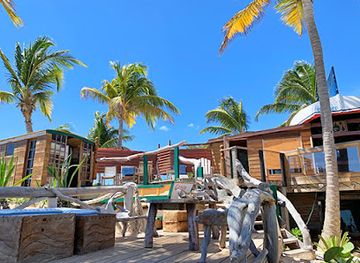
East End has no large, concentrated nightclub district; evening life is generally based around restaurants, beach bars, village establishments and informal gatherings. Island Harbour provides one of the region’s clearest connections with coastal evening culture, while bars near the beaches may focus on sunset views, rum drinks, local food and conversation. Live music and seasonal events can enliven particular nights, but programmes and opening arrangements change, so visitors should ask locally rather than rely on a fixed schedule. The atmosphere is usually quieter than in larger Caribbean resort centres, and many travellers combine dinner with a drink instead of moving between multiple venues. Taxis or pre-arranged transport are advisable after dark, as roads outside the main settlements can be dimly lit and distances between venues are not convenient on foot.
-
Bar
Elvis Beach Bar
Discover the vibrant soul of Anguilla at Elvis Beach Bar, where tropical drinks and local cuisine meet stunning ocean views.
-
Live music bar
Bankie Banx's Dune Preserve
Discover the heart of Anguilla at Bankie Banx's Dune Preserve, where live music meets exquisite Caribbean cuisine in a stunning beachfront setting.
-
Grill
Gwen's Reggae Bar and Grill
Experience the vibrant flavors and rhythms of the Caribbean at Gwen's Reggae Bar and Grill in Anguilla, where every meal is a celebration.
-
Lounge
Lit lounge
Experience the vibrant nightlife of Anguilla at Lit Lounge, where delicious cocktails and live entertainment create unforgettable memories.


Best shops in East End
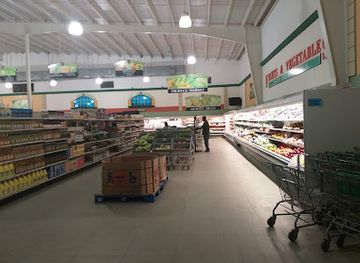
Shopping in East End is local and practical rather than centred on major retail complexes. Small shops and provisions stores serve residents and visitors with drinks, snacks, fruit and essential supplies, while restaurants and coastal establishments may sell modest souvenirs or locally made items. The most meaningful purchases are often Anguillian food products, rum, artwork, photographs, books about island history and handmade crafts found through community businesses or galleries elsewhere on the island. Island Harbour and the surrounding villages are better suited to browsing for a sense of local life than to extended retail trips. Visitors should not expect the dense concentration of designer boutiques associated with some Caribbean resort areas; larger selections of jewellery, fashion and duty-free goods are generally found outside East End in the island’s principal commercial and hotel districts. Buy responsibly, avoid removing shells or archaeological objects from beaches and heritage sites, and check customs rules before taking food, plants or natural materials home.
-
Supermarket
JW Proctors Grocery Store
Discover the local flavors of Anguilla at JW Proctors Grocery Store, where fresh produce and Caribbean delights await.
-
Hardware Shop
ABC Supplies
Discover ABC Supplies in Anguilla, your essential hardware shop for tools and home improvement needs, ensuring an unforgettable Caribbean experience.
-
Shop Supermarket Furniture Shop
BIG STORE
Discover the vibrant shopping experience at BIG STORE in Anguilla, where local culture meets convenience and variety for every tourist's needs.
-
Gift shop
Irie Life
Discover unique Caribbean gifts at Irie Life, a must-visit shop in South Hill Village, Anguilla, offering authentic souvenirs and local crafts.

Get your free copy of our complete guide to East End, delivered straight to you.
Everything on this page, from attractions and restaurants to essentials and local phrases, in one PDF you can read offline, print or share.
Already have an account? Sign in
Your East End guide is ready.
We'll send it to · Not you? Sign out

Getting your guide ready…
We are putting together a fresh copy of the East End guide. This can take up to a minute.
This can take a few moments. If your browser asks, choose Allow so the download can start. You'll find the guide in your Downloads folder.
Nothing happened? Download it again
Sorry, the guide is taking longer than usual. Please try again in a minute, or get it by email instead.
East End essentials
Currency and Payment
Safety
Emergency Situations
Do's and Don'ts
Local Tips
From Eve
Local phrases worth knowing
You don't need to get them perfect. A few words go a long way, and locals appreciate the effort.
Basics
| English | Local | Say it |
|---|---|---|
| Hello | Wah gwan | [Wah gwan] |
| Goodbye | Lata | [Lata] |
| Yes | Yea | [Yea] |
| No | Naw | [Naw] |
| Please/You're welcome | No problem | [No problem] |
| Thank you | Tanks | [Tanks] |
| Excuse me/Sorry | Sorry | [Sorry] |
| How are you? | How yuh doin'? | [How yuh doin'?] |
| Fine. And you? | I good. An yuh? | [I good. An yuh?] |
| Do you speak English? | Yuh speak English? | [Yuh speak English?] |
| I don't understand | I nuh understand | [I nuh understand] |
Eating & Drinking
| English | Local | Say it |
|---|---|---|
| I'd like to see the menu, please | Mi wan see di menu, please | [Mi wan see di menu, please] |
| I don't eat meat | Mi nuh eat meat | [Mi nuh eat meat] |
| Cheers! | Cheers! | [Cheers!] |
| I would like to pay, please | Mi wan pay, please | [Mi wan pay, please] |
Emergencies
| English | Local | Say it |
|---|---|---|
| Help! | Help! | [Help!] |
| Go away! | Go way! | [Go way!] |
| Call the Police! | Call di police! | [Call di police!] |
| Call a doctor! | Call a doctor! | [Call a doctor!] |
| I'm lost | Mi lost | [Mi lost] |
| I'm ill | Mi sick | [Mi sick] |
Shopping
| English | Local | Say it |
|---|---|---|
| I'd like to buy... | Mi wan buy... | [Mi wan buy...] |
| I'm just looking | Mi jus a look | [Mi jus a look] |
| How much is it? | How much dat? | [How much dat?] |
| That's too expensive | Dat too pricey | [Dat too pricey] |
| Can you lower the price? | Yuh can drop di price? | [Yuh can drop di price?] |
Time & Numbers
| English | Local | Say it |
|---|---|---|
| What time is it? | Wah time it? | [Wah time it?] |
| It's one o'clock | It one o'clock | [It one o'clock] |
| Half past (10) | Half past ten | [Half past ten] |
| Morning | Mornin' | [Mornin'] |
| Afternoon | Afternoon | [Afternoon] |
| Evening | Evenin' | [Evenin'] |
| Yesterday | Yesterday | [Yesterday] |
| Today | Today | [Today] |
| Tomorrow | Tomorrow | [Tomorrow] |
| 1 | One | [One] |
| 2 | Two | [Two] |
| 3 | Three | [Three] |
| 4 | Four | [Four] |
| 5 | Five | [Five] |
| 6 | Six | [Six] |
| 7 | Seven | [Seven] |
| 8 | Eight | [Eight] |
| 9 | Nine | [Nine] |
| 10 | Ten | [Ten] |
Transport & Directions
| English | Local | Say it |
|---|---|---|
| Where's a/the...? | Wah deh a...? | [Wah deh a...?] |
| What's the address? | Wah di address? | [Wah di address?] |
| Can you show me (on the map)? | Yuh can show mi (pon di map)? | [Yuh can show mi (pon di map)?] |
| When's the next (bus)? | When di next (bus)? | [When di next (bus)?] |
| A ticket (to ....) | A ticket (to ....) | [A ticket (to ....)] |
History of East End
Indigenous Settlement and Big Spring
Long before European colonisation, Anguilla was visited and settled by Indigenous peoples connected with the wider Lesser Antillean world. Big Spring Cave, in the eastern part of the island, is especially important because archaeological evidence and rock art reveal ceremonial or cultural activity in a naturally sheltered limestone setting. The site demonstrates that Anguilla’s history did not begin with plantation society or tourism, and it provides a tangible connection with the island’s earliest communities.
English Colonisation in the Seventeenth Century
English settlers established a permanent presence on Anguilla in the seventeenth century, when the island formed part of the changing network of European colonies in the Caribbean. The dry climate and limited freshwater made large-scale plantation development difficult, encouraging a dispersed rural society based on small farms, livestock, fishing and maritime exchange. The eastern districts retain some of the landscape associated with this long pattern of settlement: low-density villages, exposed pasture and coastal access points.
Plantation Society, Salt and Seafaring
During the eighteenth and nineteenth centuries, Anguilla’s economy combined subsistence agriculture with livestock keeping, salt gathering, fishing and small-scale trade. Salt ponds and sheltered coves supported local commerce, while sailing connected Anguilla with neighbouring islands and colonial ports. East End’s coastal communities developed within this maritime economy, relying on boats and family networks as much as on the island’s limited agricultural resources. Surviving ponds, older settlement patterns and the continuing importance of fishing reflect that history.
Emancipation and Community Development
The abolition of slavery in the British Caribbean in the 1830s transformed social and economic life in Anguilla, although hardship and scarce resources continued. Freed families established and strengthened communities across the island, maintaining livelihoods through farming, fishing, animal husbandry, seafaring and migration. Churches, schools and local associations became important institutions. In East End, the dispersed settlement pattern and strong relationship with the coast reflect the gradual development of an Anguillian society beyond the plantation model.
The Anguillian Revolution and Self-Government
Anguilla’s modern political identity was shaped by the Anguillian Revolution of 1967, when residents resisted incorporation into the associated state of St Kitts-Nevis-Anguilla. The movement reflected long-standing concerns about political representation, economic neglect and the island’s distinct identity. After a period of constitutional uncertainty, Anguilla became a separate British Overseas Territory in 1980. That settlement established the political framework within which the island, including East End, developed its contemporary institutions and tourism economy.
Tourism and the Preservation of Island Heritage
From the late twentieth century onwards, tourism became increasingly important to Anguilla’s economy, bringing improved infrastructure and international visitors while also creating pressure on land, water and coastal environments. East End has remained less densely developed than the principal resort areas, allowing fishing traditions, open landscapes and archaeological places to remain visible. Heritage museums, protected sites and community-based interpretation now help present the island’s history alongside its beaches, rather than allowing tourism to erase the cultural landscape.
East End in Photos
Browse through our photo collection highlighting the charm and character of the destination.
Neighbouring regions of East End
The closest regions to East End, if you have time for more than one.
-

-

-

-

-


Swipe for more regions
Explore more

Explore more of Anguilla
Discover Anguilla: Caribbean's best-kept secret with stunning beaches, rich culture, and endless adventure opportunities. Perfect for a serene and luxurious getaway.
Explore Anguilla