

Saint George, Antigua and Barbuda Travel Guide
Discover Saint George in Antigua and Barbuda: Where history, nature, and culture converge in a picturesque paradise, offering a unique Caribbean experience.
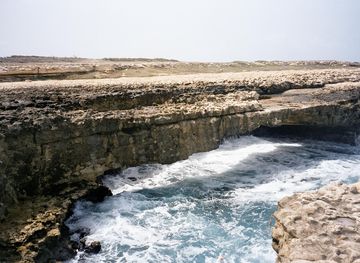
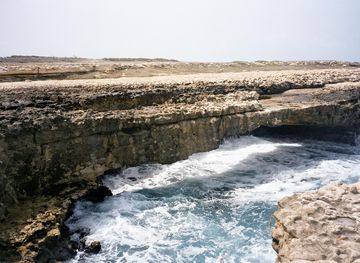
Saint George, a picturesque parish in Antigua and Barbuda, offers a blend of history, culture, and natural beauty. Nestled on the northern side of Antigua, it is known for its charming villages, lush landscapes, and pristine beaches. Visitors can explore the historic St. George's Anglican Church, which dates back to the early 18th century. The church, with its stunning architecture and serene surroundings, provides a glimpse into the island's colonial past. Nature enthusiasts will find plenty to love in Saint George. The parish is home to several nature trails and protected areas, perfect for hiking and bird watching. One of the highlights is the Devil's Bridge, a natural limestone arch carved by the Atlantic Ocean's waves. This dramatic landmark offers breathtaking views and the opportunity to witness the raw power of nature. For a taste of local life, visit the village of Pigotts, where you can interact with friendly locals and enjoy traditional Antiguan cuisine. The nearby Sir Vivian Richards Stadium is a must-visit for cricket fans, named after the legendary Antiguan cricketer. Whether you're looking to relax on a quiet beach, explore historical sites, or experience the vibrant local culture, Saint George has something for everyone.

Know before you go
Hi, I'm Eve. Here are a few practical things to know before exploring Saint George.
- Visit the St. George's Anglican Church early in the morning to avoid crowds and get the best light for photographs.
- Pack comfortable walking shoes for exploring nature trails and historical sites.
- Try the local dish, fungi and pepperpot, at a village eatery in Pigotts for an authentic taste of Antigua.
- Bring binoculars for bird watching, especially around the protected areas.
- Check the cricket match schedule at Sir Vivian Richards Stadium if you are a sports fan.
Top City Travel Guides in Saint George
The cities of Saint George, and the easiest places to base yourself.

Explore Saint George: Things to Do, Places to Eat, Hotels & More
Handpicked recommendations for top attractions, local dining, accommodations, and more

Top Attractions & Sightseeing in Saint George
Top-rated picks
Best Attractions

Sir Vivian Richards Stadium
Experience the excitement of cricket and vibrant Antiguan culture at the iconic Sir Vivian Richards Stadium, a must-visit for sports enthusiasts.

Scooter Snorkeling Antigua
Explore Antigua's underwater beauty effortlessly with scooter snorkeling at Galleon Beach. An unforgettable adventure for all ages!

Falmouth Harbour
Explore Antigua's maritime history and vibrant yachting scene at Falmouth Harbour, a captivating blend of past and present.

Barnes Hill Reservoir
Discover tranquility at Barnes Hill Reservoir in Osbourn, Antigua: a revitalized historical site offering nature, recreation, and community spirit.

Best landmarks in Saint George
Top-rated picks
Best Landmarks

Heritage Quay Complex
Explore Heritage Quay Complex in St. John's, a vibrant shopping and dining destination with stunning waterfront views and a cultural experience.

Nelson's Dockyard
Explore the historic Nelson's Dockyard, a UNESCO World Heritage site offering rich maritime heritage, stunning views, and unique cultural experiences in Antigua.

Antigua
Explore the pristine beaches and rich history of Antigua, an idyllic Caribbean island perfect for relaxation and adventure alike.

Stingray City Antigua
Discover the ultimate marine adventure at Stingray City Antigua, where friendly stingrays await to create unforgettable memories in paradise.

Best restaurants in Saint George
Top-rated picks
Best Restaurants

Sheer Rocks
Experience exquisite tapas and fine dining at Sheer Rocks, where breathtaking ocean views meet culinary excellence in Antigua.

Ana's On The Beach
Experience the perfect blend of Caribbean flavors and breathtaking ocean views at Ana's On The Beach in Antigua.

Bay House Restaurant & Bar
Experience exquisite breakfast delights and breathtaking views at Bay House Restaurant & Bar in Antigua.

The Nest -Beach Bar, Antigua
Experience Caribbean flavors at The Nest Beach Bar in Antigua—where relaxation meets culinary delight against stunning ocean views.

Best bars in Saint George
Top-rated picks
Best Bars

Ana's On The Beach
Experience the vibrant flavors of the Caribbean at Ana's On The Beach, where every meal is a celebration of taste and ocean views.

The Nest -Beach Bar, Antigua
Experience the essence of Antigua at The Nest, your beach bar for grilled delights and stunning ocean views.

JR's Spot Bar and Grill
Discover the lively ambiance of JR's Spot Bar and Grill in St. John's, where delicious food meets thrilling sports action.

Dre Bar & Restaurant (Pasta Box)
Experience the vibrant flavors and lively atmosphere of Dre Bar & Restaurant in St. John's, where delicious pasta meets refreshing cocktails.

Best nightclubs in Saint George
Top-rated picks
Best Nightclubs

The Boardroom - The Premium Gentleman's Club
Discover vibrant nightlife at The Boardroom, a premier gentleman's club in Jolly Harbour, offering an unforgettable blend of entertainment and elegance.

Diamond Edge Night Club
Discover the vibrant nightlife of St. John's at Diamond Edge Night Club, where music, dance, and unforgettable experiences converge.

CHRISTIAN SUNSHINE BAR
Experience the vibrant atmosphere of Christian Sunshine Bar in Piggotts, Antigua, where refreshing drinks and friendly vibes await every visitor.

SIDEVIEW BAR & GRILL
Experience the vibrant atmosphere of Sideview Bar & Grill in All Saints, where delicious food, refreshing drinks, and live music create unforgettable moments.

Best shops in Saint George
Top-rated picks
Best Shops

Heritage Quay Complex
Explore Heritage Quay Complex: The Heart of Shopping and Culture in St. John's, Antigua.

Redcliffe Quay
Explore Redcliffe Quay, a vibrant shopping destination in St. John's, Antigua, filled with unique boutiques, delicious eateries, and stunning coastal views.

XPZ Supermarket
Explore the vibrant XPZ Supermarket in Antigua for fresh produce, local delicacies, and a true taste of Caribbean culture.

Royal Palm Place
Explore Royal Palm Place, a vibrant shopping mall in Antigua offering diverse shops, delicious dining, and a taste of local culture.

Explore Saint George on the Map
A handpicked selection of must-see spots in Saint George, mapped for you.
Saint George Essentials
-
Saint George is located on the island of Antigua, part of the nation of Antigua and Barbuda. The main gateway to Saint George is the V.C. Bird International Airport (ANU), which is approximately 8 kilometers from the town. Major airlines operate regular flights to this airport from North America, Europe, and other Caribbean islands. From the airport, you can take a taxi or rent a car to reach Saint George.
-
Saint George is relatively compact, and many of its attractions are within walking distance. Taxis are readily available and are a popular mode of transportation. If you prefer public transport, buses run regularly and are an affordable option, though they can be crowded. Car rentals are also available, providing flexibility for exploring the surrounding areas at your own pace.
-
The official currency in Antigua and Barbuda is the Eastern Caribbean Dollar (XCD). US Dollars are widely accepted, and major credit cards are commonly used in hotels, restaurants, and shops. ATMs are available, and it is advisable to carry some cash for smaller vendors and in more remote areas. Ensure you have enough cash, especially if planning to visit less touristy spots.
-
Saint George is generally safe for tourists, but standard precautions should be taken. Avoid walking alone at night, especially in poorly lit or unfamiliar areas. Petty crimes like pickpocketing can occur in crowded places, so keep an eye on your belongings. Notable areas to exercise additional caution include certain parts of the urban center where crime rates are higher. Always stay vigilant and aware of your surroundings.
-
In case of emergency, dial 911 for police, fire, or medical assistance. The local police station and medical facilities are well-equipped to handle emergencies. It is highly recommended to have travel insurance that covers medical emergencies. For less urgent medical needs, there are pharmacies in Saint George where you can purchase over-the-counter medications.
-
Fashion: Do dress casually but neatly. Beachwear is appropriate at the beach, but not in town or restaurants. Avoid overly revealing clothing. Religion: Do respect local customs and traditions, especially in religious sites. Cover your shoulders and knees when visiting churches. Public Transport: Do be courteous and offer your seat to elderly passengers. Don’t play loud music or eat on public transport. Greetings: Do greet people with a friendly 'Good morning' or 'Good afternoon.' A handshake is common. Eating & Drinking: Do try local dishes and accept food offerings graciously. Don’t refuse hospitality, as it is considered impolite.
-
To experience Saint George like a local, visit the local markets where you can buy fresh produce and traditional Antiguan goods. Engage with locals, as they are often friendly and willing to share stories about the town's history and culture. Don’t miss the opportunity to explore historical sites such as the St. John's Cathedral and the Museum of Antigua and Barbuda. For a unique experience, attend a local cricket match or join a sailing tour to enjoy the island’s beautiful coastline.
When is the best time to visit Saint George?
Useful Local Phrases for Saint George
You don't need to speak the language perfectly. Even learning a few simple words can make conversations warmer—and locals usually appreciate the effort.
— Eve

Here are the phrases I use most often in Saint George. Try a few—you'll be surprised how far they go! 😊
❤️
-
- HelloWah gwaan
[Wah gwahn] - GoodbyeLikkle more
[Likkle mohr] - YesYea
[Yea] - NoNuh
[Nuh] - Please/You're welcomeNo problem
[No prob-lem] - Thank youTank yuh
[Tangk yuh] - Excuse me/SorrySuhrry
[Suh-ree] - How are you?How yuh doin?
[How yuh do-in] - Fine. And you?I good. An yuh?
[I gud. An yuh?] - Do you speak English?Yuh speak English?
[Yuh speek English?] - I don't understandMi nuh undastand
[Mi nuh un-der-stand]
- HelloWah gwaan
-
- I'd like to see the menu, pleaseMi wan si di menu, please
[Mi wan see di men-yu, please] - I don't eat meatMi nuh eat meat
[Mi nuh eet meet] - Cheers!Cheers!
[Cheers!] - I would like to pay, pleaseMi wud like fi pay, please
[Mi wud like fee pay, please]
- I'd like to see the menu, pleaseMi wan si di menu, please
-
- Help!Help!
[Help!] - Go away!Guh weh!
[Guh weh!] - Call the Police!Call di police!
[Call di po-lees!] - Call a doctor!Call a doctor!
[Call a doc-tah!] - I'm lostMi lost
[Mi lost] - I'm illMi sick
[Mi sik]
- Help!Help!
-
- I'd like to buy...Mi wan buy...
[Mi wan buy...] - I'm just lookingMi jus a look
[Mi jus a luk] - How much is it?How much dat?
[How much dat?] - That's too expensiveDat too pricey
[Dat too pry-see] - Can you lower the price?Yuh can lower di price?
[Yuh can lo-er di pryce?]
- I'd like to buy...Mi wan buy...
-
- What time is it?Wah time it?
[Wah time it?] - It's one o'clockIt one o'clock
[It one o'clock] - Half past (10)Half past ten
[Half past ten] - MorningMornin'
[Morn-in] - AfternoonAfternoon
[Afternoon] - EveningEvenin'
[Eve-nin] - YesterdayYestaday
[Yes-ta-day] - TodayToday
[Today] - TomorrowTomorrow
[Tomorrow] - 1One
[One] - 2Two
[Two] - 3Three
[Three] - 4Four
[Four] - 5Five
[Five] - 6Six
[Six] - 7Seven
[Seven] - 8Eight
[Eight] - 9Nine
[Nine] - 10Ten
[Ten]
- What time is it?Wah time it?
-
- Where's a/the...?Wah deh a ...?
[Wah deh a ...?] - What's the address?Wah di address?
[Wah di ad-dress?] - Can you show me (on the map)?Yuh can show mi (pon di map)?
[Yuh can show mi (pon di map)?] - When's the next (bus)?When di next (bus)?
[When di next (bus)?] - A ticket (to ....)A ticket (to ...)
[A tik-it (to ...)]
- Where's a/the...?Wah deh a ...?
History of Saint George
-
Saint George, a picturesque parish in Antigua and Barbuda, was founded in the early 18th century as part of the British colonial expansion. The area was named after Saint George, the patron saint of England, symbolizing the British influence that shaped the region's early development.
-
During the 18th and 19th centuries, Saint George became a hub for sugar plantations, which were the backbone of Antigua's economy. The fertile soil and favorable climate made it ideal for sugarcane cultivation. Enslaved Africans were brought to work on these plantations, leaving a significant and somber mark on the area's history.
-
In February 1843, a powerful earthquake struck Antigua, causing widespread destruction, including in Saint George. This natural disaster had a profound impact on the local architecture and infrastructure, leading to the rebuilding of many structures and influencing the parish's architectural style.
-
The abolition of slavery in 1834 was a transformative event for Saint George. Freedmen and women began to establish their own communities and contribute to the parish's cultural and economic life. This period saw the emergence of new social structures and the gradual development of a more diverse and vibrant society.
-
Saint George is renowned for its rich cultural heritage, which is celebrated through various festivals and events. The Antigua Carnival, known for its colorful parades and lively music, is a highlight that showcases the parish's vibrant culture and history. Traditional music, dance, and cuisine play a central role in these festivities, reflecting the area's diverse influences.
-
Saint George boasts several historical landmarks that offer a glimpse into its past. Notable structures include the St. George's Anglican Church, built in the 18th century, which stands as a testament to the parish's colonial heritage. The architectural styles in Saint George range from Georgian to Victorian, each telling a unique story of the area's evolution.
-
In recent decades, Saint George has seen significant development, particularly in the tourism sector. The parish's natural beauty, including its pristine beaches and lush landscapes, attracts visitors from around the world. Efforts have been made to preserve its historical sites while accommodating modern amenities, making it a prime destination for history enthusiasts and vacationers alike.
Neighbouring Regions of Saint George
The closest regions to Saint George, if you have time for more than one.


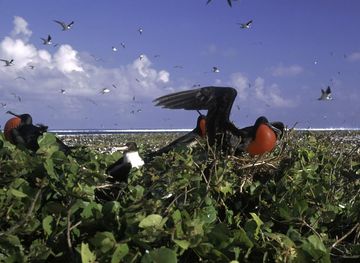

Your all‑in‑one travel companion app
Explore expert travel guides, compare and book tours, experiences, hotels, and more—all from the palm of your hand. Download now for seamless trip planning wherever your wanderlust takes you.


Explore More of Antigua and Barbuda
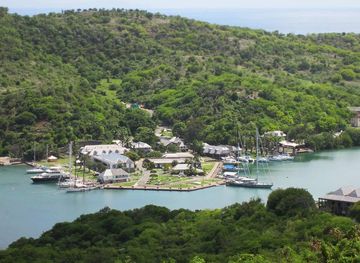
Looking beyond Saint George? Discover Antigua and Barbuda for broader travel guides, local hot-spots, and regional highlights.
Explore Antigua and BarbudaSaint George in Photos
Browse through our photo collection highlighting the charm and character of the destination.


Saint George: The Heartbeat of Antigua and Barbuda
Saint George, a picturesque parish in Antigua and Barbuda, offers a blend of history, culture, and natural beauty. Nestled on the northern side of Antigua, it is known for its charming villages, lush landscapes, and pristine beaches. Visitors can explore the historic St. George's Anglican Church, which dates back to the early 18th century. The church, with its stunning architecture and serene surroundings, provides a glimpse into the island's colonial past. Nature enthusiasts will find plenty to love in Saint George. The parish is home to several nature trails and protected areas, perfect for hiking and bird watching. One of the highlights is the Devil's Bridge, a natural limestone arch carved by the Atlantic Ocean's waves. This dramatic landmark offers breathtaking views and the opportunity to witness the raw power of nature. For a taste of local life, visit the village of Pigotts, where you can interact with friendly locals and enjoy traditional Antiguan cuisine. The nearby Sir Vivian Richards Stadium is a must-visit for cricket fans, named after the legendary Antiguan cricketer. Whether you're looking to relax on a quiet beach, explore historical sites, or experience the vibrant local culture, Saint George has something for everyone.