

Saint John, Antigua and Barbuda Travel Guide
Discover Saint John, the vibrant capital of Antigua and Barbuda, where history, culture, and natural beauty create an unforgettable Caribbean experience.
Saint John, the vibrant capital of Antigua and Barbuda, is a treasure trove of culture, history, and natural beauty. Nestled on the island’s northwest coast, this bustling port city is the perfect blend of old-world charm and modern attractions. From its stunning colonial architecture to its bustling markets, Saint John offers an unforgettable experience for every traveler. History enthusiasts will appreciate the city’s rich past, which can be explored at landmarks such as the Museum of Antigua and Barbuda and the iconic St. John's Cathedral. The cathedral, with its Baroque towers and intricate wooden interiors, stands as a testament to the island’s colonial heritage. For a more interactive experience, visit the Heritage Quay, a bustling shopping center where you can find duty-free shops, local crafts, and vibrant street performances. Nature lovers will be drawn to the city’s beautiful beaches and lush landscapes. Dickenson Bay, one of the most popular beaches, offers crystal-clear waters and soft sandy shores, perfect for sunbathing, swimming, and water sports. If you prefer a more secluded spot, head to Fort James Beach, where you can relax under the Caribbean sun and explore the historic Fort James ruins. For a panoramic view of the city and its coastline, take a hike up to Fort Barrington, a historic fort that offers stunning vistas and a glimpse into the island’s defensive history.

Know before you go
Hi, I'm Eve. Here are a few practical things to know before exploring Saint John.
- Visit the Museum of Antigua and Barbuda early in the day to avoid crowds and fully appreciate the exhibits.
- Wear comfortable shoes if you plan on exploring the historic forts and taking nature hikes.
- Bargain at the local markets for the best deals on souvenirs and handcrafted goods.
- Try the local cuisine at the street food stalls for an authentic taste of Antigua.
- Carry sunscreen and stay hydrated, especially when spending time at the beaches.
Top City Travel Guides in Saint John
The cities of Saint John, and the easiest places to base yourself.


Destinations in Saint John
Resorts, valleys and scenic spots worth a trip of their own.


Explore Saint John: Things to Do, Places to Eat, Hotels & More
Handpicked recommendations for top attractions, local dining, accommodations, and more

Top Attractions & Sightseeing in Saint John
Top-rated picks
Best Attractions

Heritage Quay Complex
Experience duty-free shopping, local culture, and Caribbean vibes at Heritage Quay, St. John's – Antigua's premier cruise and shopping destination.

Royalton Antigua, An Autograph Collection All-Inclusive Resort
Experience Antigua in ultimate luxury at this all-inclusive resort with stunning ocean views, gourmet dining, and overwater bungalows.

Siboney Beach Club
Experience beachfront bliss at Siboney Beach Club on Antigua's stunning Dickenson Bay, offering relaxation and Caribbean charm.

Dickenson Bay Beach
Experience Antigua's allure at Dickenson Bay Beach: white sands, turquoise waters, vibrant activities, and stunning sunsets await!

Best landmarks in Saint John
Top-rated picks
Best Landmarks

Heritage Quay Complex
Explore the Heritage Quay Complex in St. John's, a bustling hub of shopping and local culture, perfect for tourists seeking unique experiences.
Sandals Grande Antigua
Experience ultimate luxury and romance at Sandals Grande Antigua, the perfect all-inclusive resort for couples in St. John's, Antigua.

Nelson's Dockyard
Immerse yourself in the maritime history of Antigua at Nelson's Dockyard, a UNESCO World Heritage Site showcasing stunning architecture and scenic views.

Antigua
Explore Antigua, a Caribbean paradise with stunning beaches, rich culture, and vibrant history, perfect for relaxation and adventure.

Best restaurants in Saint John
Top-rated picks
Best Restaurants

Big Banana
Experience the vibrant flavors of Caribbean cuisine at Big Banana in St. John's - where every meal is a celebration!

Sheer Rocks
Discover Sheer Rocks - where fine dining meets stunning ocean views in Antigua's tropical paradise.

Ana's On The Beach
Experience exquisite seafood and refreshing cocktails at Ana's On The Beach in Antigua—where culinary delights meet breathtaking ocean views.

Roti King
Discover authentic Caribbean flavors at Roti King – a delightful culinary gem in St. John's serving delicious roti and more.

Best bars in Saint John
Top-rated picks
Best Bars

The Nest -Beach Bar, Antigua
Experience the ultimate beachside dining at The Nest Beach Bar in Antigua, where delicious grilled food meets breathtaking ocean views.

Cheers Antigua
Discover Cheers Antigua, a vibrant grill restaurant offering delicious Caribbean flavors and a lively atmosphere in the heart of St. John's.

Alligators Bar and Restaurant
Experience the vibrant flavors of Caribbean cuisine at Alligators Bar and Restaurant in St. John's, a culinary gem for all visitors.

JR's Spot Bar and Grill
Experience the vibrant sports scene at JR's Spot Bar and Grill in St. John's, where great food and thrilling games come together.

Best nightclubs in Saint John
Top-rated picks
Best Nightclubs

Caribbean Cinemas - Antigua Megaplex 8
Discover the ultimate movie experience at Caribbean Cinemas - Antigua Megaplex 8 with the latest films in a comfortable, family-friendly setting.

Siboney Beach Club
Experience the ultimate Caribbean getaway at Siboney Beach Club, where luxury meets paradise on Dickenson Bay, Antigua.

Kon Tiki Bar and Grill
Discover the flavors of the Caribbean at Kon Tiki Bar and Grill in Dickenson Bay, where fresh seafood and vibrant atmosphere await.

Tree House Beach Club
Discover the perfect blend of relaxation, delicious cuisine, and vibrant entertainment at Tree House Beach Club in Antigua.

Best shops in Saint John
Top-rated picks
Best Shops

Heritage Quay Complex
Discover the lively Heritage Quay Complex in St. John's, a premier shopping and cultural destination for cruise visitors and tourists in Antigua.

Woods Mall
Discover the vibrant shopping and dining experience at Woods Mall in St. John's, Antigua, where culture meets modern retail.

Redcliffe Quay
Experience the vibrant shopping and dining at Redcliffe Quay, a historic gem in St. John's, Antigua with beautiful waterfront views.

Townhouse Megastore
Explore Townhouse Megastore in Antigua for an unforgettable shopping experience with diverse products ranging from furniture to kitchen essentials.

Explore Saint John on the Map
A handpicked selection of must-see spots in Saint John, mapped for you.
Saint John Essentials
-
Saint John, the capital of Antigua and Barbuda, is accessible primarily via air travel. The main gateway is V.C. Bird International Airport (ANU), located about 8 kilometers northeast of Saint John. Major airlines provide direct flights from North America, Europe, and other Caribbean islands. Alternatively, cruise ships frequently dock at the Saint John Cruise Port, offering another route for visitors arriving by sea.
-
Transportation within Saint John includes taxis, buses, and car rentals. Taxis are widely available and can be hailed on the street or arranged through your hotel. Buses provide an affordable option for traveling within the city and to other parts of the island, though they might not adhere to a strict schedule. Car rentals offer the most flexibility for exploring at your own pace, but remember that driving is on the left side of the road.
-
The official currency is the Eastern Caribbean Dollar (XCD), though US dollars are widely accepted. Credit cards are commonly used in hotels, restaurants, and larger shops. However, it's advisable to carry some cash for smaller vendors, local markets, and rural areas. ATMs are plentiful in Saint John, ensuring easy access to cash.
-
Saint John is generally considered safe for tourists, but it's wise to take standard precautions. Avoid walking alone at night in less populated areas and keep an eye on your belongings in crowded places. Areas such as the Green Bay and Point neighborhoods have higher crime rates, particularly targeting tourists. Always stay vigilant and aware of your surroundings.
-
In case of emergency, dial 911 for immediate assistance. The Mount St. John’s Medical Centre is the primary hospital in Saint John, offering comprehensive medical services. It's also advisable to have travel insurance that covers medical emergencies. For minor health issues, pharmacies are available throughout the city for over-the-counter medications.
-
Fashion: Do wear lightweight, casual clothing appropriate for a tropical climate. Don't wear beachwear away from the beach. Religion: Do respect local customs, especially when visiting religious sites. Dress modestly and avoid disruptive behavior. Public Transport: Do be courteous and patient when using public buses. Don't expect strict adherence to schedules. Greetings: Do greet locals with a friendly 'Good morning' or 'Good afternoon.' Don’t be overly familiar with strangers. Eating & Drinking: Do try local dishes like pepperpot and ducana. Don't refuse hospitality as it may be considered impolite.
-
To experience Saint John like a local, visit the Public Market for fresh produce and local crafts. Engage with locals at the Heritage Quay or Redcliffe Quay for shopping and dining. Attend a cricket match at the Sir Vivian Richards Stadium to truly embrace local culture. For a unique experience, take a stroll down to Fort James Beach, a favorite among locals for its serene setting and historic fort.
When is the best time to visit Saint John?
Useful Local Phrases for Saint John
You don't need to speak the language perfectly. Even learning a few simple words can make conversations warmer—and locals usually appreciate the effort.
— Eve

Here are the phrases I use most often in Saint John. Try a few—you'll be surprised how far they go! 😊
❤️
-
- HelloWah gwan
[Wah gwan] - GoodbyeLata
[Lata] - YesYea
[Yea] - NoNo
[No] - Please/You're welcomeNo problem
[No problem] - Thank youTanks
[Tanks] - Excuse me/SorryScuse me
[Skewz mi] - How are you?How yuh doin?
[How yuh doin?] - Fine. And you?I good. An yuh?
[I good. An yuh?] - Do you speak English?Yuh speak English?
[Yuh speak English?] - I don't understandMi nuh undastand
[Mi nuh undastand]
- HelloWah gwan
-
- I'd like to see the menu, pleaseMi wan si di menu, please
[Mi wan si di menu, please] - I don't eat meatMi nuh eat meat
[Mi nuh eat meat] - Cheers!Cheers!
[Cheers!] - I would like to pay, pleaseMi wan fi pay, please
[Mi wan fi pay, please]
- I'd like to see the menu, pleaseMi wan si di menu, please
-
- Help!Help!
[Help!] - Go away!Gweh!
[Gweh!] - Call the Police!Call di Police!
[Call di Police!] - Call a doctor!Call a doctor!
[Call a doctor!] - I'm lostMi lost
[Mi lost] - I'm illMi sick
[Mi sick]
- Help!Help!
-
- I'd like to buy...Mi wan buy...
[Mi wan buy...] - I'm just lookingMi jus a look
[Mi jus a look] - How much is it?Wah di price?
[Wah di price?] - That's too expensiveDat too expensive
[Dat too expensive] - Can you lower the price?Can yuh lower di price?
[Can yuh lower di price?]
- I'd like to buy...Mi wan buy...
-
- What time is it?Wah time it?
[Wah time it?] - It's one o'clockIt one o'clock
[It one o'clock] - Half past (10)Half past ten
[Half past ten] - MorningMornin'
[Mornin'] - AfternoonAfternoon
[Afternoon] - EveningEvenin'
[Evenin'] - YesterdayYestaday
[Yestaday] - TodayToday
[Today] - TomorrowTomorra
[Tomorra] - 1One
[One] - 2Two
[Two] - 3Three
[Three] - 4Four
[Four] - 5Five
[Five] - 6Six
[Six] - 7Seven
[Seven] - 8Eight
[Eight] - 9Nine
[Nine] - 10Ten
[Ten]
- What time is it?Wah time it?
-
- Where's a/the...?Wheh di...?
[Wheh di...?] - What's the address?Wah di address?
[Wah di address?] - Can you show me (on the map)?Can yuh show mi (pon di map)?
[Can yuh show mi (pon di map)?] - When's the next (bus)?Wen di next (bus)?
[Wen di next (bus)?] - A ticket (to ....)A ticket (to ....)
[A ticket (to ....)]
- Where's a/the...?Wheh di...?
History of Saint John
-
Saint John, the capital of Antigua and Barbuda, was founded in 1632 by British colonists. As the primary settlement on the island, it quickly became a hub of economic and political activity. The city’s strategic location and natural harbour made it an ideal point for trade and defense, laying the groundwork for its future growth and development.
-
In the 18th century, Saint John emerged as a critical center for the sugar industry. The fertile lands of Antigua were transformed into extensive sugar plantations, worked by enslaved Africans. This period marked significant economic growth for the city, as sugar became the mainstay of Antigua's economy. However, it also brought about social and cultural upheavals, with the harsh realities of slavery casting a long shadow over the region's history.
-
Located in English Harbour, just a short journey from Saint John, Nelson's Dockyard is one of Antigua's most significant historical sites. Established in the early 18th century, it was a vital naval base for the British Royal Navy. The dockyard played a crucial role during the Napoleonic Wars and is closely associated with Admiral Horatio Nelson, who was stationed there in the 1780s. Today, it stands as a beautifully restored cultural heritage site, offering a glimpse into the maritime history of the Caribbean.
-
The abolition of slavery in 1834 was a transformative event for Saint John. The city witnessed significant social changes as former slaves sought to establish new lives and communities. The transition from a plantation-based economy to one driven by free labor posed challenges but also opened new avenues for social and economic development. Emancipation is commemorated annually with vibrant celebrations that reflect the city’s enduring spirit and resilience.
-
Antigua and Barbuda gained independence from Britain on November 1, 1981, marking a new chapter in the history of Saint John. As the capital, Saint John became the political and administrative heart of the newly independent nation. Modernization efforts have since transformed the city into a bustling urban center, with a blend of colonial architecture and contemporary infrastructure. The city continues to evolve, balancing its rich historical heritage with the demands of modern development.
-
St. John's Cathedral is one of the most iconic landmarks in Saint John. The original wooden structure was built in 1683, but it was replaced by a more durable stone building in 1745. After being damaged by earthquakes, the current cathedral was constructed in 1845. Its impressive baroque architecture and twin towers dominate the city's skyline, serving as a testament to the city's colonial past and its enduring spiritual heritage.
-
Heritage Quay is a vibrant waterfront area in Saint John, known for its duty-free shopping, dining, and entertainment options. This commercial hub is built on land reclaimed from the sea and has become a favorite destination for both locals and tourists. The quay's development is a reflection of the city's adaptive reuse of its natural and historical assets to foster economic growth and tourism.
Neighbouring Regions of Saint John
The closest regions to Saint John, if you have time for more than one.


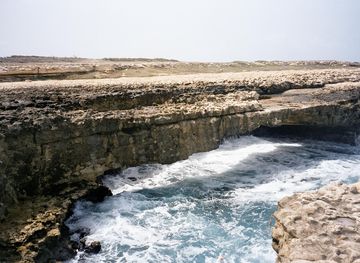
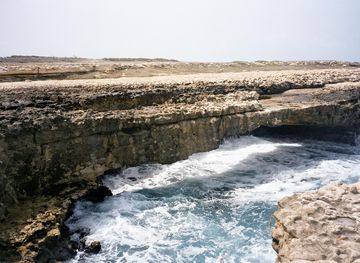
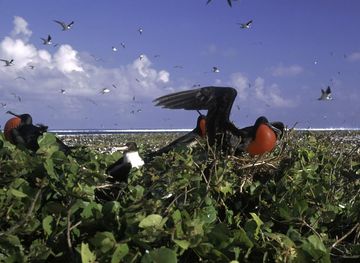

Your all‑in‑one travel companion app
Explore expert travel guides, compare and book tours, experiences, hotels, and more—all from the palm of your hand. Download now for seamless trip planning wherever your wanderlust takes you.


Explore More of Antigua and Barbuda
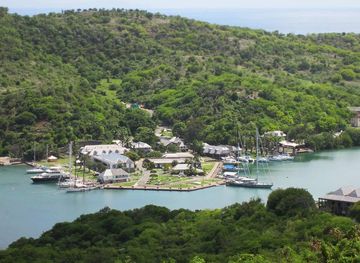
Looking beyond Saint John? Discover Antigua and Barbuda for broader travel guides, local hot-spots, and regional highlights.
Explore Antigua and BarbudaSaint John in Photos
Browse through our photo collection highlighting the charm and character of the destination.


Saint John: The Heartbeat of Antigua and Barbuda
Saint John, the vibrant capital of Antigua and Barbuda, is a treasure trove of culture, history, and natural beauty. Nestled on the island’s northwest coast, this bustling port city is the perfect blend of old-world charm and modern attractions. From its stunning colonial architecture to its bustling markets, Saint John offers an unforgettable experience for every traveler. History enthusiasts will appreciate the city’s rich past, which can be explored at landmarks such as the Museum of Antigua and Barbuda and the iconic St. John's Cathedral. The cathedral, with its Baroque towers and intricate wooden interiors, stands as a testament to the island’s colonial heritage. For a more interactive experience, visit the Heritage Quay, a bustling shopping center where you can find duty-free shops, local crafts, and vibrant street performances. Nature lovers will be drawn to the city’s beautiful beaches and lush landscapes. Dickenson Bay, one of the most popular beaches, offers crystal-clear waters and soft sandy shores, perfect for sunbathing, swimming, and water sports. If you prefer a more secluded spot, head to Fort James Beach, where you can relax under the Caribbean sun and explore the historic Fort James ruins. For a panoramic view of the city and its coastline, take a hike up to Fort Barrington, a historic fort that offers stunning vistas and a glimpse into the island’s defensive history.