

Free Saint Philip Travel Guide & Mobile App
Explore Saint Philip with free travel guides. Discover regional history, expert tips, proposed trips, and audio guides on web or mobile app.


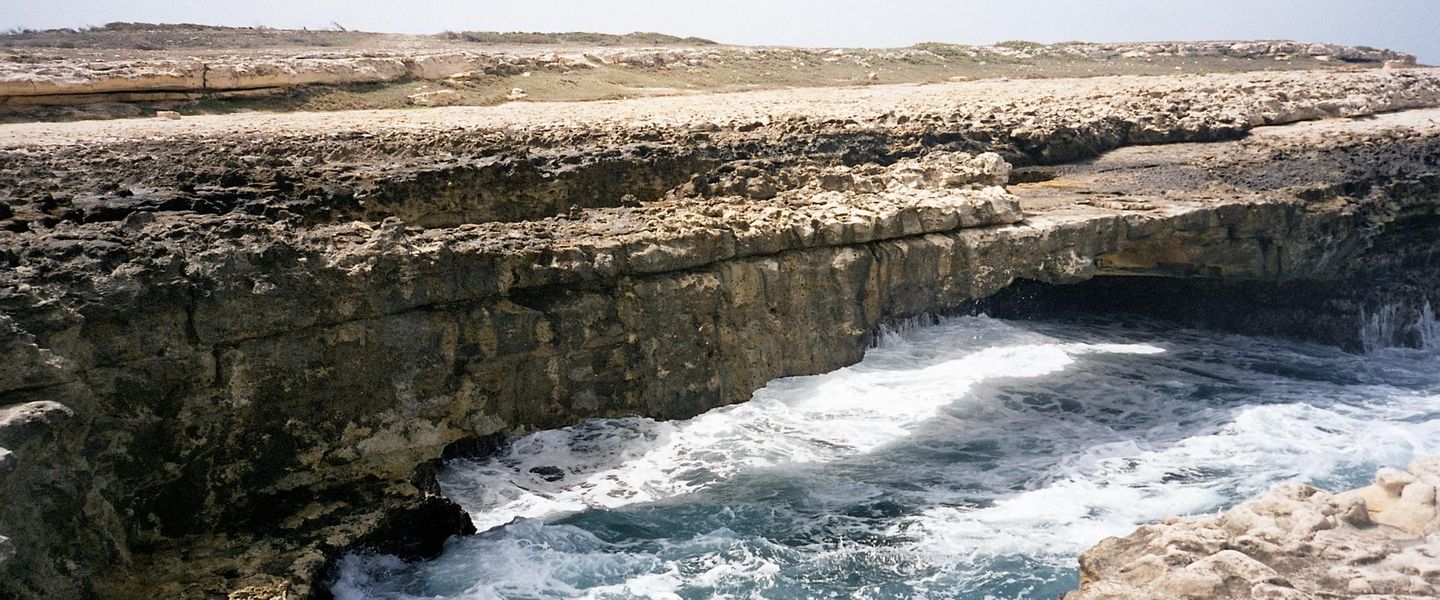


Discover Saint Philip’s Atlantic coast, coral bays, rural villages, historic estates and dramatic Devil’s Bridge in eastern Antigua.
Read more about Saint Philip
When is the best time to visit Saint Philip?
Best: January–March · 28–29°C| Month | High (°C) | Rainfall (mm) |
|---|---|---|
| January (best) | 28 | 55 |
| February (best) | 28 | 45 |
| March (best) | 29 | 50 |
| April | 29 | 60 |
| May | 29 | 70 |
| June | 30 | 85 |
| July | 31 | 95 |
| August | 31 | 105 |
| September | 31 | 110 |
| October | 30 | 115 |
| November | 29 | 90 |
| December | 28 | 75 |
Getting to and around Saint Philip
How to get there
Transportation
Top city travel guides in Saint Philip
The cities of Saint Philip, and the easiest places to base yourself.

Swipe for more cities
Destinations in Saint Philip
Resorts, valleys and scenic spots worth a trip of their own.
-

-

-

-

-


Swipe for more destinations
Best attractions in Saint Philip
Saint Philip’s attractions are primarily coastal, environmental and cultural rather than urban. Indian Town National Park centres on the Atlantic landscape around Devil’s Bridge, where surf, limestone formations and coastal vegetation create a dramatic setting for short walks and photography. Long Bay offers a more sheltered beach environment, while Half Moon Bay is valued for its broad crescent of sand and open ocean views. These beaches are not interchangeable: sea conditions, shade and swimming suitability vary, so local advice matters. Inland, the parish’s roads pass through villages, former plantation landscapes and dry countryside, with stone ruins and historic traces appearing alongside modern homes and small farms. Harmony Hall near Brown’s Bay adds an arts and heritage dimension through exhibitions and cultural programming when open. Saint Philip is also suitable for low-key outdoor activities such as beach walking, coastal observation, birdwatching and scenic driving. The appeal lies in the contrast between exposed headlands and calmer bays, natural formations and cultivated land, and the limited-scale visitor infrastructure of the east rather than in a long list of formal attractions.
-
Museum
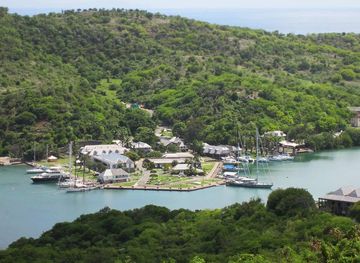
Nelson's Dockyard
Explore a UNESCO World Heritage Site: a beautifully restored Georgian dockyard, active marina, and a window into Antigua's naval past.
-
Restaurant
Shirley Heights Lookout
Experience Antigua's best view! Historic lookout by day, vibrant restaurant and bar by night, with unforgettable sunsets and Caribbean vibes.
-
Public beach
Galleon Beach
Discover tranquility at Galleon Beach in Antigua: pristine sands, clear waters, vibrant marine life, and historic charm await in English Harbour.
-
Historical place
The Blockhouse
Discover Antigua's colonial past at The Blockhouse in Piccadilly. Explore historic ruins and enjoy panoramic coastal views from this 18th-century military site.



Best landmarks in Saint Philip
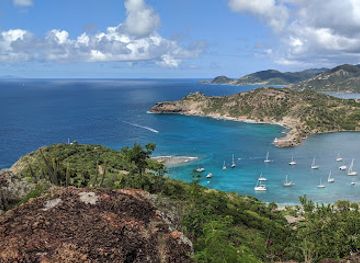
Devil’s Bridge is Saint Philip’s most recognisable natural landmark, a limestone arch and rock formation at Indian Town Point shaped by prolonged Atlantic erosion. Its significance is geological as well as visual, and the surrounding surf zone should be viewed from safe ground rather than climbed casually. Half Moon Bay is another defining feature of the parish: its curving beach and open eastern aspect make it one of Antigua’s memorable coastal landscapes, while the surrounding headland reveals the force of the Atlantic. Long Bay forms a contrasting landmark through its sheltered curve and clear, protected-looking waters, although conditions still require care. Inland, surviving plantation-era stonework and estate remnants point to the sugar economy that structured Antigua for centuries, even where individual sites are not fully preserved or interpreted. Harmony Hall near Brown’s Bay is a notable modern cultural and architectural reference point, associated with arts and regional creative activity. Together, these places represent Saint Philip more accurately than a single historic monument would: a parish marked by coral geology, exposed coastline, rural settlement and the material traces of plantation society.
-
Cruise terminal
Heritage Quay Complex
Experience the vibrant blend of shopping, dining, and culture at Heritage Quay Complex in St. John's, Antigua.
-
 Resort hotel
Sandals Grande Antigua
Discover the ultimate beachfront paradise at Sandals Grande Antigua, a luxurious all-inclusive resort perfect for romance and adventure.
-
Museum
Nelson's Dockyard
Explore the historic charm of Nelson's Dockyard, a UNESCO World Heritage Site in Antigua showcasing maritime heritage and breathtaking views.
-
Island
Antigua
Discover the enchanting beauty of Antigua, where pristine beaches, rich history, and vibrant culture converge to create an unforgettable Caribbean escape.

Explore Saint Philip on the map
Plan your trip on one map. See where the top cities, national parks and sights are, and book hotels and experiences in a few clicks.
Best hotels in Saint Philip
Best restaurants in Saint Philip
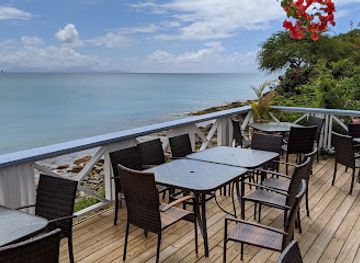
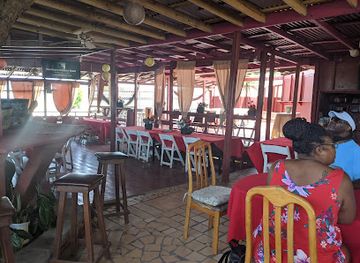
Dining in Saint Philip is generally informal and locally oriented, reflecting the parish’s villages, beaches and dispersed settlement pattern. Visitors may find Caribbean cooking, grilled fish, seafood, chicken, rice dishes, provisions and seasonal produce at small restaurants, roadside food stops and establishments serving nearby communities. Fresh catches are a natural feature of a coastal parish, although availability depends on weather and supply. Antiguan specialities such as fungi and pepper, ducana and saltfish, and pepperpot belong to the wider culinary traditions of Antigua and Barbuda rather than Saint Philip alone, but they are useful dishes to look for. Beach areas may have casual food and drinks rather than a continuous restaurant strip, while larger dining choices are more likely around accommodation clusters or on routes towards other parts of the island. Ask whether service charge is included and carry cash for smaller operators. Farmers’ produce, rum-based drinks and fresh juices can complement a meal, and locally run establishments often provide a more direct connection with everyday island cooking than formal resort dining.
-
Restaurant
Shirley Heights Lookout
Antigua's ultimate hilltop haven: epic harbor sunsets, historic guns, sizzling BBQs, and steel pan parties that pulse with island soul.
-
Restaurant
Sweet-Ts
Discover Sweet-Ts in Piccadilly: A delightful dining destination offering authentic local flavors in a vibrant atmosphere.
-
Restaurant
Cloggy's
Experience exquisite dining with stunning views at Cloggy's in Catamaran Marina, Falmouth - where flavor meets paradise.
-
Caribbean
Trappas
Discover the vibrant flavors of Caribbean cuisine at Trappas on Dockyard Drive – an unforgettable dining experience awaits you.


Best bars in Saint Philip
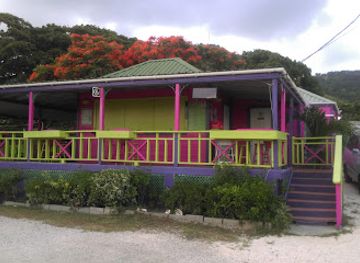
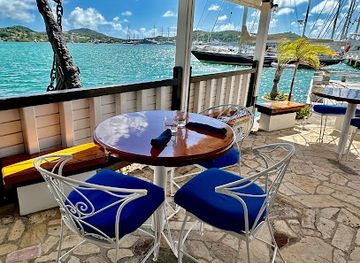
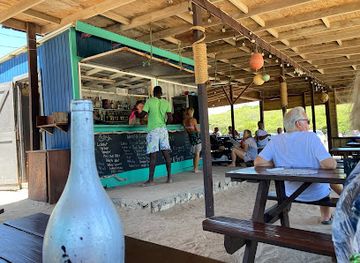
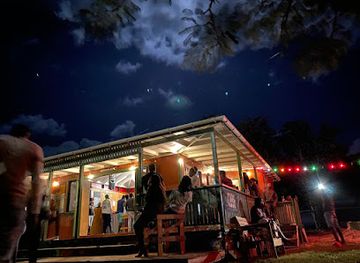
Saint Philip does not have a concentrated nightclub district. Evening life is more likely to centre on village bars, casual restaurants, hotel facilities and occasional music or community gatherings than on late-night entertainment. Willikies and Freetown provide local points of reference, while the coastal areas around Long Bay and Half Moon Bay are generally quieter after sunset. Visitors seeking a larger choice of clubs, organised live music or late-opening bars will usually need to travel outside the parish towards St John’s or the principal resort and harbour areas, arranging a taxi or designated driver in advance. Rum, beer and rum-based mixed drinks are common across Antigua and Barbuda, but drinking is not necessary to appreciate Saint Philip’s evening atmosphere. The parish is better suited to a relaxed dinner, a quiet drink and stargazing than to a heavily programmed nightlife itinerary.
-
Restaurant
Shirley Heights Lookout
Experience stunning vistas, delicious cuisine, and vibrant atmosphere at Shirley Heights Lookout in English Harbour, Antigua.
-
Grill
The Nest -Beach Bar, Antigua
Experience the flavors of the Caribbean at The Nest - Beach Bar in Antigua, a perfect blend of grilled delights and stunning ocean views.
-
Caribbean
Ffryes Beach Bar/ Dennis Restaurant
Experience the best of Caribbean cuisine at Ffryes Beach Bar in Antigua, where every meal is accompanied by stunning ocean views and a vibrant atmosphere.
-
Restaurant
Road House Restaurant And Bar
Discover delicious Caribbean cuisine at Road House Restaurant And Bar, where vibrant flavors meet a welcoming atmosphere in Antigua.
Best nightclubs in Saint Philip
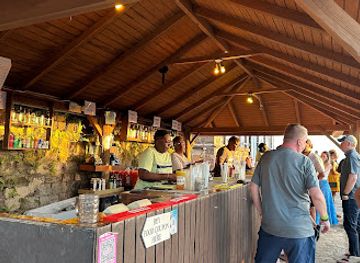
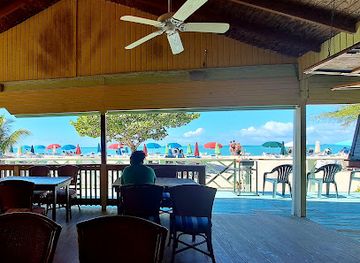
Saint Philip does not have a concentrated nightclub district. Evening life is more likely to centre on village bars, casual restaurants, hotel facilities and occasional music or community gatherings than on late-night entertainment. Willikies and Freetown provide local points of reference, while the coastal areas around Long Bay and Half Moon Bay are generally quieter after sunset. Visitors seeking a larger choice of clubs, organised live music or late-opening bars will usually need to travel outside the parish towards St John’s or the principal resort and harbour areas, arranging a taxi or designated driver in advance. Rum, beer and rum-based mixed drinks are common across Antigua and Barbuda, but drinking is not necessary to appreciate Saint Philip’s evening atmosphere. The parish is better suited to a relaxed dinner, a quiet drink and stargazing than to a heavily programmed nightlife itinerary.
-
Bar
Beach Bum Bar & Cafe
Experience the essence of Caribbean relaxation at Beach Bum Bar & Cafe, where refreshing drinks and stunning views await.
-
Grill
Loose Cannon Beach Bar
Experience the best of Caribbean cuisine and cocktails at Loose Cannon Beach Bar, your perfect seaside escape in English Harbour.
-
Bar
Garrot Blacks Bar & Lounge
Unwind at Garrot Blacks Bar & Lounge - where stunning views and vibrant nightlife meet in English Harbour.
-
Bar
Stratos Lounge & Bar ANTIGUA
Discover the sophisticated nightlife at Stratos Lounge & Bar, a stylish venue in Antigua perfect for unwinding with cocktails and enjoying stunning views.


Best shops in Saint Philip
Shopping in Saint Philip is modest and locally focused rather than centred on large retail complexes. Small shops in villages such as Willikies and Freetown are useful for drinks, snacks and everyday supplies, while roadside vendors may sell seasonal fruit, vegetables or prepared food. Around cultural and visitor-oriented sites, look for locally made crafts, artwork, island-themed gifts and regional food products, although stock and opening patterns can vary. Harmony Hall near Brown’s Bay may provide opportunities connected with local arts and crafts when its exhibitions or retail areas are operating. For a broader choice of jewellery, galleries, branded goods and duty-free shopping, visitors generally travel to St John’s or established resort and harbour areas outside the parish. Carry cash for informal sellers, compare prices for craft items and ask whether a product is locally made rather than merely Antigua-themed. Rum, sauces, spices, art and handmade objects can make useful regional purchases, while shells, historic fragments and natural material should be left where they are.
-
Clothing store
The Cool and Smooth
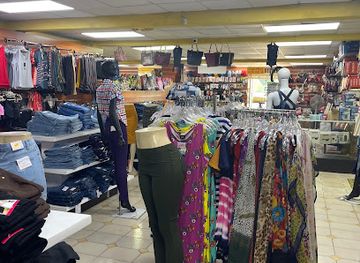
Explore The Cool and Smooth in St. John's for a unique shopping experience with a diverse range of clothing styles at affordable prices.
-
Home goods store
306 Antigua
Discover unique home goods and local artistry at 306 Antigua, a vibrant store in St. John's offering a taste of Antiguan culture.
-
Grocery store
Muffy's Eastside Grocery
Explore Muffy's Eastside Grocery in Willikies for a taste of local produce and authentic Caribbean flavors.
-
Wine store
The Cork & Basket
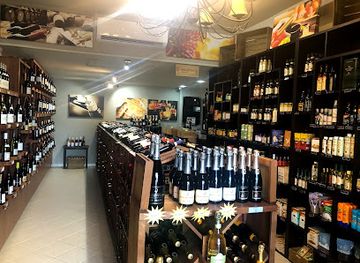
Explore an exquisite selection of wines and spirits at The Cork & Basket, the premier wine store in Antigua's Yacht Club Marina.

Get your free copy of our complete guide to Saint Philip, delivered straight to you.
Everything on this page, from attractions and restaurants to essentials and local phrases, in one PDF you can read offline, print or share.
Already have an account? Sign in
Your Saint Philip guide is ready.
We'll send it to · Not you? Sign out

Getting your guide ready…
We are putting together a fresh copy of the Saint Philip guide. This can take up to a minute.
This can take a few moments. If your browser asks, choose Allow so the download can start. You'll find the guide in your Downloads folder.
Nothing happened? Download it again
Sorry, the guide is taking longer than usual. Please try again in a minute, or get it by email instead.
Saint Philip essentials
Currency and Payment
Safety
Emergency Situations
Do's and Don'ts
Local Tips
From Eve
Local phrases worth knowing
You don't need to get them perfect. A few words go a long way, and locals appreciate the effort.
Basics
| English | Local | Say it |
|---|---|---|
| Hello | Wah Gwaan | [Wah Gwaan] |
| Goodbye | Lata | [Lata] |
| Yes | Yea | [Yea] |
| No | Naa | [Naa] |
| Please/You’re welcome | No problem | [No problem] |
| Thank you | Tank yuh | [Tank yuh] |
| Excuse me/Sorry | Scuse me/Sorry | [Scuse me/Sorry] |
| How are you? | How yuh doin’? | [How yuh doin’?] |
| Fine. And you? | I good. An yuh? | [I good. An yuh?] |
| Do you speak English? | Yuh speak English? | [Yuh speak English?] |
| I don't understand | Mi nuh undastand | [Mi nuh undastand] |
Eating & Drinking
| English | Local | Say it |
|---|---|---|
| I'd like to see the menu, please | Mi wan si di menu, please | [Mi wan si di menu, please] |
| I don't eat meat | Mi nuh eat meat | [Mi nuh eat meat] |
| Cheers! | Cheers! | [Cheers!] |
| I would like to pay, please | Mi wan fi pay, please | [Mi wan fi pay, please] |
Emergencies
| English | Local | Say it |
|---|---|---|
| Help! | Help! | [Help!] |
| Go away! | Geh weh! | [Geh weh!] |
| Call the Police! | Call di Police! | [Call di Police!] |
| Call a doctor! | Call a doc! | [Call a doc!] |
| I'm lost | Mi lost | [Mi lost] |
| I'm ill | Mi sick | [Mi sick] |
Shopping
| English | Local | Say it |
|---|---|---|
| I'd like to buy... | Mi wan buy... | [Mi wan buy...] |
| I'm just looking | Mi a just look | [Mi a just look] |
| How much is it? | How much dat? | [How much dat?] |
| That's too expensive | Dat too pricey | [Dat too pricey] |
| Can you lower the price? | Yuh can lower di price? | [Yuh can lower di price?] |
Time & Numbers
| English | Local | Say it |
|---|---|---|
| What time is it? | Wah time it? | [Wah time it?] |
| It's one o'clock | It one o’clock | [It one o’clock] |
| Half past (10) | Half past ten | [Half past ten] |
| Morning | Mornin’ | [Mornin’] |
| Afternoon | Afternoon | [Afternoon] |
| Evening | Evenin’ | [Evenin’] |
| Yesterday | Yestaday | [Yestaday] |
| Today | Taday | [Taday] |
| Tomorrow | Tomorra | [Tomorra] |
| 1 | One | [One] |
| 2 | Two | [Two] |
| 3 | Three | [Three] |
| 4 | Four | [Four] |
| 5 | Five | [Five] |
| 6 | Six | [Six] |
| 7 | Seven | [Seven] |
| 8 | Eight | [Eight] |
| 9 | Nine | [Nine] |
| 10 | Ten | [Ten] |
Transport & Directions
| English | Local | Say it |
|---|---|---|
| Where's a/the...? | Wheh di...? | [Wheh di...?] |
| What's the address? | Wah di address? | [Wah di address?] |
| Can you show me (on the map)? | Yuh can show mi (pon di map)? | [Yuh can show mi (pon di map)?] |
| When's the next (bus)? | When di next (bus)? | [When di next (bus)?] |
| A ticket (to ....) | A ticket (to....) | [A ticket (to....)] |
History of Saint Philip
Indigenous Settlement and Coastal Resources
Long before European colonisation, Antigua was inhabited by Indigenous peoples whose settlements used the island’s marine, coastal and terrestrial resources. The eastern shoreline, with its reefs, bays and rocky platforms, formed part of a wider network of fishing, gathering and exchange. Archaeological evidence across Antigua demonstrates changing patterns of settlement before the arrival of Europeans, although individual sites should not be casually interpreted without guidance. The landscapes around Indian Town and the coast therefore have significance beyond their scenery, connecting Saint Philip to the island’s earliest human history.
English Colonisation in the Seventeenth Century
English settlement established a new political and economic order in Antigua during the seventeenth century. Land was cleared, plantations expanded and enslaved Africans were brought to the island to work farms and sugar estates. In Saint Philip, the relatively open eastern terrain became part of this plantation landscape, while coastal points also mattered for movement, fishing and defence. The process brought profound dispossession and demographic change, and the parish’s later villages and historic remains cannot be understood separately from the coercive colonial system that created Antigua’s wealth.
The Sugar Plantation Economy
From the late seventeenth century through the eighteenth and early nineteenth centuries, sugar dominated Antigua’s economy. Estates depended on windmills, boiling houses, cisterns, roads and shipping connections, with enslaved labour sustaining production. Saint Philip contains surviving traces of this period in estate ruins, stone walls and altered agricultural landscapes, even where individual buildings have disappeared. The industry linked rural districts to ports and overseas markets, but its profits were accompanied by harsh labour conditions, resistance and the destruction of African family and community life.
Emancipation and Village Communities
The abolition of slavery in the British Empire took effect in Antigua in 1834, with full freedom following after the apprenticeship system was ended. Emancipation transformed labour relations but did not remove economic inequality or plantation control of land. Over time, independent communities developed more firmly in districts such as Freetown and Willikies, alongside churches, smallholdings and local institutions. Modern Saint Philip’s settlement pattern reflects this long transition from an estate-centred society towards villages and households with stronger control over work, land and community life.
Changing Agriculture and Rural Life
After sugar declined, Antigua’s economy became more varied, and many former plantation lands were used for mixed agriculture, livestock grazing or left as scrub and woodland. Saint Philip’s dry climate and eastern exposure have always shaped what can be cultivated, while rainfall variability has made water storage important. The parish’s quiet roads, scattered fields and stonework preserve aspects of this rural history. Although tourism now contributes substantially to Antigua and Barbuda’s economy, Saint Philip remains less built-up than the island’s principal resort and urban areas.
Conservation and Heritage Tourism
In the modern period, Saint Philip’s natural and cultural assets have acquired new importance as places of conservation and public interpretation. Indian Town National Park protects the dramatic coastal setting around Devil’s Bridge, while beaches such as Half Moon Bay and Long Bay attract visitors without forming a continuous resort strip. Historic properties and cultural venues, including Harmony Hall, express an interest in arts, architecture and local heritage. This shift has helped broaden the parish’s identity beyond plantation history and beach tourism, while keeping development comparatively dispersed.
Saint Philip in Photos
Browse through our photo collection highlighting the charm and character of the destination.
Neighbouring regions of Saint Philip
The closest regions to Saint Philip, if you have time for more than one.
-

-

-

-

-


Swipe for more regions
Explore more
Explore more of Antigua and Barbuda
Discover Antigua and Barbuda's 365 beaches, vibrant culture, and rich history. Perfect for sun-seekers, nature lovers, and sailing enthusiasts in the Caribbean.
Explore Antigua and Barbuda