

Free Saint Mary Travel Guide & Mobile App
Explore Saint Mary with free travel guides. Discover regional history, expert tips, proposed trips, and audio guides on web or mobile app.


Explore Saint Mary in Antigua for sheltered beaches, green hills, historic Old Road, marina life and relaxed south-west coast adventures.
Read more about Saint Mary
When is the best time to visit Saint Mary?
Best: January–March · 28–29°C| Month | High (°C) | Rainfall (mm) |
|---|---|---|
| January (best) | 28 | 50 |
| February (best) | 28 | 40 |
| March (best) | 29 | 40 |
| April | 30 | 50 |
| May | 31 | 70 |
| June | 31 | 80 |
| July | 32 | 90 |
| August | 32 | 100 |
| September | 31 | 110 |
| October | 31 | 120 |
| November | 30 | 100 |
| December | 29 | 80 |
Getting to and around Saint Mary
How to get there
Transportation
Top city travel guides in Saint Mary
The cities of Saint Mary, and the easiest places to base yourself.
-
-

-

-

-


Swipe for more cities
Destinations in Saint Mary
Resorts, valleys and scenic spots worth a trip of their own.
-

-

-


Swipe for more destinations
Best attractions in Saint Mary
Saint Mary’s attractions combine accessible Caribbean beaches with green hills, historic settlements and outdoor areas. Jolly Harbour provides a practical base for swimming, sailing, boat trips, watersports and marina dining, while nearby Valley Church Beach and Darkwood Beach are known for broad sandy shores and clear coastal water. The coast around Johnsons Point and Urlings is less uniformly developed and offers a closer connection with working villages, fishing activity and quieter bays. Inland, Mount Obama, formerly called Boggy Peak, is the parish’s principal highland feature and a useful destination for views and guided walks. Wallings Nature Reserve introduces visitors to Antigua’s dry-forest ecology, water conservation and hill-country trails. Old Road adds historical depth through its village setting, churches and association with former plantation estates, while Carlisle estate remains offer a more tangible connection with the island’s sugar economy. The attraction landscape is therefore not centred on a single monument: it moves between beach recreation, yachting, landscape, environmental education and community history. Independent travellers should plan transport carefully because the most interesting locations are spread across the parish and some outdoor areas have limited facilities.
-
Resort hotel
Carlisle Bay
Experience luxury and tranquility at Carlisle Bay, Antigua. Pristine beaches, lush rainforest, and world-class amenities await.
-
Beach
Darkwood Beach
Escape to Darkwood Beach in Antigua: Pristine sands, calm turquoise waters, and breathtaking island views await. Your tranquil Caribbean getaway.
-
Beach
Ffryes Beach
Discover Ffryes Beach, Antigua: A serene escape with white sands, calm turquoise waters, and breathtaking sunsets on the island's west coast.
-
Bay
Valley Church Bay
Discover Valley Church Bay: Antigua's serene beach with calm waters, soft sands, and stunning sunset views. Perfect for relaxation and family fun.


Best landmarks in Saint Mary
Mount Obama is Saint Mary’s most prominent natural landmark, rising above the parish as a forested volcanic hill and offering a strong visual reference from surrounding roads and coastlines. Its former name, Boggy Peak, remains familiar locally, while the present name commemorates Antigua and Barbuda’s connection with the wider Caribbean and international political history. Old Road is an important cultural landmark in settlement form rather than monumental architecture; its coastal position, church buildings and surviving links to plantation-era Antigua reveal how an early community developed around agriculture and maritime access. The remains associated with Carlisle Estate provide a physical reminder of the sugar economy and the enslaved labour that sustained it. Along the shore, the long curves of Darkwood Beach and Valley Church Beach are recognisable landscape landmarks, with the contrast between pale sand, low hills and open Caribbean water forming one of the parish’s defining views. Jolly Harbour’s marina, breakwaters and dense concentration of boats represent a more recent landmark of tourism-led development. Together these places show Saint Mary through natural elevation, historic settlement, plantation heritage, coastal geography and modern marine infrastructure.
-
Cruise terminal
Heritage Quay Complex
Discover the vibrant Heritage Quay Complex in St. John's, a premier shopping and dining destination for cruise travelers and tourists alike.
-
Museum
Nelson's Dockyard
Discover the rich maritime history and stunning beauty of Nelson's Dockyard, a UNESCO World Heritage Site in Antigua, perfect for history buffs and nature lovers alike.
-
Island
Antigua
Explore Antigua, a stunning Caribbean island with pristine beaches, rich history, and vibrant culture that promises a perfect getaway for every traveler.
-
Tourist attraction
Stingray City Antigua
Experience the magic of Stingray City Antigua, where adventure meets education in the clear waters of the Caribbean.


Explore Saint Mary on the map
Plan your trip on one map. See where the top cities, national parks and sights are, and book hotels and experiences in a few clicks.
Best hotels in Saint Mary
Best restaurants in Saint Mary
Dining in Saint Mary ranges from casual Caribbean cooking and beach refreshments to marina restaurants and resort dining. Around Jolly Harbour, visitors will find the parish’s widest choice of restaurants, cafés and bars, with menus that often combine international dishes with Antiguan seafood, grilled meats and Creole-inspired cooking. Local specialities across the island include saltfish with fungi, pepperpot, ducana, rice dishes, goat water and fresh fish, while conch and lobster may appear seasonally and subject to local regulations. Old Road, Johnsons Point and other village areas are better suited to seeking straightforward local meals, takeaway cooking and informal roadside food rather than a concentrated restaurant district. Fresh fruit, baked goods and simple fish lunches are useful choices when travelling between beaches and inland trails. Dining times can be relaxed, particularly outside the main resort areas, so visitors should not assume that every small establishment operates on a fixed tourist timetable. Ask about the day’s catch and locally prepared dishes, and check whether service charges are included before adding a tip.
-
Restaurant
Al Porto
Experience authentic Italian cuisine at Al Porto in Jolly Harbour with breathtaking views and an unforgettable all-you-can-eat pasta special.
-
Restaurant
Sheer Rocks
Experience exquisite tapas and breathtaking views at Sheer Rocks on Ffryes Beach, Antigua's top fine dining destination.
-
Restaurant
Ana's On The Beach
Experience exquisite Caribbean flavors at Ana's On The Beach - where delicious cuisine meets breathtaking ocean views.
-
Caribbean
Roti King
Experience authentic Caribbean flavors at Roti King – where every dish tells a story and every bite is unforgettable.


Best bars in Saint Mary
Saint Mary’s evening life is concentrated around Jolly Harbour, where marina restaurants, hotel bars and waterfront venues provide the broadest choice for dining, drinks and occasional live entertainment. The atmosphere is generally sociable and relaxed rather than centred on a large nightclub scene. In Old Road, Johnsons Point and smaller communities, evenings are more likely to revolve around local rum shops, neighbourhood bars, casual restaurants and community gatherings, with activity varying by day and season. Sunset drinks near the west-facing coast are popular, but visitors should arrange a safe journey back rather than rely on walking along poorly lit roads. Live music and Caribbean styles may feature at individual venues, although programmes and opening arrangements change frequently. Drinking is not necessary to experience the parish’s evening culture: a meal, a marina stroll or a quiet view of the coast can be equally characteristic. Respect residential areas and local noise levels when staying outside the resort zones.
-
Bar
Sheer Rocks
Experience the perfect blend of fine dining and breathtaking views at Sheer Rocks in Antigua, where every meal is a celebration of flavor.
-
Restaurant
Ana's On The Beach
Discover the flavors of Antigua at Ana's On The Beach, where exquisite cuisine meets breathtaking ocean views for an unforgettable dining experience.
-
Grill
The Nest -Beach Bar, Antigua
Experience the best of Caribbean dining at The Nest - Beach Bar in Antigua, where culinary delights meet breathtaking coastal views.
-
Caribbean
Ffryes Beach Bar/ Dennis Restaurant
Discover the vibrant flavors of Caribbean cuisine at Ffryes Beach Bar/Dennis Restaurant, where the ocean meets exquisite dining.


Best nightclubs in Saint Mary
Saint Mary’s evening life is concentrated around Jolly Harbour, where marina restaurants, hotel bars and waterfront venues provide the broadest choice for dining, drinks and occasional live entertainment. The atmosphere is generally sociable and relaxed rather than centred on a large nightclub scene. In Old Road, Johnsons Point and smaller communities, evenings are more likely to revolve around local rum shops, neighbourhood bars, casual restaurants and community gatherings, with activity varying by day and season. Sunset drinks near the west-facing coast are popular, but visitors should arrange a safe journey back rather than rely on walking along poorly lit roads. Live music and Caribbean styles may feature at individual venues, although programmes and opening arrangements change frequently. Drinking is not necessary to experience the parish’s evening culture: a meal, a marina stroll or a quiet view of the coast can be equally characteristic. Respect residential areas and local noise levels when staying outside the resort zones.
-
Grill
The Nest -Beach Bar, Antigua
Experience the vibrant flavors and stunning views at The Nest Beach Bar in Antigua, your ultimate tropical getaway.
-
Restaurant
Darkwood Beach Bar and Restaurant
Discover the flavors of the Caribbean at Darkwood Beach Bar and Restaurant, where ocean views meet delicious dining experiences in Antigua.
-
Bar
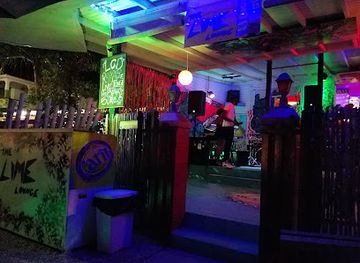
The Lime
Experience the vibrant nightlife at The Lime, a premier bar in English Harbour offering refreshing cocktails and live music in a lively Caribbean setting.
-
Night club
The Boardroom - The Premium Gentleman's Club
Experience the vibrant nightlife at The Boardroom, a premier gentleman's club in Jolly Harbour, Saint Johns, blending dining and entertainment.



Best shops in Saint Mary
Shopping in Saint Mary is most concentrated in Jolly Harbour, where visitors can find everyday provisions, beach necessities, gifts, casual clothing, marine services and locally oriented restaurants and shops. The marina setting gives retail there a practical, holiday-focused character rather than the scale of a major city shopping district. Old Road and the smaller south-western communities offer a more limited selection, including local groceries, informal food stalls and occasional craft or produce sales. For distinctive purchases, look for Antiguan rum, spices, pepper sauces, preserves, locally made jewellery, textiles, artwork and small wood or shell crafts, while checking that shells and other natural materials have been sourced responsibly. Farmers’ and produce stalls may be seasonal and are not necessarily held on a fixed schedule, so ask locally about current locations. Visitors seeking a wider national selection of crafts and souvenirs may need to shop in St John’s, outside Saint Mary, but the parish is better suited to practical supplies, marina goods and locally flavoured gifts than extensive high-street retail.
-
Cruise terminal
Heritage Quay Complex
Discover the Heritage Quay Complex, a vibrant shopping and cultural hub in St. John's, perfect for tourists seeking unique local experiences.
-
Shopping mall
Redcliffe Quay
Experience the charm of Redcliffe Quay, a vibrant shopping mall in St. John's, Antigua, where local culture meets unique shopping and dining.
-
Supermarket
Epicurean Fine Foods & Pharmacy
Discover gourmet delights and everyday essentials at Epicurean Fine Foods & Pharmacy in Jolly Harbour, Antigua.
-
Department store
Shoul's Toys, Gifts & Housewares
Explore Shoul's Toys, Gifts & Housewares in St John's for unique souvenirs, delightful toys, and stylish housewares that capture Caribbean charm.


Get your free copy of our complete guide to Saint Mary, delivered straight to you.
Everything on this page, from attractions and restaurants to essentials and local phrases, in one PDF you can read offline, print or share.
Already have an account? Sign in
Your Saint Mary guide is ready.
We'll send it to · Not you? Sign out

Getting your guide ready…
We are putting together a fresh copy of the Saint Mary guide. This can take up to a minute.
This can take a few moments. If your browser asks, choose Allow so the download can start. You'll find the guide in your Downloads folder.
Nothing happened? Download it again
Sorry, the guide is taking longer than usual. Please try again in a minute, or get it by email instead.
Saint Mary essentials
Currency and Payment
Safety
Emergency Situations
Do's and Don'ts
Local Tips
From Eve
Local phrases worth knowing
You don't need to get them perfect. A few words go a long way, and locals appreciate the effort.
Basics
| English | Local | Say it |
|---|---|---|
| Hello | Wah gwaan | [Wah gwaan] |
| Goodbye | Lata | [Lata] |
| Yes | Yeah | [Yeah] |
| No | No | [No] |
| Please/You're welcome | Pleez/No problem | [Pleez/No problem] |
| Thank you | Tanks | [Tanks] |
| Excuse me/Sorry | Scuse me/Sorry | [Scuse me/Sorry] |
| How are you? | How yuh doin? | [How yuh doin?] |
| Fine. And you? | I good. An yuh? | [I good. An yuh?] |
| Do you speak English? | Yuh speak English? | [Yuh speak English?] |
| I don't understand | Mi nuh undastand | [Mi nuh undastand] |
Eating & Drinking
| English | Local | Say it |
|---|---|---|
| I'd like to see the menu, please | Mi wan si di menu, pleez | [Mi wan si di menu, pleez] |
| I don't eat meat | Mi nuh eat meat | [Mi nuh eat meat] |
| Cheers! | Cheers! | [Cheers!] |
| I would like to pay, please | Mi wan fi pay, pleez | [Mi wan fi pay, pleez] |
Emergencies
| English | Local | Say it |
|---|---|---|
| Help! | Help! | [Help!] |
| Go away! | Guh way! | [Guh way!] |
| Call the Police! | Call di Police! | [Call di Police!] |
| Call a doctor! | Call a doctor! | [Call a doctor!] |
| I'm lost | Mi lost | [Mi lost] |
| I'm ill | Mi sick | [Mi sick] |
Shopping
| English | Local | Say it |
|---|---|---|
| I'd like to buy... | Mi wan buy... | [Mi wan buy...] |
| I'm just looking | Mi just a look | [Mi just a look] |
| How much is it? | How much dat? | [How much dat?] |
| That's too expensive | Dat too expensive | [Dat too expensive] |
| Can you lower the price? | Can yuh lower di price? | [Can yuh lower di price?] |
Time & Numbers
| English | Local | Say it |
|---|---|---|
| What time is it? | Wah time it? | [Wah time it?] |
| It's one o'clock | It one o'clock | [It one o'clock] |
| Half past (10) | Half past ten | [Half past ten] |
| Morning | Mornin | [Mornin] |
| Afternoon | Afternoon | [Afternoon] |
| Evening | Evenin | [Evenin] |
| Yesterday | Yestaday | [Yestaday] |
| Today | Todaay | [Todaay] |
| Tomorrow | Tomorra | [Tomorra] |
| 1 | One | [One] |
| 2 | Two | [Two] |
| 3 | Three | [Three] |
| 4 | Four | [Four] |
| 5 | Five | [Five] |
| 6 | Six | [Six] |
| 7 | Seven | [Seven] |
| 8 | Eight | [Eight] |
| 9 | Nine | [Nine] |
| 10 | Ten | [Ten] |
Transport & Directions
| English | Local | Say it |
|---|---|---|
| Where's a/the...? | Wey de...? | [Wey de...?] |
| What's the address? | Wah di address? | [Wah di address?] |
| Can you show me (on the map)? | Can yuh show mi (pon di map)? | [Can yuh show mi (pon di map)?] |
| When's the next (bus)? | When di next (bus)? | [When di next (bus)?] |
| A ticket (to ....) | A ticket (to ....) | [A ticket (to ....)] |
History of Saint Mary
Indigenous Settlement and the South-West Coast
Long before European colonisation, Antigua was inhabited by Indigenous peoples whose settlements and activities were connected to the island’s coastal waters, forests and freshwater sources. Saint Mary’s bays and low hills would have supported fishing, shell gathering, small-scale cultivation and movement between inland and coastal areas. Archaeological evidence across Antigua demonstrates successive Indigenous cultures, although many visible traces have been affected by later agriculture and development. The south-west coast’s sheltered inlets and access to the interior help explain why this part of the island has remained important for human settlement.
English Colonisation and Old Road
English settlement expanded across Antigua during the seventeenth century, bringing land grants, plantation agriculture and the forced labour of enslaved Africans. Old Road became one of the island’s early established communities and developed in connection with nearby estates and coastal transport. Its history reflects the wider colonial transformation of Antigua, in which land was reorganised around sugar production and European ownership. Churches, estate remains, roads and village patterns in and around Saint Mary retain traces of this period, although the social and environmental costs of plantation society were profound.
Sugar, Estate Agriculture and Enslavement
From the late seventeenth century into the eighteenth and nineteenth centuries, sugar dominated Antigua’s economy. Estates in and around Saint Mary relied on enslaved African labour to cultivate cane, process sugar and maintain roads, mills and water systems. Estate sites such as Carlisle preserve part of this agricultural history, while the parish’s hills and coastal plains reveal how intensively the island was organised for plantation production. Emancipation in 1834, followed by the end of the apprenticeship system in 1838, fundamentally changed labour relations, although economic inequality and the influence of former plantation interests continued.
Post-Emancipation Communities and Fishing
After emancipation, formerly enslaved people established and strengthened communities across Antigua, combining wage labour, small-scale cultivation, fishing and maritime work. In Saint Mary, settlements including Old Road, Urlings and Johnsons Point developed identities distinct from the plantation estates that had previously controlled much of the land. Coastal knowledge remained important for fishing and transport, while village churches, schools and community institutions became central to social life. This period helped shape the settlement patterns and local traditions that visitors encounter beyond the parish’s resort and marina developments.
Water Management and the Agricultural Landscape
Antigua’s relatively dry climate made dependable water supplies a persistent challenge, especially as plantation agriculture expanded. Reservoirs, wells, cisterns and estate waterworks were built to support communities and sugar production. In the hills of Saint Mary, modern conservation initiatives such as the Wallings Nature Reserve connect present-day environmental management with this older history of adapting to limited rainfall. The landscape’s dry woodland, seasonal streams and carefully managed water sources are important reminders that Antigua’s green appearance during wetter months does not mean water is naturally abundant.
Tourism, Marinas and the Contemporary Parish
During the twentieth century, Antigua’s economy shifted increasingly towards tourism and services as sugar declined. Saint Mary experienced this transformation through the growth of beach hotels, holiday accommodation and the Jolly Harbour marina community, while older villages retained fishing, residential and local commercial functions. The result is a mixed parish in which resort infrastructure exists alongside historic settlements, small businesses, working waterfronts and conservation areas. Contemporary Saint Mary therefore reflects both Antigua’s plantation-era inheritance and its modern role as an international Caribbean destination.
Saint Mary in Photos
Browse through our photo collection highlighting the charm and character of the destination.
Neighbouring regions of Saint Mary
The closest regions to Saint Mary, if you have time for more than one.
-

-

-

-
-


Swipe for more regions
Explore more
Explore more of Antigua and Barbuda
Discover Antigua and Barbuda's 365 beaches, vibrant culture, and rich history. Perfect for sun-seekers, nature lovers, and sailing enthusiasts in the Caribbean.
Explore Antigua and Barbuda